 Skip to content

Quick Answer
Start Working with KingSourcing becomes much easier when I treat the first order as a controlled procurement project, not just a request for a low product price. An unclear product brief can create misleading quotations, unsuitable samples, and avoidable quality problems.[1] I use the first stage to clarify requirements, compare realistic options, and define approval checkpoints before bulk production. **To start working with KingSourcing, send a clear procurement brief covering the product, specifications, materials, functions, target quantity, packaging, destination, and purchasing plan.
I can then source suitable suppliers, compare quotations by total cost and risk, coordinate samples, and define quality checkpoints. Buyers should approve the product standard and sample before placing a larger order.**
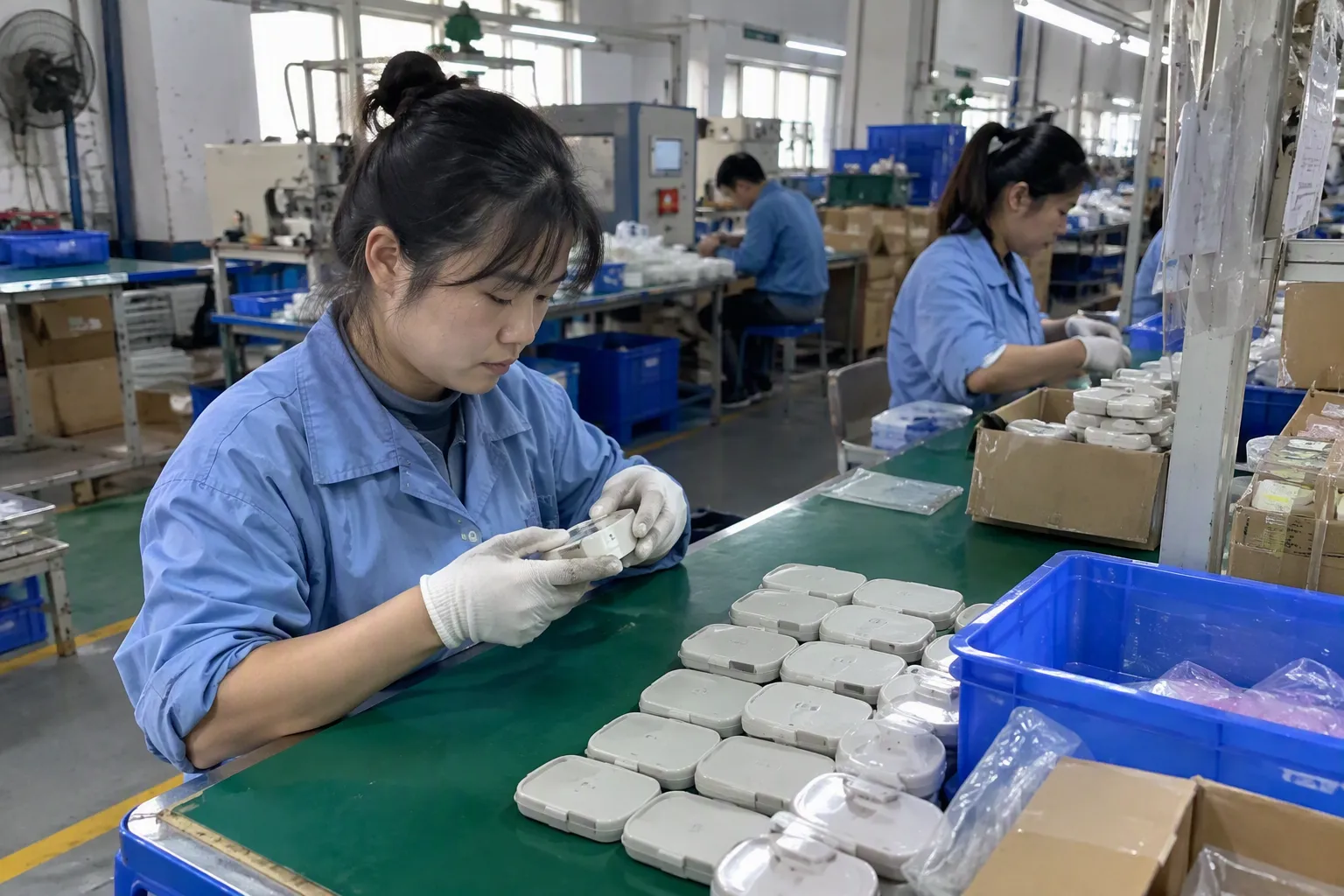
A first order usually raises more questions than a buyer expects. Which suppliers are genuinely suitable? Does a low quotation include the required materials and packaging? Can the sample become a reliable production standard? I will explain how I approach these questions and what information helps both sides make better decisions.
How Can I Start Working with KingSourcing on a Buyer’s First Order?
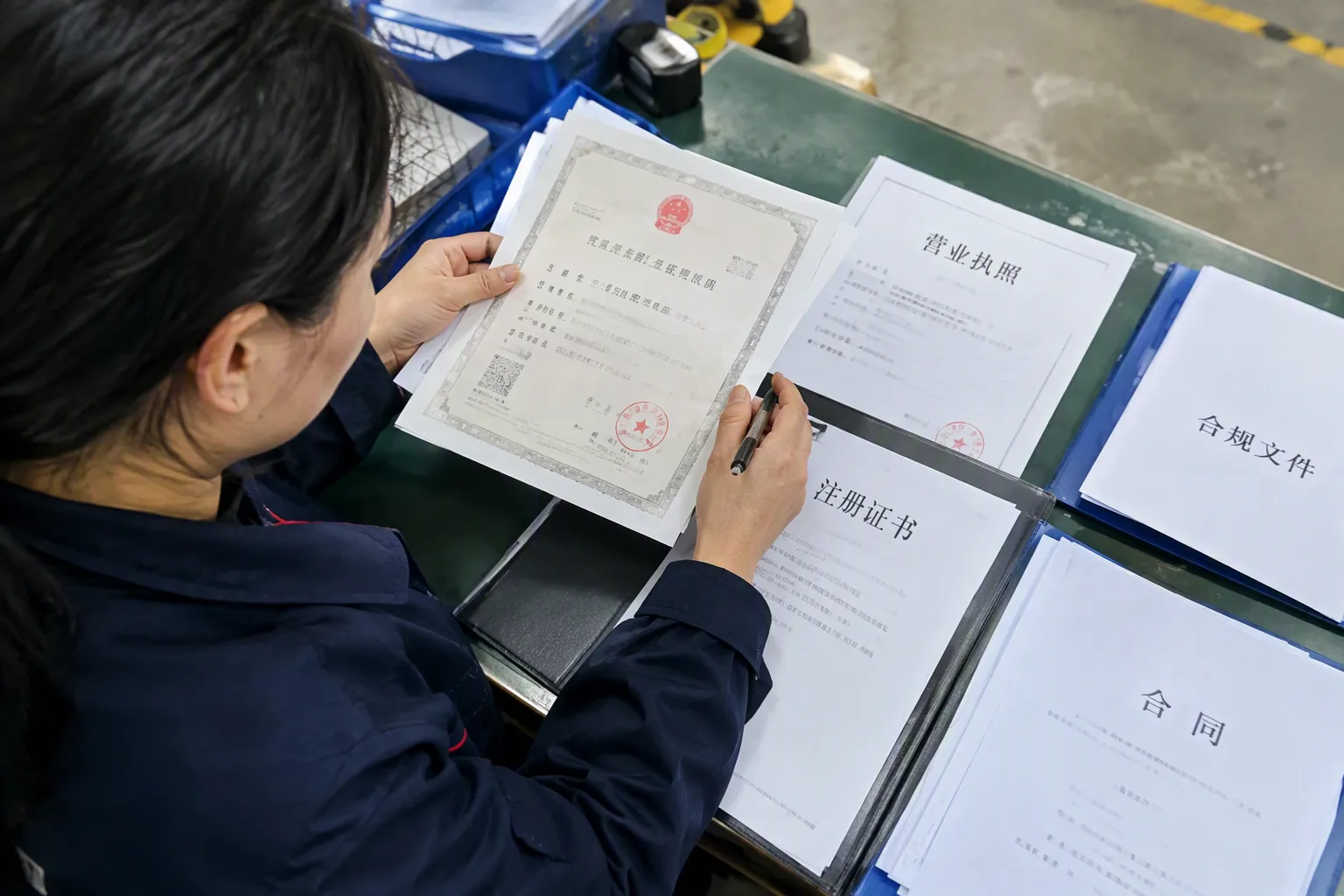
Many overseas buyers contact me with a product name, a reference photo, or a marketplace link. That information gives me a starting point, but it rarely gives a factory enough detail for a dependable quotation.[2] I reduce uncertainty by turning the idea into a practical sourcing brief before I compare suppliers or request samples.
I start a buyer’s first order by reviewing the product brief, confirming commercial requirements, identifying suitable suppliers, comparing complete quotations, and agreeing on sample and inspection standards. The buyer remains responsible for approving the requirements, sample, and order terms, while I coordinate the China-side sourcing and procurement process.
What Should I Include in a Product Sourcing Brief?
A product name describes a category, but it does not define the item that a supplier must manufacture or supply. For example, “wireless charger,” “custom pouch,” or “LED desk lamp” can refer to many different materials, sizes, functions, packaging formats, and quality levels.
When I receive only a product name, different suppliers may quote different products. The buyer may then compare prices that are not genuinely comparable. One quotation might cover a basic version, while another includes a better material, extra components, stronger packaging, or more testing.
I normally ask buyers to provide as many of the following details as possible:
- Product category and intended use
- Product drawings, photos, links, or reference samples
- Dimensions, weight, color, finish, and construction
- Materials and preferred material grades
- Required functions and performance expectations
- Logo, private-label, OEM, or ODM requirements
- Packaging, labeling, barcodes, and inserts
- Target order quantity and possible reorder volume
- Preferred test-order quantity
- Destination country and delivery location
- Target launch date or required arrival window
- Known compliance, testing, or marketplace requirements
- Acceptable alternatives if the original specification is not practical
I do not expect every new buyer to have a complete engineering document. Many DTC brands begin with a concept, a competitor sample, or a simple product sketch. I can help organize that information into a supplier-facing brief. However, I cannot responsibly replace missing decisions with assumptions.
Why Do Quantity and Purchasing Plans Matter?
A factory may quote very differently for 100 units, 500 units, and 5,000 units. The order quantity affects material purchasing, production setup, packaging, labor allocation, and the supplier’s willingness to customize.[3] A buyer who expects a small test order but tells the supplier only about a future large launch may receive an unrealistic price.
I ask buyers to separate three quantities:
- The initial sample or prototype quantity
- The first commercial test-order quantity
- The expected repeat or scale-up quantity
These numbers do not need to be exact. A reasonable range still helps. For example, “I want to test 200 units and may reorder 1,000 to 2,000 units if sales are positive” gives a supplier more useful context than “I need the best price.”
The future plan can also affect supplier selection.[4] A small workshop may handle a low-volume customized order carefully, but it may not have the capacity for a larger repeat program. A larger factory may offer better scale but impose a higher MOQ. I compare those trade-offs instead of presenting one supplier as universally suitable.
What Information Helps Me Source More Efficiently?
I work faster when the buyer separates must-have requirements from preferred requirements. A must-have requirement could be a specific material, dimension, function, or packaging format. A preferred requirement might be a certain color, delivery method, or secondary accessory.
This distinction helps me discuss alternatives without weakening the core product. If the target specification creates an unusually high MOQ, I can ask suppliers whether a different component, packaging method, or production route would reduce the initial commitment. I would still present the change to the buyer for approval.
I also ask whether the buyer already has:
- A target landed cost
- A retail price or wholesale price
- An approved product sample
- A brand guideline
- A packaging dieline
- A purchase order format
- An inspection checklist
- A required shipping method
A target price is not a promise that a product can be manufactured at that level. It is a decision boundary. If the requested specification cannot fit the commercial model, I would rather identify that early than encourage an order that is unlikely to work.
How Do I Compare Chinese Suppliers and Quotations?
I do not treat supplier forwarding as the complete sourcing service. I compare the suitability of the supplier, the completeness of the quotation, the communication quality, and the risks that could affect the first order.
A useful quotation comparison may include:
| Evaluation point | Questions I ask |
|---|---|
| Product specification | Does the offer match the requested material, size, function, and finish? |
| MOQ | Is the minimum quantity suitable for a test order? |
| Unit price | Does the price apply to the stated quantity and specification? |
| Tooling or setup | Are molds, artwork, sampling, or setup fees separate? |
| Packaging | Are boxes, labels, inserts, and protective materials included? |
| Lead time | Does the stated time begin after deposit, sample approval, or another event? |
| Quality process | What production checks can the supplier support? |
| Payment terms | Are the terms clear and commercially acceptable? |
| Logistics | Does the offer include local transport, export handling, freight, or delivery? |
| Supplier fit | Can the factory support the buyer’s volume and customization needs? |
The lowest unit price often becomes attractive because it is easy to see.[5] The missing packaging charge, higher defect exposure, longer lead time, or unsuitable MOQ is less visible. I therefore try to compare total expected purchasing cost and risk, rather than only the number beside “unit price.”
A simple internal comparison can look like this:
The final cost depends on the product, destination, shipping method, and commercial terms. I do not promise a fixed landed cost until the relevant details are confirmed.
How Do I Handle Samples Before Bulk Production?
A sample is valuable only when the buyer knows what the sample is supposed to prove. A visual sample may confirm color and appearance, but it may not confirm durability, electrical performance, fit, safety, or regulatory suitability.[7] Those application-specific questions may require qualified testing or professional evaluation.
I help coordinate the sample process, but I ask the buyer to review it against written requirements. The buyer should record:
- What is approved
- What must be corrected
- What is acceptable as a minor variation
- What cannot vary in production
- Which dimensions or functions need checking
- Which packaging elements need revision
- Whether the sample is a factory sample, modified sample, or final production sample
I often recommend a written sample approval record, even when the product appears simple. A message such as “looks good” may not tell a factory whether the buyer approved the color only or the entire product. A clearer approval might state that the dimensions, material, logo placement, color reference, packaging, and included accessories are approved, subject to the listed corrections.
I also distinguish between a reference sample and a production standard. A reference sample can show the desired result, but the factory still needs written specifications, artwork, tolerances, approved materials, and inspection criteria.[8] The more subjective the product, the more important this written record becomes.
How Do I Define Quality Control for the First Order?
Quality control should begin before production, not after products arrive at the buyer’s warehouse. I help buyers identify practical checkpoints that match the product and the order size.
Typical checkpoints include:
-
Pre-production confirmation
I confirm the approved specification, packaging, artwork, materials, and production instructions. -
Sample or pilot review
I coordinate a sample or production reference for buyer approval when appropriate. -
Production follow-up
I check progress, clarify changes, and communicate issues that may affect delivery or quality. -
Inspection before shipment
I arrange inspection according to the agreed checklist and report findings to the buyer. -
Packing and shipping verification
I check quantities, carton information, labels, and consolidation details where these services apply.
An inspection is not a guarantee that every possible issue has been eliminated. Its usefulness depends on the inspection scope, sample size, product complexity, and acceptance criteria. Buyers should ask what is inspected, how defects are classified, and what action follows if the result is not acceptable.
For regulated, safety-critical, medical, electrical, or technically complex products, I recommend qualified professional evaluation and any testing required for the destination market. I can help coordinate supplier documents and samples, but buyers should verify certifications, test reports, declarations, and regulatory responsibilities independently.
What Information Should Appear in the Purchase Confirmation?
Before bulk production, I want the buyer and supplier to share the same written understanding. The order confirmation should cover more than the unit price.
I usually look for the following information:
- Final product description and version
- Material and color requirements
- Dimensions and agreed tolerances where relevant
- Logo files and placement
- Accessories and included components
- Packaging specifications
- Quantity and acceptable quantity variation
- Unit price and currency
- Sampling, tooling, and setup charges
- Payment terms
- Production lead time and its starting point
- Shipping or delivery terms
- Inspection arrangements
- Defect handling and correction process
- Buyer approval status
- Documents required before shipment
The exact terms depend on the supplier and product. I do not use a generic checklist as a substitute for commercial or technical review. Instead, I adapt the confirmation to the order’s risks.
I also encourage buyers to keep version control for artwork and specifications. A file called “final” can easily be replaced by another file with the same name. A date, version number, or approval message helps prevent confusion.
What Is KingSourcing’s Role in the First Order?
I see my role as a coordination and decision-support function between the buyer and Chinese suppliers. I help turn a product idea into supplier communication, collect and compare information, coordinate samples, follow production, and arrange quality and logistics support.
The buyer still makes important decisions. The buyer approves:
- The commercial specification
- The acceptable product alternatives
- The sample
- The packaging
- The order quantity
- The inspection standard
- The final production decision
This division of responsibility matters. A sourcing partner can improve local communication and process visibility, but no intermediary can make an unclear product requirement safe by default. I need the buyer’s decisions at the right points so I can manage the supplier relationship against a defined target.
For buyers without a China purchasing team, this local coordination can reduce the practical burden of contacting factories, requesting revisions, comparing quotations, arranging inspections, and consolidating shipments. For repeat buyers, I can also support a broader purchasing workflow across multiple suppliers and SKUs. The exact scope should be confirmed for each project.
What Recurring First-Order Problems Should Buyers Watch For?
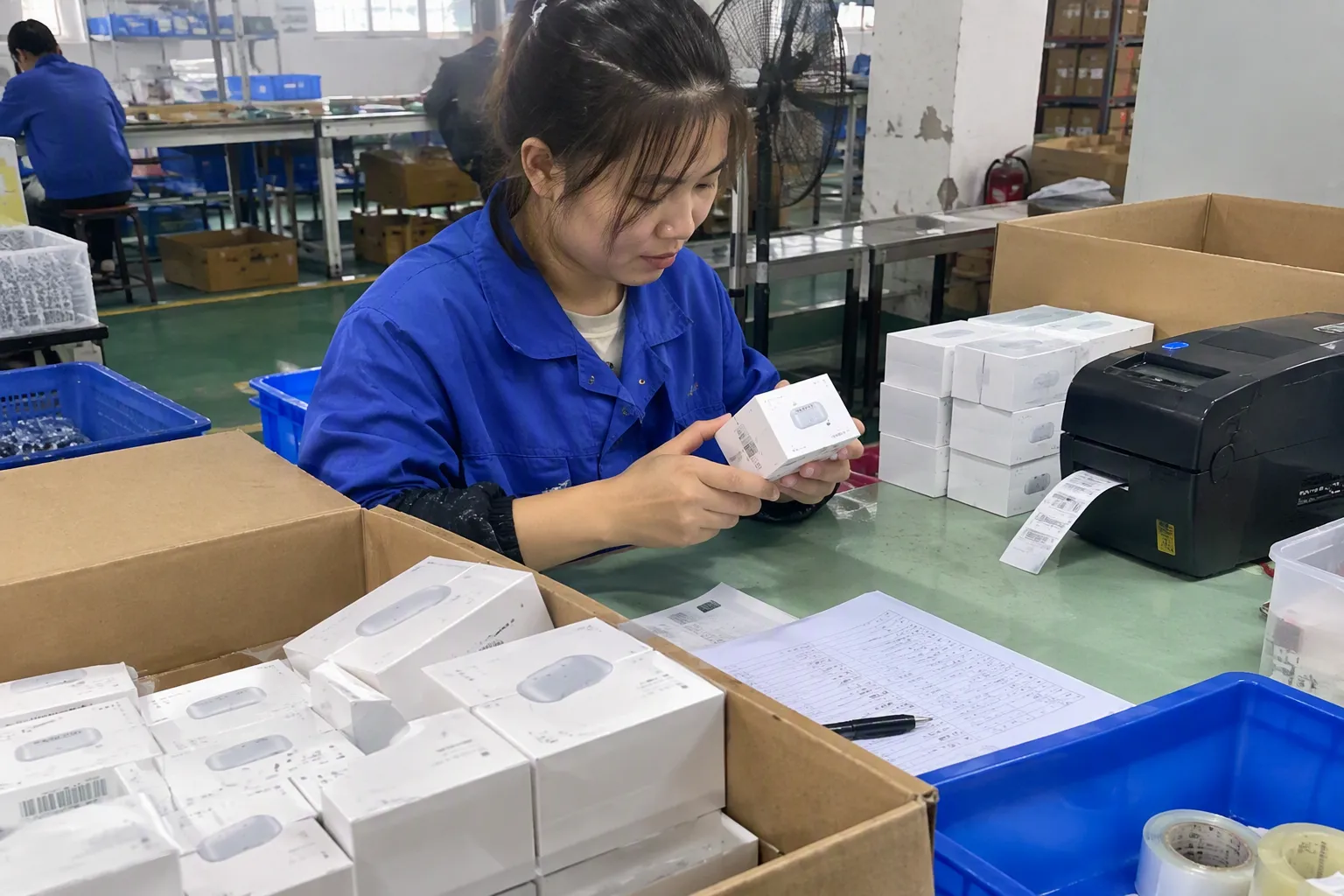
In recurring first-order discussions, I see several patterns. One overseas brand once approached us with a product reference and a target price but no confirmed material, packaging, or test quantity. The first offers looked attractive, but the suppliers were not quoting equivalent versions. The decision became clearer only after the buyer separated must-have specifications from optional features and compared the complete order cost.
I describe this as a recurring customer problem rather than a case study with identifiable details. I do not use customer names, product details, or unverified savings. The important lesson is the decision process.
Other common problems include:
- A buyer approves a visual sample but does not define functional checks.
- A low quote excludes customized packaging or domestic transport.
- A supplier confirms a lead time without explaining when the clock starts.
- A factory uses a different material because the brief did not specify one.
- The buyer changes artwork after production begins.
- A test order is too large for the company’s cash flow or sales validation plan.
- The inspection takes place without a written acceptance standard.
- Supplier documents are treated as proof without independent verification.
I reduce these risks by asking questions before I ask for a final quotation. If a buyer cannot answer every question, I identify the open items and show how they may affect the quotation or order decision.
How Should I Decide Whether to Place a Test Order?
A test order should test more than product demand. It should also test the supplier’s communication, consistency, packaging, production discipline, documentation, and ability to meet the agreed standard.
I suggest that buyers review these questions before committing:
- Does the approved sample represent the item that will be produced?
- Are the important requirements written down?
- Is the quotation based on the correct specification and quantity?
- Is the MOQ reasonable for the commercial test?
- Are payment and shipping terms understood?
- Is the inspection scope agreed?
- Can the buyer absorb delays or corrections?
- Is the supplier responsive when requirements change?
- Has the buyer checked any destination-market obligations?
- Does the potential margin remain workable after realistic costs?
A smaller order is not automatically lower risk. Some factories may treat a small order as less important, while small quantities can carry higher unit costs. A test order is useful when the buyer defines what will be learned and what result will justify a reorder.
I would not recommend bulk production before the product requirements, sample standard, and inspection checkpoints receive written confirmation. This approach may slow the first decision slightly, but it can prevent a much more expensive correction later.
Frequently Asked Questions
How quickly can I start working with KingSourcing?
I can begin with a product brief, reference images, target quantity, destination, and any available specifications. The actual sourcing timeline depends on product complexity, supplier response, customization, sampling, and the completeness of the information. I provide timing estimates only after reviewing the specific project.
Do I need a finished product specification before contacting KingSourcing?
No. I can work with an early product concept, marketplace reference, drawing, or sample. However, I need to identify which details remain open. Buyers should expect quotations and samples to become more reliable as materials, functions, dimensions, packaging, quantities, and quality expectations become clearer.
Will KingSourcing always find the lowest supplier quotation?
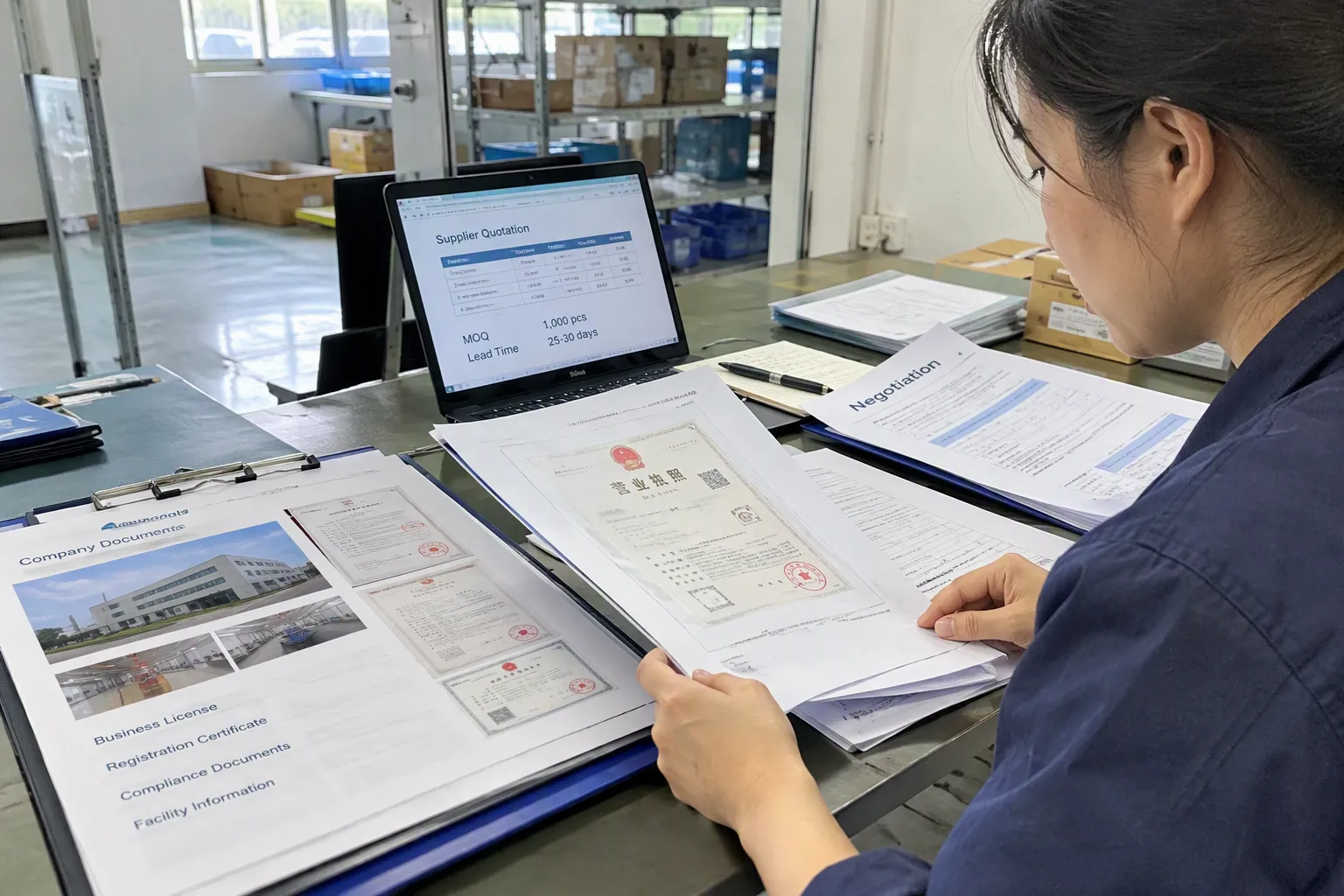
I do not treat the lowest quotation as the goal by itself. I compare price with specification match, MOQ, supplier suitability, packaging, lead time, communication, inspection needs, and other total-cost factors. A buyer should select the option that fits the commercial and quality requirements, not simply the cheapest initial number.
Can KingSourcing inspect products before shipment?
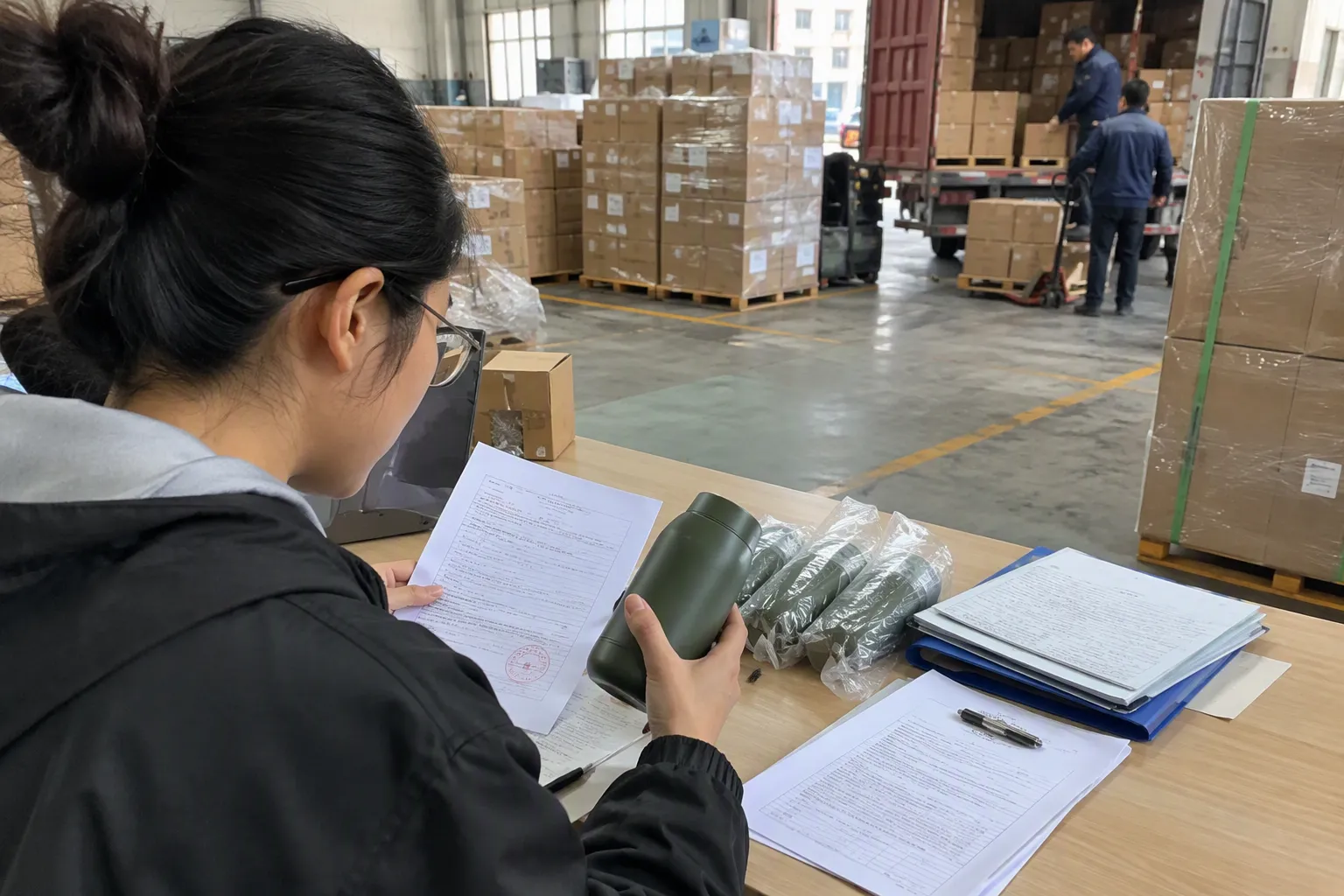
I can coordinate pre-shipment quality inspection and other quality-control activities according to the agreed scope. The buyer should define the inspection checklist and acceptance criteria in advance. An inspection is a process check, not a universal guarantee, and technical or regulatory testing may require qualified third-party professionals.
Can KingSourcing support several suppliers in one first order?
Yes, I can support multi-supplier purchasing, consolidation, packaging, warehousing, and shipping coordination when the project requirements are suitable. I first review each supplier’s product, quantity, timing, and packaging needs because consolidation can involve separate production schedules and handling requirements.
Conclusion
Start Working with KingSourcing by preparing a practical procurement brief, not only a product name or target price. I can help source suppliers, compare complete quotations, coordinate samples, follow production, arrange inspection, and manage consolidation or shipping. The buyer should still approve the specifications, sample, commercial terms, and quality checkpoints before bulk production. If you are planning a first China sourcing order, contact KingSourcing with your product details, target quantity, destination, and purchasing goals so I can help define the next step.
Sources
- Risk factors in the assessment of suppliers - PMC - NIH", Procurement research indicates that ambiguous or incomplete product requirements can impair bid comparability and increase the risk of specification misunderstandings during production
- OECD Guidelines for Fighting Bid Rigging in Public ...", Research on manufacturing requests for quotation identifies product specifications, quantities, and commercial conditions as material inputs to supplier cost estimation and bid comparability
- Material requirements planning with a novel lot sizing method ...", Operations-management literature describes production quantity as a determinant of setup-cost recovery, purchasing economies, capacity allocation, and the economic feasibility of customized production
- SUPPLIER ASSESSMENT PROCESS FOR ... - SOAR", Strategic-sourcing research treats production capacity, scalability, and anticipated demand as relevant criteria in evaluating supplier suitability
- Methods to Determine Price Reasonableness : Purchasing", Procurement literature distinguishes quoted unit price from total cost of ownership, which can include logistics, quality failures, delays, and other costs incurred over the purchasing cycle
- Determine Total Export Price", International-trade guidance defines an imported shipment’s delivered cost by reference to the applicable commercial terms and costs such as transportation, customs duties, and taxes
- Visual Inspection of Injectable Products", Product-safety and conformity-assessment guidance distinguishes visual examination from the testing and documented evaluation required to assess functional performance and regulatory compliance
- Dimensioning and Tolerancing", Quality-management guidance emphasizes documented product requirements and acceptance criteria so that production outputs can be evaluated against an agreed standard rather than against an informal visual reference alone


