Quick Answer
China Plus One in 2026 is no longer a simple question of finding a lower-cost factory in another country. Many importers want to reduce concentration risk, but a rushed move can create new problems with components, quality, lead times, and supplier coordination. I believe buyers get better results when they test specific products or production stages instead of trying to relocate everything at once.
Vietnam and India can replace China for selected products, assembly steps, and supply-chain stages, but neither country can replace China across every category. The right decision depends on product complexity, local component availability, customization, order volume, total conversion cost, quality requirements, and delivery expectations. Most buyers should verify suppliers, run samples and pilot orders, and compare performance before shifting meaningful volume.
A practical China Plus One strategy is therefore a staged procurement project. I start by separating the buyer’s real objective from the country headline. The objective may be tariff planning, business continuity, capacity expansion, or access to a different manufacturing cluster. Each goal requires a different supplier decision.
The most important question is not, “Which country replaces China?” It is, “Which part of my current supply chain can another qualified supplier perform reliably?”
China Plus One in 2026: What Can Vietnam and India Replace—and What Can’t
A country-level decision can look attractive on paper, but it often hides the operational details that determine whether an order succeeds. I have seen buyers focus on a factory quotation while overlooking tooling, packaging, testing, component sourcing, inspection, and the time required to manage a new supplier. A lower unit price does not automatically create a lower landed cost.[4]
Vietnam and India can both support meaningful manufacturing programs. However, their suitability depends on the product category, industrial cluster, factory size, production process, and buyer requirements. I recommend treating each opportunity as a task-fit evaluation rather than a country comparison.
Vietnam and India can replace China most realistically when the product has a manageable bill of materials, established local production capability, and limited customization.[6] They are less likely to replace China smoothly when the buyer needs many components, rapid product changes, dense supplier coordination, low-volume customization, or a large multi-SKU program.
What “replacement” actually means
When buyers say they want to replace China, they may mean several different things:
- Move the entire finished-product order to another country.
- Add a second source while keeping China as the main supplier.
- Move final assembly but continue buying components from China.
- Develop a regional supplier for one high-risk component.
- Shift a product family while leaving other SKUs in China.
- Create a backup factory for business continuity.
- Change the shipping route or final processing location.
These are not equivalent projects. Moving final assembly may be possible while moving the complete component ecosystem is not. A brand may also discover that its alternative factory still depends on Chinese motors, batteries, molds, packaging materials, electronic parts, or machinery. That dependence does not make the project useless, but it changes what risk the project actually reduces.
I use a simple supply-chain map before recommending a country test. The map lists the finished product, every major component, the required tooling, packaging, testing, production steps, and shipping route. I then mark which inputs are local, imported, single-sourced, or difficult to replace.
Vietnam’s potential fit
Vietnam may be a practical option for selected labor-intensive products, certain consumer goods, furniture-related products, apparel, footwear, bags, and assembly programs.[2] The precise fit still depends on the factory and the industrial cluster. I would not treat Vietnam as one uniform supplier market.
Vietnam can be attractive when a buyer needs:
- A second manufacturing location for an established product.
- A production process that does not require a deep local component network.
- Assembly or finishing work with clear work instructions.
- A supplier that already serves international customers.
- A moderate number of SKUs with stable specifications.
- A regional production base for a defined product category.
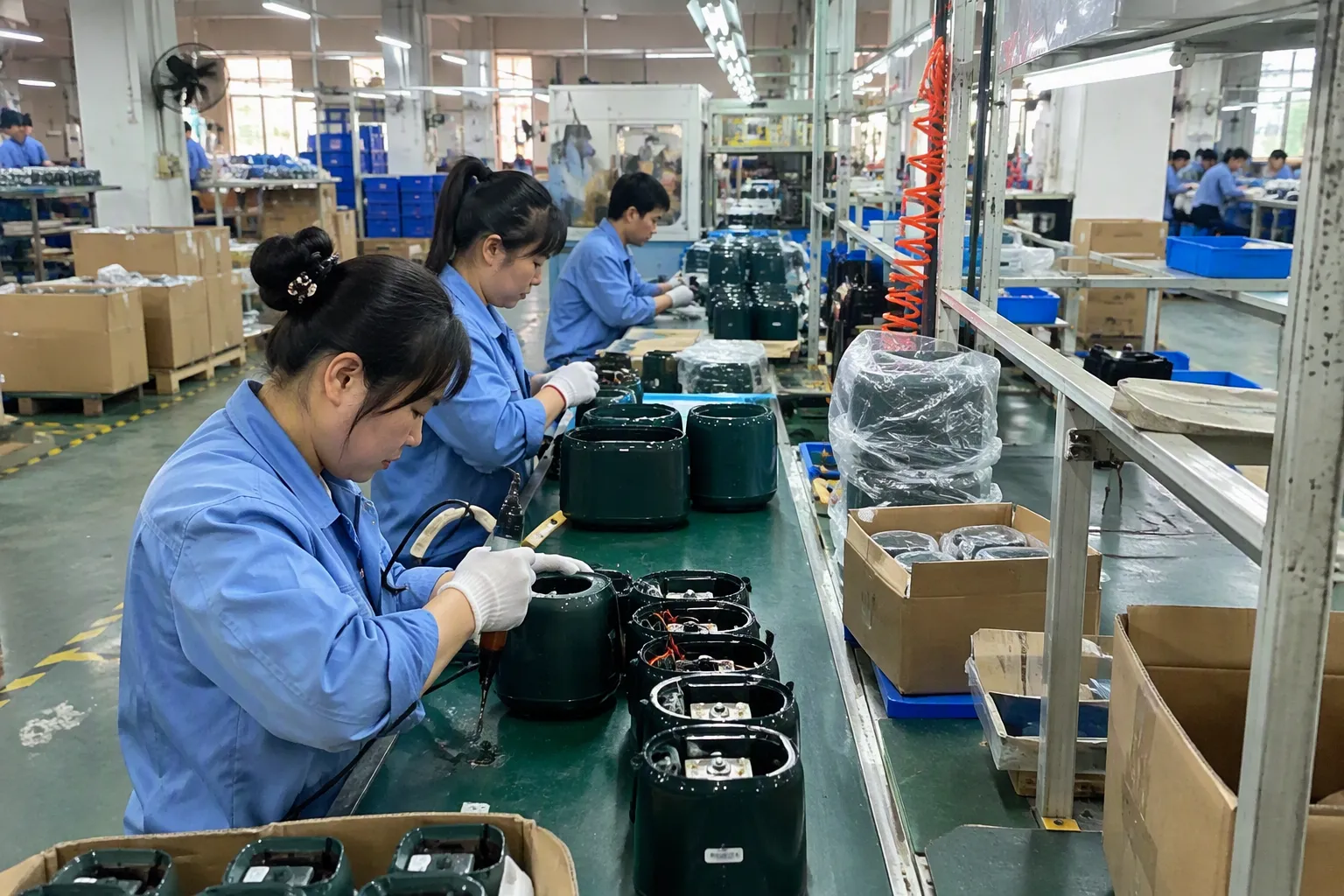
The limitation appears when the product requires many locally available parts and rapid coordination between specialized suppliers. China’s manufacturing advantage often comes from the connected ecosystem around a factory, not only from the factory building itself.[1] A Vietnamese factory may produce the final item competently but still need to import important components, tooling, packaging, or testing equipment.
That distinction matters for lead time and resilience. If a buyer moves assembly but keeps critical inputs tied to the original China supply chain, the project may reduce some risks while preserving others.[5] It may also add customs steps, longer coordination paths, and more inventory planning.
India’s potential fit
India may be a strong candidate for products and processes supported by its own industrial clusters, engineering resources, textile capabilities, pharmaceuticals-related manufacturing, chemicals, automotive supply chains, metalworking, and large domestic production base.[3] I am careful with broad statements because factory capability varies significantly between regions and supplier types.
India can be worth testing when the buyer values:
- A large domestic market that supports local production ecosystems.
- Engineering or fabrication capability suited to the product.
- A supplier with experience in export documentation and international quality systems.
- A product category connected to an established regional cluster.
- A longer-term manufacturing relationship rather than only a spot purchase.
- The possibility of serving customers from a different production base.
The practical challenge can be supplier discovery and consistency across factories. A suitable Indian supplier may exist, but finding and qualifying that supplier can require more time than an online search suggests. Buyers may also need to examine sub-suppliers, raw-material sources, capacity planning, testing, packaging, and export processes in detail.
In my sourcing work, I find that the alternative country is often strongest for a specific manufacturing task. It may not be the best location for every accessory, color, material, or customized version in the same product family.
Factory capability versus supply-chain capability
I ask buyers to evaluate two separate questions:
- Can the factory manufacture the finished product?
- Can the surrounding supply chain support the program reliably?
The first question concerns machinery, labor, process control, engineering, and production experience. The second concerns the network that allows the factory to quote, sample, produce, inspect, correct, and scale the order.
A supplier can answer “yes” to the first question and “not yet” to the second. Warning signs include:
- The supplier has no clear source for critical components.
- The factory cannot provide a stable sample-to-production process.
- The supplier relies on one subcontractor without a documented backup.
- Quality records are incomplete or inconsistent.
- The factory cannot explain its capacity during peak periods.
- Packaging and labeling are handled informally.
- The supplier has limited experience with the buyer’s destination market.
- The factory’s quotation excludes tooling, testing, or development costs.
I do not consider these issues automatic disqualifiers. I consider them subjects for verification and negotiation. A capable supplier may develop a workable process, but the buyer should price and schedule that development honestly.
Which products are easier to relocate?
A product is generally easier to move when its production process is repeatable, its bill of materials is simple, and its quality requirements are easy to measure. A product is harder to move when it depends on many synchronized suppliers or frequent engineering changes.
| Product or program characteristic | Likely China Plus One difficulty | Main reason |
|---|---|---|
| Simple sewn or molded item | Lower | Fewer specialized inputs and processes |
| Stable product with large repeat orders | Moderate | Supplier can justify development effort |
| Highly customized OEM product | High | More tooling, testing, and communication |
| Electronics with many components | High | Component ecosystem and testing requirements |
| Multi-SKU wholesale program | High | More sampling, packaging, and coordination |
| Final assembly using imported components | Moderate | Assembly may move, but dependency remains |
| Product requiring rapid revisions | High | Iteration speed and engineering access matter |
| Product with simple specifications and clear tolerances | Lower | Quality is easier to define and inspect |
This table is a starting point, not a country ranking. I have worked on projects where a small, simple product was difficult to move because the supplier could not match packaging or finishing requirements. I have also seen more complex products become manageable when the buyer had strong drawings, approved samples, clear testing criteria, and enough volume to support supplier development.
Total cost is more than the factory quotation
A buyer should calculate the total cost of switching before deciding that an alternative country is cheaper. I usually include the following items:
- Supplier search and verification.
- Factory audits or local visits.
- Product samples and sample freight.
- New molds, tooling, fixtures, and testing.
- Engineering changes and documentation.
- Component development or approved-substitute work.
- Quality inspections and production follow-up.
- Extra communication and project-management time.
- Longer lead times or additional safety stock.
- Defects, rework, replacement shipments, and customer returns.
- New packaging, labeling, and export documentation.
- Freight, consolidation, customs, and delivery differences.
A buyer should also assign a value to management attention. If a sourcing manager spends weeks resolving unclear specifications, chasing production updates, and coordinating several new sub-suppliers, that effort is part of the project cost.
I do not use a single universal formula because the right weighting depends on the product. A startup with one stable SKU may accept a longer development period. A distributor with hundreds of SKUs may prefer to retain China for complexity and use Vietnam or India for a smaller, repeatable product group.
What Vietnam and India may not replace quickly
Neither country should be expected to reproduce China’s entire manufacturing ecosystem immediately. China remains difficult to replace for some programs because buyers can access a dense network of component suppliers, tooling companies, packaging providers, testing services, logistics companies, and specialized factories within a relatively coordinated sourcing process.
A new location may not match China quickly in:
- Very broad product variety.
- Fast sample revisions.
- Small-batch customization across many SKUs.
- Integrated electronics and accessories sourcing.
- Rapid tooling changes.
- Backup supplier availability.
- Multi-supplier consolidation.
- Flexible production scheduling.
- Short-distance movement between factories.
- Mature export-oriented procurement support.
This does not mean China is always the lowest-cost or lowest-risk option. It means the buyer should identify which capability creates value in the current supply chain. If the value comes from speed, flexibility, and supplier density, a relocation decision must account for the possible loss of those advantages.
A staged China Plus One process
I recommend a controlled sequence rather than an immediate volume transfer.
1. Define the business objective
The buyer should state the actual purpose of the project. Examples include:
- Reduce dependence on one country.
- Build a backup source.
- Improve access to a target market.
- Support a customer’s country-of-origin requirement.
- Protect against production interruption.
- Develop a second source for a critical component.
- Improve capacity during seasonal demand.
A project with a continuity objective may succeed with a qualified backup supplier, even if China remains the main source. A project with a strict origin objective may require a deeper review of component origin and processing stages.
2. Segment the product portfolio
I would not begin with the entire catalog. I would divide products into groups:
- Easy-to-transfer products.
- Products that require moderate supplier development.
- Products that depend heavily on China-based components.
- Products with high quality, regulatory, or technical risk.
- Products with seasonal or unstable demand.
The first pilot should usually come from the first group, unless the buyer has a strong reason to prioritize another category.
3. Create a supplier specification package
The supplier should receive more than a product photograph. The package should include:
- Drawings or detailed dimensions.
- Approved material requirements.
- Color references and finish standards.
- Packaging and labeling instructions.
- Performance requirements.
- Defect definitions and acceptance criteria.
- Target order quantities and forecast ranges.
- Required sample stages.
- Testing expectations.
- Delivery and documentation requirements.
A clear specification makes supplier comparison more meaningful. It also reduces the risk that a lower quotation simply reflects missing requirements.
4. Verify the factory and its supply chain
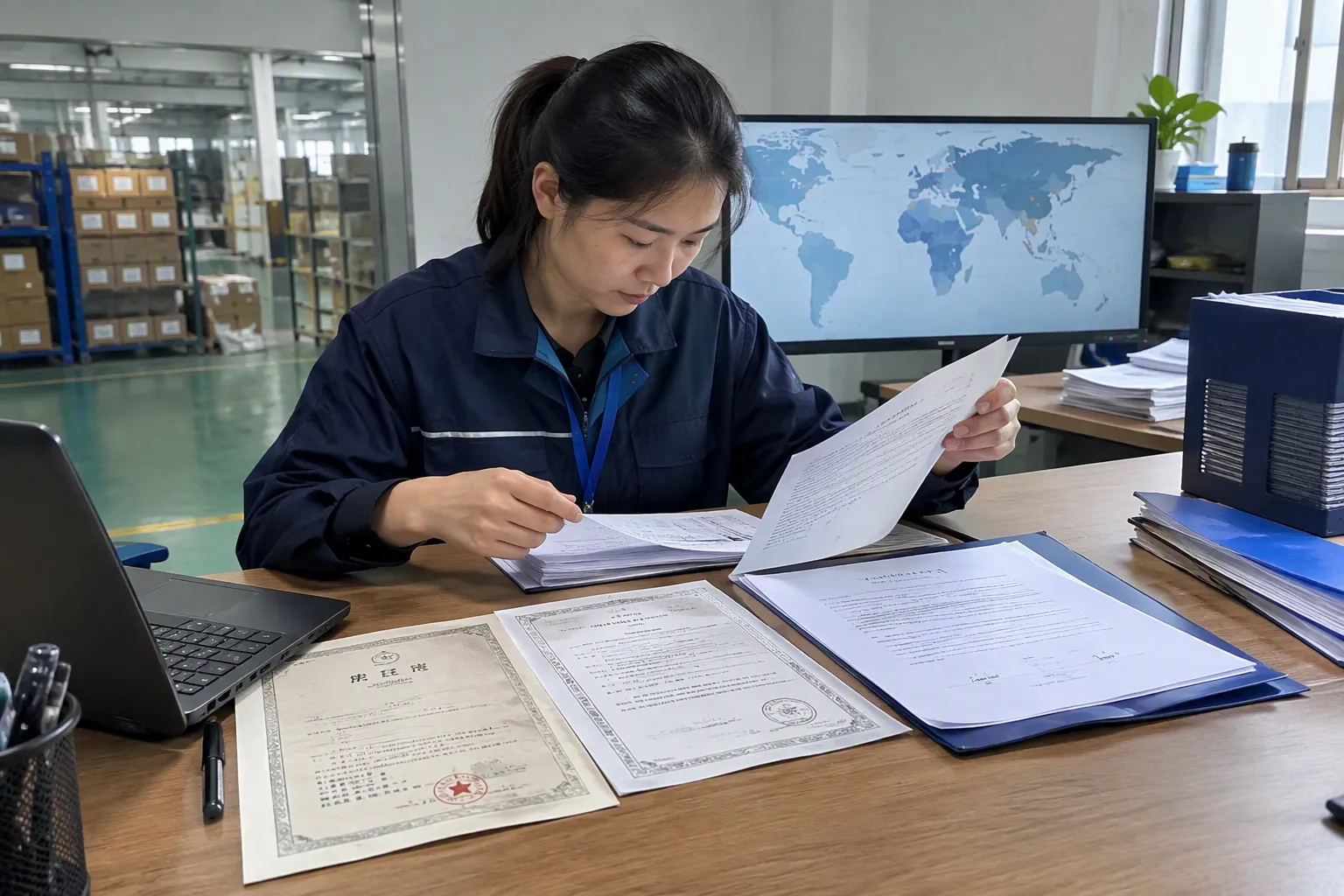
Supplier verification should cover the legal business identity, factory location, ownership information where available, production equipment, staffing, export experience, quality processes, subcontracting, and capacity. I also ask who provides the critical components and whether the supplier can identify a backup source.
Buyers should request documents, but they should not treat documents as a complete substitute for verification. A certificate or audit report can support the evaluation, but the buyer should confirm its scope, date, issuing organization, and relevance to the actual factory and product.[8] Application-specific legal, technical, and compliance questions should go to qualified professionals.
5. Run samples and a pilot order
A sample demonstrates development capability. It does not prove stable mass production.[7] A pilot order provides more useful evidence about purchasing, production, packaging, inspection, defect handling, and communication.
I recommend recording:
- Sample approval time.
- Number of revisions.
- Pilot production lead time.
- Defect rate and defect types.
- Response time to corrective actions.
- Packaging accuracy.
- Quantity completion.
- Shipping-document accuracy.
- Final landed cost.
6. Compare performance before shifting volume
The buyer should compare the alternative source against the current supplier using the same scorecard. The scorecard can include price, quality, lead time, communication, flexibility, documentation, capacity, and risk exposure.
A supplier that is 5% cheaper but produces late and requires extensive rework may not improve the business. A supplier that costs slightly more but creates a credible backup may still provide valuable risk reduction.
Quality control in a multi-country program
Quality control becomes more important when a buyer adds a new country. The buyer may need different inspection arrangements, local contacts, approved samples, and corrective-action procedures.
I generally recommend at least these controls:
- Pre-production review: Confirm materials, approved samples, packaging, and production schedule.
- During-production inspection: Check early output before the factory completes the full order.
- Pre-shipment inspection: Inspect quantity, workmanship, function, labeling, and packaging.
- Loading or consolidation checks: Confirm cartons, SKU separation, and shipping marks.
- Post-delivery feedback: Record returns, complaints, and field failures.
The exact inspection level should depend on product risk and order value. A qualified inspection professional should help define application-specific methods, sampling, and tests. I would not rely on a general visual check for products with safety, electrical, performance, or regulatory consequences.
When dual sourcing makes more sense than relocation
Many buyers do not need a complete migration. A dual-source model may provide a better balance.
For example, a buyer might:
- Keep complex electronics in China.
- Test a simpler accessory in Vietnam.
- Develop metal components in India.
- Keep existing Chinese tooling while qualifying a second supplier.
- Use China for product development and another location for selected volume.
- Allocate peak-season orders to a second factory.
- Maintain two sources for a critical packaging or component item.
Dual sourcing introduces management work. The products must remain consistent, and the buyer must control drawings, materials, color, packaging, and revision levels. The buyer may also need to approve separate golden samples for each factory. However, this approach can be more realistic than forcing every SKU into one alternative country.
How KingSourcing can support the evaluation
I approach China Plus One as a procurement and risk-management project, not as a promise that one country will solve every supply problem. KingSourcing can help buyers map their current China supply chain, identify products suitable for testing elsewhere, compare quotations, verify suppliers, coordinate samples, and manage inspections.
Our China-based team is particularly useful when the buyer still needs Chinese components, tooling, packaging, consolidation, or a continuing primary source. We can also support multi-supplier purchasing, production follow-up, warehouse coordination, customized packaging, and international shipping. For a larger program, I would first clarify which responsibilities belong with the alternative supplier and which remain in China.
The buyer should still make the final commercial and technical decision. I can organize evidence and reduce coordination work, but I would not present supplier documents or a pilot order as a guarantee of future performance.
Frequently Asked Questions
Can Vietnam replace China for manufacturing in 2026?
Vietnam can replace China for selected products and production stages, especially when the product has a stable design, a manageable bill of materials, and an established supplier base. It may not replace China efficiently for highly customized, component-intensive, or multi-SKU programs without additional supplier development and quality-control work.
Can India replace China for manufacturing in 2026?
India can be a suitable alternative for product categories supported by its industrial clusters, engineering resources, materials, and export-capable factories. The buyer should evaluate the specific region, supplier, process, component network, capacity, quality system, and delivery performance rather than assuming that India is suitable for the entire product catalog.
Is China Plus One always more expensive?
Not always, but switching countries creates costs that a factory quotation may not show. Buyers should include samples, tooling, supplier development, inspections, travel or local management, freight, inventory buffers, defects, rework, and coordination time when comparing the total cost of a new source.
Should I move all production out of China?
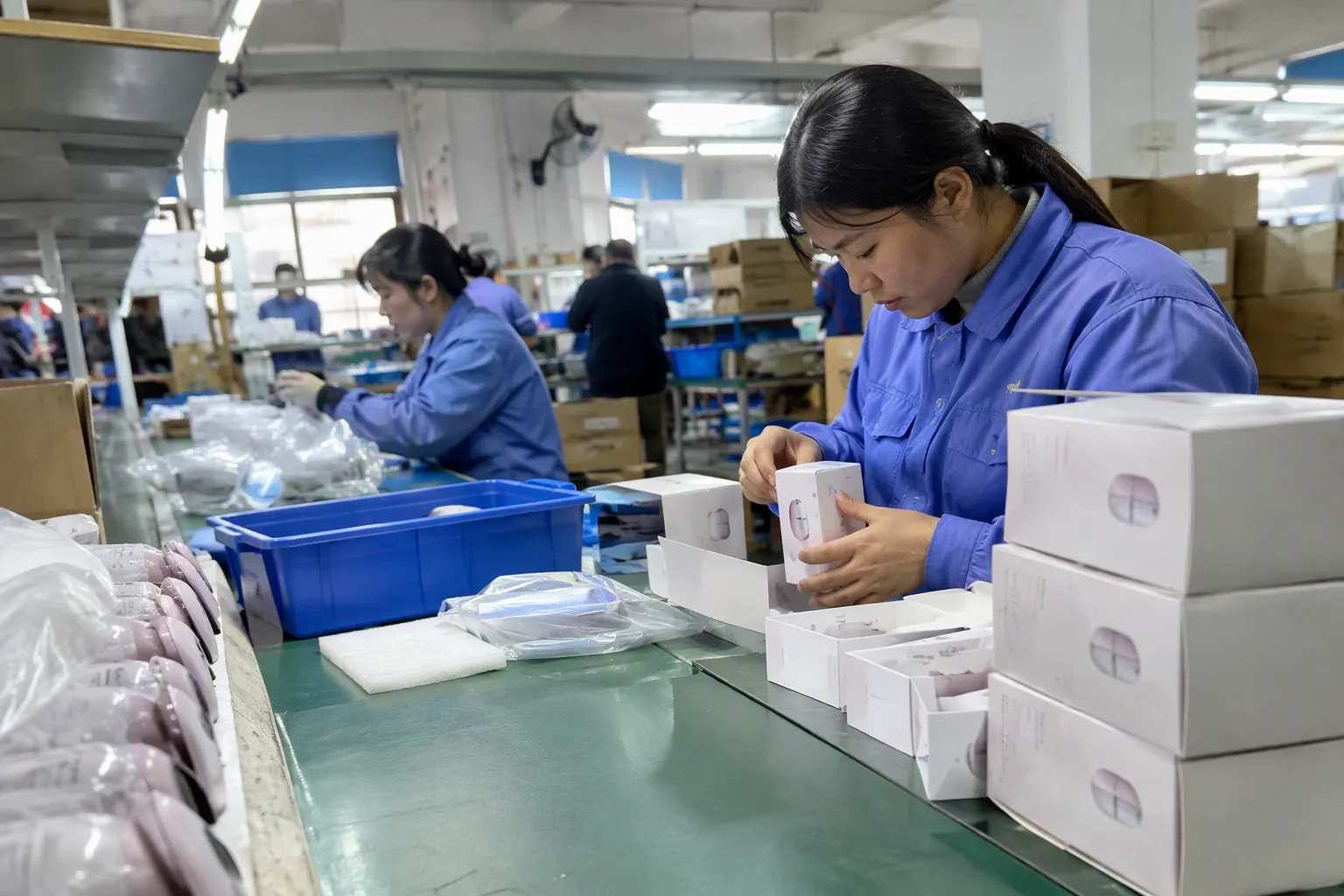
Most buyers should not begin by moving all production. A better first step is to select one or more suitable products, qualify an alternative supplier, and run a controlled pilot. A dual-source arrangement may reduce concentration risk while preserving China’s advantages in components, customization, speed, and supplier density.
What should I verify before placing an order with a new supplier?
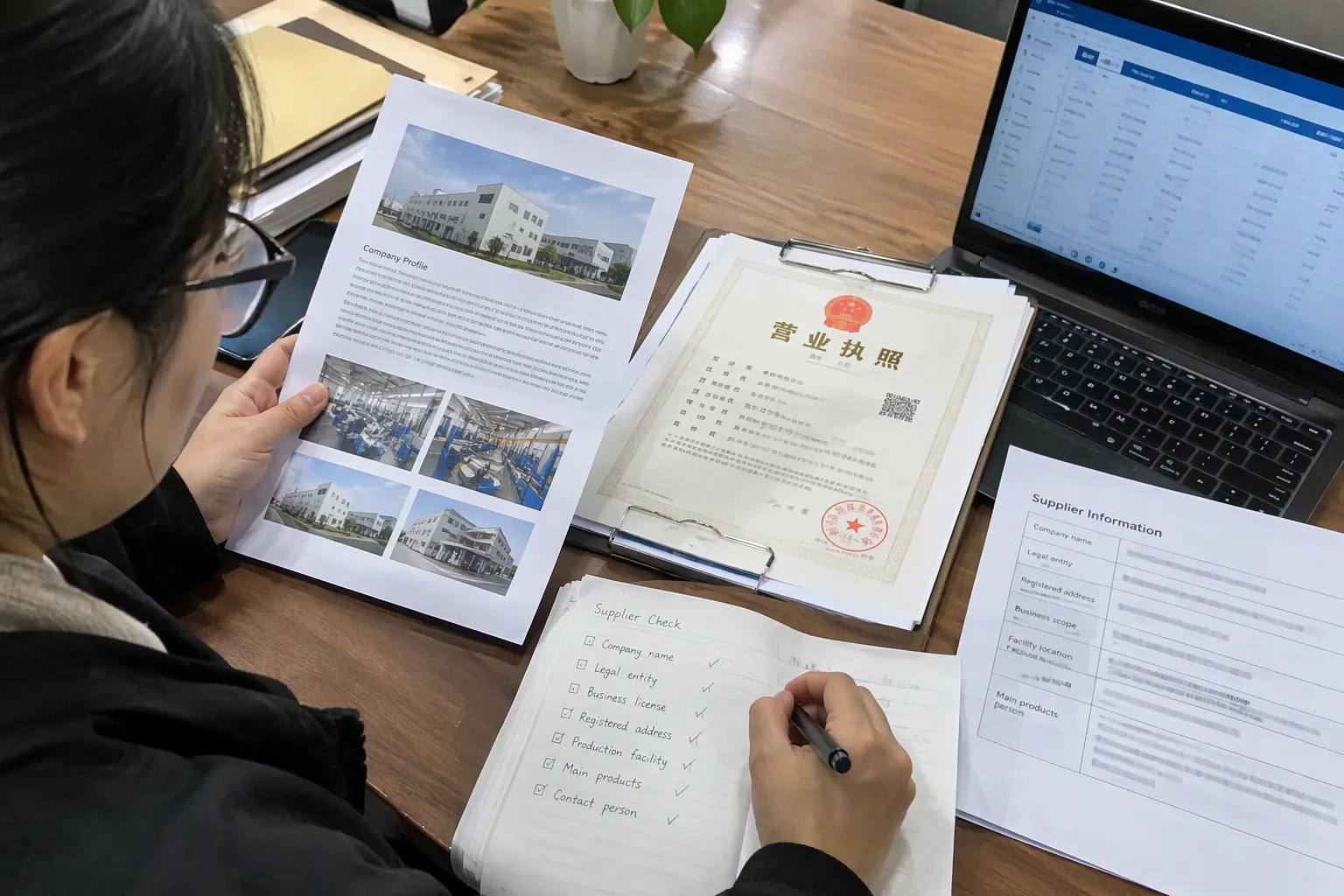
I recommend verifying the supplier’s legal identity, factory location, equipment, actual production capability, subcontractors, component sources, quality procedures, export experience, capacity, sample process, and corrective-action history. Buyers should also define specifications and acceptance criteria before production begins.
Conclusion
China Plus One in 2026 should be treated as a staged supplier-development decision, not a race to leave China. Vietnam and India can replace China for selected products, assembly stages, and manufacturing processes, but neither country can reproduce every part of China’s supplier ecosystem for every buyer. I recommend mapping the supply chain, calculating total switching cost, qualifying suppliers, running pilot orders, and measuring quality and delivery before shifting volume. If you are evaluating a second source or a multi-country procurement plan, KingSourcing can help compare suppliers, manage samples, coordinate quality control, and keep the transition practical.
Sources
- How do special economic zones and industrial clusters ...", Research on Chinese industrial clusters indicates that geographically concentrated supplier networks and specialized production services can reduce coordination and transaction costs, supporting the contextual claim that manufacturing competitiveness depends on an ecosystem beyond the focal factory
- Viet Nam | World Bank Group", Vietnamese government and international trade data document significant manufacturing and export activity in apparel, footwear, furniture, and selected assembly industries, providing contextual support for considering the country for those product categories
- India | World Bank Group", Indian official statistics and international institutional assessments describe substantial production capacity in engineering, textiles, pharmaceuticals, chemicals, automotive manufacturing, and metalworking, supporting the country-level industrial-capability claim
- Total Landed Cost Model", Supply-chain procurement literature defines landed cost as the acquisition price together with associated logistics, customs, inventory, handling, and other delivery costs, supporting the distinction between a factory quotation and the buyer’s total cost
- Supply chain disruptions and resilience: a major review ... - PMC", Studies of global value chains show that relocating a downstream production stage does not necessarily eliminate upstream concentration when key components, tooling, or materials continue to originate from the same source network
- Reshoring Decisions for Adjusting Supply Chains in a ... - PMC", Operations research on production relocation commonly identifies product complexity, supplier-network depth, and customization requirements as factors that increase coordination and qualification demands, providing general support for the stated task-fit rule
- Risk-Calibrated Process Capability Approval with Finite ...", Manufacturing quality literature distinguishes prototype or first-article conformity from evidence of repeatable process capability, supporting the claim that sample approval alone does not establish stable mass-production performance
- Industry Resources on Third-Party Audit Standards and ...", Accreditation and quality-management guidance emphasizes that certification evidence must be assessed for issuer competence, validity, covered site, scope, and applicable activities before it is used in supplier qualification