How to Read a Chinese Factory’s Business License and Certifications
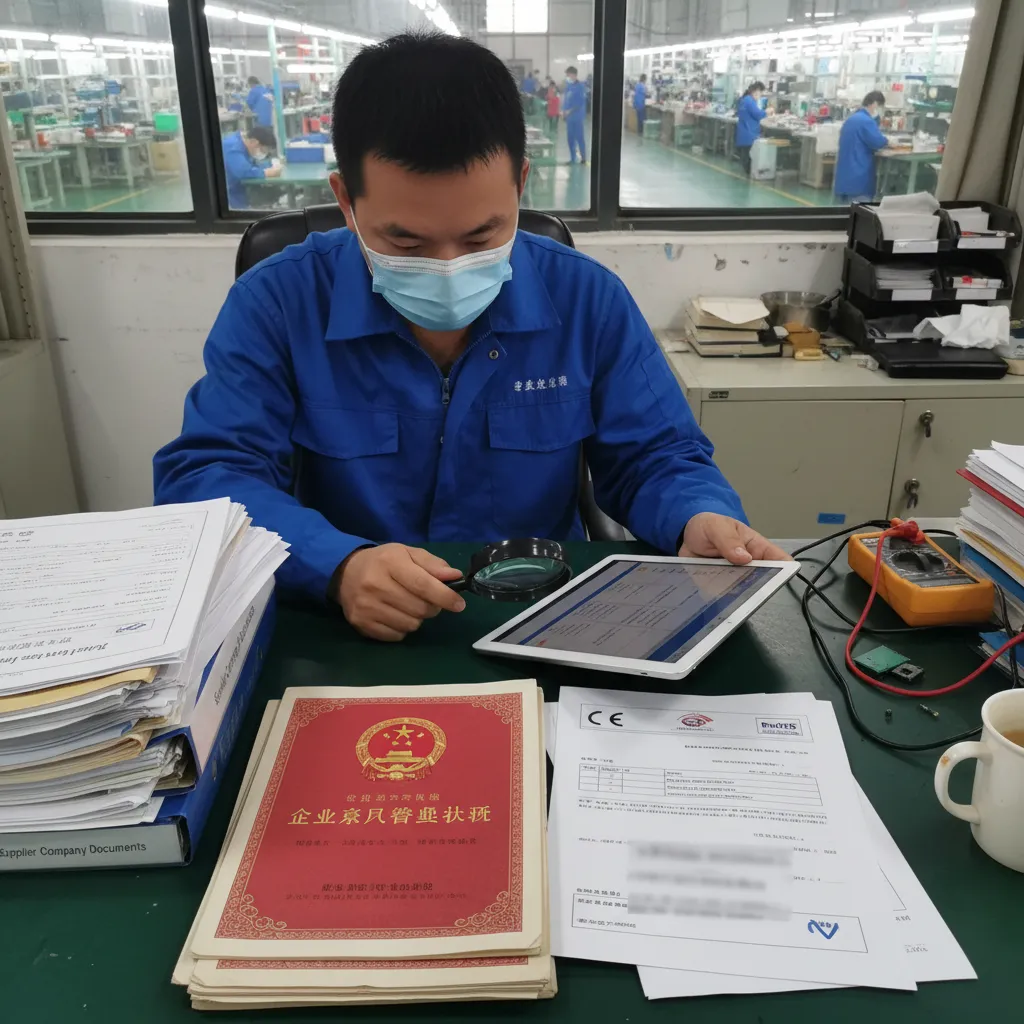
Quick Answer A Chinese factory’s business license and certifications can look reassuring, especially when you are sourcing from overseas and cannot visit the supplier yourself. However, paperwork can create false confidence when names, product models, and market requirements do not match. I recommend treating documents as evidence to cross-check, not as a shortcut to trust. […]
When OEM Makes Sense for Importers

Quick Answer OEM makes sense for importers when a standard product no longer gives them enough control over what they sell. A logo alone may look like progress, but it can create confusion once a factory asks about materials, features, packaging, labels, testing, and quality expectations. I help buyers approach OEM with a clearer product […]
How to Verify a Factory Is a Real Manufacturer, Not a Trading Company
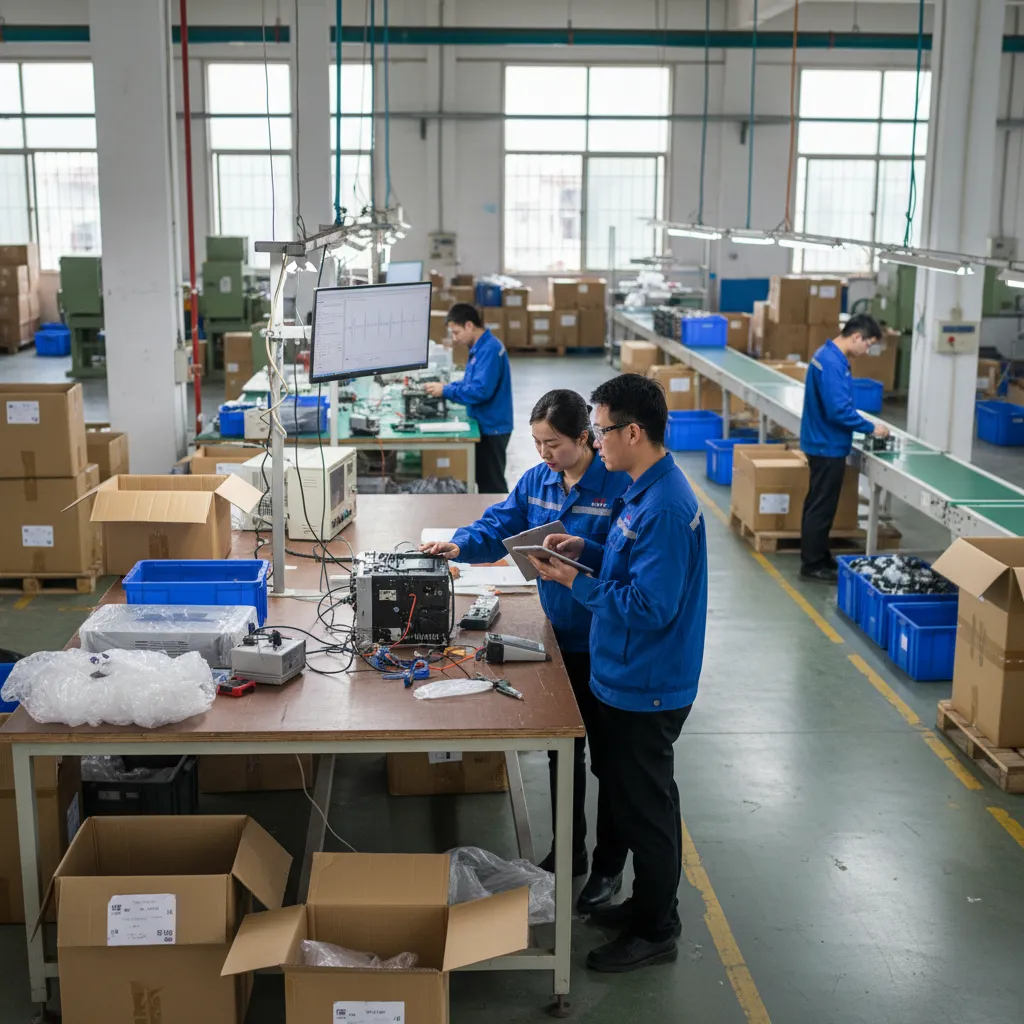
Quick Answer A real manufacturer can be difficult to identify when you are sourcing from another country. Supplier websites, marketplace badges, factory photos, and business licenses can all look convincing, yet they may not show who actually controls your product.[1] We recommend checking evidence in layers before you commit to samples, deposits, or production. **To […]
How to Choose Between OEM and ODM for China Products

Quick Answer ODM is one of the first decisions a private-label buyer faces when sourcing China products. The wrong route can tie up cash in revisions, high MOQs, and slow development, while the wrong assumptions can leave a brand with a product that does not match its market. I recommend choosing based on your product […]
China Sourcing Agent for Repeat Orders: How to Improve Efficiency

Quick Answer A China sourcing agent for repeat orders can help when reordering starts to feel less predictable than it should. A previous purchase order may look complete, yet old packaging files, changed labels, unclear sample standards, or supplier assumptions can create avoidable corrections. We improve efficiency by turning each reorder into a controlled confirmation […]
How to Ship Products with Batteries from China
Quick Answer Shipping products with batteries from China can become complicated when buyers treat it as a simple shipping-method decision. A product may look ready to sell, but missing battery details, unclear packaging, or destination restrictions can delay a booking after production is complete. We recommend checking shipping feasibility before you place the order. Shipping […]
How to Ship Small Orders from China Without High Cost
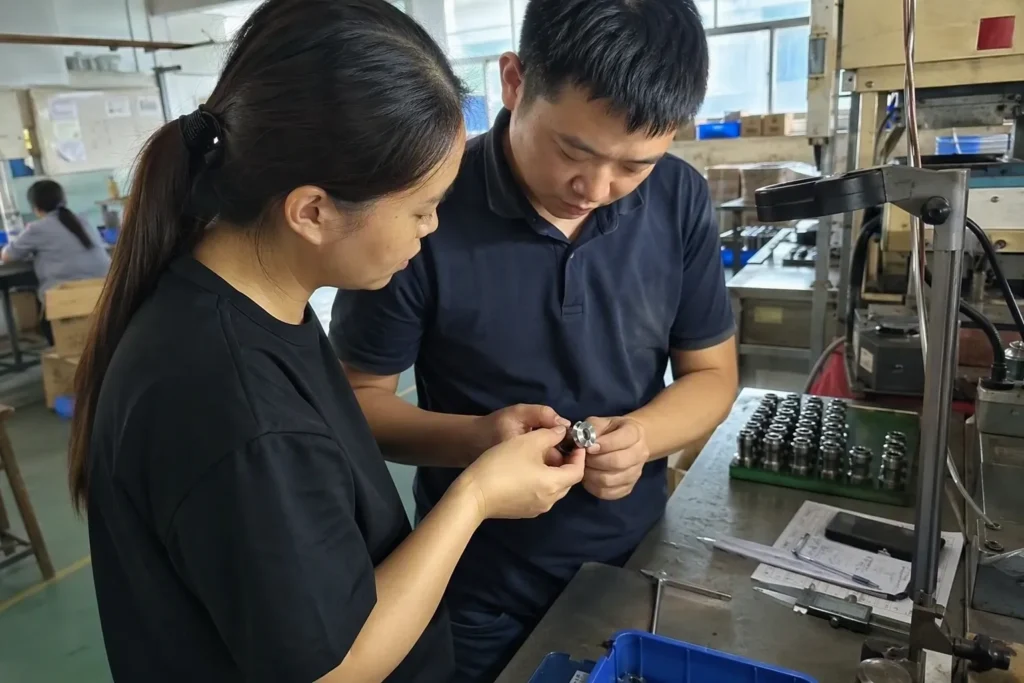
Quick Answer Small orders from China often look affordable until freight, packaging, separate supplier shipments, and delivery deadlines begin to add up. A low unit price can lose its advantage when shipping is planned too late. I help buyers reduce that risk by treating freight as part of the full purchasing decision, not as a […]
How to Avoid Shipment Delays During Chinese New Year
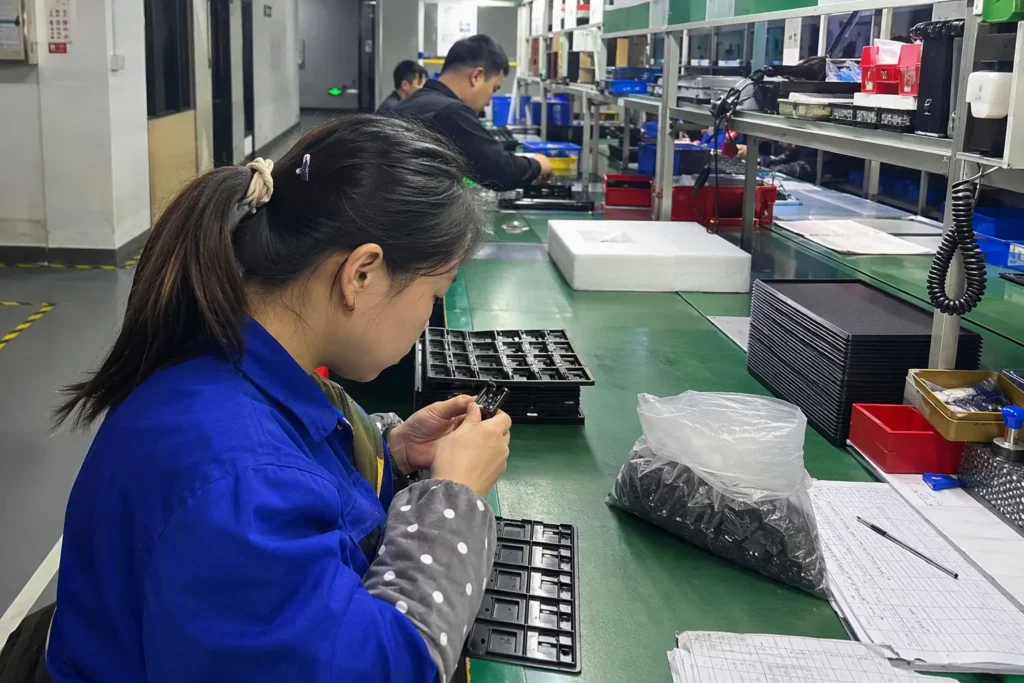
Quick Answer Chinese New Year shipment delays can leave e-commerce sellers out of stock just when they need inventory most.[1] The problem often looks like a freight booking issue, but the real risk usually begins much earlier, when production, inspection, rework, packaging, and approvals consume the remaining factory working days[2]. I avoid this risk by […]
China Sourcing Agent for Startups: When It Makes Sense
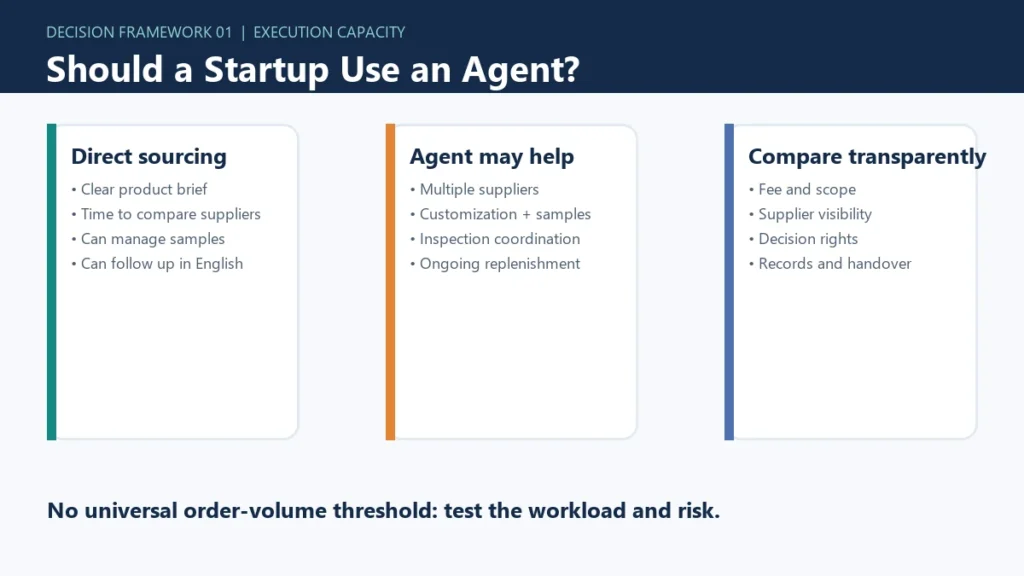
Quick Answer A China sourcing agent can help a startup avoid supplier mistakes, but the wrong partner can add cost without adding control. I often see European and North American 3C founders compare factory prices first, while overlooking communication, sampling, inspections, compliance documents, and delivery follow-up. I use an execution-capacity test to help buyers decide […]
Should You Use a Freelancer or a China Sourcing Company?
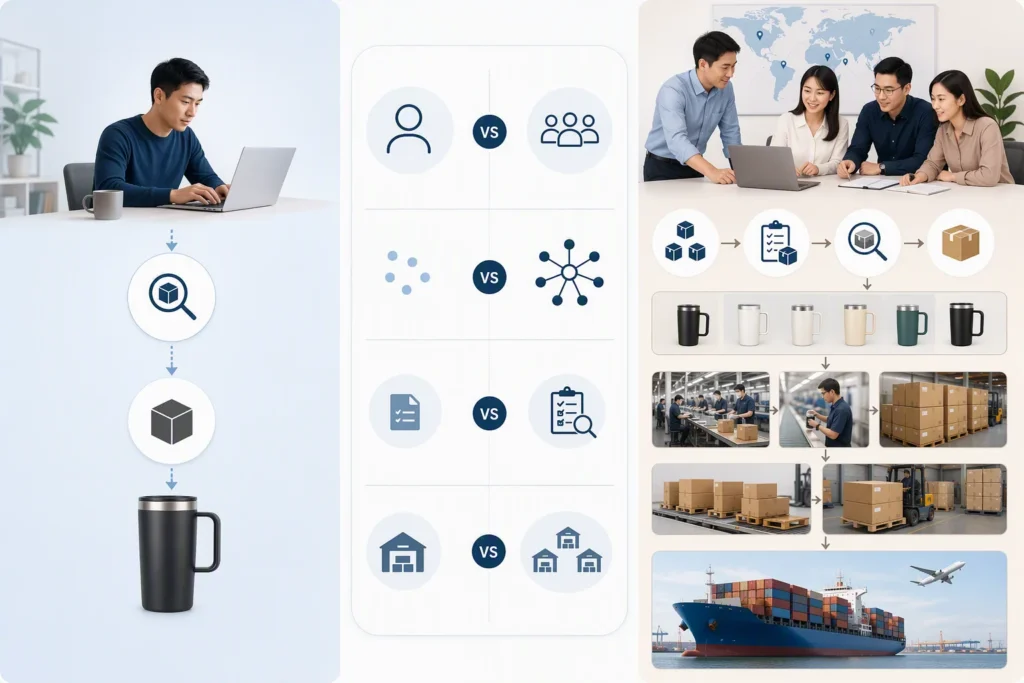
Choosing a China sourcing company or a freelancer can feel difficult when you need help buying from China but do not have an in-house team. A lower fee may look attractive, yet unclear ownership, missed quality steps, and poor handoffs can create bigger costs later.[^1] The right choice depends on your project complexity and risk […]