Quick Answer
Sourcing sustainable packaging from China can become difficult when attractive green claims hide weak materials, poor fit, or missing documents. I have seen buyers focus on recycled paper or compostable plastics before defining the packaging job. That approach can create damage, higher freight costs, and compliance concerns.
I recommend starting with requirements, then verifying both performance and environmental claims.
To source sustainable packaging from China, I first define the product’s protection, shipping, storage, disposal, customization, and order-volume requirements. I then compare suitable materials and structures, verify supplier documents and samples, inspect production quality, and confirm that the final packaging works in the buyer’s target market. A sustainable option is only practical when its claims are credible and its performance meets the product’s needs.[1]
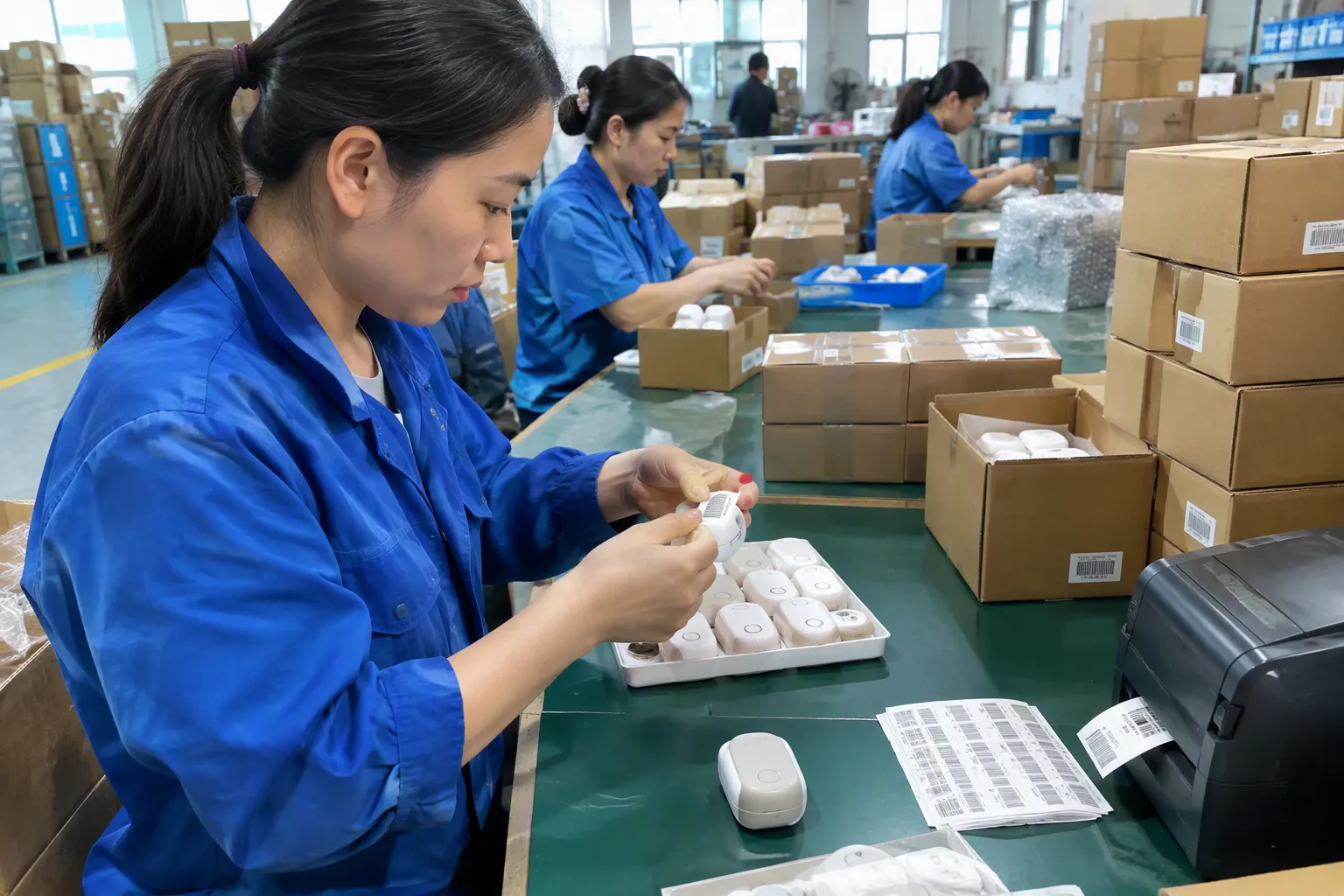
The difficult part is not finding a factory that uses words such as “eco-friendly” or “green.” Many suppliers can offer paper boxes, recycled mailers, molded pulp, reusable bags, or bio-based films. The difficult part is matching the right solution to the product while separating marketing language from evidence. I use the process below to make that decision more controlled.
How Can I Source Sustainable Packaging from China?
Many overseas buyers begin with a material name, but I usually begin with the product and its supply chain. A fragile item needs protection. A small DTC product needs efficient storage and shipping. A private-label product needs consistent printing and repeatable production. If I ignore these factors, a package may look sustainable but create more waste through damage, returns, or unnecessary replacement.[2]
I source sustainable packaging from China by converting the product brief into measurable packaging requirements, screening suitable suppliers, comparing samples and quotations, checking material and certification documents, and controlling production through inspection. I treat sustainability as one part of a wider procurement decision that also includes protection, logistics, cost, MOQ, quality consistency, and end-of-life conditions.
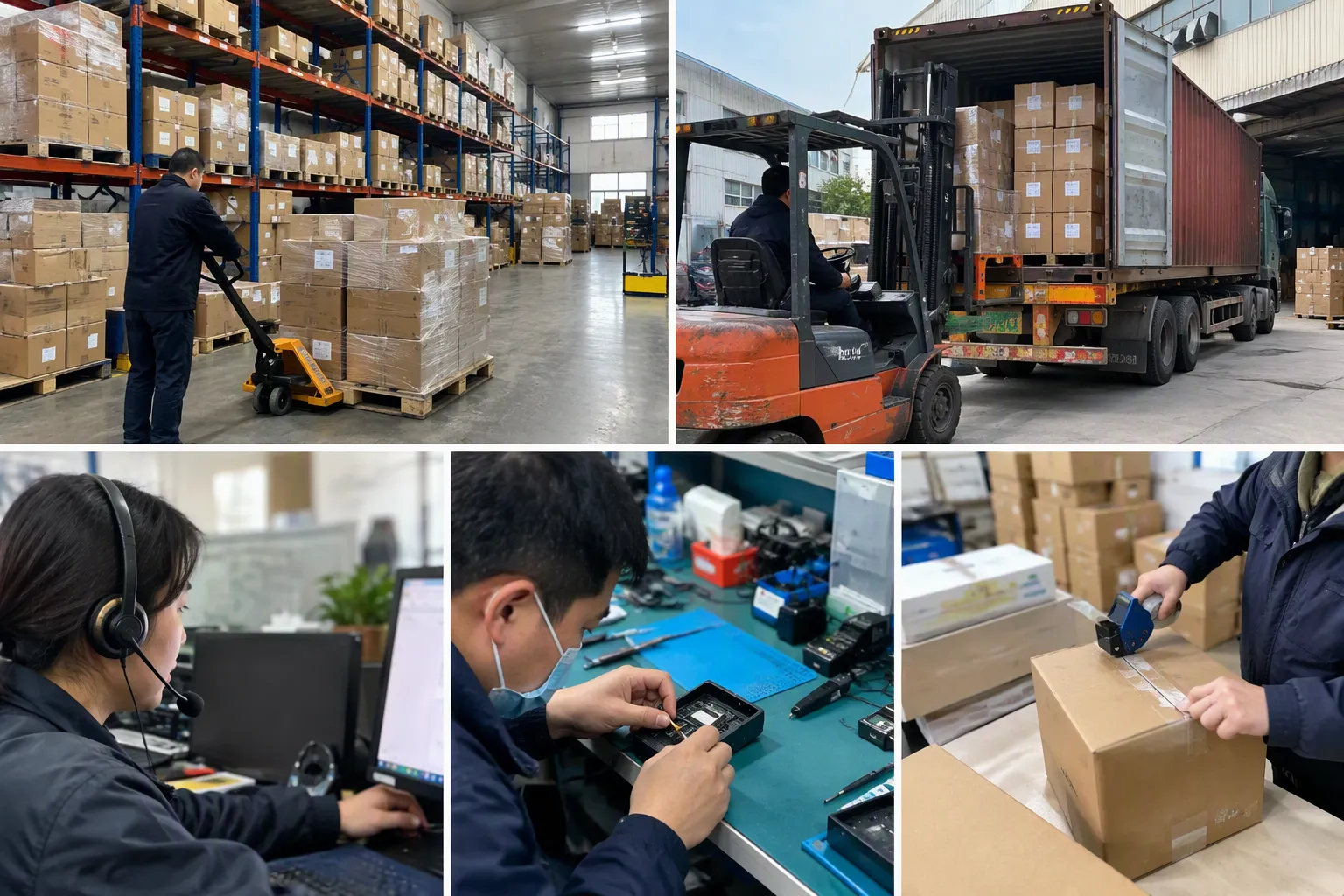
Start with the packaging job
I ask what the packaging must do before I ask which material the supplier recommends. A packaging specification should answer practical questions such as:
- What is the product’s weight, size, shape, and fragility?
- Does the product need cushioning, moisture resistance, puncture resistance, or tamper evidence?
- Will the package travel by air, sea, parcel courier, or several methods?
- Will it sit in a warehouse, retail display, fulfillment center, or humid environment?
- Does the package need to support private labeling, inserts, barcodes, or batch information?
- What disposal systems are realistically available in the destination market?
- What annual volume and first-order quantity can the buyer support?
I also separate primary packaging from secondary and shipping packaging. A cosmetic container, electronics accessory pouch, or food-contact package may have different technical and regulatory requirements from an outer carton.[3] A box that protects an item inside a warehouse may not provide enough strength for parcel delivery.
Separate environmental terms
I do not use “sustainable,” “recyclable,” “biodegradable,” and “compostable” as interchangeable terms.[4] They describe different attributes, and their practical meaning depends on material composition, local collection systems, processing conditions, and applicable market rules.
| Claim or description | What I understand it to mean | What I ask the supplier to clarify |
|---|---|---|
| Recyclable | The material may be accepted and processed by a suitable recycling system | Is the package made from one material? Is it accepted in the target market? |
| Recycled content | Some material came from recovered sources | What percentage is recycled, and is the figure for the total package or one component? |
| Biodegradable | The material may break down under particular conditions | Which test method, time period, and environment support the claim? |
| Compostable | The material is designed to break down under defined composting conditions | Does this require industrial composting or home composting? |
| Bio-based | Some feedstock comes from biological or renewable sources | What is the bio-based content, and does it affect disposal? |
| Reusable | The package can potentially be used more than once | How many practical reuse cycles does the design support? |
I ask buyers to treat these descriptions as claims requiring verification, not as automatic proof of environmental benefit. I also recommend checking whether the package contains mixed materials, coatings, adhesives, windows, metal clips, or labels that change its recyclability.
Screen Chinese packaging suppliers
I usually compare suppliers in several manufacturing clusters rather than relying on one online listing. Shenzhen and Dongguan can be useful for packaging connected with consumer electronics and technology products. Guangzhou, Foshan, Yiwu, and Ningbo may offer different strengths across printing, bags, boxes, accessories, and export logistics. The correct location depends on the package structure and production requirements.
During supplier screening, I review:
-
Relevant product experience
I ask whether the factory has produced a similar structure, material, size, and finish. -
Production capability
I check whether the supplier controls printing, die cutting, lamination, forming, assembly, and packing internally or outsources key steps. -
Quality-control process
I ask how the supplier checks dimensions, color, material, bonding, surface finish, and packing quantities. -
Customization capability
I confirm whether the factory can produce the buyer’s artwork, inserts, labels, barcodes, and packaging configuration. -
Minimum order quantity
I compare the MOQ with the buyer’s sales forecast and cash-flow position. A lower unit price does not help if the buyer must purchase excessive stock. -
Documentation
I request material specifications, test reports, declarations, and certification documents where relevant. I record the document issuer, scope, date, product reference, and factory identity. -
Communication and production management
I evaluate whether the supplier answers technical questions clearly and reports problems before production, rather than after shipment.
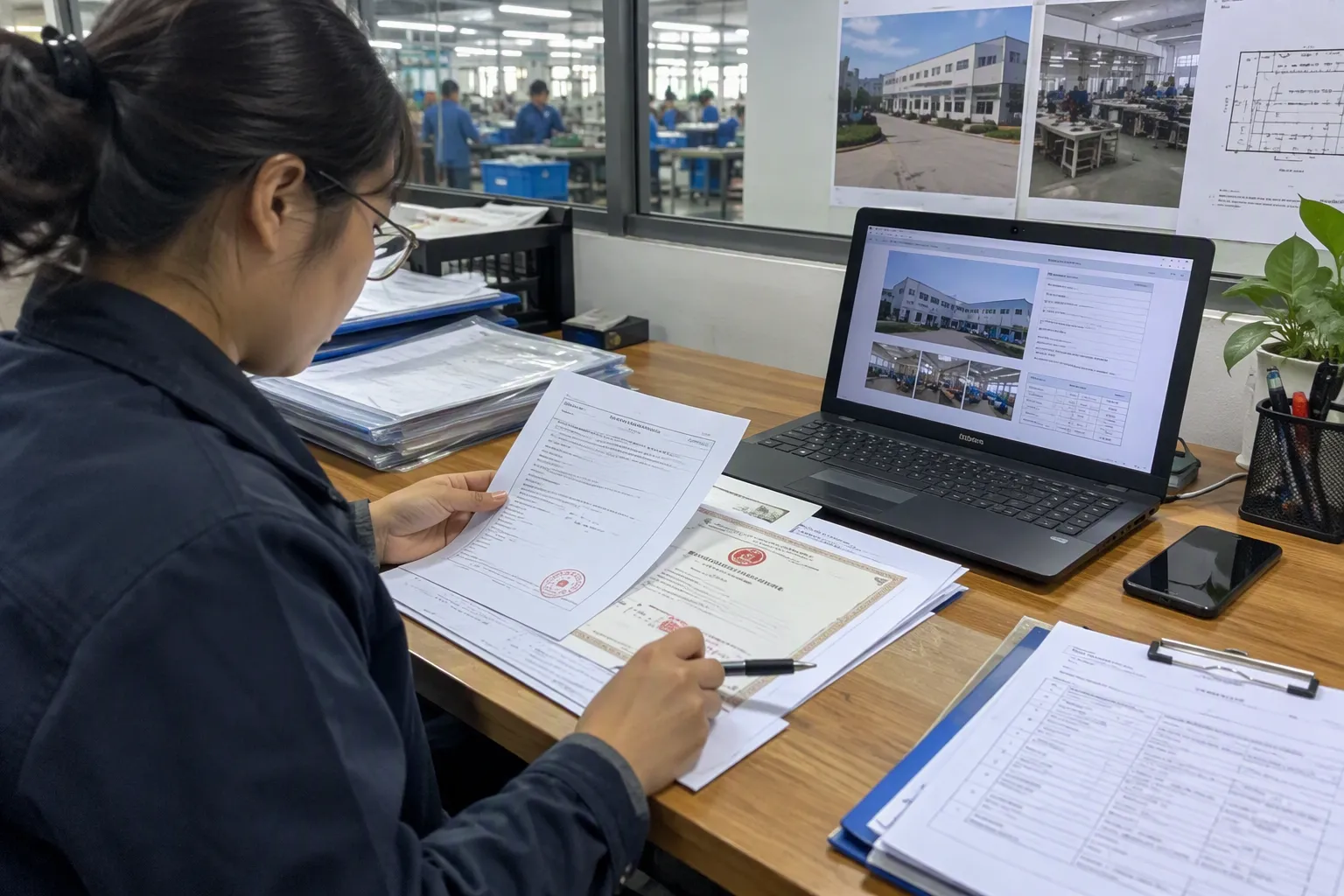
I do not treat a supplier’s certificate image as sufficient evidence.[7] Buyers should verify documents with the issuing organization or through qualified professionals when the claim affects legal compliance, market access, or safety.
Compare quotations correctly
A packaging quotation can look inexpensive while excluding important costs. I ask suppliers to separate the following items:
- Unit price by quantity tier
- Sampling and prototype cost
- Mold, tooling, or plate charges
- Printing and finishing charges
- Packaging for shipment
- Local transport
- Inspection or testing charges
- Production lead time
- Payment terms
- Estimated carton dimensions and shipping weight
I also compare the delivered cost, not only the factory price. A lighter mailer may reduce shipping cost, while a bulky molded structure may increase freight even if its unit price is competitive.[8] However, I never choose solely by weight. If a lighter package causes product damage, the total commercial and environmental result may be worse.
Use samples as decision tools
I prefer to request samples before making a large order. A buyer may ask for:
- A standard sample to review the material and construction
- A customized blank sample to check size and fit
- A printed sample to review artwork and color
- A production sample from the intended equipment
- A packed product sample for shipping or handling evaluation
I inspect the package against a written specification. I check dimensions, folding accuracy, fit, surface quality, odor where relevant, closure strength, print registration, label placement, and visible damage. I also check whether the supplier has substituted a material or coating.
A sample is not a complete laboratory assessment. It shows whether the supplier can make an example under defined conditions. I recommend qualified technical evaluation when the packaging needs special barrier performance, food contact suitability, dangerous-goods compliance, child resistance, medical use, or another regulated function.
Evaluate performance during logistics
I ask how the packaging will behave in the real distribution chain. A product can move through factory packing, a consolidation warehouse, export handling, international transport, fulfillment storage, and last-mile delivery. Every stage can add compression, vibration, impact, moisture, or abrasion.
For an e-commerce or Amazon seller, I pay attention to:
- Dimensional-weight charges
- Carton utilization
- Stacking strength
- Protection at corners and edges
- Product movement inside the package
- Easy opening and return handling
- Barcode visibility and scan reliability
- Storage space at the fulfillment center
- Damage risk during parcel delivery
I may recommend a basic drop or compression evaluation, but I describe that as a procurement check rather than a formal engineering test. Buyers should use recognized testing procedures and qualified laboratories when a product requires documented performance.
Check production quality
Sustainable packaging still needs consistent manufacturing. I create a control plan that identifies what the factory must check before, during, and after production.
A practical inspection plan can include:
- Material and thickness verification against the approved sample
- Dimensions and tolerance checks
- Color and artwork comparison
- Adhesive and seam inspection
- Closure and folding checks
- Quantity verification
- Carton marking and barcode checks
- Moisture or surface checks where relevant
- Packing configuration and carton condition
I use the approved sample, artwork, packaging specification, and quotation as reference documents. I also recommend recording acceptable quality limits before production. This makes a disagreement more objective than relying on general phrases such as “high quality” or “eco-friendly.”
For larger or repeat orders, I may recommend an in-process inspection as well as a pre-shipment inspection. An in-process visit can identify a wrong material or printing problem early enough for correction. A final inspection can confirm the finished goods, but it may not prevent a late delivery if production already contains a major issue.
Consider the end-of-life reality
I ask where the packaging will be discarded, not only where it will be sold. Recycling access can vary between countries, municipalities, commercial facilities, and households. A package may be technically recyclable but not collected in the customer’s local system.[5] A compostable package may require an industrial facility that is unavailable to many consumers.[6]
I encourage buyers to use clear disposal instructions only after checking the relevant market requirements. The buyer should verify environmental labeling, packaging-waste obligations, extended producer responsibility rules, and advertising claims with a qualified legal or compliance adviser. I do not treat a supplier statement as a substitute for market-specific advice.
An anonymized comparison example
In one type of supplier comparison I handle for a growing online brand, the initial brief asks for “fully eco-friendly packaging.” That phrase is too broad to send to a factory. I first convert it into a working brief: product dimensions, weight, fragility, shipping route, expected monthly volume, printing needs, target price, storage conditions, and the buyer’s preferred disposal route.
The comparison then includes several structures rather than one assumed material. I might compare a paperboard box, a molded-fiber insert inside a carton, and a simplified recyclable mailer, depending on the product. I ask each supplier to state the material composition, available finishes, MOQ, production lead time, sample process, and supporting documents.
The decision is not based on the greenest-sounding quotation. I compare whether each option:
- Protects the product adequately
- Fits the shipping carton efficiently
- Meets the buyer’s brand and unboxing requirements
- Can be reordered consistently
- Has a manageable MOQ
- Provides evidence for its environmental claims
- Works with the target market’s disposal conditions
This process does not prove a full lifecycle advantage. It creates a more responsible procurement decision because the buyer can see which facts are confirmed, which are supplier claims, and which require independent verification.
Keep a verification record
I recommend maintaining a simple supplier evidence file. It can include:
| Evidence category | Example buyer record | Verification status |
|---|---|---|
| Material | Composition, grade, thickness, recycled content | Supplier document or external check |
| Structure | Dimensions, components, coatings, adhesive | Sample comparison |
| Performance | Drop, compression, moisture, or other test results | Test report review |
| Environmental claim | Recyclable, compostable, recycled content | Claim and scope verification |
| Factory capability | Machinery, process, capacity, QC method | Audit or production review |
| Commercial terms | MOQ, lead time, tooling, price breaks | Quotation comparison |
| Production result | Defect rate, packing quantity, carton condition | Inspection report |
This record helps me avoid a common sourcing problem: a buyer approves a sample based on appearance, then receives production with a different board, coating, or print finish. Written approval reduces ambiguity between the buyer, sourcing team, and factory.
Plan for repeat purchasing
A package that works for one small order may become difficult at scale. I ask whether the supplier can support the buyer’s expected growth and whether the packaging specification is stable enough for repeated production.
I consider:
- Backup suppliers for important packaging
- Reserved or documented material specifications
- Reorder lead time
- Seasonal capacity
- Price changes in paper, resin, ink, and freight
- Artwork and version control
- Batch-to-batch color variation
- Storage life and warehouse requirements
- Consolidation with products from other factories
For a brand that sources multiple products from China, I may also compare whether one packaging supplier can manage several SKUs. Consolidating packaging production can simplify communication, but it can also create concentration risk. A buyer should balance fewer suppliers against the need for reliable capacity and specialized capability.
What Should I Verify Before Ordering Sustainable Packaging from China?
A buyer should verify the packaging’s composition, claimed environmental attributes, physical performance, manufacturing consistency, and commercial terms before placing a bulk order. I recommend matching every important claim to a document, sample, inspection point, or professional assessment. I also confirm that the approved sample and production specification describe the same product.
Before ordering sustainable packaging from China, I verify the material specification, component list, dimensions, artwork, supplier capability, MOQ, lead time, sample quality, relevant test or certification documents, and production-control plan. I also confirm that recycling or composting claims apply to the finished package and are suitable for the buyer’s target market.
Questions I send to suppliers
I use direct questions because vague answers often reveal that the supplier has not defined the product clearly. I may ask:
- What is the exact material composition?
- Does the package contain a coating, plastic film, foil, window, or mixed-material component?
- What is the thickness, weight, or GSM?
- What recycled or bio-based content is included?
- What does the supplier mean by recyclable, biodegradable, or compostable?
- Which organization issued the supporting document?
- Does the document identify this factory and this product?
- What test method and conditions apply?
- Can the supplier provide a production sample?
- Which processes are performed in-house?
- What are the normal tolerances?
- What happens if the production material differs from the approved sample?
I ask the supplier to provide answers in writing. I then compare those answers with the quotation, sample, artwork, and documents. If the factory changes its explanation during the discussion, I treat that as a warning sign and request clarification before proceeding.
Warning signs I do not ignore
I become cautious when a supplier:
- Uses only broad claims such as “100% green” without defining the material
- Sends a certificate with no product, factory, or scope information
- Refuses to provide a material specification
- Offers a very low price but excludes tooling or finishing costs
- Cannot explain the disposal conditions for a compostable claim
- Changes MOQ or lead time after sample approval
- Avoids a factory video call, audit, or inspection request
- Cannot reproduce a sample consistently
- Says all packaging is recyclable despite mixed components
- Pressures the buyer to pay before confirming the specification
One warning sign does not automatically disqualify a supplier. I use it as a reason to ask better questions, request additional evidence, or compare another factory.
Build the purchase specification
I recommend a written specification that includes:
- Product name and SKU
- Packaging structure and intended use
- Internal and external dimensions
- Material and thickness
- Components and coatings
- Artwork and color references
- Logo, label, barcode, and insert requirements
- Acceptable tolerances
- Packing method and carton details
- Quantity and delivery schedule
- Required documents
- Inspection criteria
- Corrective-action process for nonconformity
The specification should use clear language. For example, “recycled paper box” is less precise than a defined board grade, thickness range, component list, artwork file, and approved reference sample. I ask the supplier to confirm the specification before production starts.
Think about total cost
I calculate more than the unit price. The total procurement cost may include:
- Tooling and setup
- Sampling
- Printing plates
- Inner inserts
- Extra protective materials
- Inspection
- Domestic transport in China
- Warehousing
- Consolidation
- International freight
- Import duties and taxes
- Disposal or compliance administration
I also consider the cost of failure. A package that damages products can create refunds, replacement shipments, negative reviews, and additional customer-service work. A large MOQ can tie up working capital. A supplier with inconsistent lead times can cause stockouts even when the quoted price is low.
Decide when to use professional testing
I do not present sourcing checks as a replacement for laboratory testing or engineering design. I recommend qualified specialists when the package has a technical or regulated function.
Professional evaluation may be appropriate for:
- Food-contact packaging
- Medical or pharmaceutical packaging
- Hazardous or dangerous goods
- Moisture, oxygen, or light barrier requirements
- Child-resistant or tamper-evident packaging
- Formal transport testing
- Market-specific environmental claims
- Packaging subject to legal labeling requirements
The buyer should identify the destination markets before commissioning tests. A document acceptable in one country may not answer the buyer’s requirements in another. I can help organize supplier documents and samples, but I recommend that qualified professionals interpret legal and technical requirements.
Use third-party inspections carefully
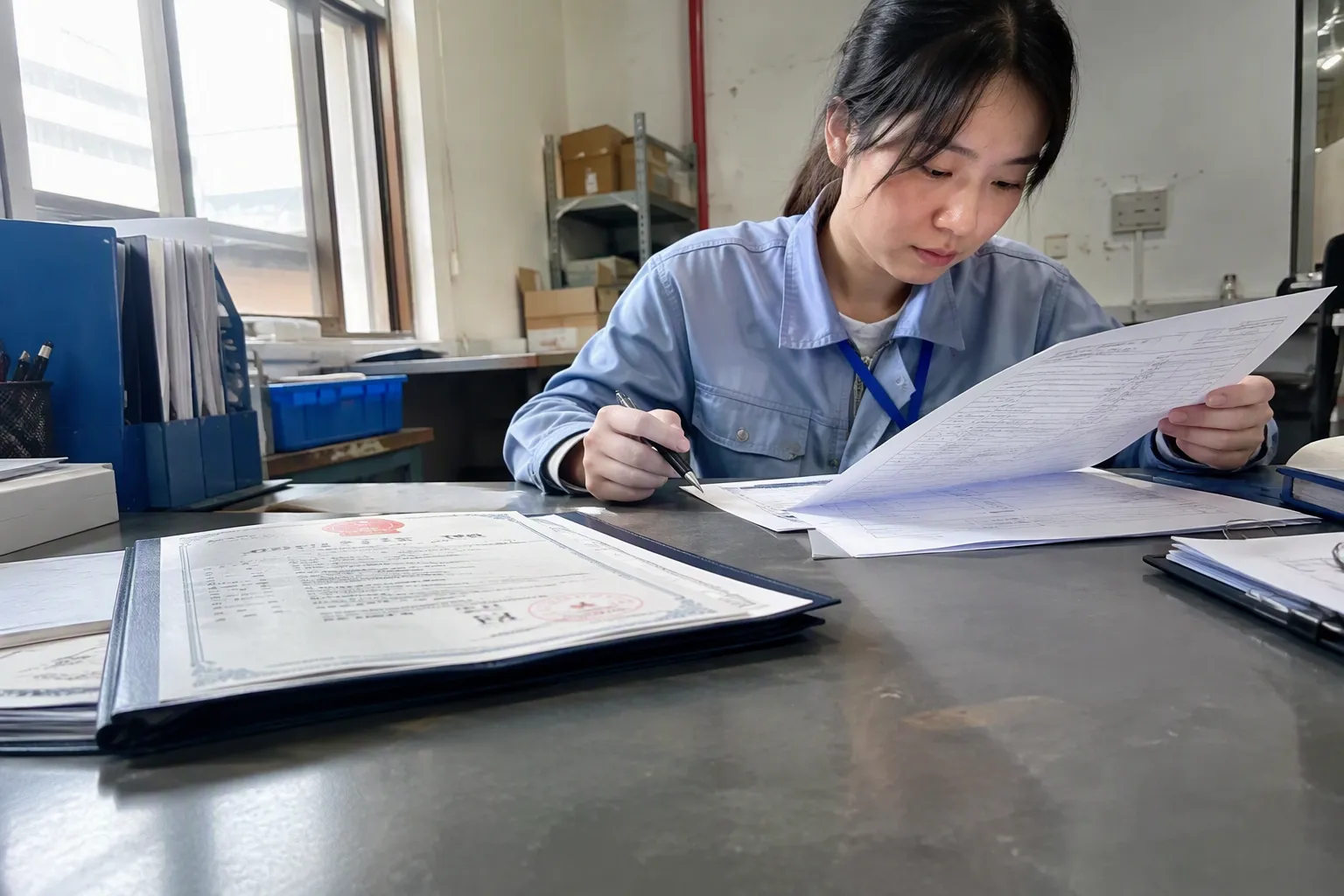
An inspection company can check production against agreed criteria, but the inspection scope must be specific. “Check quality” is not enough. I provide the inspector with the approved sample, drawings, material requirements, artwork, quantity, carton plan, and defect standards.
A useful inspection report can record:
- Quantity produced and packed
- Sample size
- Major, minor, and critical defects
- Dimensions and visual quality
- Material or label observations
- Carton quantity and markings
- Photos of the goods and packaging
- Open issues requiring corrective action
I view inspection as risk control, not a guarantee that every package is perfect. The buyer still needs a clear specification and an appropriate sampling plan.
Frequently Asked Questions
Is sustainable packaging from China reliable for small businesses?
Sustainable packaging from China can suit small businesses when the buyer chooses a realistic structure and MOQ. I recommend starting with a sample, a small test order, or a supplier offering flexible production. I also compare tooling, storage, freight, and inspection costs because the lowest unit price may not be the most practical option for a small brand.
Which material is the most sustainable for packaging?
No single material is automatically the most sustainable for every product or market. I compare the package’s protection, weight, manufacturing process, reuse potential, recycled content, local collection system, and shipping impact. I also ask whether the finished structure is easy to separate and dispose of in the customer’s location.
How can I verify a Chinese supplier’s eco-friendly packaging claims?
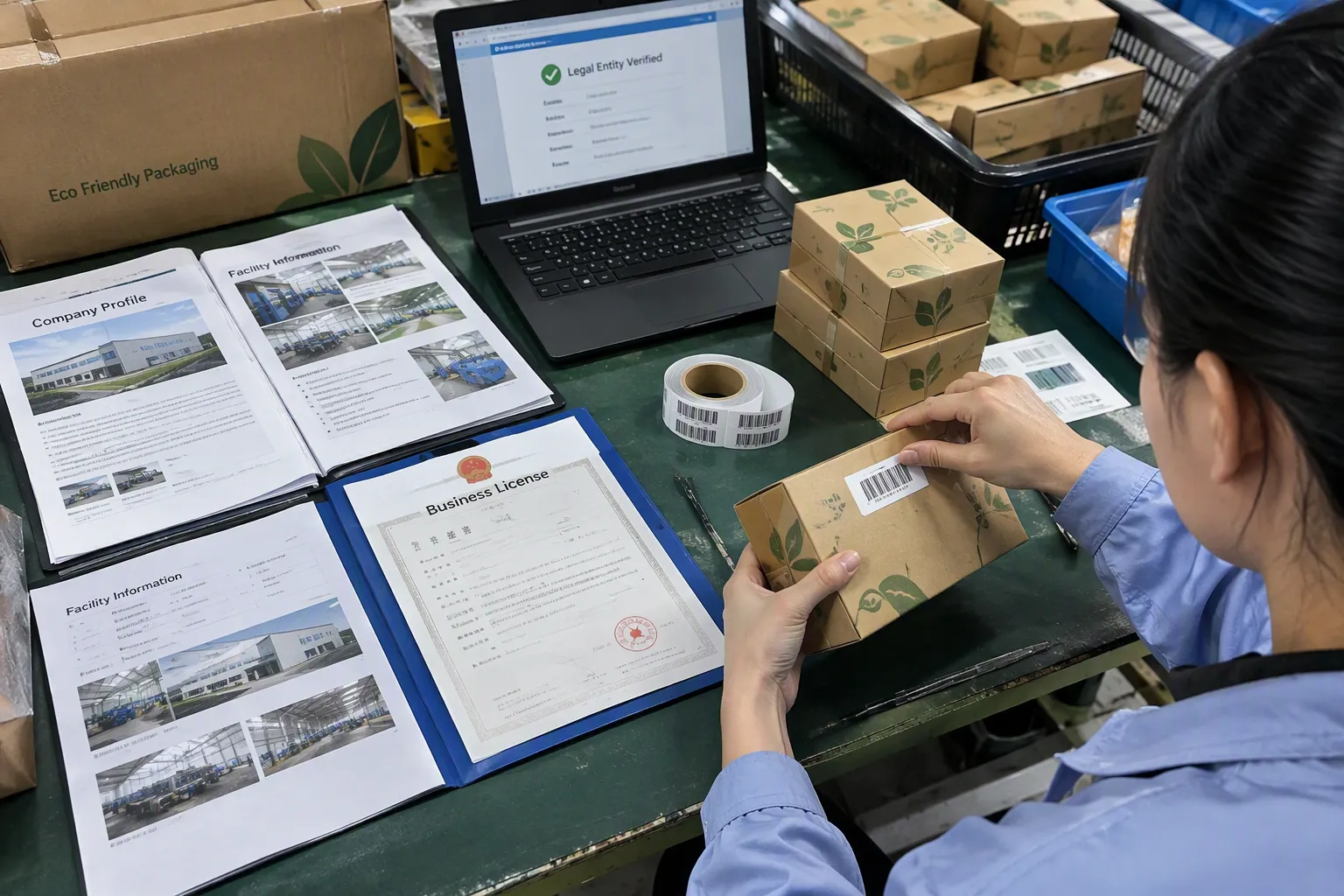
I request the exact material composition, claim definition, test reports, certificates, declarations, and product scope. I check whether the document identifies the supplier and finished package. I also verify important documents with the issuer or a qualified adviser. I do not accept a logo, sales presentation, or general claim as complete evidence.
What MOQ should I expect for customized sustainable packaging?
MOQ depends on the structure, material, printing method, tooling, and factory. Printed boxes, molded inserts, bags, and formed packaging can have different minimums. I ask for quantity tiers and sample costs, then compare the MOQ with the buyer’s forecast. A stock structure with custom printing may provide a lower starting quantity than a new design.
Should I inspect sustainable packaging before shipment?
I recommend pre-shipment inspection for important or customized orders, especially when packaging protects a high-value product or carries compliance information. I compare finished goods with the approved sample and written specification. For complex packaging, an in-process check can identify material or printing problems before the supplier completes the entire order.
Conclusion
Sourcing sustainable packaging from China requires more than selecting paper, recycled plastic, molded fiber, or a compostable label. I start with the packaging job, define the product and logistics requirements, compare suppliers, verify environmental claims, and inspect production against a written specification. I also check whether the solution is commercially realistic for the buyer’s MOQ, budget, and growth plans. If you need help comparing qualified Chinese packaging suppliers, reviewing quotations, managing samples, or arranging inspection and shipping, contact KingSourcing to discuss your packaging brief.
Sources
- Advances in Eco-friendly Materials for Sustainable Packaging ...", Packaging sustainability assessments generally evaluate environmental impacts alongside functional requirements such as product protection and distribution efficiency, rather than treating a material label as sufficient evidence of overall benefit
- Environmental Impact of Food Packaging Materials: A Review ...", Studies of packaging performance and product loss indicate that inadequate protection can increase damage and associated replacement or reverse-logistics activity, which may add environmental impacts beyond those of the package itself
- Food Packaging & Other Substances that Come in Contact ...", Regulatory frameworks commonly distinguish product-contact packaging from secondary and transport packaging; product-contact materials may be subject to additional composition and safety requirements, particularly for food and other regulated goods
- Biodegradable and compostable alternatives to conventional ...", Standards and institutional guidance distinguish recyclability, biodegradability, and compostability as different attributes, while treating sustainability as a broader assessment that may include environmental impacts and system conditions
- Reduce, Reuse, Recycle | US EPA", Recycling guidance distinguishes the theoretical or technical recyclability of a packaging material from its actual acceptance in local collection, sorting, and reprocessing systems
- Composting | US EPA", Compostability standards and public guidance distinguish industrial composting from home composting; packaging certified for industrial conditions may require access to an appropriate commercial facility to achieve the specified breakdown outcome
- Accreditation vs. Certification", Certification and accreditation guidance indicates that a certificate’s evidentiary value depends on its validity, issuer, scope, covered facility, and applicable product or process; an unverified image does not establish those attributes
- Dimensional Weight Pricing", Parcel and freight-pricing systems may calculate charges from actual weight, dimensional weight, or both, so packaging volume and mass can materially affect delivered logistics cost