Quick Answer
HS Codes can become a serious problem when importers rely on a product name or copy a supplier’s declaration without checking the details. A vague description may create customs questions, tax uncertainty, shipment delays, or rework. I reduce this risk by preparing complete product information first, then requesting destination-specific confirmation.
To prepare HS Codes for products from China, I first document each SKU’s material, function, technical specifications, intended use, packaging, and included components. I treat the Chinese supplier’s proposed code as reference information only. I then send the complete product file to the freight forwarder, customs broker, or qualified professional in the destination country for verification before shipping.
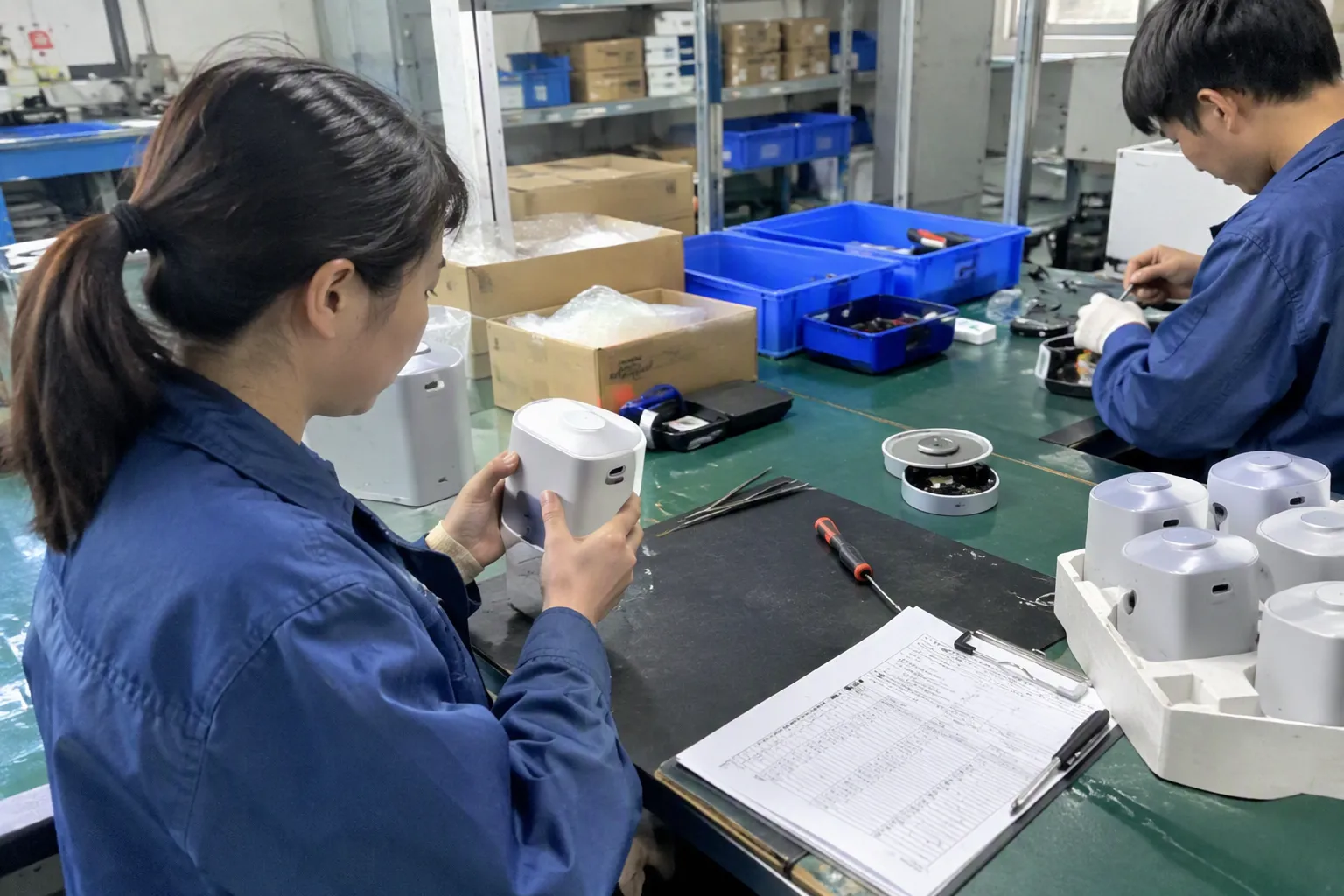
Many first-time importers ask me for a code as soon as they have a product link or supplier quotation. That approach is understandable, but it is often too early. In practice, HS Code preparation works best as part of product sourcing, SKU management, and pre-shipment quality control. The details collected during procurement can make later customs communication much clearer.
How Should I Prepare HS Codes for Products from China?
I should prepare HS Codes by building a product-information file for every relevant SKU, rather than searching for one universal code by product name. I should record the product’s material, primary function, technical features, intended use, configuration, packaging, and country of import. I should then ask a qualified destination-country professional to review the information.
Why does product information matter before classification?
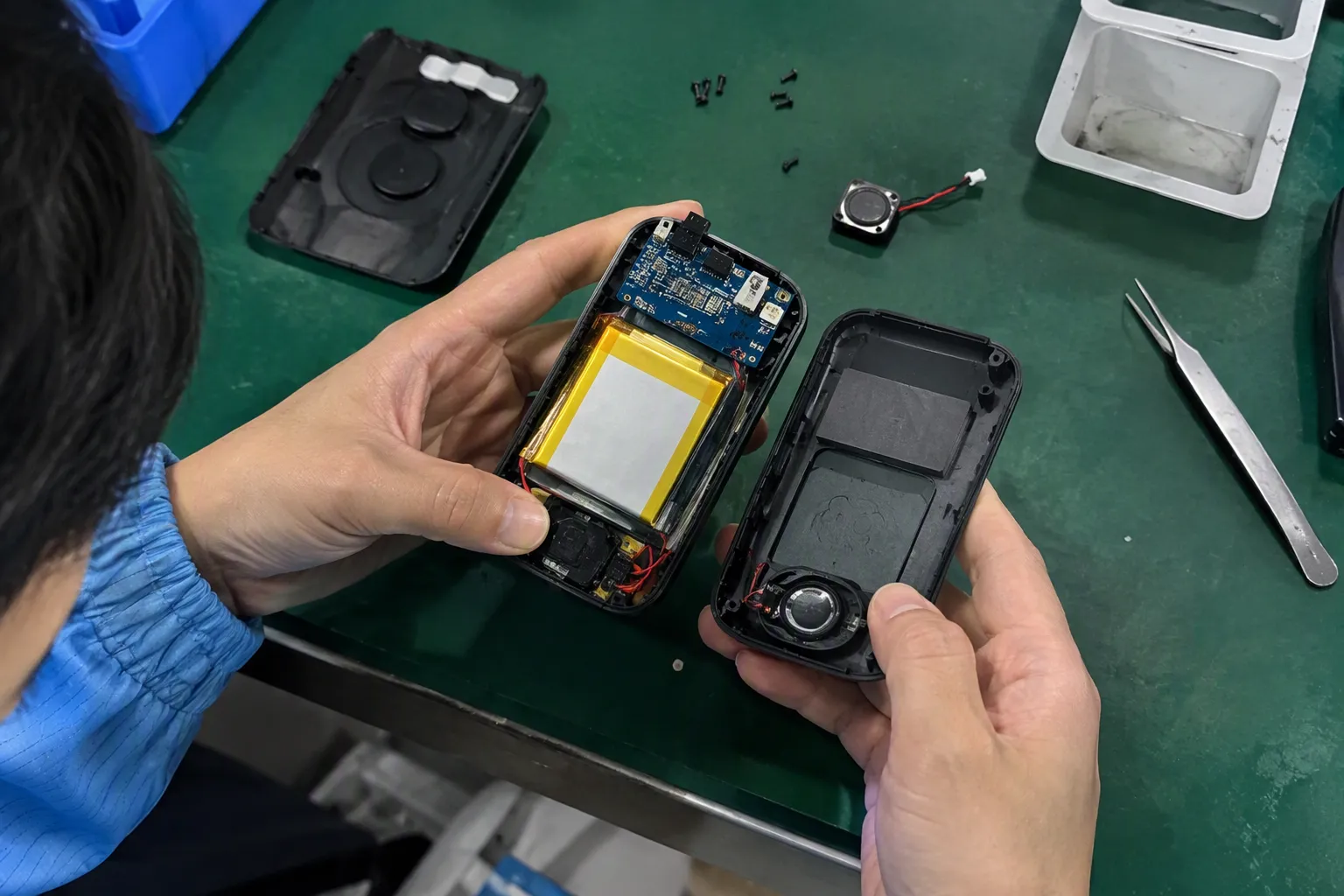
A product name rarely explains enough about an imported item. For example, a name such as “wireless device,” “plastic accessory,” or “kitchen tool” may describe dozens of products with different materials, functions, configurations, and regulatory considerations. Classification can depend on the product’s principal function or physical characteristics[1], so a short commercial name may not give the reviewer enough evidence.
I usually begin with the actual product specification, not the supplier’s listing title. Supplier pages often use marketing language designed for search visibility. That language can omit details that matter during import review.
I ask the supplier questions such as:
- What materials make up the product?
- Which material forms the main body or primary component?
- What is the product’s main function?
- Does the item have electronic, electrical, mechanical, textile, optical, or software-related features?
- Does it contain a battery, charger, cable, magnet, liquid, chemical, or wireless module?
- Is it sold as a single product, a set, or a kit?
- What components are included in the retail package?
- Is the product designed for consumers, industrial users, medical use, vehicles, children, or another specific application?
- Does the product have different versions for different markets?
- What information appears on the packaging and commercial invoice?
I do not treat the answers as a final customs decision. I use them to create a reliable information pack that another qualified party can review.
What should an HS Code verification pack include?
I recommend preparing one folder or spreadsheet for each product family. A useful pack usually includes:
-
Plain-language product description
I describe what the product is and what it does without relying only on a brand name or internal SKU title. -
Material information
I list the main materials and, where practical, approximate material composition. A product made mainly from stainless steel may need a different review from a visually similar product made mainly from plastic. -
Function and intended use
I explain the product’s primary purpose. I also state whether it is for general consumer use, a specialized industrial application, a vehicle, a medical setting, or another defined environment. -
Technical specifications
I include dimensions, voltage, wattage, capacity, operating method, connectivity, and other features that may distinguish one configuration from another. -
Product photographs
I provide clear photos of the product from several angles. I also include photos of labels, connectors, control panels, accessories, and packaging when these features are relevant. -
Kit and bundle contents
I list every component in a set. A product sold alone may require a different review from a product bundled with tools, chargers, replacement parts, or other accessories[7]. -
Packaging details
I record whether the product is packaged for retail sale, shipped in bulk, assembled, unassembled, or packed with other goods. -
Supplier and factory details
I include the supplier’s company name, quotation, product model, factory contact, and proposed China export code if the supplier provides one. -
Destination information
I identify the importing country and, where relevant, the specific customs territory or market. I do not assume that an answer used in one country applies to another[8]. -
Version history
I record product changes, such as a new material, revised battery, added accessory, or updated packaging. An old classification review may not remain suitable after a specification change.
This pack also helps me with purchasing activities beyond customs. I can use the same information to compare quotations, check samples, create inspection standards, review packaging, and confirm that the factory is producing the exact SKU that the buyer approved.
Why should I review each SKU separately?
I do not recommend assigning one code to an entire product catalog just because the products look similar. A buyer may have one product family with several materials, sizes, functions, or configurations. Those differences may require separate review.
For example, I might manage three accessories that share the same commercial name but have different specifications:
| SKU | Important difference | Why separate review may be needed |
|---|---|---|
| A | Plastic body and no electronics | Material and simple function may be central |
| B | Metal body with an electrical component | Construction and technical function may change the analysis |
| C | Product bundled with a charger and carrying case | The bundle composition may require additional consideration |
This table does not assign a code to any SKU. It shows why I avoid treating similar-looking products as interchangeable.
I also check the product at the purchase-order level. A supplier may quote a basic model first and later suggest an upgraded model. The upgraded version may include wireless connectivity, a larger battery, a different casing, or additional components. If I keep using the original product description, the declaration may no longer match the goods.
What role does the supplier’s proposed HS Code play?
A Chinese supplier’s proposed HS Code can be useful as a starting reference. The supplier may have export experience and may know how the product has been declared from China. However, I do not treat that code as a universal answer[2].
The exporting country and importing country may use different national extensions, tariff schedules, explanatory practices, or documentation requirements[3]. The code used for export from China may not be the complete code required by the destination country. Duties, import controls, taxes, and statistical requirements can also depend on the destination market[4].
I therefore ask the supplier for:
- The proposed export classification, if available
- The product description used on prior export documents
- The model number connected to the declaration
- The commercial invoice description
- Any relevant specification sheet
- An explanation of differences between product versions
I use this information to identify inconsistencies. If the supplier uses a short or generic description, I ask for clarification before the shipment leaves the factory.
In my work, I have seen product discussions become difficult when the supplier, buyer, and logistics provider use different names for the same item. One party may call it a “smart accessory,” another may call it a “consumer electronic product,” and the invoice may use only a short internal model number. I help align the descriptions, but I do not present that alignment as official classification.
What should I check before placing an order?
I prefer to check classification-related information before the purchase order becomes final. Early review gives the buyer more time to correct product descriptions, confirm documentation, or reconsider a design that creates unnecessary import complexity.
Before ordering, I review:
- The approved sample and its exact model number
- The final bill of materials or main material description
- The product’s primary function
- All included accessories
- Product labels and retail packaging
- Battery, electrical, wireless, liquid, or chemical features
- Intended end use
- Planned sales market
- Supplier invoice terminology
- Proposed export information
- Whether multiple SKUs require separate files
I also compare the product specification with the supplier quotation. If the quotation describes a product as “plastic” but the sample includes a metal frame and electronic module, I ask the supplier to explain the difference. This is not only an HS Code issue. It may indicate a product-control, pricing, or quality-control problem.
Why do inaccurate declarations create risk?
An inaccurate declaration can create questions that extend beyond the code itself. Customs or logistics parties may request more information about the goods, value, origin, materials, or intended use. The shipment may require correction[5], and the buyer may face additional communication with the carrier or broker.
Possible consequences can include:[6]
- Clearance delays
- Additional document requests
- Recalculation of duties or taxes
- Storage or handling charges
- Questions about product safety or import controls
- Problems reconciling the invoice with the packing list
- Difficulty explaining the goods to a customs broker
- Repeated issues on future shipments
I do not assume that every classification error produces these outcomes. The actual result depends on the product, destination country, shipment, documents, and authorities involved. I explain these possibilities so buyers understand why accurate product information matters.
A common problem occurs when a supplier uses a broad description to save time. For example, an invoice may say “accessories” even though the shipment contains several different products. That description may be too vague for a professional reviewer. I normally ask the supplier to use clear, consistent descriptions that match the purchase order and packing list.
How do the different parties contribute?
HS Code preparation works better when each party understands its responsibility.
| Party | Useful contribution |
|---|---|
| Buyer or importer | Provides the destination country, sales purpose, approved specification, and final SKU information |
| Chinese supplier | Confirms materials, functions, models, package contents, and export documentation |
| Sourcing partner | Collects missing information, compares supplier statements, and coordinates communication |
| Freight forwarder or customs broker | Reviews shipping documentation and provides destination-specific guidance within its role |
| Destination-country customs professional | Confirms the classification approach according to local requirements |
| Relevant authority | May provide formal or binding guidance under the applicable national process |
I help buyers collect and organize information from suppliers. I can also compare product descriptions, ask factories to clarify specifications, and coordinate with logistics providers. I do not replace a customs authority, licensed broker, or other qualified professional who is responsible for destination-specific classification advice.
That distinction matters. A sourcing company can improve the quality of the information being reviewed, but it should not promise a final code for every country or product category.
How do product changes affect an old HS Code review?
I treat a previous review as connected to a specific product version. I do not automatically carry it forward when the supplier changes the product.
I ask the buyer and supplier to flag changes such as:
- A different main material
- A new casing or structural component
- A new battery type or capacity
- Added wireless or electronic functions
- A different motor or power system
- A change from individual packaging to a retail set
- A new accessory in the package
- A change in intended use
- A new model number
- A change in the market where the product will be sold
A small cosmetic change may not affect the classification review, but I do not make that assumption without checking. A material or functional change can be more important than a color or logo change. I update the verification pack when the product changes and ask the relevant professional whether a new review is needed.
How can I manage many SKUs efficiently?
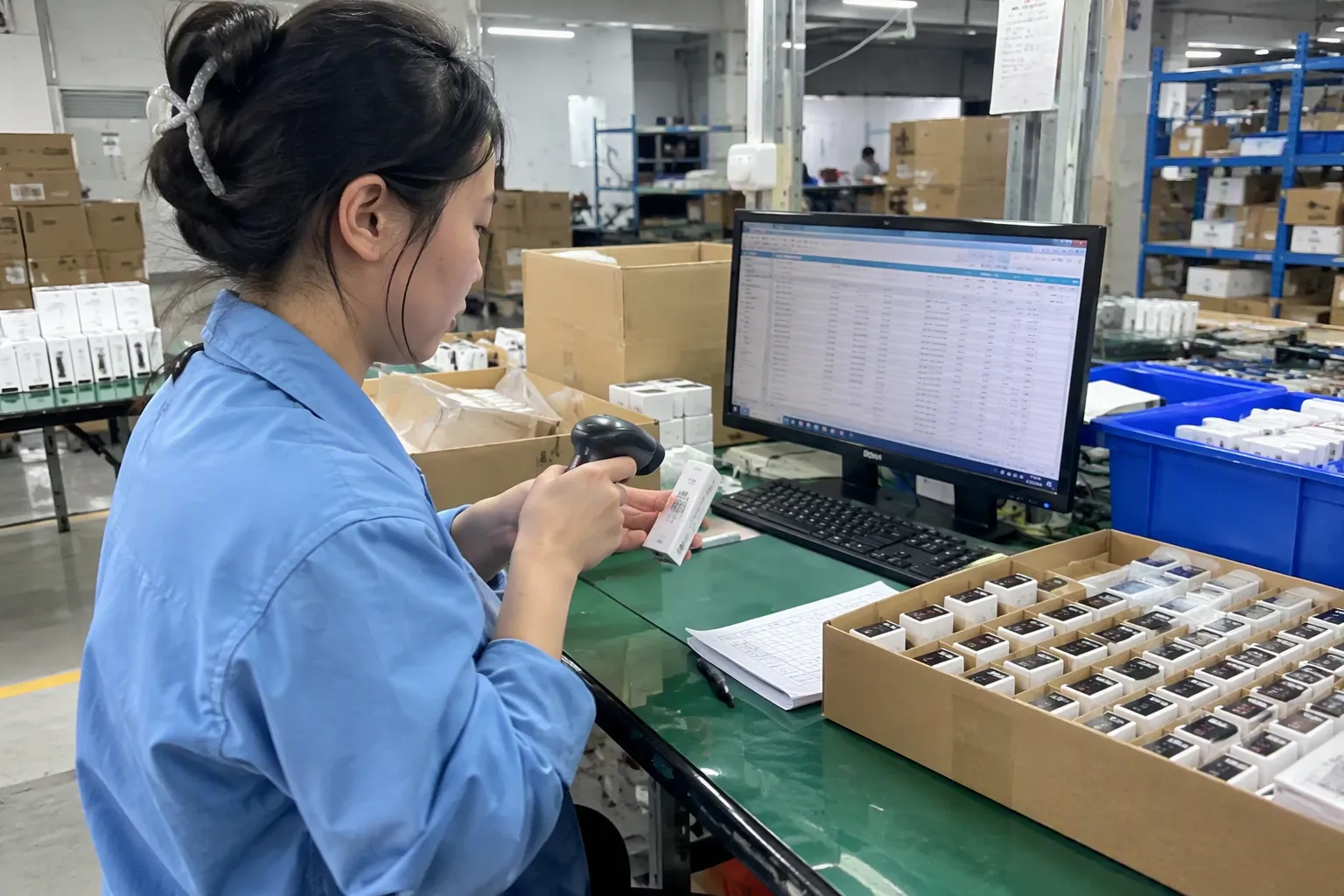
Many e-commerce sellers and wholesalers manage dozens or hundreds of SKUs. I find that a structured spreadsheet is more practical than storing product information in scattered chats.
I create columns for:
- Internal SKU
- Supplier model
- Product name
- Plain-language description
- Main material
- Primary function
- Intended use
- Technical features
- Package contents
- Product photos
- Supplier’s proposed code
- Destination market
- Broker or professional review status
- Date of last review
- Product version
- Notes about changes
I then group products into families only when the information genuinely supports that grouping. I keep separate rows for products with different materials, functions, or configurations.
A status column can show whether each SKU is:
- Information incomplete
- Supplier clarification requested
- Ready for professional review
- Review completed
- Product changed—recheck required
- Not approved for shipment documentation
This process helps me find gaps before a container is booked. It also helps purchasing, quality control, and logistics teams use the same product terminology.
When should I ask for professional confirmation?
I ask for professional confirmation before shipping when the product is technically complex, regulated, high value, bundled, or likely to attract questions about its function or materials. I also ask for review when the buyer is uncertain about the supplier’s proposed code or when the destination country has specific import requirements.
Professional review is especially sensible when a product includes:
- Electrical or electronic functions
- Batteries or wireless components
- Chemicals, liquids, or special materials
- Medical, protective, automotive, or industrial applications
- Food-contact or child-related use
- Multiple components sold as a set
- Several possible product functions
- A high-value shipment
- A large repeat-order program
- A history of clearance questions
I send the reviewer the complete information pack rather than asking, “What is the code for this product?” A qualified reviewer can give better guidance when the question includes specifications, photos, intended use, packaging, and destination.
I also ask whether the recommendation is informal guidance or part of a formal national process. Different countries use different procedures. The buyer should understand what level of certainty the document provides and how long it applies.
What should I do if the supplier and broker disagree?
I do not choose a code simply because one party sounds more confident. I compare the underlying product descriptions and ask each party to explain the basis for its view.
I normally follow this sequence:
- I confirm that both parties are reviewing the same model and version.
- I compare the material, function, technical features, and package contents.
- I check whether one party is discussing export classification while the other is discussing import classification.
- I ask the supplier to provide more detailed product information.
- I ask the freight forwarder or customs broker to identify the missing information.
- I request destination-specific advice from a qualified professional when the difference remains material.
- I keep the written explanation with the purchase and shipping records.
This process often reveals that the disagreement comes from incomplete descriptions rather than a genuine difference in the product. For instance, one party may assume the item is sold alone while another is reviewing the complete retail set.
What practical mistakes should first-time importers avoid?
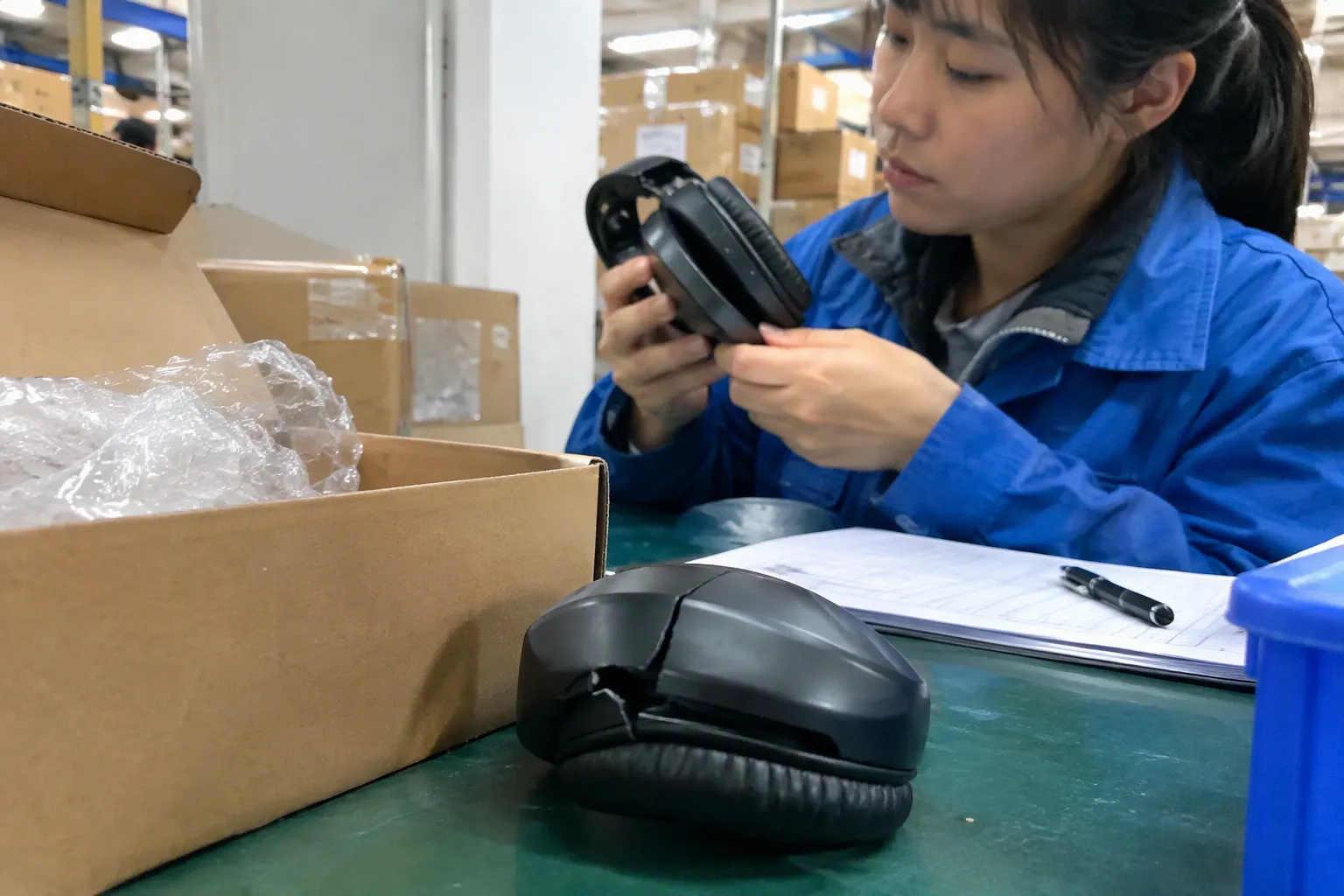
I see several mistakes repeatedly during China sourcing projects:
- Searching only by the product’s English name
- Copying a code from an online marketplace listing
- Treating a supplier’s Chinese export code as valid worldwide
- Using one code for every variation in a product family
- Ignoring accessories included in a retail package
- Describing a technical product with a vague marketing term
- Waiting until the shipment is already at the port
- Failing to update documents after a product change
- Using different descriptions on the invoice, packing list, and purchase order
- Assuming a sourcing company can provide an official customs ruling for every market
I reduce these mistakes by making classification information part of the procurement checklist. I ask questions during sample development, not only when the goods are ready to ship. Early communication is usually easier than correcting a document under time pressure.
A practical preparation workflow
I use the following workflow for many product sourcing projects:
-
Define the destination market.
I record the country or customs territory where the goods will enter. -
Freeze the product version.
I connect the review to a model number, sample, specification, and purchase-order description. -
Collect technical information.
I request materials, function, dimensions, power details, components, photos, and packaging information. -
Separate the SKUs.
I create separate records for meaningful differences in materials, functions, configurations, and bundles. -
Compare supplier documents.
I check that the quotation, invoice description, packing list, product label, and sample describe the same goods. -
Record the supplier’s proposed export information.
I keep it as reference evidence, not as a destination-country conclusion. -
Prepare the verification pack.
I combine the product description, specifications, images, supplier details, and proposed code in one file. -
Request qualified review.
I send the file to the destination-country broker, freight forwarder, customs professional, or relevant authority as appropriate. -
Document the result.
I save the advice, date, product version, and assumptions used during the review. -
Recheck before repeat shipments.
I confirm that the product, packaging, destination, and import requirements have not changed.
This workflow does not guarantee a final classification outcome. It gives the reviewer better information and gives the buyer a clearer audit trail.
Frequently Asked Questions
Can I use the HS Code provided by my Chinese supplier?
You can use the supplier’s code as reference information, but you should not assume it applies automatically in your destination country. Export and import classification systems may differ. I recommend checking the exact product description, model, destination requirements, and documentation with a qualified customs broker or relevant professional.
Is a product name enough to prepare an HS Code?
A product name is usually not enough for a reliable review. I also collect the main materials, primary function, technical features, intended use, package contents, and product photos. A general name can describe several different products that require separate consideration.
Do different SKUs need separate HS Code verification?
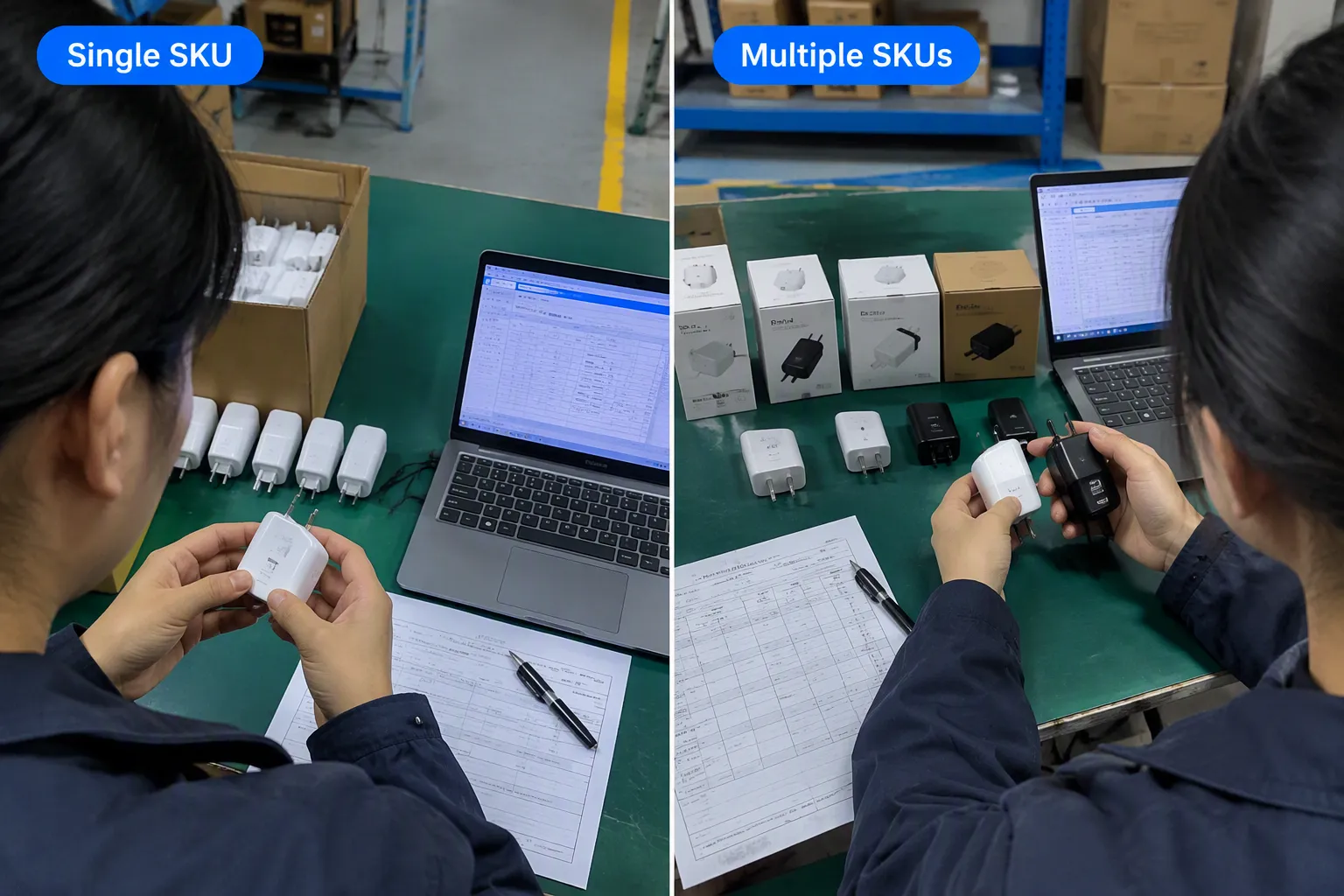
Different SKUs may need separate verification when they vary in material, function, technical configuration, intended use, or bundled components. I keep separate records for meaningful differences and ask a qualified destination-country professional whether the products can be reviewed together.
When should I prepare HS Codes for a China shipment?
I recommend preparing the information before placing the order or, at the latest, before booking shipment. Early preparation gives me time to clarify supplier information, correct commercial documents, and obtain professional confirmation without placing the shipment under unnecessary time pressure.
Can a sourcing company determine the final HS Code?
A sourcing company can collect product information, communicate with the supplier, organize documents, and coordinate with brokers or logistics providers. I do not present KingSourcing as a customs authority. The importer should obtain destination-specific confirmation from a qualified professional or relevant authority when the product or shipment requires it.
Conclusion
Preparing HS Codes for products from China starts with accurate product information, not a quick search by product name. I document each SKU’s materials, function, technical features, intended use, packaging, and included components. I treat supplier-provided codes as references and request destination-specific review before shipping. I also update the file when the product changes. If you need help verifying suppliers, collecting specifications, managing multiple SKUs, or coordinating pre-shipment documentation, contact KingSourcing to discuss your China procurement project.
Sources
- GENERAL RULES FOR THE INTERPRETATION OF ...", The Harmonized System's interpretive framework classifies goods by applying its general rules to the relevant wording of headings and subheadings and to the objective characteristics of the goods
- Harmonized Tariff Schedule - Determining duty rates - help.CBP.gov", The Harmonized System provides a common international nomenclature through its harmonized headings and subheadings, while individual customs territories may add national subdivisions and apply their own tariff and regulatory measures
- Harmonized System (HS) Codes", National customs administrations publish jurisdiction-specific tariff schedules and import requirements that supplement the internationally harmonized HS nomenclature
- Harmonized Tariff Schedule - Determining duty rates - help.CBP.gov", Importing jurisdictions use tariff classifications in administering customs duties and may link those classifications to taxes, prohibitions, licensing, controls, and trade statistics
- Post Summary Corrections | U.S. Customs and Border Protection", Customs administrations provide procedures for amending or correcting declaration data when an entry contains inaccurate or incomplete information, subject to the applicable legal deadlines and controls
- [PDF] Mitigation Guidelines: Fines, Penalties, Forfeitures and Liquidated ...", Customs authorities may request supporting information, reassess the customs treatment of goods, or delay release while an inaccurate or incomplete declaration is examined
- [PDF] Tariff Classification - U.S. Customs and Border Protection", Under the Harmonized System's rules for composite goods and sets put up for retail sale, the constituent elements and the character of the set may affect the classification analysis
- Binding Ruling Program - help.CBP.gov", Customs classification decisions are issued under the tariff law and procedures of the relevant jurisdiction and therefore do not automatically bind customs administrations elsewhere