Quick Answer
Shipping branded products from China can feel simple once production is complete, but the highest risks often appear after a factory says the goods are ready. Incorrect labels, weak cartons, mixed SKUs, missing paperwork, or unclear handoffs can create expensive problems.[1] I recommend treating shipment preparation as a control process, not just a freight booking. **Shipping branded products from China safely means confirming the correct products, approved branding, packaging, labels, quantities, carton information, documents, and responsibility at every handoff before freight is booked.
A product inspection alone is not enough.[2] Buyers should use a repeatable pre-shipment checklist, clarify supplier and freight responsibilities, and verify destination-market requirements with qualified legal, customs, tax, and compliance professionals.**
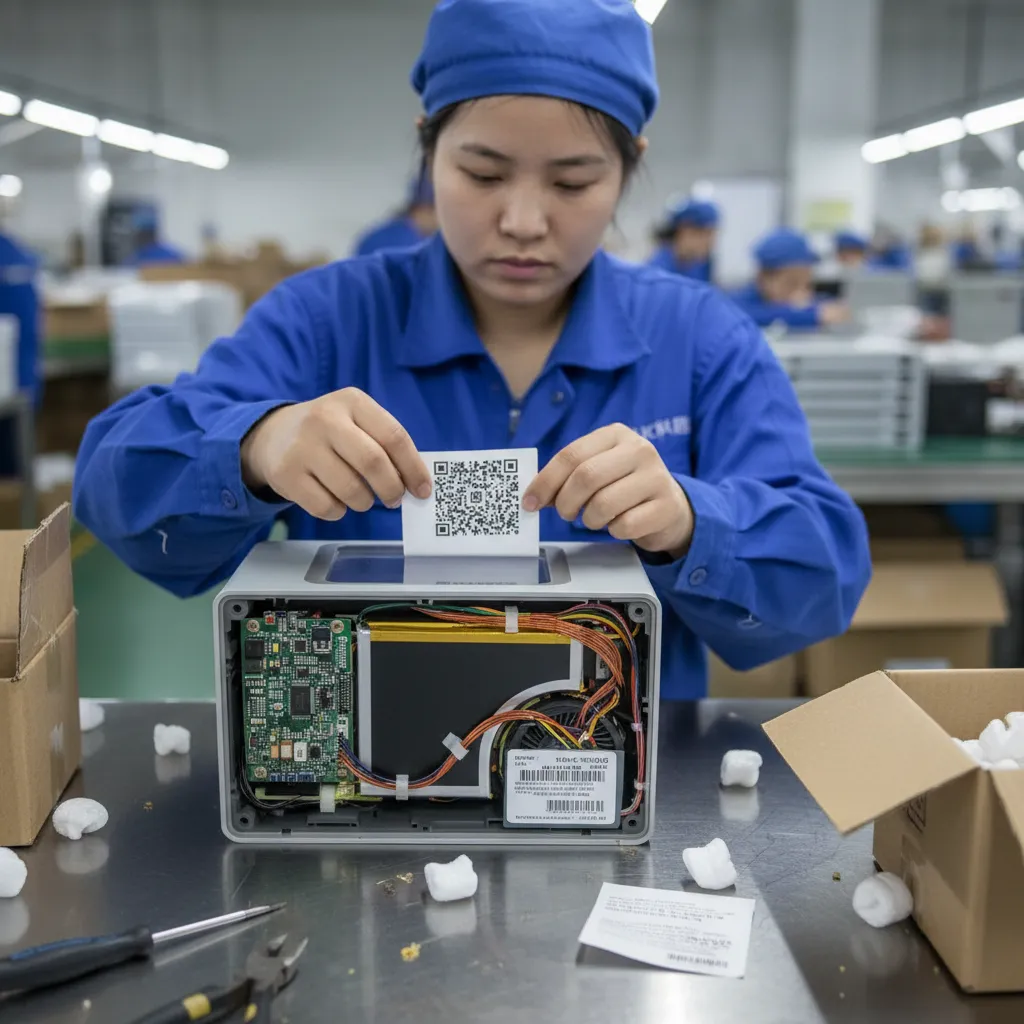
When buyers ask me how to ship their private-label goods, I usually start with questions that come before freight rates: What exactly is leaving the factory? Who approved the artwork? Are the cartons ready for transport? Which party owns each document and handoff? These details shape whether a shipment is organized or exposed to avoidable risk.
Is Shipping Branded Products from China Mainly About Finding the Cheapest or Fastest Freight Forwarder?
When a buyer focuses only on the shipping quote, important preparation issues can stay hidden until the cargo is already packed or collected. A low freight rate does not correct inaccurate carton labels, unapproved brand artwork, incomplete packing lists, or unclear warehouse instructions. I see these risks most often with first private-label orders and multi-supplier purchases.
Shipping branded products from China is not mainly about choosing the cheapest or fastest freight forwarder. It is mainly about controlling the goods before pickup: product identity, brand authorization, packaging, labels, carton data, quantities, documents, and handoff instructions. Freight is one part of the workflow, but buyers need a transport-ready shipment before a carrier can move it reliably.
Start With a Clear Definition of “Safe Shipping”
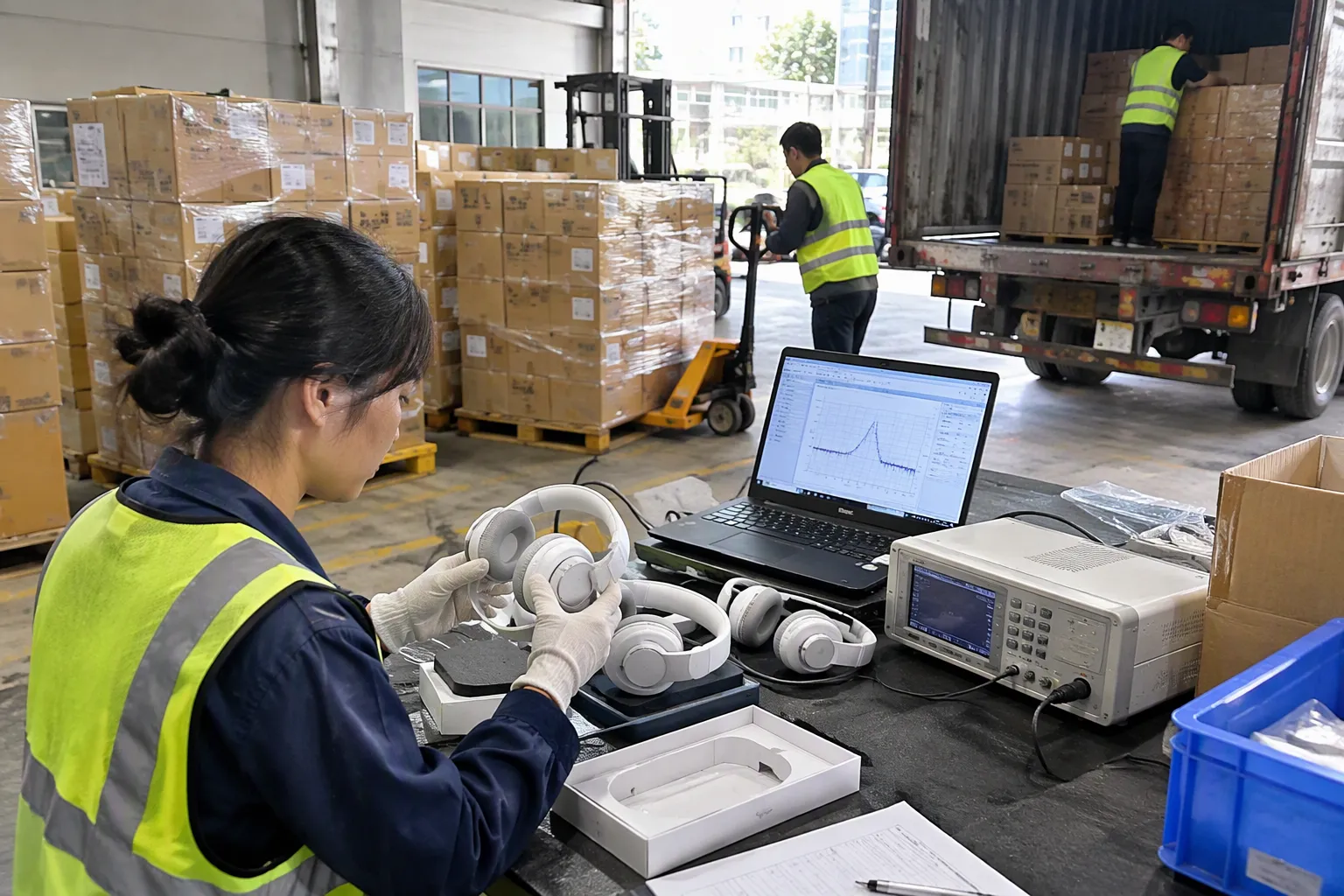
I do not define safe shipping as a promise of zero delays, zero damage, zero customs questions, or guaranteed delivery. International transport includes variables that no sourcing team, factory, warehouse, or freight provider fully controls.[3]
Instead, I treat shipping branded products from China as a pre-shipment risk-control process. The goal is to reduce preventable mistakes before the goods leave the factory or enter a consolidation warehouse.
For a private-label shipment, I want the buyer and every operating party to agree on five basic points:
-
What product is being shipped?
The SKU, model, color, size, version, accessories, and quantity should match the approved order. -
Under whose brand is it being shipped?
The logo, product markings, packaging artwork, inserts, labels, and carton marks should match the buyer-approved files. -
How is the product protected?
The retail box, inner packaging, master carton, pallet arrangement, and protection against movement should be reviewed for the intended shipment. -
What shipment information must match?
Purchase order numbers, SKU lists, carton counts, gross weights, dimensions, packing lists, and invoice details should be aligned. -
Who is accountable at each handoff?
The factory, sourcing team, inspection provider, warehouse, freight partner, and buyer should understand their own responsibilities.
This approach is especially useful for smaller brands. A startup may not have an in-house supply-chain department, but it can still build a reliable approval process. I have found that a simple checklist often creates more control than a long email thread with unclear ownership.
A factory can finish manufacturing correctly while the shipment still remains unready for transport. Product quality and shipment readiness are related, but they are not the same approval.
Separate Product Quality Approval From Transport Readiness
A passed inspection is valuable, but it does not automatically mean the goods are ready to ship. During product inspection, the focus may be on appearance, function, workmanship, quantities, and agreed quality standards. During shipment preparation, the focus expands to how those approved goods will be identified, packed, counted, stored, collected, and documented.
For shipping branded products from China, I recommend using two connected approvals:
| Approval stage | Main question | Typical checks |
|---|---|---|
| Product quality approval | Is the product made according to the agreed specification? | Function, appearance, materials, colors, dimensions, defects, accessories |
| Shipment readiness approval | Can the approved product be handed over and transported as intended? | Carton strength, labels, carton marks, SKU accuracy, packing list, quantity reconciliation |
| Freight handoff approval | Does the carrier or warehouse have clear receiving instructions? | Pickup contact, address, carton count, weights, labels, booking reference, delivery window |
What I Check Before Cargo Leaves a Factory
When our team coordinates a branded shipment, we normally look beyond the product itself. The exact checklist depends on the order, but I typically want confirmation of the following:
- Approved packaging version: The correct retail box, bag, insert, manual, warning label, barcode sticker, or hangtag is used.
- Brand placement: The logo and artwork match the buyer-approved version rather than an outdated file or sample design.
- SKU separation: Different colors, models, bundles, or variations are clearly separated and counted.
- Carton markings: Outer cartons carry the required shipping marks, PO reference, carton number, destination information, or SKU identification where applicable.
- Carton condition: Cartons appear suitable for stacking, handling, and the planned route. I also check for weak sealing, crushed corners, moisture exposure, or visible damage.
- Quantity consistency: Product quantities, inner-pack quantities, carton quantities, and packing-list totals reconcile.
- Handoff details: The factory has the confirmed pickup date, receiving warehouse address, contact details, and any delivery appointment requirements.
A practical example is a multi-color accessory order. The products may pass a visual inspection, but one color may be packed in cartons using a previous SKU label. If the warehouse receives those cartons without a clear SKU breakdown, the error can carry into fulfillment, marketplace inventory, or retail distribution. I prefer to identify that mismatch before pickup, when correction is usually more manageable.
Treat Packaging as Part of the Product, Not an Afterthought
For many branded goods, the customer first sees the packaging, not the product. Packaging also affects practical handling during warehousing and transport. A well-made product can still arrive in poor commercial condition if the retail packaging is too loose, the carton is weak, or the inner protection does not match the product’s shape and weight.
I recommend that buyers approve packaging at more than one level:
-
Product-level protection
This can include polybags, protective film, foam, molded inserts, trays, sleeves, or dividers. The correct choice depends on the product. I avoid assuming that one packaging method suits every item. -
Retail packaging
This may include branded boxes, printed bags, labels, instructions, inserts, or promotional cards. Buyers should approve the final production version, not only a digital artwork file. -
Inner-carton packing
Inner cartons can help separate SKUs, reduce movement, and simplify warehouse counting. They are also useful for wholesale orders with defined pack quantities. -
Master-carton protection
Master cartons need to contain the planned quantity without excessive empty space or over-compression. Carton sealing, reinforcement, moisture protection, and palletization may also matter depending on the shipment.
When I review a packing arrangement, I ask simple questions:
- Can the item move inside the retail box?
- Can retail boxes move excessively inside the master carton?
- Does the master carton contain mixed SKUs?
- Are cartons packed to a consistent quantity?
- Is the gross weight practical for the expected handling process?
- Do the carton dimensions match the freight quote and packing list?
- Does the outer carton show the correct buyer-required marks?
These checks are operational rather than legal advice. Packaging requirements can also be affected by destination-market rules, product category, environmental obligations, or retailer standards. Buyers should verify these requirements with qualified professionals before production begins.
Control Brand, Trademark, and Labeling Responsibilities
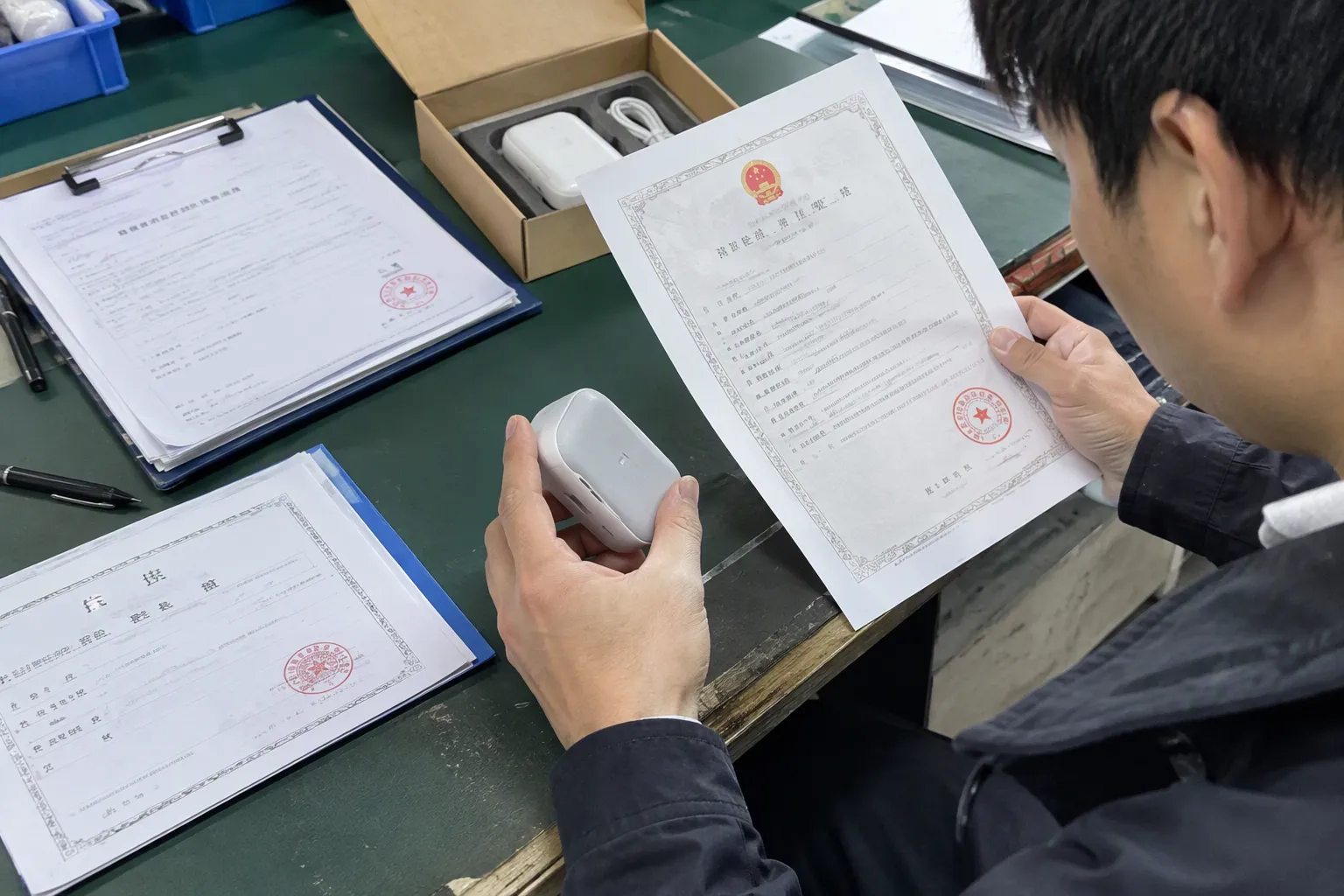
Private-label buyers should be careful with the phrase “branded goods.” Adding a logo to a product does not automatically establish trademark rights, authorization to use a name, or approval to sell in a destination market.[4]
For shipping branded products from China, I encourage buyers to separate operational coordination from legal ownership. A factory may print the artwork supplied by the buyer. A sourcing team may check whether the visible logo and packaging match the approved file. A freight partner may move the cartons. None of these actions automatically confirm that the buyer owns trademark rights or meets every destination-market requirement.
A Practical Responsibility Split
| Area | Typical operating role | Buyer action to consider |
|---|---|---|
| Product manufacturing | Factory produces to the approved specification | Confirm the purchase order, product specification, and approved sample |
| Brand artwork application | Factory prints or applies buyer-provided artwork | Confirm that the buyer has authority to use the brand, logo, and design |
| Packaging and labeling checks | Sourcing or inspection team can compare output with approved files | Approve artwork, label content, barcode format, and placement |
| Freight booking and movement | Freight provider coordinates transport | Confirm the agreed shipping terms, routing, insurance options, and receiving requirements |
| Customs, tax, restricted goods, and market compliance | Qualified specialists and relevant authorities provide guidance | Verify product-specific and destination-specific obligations independently |
I always recommend that the buyer retain version-controlled files. The buyer should be able to identify the approved artwork, packaging version, barcode file, label layout, and instruction document used for each production run.
A useful file naming system can reduce confusion:
- Brand_Product-SKU_Packaging_V3_Approved.pdf
- Brand_Product-SKU_Label_UK_V2_Approved.pdf
- Brand_Product-SKU_Carton-Mark_V1_Approved.pdf
- Brand_Product-SKU_Packing-List_Template_2026.xlsx
This may seem administrative, but unclear version control causes real operational friction. If a supplier receives several similar artwork files, it may use an older version unless the buyer gives a clear final approval. I prefer to state one file as “approved for production” and archive earlier versions separately.
Make Carton Data Match the Physical Goods
Carton data is one of the most important controls in international shipping.[5] Freight charges, warehouse receiving, inventory reconciliation, and shipping documents often depend on carton count, dimensions, gross weight, and product quantities. If this information is wrong, the buyer may face delayed reconciliation, unexpected handling questions, or stock discrepancies.[6]
Before shipping branded products from China, I recommend comparing the physical packing result with the final commercial documents.
Core Carton Data to Reconcile
| Data point | Why it matters |
|---|---|
| Total units | Confirms the ordered quantity is packed |
| Units per carton | Supports inventory and warehouse receiving |
| Number of cartons | Must match pickup instructions and packing list |
| Carton dimensions | Supports freight quotation and space planning |
| Gross and net weight | Helps document preparation and transport planning |
| SKU or model breakdown | Prevents mixed-stock confusion |
| Carton numbering | Helps identify missing or damaged cartons |
| Carton marks | Helps warehouses, carriers, and buyers identify cargo |
For example, a buyer may order 2,400 units across four SKUs. The factory may pack each SKU in 20 cartons, but the final carton count changes after it adds inserts or reinforces outer cartons. If the factory updates the physical packing but not the packing list, the freight provider and destination warehouse may receive conflicting information.
I prefer to request a final packing list after packing is complete, not only an estimated carton list created before production ends. Then I compare the list against inspection findings, warehouse receiving requirements, and the freight booking details.
Use a Defined Handoff Process With Factories and Freight Partners
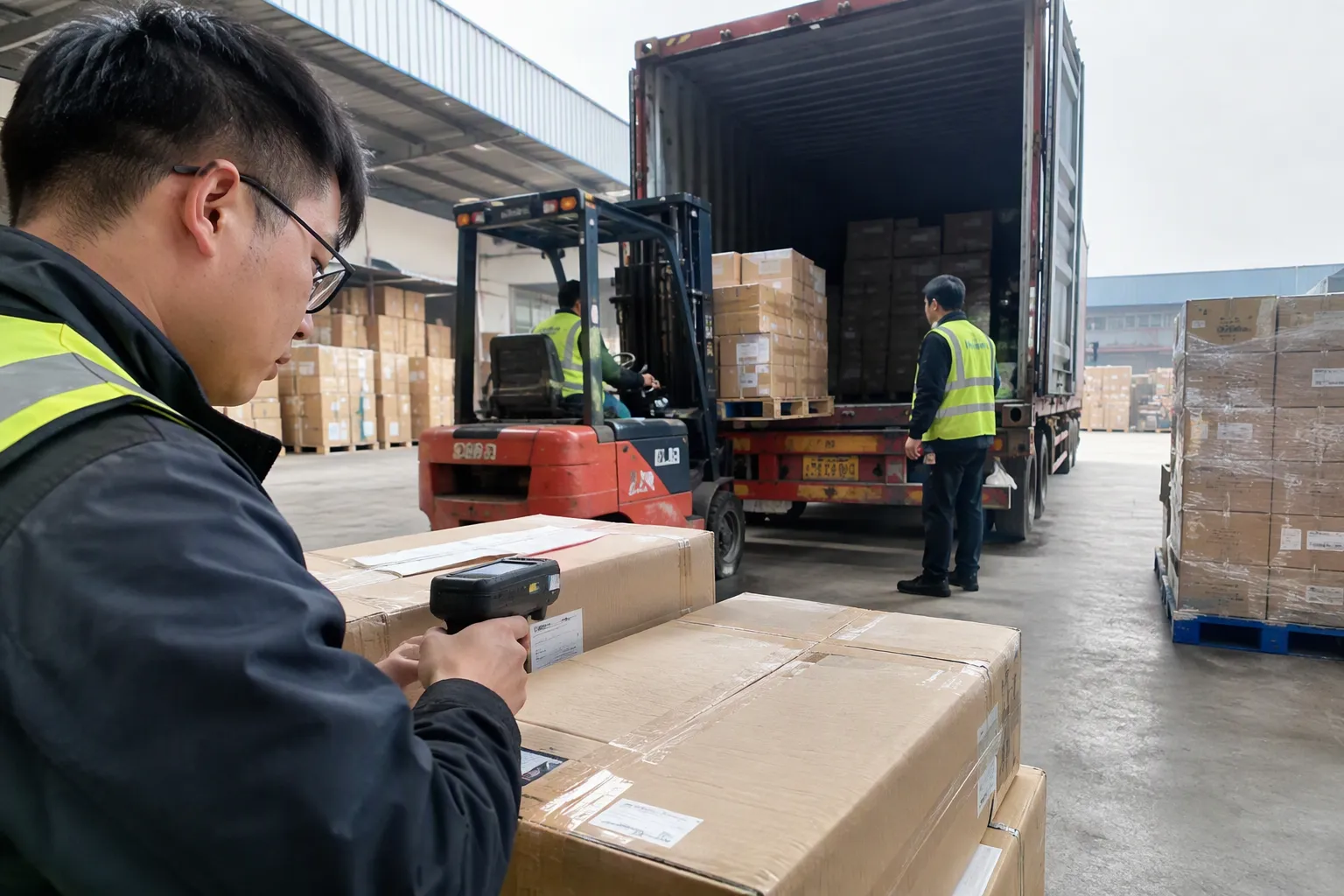
A handoff is where responsibility changes. Cargo can move from a factory floor to a truck, from a truck to a consolidation warehouse, from a warehouse to a carrier, and then through further transport stages. Each handoff should have enough information for the receiving party to identify and count the goods.[7]
I have found that unclear handoffs create more risk than many buyers expect. A supplier may say “goods are ready,” but the freight provider may need a final carton list, pickup contact, warehouse label, booking reference, or delivery appointment before it can collect the cargo.
A practical handoff process can look like this:
- The buyer approves production and shipping preparation.
- The factory confirms final packed quantities and carton details.
- The sourcing or quality team checks agreed packaging, labels, and visible carton information.
- The buyer or appointed freight partner confirms pickup or warehouse delivery instructions.
- The factory receives written handoff details, including contact person and collection window.
- The receiving warehouse or carrier confirms the received carton count and visible condition.
- The buyer compares receiving information with the packing list and supplier dispatch record.
For branded cargo, I recommend avoiding vague instructions such as “send it to our forwarder.” The factory should receive the full address, contact name, phone number, working hours, booking reference where needed, label format, and delivery instructions.
Plan Multi-Factory Consolidation Before Goods Start Moving
Multi-supplier consolidation can reduce administrative work and may simplify final dispatch.[8] However, it adds another control point. Each factory may use different carton sizes, SKU names, label styles, delivery schedules, and packing-list formats.
When shipping branded products from China from multiple factories, I do not wait until all goods arrive at the warehouse to organize the information. I prefer to establish a consolidation plan before suppliers dispatch cargo.
Questions I Ask Before Consolidation
- Which supplier is delivering which SKUs?
- Which products require special warehouse labels?
- Are any cartons mixed by SKU, color, or product version?
- What is the expected delivery date from each factory?
- Does each supplier have the same carton-marking format?
- Does the warehouse need an advance shipment notice?
- Who will check received quantities against supplier packing lists?
- Will the final shipment use new export cartons, pallets, or combined packing?
- Does the buyer need photo records before final handoff?
A common process-based scenario involves three factories: one produces the main product, one produces branded packaging, and one produces accessories. The goods may all be “ready” at different times. Without an agreed receiving plan, the warehouse can receive cartons before the buyer has confirmed whether packaging, accessories, and product versions match correctly.
I prefer to build a consolidation sheet with supplier names, SKU codes, expected quantities, cartons, delivery dates, and warehouse status. This helps the buyer see whether the shipment is complete before final dispatch.
| Supplier group | Goods expected | Key pre-delivery control |
|---|---|---|
| Main product factory | Finished product by SKU | Confirm quantity, product version, and carton marks |
| Packaging supplier | Boxes, inserts, labels, bags | Confirm approved artwork and matching SKU allocation |
| Accessory supplier | Cables, tools, add-ons, promotional items | Confirm bundle quantities and identification |
| Consolidation warehouse | Receives and prepares final shipment | Reconcile carton counts and buyer instructions |
Build Your Pre-Shipment Checklist Before Paying the Balance
The best time to create a shipping checklist is not after the factory asks for the remaining balance. I recommend setting the checklist during product development or before mass production. This gives the buyer time to clarify requirements and lets suppliers understand what evidence or information they need to provide.
Here is a practical starting checklist for private-label buyers:
Product and Brand Approval
- [ ] I have approved the final product specification.
- [ ] I have confirmed the correct SKU, color, model, size, and accessories.
- [ ] I have approved the final logo placement and artwork version.
- [ ] I have confirmed that I have authority to use the brand, design, and trademark.
- [ ] I have retained approved artwork and packaging files.
Packaging and Labeling
- [ ] I have approved retail packaging and inner protection.
- [ ] I have confirmed barcode, SKU, warning, and destination labels where required.
- [ ] I have confirmed label placement and readability.
- [ ] I have specified carton marks, carton numbers, and buyer references.
- [ ] I have checked whether destination-market packaging or labeling obligations require professional verification.
Quantity and Carton Controls
- [ ] I have received the final carton count.
- [ ] I have reviewed carton dimensions, gross weight, and units per carton.
- [ ] I have checked that SKU totals match the purchase order.
- [ ] I have requested a final packing list based on completed packing.
- [ ] I have confirmed whether cartons are mixed or separated by SKU.
Handoff and Shipping Preparation
- [ ] I have confirmed the pickup or warehouse-delivery address.
- [ ] I have provided the factory with a named contact and instructions.
- [ ] I have confirmed the receiving hours or appointment process.
- [ ] I have aligned documents with my freight partner.
- [ ] I have verified destination-market customs, tax, restricted-goods, and product requirements with qualified professionals.
This checklist does not replace specialist advice. It gives buyers a clearer operational framework for shipping branded products from China and reduces the chance that a critical question is raised only after cargo has moved.
Frequently Asked Questions
Can I ship products with my logo from China if I have not registered a trademark?
I recommend that you do not assume a printed logo gives you legal rights to use that brand. A factory can apply buyer-provided artwork, but trademark ownership and authorization are separate issues. You should verify your rights and destination-market requirements with a qualified trademark or legal professional.
Does a product inspection mean my branded goods are ready to ship?
No. A product inspection can confirm agreed quality points, but shipment readiness also includes packaging protection, carton condition, SKU accuracy, quantities, carton marks, labels, packing lists, and freight handoff instructions. I recommend separate quality and shipment-readiness approvals.
Who is responsible for labels on private-label products from China?
Responsibilities should be agreed in writing. The factory may apply labels, a sourcing team may coordinate checks, and a freight provider may handle cargo movement. However, buyers should own approval of label content and verify destination-specific compliance, restricted-product, and market-entry obligations with qualified professionals.
What should I send my freight forwarder before pickup?
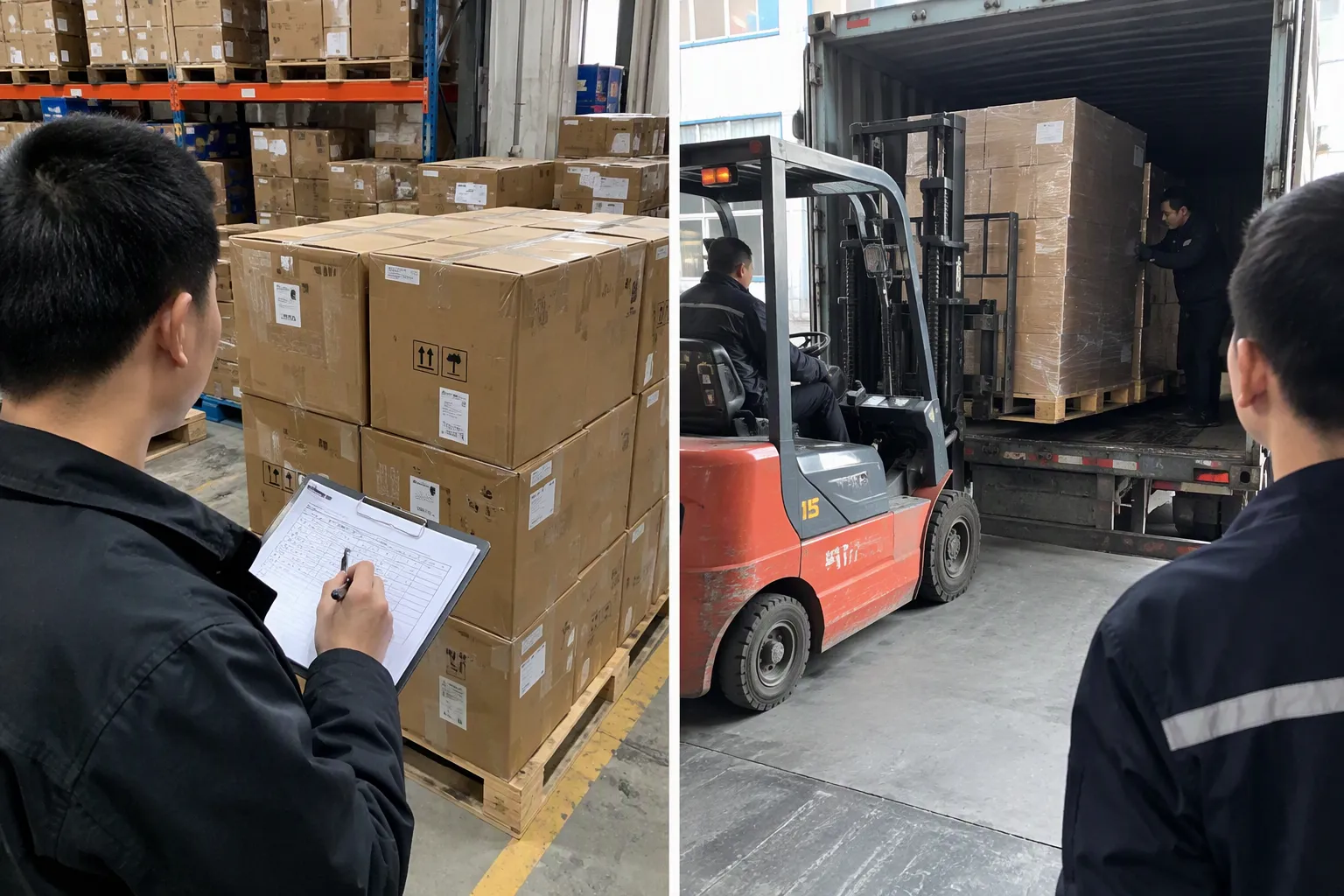
I recommend sending the final packing list, carton count, dimensions, gross and net weights, pickup address, factory contact, cargo-ready date, product description, and any warehouse or booking reference. Your freight partner may request additional information depending on the shipment and destination.
How can I consolidate branded products from several Chinese factories?
I recommend creating a consolidation plan before suppliers dispatch goods. List each supplier, SKU, quantity, carton count, packing details, expected delivery date, warehouse labels, and required documents. The receiving warehouse should reconcile delivered cartons against supplier packing lists before final shipment preparation.
Conclusion
Shipping branded products from China safely depends less on finding the lowest freight quote and more on controlling what happens before pickup. I recommend separating product inspection from transport readiness, approving packaging and labels, reconciling carton data, defining handoff responsibilities, and planning consolidation early. At KingSourcing, we help overseas buyers coordinate supplier checks, packaging, labeling, quality control, consolidation, and shipment preparation across China. Contact us if you need a clearer pre-shipment process for your next private-label order.
Sources
- Common Export Documents", Official trade guidance describes accurate shipping documentation, package identification, and shipment information as material to customs processing and cargo handling; discrepancies can require correction or delay release of goods
- NIST Technical Series Publication", Quality-management guidance treats inspection of product conformity as distinct from controls for identification, preservation, packaging, and delivery, supporting the distinction between product approval and shipment readiness
- Risks and Resilience in Global Trade", International transport assessments identify weather events, port congestion, infrastructure constraints, and regulatory measures as factors that can disrupt freight movement independently of a single shipper or logistics provider
- Trademarks", Intellectual-property authorities explain that trademark protection is governed by applicable registration and use rules; placing a logo on a product does not by itself establish enforceable rights in every jurisdiction
- Packing List", Government trade guidance identifies package counts, weights, dimensions, and contents as standard shipping-document information used in freight handling and customs-related processing
- Improving Your Manufacturing Operations Using Warehouse ...", Warehouse receiving and inventory-control literature describes reconciliation of physical package counts and product identifiers with shipment records as a core control; mismatches require investigation and can create inventory-record discrepancies
- GS1 Logistic Label Guideline", Supply-chain identification standards provide for package and shipment identifiers that enable receiving parties to identify, verify, and trace goods as custody changes
- Publication: Estimating Road Freight Transport Costs in ...", Logistics research describes freight consolidation as combining smaller consignments into coordinated loads, which can improve utilization and reduce selected handling or dispatch transactions