I see many buyers waste money because they pick suppliers fast, miss hidden risks, and only notice the damage after goods arrive.
Alibaba is better when I only need supplier discovery, price checks, or simple standard products. A China sourcing company is better when I need local execution, supplier verification, sampling, customization, quality control, consolidation, and shipping support. The right choice depends on product complexity, risk, and my sourcing ability.
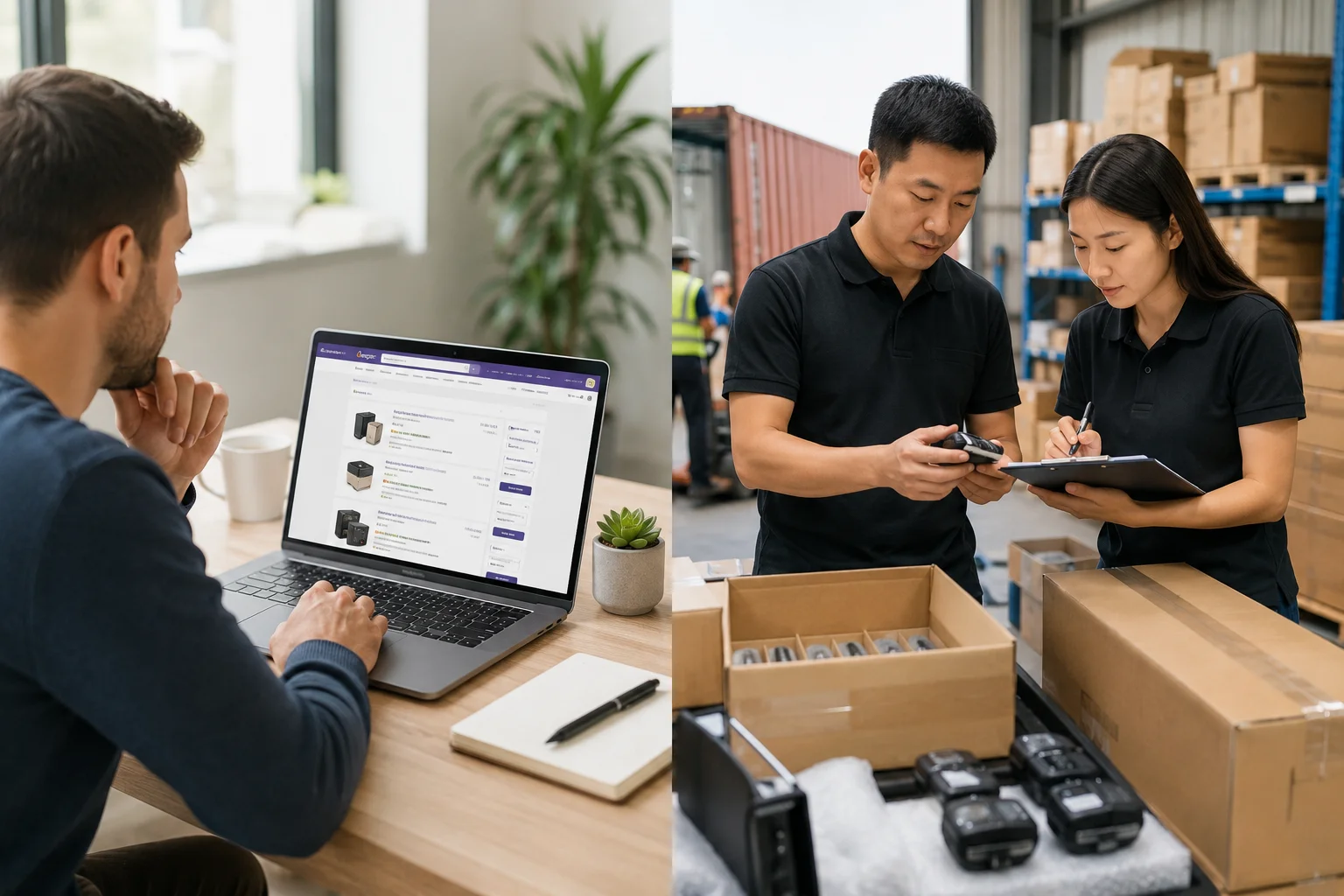
I do not see this as a fight between Alibaba and a sourcing company. I see it as a choice between a search tool and a local execution team. I use Alibaba when I need to see what the market offers. I use a sourcing company when I need someone in China to protect the order, push the factory, check the goods, and manage the details that online messages cannot solve. That difference matters more than many buyers think, so I will break it down from a practical buyer view.
1. What Is Alibaba and How Does It Help Buyers Source from China?
I know Alibaba can feel huge and confusing at first. I search one product, see hundreds of suppliers, and wonder who is real, ready, and suitable.
Alibaba is an online B2B platform that helps me find Chinese suppliers, compare product options, ask for prices, and contact factories or trading companies.[^1] It works best when I already know what I want and can screen suppliers by myself.
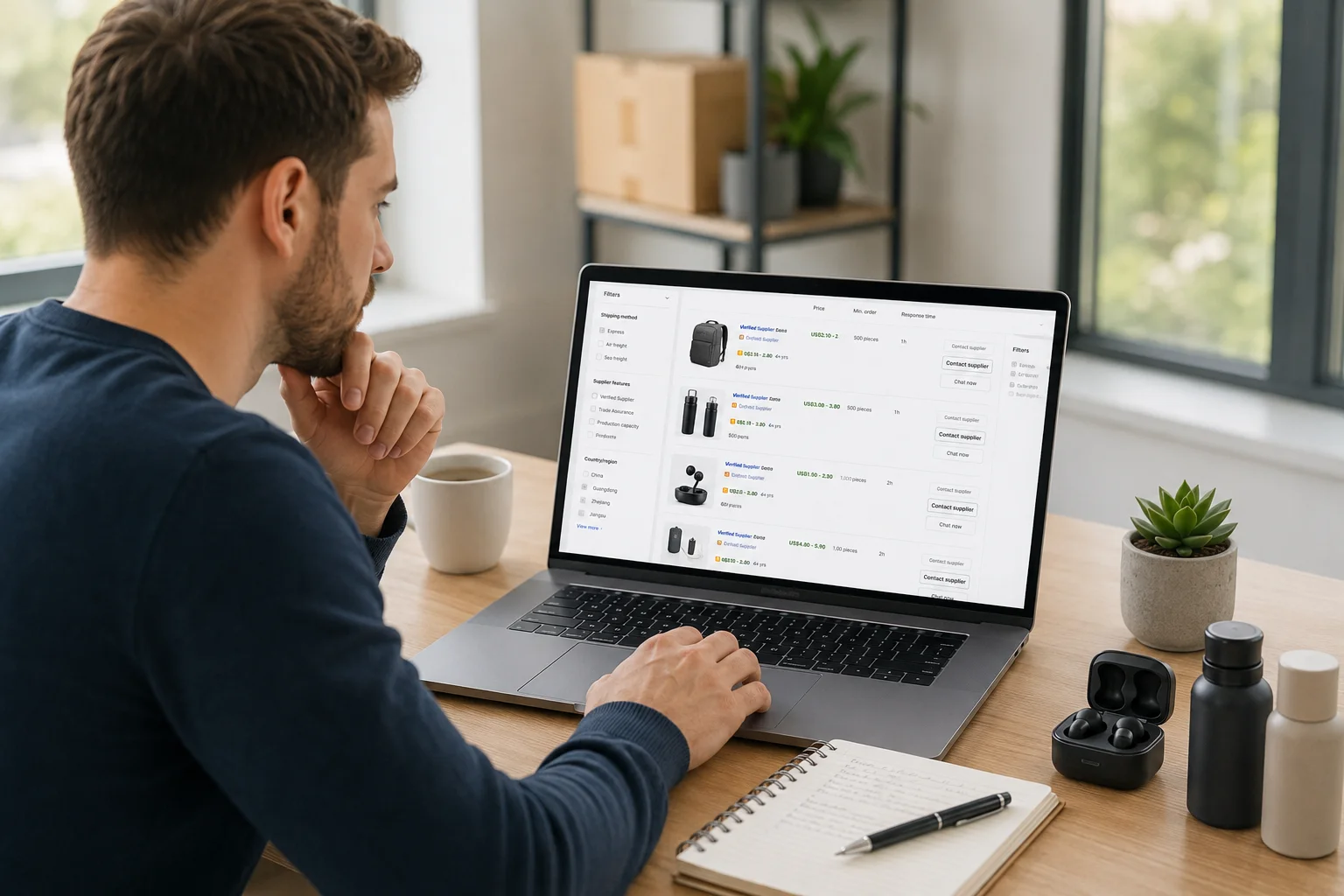
How I use Alibaba in real sourcing work
I usually treat Alibaba as a starting point, not the full sourcing process. It gives me market visibility.[^2] I can see common product styles, rough MOQ levels, price ranges, packaging ideas, and supplier response speed. This is useful when I am testing a new niche or checking if a product is widely available in China.
But I do not assume that every quote is final or every supplier is the best fit. Some suppliers quote low to start a conversation. Some show catalog photos from other factories. Some can sell standard items but struggle with custom packaging, color matching, logo printing, or strict deadlines.
| What I use Alibaba for | Why it helps me | What I still need to check |
|---|---|---|
| Product discovery | I can see many product options fast | I still need to confirm real production ability |
| Price comparison | I can get a rough market range | I still need to compare quality level |
| Supplier contact | I can message many suppliers | I still need to test communication and follow-up |
| Simple sample request | I can buy samples from listed suppliers | I still need to check sample consistency |
I think Alibaba is valuable when I have time, patience, and enough sourcing skill. It is not a local purchasing office. It is a tool. Like any tool, the result depends on how I use it.
2. What Does a China Sourcing Company Do Differently?
I often meet buyers who already found suppliers online but still feel unsure. They have quotes, samples, and promises, yet they need someone to execute locally.
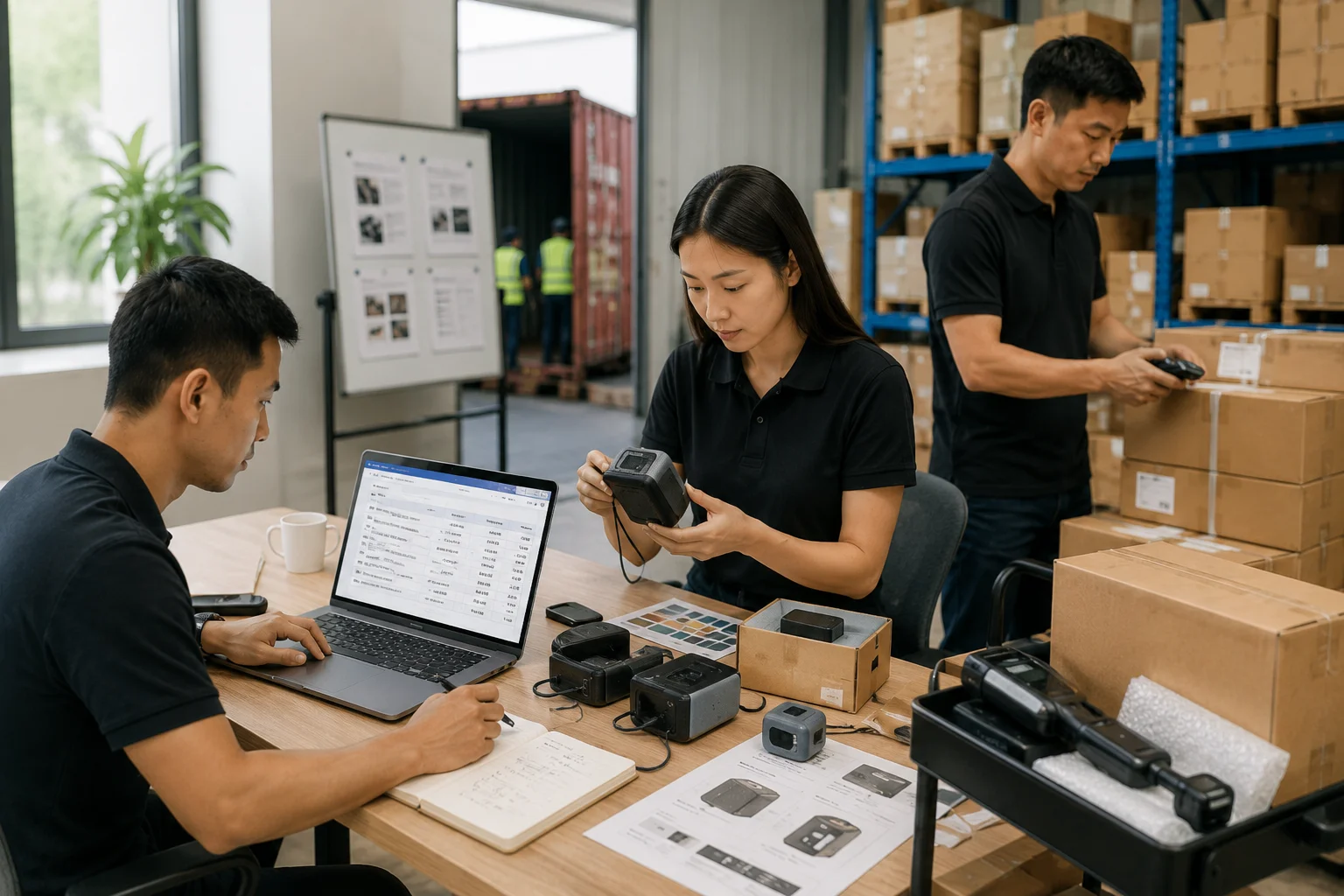
Where local execution changes the result
When I work as a sourcing partner, I do not only send supplier names. I ask what the buyer wants to sell, what market they target, what quality level they need, and how the product will be packed and shipped. Then I check whether a supplier can match that need.
This is important because many sourcing problems happen after the first quote. The factory may say “yes” too quickly. The sample may look fine, but bulk production may change. The package size may raise shipping cost.[^4] A logo file may not be suitable for printing. A buyer may order five SKUs from five suppliers and then face five separate shipments.
| Work area | What I do as a sourcing company | Why it matters |
|---|---|---|
| Supplier screening | I compare supplier type, product focus, communication, and risk | I reduce the chance of choosing the wrong partner |
| Sampling | I follow sample details and revisions | I prevent unclear approvals |
| Production follow-up | I track progress before the deadline | I reduce late surprises |
| QC | I inspect goods before shipment | I catch visible issues earlier |
| Warehousing | I receive and combine orders | I reduce split-shipment trouble |
| Shipping | I coordinate export and delivery options | I help buyers see total landed risk |
I do not think a sourcing company should promise magic. I think the real value is careful daily execution. This is where many overseas buyers need help most.
3. China Sourcing Company vs Alibaba: Key Differences for Importers?
I see buyers compare Alibaba and sourcing companies only by price. That is risky because the cheapest quote can become expensive after mistakes.[^5]
The key difference is control. Alibaba helps me find and contact suppliers. A China sourcing company helps me manage suppliers, check details, follow production, inspect goods, combine orders, and coordinate shipping.
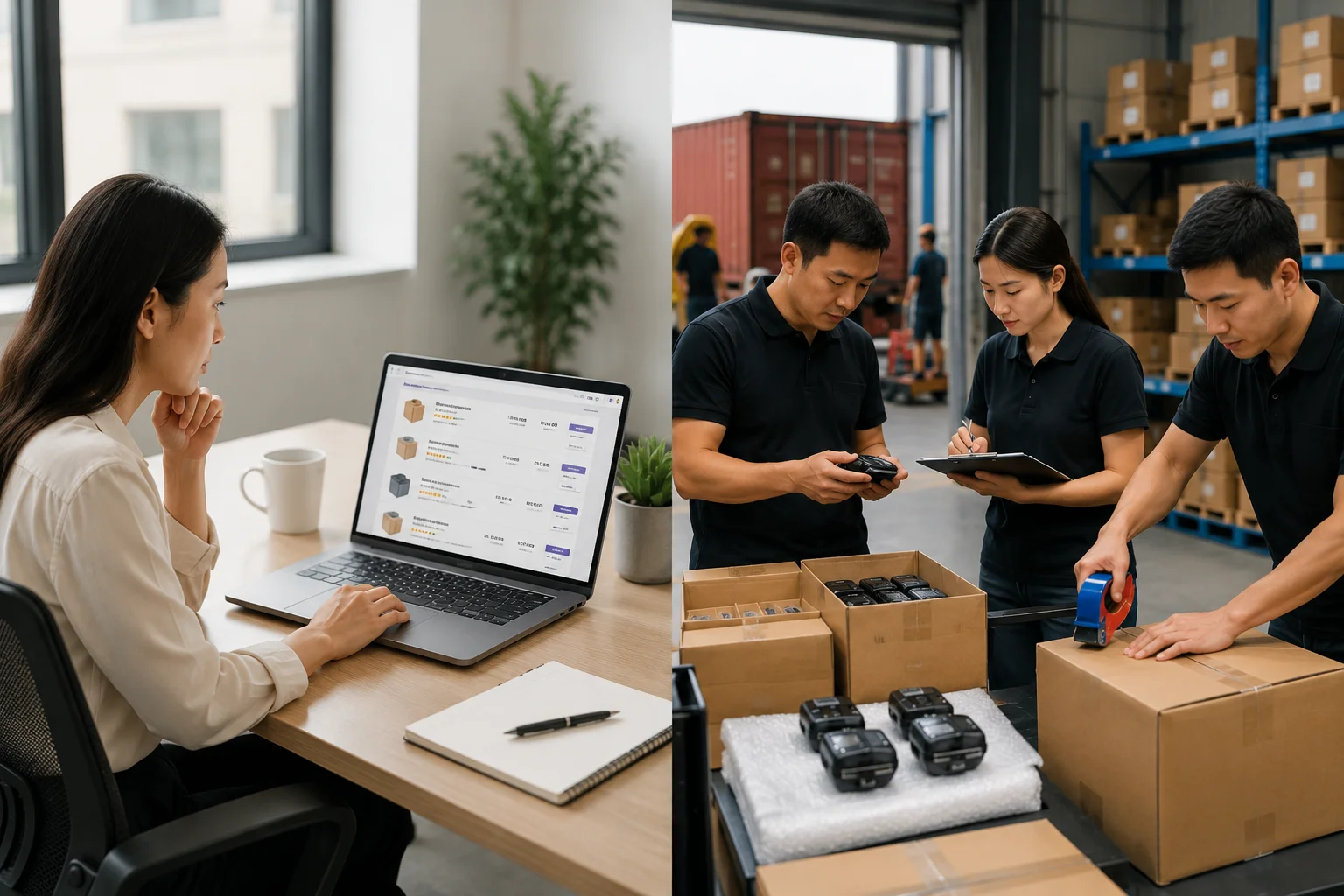
The real comparison is not only unit price
When I compare options, I look at four things: product complexity, supplier risk, quality risk, and execution workload. If the product is simple and I can accept some learning cost, Alibaba may be enough. If the product has custom materials, custom packaging, multiple components, or strict quality needs, local support becomes more useful.[^6]
The unit price also does not tell the full story. I have seen buyers save a small amount on the product price, then lose more through poor packaging, rework, air freight upgrades, wrong labels, or failed inspection. I do not use fear to sell sourcing services. I just think buyers should count the total cost.
| Decision point | Alibaba works better when | A sourcing company works better when |
|---|---|---|
| Product type | Standard and easy to check | Custom, mixed, or detail-heavy |
| Buyer skill | I know how to screen suppliers | I lack China sourcing experience |
| Order process | One supplier, one SKU, simple shipment | Multiple SKUs, packaging, inspection, consolidation |
| Risk control | I can accept some trial and error | I need fewer mistakes before shipment |
| Time cost | I can handle daily messages | I need local follow-up and coordination |
For importers, the better option is the one that matches the risk level. I do not ask, “Which one is cheaper?” first. I ask, “What happens if this order goes wrong?”
4. When Is Alibaba Enough for Your Business?
I do not always need a sourcing company. If I use support too early, I may add cost before the order needs it.
Alibaba is often enough when I buy simple standard products, test small orders, compare suppliers, request basic samples, and have time to manage communication, payment, inspection, and shipping by myself.
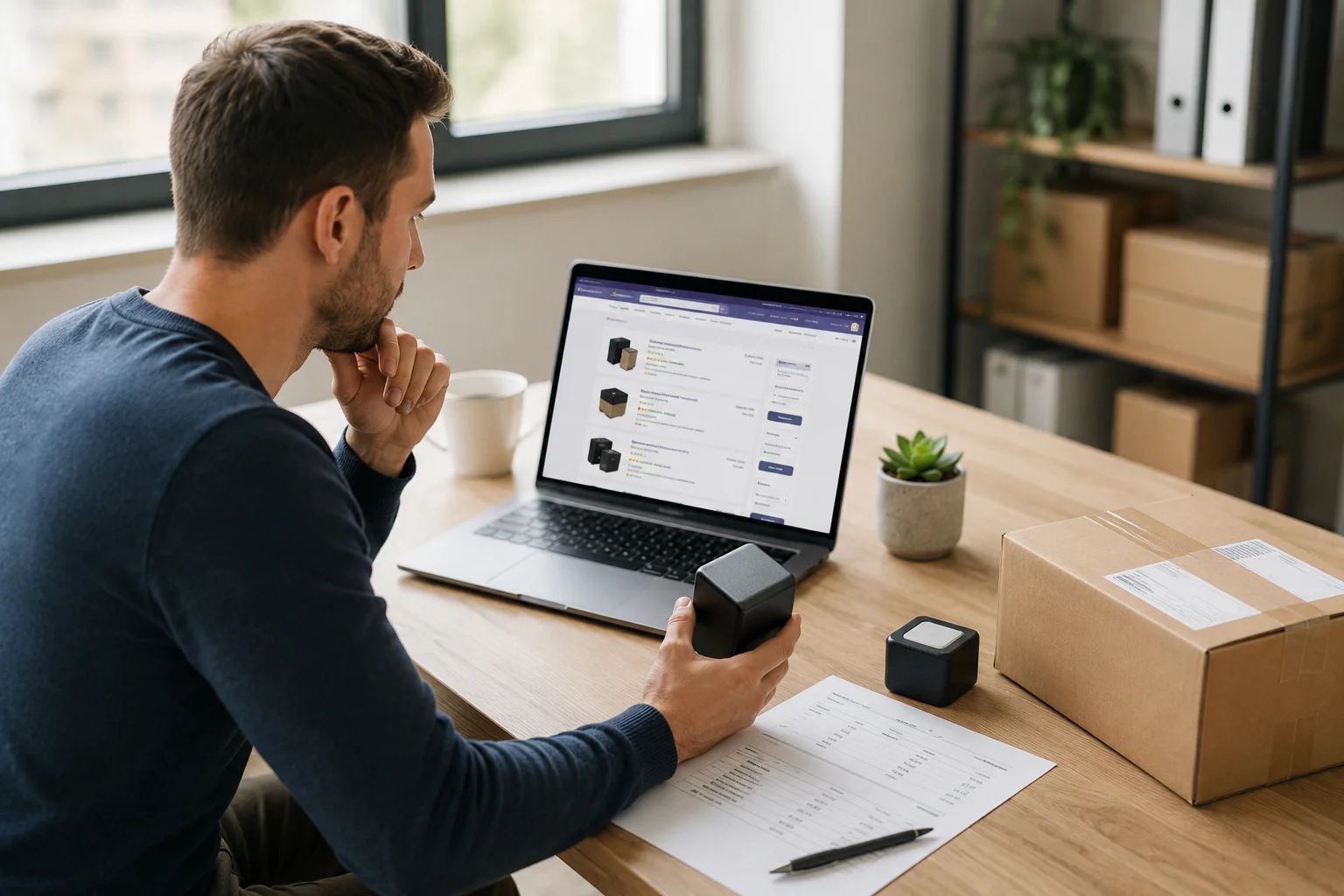
When I would handle the order myself
I would use Alibaba directly if the product is common, the supplier has clear product information, the order has low customization, and the quality risk is easy to judge from samples and photos. For example, a simple off-the-shelf item with no logo, no special packaging, and no tight delivery plan may be a good direct order test.
I also think Alibaba can be a good classroom for new importers. I can learn how suppliers quote, how MOQ changes with color or packaging, how sample fees work, and how long messages take. That learning is useful. I only need to stay realistic.
| Situation | Why Alibaba may be enough | What I should still do |
|---|---|---|
| I test a low-risk product | The loss is limited if the test fails | I should still order samples first |
| I buy a standard item | The supplier may already have stock or stable production | I should confirm exact specs |
| I have time to compare | I can message many suppliers | I should not chase only the lowest price |
| I understand shipping | I can arrange freight or use supplier options | I should compare total landed cost |
I would still keep records of all product details, photos, packing needs, carton marks, and delivery terms. Simple orders can still fail if details stay only in chat messages.[^7]
5. When Should You Use a China Sourcing Company Instead of Alibaba?
I get careful when an order has many moving parts. One unclear detail can cause wrong samples, late goods, or costly shipping changes.
I should use a China sourcing company when I need customization, multiple suppliers, packaging work, sample revisions, production monitoring, quality control, warehousing, consolidation, or door-to-door logistics support.
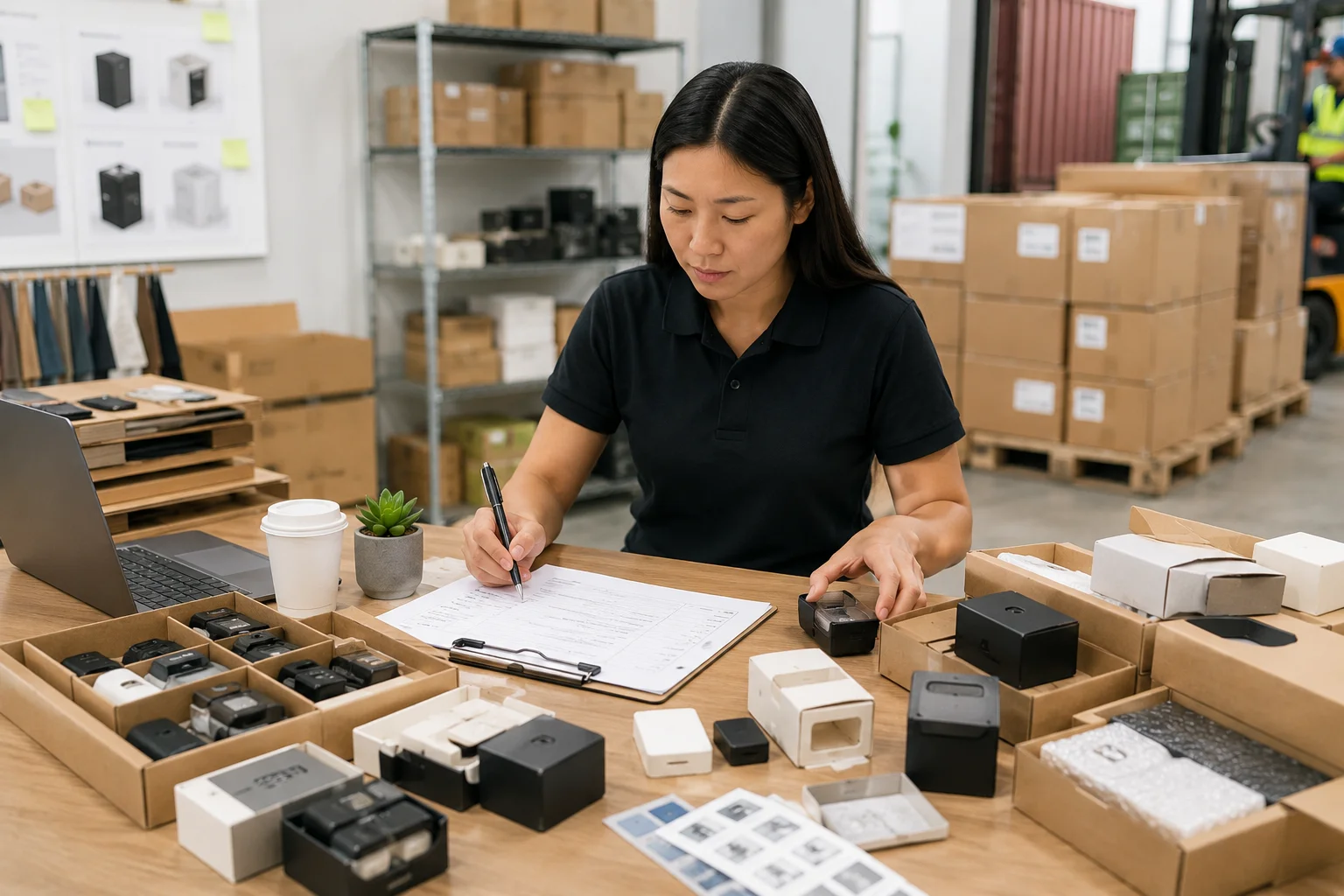
The decision boundary is complexity and risk
I do not think order size alone decides the answer. A small custom order can need more support than a large simple order.[^8] If I buy 500 custom gift sets with five components, printed packaging, inserts, and barcode labels, I may need stronger control than a buyer who orders 5,000 standard plastic boxes from one mature supplier.
A sourcing company also helps when I do not have a clear product specification yet. I may know the selling idea, but I may not know the material, surface finish, packaging structure, carton size, testing need, or shipping method. A local team can turn a rough idea into a clearer buying request.
| Risk sign | Why I need support | What a sourcing company can do |
|---|---|---|
| Custom logo or packaging | Small errors are easy to miss | Check artwork, sample, and print details |
| Multiple SKUs | Suppliers may ship at different times | Combine, label, and organize goods |
| Tight deadline | Delays can hurt launch plans | Track production and push updates |
| Unclear product specs | Factories may quote different quality levels | Standardize the comparison |
| No China team | I cannot visit or inspect locally | Act as my local coordinator |
I use a sourcing company when I need someone to think ahead. The best time to control risk is before mass production, not after the goods arrive.
6. How Supplier Verification, Quote Screening, and QC Reduce Sourcing Risk?
I have seen many sourcing problems start with one weak step. A buyer trusts a quote, skips checks, and then carries the risk alone.
How I check risk before it becomes expensive
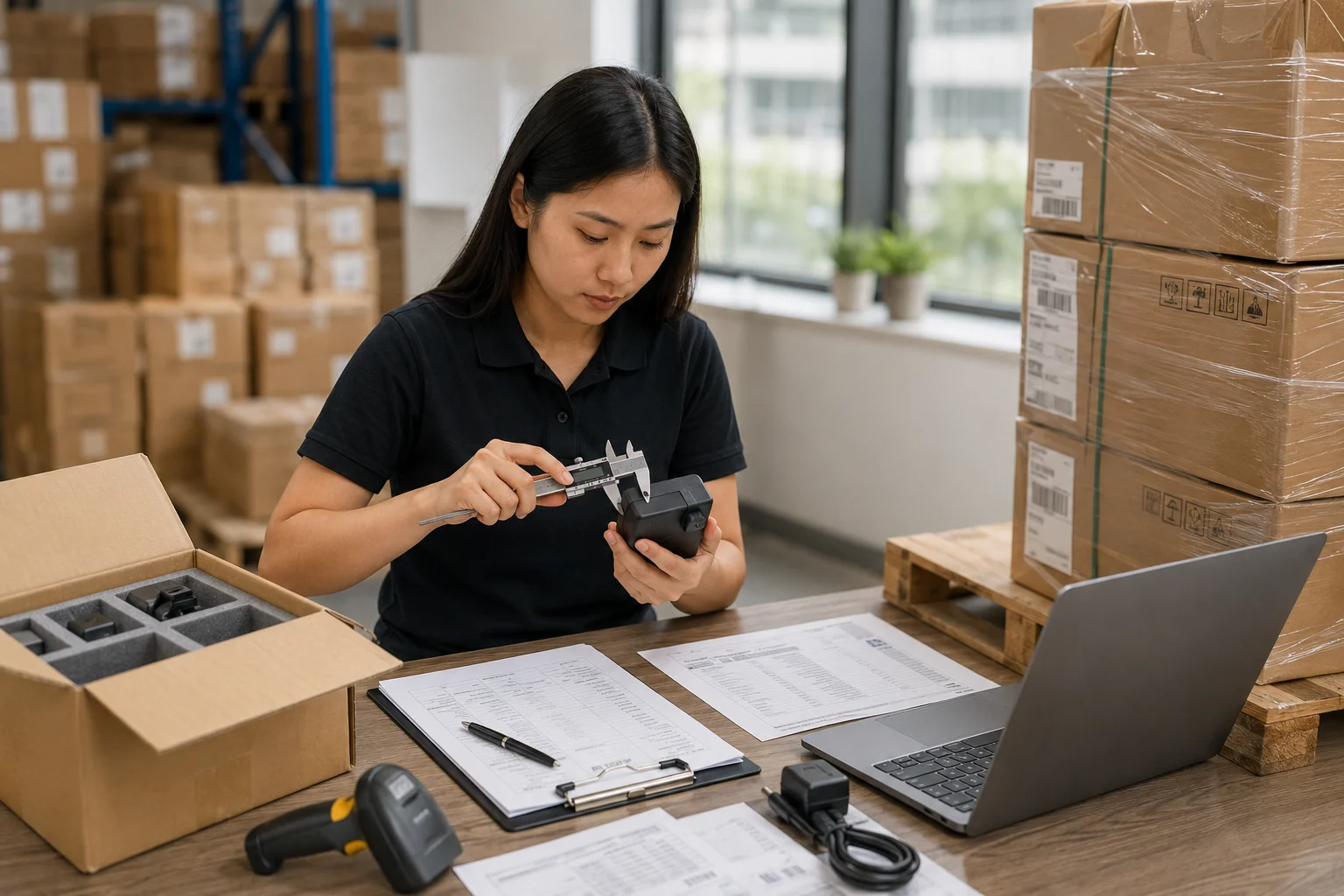
When I verify a supplier, I do not only ask if they can make the product. I look at whether the supplier focuses on this category, whether their answers are specific, whether their quotation has clear material and packing details, and whether their production plan sounds realistic.
Quote screening is also important. Two suppliers may quote the “same” product, but one may use thicker material, better accessories, stronger cartons, or more careful packaging. If I only compare the unit price, I may choose a lower standard without knowing it.
QC is the last important gate before shipment.[^10] It does not make a bad factory good, but it can catch visible defects, wrong quantity, wrong color, wrong logo, damaged packaging, and poor workmanship before the goods leave China.
| Risk control step | What I check | What risk it reduces |
|---|---|---|
| Supplier verification | Supplier focus, communication, basic capability | Fake fit or weak supplier choice |
| Quote screening | Material, size, packaging, MOQ, lead time | Wrong price comparison |
| Sample checking | Function, appearance, packaging, revisions | Bad approval basis |
| Production follow-up | Schedule, key materials, progress | Late surprise |
| QC inspection | Quantity, appearance, labels, packing | Shipping defective goods |
I see these steps as a chain. If one link is weak, the full order becomes weaker. This is why local execution can be more valuable than one low quote.
7. Common Mistakes Buyers Make When Relying Only on Online Supplier Platforms?
I see the same mistakes often. Buyers move fast, trust photos, accept vague quotes, and think the supplier will manage every detail.

Mistakes I try to avoid in every order
The first mistake is price-only thinking. I understand why buyers do it. Margins matter. But I also know that a low price may mean lower material grade, weaker packaging, less inspection, or less stable production. I always ask what is included.
The second mistake is unclear specification. A buyer may say “good quality,” but a factory needs size, material, color, tolerance, logo method, packaging, and usage requirements. If I do not define these points, the supplier will define them for me.
The third mistake is leaving logistics to the last minute. Carton size, product weight, battery rules, fragile packing, and destination method can change the real cost.[^12] I like to think about shipping before I approve the final product.
| Mistake | What it looks like | Better action |
|---|---|---|
| Choosing lowest price | I select the cheapest quote without checking details | I compare specs line by line |
| Skipping samples | I trust photos and videos only | I approve a real sample when possible |
| Vague requirements | I say “premium quality” with no details | I write clear product specs |
| No inspection | I ship goods without checking | I inspect before final payment or shipment |
| Late shipping plan | I ask freight cost after production | I estimate logistics early |
I do not need to be perfect to source well. I need a process that catches problems before they become harder to fix.
8. How KingSourcing Helps with Safer Product Sourcing, Supplier Management, QC, Warehousing, and Shipping?
I built my sourcing work around one simple need. Overseas buyers want China sourcing to be clear, controlled, and less stressful.
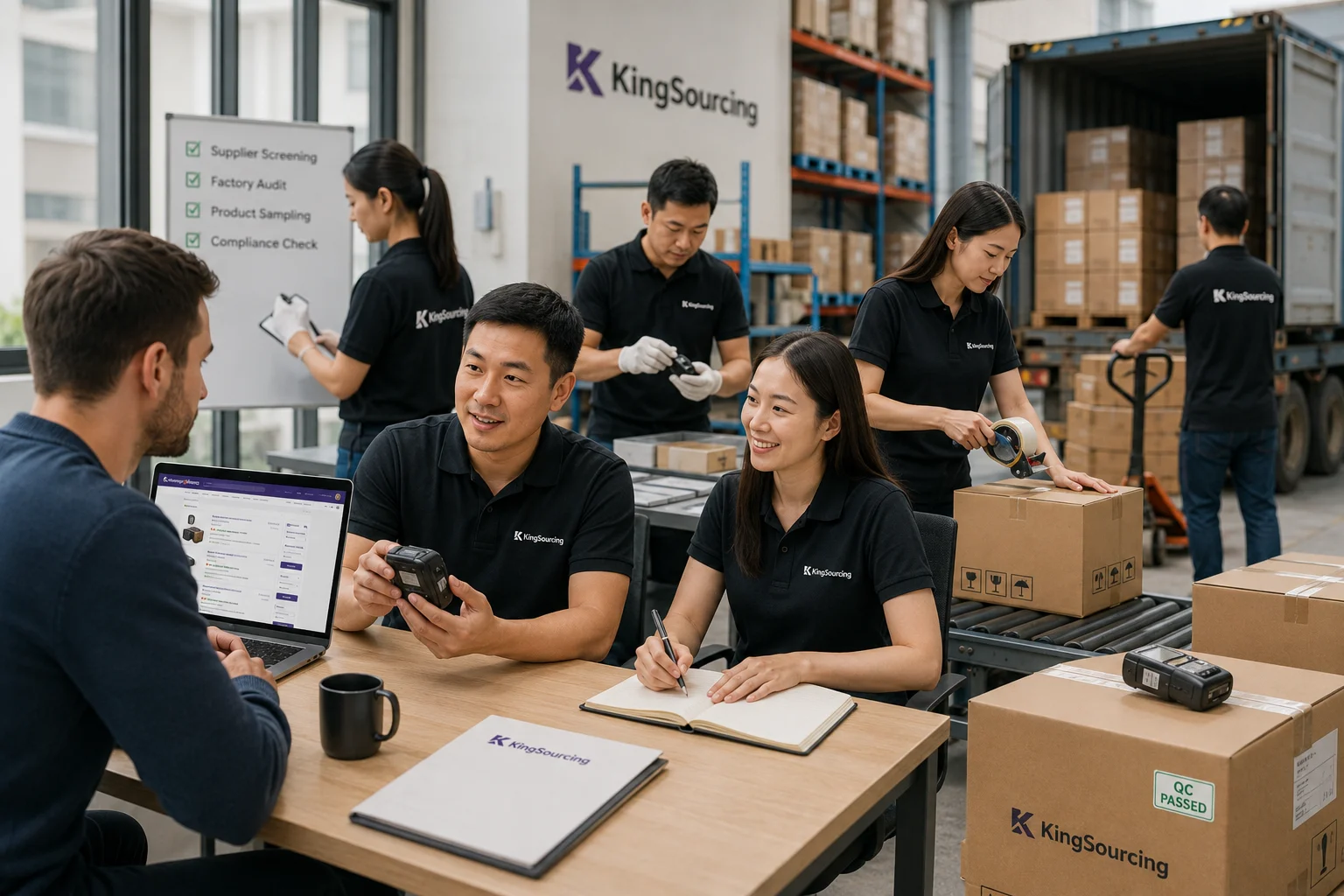
KingSourcing helps buyers source products from China by finding and screening suppliers, comparing quotes, managing samples, following production, checking quality, arranging warehousing, combining orders, and coordinating international shipping.
How I support buyers as their China team
At KingSourcing, I see myself as the buyer’s China sourcing office, not just a middleman. I help with the practical work that buyers cannot easily do from overseas. This can start with product research and supplier sourcing. It can also include sample collection, custom packaging, accessory matching, lifestyle product photo support, storage, order consolidation, and shipping coordination.
I also work with different buyer stages. Some buyers start with a small test order and need help avoiding basic mistakes. Some DTC brands need custom packaging and stable repeat supply. Some larger buyers need more structured follow-up, QC, and supplier management. The service level should match the order stage and the risk level.
| KingSourcing service | How I use it for buyers | Buyer benefit |
|---|---|---|
| Supplier sourcing | I search and compare suitable suppliers | I save buyer time |
| Supplier screening | I check fit, response, and quote details | I reduce supplier risk |
| Sample management | I collect, review, and revise samples | I make approval clearer |
| Custom packaging | I coordinate boxes, labels, inserts, and bundles | I support brand building |
| Production follow-up | I track factory progress | I reduce late surprises |
| 1-by-1 inspection or QC | I check goods before shipping | I reduce quality risk |
| Warehousing and consolidation | I receive goods from different suppliers | I make shipping simpler |
| Logistics coordination | I help arrange suitable shipping options | I improve delivery planning |
I do not say that every buyer must use KingSourcing. I say that buyers should use us when they need local execution, fewer blind spots, and a practical team in China to manage the details.
Conclusion
I choose Alibaba for discovery. I choose a China sourcing company when execution risk, quality control, and supply chain coordination matter more.
[^1]: "Alibaba Group - Wikipedia", https://en.wikipedia.org/wiki/Alibaba_Group. An encyclopedia or company filing describes Alibaba.com as a business-to-business e-commerce marketplace that connects buyers with suppliers, supporting the article’s definition of Alibaba as a supplier-discovery and contact platform. Evidence role: definition; source type: encyclopedia. Supports: Alibaba.com is an online B2B marketplace connecting buyers with suppliers and manufacturers.. [^2]: "Information technology in B2B e-procurement: open vs. proprietary ...", https://www.academia.edu/168902905/Information_technology_in_B2B_e_procurement_open_vs_proprietary_systems. Research on B2B electronic marketplaces finds that such platforms can lower supplier-search costs and improve market transparency, supporting the article’s use of Alibaba as an initial discovery tool; the evidence is contextual and does not assess Alibaba’s performance in every sourcing category. Evidence role: mechanism; source type: paper. Supports: B2B e-marketplaces can reduce search costs and increase supplier or product visibility during early procurement.. Scope note: Contextual support for B2B marketplaces generally, not direct proof of every Alibaba search result or supplier. [^3]: "How Sourcing Agents Help Manage Quality Control During ...", https://js-sourcing.com/how-sourcing-agents-help-manage-quality-control-during-international-procurement/. Trade and procurement guidance describes sourcing intermediaries as parties that can assist with supplier evaluation, order coordination, inspection, and logistics, supporting the article’s description of post-discovery sourcing work; the source would describe the role category rather than verify the services of any individual company. Evidence role: definition; source type: institution. Supports: Sourcing intermediaries may assist with supplier identification, evaluation, order coordination, inspection, and logistics-related tasks.. Scope note: Supports the general role of sourcing companies, not the capabilities of a specific provider. [^4]: "Volume Calculator | Aviationcargo - DHL Aviation Cargo", http://aviationcargo.dhl.com/business-tools/volume-calculator. Logistics guidance on chargeable or volumetric weight explains that transport costs may be calculated from package dimensions as well as actual weight, supporting the article’s statement that package size can raise shipping cost. Evidence role: mechanism; source type: institution. Supports: Freight carriers may calculate chargeable weight using package dimensions, so larger packaging can increase shipping charges.. [^5]: "Analyzing Costs Using Total Cost of Ownership", https://psep.smeal.psu.edu/short-courses/supply-chain-accelerator/advanced-procurement-analyzing-costs-using-total-cost-of-ownership. Procurement literature on total cost of ownership emphasizes that supplier selection should account for quality, delivery, transaction, and risk costs in addition to quoted unit price, supporting the article’s warning that the cheapest quote may become more expensive after execution problems. Evidence role: expert_consensus; source type: research. Supports: Procurement evaluation should consider total cost factors beyond unit price, including quality, delivery, and risk-related costs.. [^6]: "[PDF] A Meta-Analysis of Supply Chain Complexity and Firm Performance", https://pdxscholar.library.pdx.edu/cgi/viewcontent.cgi?article=1231&context=busadmin_fac. Supply-chain research associates product complexity and customization with greater coordination and quality-management demands, supporting the article’s claim that products with custom materials, packaging, components, or strict specifications may require more local execution support; the evidence is general and does not prescribe a sourcing company in every case. Evidence role: mechanism; source type: paper. Supports: Greater product complexity and customization tend to increase coordination requirements across suppliers and production processes.. Scope note: Contextual support for the complexity-risk relationship, not direct proof that local support is always cost-effective. [^7]: "Specifications - Kansas State University", https://www.k-state.edu/finsvcs/purchasing/Specifications.html. Procurement guidance stresses that product specifications, quantities, packaging, delivery terms, and acceptance requirements should be documented in writing, supporting the article’s warning that relying only on chat messages can leave even simple orders vulnerable to misunderstanding. Evidence role: expert_consensus; source type: institution. Supports: Written specifications and agreed commercial terms are important for reducing misunderstandings in procurement.. [^8]: "Strategies in Procurement Risk Management - Webster University", https://enroll.webster.edu/strategies-in-procurement-risk-management/. Studies of supply-chain complexity identify product variety, customization, and coordination requirements as drivers of management difficulty and risk, supporting the article’s point that a smaller customized order can require more oversight than a larger standardized order; the evidence is conceptual rather than a direct comparison of the article’s examples. Evidence role: general_support; source type: paper. Supports: Procurement and supply-chain risk can be driven by product complexity, customization, and coordination needs, not only by purchase volume.. Scope note: Provides conceptual support, not a quantitative threshold for when support is required. [^9]: "The Fundamentals of Supplier Quality Management (SQM)", https://www.kodiakhub.com/blog/supplier-quality-management. Quality-management and procurement guidance recognizes supplier evaluation, requirement review, and inspection or verification of supplied goods as controls for reducing procurement risk, supporting the article’s claim that verification, quote screening, and quality control help manage sourcing risk. Evidence role: expert_consensus; source type: institution. Supports: Supplier evaluation and controls over externally provided products are recognized quality and procurement risk-management practices.. [^10]: "The Pre-Shipment Inspection Procedure Explained - The QIMA Blog", https://blog.qima.com/quality-control/pre-shipment-inspection-procedure. Guidance on pre-shipment inspection and acceptance sampling describes inspection as a method for checking goods against agreed requirements before shipment or acceptance, supporting the article’s characterization of QC as a final gate before goods leave origin. Evidence role: definition; source type: institution. Supports: Pre-shipment inspection or acceptance sampling is used to assess goods against requirements before shipment or acceptance.. [^11]: "Manufacturing Best Practices | CPSC.gov", https://www.cpsc.gov/business--manufacturing/business-education/business-guidance/BestPractices. Government or institutional import guidance commonly advises buyers to define specifications, assess suppliers, consider logistics costs, and verify goods before acceptance, supporting the article’s list of recurring sourcing mistakes; such guidance supports the categories of risk rather than proving their frequency among all Alibaba users. Evidence role: general_support; source type: government. Supports: Importer and procurement guidance commonly warns against weak specifications, inadequate supplier checks, insufficient inspection, and failure to account for logistics costs.. Scope note: Supports the risk categories, not the statistical prevalence of each mistake. [^12]: "Transporting Lithium Batteries | PHMSA", https://www.phmsa.dot.gov/lithiumbatteries. Logistics and dangerous-goods guidance explains that freight pricing and transport requirements may depend on chargeable weight, package dimensions, packaging method, destination service, and regulated items such as lithium batteries, supporting the article’s statement that these factors can change the real landed cost. Evidence role: mechanism; source type: institution. Supports: Freight charges and shipping requirements can change based on weight, dimensions, packaging, route, service method, and regulated contents such as batteries..