Quick Answer
Shipping products with batteries from China can become complicated when buyers treat it as a simple shipping-method decision. A product may look ready to sell, but missing battery details, unclear packaging, or destination restrictions can delay a booking after production is complete. We recommend checking shipping feasibility before you place the order.
Shipping products with batteries from China requires a product-specific assessment before transport is booked. We first confirm the battery chemistry, whether the battery is installed or packed separately, the destination country, product documents, packaging design, and shipment volume. A qualified carrier or compliance professional must then confirm the final acceptance, documentation, route, packaging, cost, and transit requirements for that exact shipment.
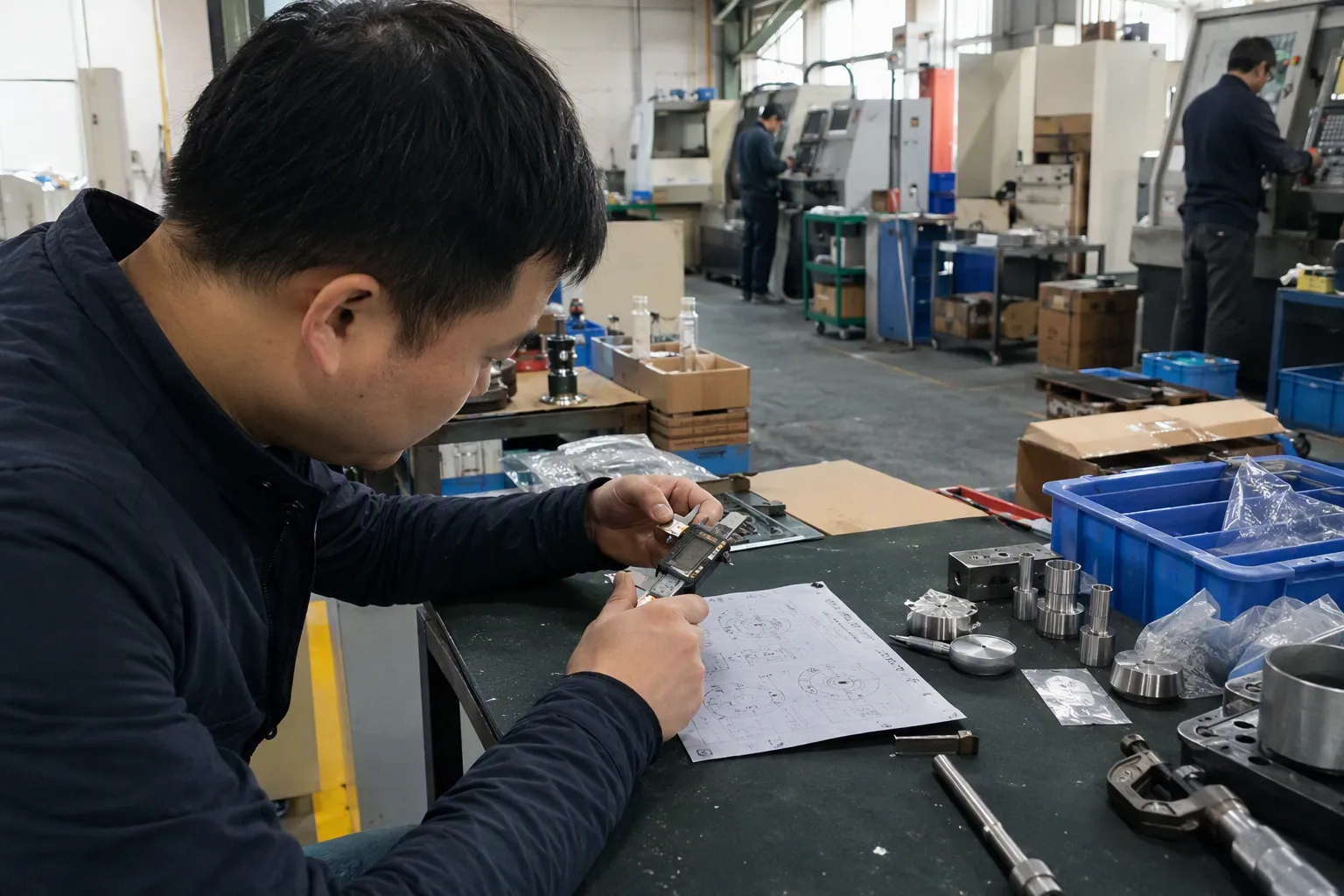
At KingSourcing, we coordinate sourcing, inspection, consolidation, and shipping preparation for overseas buyers. We have seen that battery shipping issues often begin much earlier than the freight booking stage. The buyer, factory, and shipping provider need the same accurate information before anyone can select a workable path.
Why Is Shipping Products with Batteries from China Not a Simple Courier Choice?
When buyers start shipping products with batteries from China late in the process, they can face rejected bookings, repacking work, document requests, or unexpected route limitations. The pressure becomes greater when stock is already finished and a sales launch depends on delivery. We avoid this situation by reviewing the product configuration early.
Shipping products with batteries from China is not simply a matter of choosing DHL, air freight, sea freight, rail, or a courier service. Each option may assess battery type, battery placement, declared product information, destination rules, package condition, and shipment quantity differently.[1] A workable route must be confirmed for the exact product and shipment, not assumed from a similar item.
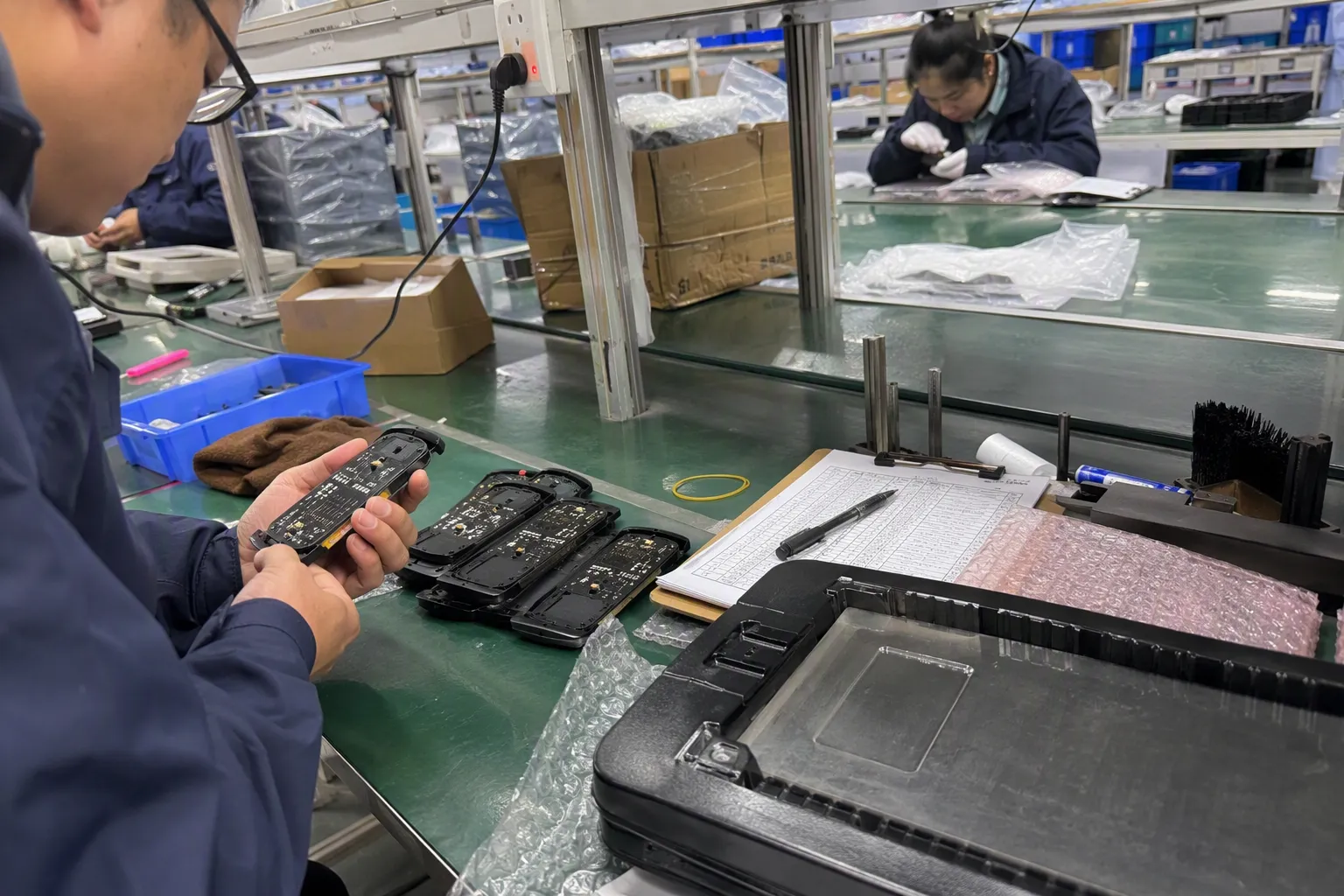
The product details determine the starting point
In our work, the first question is not, “Which courier is cheapest?” The first question is, “What exactly is inside this product?”
A power bank, Bluetooth speaker, rechargeable toy, wireless mouse, beauty device, LED product, electric toothbrush, and GPS tracker may all contain batteries. However, they may have very different battery configurations. Two products in the same category may also use different battery cells, capacities, assembly methods, or packaging arrangements.
We normally ask suppliers and buyers to clarify the product in practical terms:
- Is the battery rechargeable or non-rechargeable?
- Is the battery lithium-ion, lithium-metal, alkaline, nickel-metal hydride, or another chemistry?
- Is the battery installed in the equipment?
- Is the battery packed with the equipment but not installed?
- Is the battery shipped separately?
- How many batteries are included in each retail unit?
- What is the battery capacity and relevant electrical information shown by the supplier?
- Is the battery removable by the end user?
- Is the product sold as a complete device, a replacement battery, or a battery accessory?
- Is the product intended for consumer use, promotional use, or another application?
These details may sound basic, but information gaps are common. A supplier may describe an item as “rechargeable” without providing a full battery specification. A buyer may share product photos but not know whether the battery is permanently installed. A shipping provider may receive a carton count but not a clear product declaration.
That is why we encourage buyers to make battery information part of the product brief and purchase order discussion. We can collect and organize supplier information, but the manufacturer remains the source for product specifications and available documents.
A battery product should be evaluated as a product-and-shipment combination. The battery itself, the finished item, the packaging, and the destination all matter.
Installed, packed with equipment, or shipped separately?
Battery placement can materially affect the shipping assessment. This is one of the most important distinctions for sellers planning to ship products with batteries from China.
A battery installed inside a finished device is not the same shipment configuration as loose replacement batteries.[2] A battery packed in the same retail box but outside the device may also be treated differently from an installed battery.[3] We do not assume that one arrangement can be switched to another without consequences.
| Battery configuration | Example | Questions we raise before shipment preparation |
|---|---|---|
| Battery installed in equipment | Rechargeable speaker, wireless earbuds, electric trimmer | Is the device securely assembled? Is accidental activation prevented? Does the packaging protect the product during transport? |
| Battery packed with equipment | Device with a removable battery in the retail box | Is the battery protected from movement or contact? Can the supplier provide clear packing details? |
| Battery shipped separately | Replacement batteries, spare battery packs | Is a route available for the quantity and destination? What carrier-specific requirements apply? |
| Product with multiple battery items | Toy set with remote control and rechargeable main unit | Are all included batteries accurately declared? Are different battery types involved? |
We often see buyers focus on the main product and overlook accessories. For example, a rechargeable product may include a separate remote control, backup cell, charging case, or spare battery. These additional components can change the product information that a carrier needs to review.
The retail box also deserves attention. If the product has a removable battery, the factory should not leave it loose inside the box. If a product can be activated by a button during transit, packaging and product design may need review.[4] We do not decide technical compliance ourselves, but we flag these points early so the supplier and relevant shipping or compliance specialists can assess them properly.
The destination market can change the available options

A common mistake is assuming that a route that worked for one country will work the same way for another. In reality, shipping products with batteries from China to the United States may involve a different carrier acceptance process than a shipment to the United Kingdom, the European Union, Canada, Australia, or another destination.
The destination affects more than customs clearance.[5] It can affect service availability, final-mile handover, local import rules, product-market requirements, and the carrier’s internal policies. A route may also change depending on whether goods are sent to a business warehouse, a fulfillment center, a residential customer, or a marketplace preparation facility.
We recommend that buyers share the destination details as early as possible:
- Destination country and city
- Final delivery type, such as commercial address, fulfillment warehouse, or residential address
- Sales channel, where relevant, such as Amazon, Shopify, retail distribution, or wholesale
- Expected shipment quantity and carton count
- Whether the shipment is a sample order, test order, replenishment, or full commercial order
- Whether other products will be consolidated in the same shipment
This information helps us ask better questions when coordinating with shipping partners. It also helps buyers avoid making decisions based on generic online advice. A forum post about one battery product moving to one destination in the past is not confirmation that another product can use the same route now.
Documents should be checked before production is finished
For battery-containing products, documents are often discussed too late. A buyer may complete the order, approve packaging, and schedule a launch before discovering that a carrier wants supporting information that the supplier cannot quickly provide.
We have repeatedly seen this preparation bottleneck: the buyer asks the shipping coordinator for a route, the shipping provider asks for battery information, and the factory needs time to locate the right records or confirm which battery version was used in production.
The documents needed can vary by product, carrier, destination, and transport arrangement. We therefore do not present a universal document checklist as a guarantee. However, buyers should ask suppliers what information and supporting records are available before finalizing a battery product.
Depending on the shipment, a carrier or compliance specialist may ask to review items such as:
- Battery specification details from the manufacturer
- Product model number and product description
- Battery test-related documentation or reports available from the supplier
- Safety data information where applicable
- Product photos showing the battery placement and labeling
- Outer-carton and retail-package photos
- Packing list and commercial invoice information
- Confirmation of the battery quantity per product and per carton
- Relevant destination-market product compliance documentation
Buyers should verify that documents match the actual production version. This is especially important for OEM, ODM, and private-label products. A report or specification for a previous battery version may not necessarily apply to the product currently being manufactured.[6]
Packaging is part of the transport decision
Packaging is not only a branding issue.[7] For battery products, it can influence whether a shipment is ready for carrier review. We encourage buyers to consider packaging at the sampling stage rather than treating it as a final artwork task.
A strong battery-product packaging review should include:
- Whether the device is protected from impact and crushing[8]
- Whether the battery is secured in its intended position
- Whether the product can unintentionally switch on during transport
- Whether internal trays, inserts, or molded packaging hold the product firmly
- Whether charging cables, metal accessories, or removable parts can move freely
- Whether the retail box is suitable for the outer-carton packing arrangement
- Whether carton markings and shipment labels are reviewed with the relevant provider where required
At KingSourcing, we can inspect packaging presentation and basic packing execution against an agreed standard. We can also share photos with buyers before shipment. However, we do not replace a carrier, dangerous-goods specialist, laboratory, or regulatory authority. Final packaging acceptance must come from the qualified party responsible for the specific transport route.
Shipment volume changes the practical decision
A single sample unit, a small parcel shipment, and a multi-pallet replenishment order may not have the same available options. The product itself may be identical, but the shipment profile is different.
For example, a seller may source 500 rechargeable units across several factories. If each factory sends goods separately, the buyer may face repeated shipping coordination, separate documentation reviews, and multiple delivery charges. If goods are consolidated, the final shipment may become more efficient, but it also requires careful product information collection before consolidation.
We help buyers coordinate multi-supplier orders by receiving goods, checking quantities and visible condition where agreed, organizing carton information, and preparing consolidation plans. For battery products, we also recommend that buyers identify all battery-containing SKUs before goods arrive at the warehouse.
This step prevents a common problem: a buyer consolidates standard accessories, packaging materials, and electronic products, then discovers that one small SKU contains a battery and requires a separate route assessment.
A practical pre-shipment process for buyers
We use a structured approach when buyers ask us about shipping products with batteries from China. This approach does not guarantee acceptance, but it gives carriers and compliance professionals the information needed to make a specific assessment.
1. Confirm the exact product configuration
We ask for the product link, product photos, model number, battery type, capacity information, and whether the battery is installed, packed with equipment, or separate.
2. Ask the supplier for available documentation
We ask suppliers what battery and product records they can provide. We also ask whether the documents match the proposed production version, branding, and battery configuration.
3. Review destination and order profile
We confirm the destination country, delivery address type, estimated quantity, carton dimensions where available, total weight, and whether the order includes other products.
4. Review retail and transport packaging
We request photos or samples where needed. We check whether the finished product is stable in the box and whether any visible packaging issue needs attention before mass production.
5. Seek route-specific feedback
We provide the available product facts to appropriate freight providers. They can advise whether they can consider the shipment and what information they need for their own acceptance process.
6. Keep the declaration consistent
The supplier, buyer, invoice, packing list, and shipping booking should describe the product accurately. We strongly discourage vague descriptions or attempts to hide batteries. Inaccurate declarations can create serious commercial and transport problems.
Questions to ask before placing a battery-product order
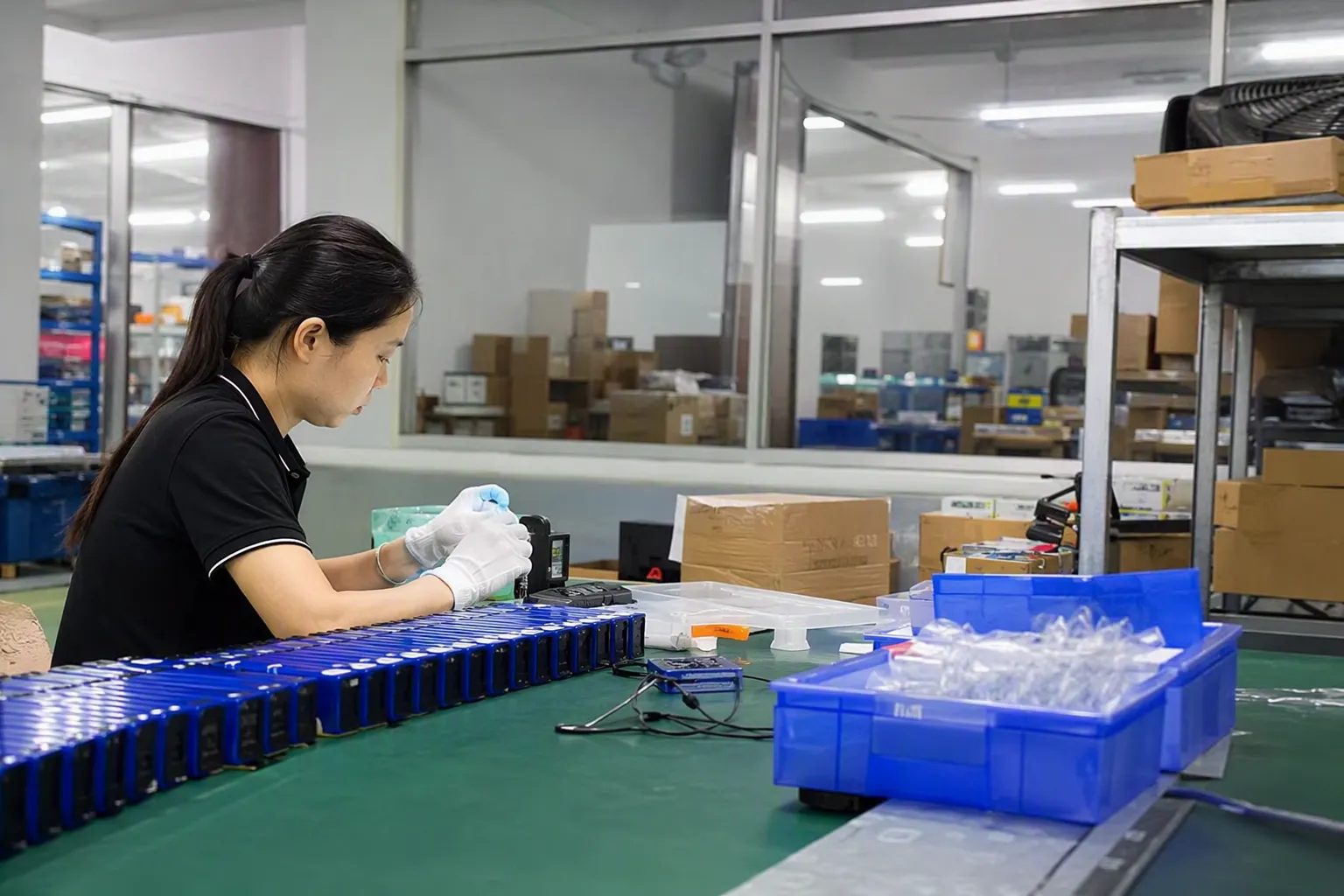
Before you commit to production, we suggest using the following questions as an internal purchasing checklist:
| Procurement question | Why it matters |
|---|---|
| What battery does the finished product contain? | The answer provides the foundation for route assessment. |
| Is the battery installed, packed with the product, or shipped separately? | Battery configuration can affect shipping feasibility. |
| Can the supplier provide accurate specifications and relevant records? | Missing or inconsistent information can delay shipment preparation. |
| Does the final destination have special product or import considerations? | Destination conditions may affect transport and sales readiness. |
| Has the packaging been reviewed for the final product configuration? | Packaging changes after production can be costly. |
| Will the order be shipped alone or consolidated with other SKUs? | Consolidation can change the planning requirements. |
| What is the backup plan if the preferred route is not accepted? | A second option can protect launch schedules. |
For sellers who are developing a private-label product, this process should begin before tooling, packaging printing, or mass production. A battery choice made by the factory can influence sourcing cost, product positioning, available shipping paths, and customer experience.
Frequently Asked Questions
Can I ship products with batteries from China by air?
We cannot give a universal yes-or-no answer. Air transport may be possible for some battery-containing products and shipment configurations, but carrier acceptance depends on the exact battery, product setup, packaging, documents, quantity, route, and destination. We recommend obtaining shipment-specific confirmation before production is completed.
Can I ship products with batteries from China by sea freight?
Sea freight may be considered for some battery products, especially for larger commercial orders, but it is not automatically suitable for every item. We recommend sharing complete product details, shipment volume, packaging information, and destination with a qualified freight provider for a route-specific review.
What information should I request from my battery product supplier?

We suggest requesting the product model, battery chemistry, capacity details, battery placement, battery quantity, product photos, packaging details, and any relevant records the supplier can provide. The supplier should also confirm that these details match the version that will be produced for your order.
Can I use standard product packaging for a battery-powered item?
Standard packaging may or may not be suitable. The answer depends on how the battery is positioned, whether the device could activate during transport, how well the product is protected, and the carrier’s requirements. We recommend reviewing packaging during sample approval, not after mass production.
Why did my shipping provider ask for more battery documents?
The provider may need more information to assess the product, route, and carrier acceptance requirements. This does not always mean the product cannot ship. It often means that the available description is too general or that the provider needs documents matching the actual battery configuration.
Conclusion
Shipping products with batteries from China requires more planning than selecting the lowest courier quote. We recommend confirming the battery configuration, supplier information, packaging, destination, shipment quantity, and consolidation plan before production is finished. At KingSourcing, we help overseas buyers coordinate supplier communication, product checks, packaging review, consolidation, and shipping preparation from China. If you are sourcing a battery-containing product, contact us early so we can help organize the information needed for a practical route evaluation.
Sources
- TECHNICAL INSTRUCTIONS FOR THE SAFE ...", IATA guidance explains that the transport conditions for lithium cells and batteries depend on their classification, whether they are contained in or packed with equipment, their quantity, and the applicable packing instructions
- LITHIUM BATTERY GUIDE FOR SHIPPERS", UN transport classifications distinguish lithium-ion batteries shipped by themselves (UN3480) from lithium-ion batteries packed with equipment or contained in equipment (UN3481), reflecting different shipment configurations
- Lithium Battery Guide for Shippers - PHMSA", Hazardous-materials guidance identifies batteries packed with equipment and batteries contained in equipment as distinct transport configurations, for which the applicable packing and handling conditions may differ
- Lithium Batteries in Baggage", Aviation safety guidance requires battery-powered equipment to be packaged or otherwise protected so that it cannot be unintentionally activated during transport
- Transporting Lithium Batteries | PHMSA", Public authorities note that imported battery-containing products may be subject to destination-specific transport controls, customs procedures, and product-compliance obligations before they can be placed on a market
- Lithium Battery Test Summaries (TS) | PHMSA", UN lithium-battery testing documentation is associated with the tested cell or battery design; where relevant design characteristics change, earlier test evidence may not by itself demonstrate conformity for the changed product
- LITHIUM BATTERY GUIDE FOR SHIPPERS", Dangerous-goods transport guidance treats packaging as a safety control, requiring batteries to be protected against damage and short circuits during handling and transport
- LITHIUM BATTERY GUIDE FOR SHIPPERS", International dangerous-goods guidance requires lithium batteries and battery-powered equipment to be protected against physical damage during transport, including through suitable packaging and secure packing arrangements