Quick Answer
Product samples can look acceptable in photos yet still create serious problems once production begins. I often see buyers approve a sample based on appearance alone, then discover that materials, sizing, packaging, or performance change in the bulk order. A structured test process helps turn an attractive sample into a clear production reference.
To test product samples before mass production, I recommend defining what “pass” means, checking the sample in real use conditions, documenting every approved detail, and obtaining written supplier confirmation. A sample approval does not guarantee bulk consistency[1], but it gives buyers a practical standard for production follow-up and quality inspection.
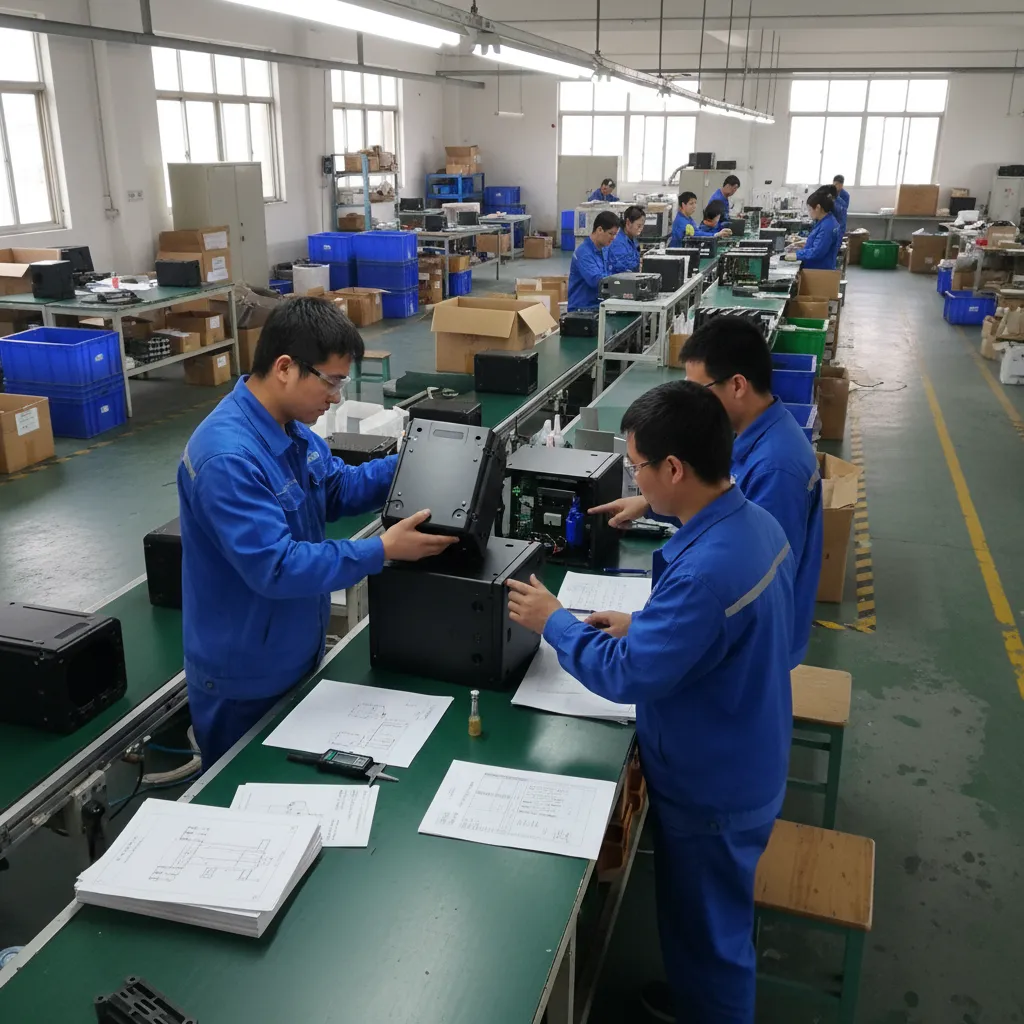
Before I approve a sample for a buyer, I look beyond whether the product appears good at first glance. I want to know whether the supplier understands the required version and whether the approved unit can become a repeatable manufacturing standard.
Why Is Testing a Product Sample Not About Deciding Whether One Unit “Looks Good”?
A product sample may look correct because the supplier gave it extra attention, used a different material batch, or assembled it more carefully than normal production units.[2] If buyers only ask, “Does it look good?”, they can miss the details that cause bulk-order disputes later. I focus on defining what must remain consistent.
Testing a product sample means checking whether it meets specific, documented requirements for materials, dimensions, color, function, accessories, packaging, labeling, and intended use. The purpose is not simply to approve one item; it is to create acceptance criteria that a supplier and quality inspector can apply during mass production.
A Sample Shows Capability, Not Production Control
In my sourcing work, I treat a sample as evidence that a factory can make a version of the requested product. I do not treat it as proof that every unit in a future order will match it.
This distinction matters because sample development and mass production are different stages. A supplier may use a hand-selected component for the sample. The factory may source substitute materials later if the requirement was not clearly documented. A packaging worker may interpret an instruction differently. A color may look close under one light source but appear noticeably different in a warehouse, retail store, or customer’s home.[3]
The phrase “same as the sample” sounds simple, but it is often too vague to control production.
For example, a buyer may say that a travel bag sample is approved. The buyer may mean:
- The outer fabric has the correct texture and thickness.
- The zipper pulls smoothly.
- The logo position is centered.
- The shoulder strap is comfortable.
- The carton contains the correct quantity.
- The polybag has the required warning label.
- The final product fits a specific e-commerce listing description.
The supplier may understand only that the overall shape, logo, and basic color are accepted. Neither side may be acting in bad faith. The problem is that the approval standard was never converted into instructions that production staff can follow and inspectors can check.
I encourage buyers to ask one practical question: If this detail changes in bulk production, would it create returns, complaints, unusable inventory, delayed sales, or a brand problem? If the answer is yes, that detail belongs in the written specification.
Define “Pass” Before You Test Product Samples
I find that the most useful sample testing starts before the sample arrives. A buyer should decide which features are essential and which small differences are acceptable.
This does not need to become an engineering document for every product. However, it should be specific enough that the supplier can confirm each point in writing. The clearer the requirement, the easier it is to compare quotations, approve samples, manage production, and perform pre-shipment inspection.
A practical product sample approval document can include the following areas:
| Area to define | What to check | Production risk controlled |
|---|---|---|
| Product version | Model, size, color, configuration, SKU | Supplier produces the wrong variant |
| Materials | Fabric, plastic grade, metal finish, component type | Bulk goods feel, perform, or last differently |
| Dimensions | Length, width, height, weight, fit | Products do not fit intended use or packaging |
| Function | Charging, switching, closing, connecting, moving parts | Products are unusable or generate customer complaints |
| Appearance | Color, logo, printing, surface finish, stitching | Listing images and delivered goods do not match |
| Accessories | Cables, manuals, inserts, spare parts | Missing items and incomplete customer experience |
| Packaging | Box style, polybag, inserts, carton marks | Retail, fulfillment, and shipping problems |
| Labels | Barcode, warning text, country-of-origin marking, SKU label | Warehouse and marketplace handling errors |
For many consumer products, I suggest separating requirements into three categories:
-
Critical requirements
These are features that make the item saleable, usable, or correctly identified. Examples include the correct model, major functionality, required accessories, packaging labels, and visible branding. -
Major requirements[4]
These are issues that may not make the product completely unusable but can lead to returns, poor reviews, or buyer dissatisfaction. Examples may include uneven printing, poor zipper movement, loose assembly, or a noticeable color mismatch. -
Minor requirements
These are small cosmetic differences that may be acceptable if they stay within an agreed limit. The buyer should define these carefully rather than assuming the supplier will make the same judgment.
I avoid presenting one checklist as a universal testing protocol. A silicone kitchen tool, Bluetooth accessory, children’s product, garment, cosmetic container, and power adapter all have different risks. Buyers should identify the risks that matter for their own product, sales channel, destination market, and customer use case.
Test the Product in the Real Customer-Use Scenario
A sample can pass a desk inspection and still fail in the hands of a customer.[5] That is why I recommend testing product samples in the situation where the product will actually be used.
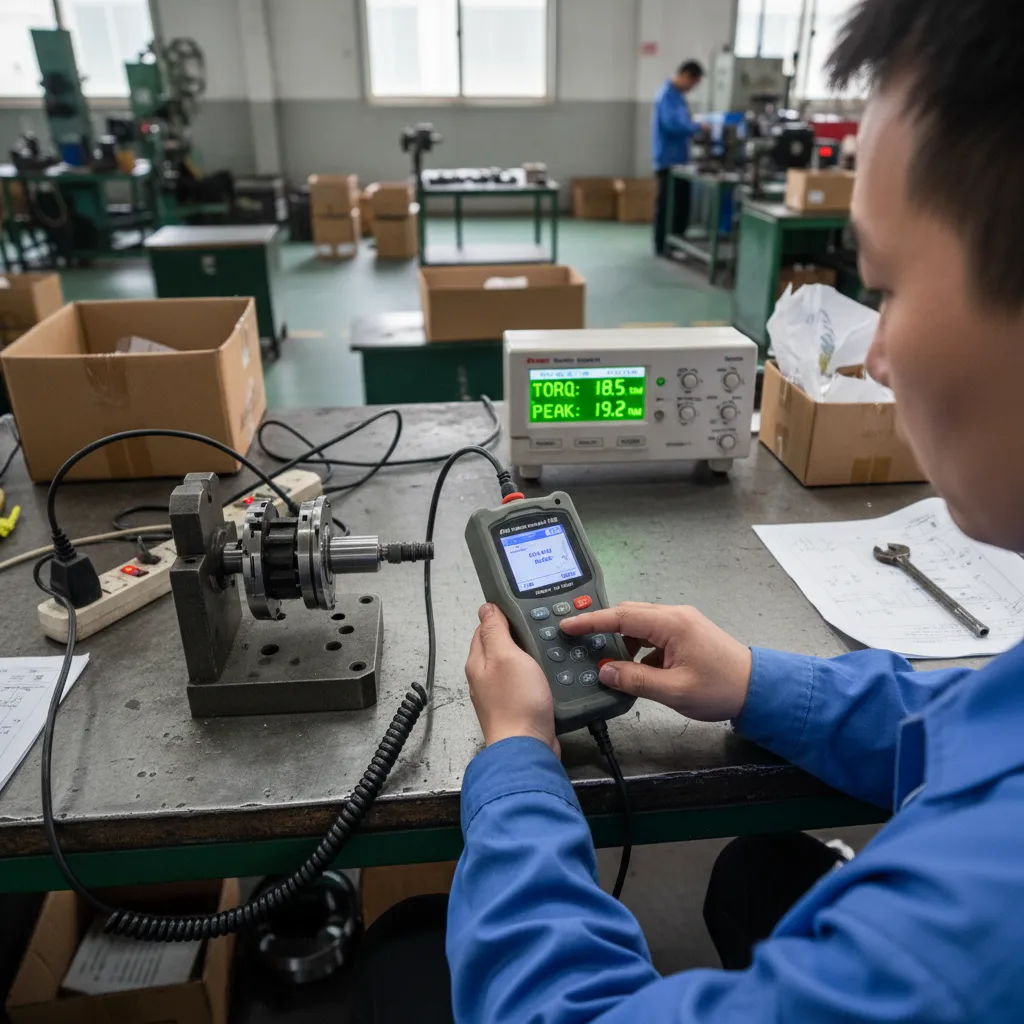
For an e-commerce seller, this may mean opening the package as a customer would. For a retailer, it may mean checking shelf presentation and barcode readability. For a travel accessory brand, it may mean loading, carrying, opening, closing, and repeating normal movements. For an electronic accessory, it may mean checking the intended connection and compatibility scenario.
The goal is not to perform laboratory testing unless the buyer has the right facilities and technical scope. The goal is to uncover obvious commercial and customer-use risks before the buyer commits to mass production.
Questions I Would Ask During Sample Evaluation
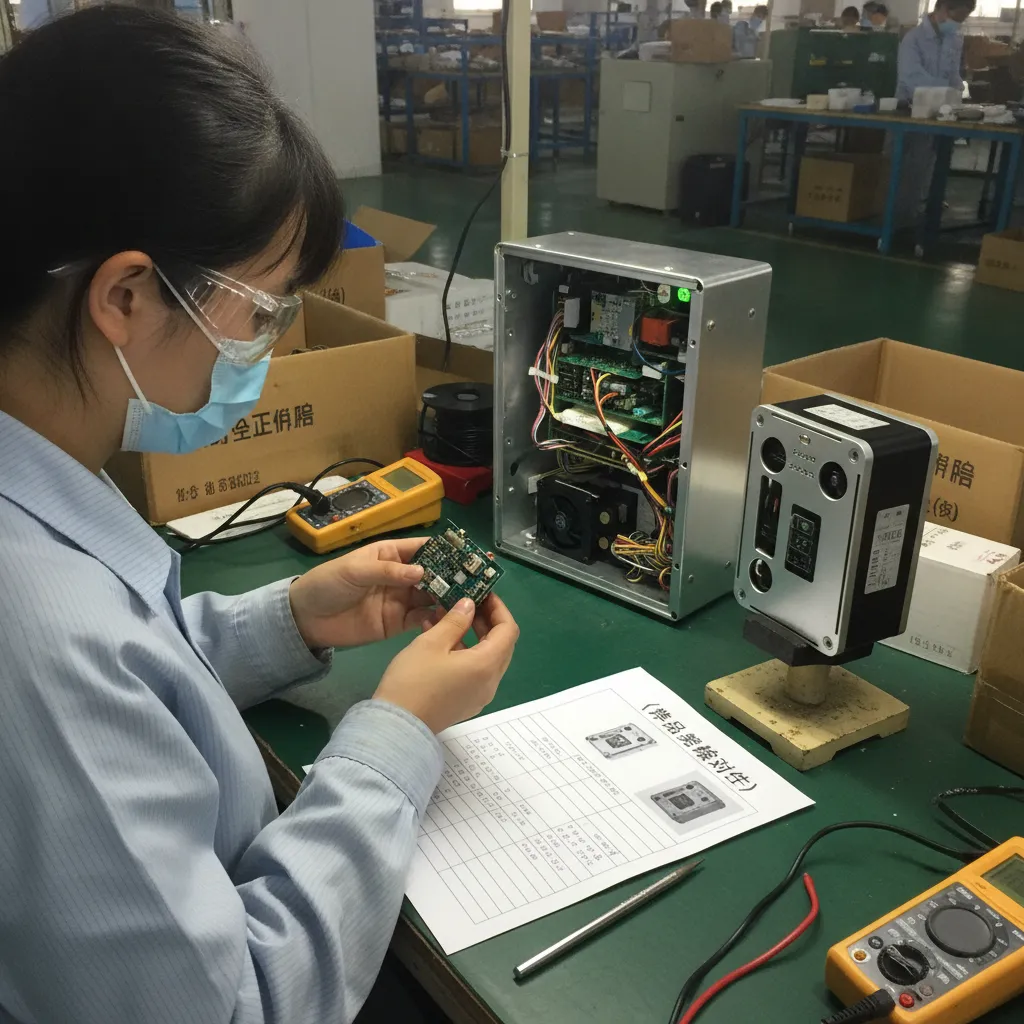
When I coordinate sample feedback, I encourage buyers to answer practical questions such as:
- Does the product perform the core job described in the product listing or sales proposal?
- Can a first-time user understand how to use it without confusion?
- Does the product feel stable during normal handling?
- Are moving parts smooth, aligned, and repeatable?
- Do accessories fit and function as expected?
- Does the packaging protect the product during ordinary handling?
- Does the item match the approved photos, mockups, and version reference?
- Would a customer consider any difference misleading or unacceptable?
- Does the product create a foreseeable issue for fulfillment, storage, bundling, or shipping?
A useful approach is to repeat the key use action several times. For example, I would not only turn on a rechargeable device once. I would check the port fit, button response, indicator behavior, included cable, and the basic operation described by the supplier. For a foldable item, I would open and close it repeatedly. For a bottle or container, I would check the lid fit and whether the intended closure works under normal handling.
I would also test packaging from an operational perspective. A retail box may look attractive but be difficult to assemble. A polybag may be too tight for warehouse staff to repack. A barcode may be placed where a fulfillment warehouse cannot scan it easily. These are not minor issues when a business handles many SKUs or sends inventory to a marketplace fulfillment center.
Record the Approved Product Sample as a Production Reference
Once a buyer approves a product sample, I recommend turning the approval into a controlled reference. Verbal approval through a chat message is rarely enough. A supplier may later change staff, switch production lines, or interpret an old message differently.
A documented approval package does not need to be complicated, but it should identify exactly what was approved.
I usually suggest including:
- Approved sample photos from several angles
- Product name, model, SKU, and version number
- Material and component requirements
- Measurements and relevant tolerances
- Color reference, such as a Pantone reference when applicable, approved physical swatch, or clearly identified sample photo
- Logo artwork and placement measurements
- Packaging layout and artwork files
- Accessory list and quantity per unit
- Label text, barcode files, and carton marks
- Functional requirements and basic test method
- Known acceptable variations, if any
- Date of approval and written supplier confirmation
For certain products, a “golden sample” or sealed reference sample may also be useful. This is a physical approved unit retained as a comparison reference. However, I would not rely on a golden sample alone. Physical samples can become damaged, fade, or be interpreted differently. The written specification and approved images remain important.
Use Tolerances Where Exact Matching Is Unrealistic
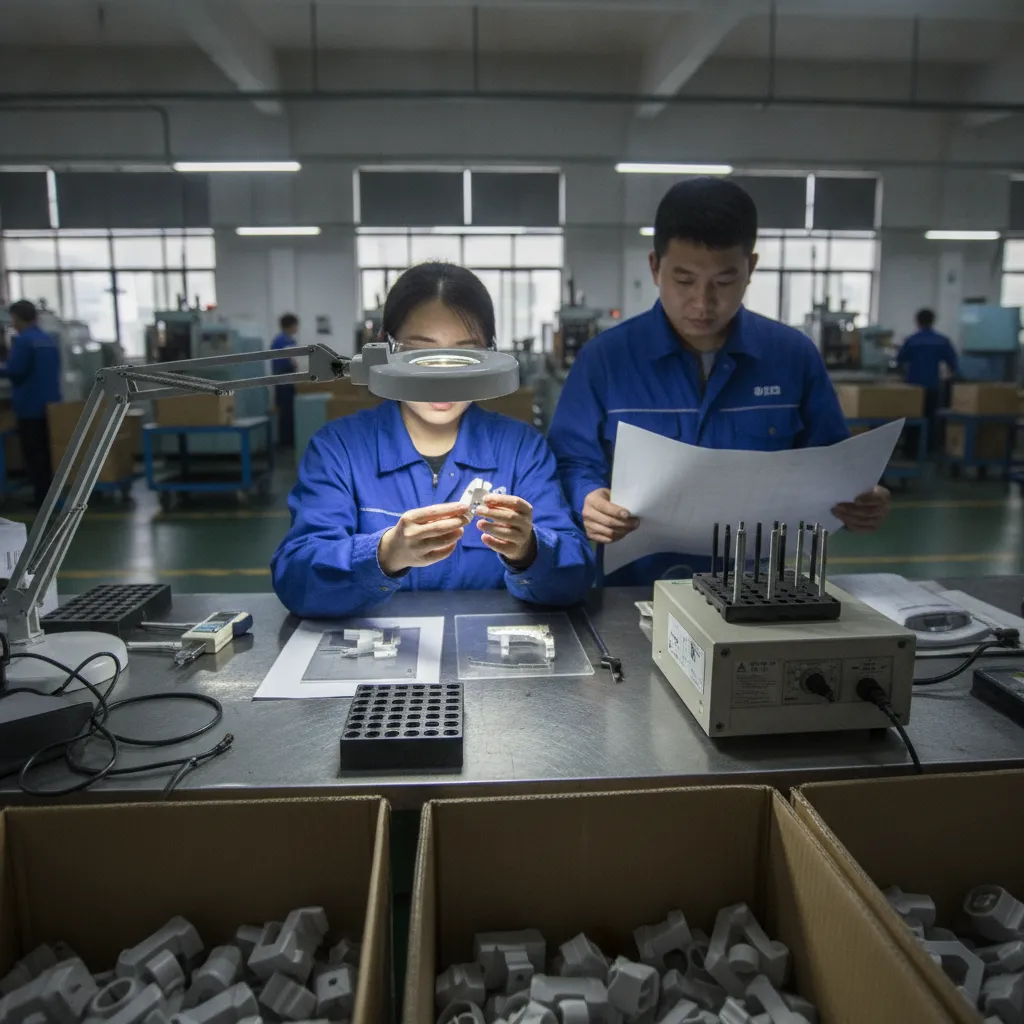
Many buyers make the mistake of requiring everything to be “exactly the same.” That instruction can sound strict, but it may not be workable. Manufacturing naturally involves controlled variation.[7] Fabric cutting, injection molding, printing, stitching, assembly, and packaging all have practical limits.
The better approach is to define tolerances where they matter.[8]
For example:
- A product length may have an acceptable measurement range.
- A logo may need to sit within a defined distance from an edge.
- A carton may need to stay below a maximum outer dimension for shipping.
- A color may need an approved reference and a defined review process if the supplier changes material batches.
- A printed label may need a minimum readable size and correct placement.
I would only use tolerances that the buyer understands and that the supplier can reasonably measure. If a requirement is highly technical, safety-related, regulated, or tied to performance certification, the buyer should consult a qualified laboratory, engineer, or compliance professional.
General procurement checks do not replace accredited laboratory testing, mandatory compliance testing, regulatory review, or application-specific engineering assessment.
Confirm the Supplier’s Understanding Before Production Starts
A supplier’s “yes” does not always mean that every department understands the requirement. Sales staff, purchasing staff, production workers, packaging teams, and quality personnel may all need the same version-controlled information.
Before mass production, I recommend asking the supplier to confirm the following in writing:
- The final product version and approved sample reference.
- The material and component requirements.
- The order quantity and SKU breakdown.
- The packaging and labeling instructions.
- The key production timeline.
- The quality requirements and inspection points.
- Any special handling, assembly, or testing instruction.
- Any limitation, requested change, or unresolved concern.
This confirmation can reveal problems early. A supplier may say that a requested accessory is no longer available. A factory may identify a minimum order requirement for a custom color. A packaging supplier may need additional lead time for printed boxes. These conversations are much easier before production begins than after cartons are finished.
In one common type of sample-development discussion, a buyer may approve a product photo while the supplier refers to a separate material swatch, logo file, and packaging mockup. If those references are not consolidated, the factory can work from an incomplete version. I reduce this risk by bringing the approved details into one clear approval record rather than leaving critical decisions spread across email threads and messaging apps.
Plan Inspection Around the Risks Found in Sample Testing
The sample review should influence later quality control. If the buyer identified zipper smoothness as a concern during product sample testing, that item should appear in the inspection checklist. If packaging labels are essential for marketplace fulfillment, inspectors should verify those labels. If a product has multiple colors or configurations, the inspection plan should cover the correct assortment.
This connection is important. A sample approval document should not sit unused after production starts. It should guide supplier follow-up and inspection.
For many orders, I would suggest checking at least these stages:
| Stage | Purpose |
|---|---|
| Pre-production confirmation | Confirm materials, artwork, packaging, and final version before bulk work |
| During-production follow-up | Identify visible drift while changes are still possible |
| Pre-shipment inspection | Compare finished goods against the approved requirements before dispatch |
| Packaging and carton review | Confirm quantities, labels, assortment, and shipping marks |
The inspection level should match the product risk and order value. A simple promotional item may need a different process than a private-label electronic product or a multi-SKU retail program. Buyers should also consider whether third-party testing, specialized performance validation, or destination-market compliance documentation is required for their category.
A passed product sample reduces uncertainty, but it does not remove the need for production monitoring. Mass production involves more materials, more workers, more production time, and more opportunities for variation.
Frequently Asked Questions
How many product samples should I test before mass production?
I recommend testing at least the final pre-production version that reflects the agreed materials, branding, accessories, and packaging. If the supplier changes a key material, component, mold, color, or packaging format, I would request another confirmation sample or clear documented evidence of the change.
Should I approve a sample by photo or video only?
Photos and videos can help with early communication, but I do not consider them ideal for final approval when touch, fit, material quality, color accuracy, function, or packaging matters. A physical product sample gives buyers a better basis for evaluating real customer-use risks.[6]
What should I do if the sample has small defects?
I suggest recording every defect and deciding whether it is acceptable, correctable, or disqualifying. Buyers should not assume a small defect will disappear in mass production. If it matters, add the correction to the written approval requirements and ask the supplier to confirm it.
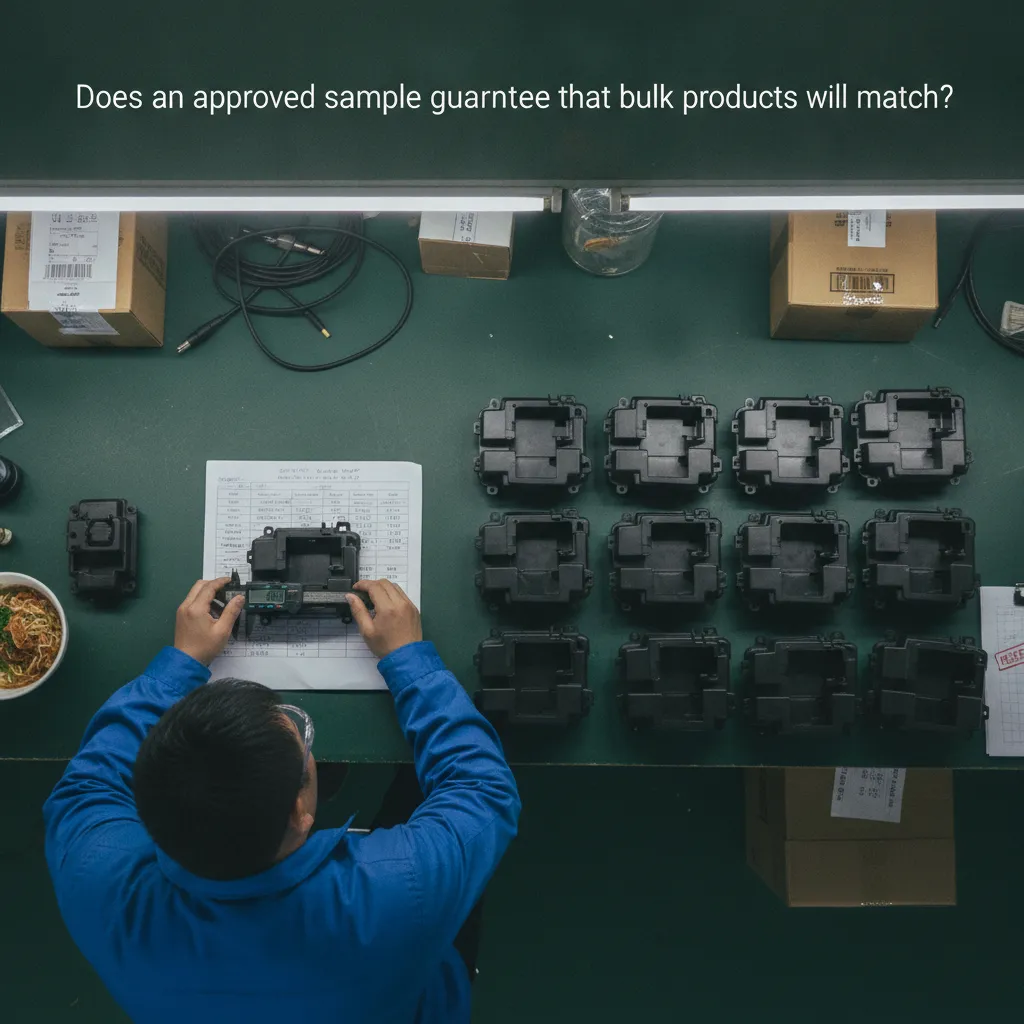
Does an approved sample guarantee that bulk products will match?
No. An approved sample shows that the supplier produced an acceptable unit at that stage. It does not guarantee that bulk goods will match without variation. Written specifications, supplier confirmation, production follow-up, and appropriate inspection help reduce the risk of differences.
Do I need laboratory testing after I test product samples?
That depends on the product, intended market, claims, and applicable requirements. My procurement checks are not a replacement for accredited laboratory testing, mandatory compliance testing, or specialist engineering review. Buyers should seek qualified advice for product-specific safety, regulatory, and performance decisions.
Conclusion
Testing product samples before mass production is really about setting a standard that can survive the move from one approved unit to thousands of finished products. I recommend checking real use, identifying risks that could affect customers or operations, documenting the approved version, and obtaining clear supplier confirmation. At KingSourcing, I help overseas buyers turn sample feedback into practical sourcing, production, inspection, packaging, and shipping requirements so they can purchase from China with more control and transparency.
Sources
- 3.1.3.2. Process Variability - Information Technology Laboratory", Quality-management guidance explains that consistent output requires controlled production processes and verification; conformity of an individual sample alone is not evidence that all subsequent production will conform
- [PDF] Costs and Cost Effectiveness of Additive Manufacturing", Manufacturing research distinguishes prototype or pre-production output from stabilized production, because changes in materials, equipment, operators, and process conditions can affect the representativeness of early units
- [PDF] CIE Fundamentals for Color Measurements", Color-science literature shows that perceived color depends on illumination and viewing conditions; materials that appear matched under one light source may differ under another
- The impact of online reviews in the presence of customer returns", Consumer and operations research generally finds that perceived quality failures and performance problems are associated with dissatisfaction, complaints, negative evaluations, and product returns
- The IUSR Project: Industry USability Report - NIST", Usability-evaluation guidance recommends observing representative users performing realistic tasks because interaction problems and use errors may not be apparent during visual or bench inspection
- (PDF) A Comparative Study of Design Evaluation with Virtual ...", Prototype-evaluation research indicates that physical artifacts can support assessment of material, scale, handling, fit, and interaction qualities that static images and video cannot fully convey
- Glossary - Information Technology Laboratory", Statistical process-control guidance recognizes that manufacturing processes exhibit inherent variation and uses measurement and control methods to distinguish routine variation from assignable causes
- [PDF] CHALLENGES IN TOLERANCE TRANSFER FOR ADDITIVE ...", Engineering and metrology references define tolerances as specified limits of permissible variation, used to communicate which deviations from a nominal requirement remain acceptable