Quick Answer
During-production inspection vs pre-shipment inspection is a common decision for importers who want to reduce quality risk when buying from China. The difficult part is that a final inspection may reveal problems when production is nearly complete and shipping deadlines are close. The better choice depends on when you need enough visibility to correct issues without creating unnecessary cost or delay.
During-production inspection helps buyers identify and address production issues while goods are still being made, whereas pre-shipment inspection evaluates whether completed goods are acceptable to release for shipment. Neither inspection replaces the other in every situation. The right approach depends on product complexity, supplier reliability, production timing, customization requirements, and the practical time available for corrective action.
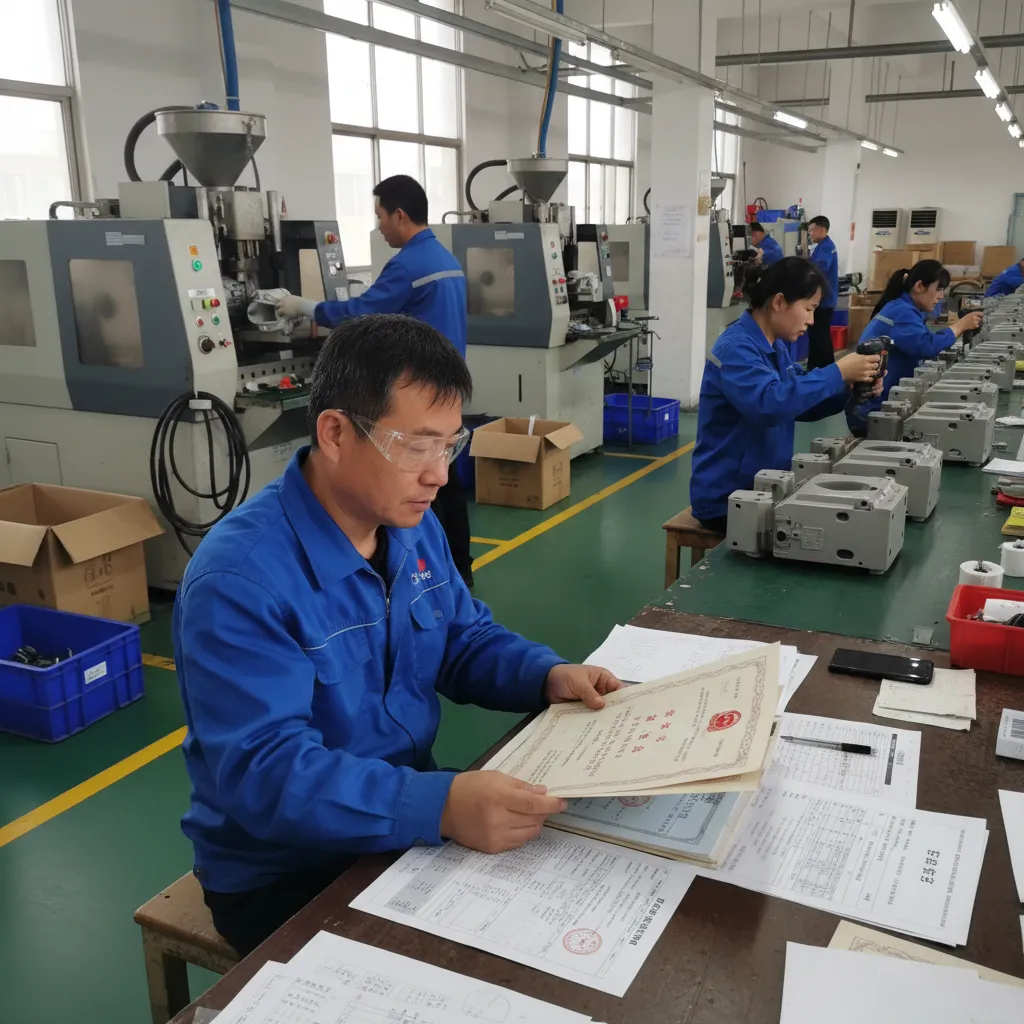
When I coordinate China sourcing and production follow-up for overseas buyers, I see that inspection timing often matters as much as the inspection report itself. A clear report is useful, but its value is limited if the factory has no realistic time to correct the issue before the delivery date. That is why buyers should look beyond the question of “Which inspection is cheaper?” and ask, “When do I need to know if something is going wrong?”
During-Production Inspection vs Pre-Shipment Inspection Are Not Interchangeable Checklists
Buyers sometimes treat during-production inspection vs pre-shipment inspection as two versions of the same checklist. This can lead to a risky decision: relying on a final check for an order where a problem needed to be found much earlier. Late discovery can reduce the buyer’s available options, even when the supplier is cooperative.
During-production inspection and pre-shipment inspection serve different procurement decisions. A during-production inspection supports process control while manufacturing is underway and corrective action may still be practical.[1] A pre-shipment inspection supports the final release decision by checking whether completed goods are ready to ship.[2] Buyers should choose the stage based on when a defect must be discovered to remain manageable.
The Main Difference Is Timing and Decision-Making
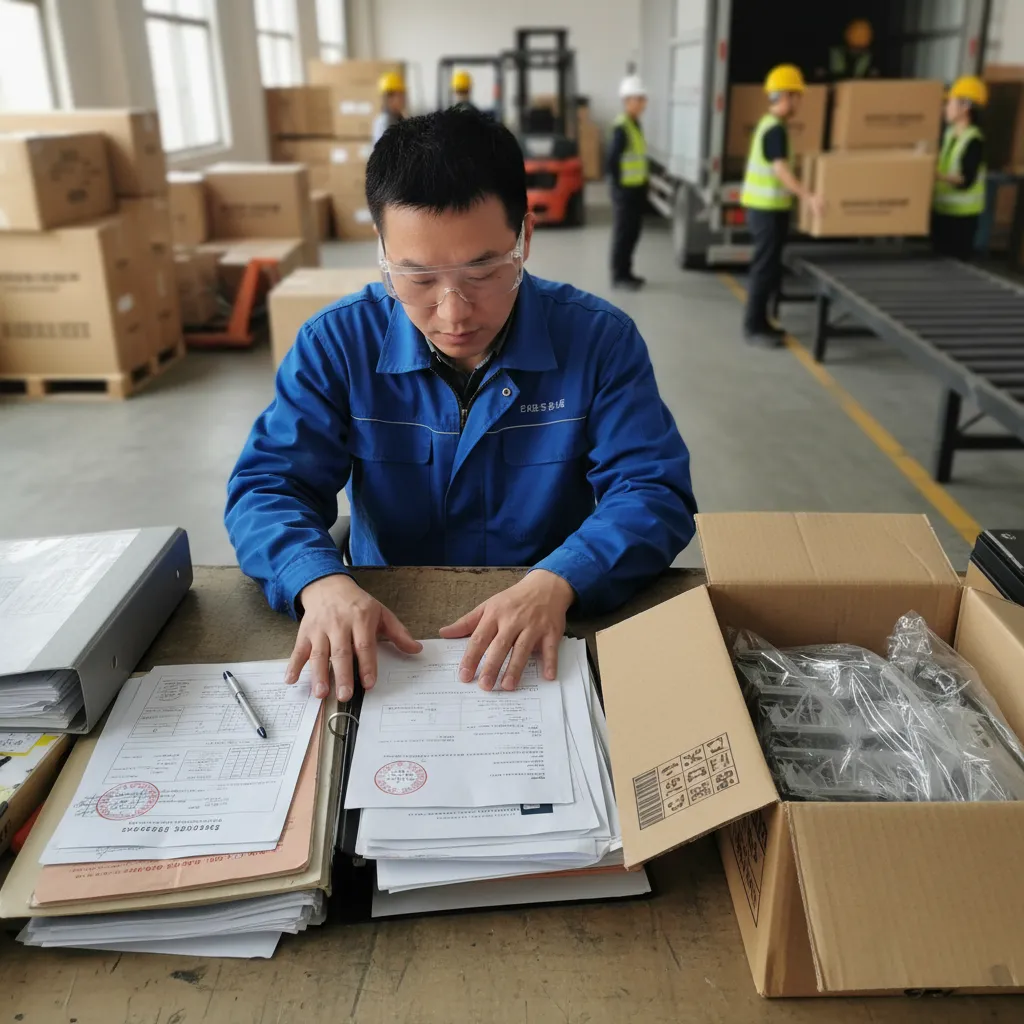
The simplest way to understand during-production inspection vs pre-shipment inspection is to focus on the decision each one supports.
A during-production inspection, sometimes called a DUPRO inspection, takes place after production has started but before the entire order is finished. The exact timing depends on the product and production plan. In many orders, the inspection is arranged when a meaningful portion of goods is completed and the factory still has time to make adjustments.
A pre-shipment inspection, often called a final random inspection or PSI, is arranged when production is substantially complete and goods are packed or close to being packed. Its purpose is to help the buyer decide whether the finished order appears acceptable for shipment based on the agreed product requirements, packaging instructions, labeling details, workmanship expectations, and other documented criteria.
The distinction is important:
| Inspection stage | Main buyer question | Practical value |
|---|---|---|
| During-production inspection | “Is production moving in the right direction while changes are still possible?” | Earlier visibility and process correction |
| Pre-shipment inspection | “Are the finished goods acceptable to release and ship?” | Final shipment-release support |
| Both inspections | “Can we control risk during production and verify the completed order?” | Broader quality oversight for suitable orders |
I do not view one stage as automatically better than the other. Instead, I look at the product, the supplier, the production schedule, and the cost of discovering a problem late.
For example, a basic repeat-order product from a supplier with a stable history may be suitable for final inspection only, depending on the buyer’s risk tolerance. On the other hand, a customized item with special packaging, multiple components, or a long rework cycle may benefit from earlier production-stage visibility.
Why Final Inspection Can Be Too Late for Some Problems
A pre-shipment inspection is valuable because it provides a last practical checkpoint before goods leave the factory. However, it does not guarantee that every issue found near the shipping deadline can be corrected quickly, fully, or without consequences.
This does not mean factories cannot fix pre-shipment issues. In many cases, suppliers can repair, replace, sort, rework, relabel, or repack goods. The challenge is that available options may become narrower when production is complete, cartons are sealed, bookings are scheduled, and the buyer has committed to a launch date or replenishment plan.
A late-stage finding may create pressure in several areas:
- The factory may need extra labor for sorting or rework.
- Replacement materials may not be immediately available.
- Custom packaging may need to be reordered.
- A production line may already be assigned to another order.
- Shipping bookings may need to move.
- The buyer may need to choose between delay, partial shipment, rework, or acceptance with agreed conditions.
The problem is not simply whether a defect exists. The problem is whether the defect is still manageable.
A quality issue found early is not automatically small. A quality issue found late is not automatically unfixable. But late discovery usually gives the buyer less time and less leverage to decide what happens next.
In our China sourcing work, we often coordinate inspection timing around the realistic correction window rather than around a fixed calendar date. If a supplier says that rework would take several days, the inspection needs to happen early enough for that time to exist. If a buyer needs third-party testing, revised packaging, or customer approval before release, the timeline needs even more allowance.
When During-Production Inspection Has Greater Value
During-production inspection is most useful when the buyer faces risks that are expensive or difficult to solve after the order is complete. The inspection is not mandatory for every purchase order. Still, it can be a sensible control point when the production process contains decisions that should not wait until the final day.
I usually recommend that buyers consider earlier inspection visibility when one or more of the following factors apply.
The Product Is Customized
Customization can involve color, logo placement, materials, dimensions, printed content, accessories, packaging, instructions, retail labels, or bundle configuration. Each added requirement creates another point where production can drift from the approved sample or purchase order.[7]
For a private-label order, the buyer may need to confirm that the factory is using the correct logo artwork, packaging layout, barcode label, and accessory combination before the entire batch is finished. If a packaging error is only found after all units are packed, correction may involve opening cartons, removing products, replacing materials, and repacking the order.[8]
The buyer should not assume that a factory’s approval of artwork means execution will always match the approved file. A practical production check can confirm whether the production result aligns with the buyer’s documented requirements.
The Order Includes Critical Production Steps
Some products have stages that cannot be easily reversed after assembly, printing, coating, sewing, molding, or final packaging. I avoid making universal technical judgments because each product has its own manufacturing process. However, buyers should ask a simple operational question:
Which step, if completed incorrectly, would be costly to redo later?
The answer may relate to:
- Assembly sequence
- Surface finish or color treatment
- Printed graphics
- Component selection
- Product dimensions
- Wiring or internal configuration
- Retail packaging
- Product labeling
- Multi-part sets and bundle contents
If the answer points to a step that becomes difficult to correct after completion, then a during-production inspection may provide useful risk control.
The Supplier Is New or Not Yet Proven
A new supplier is not necessarily unreliable. Many capable factories are new to a buyer. However, a new supplier relationship usually has less shared history around quality expectations, documentation, communication speed, and corrective-action behavior.
When I help a buyer evaluate a new Chinese supplier, I do not rely only on a quotation, catalog, or online profile. I look at whether the factory can communicate clearly, follow specifications, provide samples, explain production timing, and respond constructively to questions. Supplier verification and factory audit documents can also support due diligence, but buyers should verify the scope and current validity of any documents presented.[6]
For a first order, a during-production inspection can help confirm whether the supplier’s production execution matches the earlier discussion. It can also show whether the factory understands the buyer’s key requirements before the full quantity is completed.
The Rework Cycle Is Long
Some corrective actions are fast. A carton label may be replaced in a short period if the correct labels are available. Other actions can take much longer, especially when they require new materials, revised components, repeated production steps, or supplier coordination.
The buyer should consider not only the factory’s stated production lead time but also the rework lead time. These are not always the same.
A useful planning question is:
- If an issue is discovered, what would the supplier need to do?
- What materials, labor, or approvals would that correction require?
- How long would the correction take?
- Would the correction affect packing, shipping, or other suppliers?
- Is there enough buffer before the intended shipment date?
If the honest answer is “probably not,” final inspection alone may leave too little room for a controlled response.
When Pre-Shipment Inspection May Be the Better Fit
Pre-shipment inspection remains an important quality-control tool for many China sourcing orders. It is often the most relevant inspection stage when the buyer’s main concern is whether the completed goods match the agreed requirements before release.
For lower-complexity or repeat purchases, a final inspection may provide a practical balance between quality oversight and procurement cost. This can be especially true when:
- The buyer has approved a stable production sample.
- The supplier has performed consistently on previous orders.
- The product has limited customization.
- The buyer’s requirements are clear and documented.
- The production cycle is short.
- The likely corrections are relatively manageable.
- The buyer has reasonable timing buffer before shipment.
A pre-shipment inspection can help buyers review the finished order before the supplier receives final release instructions. Depending on the agreed scope, the inspection may examine product appearance, basic function checks, quantity, packaging, labels, carton marks, assortment, and consistency with approved requirements.
However, buyers should be clear about what a final inspection does and does not do. It is a quality-control activity based on a defined scope and sample. It is not a guarantee that every individual product is perfect.[3] It also does not replace clear specifications, approved samples, production communication, or appropriate product testing where the application requires it.[4]
For products that require compliance testing, safety evaluation, or market-specific documentation, buyers should consult qualified testing and regulatory professionals.[5] An inspection report is not a substitute for application-specific compliance assessment.
A Practical Framework for Choosing the Right Inspection Stage
Instead of choosing based only on order value, I encourage buyers to score the order’s operational risk. A small order can still create major commercial problems if it is tied to a product launch, a retailer deadline, a crowdfunding campaign, or a seasonal sales window. A larger order may have manageable risk if it is a stable repeat product with strong supplier control.
Here is a practical comparison framework for during-production inspection vs pre-shipment inspection.
| Buyer consideration | Lean toward during-production inspection | Lean toward pre-shipment inspection only |
|---|---|---|
| Supplier relationship | New, unproven, or inconsistent supplier | Established supplier with stable performance |
| Product type | Customized, multi-component, or difficult to rework | Simple, stable, repeat-order product |
| Production steps | Errors may become hidden or costly after completion | Most issues can be checked and corrected near completion |
| Delivery schedule | Limited buffer and high cost of delay | Flexible shipping timeline |
| Packaging and labeling | Complex retail packaging or many SKU variations | Simple, repeat packaging |
| Defect consequences | Late discovery could disrupt launch or fulfillment | Late corrections are likely manageable |
| Buyer visibility | No local team and limited factory communication | Strong internal control or reliable local support |
This table is not a universal rule. It is a decision aid. The buyer still needs to understand the product and the supplier’s actual production schedule.
I also suggest asking the supplier for a production plan before confirming inspection dates. A useful plan should identify major milestones, such as material arrival, production start, assembly, packaging, completion, and planned shipment. The factory may adjust these dates during production, so communication should continue rather than relying on an early schedule alone.
How I Plan Inspection Timing With Factories
Inspection timing should be coordinated with the supplier’s real production status. A date that looks good on a spreadsheet may not be useful if the relevant production stage has not been reached, or if the goods are already fully packed and awaiting collection.
When I coordinate inspections for overseas buyers, I focus on a few practical questions:
- What percentage of the order is actually complete?
- Which production steps have been completed?
- Are the key materials, components, and packaging already in use?
- Is the factory still producing enough units for the inspection to be meaningful?
- Is there enough time for corrective action if an issue appears?
- Who has authority to approve changes or release the shipment?
- Does the buyer need photographs, video, revised samples, or written confirmation after rework?
The answers help determine whether a during-production inspection will provide actionable information or whether the order is already too close to completion for mid-production intervention.
Build Corrective-Action Time Into the Schedule
A common sourcing mistake is treating inspection as the final event before shipping. I prefer to treat it as part of a wider control plan.
A more realistic sequence may look like this:
- The buyer confirms specifications, approved sample, packaging files, and labeling requirements.
- The supplier confirms the production schedule and major milestones.
- The buyer or sourcing team monitors production progress.
- A during-production inspection is arranged if the order risk justifies it.
- The supplier provides a corrective-action response if issues are identified.
- The buyer confirms whether reinspection or follow-up evidence is needed.
- A pre-shipment inspection is arranged before final release.
- The buyer gives shipping instructions after reviewing the available information.
This process does not remove all sourcing risk. It does, however, create more points at which the buyer can make an informed decision.
Why Clear Requirements Matter More Than Inspection Labels
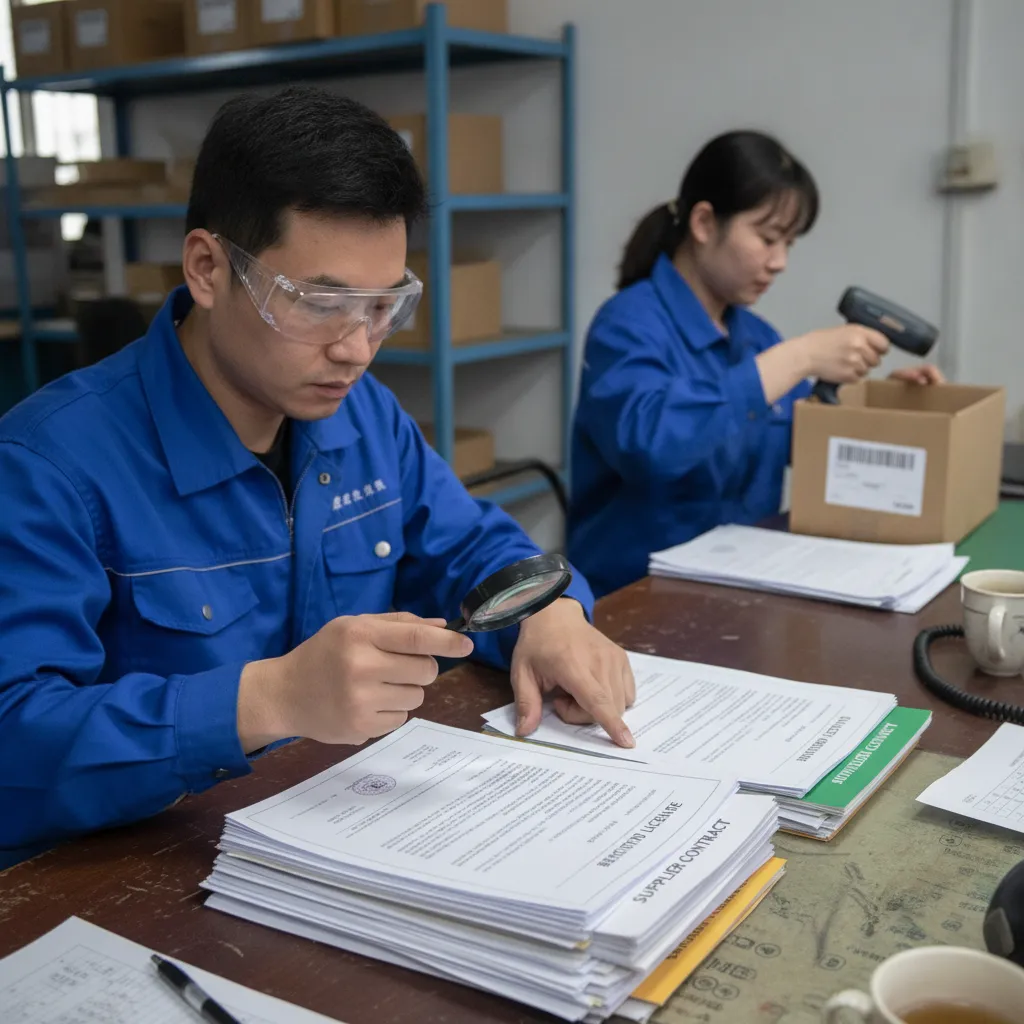
The debate around during-production inspection vs pre-shipment inspection can distract buyers from a more basic issue: inspectors and suppliers can only evaluate requirements that are clear enough to verify.
A buyer should provide the factory and inspection team with practical documentation, such as:
- Approved product sample or reference sample
- Product specification sheet
- Color, material, size, and component requirements
- Logo artwork and placement instructions
- Packaging artwork and packing method
- Barcode and labeling requirements
- Carton marks and shipping marks
- Quantity and assortment requirements
- Known unacceptable issues or priority concerns
- Relevant test, regulatory, or retailer requirements where applicable
The clearer the documents are, the more useful the inspection process can be. Vague instructions such as “good quality” or “same as sample” may create disagreement later if the buyer and supplier interpret them differently.
I also recommend that buyers identify their critical-to-them requirements before production starts. For one buyer, the most important issue may be logo accuracy. For another, it may be product dimensions, set completeness, packaging durability, or label compliance. The inspection scope should reflect those priorities.
Frequently Asked Questions
Is during-production inspection necessary for every China order?
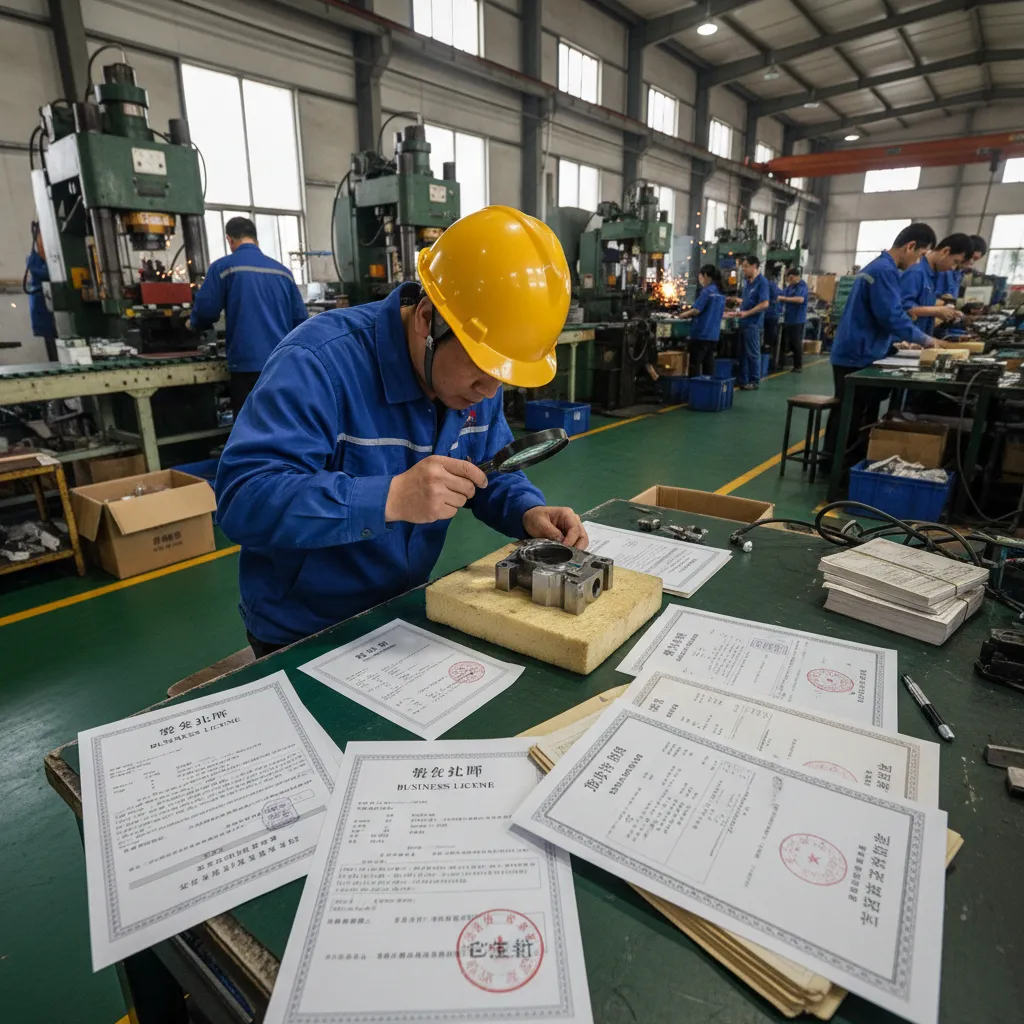
No. During-production inspection is not necessary for every order. It is most useful when the product is customized, the supplier is new, late rework would be difficult, or the shipping schedule leaves little room for correction. Stable repeat orders may be suitable for pre-shipment inspection only.
Can a factory correct issues found during pre-shipment inspection?
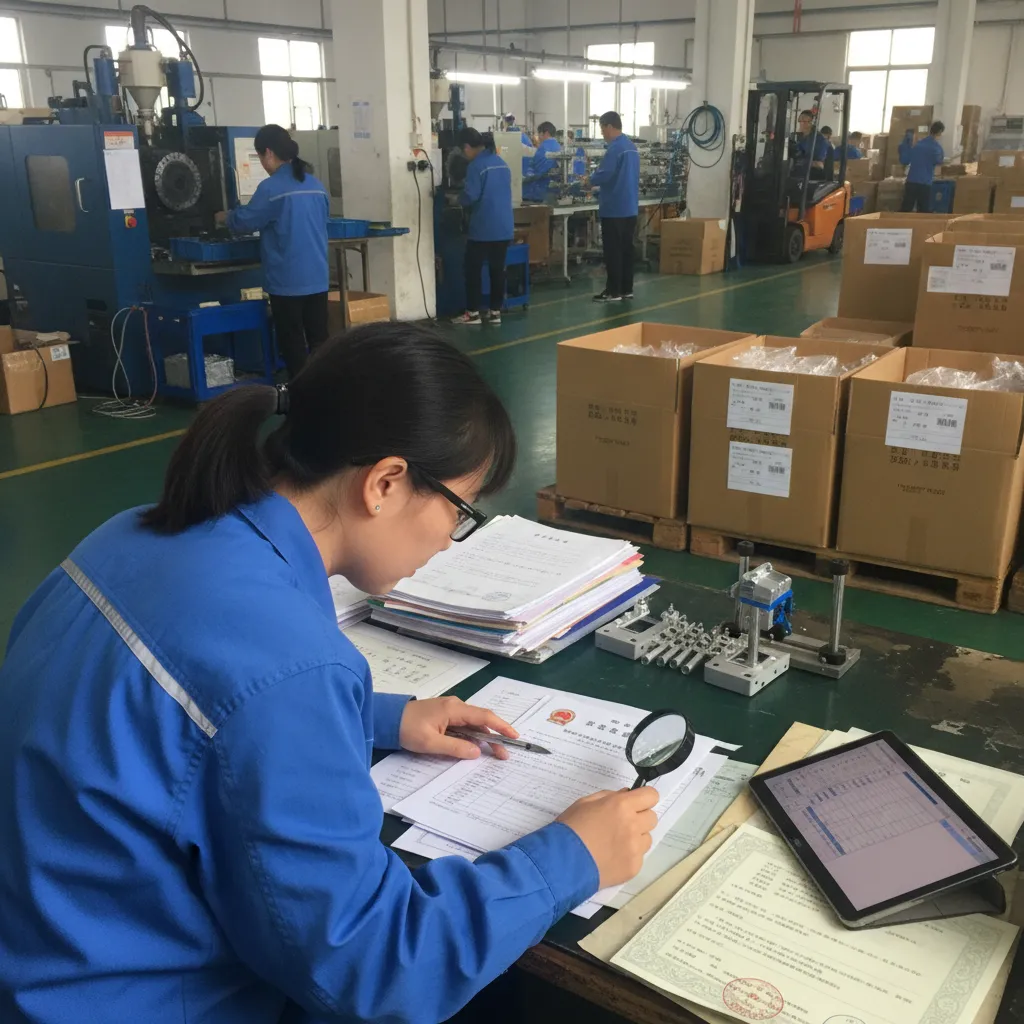
A factory may be able to correct issues found during pre-shipment inspection, depending on the issue, available materials, labor capacity, and shipping deadline. However, options are often more time-sensitive at this stage because production is complete or nearly complete and packing or shipment arrangements may already be underway.
What is the main purpose of pre-shipment inspection?
The main purpose of pre-shipment inspection is to help the buyer assess whether finished goods are acceptable to release for shipment. It typically focuses on completed products, quantity, packaging, labeling, workmanship, and alignment with agreed requirements within the defined inspection scope.
How do I decide between during-production inspection vs pre-shipment inspection?
You should assess supplier reliability, product complexity, customization, defect consequences, production timeline, and realistic rework time. If discovering an issue only at the end would create a difficult decision, earlier during-production inspection may be worthwhile. If the order is stable and low risk, final inspection may be sufficient.
Does an inspection report guarantee product quality?
No. An inspection report provides findings based on the agreed scope, timing, and sample checked. It does not guarantee that every unit is defect-free or that the product meets all regulatory, technical, or market-specific requirements. Buyers should obtain qualified evaluation when their application requires it.
Conclusion
During-production inspection vs pre-shipment inspection is not a choice between two interchangeable checklists. During-production inspection gives buyers earlier visibility when production risks need to be addressed before completion. Pre-shipment inspection helps buyers make a final release decision once goods are ready to ship. The right plan depends on the supplier, product, customization, schedule, and available rework time. At KingSourcing, we help overseas buyers coordinate supplier verification, production follow-up, inspection arrangements, corrective-action communication, consolidation, and shipping support from China.
Sources
- [PDF] 1C. Quality Assurance vs. Quality Control", Quality-control guidance describes in-process inspection as monitoring production while work is underway so that deviations can be detected and corrected before completion
- Trade Guide: WTO PSI - International Trade Administration", The World Trade Organization describes pre-shipment inspection as inspection of goods before shipment, including examination of quality, quantity, price, or customs classification under the applicable arrangement
- 6.2.2.2. Choosing a Sampling Plan with a given OC Curve", Acceptance-sampling guidance explains that decisions about a production lot are made from examination of a sample, so sampling provides statistical evidence rather than proof that every unit conforms
- [PDF] 1C. Quality Assurance vs. Quality Control", Conformity-assessment guidance states that products are assessed against specified requirements and may require testing, inspection, documentation, or other evidence appropriate to the applicable rules
- Testing & Certification | CPSC.gov", Product-safety authorities explain that applicable products may require testing, certification, and technical documentation to demonstrate compliance before they are placed on the relevant market
- [PDF] introduction-to-the-oecd-due-diligence-guidance-for-upstream ...", Due-diligence guidance treats audits and supplier documentation as evidence that must be evaluated for scope, reliability, and currency rather than as conclusive proof of ongoing performance
- Novel or Improved NDE Inspection Capabilities for Additively ... - NIST", Operations-management research reports that greater product and process complexity can increase coordination demands and the opportunities for variation or nonconformance in manufacturing
- Advanced Packaging - Sandia National Laboratories", Manufacturing quality literature explains that nonconformities found after downstream operations have been completed can require disassembly or rework of those operations, increasing the effort needed to correct the defect