Quick Answer
Product safety tests can feel confusing for importers because suppliers often offer reports without clearly explaining whether those documents apply to the exact product being purchased. That uncertainty can lead to shipment delays, marketplace listing removals, customer returns, or costly redesigns after production has already started[1]. **[Product safety tests should be selected for the exact product version, target market, intended user, materials, functions, labeling, and sales channel—not from a universal checklist.](https://www.cpsc.gov/s3fs-public/Age-Determination-Guidelines-Re
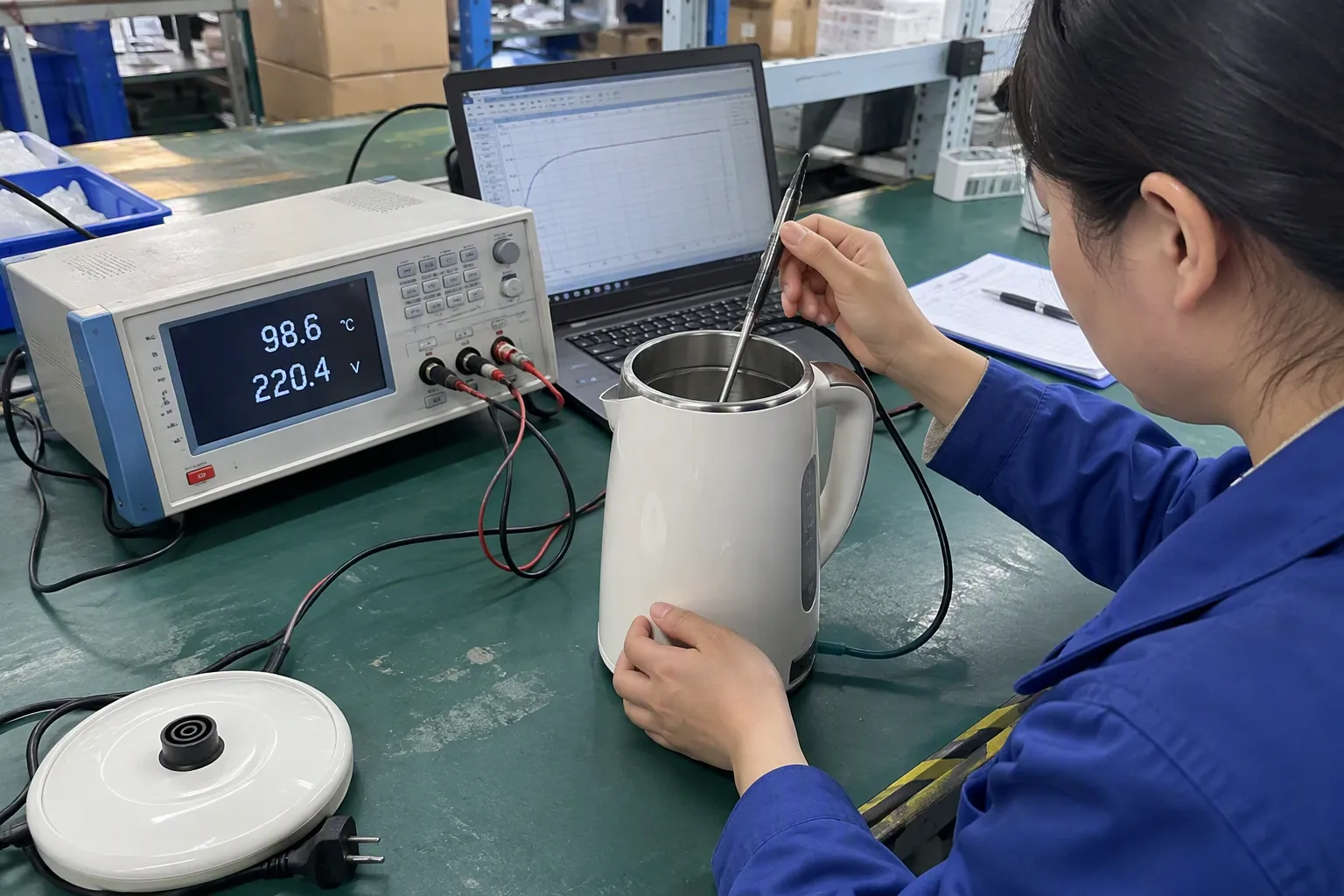
I work with overseas buyers who source consumer goods from China, and I often see the same issue: a supplier sends an impressive-looking report, but nobody has checked whether it matches the buyer’s product, market, brand, or marketplace requirements. The best time to ask questions is before the purchase order, not when goods are ready to ship.
Should Importers Ask for a Universal “Product Safety Test List”?
Importers often want a universal product safety test list because it seems like the fastest way to reduce risk. However, a generic list can create false confidence. Two products that look similar may have different materials, users, functions, age grades, electrical features, packaging, or market requirements.[3]
Importers should not rely on one universal product safety test list. Instead, they should create a product-specific assessment based on where the product will be sold, who will use it, how it works, what it contains, and how it will be marketed. A qualified laboratory or compliance professional should confirm the applicable testing and documentation requirements.
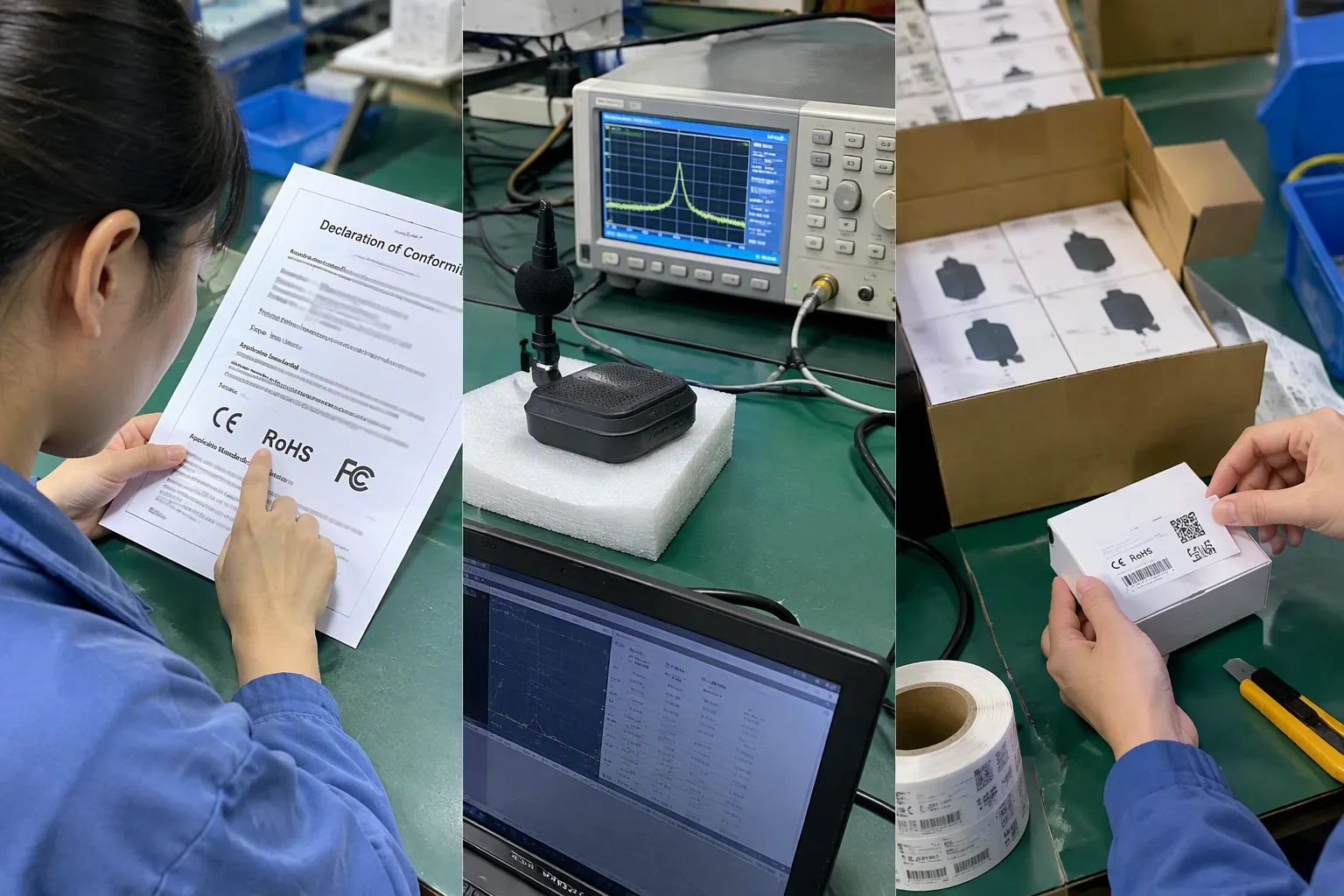
A supplier’s existing report can still be useful. It may show that the supplier has experience with similar products or materials. However, it should be treated as a starting point for questions, not automatic proof that your own branded product is ready for sale.
Why a Universal Test List Can Create Procurement Risk
A universal list sounds practical, especially for Amazon sellers, online retailers, and first-time importers. Buyers want to know what to request from factories before they invest in samples, tooling, packaging, inventory, and shipping.
The problem is that product safety tests are not chosen only by product category. The testing scope may also depend on details that change from one SKU to another:
- The product’s intended age group
- The market or country where it will be sold
- The product’s materials and coatings
- Whether the item has electrical, battery, wireless, magnetic, chemical, or mechanical features
- The final product dimensions
- Detachable parts and accessible components
- The product’s claims on packaging or online listings
- The private-label brand and applicant named in supporting documents
- Marketplace-specific documentation requests
- Changes made after the supplier’s original report was issued
For example, a basic plastic item and a similar-looking children’s item may appear nearly identical in photos. Yet the second item may need a different assessment because of age grading, small components, intended play use, mechanical hazards, or material restrictions.
I encourage buyers to avoid asking, “Which certificate do I need?” as their first question. A better question is:
“What evidence is appropriate for this exact product version before I commit to production?”
That wording leads to a more useful procurement conversation. It encourages the supplier, testing provider, and buyer to look at the real product instead of relying on a generic document folder.
Product Testing, Certification, Labels, and Marketplace Documents Are Different
Many buyers use the word “certificate” to describe every product document. In practice, several types of evidence may be involved, and they do not mean the same thing.
A test report may show results from a laboratory assessment of a sample. A certificate may be issued under a specific scheme or process. A declaration may be prepared by a responsible party.[4] A marketplace may request documents based on its own seller policies. Shipping documents may address transport risks rather than consumer product safety.
| Document or requirement | What it may address | What importers should verify |
|---|---|---|
| Test report | Results for a tested sample or product configuration | Tested model, materials, date, scope, laboratory, market, and product version |
| Certificate | A document issued under a particular certification process | Issuer, validity, scope, applicant, covered model, and conditions |
| Product labeling | Required warnings, identifiers, instructions, or markings | Target-market rules, language, placement, durability, and final packaging |
| Marketplace documentation | Evidence requested by an online platform | Current platform policy, accepted document type, product listing and seller account requirements |
| Supplier declaration | Supplier statement about materials or product characteristics | Supporting evidence, scope, signer authority, and relevance to the actual order |
| Shipping or transport document | Transport-related handling or hazard information | Whether the shipment method, battery configuration, or freight provider requires it |
This distinction matters because a document can be genuine and still be unsuitable for your product[5]. For example, a report might be valid for a previous model with a different material, different battery, different dimensions, or another brand applicant.
I have found that buyers reduce confusion when they organize documents by purpose. They can create separate folders for:
- Product testing evidence
- Certification or registration evidence
- Packaging and labeling files
- Marketplace submission documents
- Shipping-related documents
- Supplier declarations and material information
This approach does not determine legal compliance. However, it makes gaps easier to spot before goods are finished.
Why Existing Supplier Reports Need Careful Review
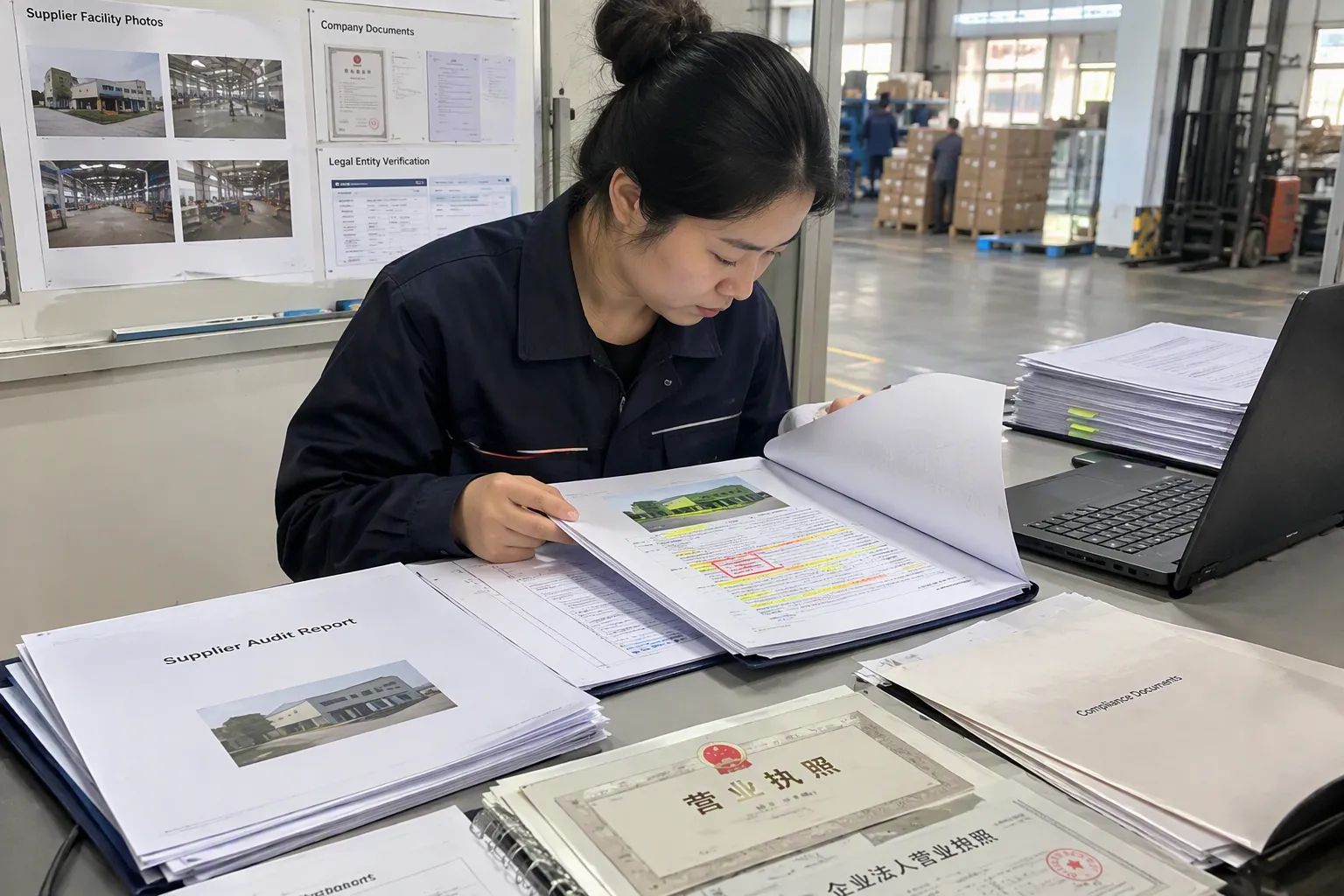
Suppliers may send existing reports quickly, especially when buyers ask for “all certificates.” That response can be helpful, but I recommend reviewing the document details rather than relying on the document title.
A report that appears reassuring may not clearly match the buyer’s order. The key question is not whether the supplier has a report. The key question is whether the report covers the final product being purchased.
When I help buyers collect supplier documentation, I suggest checking the following points with the supplier and, where appropriate, a qualified testing provider:
| Review point | Questions to ask |
|---|---|
| Product identity | Does the report identify the same model, SKU, product photos, dimensions, and product function? |
| Materials | Do the tested plastic, metal, fabric, coating, ink, adhesive, foam, battery, or other materials match the final version? |
| Components | Does the report cover the actual charger, cable, plug, battery, magnet, accessory, or detachable part? |
| Target market | Was the document prepared for the country or region where the product will be sold? |
| Applicant and brand | Is the applicant relevant to the supplier arrangement, and does the report cover your private-label version if needed? |
| Date and changes | Was the document created before a material, design, supplier, packaging, or component change? |
| Test scope | Does the report cover the risks that are relevant to the product’s actual use? |
| Laboratory details | Can the laboratory and report number be independently checked where appropriate? |
| Production consistency | Can the supplier show how it will keep production materials and components aligned with the tested sample? |
A supplier may use a similar report for several customer inquiries. That does not automatically mean the supplier is acting improperly. Factories often develop comparable products for different markets. Still, buyers should not assume that a report follows every variation of a product.
A minor-looking change can matter. A new paint color may involve a different coating. A larger size may affect mechanical performance. A new accessory may introduce a small-part concern.[6] A revised battery or charging cable may change the relevant electrical or transport review. New packaging claims may change how the item is classified or evaluated.
This is why I treat product safety tests as part of supplier selection and production planning. They are not simply documents to request after the factory has completed the order.
Use RFQs and Samples to Surface Safety Questions Early
The RFQ stage is one of the best places to reduce avoidable safety surprises. Many buyers focus only on unit price, MOQ, production time, and shipping terms. Those factors matter, but they do not show whether a supplier understands the product’s documentation and quality-control needs.
I recommend adding clear safety-related questions to the RFQ. The goal is not to force the factory to make legal decisions. The goal is to collect enough information for the buyer to understand the product and seek qualified guidance early.
A practical pre-order question framework can include the following.
Product and Intended Use
Ask the supplier to describe the product plainly:
- What is the intended use?
- Who is the expected user?
- Is the item designed, marketed, or packaged for children?
- What age grading does the supplier suggest, if any?
- Are there foreseeable misuse scenarios?
- Are there sharp edges, pinch points, detachable pieces, cords, magnets, moving parts, or heat-generating parts?
- Does the product include electrical components, batteries, chargers, wireless functions, or liquids?
The answers may reveal issues that product photos do not show.
Materials and Components
Ask for a bill of materials or a practical material breakdown where possible. The information does not need to be overly technical at the first stage, but it should identify the major parts.
For example:
- Main body material
- Coatings and printing inks
- Fabric, filling, foam, rubber, or silicone components
- Metal parts and surface treatment
- Adhesives
- Batteries and charging components
- Cables, plugs, adapters, and power-related accessories
- Small decorative pieces
- Packaging materials that contact the product
This information helps buyers compare suppliers more accurately. It also helps prevent a common issue: a supplier quotes one material during sampling but substitutes a different material during mass production without a documented review[7].
Existing Documentation
Ask suppliers to provide existing documents with context. I recommend asking them to explain:
- Which model the report covers
- Which market the report was prepared for
- Whether the tested sample used the same materials and components proposed for your order
- Whether the report applies to the final product or only a component
- Whether any changes have been made since the document was issued
- Whether the supplier can provide sample photos, model references, or production records that support the match
A supplier who cannot answer these questions may still be able to manufacture the product. However, the buyer should recognize that more verification may be needed before ordering.
Production Control
Product safety tests are only one part of the picture. Buyers also need confidence that the factory can reproduce the approved sample consistently.
I recommend asking:
- How does the factory approve incoming materials?
- How are critical components identified?
- Who approves substitutions?
- Does the factory keep an approved sample?
- Does the factory use production checklists?
- Can the factory support pre-production and pre-shipment inspections?
- Can the factory provide photos or records for key materials and packaging?
At KingSourcing, we can help buyers translate these questions into supplier communication, quotation comparisons, sample follow-up, document collection, and quality-inspection planning. We do not perform laboratory testing, grant certifications, or make legal compliance determinations. Buyers should confirm final requirements with qualified laboratories or compliance professionals.
Children’s Products Show Why Details Matter
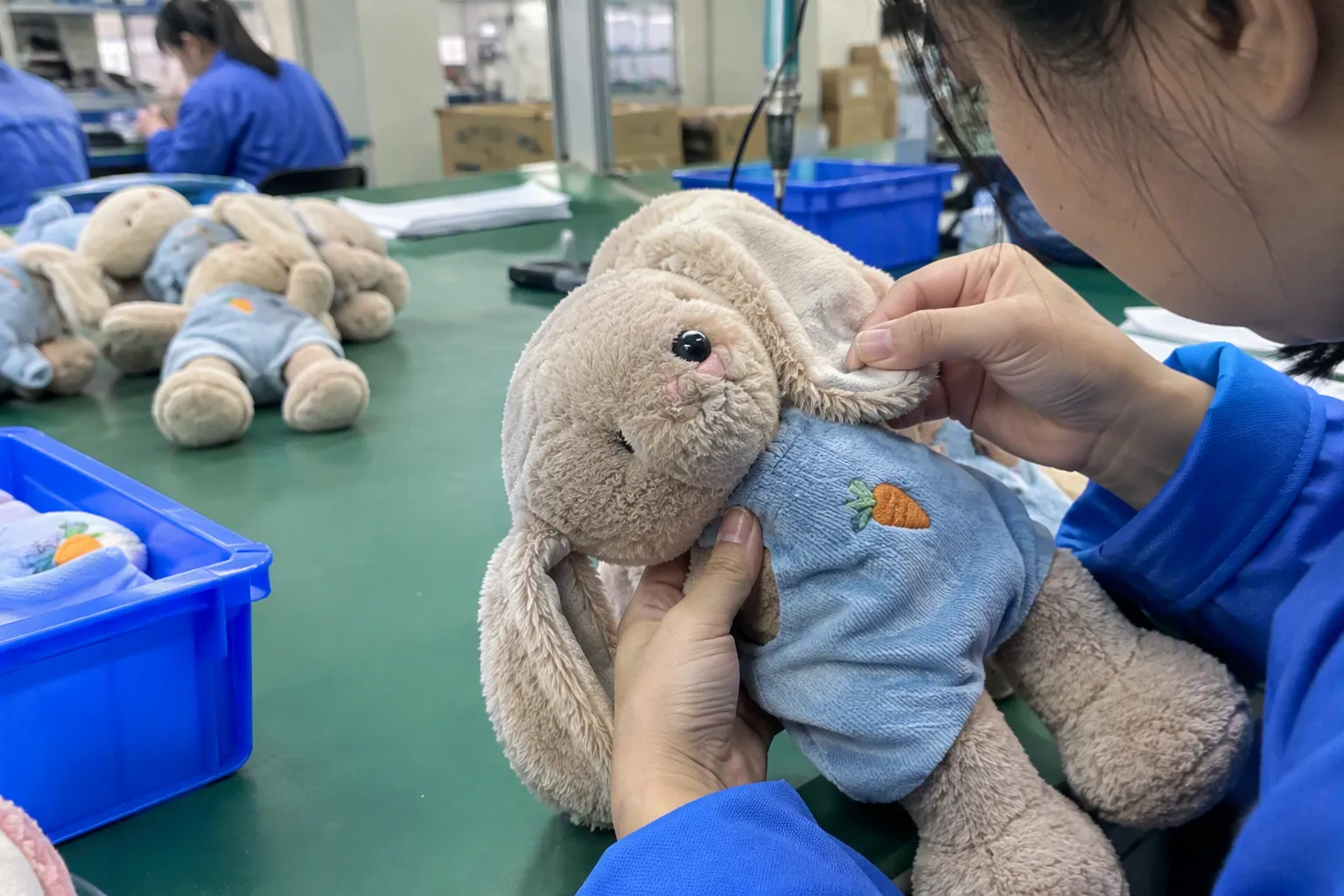
Children’s products and toys provide a useful example because products that seem simple can require careful review.[8] A seller may see a plush item, plastic figure, sensory product, craft item, or educational accessory as one product category. In reality, intended age, construction, materials, and product claims can change the risk profile.
Consider several products that may look similar in a supplier catalog:
- A decorative plush item for adult collectors
- A soft toy marketed for young children
- A small figurine sold as a collectible
- A small figurine promoted as a toddler play item
- A craft kit for older children
- A craft kit marketed for younger users
Each product may require different questions. The item’s physical size, detachable components, accessible filling, fasteners, cords, magnets, paint, packaging, and instructions can all affect the assessment.
For children’s products, I recommend buyers pay close attention to the following areas during product development:
| Product detail | Why it deserves early review |
|---|---|
| Age grading | The intended age can affect hazard assessment and labeling expectations |
| Small components | Detachable or breakable pieces may create concerns for younger users |
| Mechanical design | Seams, joints, hinges, sharp points, pinch areas, or pull strength may matter |
| Materials and coatings | Material choices can affect chemical and durability assessment |
| Magnets | Small or detachable magnets can create serious product-risk questions |
| Cords and straps | Length, attachment, and intended use may require careful evaluation |
| Packaging | Warnings, instructions, labels, and marketing language should match the product’s intended user |
| Product claims | “Educational,” “for toddlers,” “safe,” or age-specific claims can affect how the product is reviewed |
I do not recommend choosing a testing path simply because another seller uses similar product photos. The correct approach is to review the final sample and selling setup.
A buyer should also keep their product listing in mind. A listing title, bullet point, image, package insert, or age recommendation can create expectations that differ from the supplier’s original product description. If the listing presents the item as a toy, a children’s product, or an item for a specific age group, that information should be considered before production.
Reassess Product Safety Tests When the Product Changes
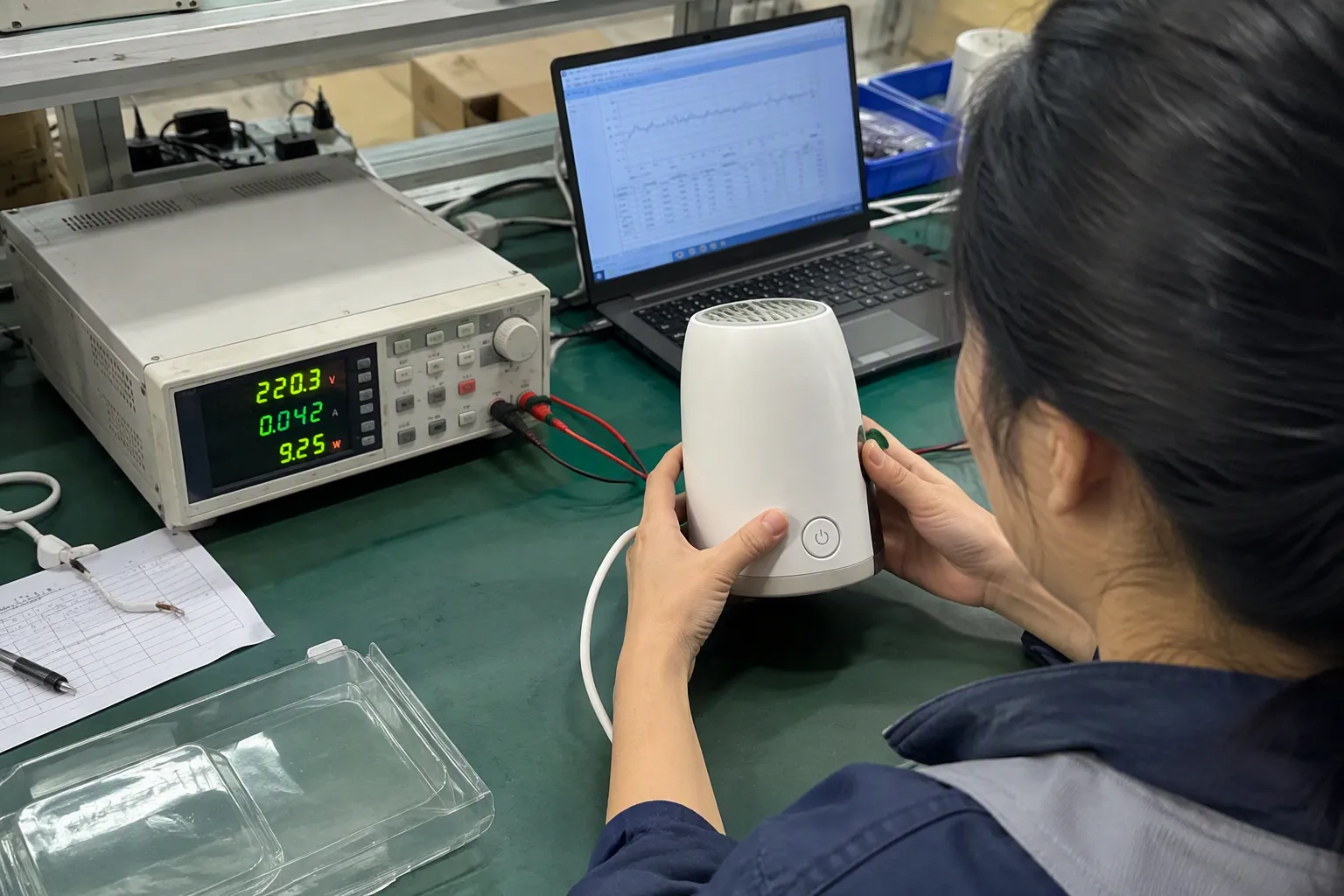
Many importers understand the need for product safety tests before the first production run. Fewer buyers build a process for reviewing changes afterward. That can be risky because product changes often happen quietly during quotation, sampling, or production.
A factory may propose a substitute material to meet a target price. A buyer may request new colors, revised packaging, a new accessory, or a logo plate. A component supplier may be changed because of availability. These changes may be reasonable, but they should trigger a review.
I recommend treating the following as reassessment triggers:
-
Material changes
This includes new plastic grades, coatings, fabrics, inks, adhesives, metal finishes, foam, or filling materials. -
Component changes
This includes batteries, chargers, plugs, cables, magnets, fasteners, accessories, and electronic parts. -
Design changes
This includes new dimensions, wall thickness, attachment methods, moving parts, sharp features, or product assembly. -
Age-grade or user changes
A product intended for adults may be presented differently when sold to children or families. -
Packaging and claim changes
New warnings, languages, product descriptions, age recommendations, or marketing claims may affect the overall review. -
Market expansion
A product sold in one country should not automatically be assumed suitable for another market. -
Supplier or factory changes
A new factory, subcontractor, or component source may change the production reality behind the original documents.
The most useful internal rule is simple: if the final product no longer matches the tested sample or supporting documents, pause and reassess.
That does not always mean retesting is required. Only a qualified laboratory or compliance professional can advise on the appropriate next step. However, the buyer should not ignore the change merely because the original report exists.
Build Safety Evidence Into the Purchasing Workflow
Importers can reduce last-minute problems by placing product safety tests and documentation checks into the normal sourcing workflow.
| Procurement stage | Practical buyer action |
|---|---|
| Product research | Define target market, intended user, product claims, and sales channel |
| Supplier sourcing | Ask suppliers about product materials, components, prior documentation, and production controls |
| Quotation comparison | Compare more than price: review supplier responsiveness, document relevance, and willingness to support verification |
| Sampling | Confirm materials, dimensions, functions, components, packaging, and labeling against the intended final product |
| Pre-production | Confirm the approved sample, bill of materials, artwork, labels, and any testing plan |
| Production follow-up | Control substitutions and record approved changes |
| Inspection | Check visible workmanship, quantity, packaging, labeling, and agreed product specifications |
| Shipping preparation | Separate shipping-related paperwork from consumer product safety evidence |
| Marketplace launch | Confirm that listing claims, labels, and documents align with current platform expectations |
I find that this workflow is especially useful for multi-SKU e-commerce businesses. A buyer may source related products from different factories, each with different materials, documents, and production controls. Without a structured file system, it becomes easy to mix reports between SKUs or assume that one supplier’s document applies to another supplier’s product.
For repeat orders, buyers should keep a simple change log. The log can record the approved sample date, supplier, factory, key materials, packaging version, test-report reference, and later changes. This record does not replace professional compliance advice, but it gives the buyer a stronger basis for asking informed questions.
Frequently Asked Questions
Can I use a supplier’s old test report for my private-label product?
A supplier’s old report may be useful supporting information, but it is not automatic proof for your private-label product. You should verify the tested model, materials, components, target market, report scope, applicant details, and any changes to the final version with a qualified laboratory or compliance professional.
Are product safety tests the same as product certification?
No. Product safety tests usually refer to laboratory assessment of a sample or product configuration. Certification may involve a separate process, scheme, issuer, or ongoing conditions. Labeling, declarations, marketplace requests, and shipping documents may also be required, but they are not the same thing.
When should I ask suppliers about product safety tests?
I recommend asking during the RFQ and sample stages. Early questions help you compare suppliers, identify missing information, and avoid discovering major issues after production is complete. You should also reassess documentation if materials, components, design, packaging, or target markets change.
Does passing product safety tests guarantee Amazon approval?
No. Marketplace approval and product testing are separate issues. Amazon and other platforms may request specific documents, listing information, images, labels, or records based on current policies. Sellers should check the relevant marketplace requirements and confirm that submitted documents match the actual listing and product version.
Can a sourcing company determine every testing requirement?
A sourcing company can help collect supplier information, compare quotations, coordinate samples, review document matching, and manage quality-control steps. However, a sourcing company should not replace a qualified laboratory, certification body, legal adviser, or compliance professional for application-specific determinations.
Conclusion
Product safety tests should not be treated as a last-minute paperwork request or a universal certificate checklist. I recommend that importers review the exact product, target market, intended user, materials, components, packaging, and sales channel before production begins. Existing supplier reports can be useful, but buyers should verify that they match the final product and reassess when changes occur. If you are sourcing from China, KingSourcing can help you organize supplier questions, collect documents, manage samples, and build stronger quality-control workflows before you place your order.
Sources
- CPSC Detention of Products at Import FAQ", Regulatory enforcement and marketplace compliance procedures show that deficient product-safety documentation can result in sale restrictions, detention, recalls, or listing actions, although the commercial effects on any individual importer depend on the product, jurisdiction, and platform
- [PDF] CPSC staff will begin using the 2020 Age Determination Guidelines ...", Product-safety conformity assessment is generally product-specific: regulators assess characteristics, intended or reasonably foreseeable use, hazards, and applicable market requirements rather than applying one identical test set to all consumer goods
- [[PDF] PRODUCT RISK ASSESSMENT PRACTICES OF REGULATORY ...", )6/FINAL/en/pdf. Consumer-product risk assessment considers factors such as product composition, design, intended users, foreseeable use, and warnings; consequently, products with similar appearances can present different hazards or be subject to different requirements](https://one.oecd.org/document/DSTI/CP/CPS(2014)
- ISO/IEC 17000:2004(en), Conformity assessment", Conformity-assessment terminology distinguishes testing as the determination of specified characteristics, certification as third-party attestation under a defined scheme, and a declaration of conformity as an assertion by the responsible party
- General Use Products: Certification and Testing | CPSC.gov", Compliance documentation must be relevant to the product placed on the market; an authentic report for another model, configuration, component set, or production version may not demonstrate conformity of the final product
- Toy Safety Business Guidance | CPSC.gov", Children's-product safety requirements address chemical hazards from accessible materials and coatings as well as mechanical and small-parts hazards arising from dimensions, breakage, and detachable components; design changes can therefore alter the relevant assessment
- What Does ISO 9001 Clause 8.5.6 Control of Changes ...", Quality-management systems treat changes to materials and production inputs as controlled changes because undocumented substitutions can cause the delivered product to diverge from approved specifications and supporting conformity evidence
- Toy Safety Business Guidance | CPSC.gov", Toys and children's products are commonly subject to specialized safety rules because young children can be exposed to age-specific risks, including choking, chemical exposure, and mechanical injury