Quick Answer
A trading company can be the better sourcing option when I need to manage multiple products, suppliers, packaging requirements, and delivery deadlines from China. A factory-direct quote may look cheaper at first, but the hidden workload of coordinating several factories can quickly increase cost, delay shipments, and create quality-control gaps[1]. **A trading company is often better than a factory in China when a buyer has multi-SKU orders, limited in-house purchasing capacity, or a need for consolidation and coordination.
The right partner does not simply add a margin; it should make supplier options, quotations, MOQs, lead times, quality requirements, and shipping decisions easier to understand and manage. Factory-direct sourcing remains a strong choice for stable, high-volume, single-product orders with clear specifications.[2]**
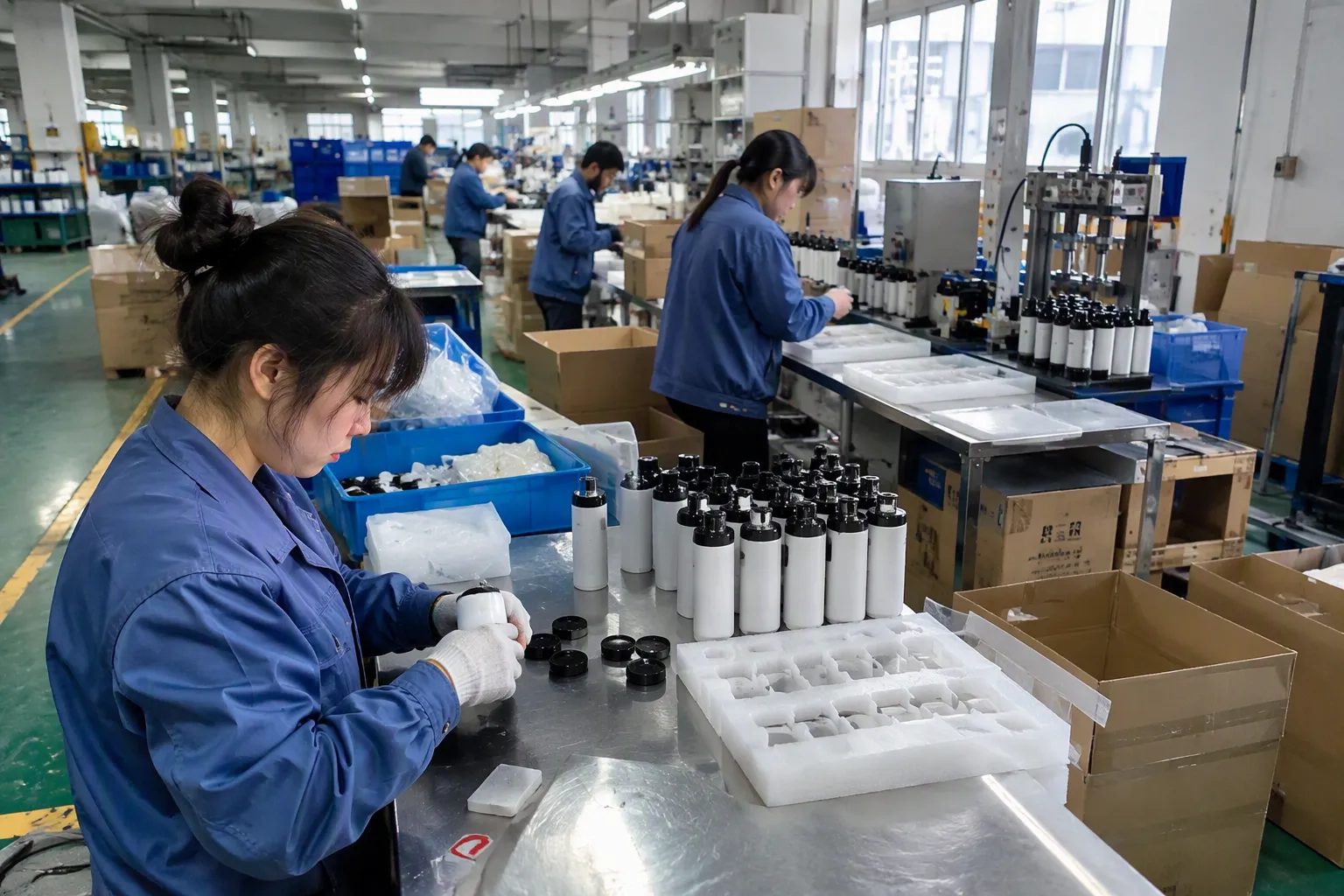
I do not see this as a simple choice between “good factories” and “bad middlemen.” China has many capable factories, and direct purchasing can work very well. The real question is whether the supplier model fits the order complexity, the buyer’s internal resources, and the total procurement risk.
Why Can a Trading Company Be the Better Choice Than a Factory in China?
A buyer may focus on obtaining the lowest factory price, especially when comparing quotations for the first time. That focus is understandable. However, a low unit price can become less attractive when I add separate MOQs, production schedules, communication time, inspections, packaging coordination, and freight arrangements across several suppliers.
A trading company can be the better choice because it can coordinate purchasing work that no single factory is designed to handle. For multi-SKU orders, a transparent trading partner may reduce management workload, help align delivery schedules, consolidate products, and present clearer trade-offs between price, MOQ, lead time, and supplier capability.
A Factory and a Trading Company Solve Different Problems
I encourage buyers to start with the practical role each supplier plays rather than the label on its business license.
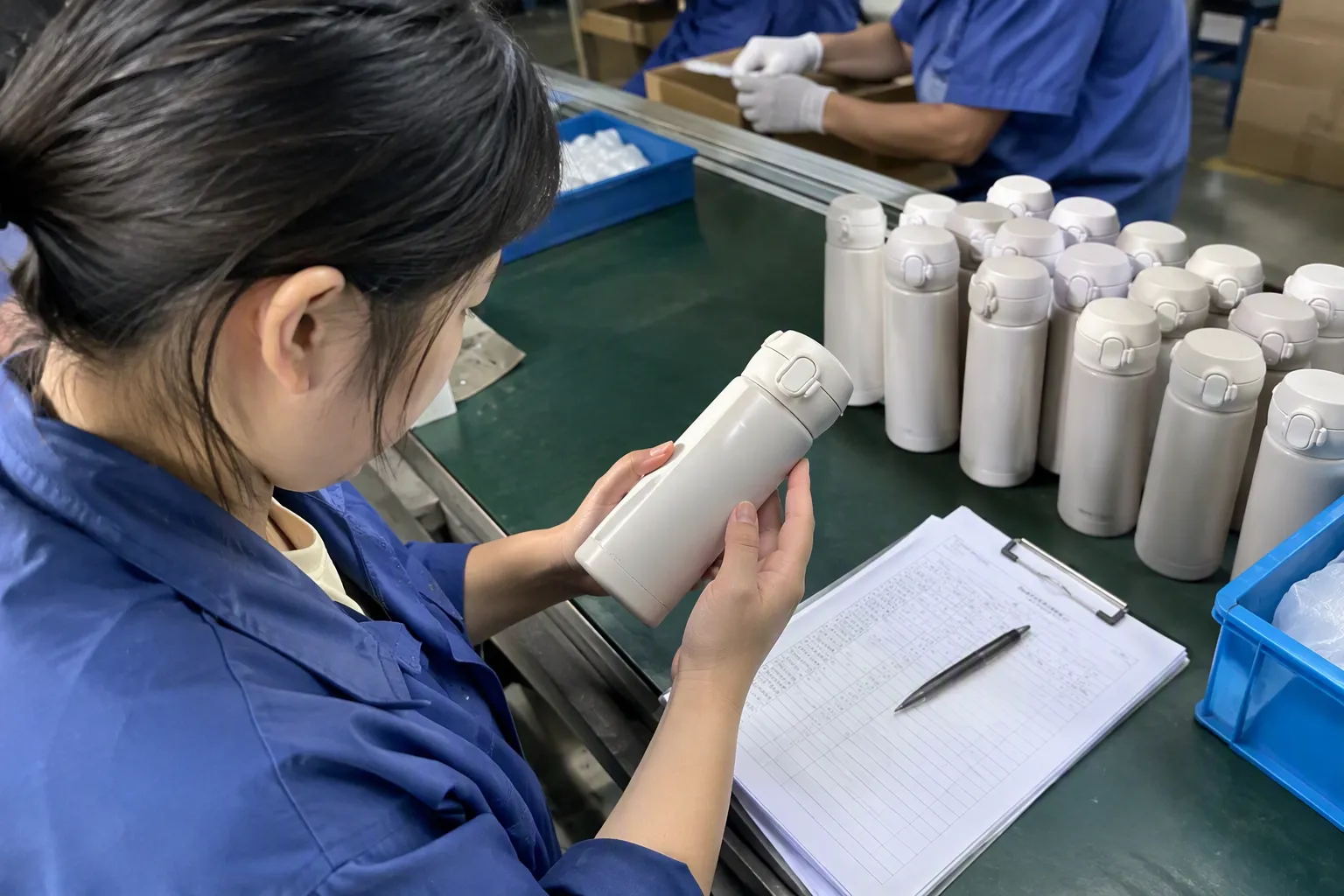
A factory is usually organized around making a defined product category. It may have production equipment, engineering staff, raw-material sources, quality processes, and established methods for a limited range of products. For example, a cable factory may be strong at USB-C cables, while a packaging factory may focus on gift boxes, and a silicone-product factory may specialize in molded accessories.
A trading company may not manufacture the products itself. Instead, it may coordinate suppliers, compare options, follow production, arrange inspections, consolidate orders, and organize shipping. The value depends on how transparently and competently it performs those tasks.
Neither model automatically produces a better result. I have seen that the right choice depends on the purchasing situation.
| Buying situation | Factory-direct sourcing | Trading company sourcing |
|---|---|---|
| One stable product | Often a strong fit | May be useful, but not always necessary |
| High repeat volume | Often suitable if buyer can manage the relationship | Useful if coordination support is still needed |
| Many unrelated SKUs | Can require several separate factories | Often practical for centralized coordination |
| Small test orders | Factory MOQ may be restrictive | May offer more flexible supplier options |
| Customized packaging across products | Buyer must align each factory | Partner can help standardize requirements |
| Limited China purchasing team | Management burden can be high | Can act as a local coordination point |
| Multi-factory shipment | Buyer manages separate deliveries | Can support consolidation and export preparation |
The distinction matters because a factory can be excellent at manufacturing while still being unable to solve a buyer’s broader purchasing workflow.
I look at sourcing as a system. A supplier quote is only one part of that system.
Why Is the Lowest Factory Quote Not Always the Lowest Total Cost?
I often compare quotations, MOQs, and lead times for overseas buyers, and I find that the headline unit price rarely tells the full procurement story. Ex-factory pricing is useful, but it does not include every cost or risk the buyer must manage before products reach the final destination.[3]
The total procurement cost can include direct spending, internal labor, avoidable rework, storage pressure, shipment fragmentation, and delays caused by supplier coordination problems. Not every cost can be calculated precisely before an order begins, but buyers should identify the likely cost drivers.
Costs That Are Easy to Miss
A factory quote may exclude or complicate the following areas:
- Separate minimum order quantities for each product
- Sampling from multiple factories
- Different payment schedules and payment recipients
- Separate packaging instructions for each supplier
- Artwork approval and label placement checks
- Communication across time zones
- Production follow-up for several timelines
- Third-party or in-house inspections at different locations
- Domestic transport to a consolidation warehouse
- Storage while waiting for late products
- Partial shipments and additional freight charges
- Rework or relabeling when products arrive inconsistently packed
For a single product, these tasks may be manageable. For a catalog of 10, 30, or 100 SKUs, the work can become a substantial operational responsibility.[4]
A Simple Total-Cost Comparison
I recommend that buyers compare alternatives using a wider framework than unit price alone.
| Cost or risk area | Factory-direct approach | Coordinated trading company approach |
|---|---|---|
| Unit price | May be lower for a specific product | May include a service margin |
| Supplier management | Buyer manages each relationship | Partner may centralize communication |
| MOQ planning | Separate MOQ per factory | Partner may help combine purchasing plans |
| Packaging consistency | Buyer coordinates each supplier | Partner can help apply shared requirements |
| Inspection coverage | Buyer arranges per factory | Partner may coordinate inspection workflow |
| Consolidation | Buyer books domestic transfers and warehousing | Partner may manage collection and consolidation |
| Delivery alignment | Buyer follows multiple schedules | Partner can monitor order readiness |
| Transparency | Depends on buyer’s direct access and documentation | Should be verified through clear quotations and reporting |
I do not suggest that buyers assume a trading company will always create savings. That would not be accurate. A partner may charge more than a direct factory for a particular item. The key question is whether the added cost is justified by reduced workload, better coordination, clearer information, and a lower chance of expensive disruption.
Why Do Multi-SKU Orders Create a Structural Problem?
Many e-commerce sellers, wholesalers, and private-label brands do not buy one product from one factory. They may need electronics accessories, promotional inserts, branded packaging, retail labels, and seasonal items in the same purchasing cycle.
A buyer may want a “factory-direct” solution, but no individual factory may produce every item well. The buyer then has to work with several factories anyway. This is where I see the biggest structural mismatch between the ideal of direct sourcing and the reality of a mixed product order.
A multi-SKU buyer often needs a purchasing coordinator because each additional factory creates another MOQ, lead time, payment, quality-control point, and domestic delivery schedule[5]. A trading company can help manage these moving parts, provided it communicates supplier choices and trade-offs clearly.
What Happens When One Order Uses Several Factories?
Let us take a typical private-label order with five components:
- A consumer electronic accessory
- A branded retail box
- A product insert
- A protective pouch
- A carton label and shipping mark
These parts may come from five different suppliers. Even if the product factory offers to source the packaging, that factory may outsource the work or apply its own markup. It may also prioritize its core production schedule over a buyer’s complete launch schedule.
When I coordinate multi-supplier purchasing, I need to ask questions that are easy to overlook:
- Has every supplier received the same approved artwork version?
- Does each supplier understand the packaging tolerance and labeling position?
- Will all products be ready before the target consolidation date?
- Can the cartons be safely combined for export?
- Does the warehouse need to perform 1-by-1 checking, kitting, relabeling, or repacking?
- Which supplier owns the responsibility if packaging is incompatible with the final product?
- Is the buyer willing to ship part of the order early if one factory is late?
A useful trading company should not hide these questions. It should make them visible early, when the buyer still has choices.
Can a Trading Company Improve Transparency Rather Than Reduce It?
Some buyers worry that a trading company will reduce visibility into the supply chain. That concern is reasonable. A weak intermediary can create distance between the buyer and the actual producer, blur the source of a quotation, or make it harder to compare alternatives.[6]
However, I believe the better distinction is not “factory versus middleman.” It is direct supplier relationship versus transparent purchasing coordination.
A trading company can add real value when it provides understandable information and allows the buyer to make informed decisions. I consider the following signs important when evaluating a sourcing partner.
What Transparent Coordination Should Look Like
A capable trading company or sourcing partner should be able to explain:
- Whether it is quoting from one factory or comparing several options
- The supplier type and relevant product capability
- MOQ differences between factories
- Material, packaging, or specification differences that affect price
- Expected sample and production lead times
- Payment terms and quotation validity
- Domestic shipping and consolidation assumptions
- Inspection scope and acceptance criteria
- Risks that could affect the schedule
- Which requirements remain unconfirmed
I also recommend that buyers ask for quotations in a format they can compare. A vague all-inclusive price may appear convenient, but it can make decision-making difficult.
For example, a clear quotation can separate:
| Quotation element | Why it matters |
|---|---|
| Product unit price | Allows comparison of base cost |
| Packaging cost | Shows whether custom boxes or labels are included |
| Tooling or sample fees | Clarifies one-time development expenses |
| MOQ | Reveals inventory commitment |
| Lead time | Supports launch and replenishment planning |
| Inspection cost | Defines quality-control coverage |
| Consolidation or warehouse cost | Shows multi-supplier handling requirements |
| Shipping term | Prevents confusion between EXW, FOB, DDP, and other terms |
Transparency does not mean that every supplier relationship must be disclosed in the same way for every order. Commercial confidentiality can exist. Still, the buyer should understand what they are paying for and what trade-offs they are accepting.
When Is Factory-Direct Purchasing the Better Choice?
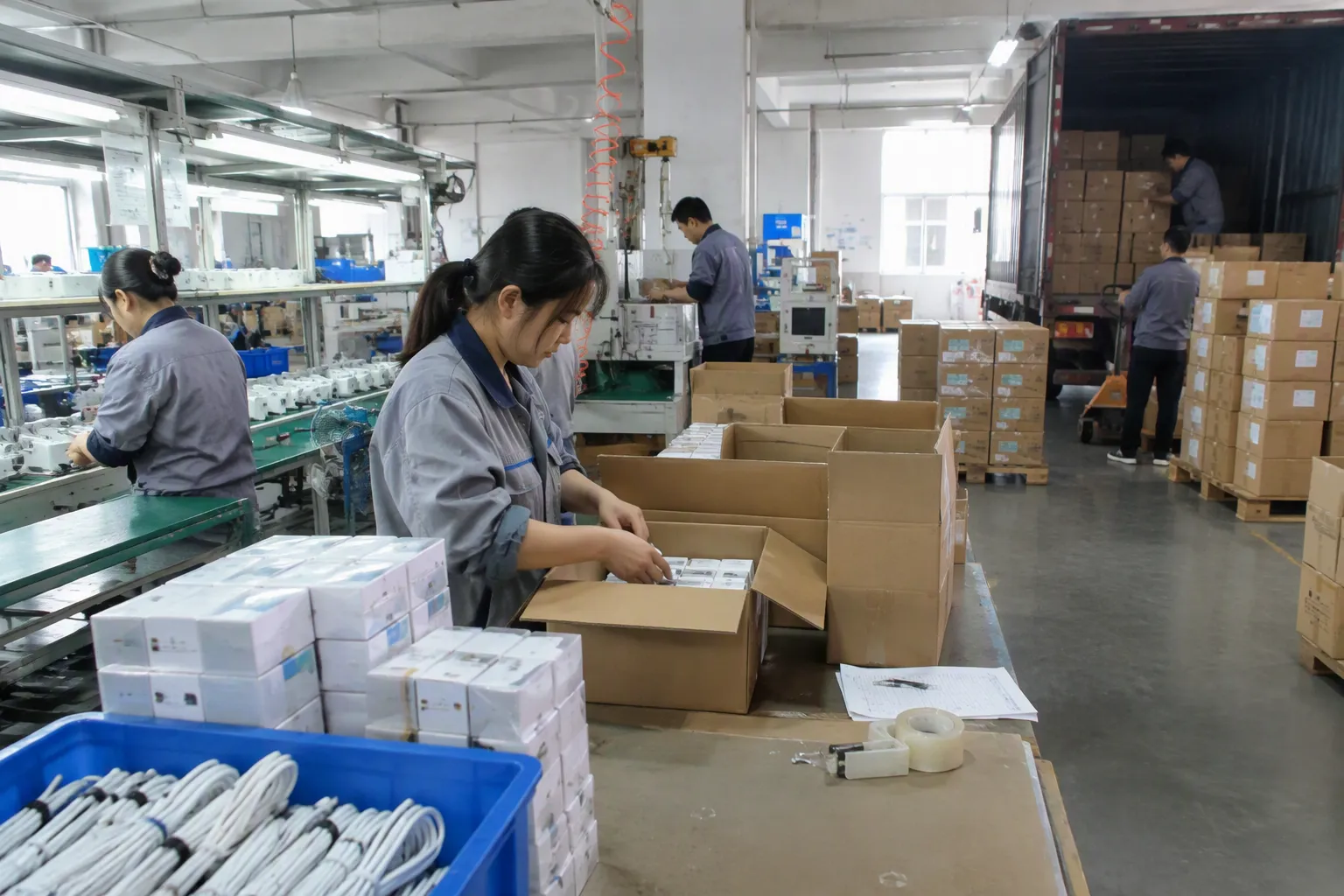
I do not advise buyers to use a trading company simply because they are sourcing in China. Factory-direct purchasing can be a very strong strategy under the right conditions.
Factory-direct sourcing is usually a good fit for repeat orders of one established product, especially when the buyer has reliable specifications, purchasing staff, quality processes, and enough volume to meet the factory’s preferred MOQ and production terms.
Conditions That Support Direct Factory Buying
Factory-direct sourcing may be the better route when:
- The buyer purchases one core product or a narrow product family
- The buyer places regular, predictable orders
- The factory has proven capability in that exact product category
- Product drawings, samples, materials, and specifications are well controlled
- The buyer can communicate directly and resolve technical questions efficiently
- The buyer can arrange independent inspections where needed
- The buyer has staff or a local representative to manage production follow-up
- Packaging and shipping requirements are standardized
- The order volume supports the factory’s normal production planning
In these situations, direct factory communication can shorten decision paths and help the buyer build deeper product knowledge over time.
Still, I suggest verifying the factory rather than relying only on its online profile. Buyers can request business documentation, production information, sample evaluation, product test records where relevant, and an audit or qualified third-party review when the application justifies it. Documentation should be checked, not assumed.
How Should Buyers Evaluate a Trading Company in China?
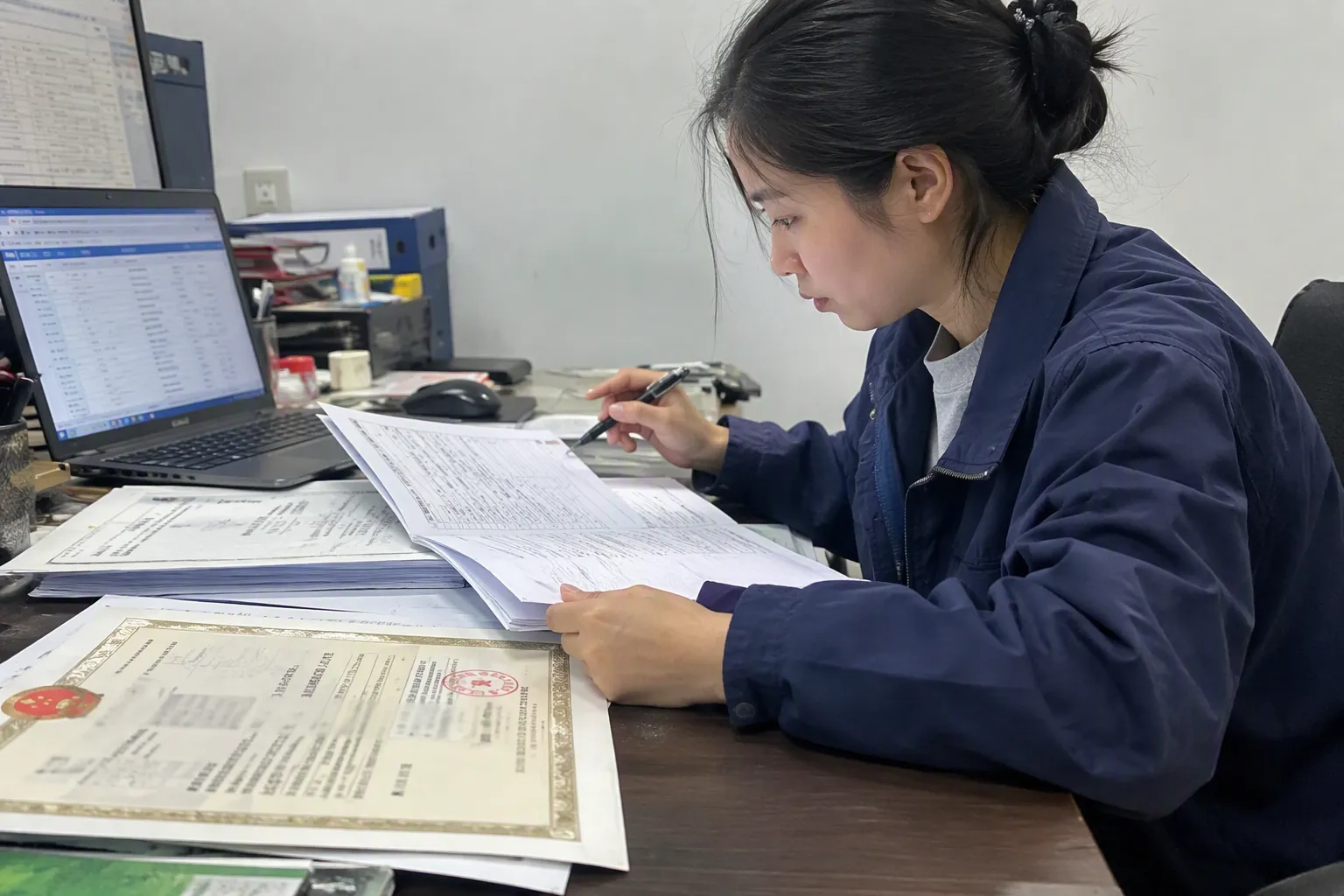
A buyer should evaluate a trading company with the same care used for a factory. The company may be handling supplier selection, quality coordination, payments, warehousing, and shipment preparation. That makes due diligence especially important.
I recommend assessing the partner’s process, communication quality, and willingness to clarify details before placing a large order.
Questions I Would Ask Before Choosing a Partner
-
How do you select and verify suppliers?
I would ask whether the company conducts factory checks, reviews business records, evaluates samples, or uses other verification methods. -
Can you compare more than one quotation when appropriate?
A buyer should understand whether the proposed option is the only option or the best match among several suppliers. -
How do you manage product quality?
The answer should define inspection timing, sample approval, defect standards, reporting, and any 1-by-1 checking requirements. -
How do you handle multi-supplier consolidation?
I would ask about warehouse receiving, quantity checking, carton condition, storage periods, repacking, labeling, and shipping preparation. -
Who manages packaging files and approval versions?
Packaging mistakes often come from version-control problems.[7] The workflow should be clear before production starts. -
What happens if one supplier misses the target date?
No partner can guarantee that every factory will always meet every schedule. Still, the partner should explain how it monitors progress and presents options if delays occur. -
What reporting will I receive?
Buyers should ask for order status updates, inspection reports, photo records, shipment details, and clear communication on unresolved issues.
At KingSourcing, I focus on making these supplier and order details more manageable for overseas buyers. Our work can include supplier sourcing and verification, quotation comparison, sample coordination, production follow-up, quality inspection, packaging support, warehousing, and multi-supplier consolidation. The appropriate scope depends on the buyer’s order and internal capabilities.
Trading Company FAQs: What Should China Buyers Know
Is a trading company cheaper than buying directly from a factory?
A trading company is not always cheaper on unit price. A direct factory may quote less for a specific item. However, buyers should compare total procurement cost, including coordination time, separate MOQs, inspections, domestic shipping, packaging management, consolidation, and delivery risk.
Can I work with both a factory and a trading company?
Yes. I often see a mixed approach make sense. A buyer may purchase a core, high-volume product directly from a factory while using a trading company to source accessories, packaging, promotional items, or other products that require multi-supplier coordination.
How can I tell whether a trading company is transparent?
I would look for clear quotations, realistic lead times, defined quality-control steps, understandable MOQ explanations, and open discussion of trade-offs. A reliable partner should not pressure the buyer to accept vague pricing or unclear supplier arrangements without enough supporting information.
Should a small e-commerce seller use a trading company in China?
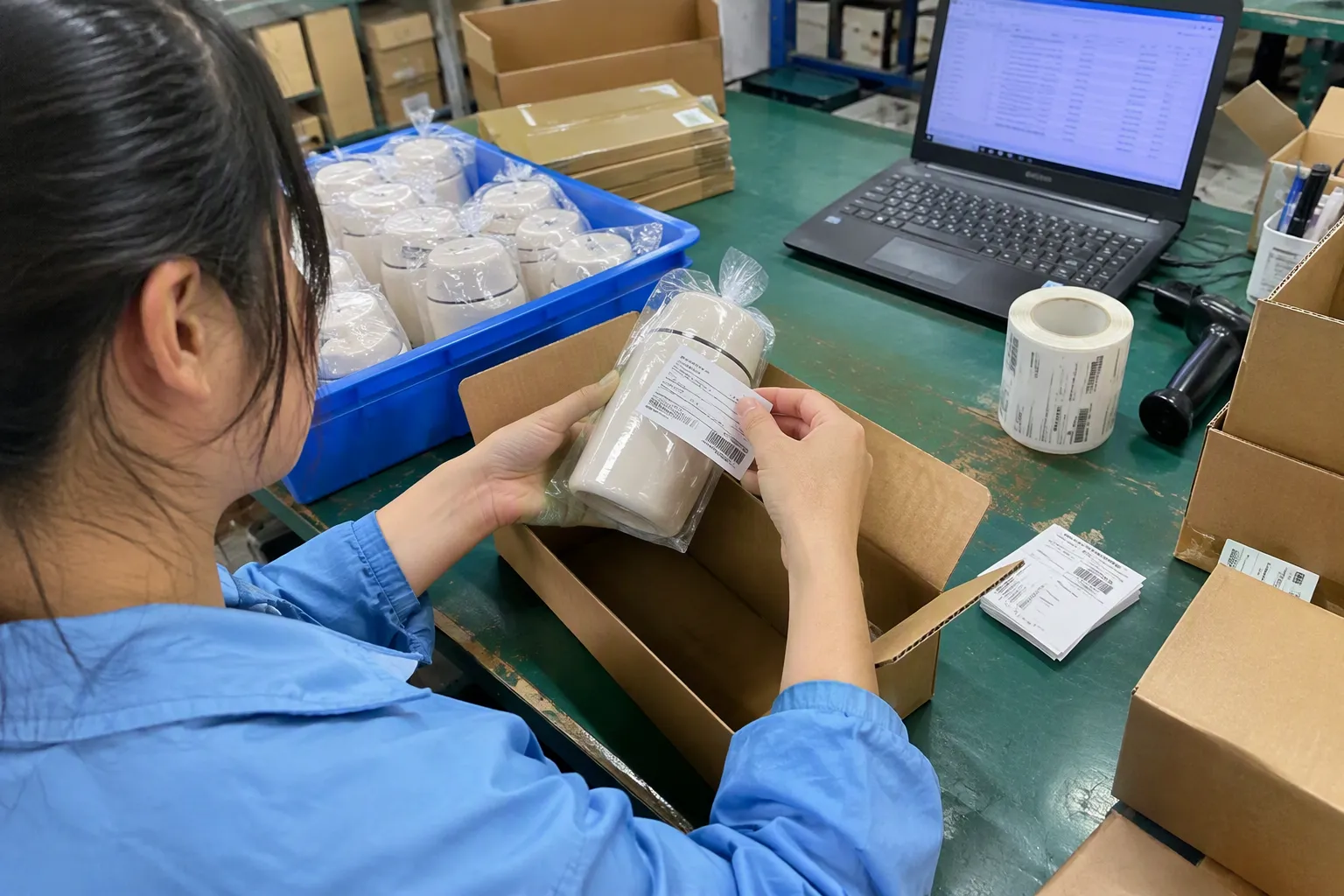
A small seller may benefit when the order includes several SKUs, customized packaging, low-volume testing, or a need for consolidation. However, the seller should still compare options carefully and confirm the partner’s fee structure, inspection process, and shipment responsibilities.
Does factory-direct sourcing remove quality risk?
No. Direct communication with a factory can be valuable, but it does not replace clear specifications, approved samples, production follow-up, and appropriate inspection. Buyers should define quality requirements in writing and consider qualified professional evaluation for product-specific or regulated applications.
Conclusion: Choosing a Trading Company or Factory in China
A trading company can be the better choice when the buyer needs more than a low product quote. Multi-SKU sourcing, separate factory MOQs, packaging alignment, inspection planning, order consolidation, and shipping coordination all affect the real cost and risk of purchasing from China. At the same time, a direct factory relationship can be highly effective for stable, high-volume products with clear specifications and strong internal purchasing capacity. If you need help comparing China supplier options and managing a complex purchasing workflow, I invite you to contact KingSourcing for practical sourcing and procurement support.
Sources
- Supply chain resilience: A review from the inventory management ...", Supply-chain research describes how coordinating multiple suppliers increases information, scheduling, and quality-management demands, which can contribute to additional operational cost and delivery risk
- Avoid the Pitfalls in Supplier Development", Procurement literature commonly associates direct supplier relationships with standardized requirements, predictable demand, and sufficient purchasing volume to support ongoing supplier management
- Know Your Incoterms", Under Incoterms® EXW, the seller makes goods available at the named place, while the buyer assumes responsibility for collection and the subsequent transport arrangements and associated risks
- [PDF] How Competition, Customization, and Niche Markets Have Affected ...", Operations-management research finds that greater product variety and supply-network complexity increase planning, inventory-control, and coordination requirements
- [PDF] Embracing supply base complexity: The contingency role of strategic ...", Supply-chain studies show that a larger supplier base creates additional coordination interfaces, complicating the management of lead times, quality controls, logistics, and commercial terms
- [PDF] Enhancing Resilience Through Traceability | OECD", Research on supply-chain transparency notes that intermediated purchasing arrangements can create information asymmetries between buyers and upstream producers
- Quality System Regulation Labeling Requirements - FDA", Quality-management systems require control of documented information so that current approved versions are available where needed and unintended use of obsolete versions is prevented
- Avoid the Pitfalls in Supplier Development", Buyer-supplier relationship research emphasizes clear specifications, reliable demand information, and buyer capability in supplier and quality management as conditions supporting effective direct collaboration