Quick Answer
When I help buyers decide whether to pay balance to a Chinese supplier, I often see the same problem: the factory says production is finished, but the buyer cannot see whether the full order truly meets the agreed standard. Paying too early can remove useful leverage. I recommend releasing the balance only after reviewing order-specific evidence.
The right time to pay balance to a Chinese supplier is usually after the agreed goods have been inspected or otherwise verified within the agreed scope, quantity and packaging are confirmed, known issues are resolved or documented, and the shipment plan is clear. A supplier’s “goods ready” message and finished-product photos are useful signals, but they are not proof on their own.[1]
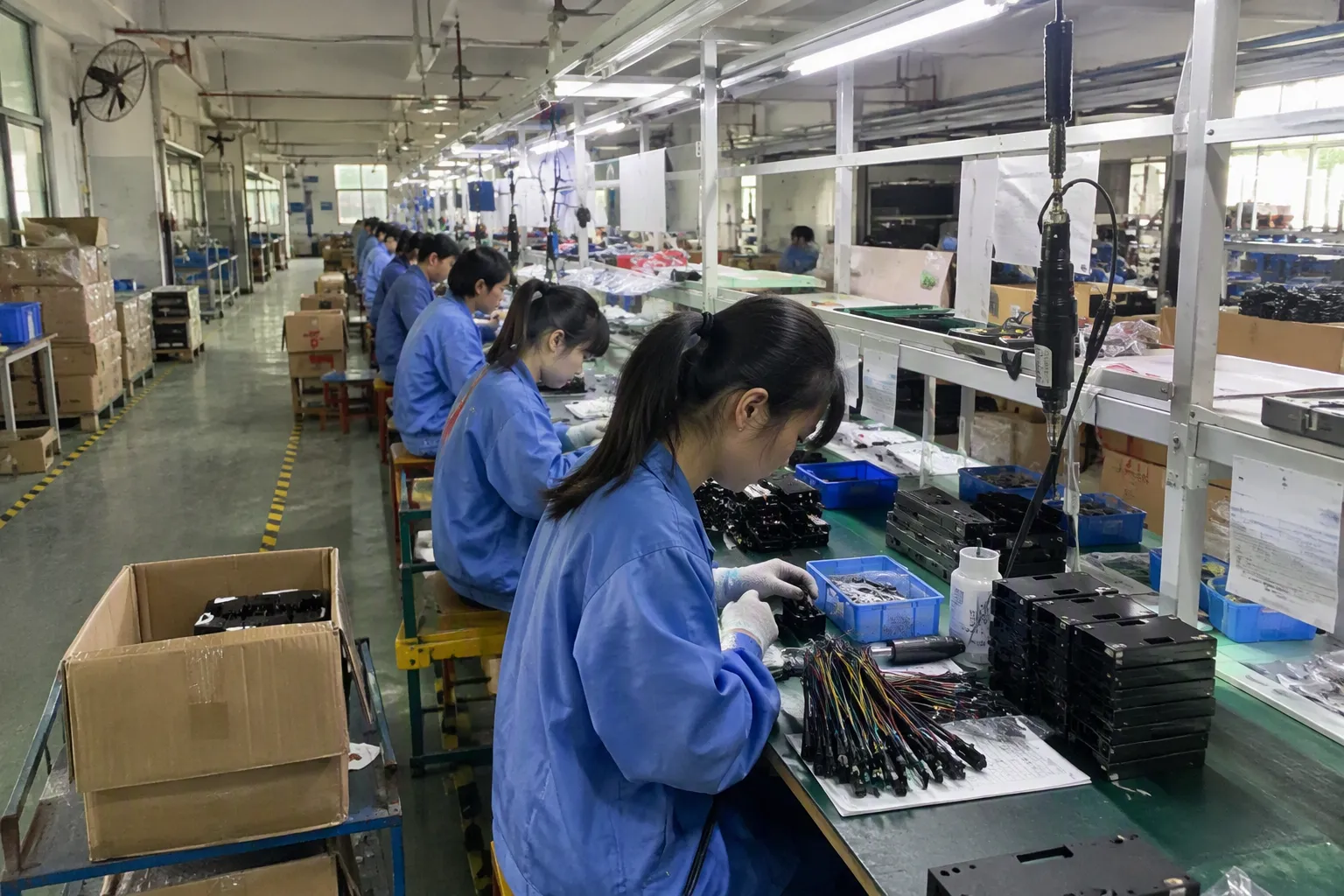
I do not use one fixed payment date for every order. The right decision depends on the product, payment terms, inspection arrangement, supplier relationship, shipping method, and evidence available. Still, I find that a structured pre-payment review gives overseas buyers a much safer basis for making the decision.
Is the Right Time to Pay Balance to a Chinese Supplier When the Supplier Says Production Is Finished?
A supplier may say that an order is complete because the production line has finished making the products. However, unfinished packaging, uncounted cartons, missing labels, or unresolved defects can still create problems.[2] I encourage buyers to treat a completion notice as the beginning of verification, not as the final payment trigger.
The right time to pay balance to a Chinese supplier is not simply when the supplier says production is complete. I recommend paying after the buyer has evidence that the agreed quantity, quality, product specifications, packaging, labels, and shipment readiness have been checked according to the order’s agreed requirements.

“Production completed” can mean different things
In China sourcing, the phrase “production completed” can have several meanings. A supplier may mean that the main products are assembled. Another supplier may mean that the goods are packed and ready for collection. A third may use the phrase when most of the order is finished but some accessories, cartons, inserts, or labels are still pending.
This does not automatically mean that the supplier is being dishonest. Factories often communicate quickly, especially when they want to secure a payment or schedule shipment. However, I do not think buyers should rely on a broad phrase when the commercial decision involves the remaining balance of an order.
A practical buyer should ask: completed according to which checklist?
For a typical consumer product order, the real completion standard may include:
- Correct product model, color, material, and configuration
- Required quantity by SKU, size, color, or variation
- Functional performance within the agreed standard
- Correct logo, artwork, private-label elements, or printing
- Approved retail box, carton, polybag, insert, or accessory set
- Required barcode, warning label, country-of-origin mark, or shipping mark
- Correct carton count, carton dimensions, gross weight, and packing ratio
- Goods packed safely enough for the planned transport method
- Agreed inspection completed, if an inspection was part of the process
- A clear next step for cargo collection, warehouse delivery, or shipment booking
I have seen recurring situations in orders we have followed where suppliers send a few attractive photos of finished items on a table. Those photos can show that the factory made some products. They rarely confirm that every carton contains the correct quantity, every SKU is present, or the final packaging matches the approved artwork.
Why supplier photos are helpful but incomplete
I value supplier photos because they can show progress and help identify obvious mistakes early. For example, a photo can reveal an incorrect logo position, the wrong product color, or a missing accessory. I still view photos as preliminary evidence.
Photos have natural limits:[3]
| What supplier photos may show | What photos often cannot prove |
|---|---|
| A finished product exists | The full order quantity is complete |
| A product appears similar to the sample | All units meet the same standard |
| Basic color, shape, or logo appearance | Functional performance across a shipment |
| Some packaging materials are available | Every SKU has correct labels and inserts |
| Cartons are present | Carton counts, contents, and packing ratio are correct |
| Goods look ready in one area | The goods are ready for the agreed shipping step |
A factory may photograph the best-looking units. That is understandable from a sales perspective, but it does not give a buyer the same confidence as an agreed inspection process, clear packing information, and documented resolution of issues.
I suggest requesting targeted evidence rather than asking for “more photos” in general. Specific requests are easier to review and harder to misunderstand. For example, I may ask for:
- Photos of each SKU and color variation.
- Photos of final retail packaging from several angles.
- Photos of barcode labels, carton marks, and warning labels.
- A packing list showing quantities by SKU and carton.
- Photos or video showing carton sealing and palletizing, where relevant.
- A clear statement of what remains to be completed before pickup.
Use the agreed order requirements as the payment standard
Before paying a supplier balance, I return to the documents and messages that define the order. Buyers should not judge the finished order only by memory or by a verbal understanding from several weeks earlier.
The relevant requirements may be spread across:
- Purchase order or proforma invoice
- Approved quotation
- Product specification sheet
- Sample approval records
- Artwork files and packaging layouts
- Email or messaging-app confirmations
- Inspection checklist
- Shipping instructions
- Labeling and carton-mark requirements
I recommend turning those requirements into a simple pre-balance checklist. This is especially important for OEM, ODM, private-label, multi-SKU, and e-commerce orders, where small details can matter as much as the product itself.
I find that payment decisions become clearer when the buyer stops asking, “Do the goods look finished?” and starts asking, “Can I verify that the agreed order is ready for the next committed step?”
A practical pre-balance evidence check
I use a structured review because it separates supplier pressure from the buyer’s evidence. A payment request may be completely normal. The key question is whether the request is supported by what the buyer and supplier previously agreed.
1. Confirm the quantity
Quantity errors are common in international sourcing because an order can contain many models, colors, accessories, and packaging variations.[8] A total unit count alone may not be enough.
I recommend confirming:
- Total ordered quantity
- Quantity completed for each SKU
- Quantity packed per carton
- Number of cartons
- Any spare units or agreed overproduction
- Any shortage, replacement quantity, or rejected units
- Whether accessories are counted separately
For an order with five color variants, “10,000 units completed” does not confirm that the correct color mix is available. Buyers should compare the final packing list with the purchase order.
2. Review quality evidence within the agreed scope
A pre-shipment inspection can provide meaningful evidence before a balance payment.[4] However, I do not treat an inspection pass as an absolute guarantee.[5] Its value depends on the timing, sample size, inspection scope, standards used, and whether the checked goods genuinely represent the shipment.[6]
For example, an inspection may identify:
- Visible workmanship defects
- Product dimensions or basic measurements
- Function checks for selected samples
- Color and appearance consistency
- Packaging condition
- Barcode or label presence
- Carton count and shipping marks
- Assortment verification
But an inspection may not evaluate every possible performance issue, long-term durability, regulatory requirement, or hidden defect.[7] It also may not cover every unit. Buyers should read the actual inspection report and understand what was inspected rather than relying only on the word “passed.”
In the orders I have followed, I find that the most useful inspection reports are specific. They state the inspection date, quantity available, quantity inspected, defects found, test methods used where applicable, photos, carton details, and the overall result against the agreed criteria.
3. Check packaging and labeling before funds are released
Packaging is not a minor finishing detail. For many importers, packaging carries brand information, required warnings, barcodes, product instructions, and customer-facing presentation. A product can be acceptable while its retail box, insert, carton mark, or labeling is wrong.
I recommend checking the final version of:
- Retail box or branded packaging
- Product label and logo placement
- Barcode format and scannability, if relevant
- Instruction manual or language inserts
- Warning labels and required marks specified by the buyer
- Inner packing and protective materials
- Master carton markings
- Carton strength and sealing method
- Pallet requirements, if applicable
I would not assume that an approved packaging sample guarantees that all production packaging follows the same version. Artwork revisions can be missed. A supplier may also use old cartons if the instruction was not clear. These issues are easier to correct before goods leave the factory or enter a consolidation warehouse.
4. Resolve discrepancies, not just report them
An inspection report with findings is not necessarily a reason to cancel payment. It is a reason to make a commercial decision based on the severity of the findings and the agreed acceptance standard.
I generally see three possible paths:
| Situation | Practical next step |
|---|---|
| Minor issue within the buyer’s agreed tolerance | Document acceptance and proceed if shipment readiness is clear |
| Correctable issue affecting part of the order | Ask for rework, re-packing, replacement, or a defined corrective action |
| Material issue affecting quality, quantity, or usability | Pause payment while the parties clarify correction, reinspection, credit, or another agreed solution |
The important point is that buyers should not leave defects in vague language. “Supplier will improve” is not a complete resolution. I prefer a written record that states what will be corrected, how many units are affected, who will check the correction, and whether a reinspection is needed.
5. Make sure the shipment step is actually defined
Payment and shipping are closely connected, but they are not the same decision. Before I recommend a buyer release the final payment, I want the next operational step to be clear.
That may include:
- Who will collect the goods
- Whether goods will go to a freight forwarder or consolidation warehouse
- The planned pickup date
- Required shipping documents
- Final carton count, dimensions, and weight
- Whether the freight forwarder has received booking instructions
- Whether the supplier must provide export-related paperwork or commercial documents
- Whether the buyer has reviewed the shipping cost basis
I do not make universal claims about cargo control, bills of lading, bank arrangements, or legal rights because these can vary by transaction, Incoterm, carrier, payment method, and documentation. Buyers should verify those details with their freight forwarder, bank, customs adviser, or qualified professional when needed.
What should you do when the evidence is incomplete?
A shipping deadline can make buyers feel that they must pay immediately. A supplier may say that warehouse charges will begin, containers are limited, or the factory needs the balance to release goods. These may be legitimate business concerns. Still, urgency does not replace evidence.
When information is missing, I recommend choosing one of three actions: pause, clarify, or negotiate.
Pause when a material issue remains unresolved
A pause can be appropriate when the buyer does not know whether the goods meet a key requirement. For example, I would pause and investigate when:
- The inspection has not happened despite an agreed inspection requirement
- Quantity cannot be matched to the order
- Product defects are significant or unexplained
- Packaging or labels differ from approved files
- The supplier cannot identify which cartons contain which SKUs
- The shipment plan is unclear
- A supplier asks for payment but cannot provide basic completion evidence
A pause should be professional and specific. Buyers can explain that they need the missing information before approving payment. A vague refusal can create unnecessary conflict, while a documented list of open points keeps the conversation focused.
Clarify when the issue may be administrative
Some problems are not quality failures. A packing list may have a typo. A photo may be missing. The factory may have completed the goods but not yet received the freight forwarder’s label format. In those cases, I ask targeted questions and request revised documentation.
A useful clarification message may include:
- The exact document or photo required
- The specific SKU, carton, or label in question
- The expected response date
- The buyer’s agreed acceptance standard
- Whether payment approval depends on the response
This approach gives suppliers a fair opportunity to provide the needed evidence.
Negotiate the next step when the order is mostly ready
Sometimes the order is substantially complete, but a small part needs rework or replacement. The best next step depends on the value of the issue, the shipping deadline, the supplier relationship, and the buyer’s tolerance for risk.
Possible arrangements can include:
- Rework before pickup, followed by confirmation
- Replacement units shipped with the main order
- A reinspection of corrected goods
- A documented deduction or credit, if both parties agree
- Separating complete goods from delayed goods
- Delaying shipment until the full order meets the agreed requirements
I recommend documenting any variation from the original arrangement in writing. A buyer should understand what has been accepted, what remains outstanding, and who is responsible for the follow-up.
A balanced approach protects the supplier relationship too
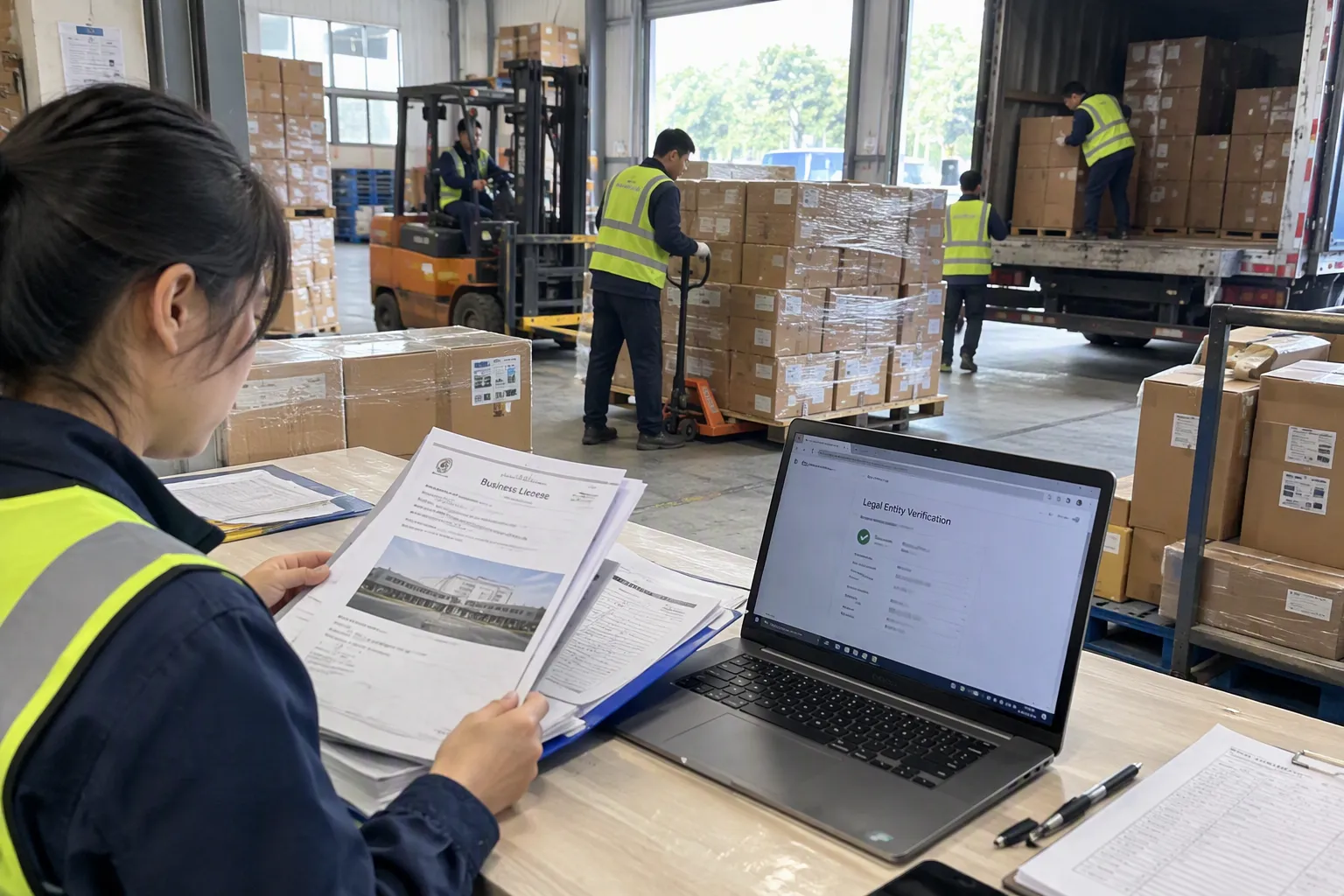
I do not advise buyers to assume that every payment reminder is suspicious. Suppliers have cash-flow needs, material costs, labor costs, warehouse constraints, and shipping schedules. A reasonable supplier may be waiting for balance payment because that was the agreed commercial term.
The goal is not to create distrust. The goal is to connect payment to evidence and agreed milestones.
A clear process can actually improve the supplier relationship because both sides know what is expected. The supplier knows that the buyer will review a defined checklist. The buyer knows that payment approval will not depend on last-minute assumptions. Over time, this can reduce disputes, rushed inspection decisions, and arguments about what “finished” means.
For repeat orders, I suggest building a standard payment-release workflow that both sides can follow:
- Confirm the approved sample and specification before production.
- Define inspection timing and scope before the order is finished.
- Confirm packaging, labeling, and carton requirements early.
- Request a final packing list and production-completion notice.
- Complete inspection or agreed verification.
- Document corrective actions, if any.
- Confirm shipment readiness and handover instructions.
- Approve payment based on the evidence available.
This workflow does not eliminate commercial risk. It does give buyers a more disciplined way to decide when the available risk is acceptable.
Frequently Asked Questions About Paying Balance to a Chinese Supplier
Should I pay the balance before shipment from China?
I recommend reviewing the agreed payment terms and the available verification evidence first. In many transactions, suppliers request the balance before releasing goods for shipment. However, I would not treat that request alone as proof that the order is correct. Inspection results, packing details, and shipment readiness should support the decision.
Is a pre-shipment inspection enough before I pay balance to a Chinese supplier?
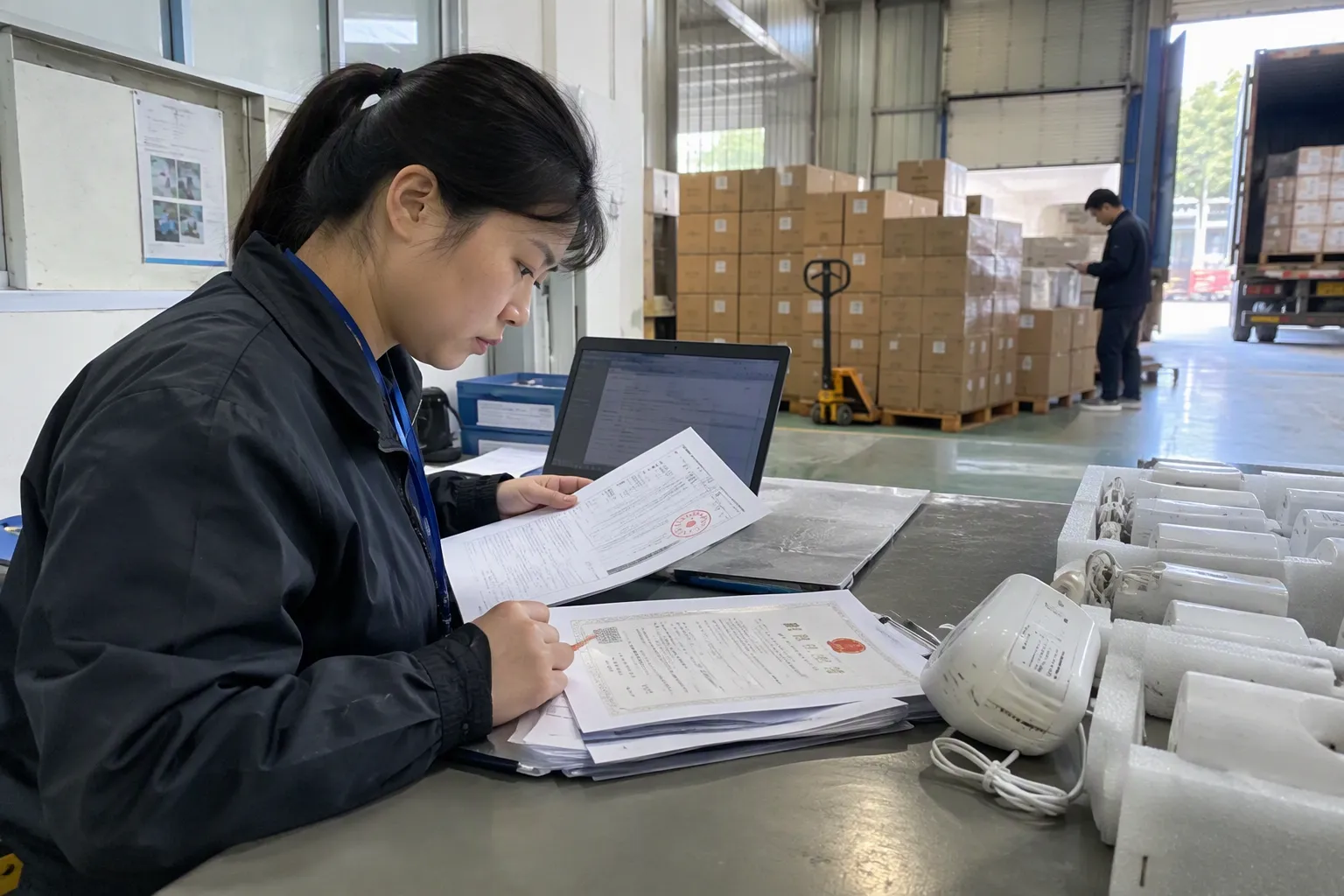
A pre-shipment inspection is valuable evidence, but I do not consider it a complete guarantee. Its meaning depends on the inspection scope, sample size, timing, criteria, and condition of the goods inspected. Buyers should also review quantities, packaging, labels, unresolved issues, and the planned shipment process.
Can I rely on photos from my Chinese supplier?
I see supplier photos as useful progress evidence, especially for checking visible details such as color, logo placement, and packaging appearance. However, photos usually cannot prove full quantity, consistent quality across all units, correct SKU assortment, or final carton contents. I recommend combining photos with documents and inspection evidence.
What if the supplier pressures me to pay the balance quickly?
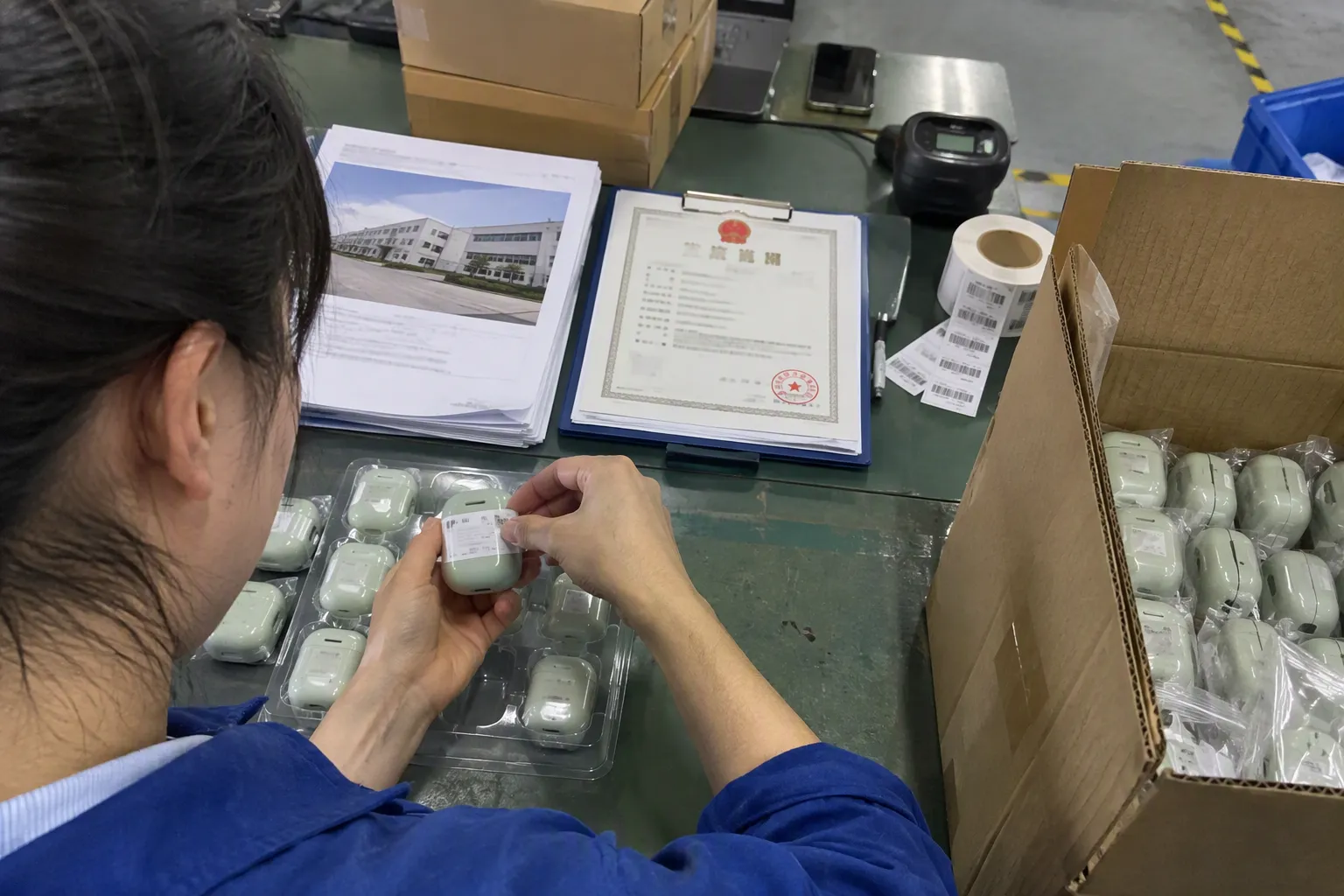
I recommend staying calm and asking for the specific evidence that is still missing. A supplier’s urgency may relate to normal production, storage, or shipping concerns, so I would not automatically assume bad intent. Still, buyers should not release funds solely because of pressure or a vague shipping deadline.
What documents should I review before final supplier payment?
I usually review the purchase order, approved specifications, final packing list, inspection report if applicable, photos of packaging and labels, records of any corrective action, and shipment instructions. The exact document set varies by order, but it should show that the completed goods match the buyer’s agreed requirements and are ready for the next step.
Conclusion: When Should You Pay Balance to a Chinese Supplier
I believe the safest time to pay balance to a Chinese supplier is when the decision is supported by evidence, not just by a production-completion message. I recommend confirming quantity, quality checks, packaging, labels, discrepancy resolution, and shipment readiness against the agreed order requirements. Inspection can strengthen the decision, but it does not remove every risk. If key evidence is missing, I would pause, clarify, or negotiate a documented next step. At KingSourcing, I help overseas buyers verify suppliers, follow production, inspect goods, consolidate orders, and prepare shipments with a clearer procurement process.
Sources
- 6.2.1. What is Acceptance Sampling?", Quality-assurance guidance distinguishes supplier declarations and visual review from verification methods that examine conformity against defined requirements, often using documented and representative checks
- Special Documents - International Trade Administration", Official import and product-compliance guidance recognizes packaging, labeling, and accompanying documentation as requirements that may affect the lawful movement and sale of goods
- [PDF] Toward Standardization and Consistency of Visible Particle Testing", Inspection methodology treats photographs and visual examination as evidence of observable conditions, while quantity, assortment, and batch-wide conformity require additional records or sampling procedures
- Trade Guide: WTO PSI - International Trade Administration", Pre-shipment inspection is a conformity-assessment practice conducted before dispatch to evaluate specified characteristics of goods, which may include quantity, quality, condition, or documentation
- 6.2.2.2. Choosing a Sampling Plan with a given OC Curve", Acceptance-sampling methods make decisions about a lot from an examined sample; a passing result therefore provides statistical evidence under a stated plan rather than a guarantee that every unit is defect-free
- [PDF] Draft, Handbook 133, Checking the Net Contents of Packaged Good", Sampling and conformity-assessment principles show that inspection conclusions depend on the defined lot, sampling method, acceptance criteria, scope of examination, and whether the sampled goods represent the lot to be delivered
- [PDF] The Economic Impacts of Inadequate Infrastructure for Software ...", Conformity assessment may require different methods—such as inspection, testing, certification, and documentation review—because a routine inspection alone may not reveal latent defects, long-term performance, or every regulatory obligation
- [PDF] Investigating the Effects of Daily Inventory Record Inaccuracy in ...", Operations-management research associates greater order and SKU complexity with increased opportunities for picking, counting, and assortment errors, supporting itemized reconciliation of multi-variant orders