Quick Answer
Freight forwarder vs sourcing agent is a common question for first-time importers, especially when a supplier is ready to quote but nobody is clearly managing the process. The risk is that product, quality, and shipping responsibilities can fall between providers. I recommend separating the roles before you pay a deposit or book freight.
A sourcing agent usually manages pre-shipment procurement risks, such as supplier selection, sample coordination, production follow-up, and quality inspection.[1] A freight forwarder primarily manages the movement of goods once they are ready to ship, including freight booking, transport documents, and delivery coordination.[2] Some providers offer broader support, but buyers should confirm each responsibility in writing.
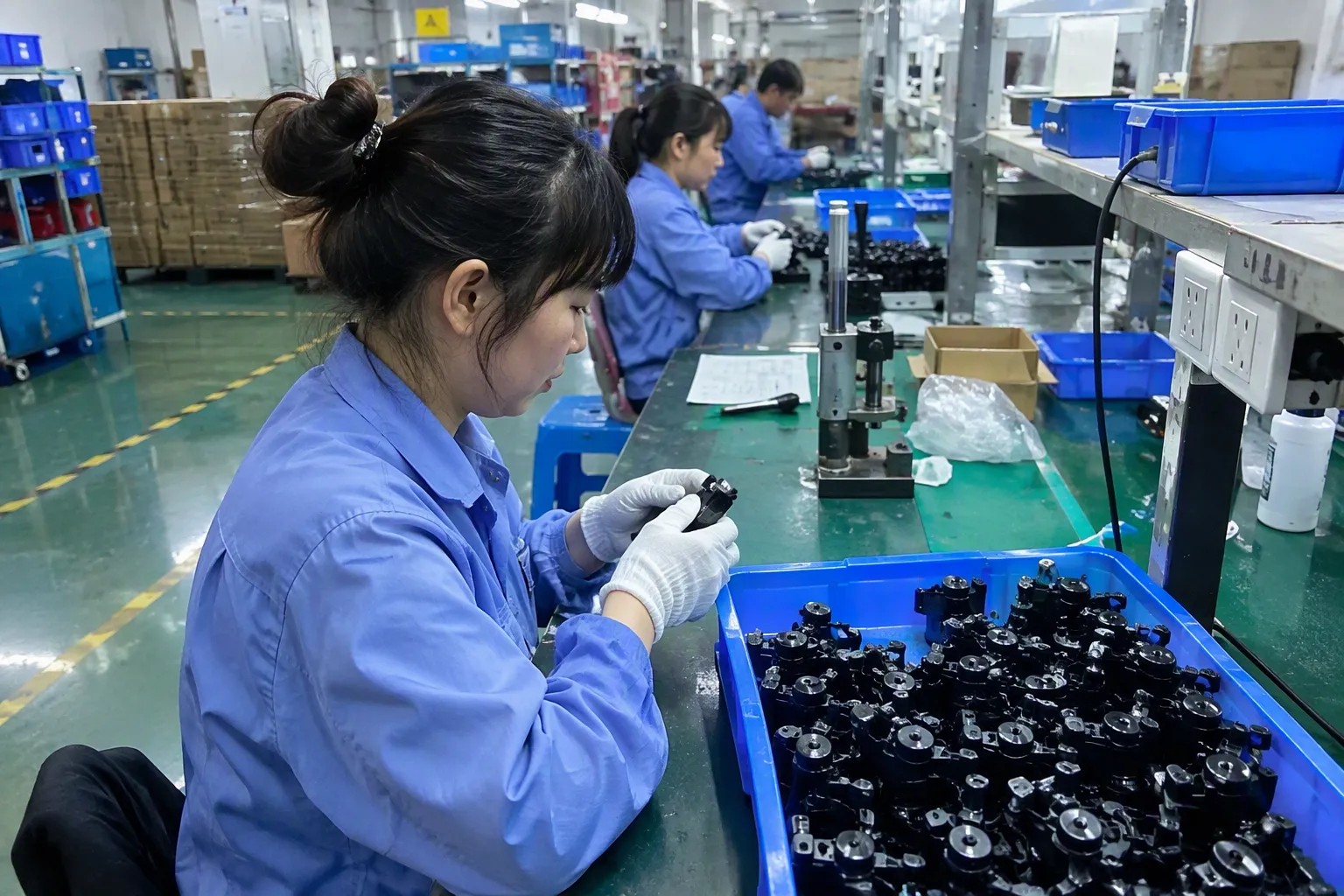
The confusion is understandable. Both providers may communicate with Chinese factories, request packing details, and help move an order forward. However, the key question is not simply which provider charges less. The key question is: who is accountable for each risk before and after shipment?
Is the Real Freight Forwarder vs Sourcing Agent Choice About Who Owns the Buyer’s Risk?
When I speak with new importers, I often find that they have asked a freight forwarder to solve a supplier, production, or quality problem. That creates frustration because the issue started long before the goods reached the warehouse. The problem is usually unclear ownership, not a lack of effort from one provider.
The real freight forwarder vs sourcing agent decision is about assigning ownership at each stage of the buying process. A sourcing agent typically handles procurement risks before shipment, while a freight forwarder typically handles transportation execution after goods are ready. Buyers need to define who owns supplier verification, quality control, documents, customs coordination, and delivery.
The timeline explains the difference
A China purchase order normally follows a sequence.[3] Each step has different risks, skills, and decision points.
| Procurement stage | Main risk | Typical responsible provider | What the buyer should confirm |
|---|---|---|---|
| Product brief and specification | Wrong product requirements | Buyer and sourcing agent | Materials, dimensions, functions, labeling, packaging |
| Supplier search and quotation review | Unreliable supplier or unclear pricing | Buyer and sourcing agent | Factory identity, trading status, quotation scope, MOQ |
| Sample development and approval | Product does not match expectations | Buyer and sourcing agent | Approved sample, revisions, tolerances, packaging |
| Deposit and production | Delays, substitutions, weak communication | Buyer and sourcing agent | Production schedule, material confirmation, change control |
| Quality inspection | Defects or incomplete quantities | Buyer and sourcing agent or third-party inspector | Inspection standard, sampling approach, defect handling |
| Consolidation and export readiness | Missing cartons, poor labels, incomplete data | Sourcing agent, warehouse provider, or forwarder | Carton marks, weights, dimensions, packing list |
| Freight booking and shipment | Missed vessel, freight delay, cargo handling issues | Freight forwarder | Incoterms, route, transit plan, freight charges |
| Customs and final delivery | Documentation or import clearance issues | Forwarder, customs broker, importer | Importer obligations, tariff classification, tax, compliance |
This table is a planning tool, not a universal industry rule. Service scopes vary widely. A large freight company may have an inspection partner. A sourcing company may arrange consolidation and shipping coordination. A factory may also offer export support. Still, support is not the same as contractual responsibility.
For example, a forwarder may help collect cartons from a supplier. That does not necessarily mean the forwarder verified whether the cartons contain the approved product. A sourcing agent may conduct an inspection before shipment. That does not automatically mean the agent is the customs declarant or the party responsible for destination-country regulations.
I suggest that buyers ask one simple question for every task:
“If this goes wrong, who is expected to identify it, report it, and coordinate the next action?”
That question exposes gaps quickly.
What a sourcing agent generally handles before freight begins
A sourcing agent works on the commercial and operational side of buying products. In our work at KingSourcing, this can include supplier search, quotation comparison, sample coordination, production communication, factory verification, inspection coordination, packaging review, and multi-supplier consolidation.
The exact scope should always be agreed before work starts. However, pre-shipment sourcing support commonly focuses on the issues that determine whether the goods are suitable to ship at all.
Supplier selection and verification
A supplier quotation is not a supplier verification report.[4] A low price can hide missing details, unapproved substitutions, incomplete packaging, or a supplier whose actual capabilities do not match its sales presentation.
Before placing an order, I recommend that buyers clarify:
- Whether the supplier is a factory, trading company, or a combination of both.
- Whether the supplier’s registered details match the entity receiving payment.
- Whether the product is within the supplier’s normal manufacturing scope.
- Whether the supplier can meet the requested MOQ, packaging, customization, and lead time.
- Whether the quote includes tooling, molds, labels, inserts, testing, export packing, or other charges.
- Whether the supplier has provided documents relevant to the buyer’s product and market.
Documents, certifications, and test reports should be reviewed carefully. Buyers should verify that documents apply to the actual product, factory, model, and destination market. I do not suggest treating any document as a substitute for qualified regulatory, legal, or product-testing advice.
Product specification and sample control
A recurring issue in China sourcing is that a buyer and a supplier use the same product name but mean different things. “USB cable,” “storage box,” “wireless charger,” or “gift packaging” can cover many different materials, dimensions, performance levels, and finish standards.
A sourcing agent can help turn a broad request into a more usable purchase specification. That may include:
- Product photos or reference samples
- Material and color requirements
- Dimensions and allowed tolerances
- Logo placement and printing method
- Packaging structure and insert requirements
- Barcode, warning label, and carton-mark instructions
- Quantity by SKU, color, size, or bundle
- Target sample approval date and production timeline
The approved sample should become the reference point for production.[5] If the buyer approves only a photo or a vague chat message, it becomes harder to resolve disputes later. I encourage buyers to keep written approval records and version-controlled artwork files.
Production follow-up and quality checks
Production follow-up is not just asking, “Is the order ready?” It is about confirming whether the supplier is progressing against the agreed plan and whether changes are being communicated early enough to make decisions.
A sourcing agent may follow up on milestones such as:
- Deposit received and order confirmed
- Materials prepared
- Pre-production sample approved
- Mass production started
- Packaging materials ready
- Goods completed
- Inspection arranged
- Rework completed, if needed
- Cartons delivered to the warehouse or forwarder
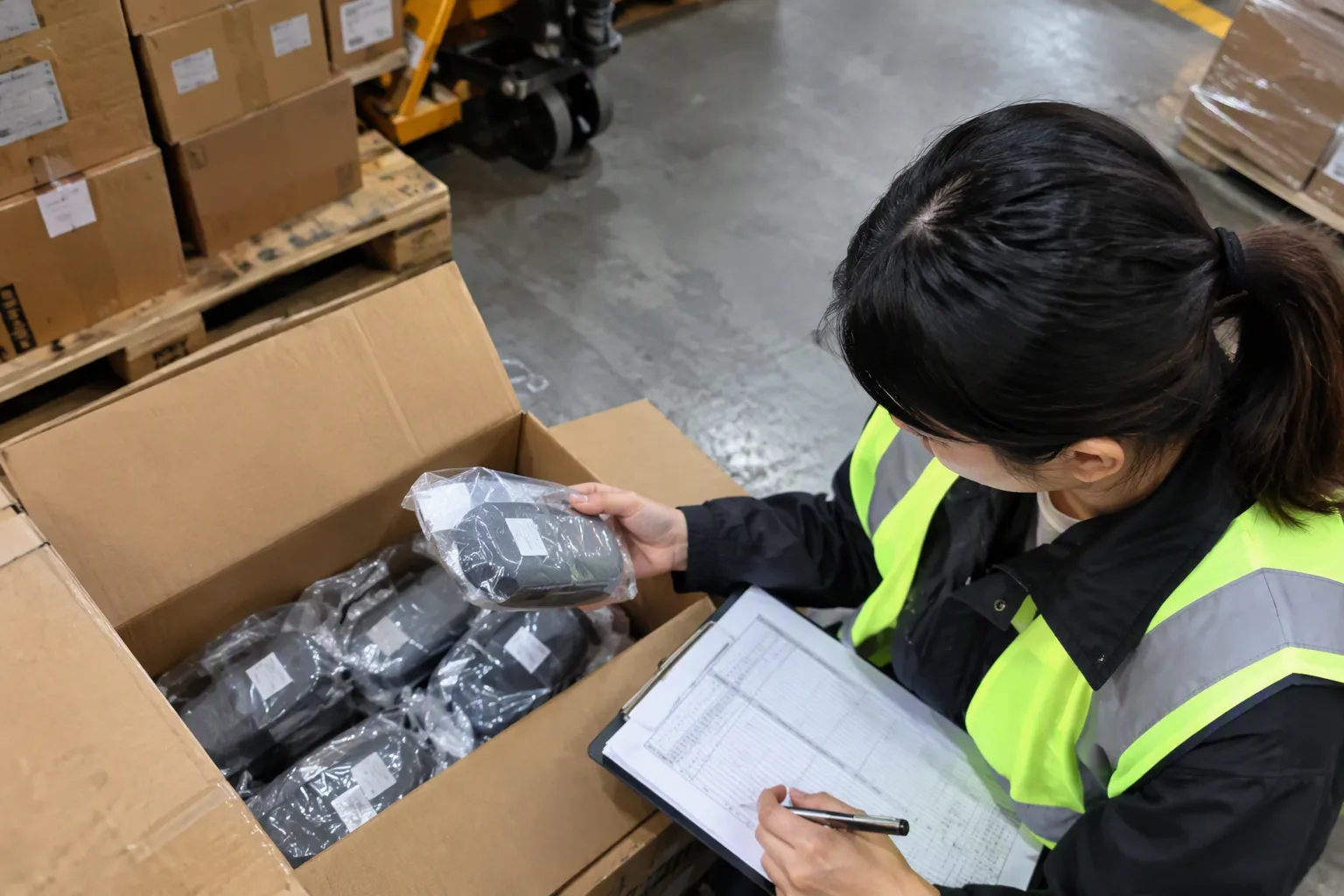
Quality inspection is another area where buyers need precise scope. An inspection can be performed by a sourcing agent, an independent inspection company, or another qualified provider. The scope may include quantity checks, visual checks, functional checks, packaging review, carton measurements, or basic on-site observations.
However, an inspection is not a guarantee that no defect will ever appear.[6] It is also not automatically a laboratory test, safety certification, or compliance assessment.[7] The buyer should define the inspection standard, sample size, critical defects, major defects, minor defects, and acceptable quality level before production is complete.
What a freight forwarder generally handles after goods are ready
A freight forwarder manages transportation arrangements. This may involve collecting cargo, booking air freight or sea freight, preparing or coordinating transport documents, arranging cargo movement through ports or airports, and coordinating final delivery.
For many importers, a good forwarder is essential. Freight is not an afterthought. Poor freight planning can create extra storage charges, missed sailing dates, incorrect shipping documents, damaged cartons, or unexpected delivery delays.
Still, freight forwarding begins from a different point in the process: the goods are expected to be ready for transport.
Transport planning and freight booking
A forwarder may advise on whether air, sea, rail, courier, or a combined route is more suitable. The best option depends on cargo volume, weight, value, urgency, delivery location, Incoterms, and the buyer’s tolerance for delay.[8]
The forwarder may help with:
- Cargo collection from one or multiple supplier locations
- Warehouse receiving and palletization
- Consolidation planning
- Freight quotations and route options
- Airline or vessel booking
- Export documentation coordination
- Bill of lading or air waybill handling
- Cargo tracking and delivery scheduling
- Insurance options, where available
- Customs brokerage coordination through appropriate parties
The buyer should ask whether the quoted freight covers every known stage. Freight quotes can use different assumptions, especially for chargeable weight, port fees, remote-area delivery, customs-related services, storage, inspection, and destination charges.
Shipping documents and customs coordination
Shipping documents often include a commercial invoice, packing list, bill of lading, air waybill, certificates where applicable, and other documents required by the transport route or importing country.
A freight forwarder may prepare, transmit, or coordinate documents. However, import compliance remains a serious buyer responsibility. Product classification, valuation, labeling, intellectual property, safety requirements, restricted goods rules, and tax obligations may need professional review.
I recommend that importers confirm the following before goods leave China:
- Who is listed as the importer of record?
- Who is responsible for customs duty, VAT, GST, sales tax, or other taxes?
- What product description will appear on shipping documents?
- Is the declared value supported by the commercial transaction?
- Are there destination-country labeling or product requirements?
- Does the buyer need a customs broker, compliance consultant, or specialist testing provider?
- What happens if customs requests further documents or holds the shipment?
A freight forwarder may be experienced with common shipping documentation. That does not mean the forwarder has accepted responsibility for the buyer’s product compliance obligations. The buyer should obtain qualified advice for application-specific customs, legal, tax, and regulatory questions.
Assistance is different from responsibility
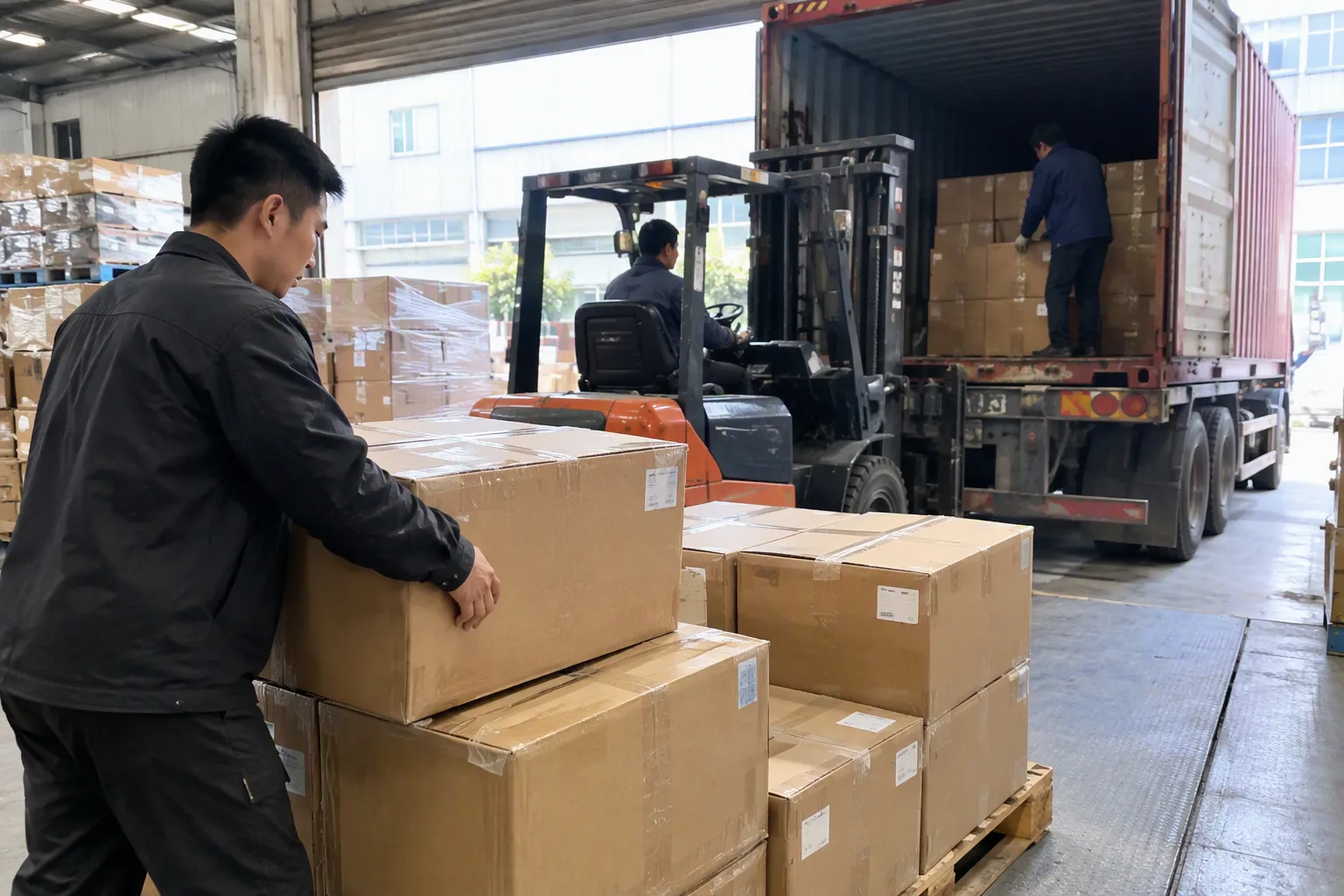
This distinction matters in the freight forwarder vs sourcing agent comparison. Many providers offer helpful services outside their core role. A forwarder may inspect outer cartons during collection. A sourcing agent may introduce a freight partner. A factory may recommend a shipping company. These services can be useful.
The problem begins when buyers assume that an informal favor has the same status as a defined service.
For example:
- A forwarder may tell you that cartons look acceptable. That is not necessarily a product quality inspection.
- A sourcing agent may arrange freight collection. That does not necessarily mean the agent controls the carrier’s transit schedule.
- A supplier may say it has “export experience.” That does not confirm that it understands your destination-market obligations.
- A warehouse may receive products. That does not mean it checked every unit against the approved sample.
- A third-party inspection report may identify visible defects. That does not necessarily confirm long-term durability or regulatory compliance.
I have seen this misunderstanding in client communications. Buyers sometimes contact a forwarder after receiving defective goods and expect the forwarder to resolve a production issue. In other situations, buyers ask a sourcing provider to explain a customs decision made by an authority in the destination country. These requests are understandable, but they show why roles should be agreed before the order starts.
The practical solution is a written responsibility map.
Build a responsibility map before you pay deposits
A responsibility map does not need to be complicated. A one-page document or shared spreadsheet can be enough. The important thing is that every critical task has an owner, a timing point, and a written deliverable.
| Task | Suggested owner | Timing | Written proof or output |
|---|---|---|---|
| Product specification | Buyer with sourcing support | Before quotation | Product brief, drawings, photos, artwork |
| Supplier verification | Buyer or sourcing agent | Before deposit | Verification scope and findings |
| Quote comparison | Buyer or sourcing agent | Before order | Side-by-side quotation sheet |
| Sample approval | Buyer | Before mass production | Signed-off sample notes or approval email |
| Production follow-up | Sourcing agent or buyer | During production | Status updates and issue log |
| Pre-shipment inspection | Buyer-appointed provider | Before balance payment or shipment | Inspection report and photos |
| Defect resolution | Supplier, managed by buyer or agent | Before shipment | Rework agreement and re-inspection plan |
| Carton and label check | Supplier and sourcing/inspection provider | Before collection | Packing and labeling checklist |
| Freight booking | Freight forwarder | When cargo-ready date is confirmed | Booking confirmation |
| Export and shipping documents | Supplier, forwarder, and buyer | Before departure | Invoice, packing list, transport documents |
| Import customs requirements | Importer with qualified advisers | Before shipment | Compliance and clearance plan |
| Final delivery | Freight forwarder or carrier | After arrival | Delivery confirmation |
This approach prevents the “someone else was handling it” problem. It also helps buyers compare providers based on actual scope rather than broad promises.
When you may need both providers
Many importers do not need to choose only one. They need a sourcing agent for pre-shipment control and a freight forwarder for transportation. The two roles can work together when communication is clear.
This combination is often useful when:
- You are sourcing from several factories.
- You are developing private-label or customized products.
- You have many SKUs, colors, sizes, or packaging variations.
- You need sample coordination before placing a larger order.
- You do not have a purchasing team in China.
- You want product inspection before final payment.
- You need products consolidated from different suppliers.
- You need a shipping specialist for your preferred route or destination.
At KingSourcing, we can support supplier communication, production coordination, quality checking, packaging, warehousing, and consolidation. We can also coordinate shipping arrangements with suitable logistics partners. However, buyers should still confirm whether the freight provider will handle particular transport, customs, insurance, or destination-delivery services.
The goal is not to make one company responsible for everything by default. The goal is to ensure no important responsibility is unassigned.
Questions to ask before appointing either provider
Before you appoint a sourcing agent, a freight forwarder, or both, I recommend asking direct questions.
Questions for a sourcing agent
- What supplier verification steps are included, and what is excluded?
- Will you compare quotations on a like-for-like basis?
- Who approves samples and production changes?
- How often will you provide production updates?
- What does your inspection scope include?
- Can you inspect packaging, labeling, carton marks, and SKU quantities?
- How do you report defects and coordinate rework?
- Can you receive and consolidate goods from multiple suppliers?
- What are your service fees, and what are they based on?
Questions for a freight forwarder
- Does your quote include pickup, export handling, freight, customs-related charges, and final delivery?
- What cargo information do you need before booking?
- Which Incoterms are assumed in the quote?
- Who prepares the commercial invoice and packing list?
- Who coordinates export customs formalities?
- Who is responsible for destination customs clearance?
- What charges may arise if the cargo is delayed, held, or stored?
- How are damaged or missing cartons reported?
- Is cargo insurance available, and what are its limitations?
A provider that answers these questions clearly may be more valuable than one that simply offers the lowest headline price.
Frequently Asked Questions About Freight Forwarder vs Sourcing Agent
Can a freight forwarder inspect products in China?
Some freight forwarders may offer carton checks, warehouse checks, or access to inspection partners. However, buyers should not assume that freight collection includes product inspection. Ask whether the forwarder will check product quality, quantity, function, packaging, or only visible shipment details, and request the scope in writing.
Can a sourcing agent arrange shipping from China?
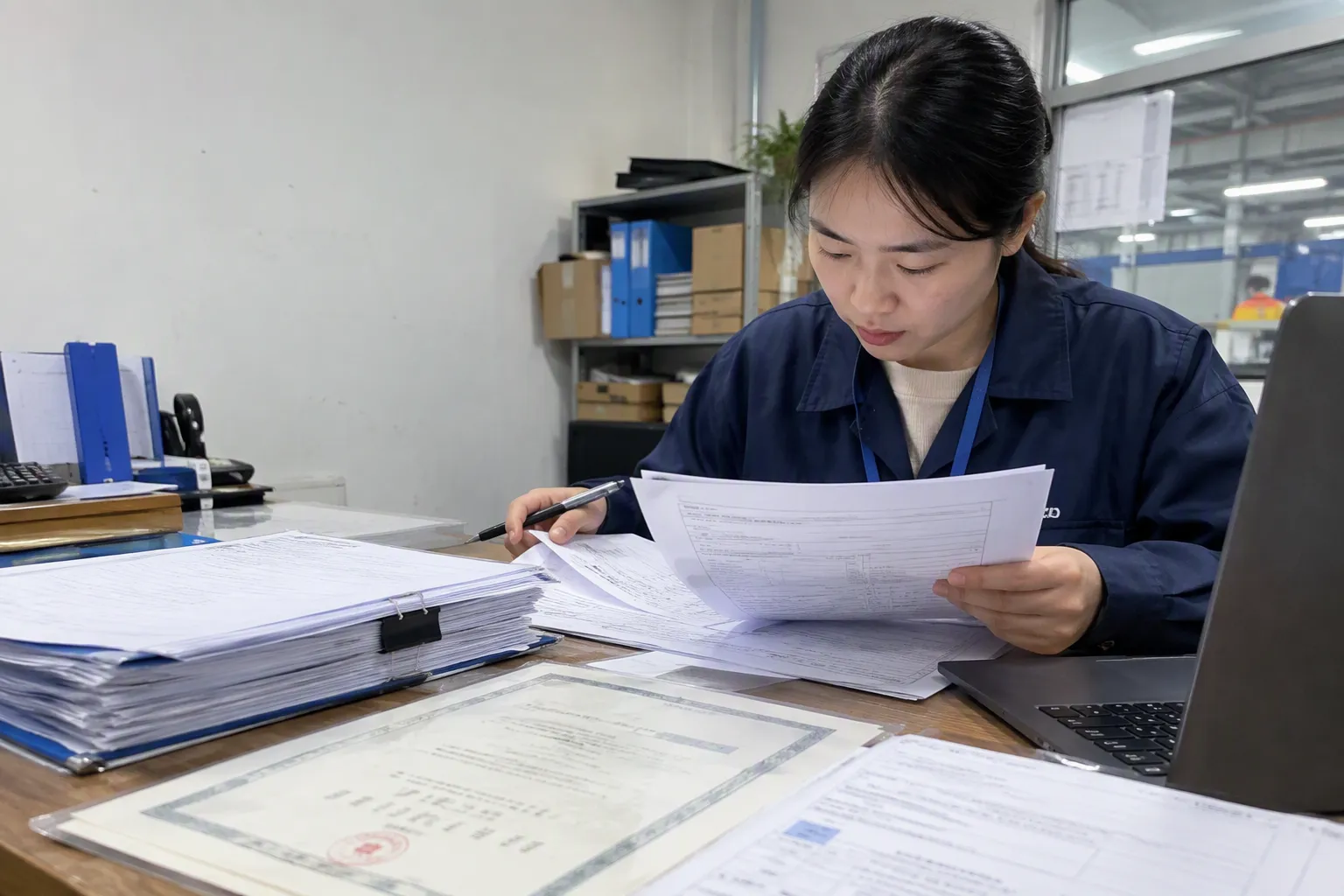
Some sourcing agents can coordinate consolidation, warehouse handling, and shipping arrangements through logistics partners. However, sourcing agents do not automatically act as carriers, customs brokers, or freight forwarders. Buyers should confirm the transport scope, responsible party, charges, documents, and destination delivery terms before booking.
Do I need a sourcing agent for a small order?
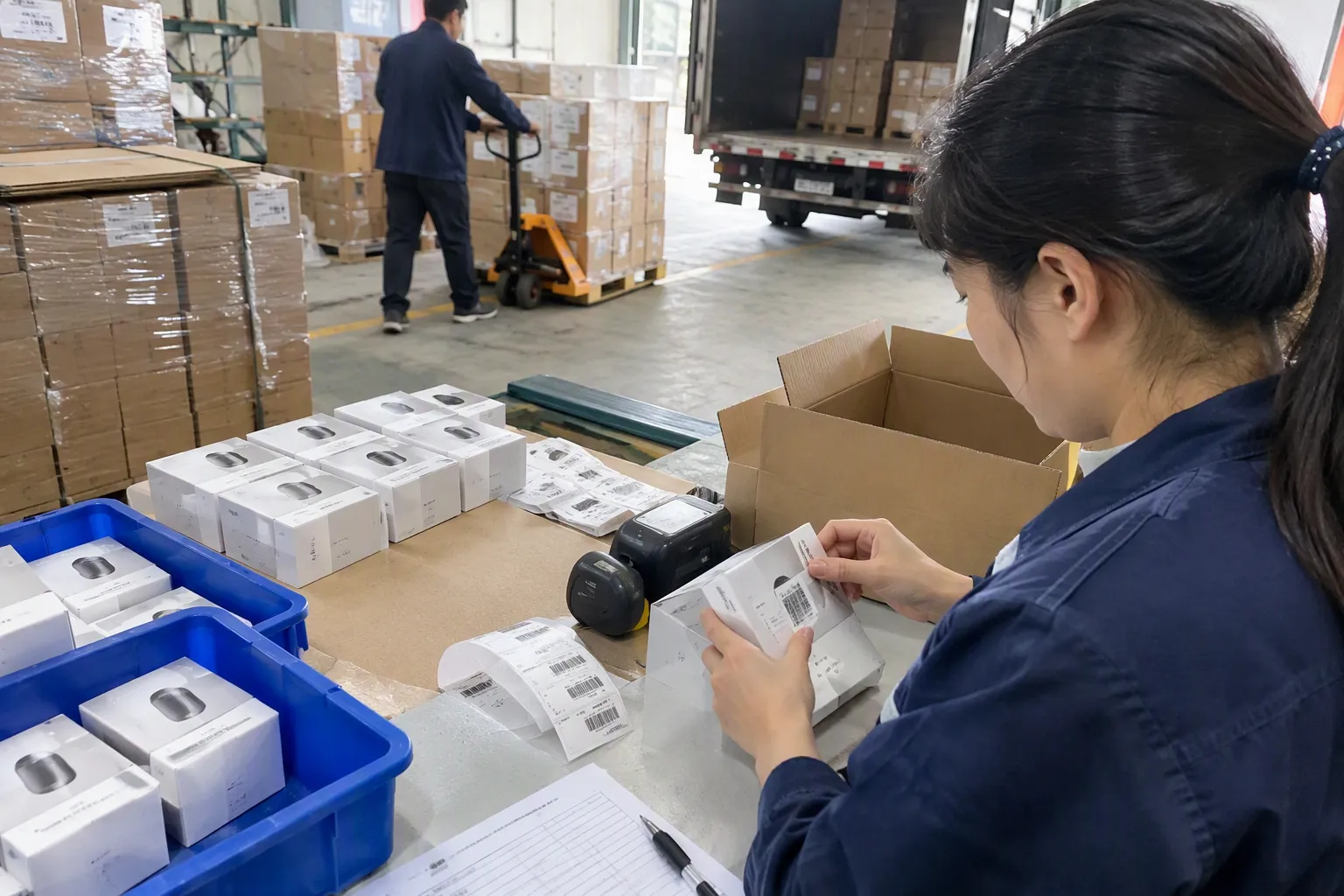
A small order can still carry supplier, sample, and quality risks. Whether you need sourcing support depends on product complexity, supplier familiarity, customization, order value, and your ability to manage the process remotely. A focused supplier verification or inspection service may be enough for some smaller orders.
Who is responsible if goods are defective after shipping?
Responsibility depends on the supplier agreement, inspection scope, evidence, and the terms agreed before shipment. A freight forwarder is usually responsible for transportation-related issues rather than manufacturing defects. Buyers should document approved samples, inspection results, defect standards, and supplier commitments before goods are dispatched.
Should I pay a freight forwarder directly to a factory?
This depends on the transaction structure and the written agreement between all parties. Buyers should understand who is receiving payment, what the payment covers, and whether it relates to goods, freight, consolidation, or other services. Clear invoices and payment records reduce confusion later.
Conclusion: Freight Forwarder vs Sourcing Agent Is a Risk-Ownership Decision
The freight forwarder vs sourcing agent question becomes clearer when I look at the order timeline. A sourcing agent generally helps manage supplier, product, production, and quality risks before shipment. A freight forwarder generally manages cargo movement once goods are ready to travel. Both can be valuable, and some providers offer overlapping support. The key is to assign every task to an accountable owner in writing. If you are sourcing from China and need help verifying suppliers, managing production, checking quality, consolidating orders, or coordinating shipment readiness, contact KingSourcing to discuss a practical procurement workflow.
Sources
- [PDF] Supplier Selection - umich.edu", International trade and procurement guidance describes buying intermediaries as supporting supplier selection and purchase coordination, with quality-control activities often occurring before shipment
- 6-Freight Forwarding | BETA - International Trade Administration", U.S. trade guidance defines freight forwarders as intermediaries that arrange transportation and handle associated shipping documentation and logistics coordination
- Special Documents - International Trade Administration", Supply-chain teaching materials describe international procurement as a sequence linking specification, supplier selection, production control, quality assurance, transportation, and customs processes
- [PDF] Linking integrity, business conduct and public procurement (EN)", Procurement due-diligence guidance treats supplier evaluation as a separate process requiring verification of supplier information and risk factors beyond a price quotation
- 46 CFR § 164.019-13 - Production quality control requirements.", Quality-control literature recognizes approved reference samples as a means of defining agreed product characteristics and comparing subsequent production output
- 6.2.2.2. Choosing a Sampling Plan with a given OC Curve", Acceptance-sampling guidance explains that inspection of a sample provides a statistical basis for accepting or rejecting a lot, not a guarantee that no defective unit exists
- Conformity Assessment Basics - NIST", Conformity-assessment guidance distinguishes inspection from laboratory testing and certification, which respectively involve examination, determination of specified characteristics, and third-party attestation
- Navigate Shipping and Logistics", Logistics research characterizes freight-mode choice as a trade-off among shipment cost, transit time, reliability, cargo characteristics, and route or service constraints