Quick Answer
Buy directly from 1688 can look like an easy way to find lower-cost products in China, especially when compared with international B2B platforms. However, a low RMB listing price does not solve supplier communication, domestic payment, quality control, export handling, or final delivery. I recommend treating 1688 as a sourcing channel, not a complete import solution.
Foreign importers may be able to buy directly from 1688, but success depends on their ability to manage the full China domestic transaction and export process. Buyers need to evaluate suppliers, confirm specifications, arrange payment and local delivery, inspect goods, consolidate orders where needed, and coordinate compliant international shipping for their destination.
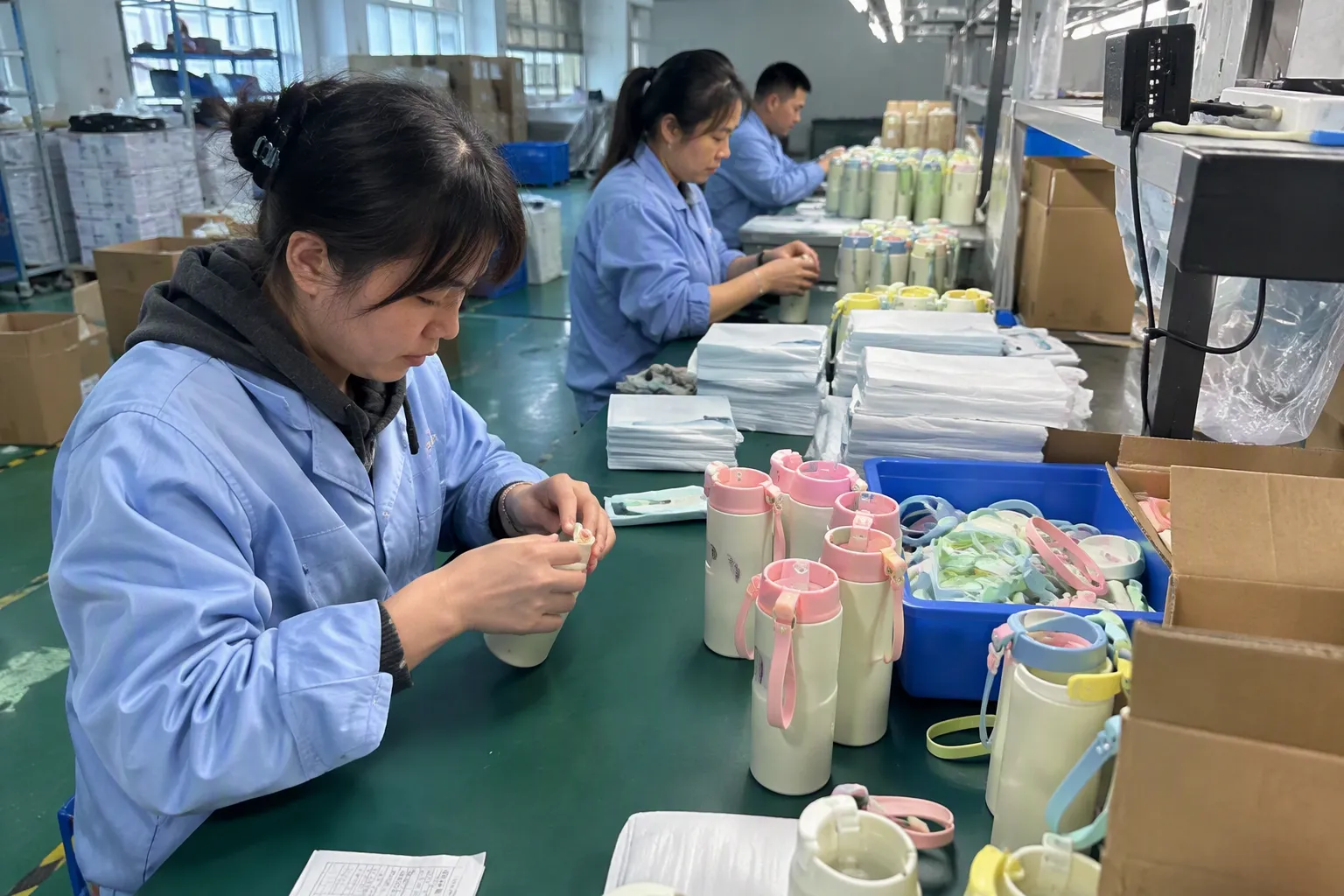
The important question is not simply whether a foreign business can open a page, send an inquiry, or identify a product on 1688. The real question is whether that business can control what happens after the supplier shows a price.
Foreign Importers Can Buy Directly from 1688, but Is That the Real Question
When buyers first explore 1688, they often see familiar products, competitive prices, and high domestic sales volumes. That can create a false sense of simplicity. The difficulty usually begins after the initial product search, when a buyer needs to turn a domestic China listing into a controlled international purchase.
Foreign importers can buy directly from 1688 when they can independently manage Chinese-language communication, supplier assessment, RMB payment arrangements, domestic receiving, inspection, consolidation, and export coordination. If they cannot control one or more of these steps, they should obtain support only for those specific gaps before placing an order.
1688 Is Useful for Product Discovery, Not Automatic Export Readiness
In our sourcing work, I see 1688 used most effectively as a domestic supplier discovery and quotation channel. It gives overseas buyers access to a wide range of China-made products, including:
- Consumer electronics and 3C accessories
- Homeware and lifestyle products
- Packaging materials
- Promotional products
- Fashion accessories
- Small hardware items
- E-commerce product bundles
- Private-label and customized products
- Multi-SKU wholesale items
A buyer can often find more product variations on 1688 than on international-facing marketplaces.[1] Suppliers may show domestic wholesale pricing, multiple packaging options, stock models, customization options, and order-volume tiers.
However, buyers should avoid assuming that a visible listing represents a final export quotation.
A listed price may depend on factors such as:[2]
| Pricing factor | Why it matters to an overseas buyer |
|---|---|
| Minimum order quantity | The displayed price may apply only at a higher order volume. |
| Product configuration | A basic version may be listed while requested features cost more. |
| Packaging | Export cartons, branded packaging, inserts, and labeling may change pricing. |
| Tax treatment | Domestic transaction terms may differ from export transaction requirements. |
| Sample cost | Samples may have separate pricing, freight, and handling requirements. |
| Domestic shipping | The quoted price may exclude delivery to a China warehouse. |
| Production timing | Ready-stock products and custom production have different lead times. |
I recommend treating every 1688 listing as a starting point for verification, not a purchase-ready offer.
A supplier may be perfectly legitimate in the domestic market while still being a poor fit for an overseas buyer. For example, the supplier may focus on local resellers who accept standard packaging, domestic shipping, Chinese-language specifications, and fast payment. That supplier may not have experience with export carton requirements, English artwork approval, barcode placement, inspection expectations, or destination-market documentation.
This does not automatically mean the supplier is unreliable. It means the supplier’s working model may not match the buyer’s import requirements.
Browsing Products and Completing a Transaction Are Different Jobs
The first operational gap is simple: finding a product is not the same as completing a transaction.[4]
An overseas buyer may be able to browse 1688 with browser translation tools and identify products that look suitable. Yet product sourcing requires much more than reading titles and comparing photos.
I usually advise buyers to separate the process into two stages:
- Market research and product shortlisting
- Supplier qualification and order execution
The research stage is relatively accessible. A buyer can compare product styles, estimate domestic market pricing, review visible supplier information, and build a shortlist.
The execution stage requires more control. The buyer needs to ask the right commercial and technical questions. For a simple product, those questions may include material, dimensions, color options, MOQ, packaging, production time, and domestic delivery cost.
For a more customized product, the questions become more detailed:
- Can the supplier provide an approved sample before mass production?
- Who owns the final artwork files and mold files, if relevant?
- What product tolerances are acceptable?
- What quality standard will the factory follow?
- How will the supplier handle defective units?
- Can the supplier apply required labels, barcodes, inserts, or cartons?
- Can the supplier meet the requested delivery window?
- Is the supplier a manufacturer, trader, workshop, or a combination of these?
- Can the supplier provide product information needed for the intended market?
A buyer who wants to buy directly from 1688 should be prepared to document these answers. I do not recommend relying only on chat messages, informal promises, or listing photos.
A clear purchase record should normally include:
- Product name and internal SKU
- Approved photos or sample reference
- Dimensions and material requirements
- Color, finish, and configuration
- Quantity by variation
- Unit price and total price
- Packaging details
- Carton requirements
- Production lead time
- Domestic delivery destination
- Inspection expectations
- Defect-handling agreement
For higher-risk products, I recommend qualified professional evaluation before purchase.[5] This is particularly important for products involving electrical performance, batteries, children’s use, food contact, protective functions, or market-specific compliance requirements.
Supplier Badges, Sales Volume, and Prices Need Context
Many first-time buyers want a simple way to identify the “best” 1688 supplier. They may focus on sales volume, store age, product reviews, transaction history, supplier badges, or low pricing.
A high-volume seller may have strong domestic demand but may not accept low-MOQ customization. A supplier with an attractive store may be a trading company rather than the original factory. A factory may have limited online presentation but be capable of producing a good product. A very low price may be based on different materials, a basic configuration, an old quotation, or a quantity threshold that does not match the buyer’s plan.
In our sourcing work, I prefer to examine a supplier through several practical questions rather than one platform signal.
A Practical 1688 Supplier Evaluation Checklist
| Evaluation area | Questions I would ask | Why it matters |
|---|---|---|
| Business identity | Who is the legal business entity? Is the seller a factory or trader? | Buyers need to understand who is actually responsible for the order. |
| Product capability | Does the supplier make this product regularly? | A general seller may not control product quality or technical details. |
| Communication | Are answers specific, timely, and consistent? | Clear communication reduces specification errors. |
| Quotation quality | Is the quotation based on defined specifications? | A vague quote often creates disputes later. |
| Sample process | Can the supplier provide a representative sample? | Samples help confirm appearance, function, and packaging. |
| Production capacity | Can the supplier support the required quantity and timeline? | Capacity should fit the buyer’s order plan. |
| Quality process | Does the supplier describe how it checks products? | Buyers should understand the supplier’s own controls. |
| Packaging capability | Can the supplier meet labeling and carton requirements? | Packaging errors can delay fulfillment or create added costs. |
| Domestic delivery | Can the supplier deliver to the assigned China warehouse? | Domestic receiving is often essential before export. |
| Export familiarity | Has the supplier worked with export-oriented buyers? | Experience can reduce coordination work, but buyers should verify details. |
I also recommend comparing at least several quotations for the same specification. This approach helps reveal where suppliers have interpreted the request differently.
For example, three suppliers may quote very different prices for what appears to be the same item. The difference may come from:
- Material grade
- Product weight
- Included accessories
- Printing method
- Battery capacity or electronics configuration
- Packaging type
- Inspection level
- Order quantity
- Delivery timing
The lowest quotation is not necessarily wrong. But it should prompt more questions.
Domestic Payment and Delivery Must Be Planned Before Ordering
A common issue for first-time buyers is that the supplier expects a domestic China transaction workflow. This can involve payment methods, local delivery arrangements, order confirmations, and after-sales communication that differ from an international B2B purchasing process.
I do not recommend assuming that every supplier will accept the same payment route or provide the same transaction support. Platform procedures, supplier preferences, payment availability, and buyer circumstances can vary. Buyers should confirm the workable transaction method before committing to production.
The more important point is that payment should follow commercial clarity, not simply product availability.
Before funds are released, I recommend confirming:
- The exact supplier entity receiving payment
- The confirmed product specification
- The production quantity and unit price
- The packaging and labeling requirements
- The expected production schedule
- The domestic delivery address in China
- The receiving and inspection arrangement
- The handling plan if goods do not match the approved requirements
For small ready-stock orders, the process may be relatively straightforward. For custom, high-value, or repeat orders, buyers should use a more structured purchasing workflow.
A buyer also needs a domestic receiving point. The supplier may deliver goods to a warehouse, consolidation center, freight partner, or China-based purchasing office. Without a reliable receiving process, the buyer may have limited visibility over whether the correct quantity arrived, whether cartons were damaged, or whether multiple suppliers delivered on time.
Quality Control Is Often the Missing Link
When buyers buy directly from 1688, quality risk usually does not come from the website itself. It comes from unclear requirements, unverified assumptions, and lack of inspection before export.
I recommend viewing quality control as a chain rather than a final inspection only.
Quality Starts Before Production
The strongest quality control step often happens before an order is placed. Buyers should define what “acceptable” means for the product.
For example, a buyer sourcing a branded phone accessory may need to specify:
- Model compatibility
- Cable length
- Connector type
- Color tolerance
- Logo placement
- Packaging artwork
- Barcode label position
- Carton marking
- Functional test expectations
- Acceptable cosmetic defect level
For a homeware product, the requirements may focus on dimensions, material, color, weight, assembly, surface finish, and packaging protection.
The more specific the brief, the easier it is to compare supplier offers and inspect finished goods.
Samples Reduce Assumptions
A pre-production or approval sample can be especially useful for private-label, OEM, ODM, or customized orders.[7] It allows the buyer to review the physical product rather than relying on photos.
However, I recommend buyers remember that a sample is not an automatic guarantee that every production unit will match it.[8] The buyer should use the approved sample as a reference point and make sure the production team receives the final specification.
Inspection Should Match Product Risk
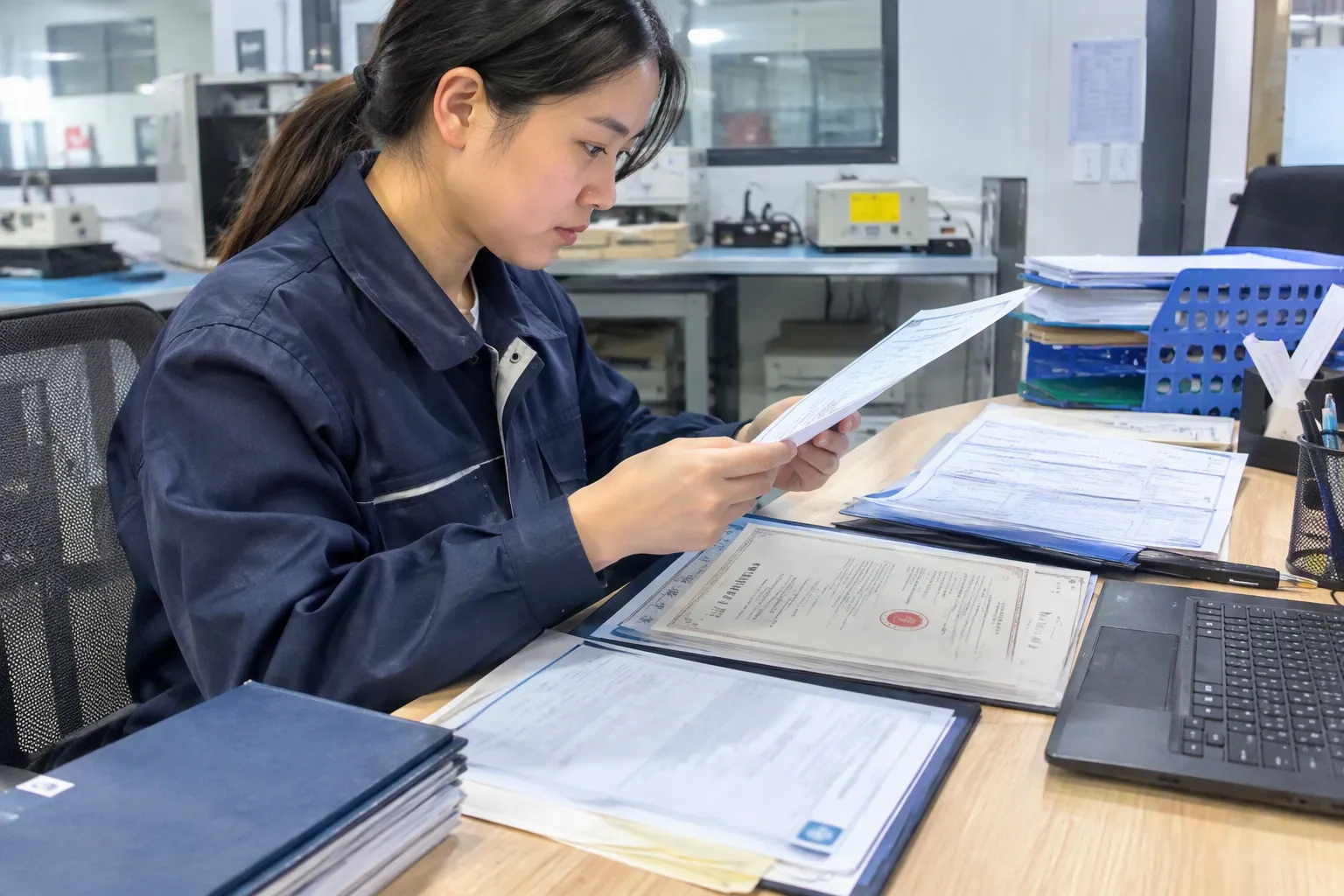
Inspection depth should depend on the product, order value, buyer tolerance for defects, and destination requirements.
A basic receiving check may include:
- Counting cartons and units
- Checking product variations
- Reviewing outer carton condition
- Checking visible defects
- Confirming packaging and labels
A more detailed inspection may include functional testing, measurement checks, assembly review, packaging verification, or 1-by-1 checking for selected products.
At KingSourcing, we support inspection and 1-by-1 product checking where the order and product risk justify that level of control. I still advise buyers to define inspection scope in advance. “Check quality” is too vague to guide a useful inspection.
Consolidation Makes Multi-Supplier Buying More Manageable

One of the practical advantages of sourcing through 1688 is access to many specialized suppliers. A buyer may find one supplier for a core product, another for packaging, and another for accessories.
That flexibility can be valuable, but it creates a coordination problem.
Without consolidation, an overseas buyer may need to manage multiple domestic deliveries, separate carton counts, varying production schedules, and fragmented international shipping arrangements. Small orders from several suppliers can also become expensive or difficult to handle efficiently.
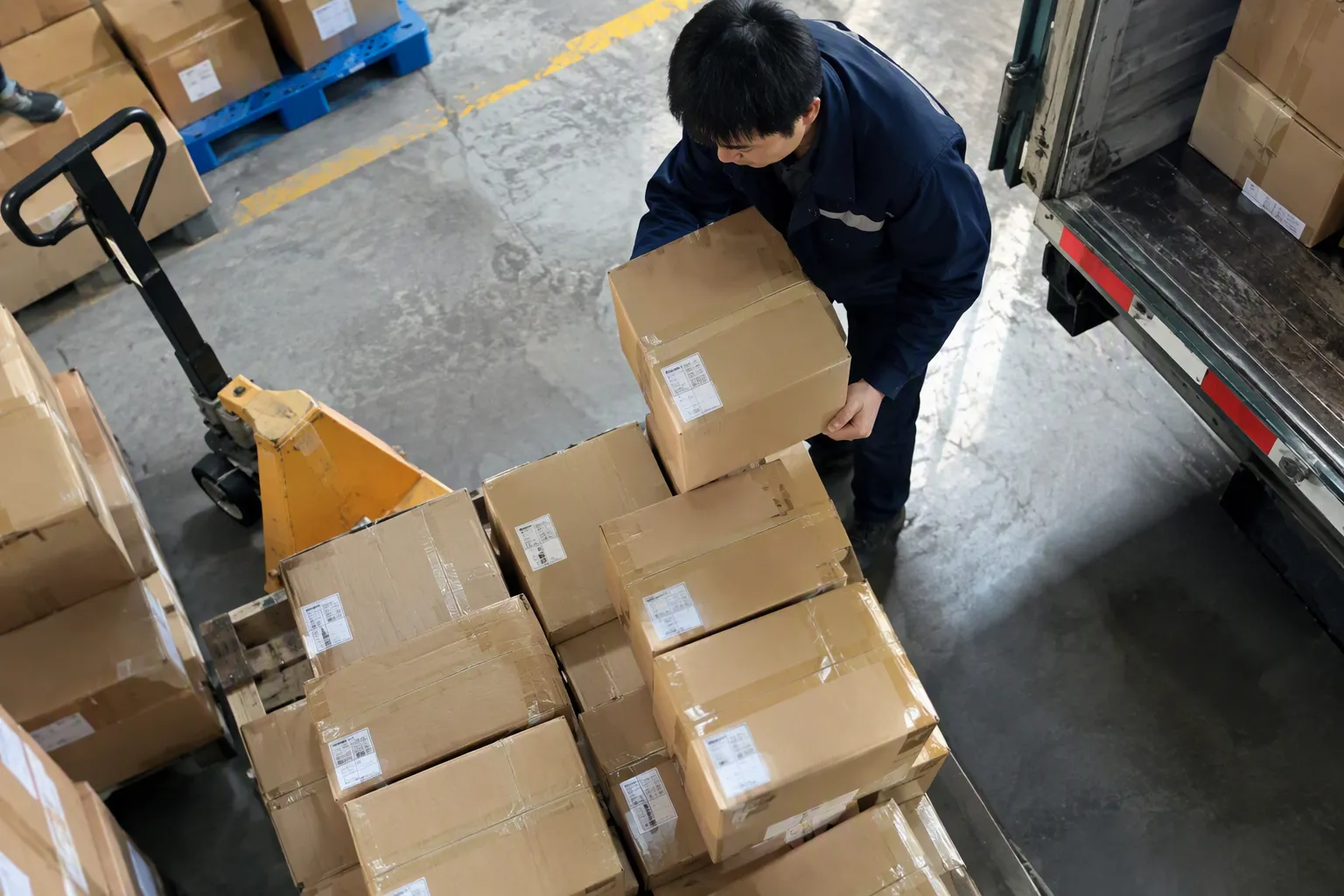
A China-based warehouse or purchasing team can receive goods from multiple suppliers, check quantities, combine cartons, apply labels, repack where appropriate, and prepare the shipment for onward export coordination.
I recommend buyers plan consolidation early, especially if they are sourcing:
- Multiple SKUs
- Bundled products
- Private-label packaging from a separate supplier
- Promotional inserts
- Seasonal items from different factories
- Test orders from several suppliers
Consolidation is not only about freight cost. It can also improve visibility. A buyer can see whether all items have arrived before arranging international delivery.
Export Coordination Requires Product- and Destination-Specific Review
A domestic 1688 purchase does not automatically resolve international delivery. The buyer still needs an export plan that fits the product and destination.
Depending on the product and destination, the process may involve shipping method selection, commercial documents, packaging requirements, product classification, import taxes or duties, destination-market rules, and delivery arrangements. I do not recommend relying on general online advice for regulated or higher-risk categories.
Buyers should seek qualified customs, freight, legal, testing, or compliance guidance where their product requires it.
The main operational question is straightforward: Who is responsible for moving the goods from the China domestic supplier to the final delivery destination, and who has verified each handover?
A controlled chain usually looks like this:
- Buyer confirms product requirements.
- Supplier provides a quotation and sample, where needed.
- Buyer approves final specifications.
- Supplier produces goods.
- Goods are delivered to a China receiving location.
- Goods are counted and inspected based on the agreed scope.
- Products are consolidated, labeled, or repacked if needed.
- Shipment is prepared for international dispatch.
- Freight and import arrangements are coordinated for the destination.
- Buyer receives delivery records and shipment updates.
Each step can be handled directly by the buyer, by the supplier, or by a specialist partner. The key is that the buyer understands who controls each step.
When Does It Make Sense to Buy Directly From 1688?
I generally suggest using a conditional decision rule rather than a yes-or-no answer.
You may be in a good position to buy directly from 1688 if you can:
- Communicate clearly with suppliers or have reliable Chinese-language support
- Verify product specifications and compare quotations
- Manage acceptable payment arrangements
- Receive goods at a China warehouse or other domestic address
- Arrange or commission quality inspection
- Handle multi-supplier coordination when necessary
- Work with suitable shipping and import professionals
- Accept the time required to manage exceptions and supplier follow-up
You may need support if you cannot confidently manage one or more of these areas.
That support does not need to mean handing over every decision. A buyer may only need help with supplier verification, Chinese-language quotation communication, sample coordination, factory audits, inspection, warehousing, consolidation, or shipping coordination.
At KingSourcing, I see this hybrid approach work well for buyers who want direct access to 1688 supplier options but do not want to leave domestic receiving and export preparation unmanaged. We can help overseas buyers identify suppliers, compare quotations, coordinate samples, inspect goods, consolidate multi-supplier orders, and support delivery planning from Shenzhen and other China manufacturing regions.
The buyer should still control the commercial brief, product approval, and purchasing decision. Local support should make that decision more transparent, not less.
Frequently Asked Questions
Can a foreigner create an account and buy directly from 1688?
A foreign buyer may be able to browse 1688 and engage suppliers, but the workable purchase process depends on current platform access, supplier preferences, payment arrangements, and domestic delivery capability. I recommend confirming the full transaction workflow before placing a production order.
Is 1688 cheaper than Alibaba.com?
1688 prices can appear lower because many listings target China’s domestic wholesale market. However, buyers should compare the full landed purchasing cost, including product specification, domestic delivery, inspection, packaging, consolidation, international freight, and import-related costs.
Are 1688 suppliers factories?
Some 1688 suppliers may be factories, while others may be traders, wholesalers, or mixed businesses. I do not recommend assuming supplier type based only on a listing, badge, store design, sales volume, or product range. Buyers should verify the supplier’s role.
Do I need a sourcing agent to buy from 1688?
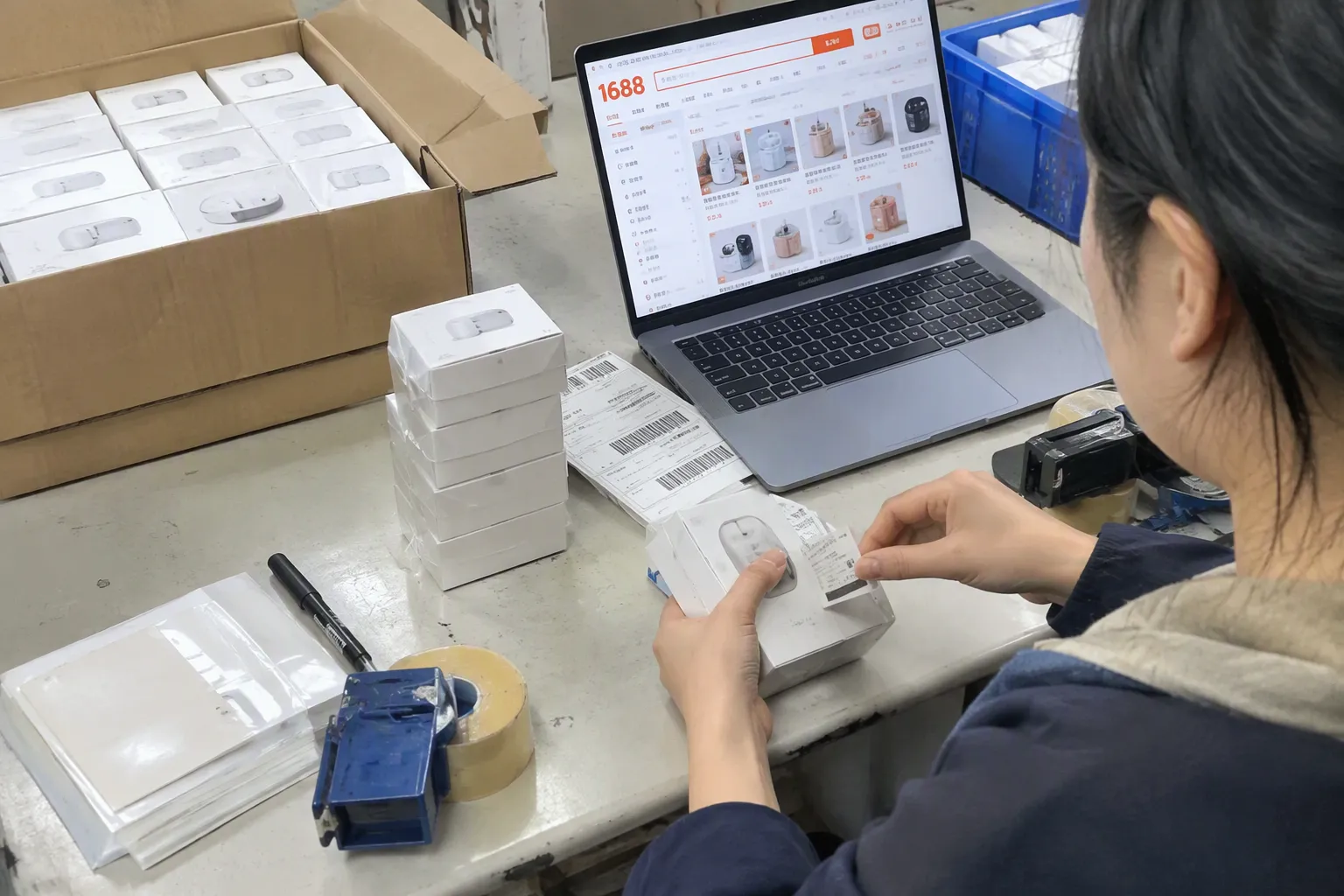
You do not necessarily need a sourcing agent if you can control communication, payments, supplier evaluation, receiving, inspection, and export coordination yourself. If there are gaps in your process, I recommend using China-based support for those specific operational tasks.
Can I ship products from several 1688 suppliers together?
Yes, multi-supplier consolidation may be possible through a China warehouse or purchasing partner. The practical challenge is coordinating delivery schedules, checking quantities, inspecting goods, and preparing cartons before export. Buyers should confirm the consolidation process before ordering.
Conclusion
Foreign buyers can buy directly from 1688, but a product listing is only the first step in a much larger procurement process. The real work includes supplier evaluation, clear specifications, payment planning, domestic receiving, quality control, consolidation, and export coordination. I recommend choosing the direct route only when you can manage these steps with confidence. If you need practical support in China, KingSourcing can help you build a more controlled sourcing process from supplier search through final shipment.
Sources
- 20-F", Comparative marketplace evidence may show that domestic wholesale platforms can expose a wider range of supplier listings or variants in defined categories; such evidence is contextual and should not be read as a universal comparison across all products
- Required Supplier Information | UC Procurement", International trade guidance explains that an export or procurement quotation must account for the agreed product specification, quantity, packaging, delivery, and transaction terms, rather than relying solely on an advertised unit price
- Perform Due Diligence", Supplier-evaluation guidance treats marketplace presence as insufficient evidence of production capability, quality consistency, or compliance readiness; these matters require separate verification against the buyer’s requirements
- State of Texas Procurement and Contract Management Guide", Procurement guidance distinguishes supplier identification from qualification, contracting, and order management, supporting the view that locating a product does not itself complete a controlled purchase transaction
- Toy Safety Business Guidance", Product-safety authorities identify categories such as children’s products, electrical goods, batteries, and food-contact materials as areas that may carry specific safety or compliance obligations requiring competent assessment before market placement
- Competition Market Study of Online Marketplaces in ...", Research on online-marketplace reputation systems indicates that ratings and transaction signals can aid initial screening but are imperfect proxies for seller capability and should be supplemented by independent due diligence
- Q7A Good Manufacturing Practice Guidance for Active ...", Quality-management practice uses approved pre-production samples as reference standards for confirming agreed product characteristics before wider production, particularly where specifications are customized
- Manufacturing | NIST", Manufacturing-quality guidance recognizes that process variation can occur across production runs; an approved sample is a reference point, not proof that every unit in mass production will conform