Quick Answer
Payment terms with Chinese factories can determine how much money I expose before I can verify production, quality, and delivery. A poorly timed payment may leave a buyer with limited leverage. I reduce that risk by matching payment milestones with supplier checks, written specifications, inspections, and clear release conditions.
For most buyers, no single payment method is automatically safest. T/T can be efficient, L/C can add documentary control, and escrow can delay release until agreed conditions are met[1]. However, none of these methods guarantees product quality or delivery[2]. The safest structure combines verified suppliers, precise contracts, staged payments, production monitoring, independent inspection, and a documented process for handling nonconforming goods[8].
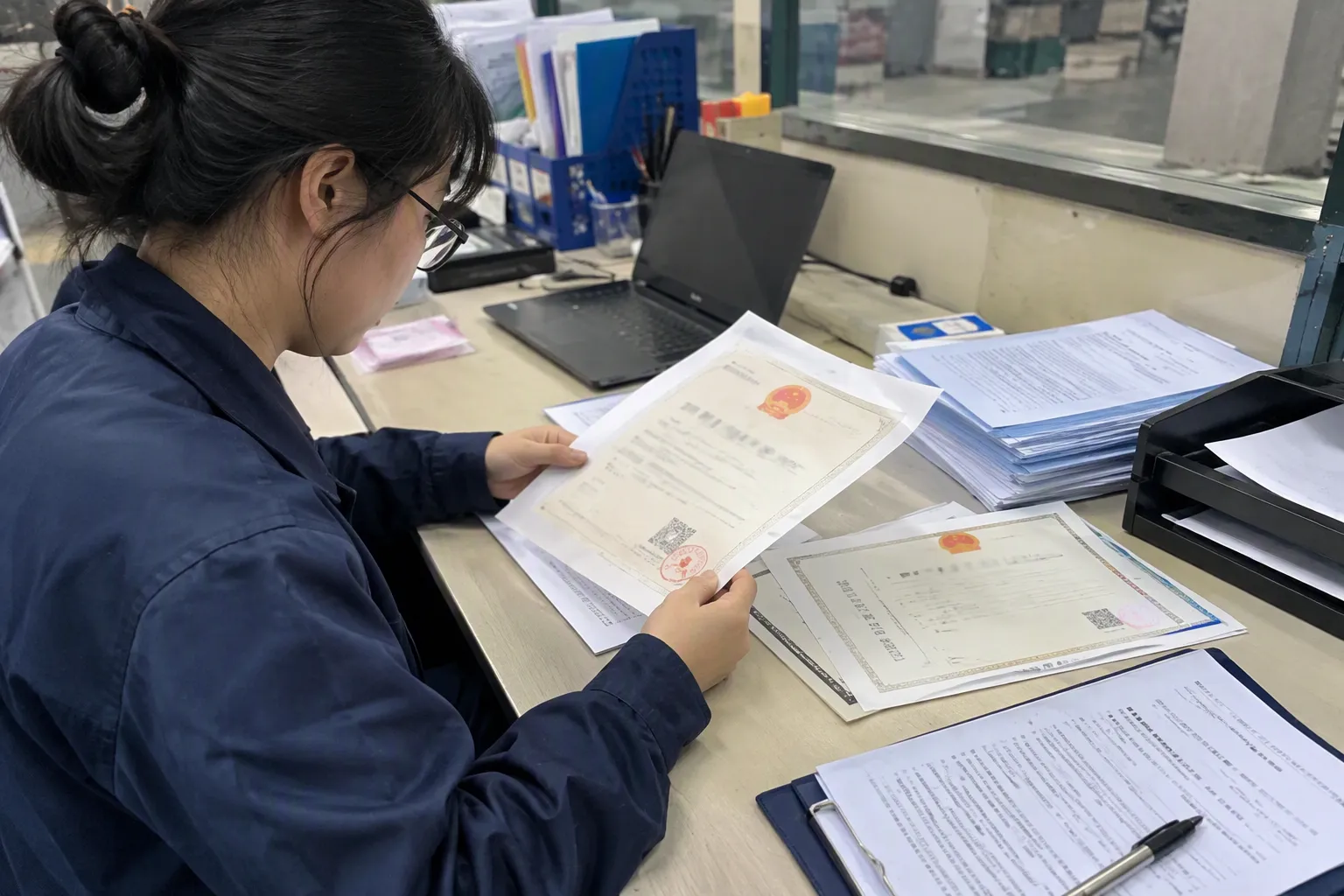
The important question is not simply whether a buyer should use T/T, L/C, or escrow. I look first at the transaction itself: the supplier’s identity, order value, customization level, buyer leverage, inspection options, cash-flow exposure, and the consequences of late or defective delivery. The sections below explain how I evaluate those factors in practical procurement work.
Payment Terms with Chinese Factories in 2026: Which Structure Controls Buyer Risk
Many first-time importers focus on the payment tool while overlooking the payment structure. That creates a problem because a bank transfer, letter of credit, or escrow arrangement only controls certain events. I start by identifying when money becomes difficult to recover and then place verification or approval steps before those points.
The best payment structure depends on the order and supplier risk. I normally connect each payment milestone to a specific procurement event, such as supplier verification, approved samples, production progress, passed inspection, or compliant shipping documents. The agreement should also explain what happens if the factory misses specifications, deadlines, or release conditions.
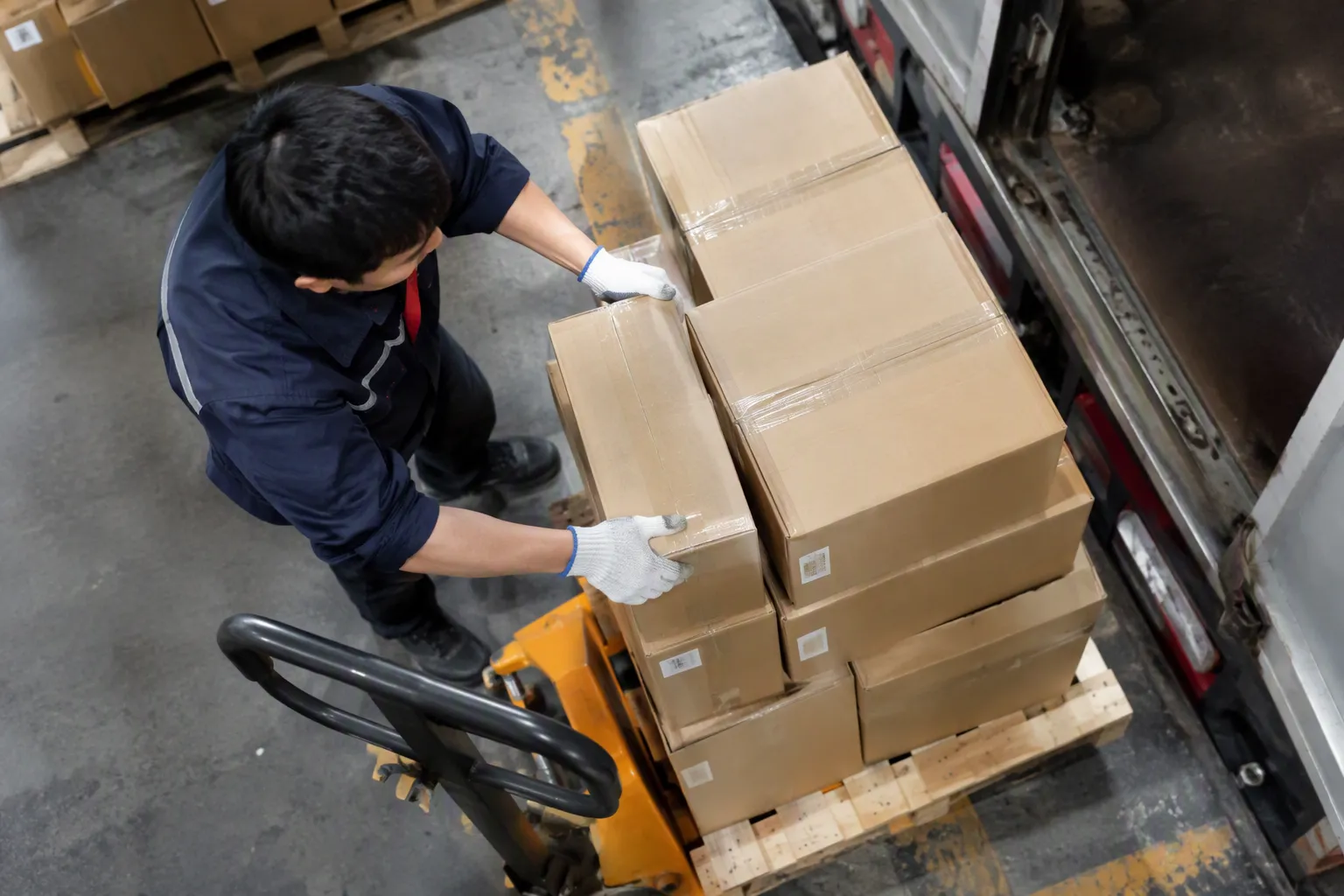
A payment method is a tool. A risk-control system is broader. I have seen buyers spend considerable time comparing transfer fees while leaving the product specification, inspection standard, and rejection procedure unclear. In that situation, the payment method cannot solve the underlying weakness.
I first separate the main types of buyer risk
I usually divide the transaction into several risks:
- Identity risk: The buyer may not know whether the contracting entity owns the factory, is a trading company, or is an unrelated recipient.
- Product risk: The goods may not match the approved sample, drawings, materials, packaging, or performance requirements.
- Production risk: The supplier may miss the production schedule, subcontract without approval, or produce an incorrect quantity.
- Delivery risk: The factory may delay handover, provide incomplete documents, or fail to meet agreed shipping requirements.
- Financial risk: The buyer may pay a large amount before having practical leverage to correct a problem.
- Communication risk: Different interpretations of specifications, tolerances, packaging, or acceptance standards may create disputes.
- Recovery risk: Even if the buyer is right, recovering money may take time, legal action, negotiation, or assistance from local professionals.
T/T, L/C, and escrow address these risks differently. None addresses all of them.
I compare T/T, L/C, and escrow by control point
| Payment method | Main control point | Typical strength | Important limitation |
|---|---|---|---|
| T/T bank transfer | Timing of outgoing payments | Simple, fast, widely accepted | A completed transfer may be difficult to reverse[3] |
| Letter of credit | Compliance with stated documents | Creates bank-administered documentary procedures | Banks generally examine documents, not the physical quality of goods[4] |
| Escrow | Release of funds after agreed conditions | Can delay release while conditions remain unmet | Protection depends on the escrow provider, wording, evidence, and dispute process |
| Platform-based payment | Platform rules and transaction records | May provide structured records or dispute channels | Coverage, eligibility, fees, and remedies vary by platform |
I treat the table as a starting point rather than a ranking. A small customized order may be difficult to place under a complex documentary structure. A large repeat order may justify more formal controls. A supplier with a strong verified record may accept staged T/T, while a new or difficult-to-verify supplier may require stronger independent controls or a different commercial decision.
T/T payment: efficient, but dependent on timing
Telegraphic transfer, commonly called T/T, is a direct bank transfer. Many Chinese factories prefer it because it is familiar and relatively straightforward. From a procurement perspective, T/T is not automatically unsafe. Its risk depends heavily on how much the buyer pays before meaningful verification and what leverage remains afterward.
I would examine:
- The beneficiary name. It should be consistent with the contracting supplier or have a documented commercial explanation.
- The bank account location. An offshore or third-party account requires careful clarification and verification.
- The payment schedule. The buyer should understand what event triggers each payment.
- The remaining balance. A final payment has more value when the buyer can delay it without creating disproportionate shipping or storage problems.
- The contract language. The contract should identify the product, quantity, price, delivery terms, quality criteria, and remedies.
- The inspection plan. The buyer should arrange inspection early enough for the supplier to correct problems.
I do not recommend treating a commonly used deposit arrangement as a universal rule. The appropriate amount and timing depend on tooling, materials, order size, production complexity, supplier leverage, and whether the supplier must make special purchases.
Letter of credit: documentary control rather than product insurance
A letter of credit, or L/C, can introduce bank procedures into the transaction. The issuing bank commits to pay against documents that meet the terms of the credit, subject to the applicable banking arrangement and jurisdiction. The details should be reviewed by a qualified bank or trade-finance professional.
I emphasize one point to buyers: an L/C generally does not mean that the bank has inspected the actual goods. If the credit requires a commercial invoice, packing list, transport document, and other specified paperwork, the bank’s examination usually focuses on documentary compliance. A factory could potentially present compliant documents while a quality dispute remains unresolved unless the credit includes appropriate, workable conditions.
An L/C may be relevant when:
- The order value is substantial.
- The buyer and supplier need formal documentary procedures.
- The supplier accepts the structure.
- The buyer’s bank can issue the credit on acceptable terms.
- The parties can define documents and conditions precisely.
- The transaction has enough margin to justify banking costs and administrative work.
I would not add an L/C simply because it sounds more secure. An incorrectly drafted credit can create delays, discrepancies, additional costs, or false confidence.
Escrow: delayed release with conditions that must be usable
Escrow places funds with a third party until stated conditions are met[5]. In theory, this can reduce the supplier’s access to money before the buyer receives evidence of compliance. In practice, escrow protection depends on the provider’s rules, the evidence it accepts, the time limits, and the dispute procedure.
Before using escrow, I would ask:
- Who legally holds the funds?
- What event releases the money?
- Who decides whether the event occurred?
- Can the buyer submit an inspection report?
- What happens if the supplier disputes that report?
- How long can the funds remain in escrow?
- What fees apply?
- What laws and jurisdictions govern the arrangement?
- Does the provider cover this product category and transaction value?
- What happens if the supplier refuses correction but claims the goods are acceptable?
A vague phrase such as “release after buyer approval” may not work well if the parties disagree[6]. I prefer objective evidence, such as a report from a named independent inspection company, photographs, agreed test results, or confirmation that specified documents have been received. Even then, I advise buyers to verify the current platform or provider policy because conditions may change.
Why “balance after inspection” is not enough
Buyers often ask whether they can simply pay a deposit and release the balance after inspection. This can be a sensible direction, but the phrase is incomplete.
The parties should define:
- Inspection timing: During production, after packing, or before shipment?
- Inspection scope: Quantity, appearance, dimensions, function, materials, labeling, packaging, and accessories?
- Sampling method: Which sampling standard or internal method applies?
- Defect classification: What counts as critical, major, or minor?
- Acceptance threshold: What result qualifies as a pass?
- Correction period: How quickly must the factory repair or replace goods?
- Reinspection cost: Who pays if a second inspection is needed?
- Final-payment trigger: Does inspection approval alone trigger payment, or must corrected goods also pass?
- Release condition: Does payment authorize shipment, or does the buyer still need shipping documents?
- Remedy: Refund, replacement, rework, price adjustment, or cancellation?
An inspection report is evidence. It is not automatically a recovery mechanism[7]. I want the contract and payment process to explain what the buyer can do with that evidence.
I match the payment structure to the transaction
I use a risk matrix rather than a universal recommendation.
| Transaction factor | Lower exposure pattern | Higher exposure pattern |
|---|---|---|
| Supplier history | Verified, repeat supplier with consistent performance | New, difficult-to-verify, or changing supplier |
| Product | Standard catalog item | Customized, private-label, or technically sensitive product |
| Order value | Small test order | Large prepayment or major tooling commitment |
| Specification | Simple and easy to inspect | Complex performance, material, or compliance requirements |
| Buyer leverage | Meaningful balance remains unpaid | Nearly all funds paid before inspection |
| Production visibility | Regular updates and accessible factory | Limited communication or unclear production location |
| Delivery consequence | Flexible replenishment | Launch deadline, seasonal sale, or contractual penalty |
| Recovery options | Clear contract and local support | Unclear entity, weak documentation, or cross-border enforcement difficulty |
A buyer with a verified supplier, straightforward product, modest test order, and strong final-payment leverage may accept a simpler structure. A buyer developing a new product with expensive tooling and a tight launch date may need more controls before transferring funds.
A practical pre-payment checklist
I would not authorize the first payment until I can answer these questions:
Supplier verification
- Have I verified the legal name and business identity?
- Does the recipient bank account make commercial sense?
- Have I confirmed the factory’s location and production capability?
- Have I checked whether the supplier uses subcontractors?
- Have I compared the quotation with market alternatives?
- Have I verified samples and communication with the actual responsible team?
Contract and purchase order
- Does the document identify the exact product and version?
- Are quantities, unit prices, currency, Incoterms, and delivery dates clear?
- Are materials, dimensions, colors, functions, and packaging documented?
- Does the document state who owns tooling and approved artwork?
- Does it explain inspection, rejection, rework, delay, and refund procedures?
- Does it specify the contracting entity and dispute process?
Payment milestones
- What event triggers the initial payment?
- What event triggers production?
- What evidence is required before the next payment?
- How much leverage remains before shipment?
- Can I delay payment if the goods fail inspection?
- Are bank fees, foreign exchange costs, and intermediary charges understood?
Production and inspection
- Who will monitor production progress?
- When will I inspect the goods?
- Will the inspection happen early enough for correction?
- Does the inspection cover function and packaging, not only appearance?
- Who approves rework or substitutions?
- What happens if the factory does not cooperate with inspection?
Shipment and release
- Which documents must the supplier provide?
- Who controls the shipping booking?
- Can I verify quantity and packing before release?
- Does final payment release the goods, or only confirm approval?
- What is the plan if goods are delayed, incomplete, or nonconforming?
This checklist does not eliminate risk. It makes the risk visible before money leaves the buyer’s account.
An anonymized procurement example
In one anonymized sourcing review, a buyer had selected a competitive factory for customized consumer products. The proposed payment method was ordinary T/T, but the greater issue was that the buyer planned to approve the final balance from a few production photographs. The product had multiple colors, printed packaging, and several accessory components.
I would not treat those photographs as sufficient acceptance evidence. The control plan needed a signed sample, a written component list, quantity verification, packaging checks, and an independent inspection before final release. The discussion also needed to cover what would happen if one color or accessory failed. The payment method did not change, but the payment milestones became more meaningful because they connected money to verifiable production events.
This example shows why I avoid simple labels such as “safe payment” and “unsafe payment.” A familiar transfer can work within a disciplined procurement system. A sophisticated financial instrument can still leave quality gaps if the documents and inspection conditions are weak.
What buyers should verify in 2026
I recommend checking current information before relying on any payment provider, bank procedure, platform guarantee, or trade rule. Fees, eligibility requirements, documentary standards, dispute time limits, sanctions screening, foreign exchange procedures, and account policies may differ by country and provider.
I can help coordinate supplier verification, quotation comparison, sample approval, production follow-up, inspection, consolidation, and shipping. However, I do not present sourcing support as legal, banking, or trade-finance advice. Buyers should ask their bank, lawyer, insurer, or qualified trade professional to review application-specific arrangements.
Frequently Asked Questions
Is T/T payment safe when buying from a Chinese factory?
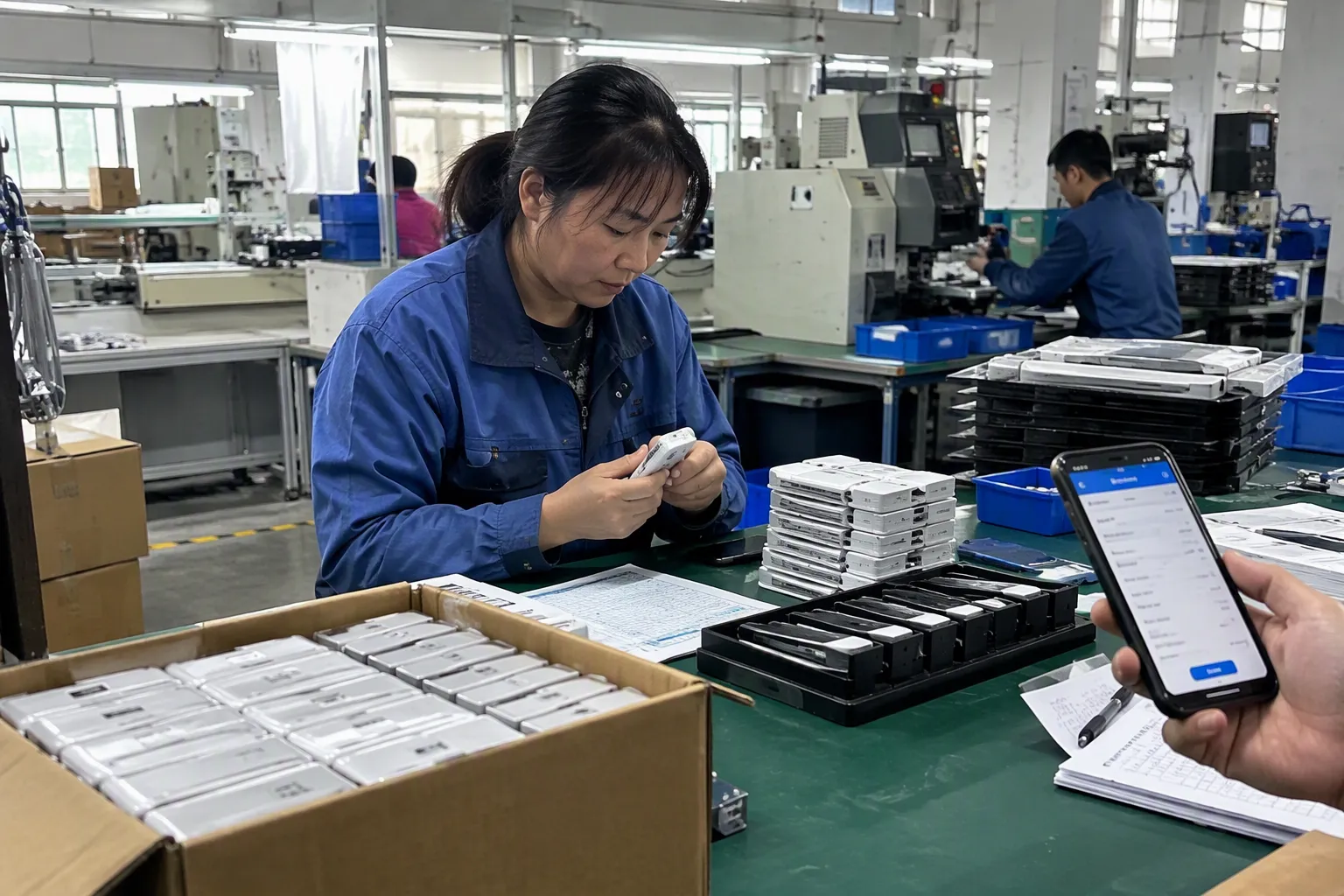
T/T can be practical when the supplier is verified and the payment schedule preserves buyer leverage. I would avoid judging safety from the transfer method alone. I would connect payments to documented milestones, use a clear contract, arrange inspection, and verify the beneficiary account before sending funds.
Should I use escrow for a first order from China?
Escrow may reduce early cash exposure, but its value depends on the provider’s rules and the release conditions. I would confirm who controls the funds, which evidence is accepted, how disputes are handled, and whether the provider covers the transaction. I would still verify the supplier and inspect the goods.
Does a letter of credit guarantee product quality?
No. A letter of credit generally controls payment against specified documents, not every physical characteristic of the goods. I would ask a qualified bank or trade-finance professional to review the credit wording and use an independent inspection process to address product quality.
Is paying the balance after inspection enough protection?
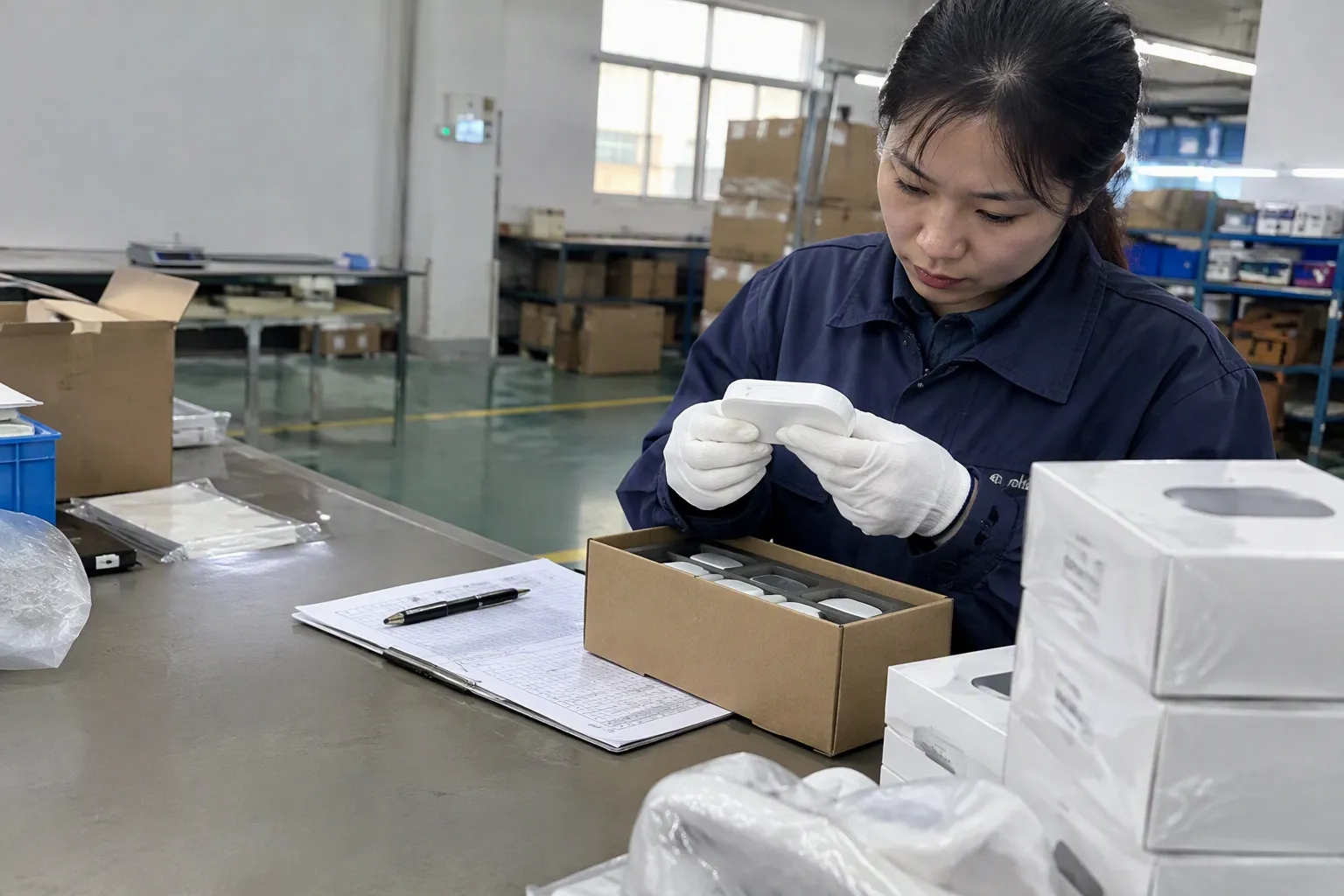
Not automatically. The inspection standard, timing, sampling method, defect limits, correction procedure, reinspection rules, and final-payment trigger must be clear. I would also confirm that the inspection occurs before the buyer loses practical control over shipment or release.
How can I reduce payment risk with a new Chinese supplier?
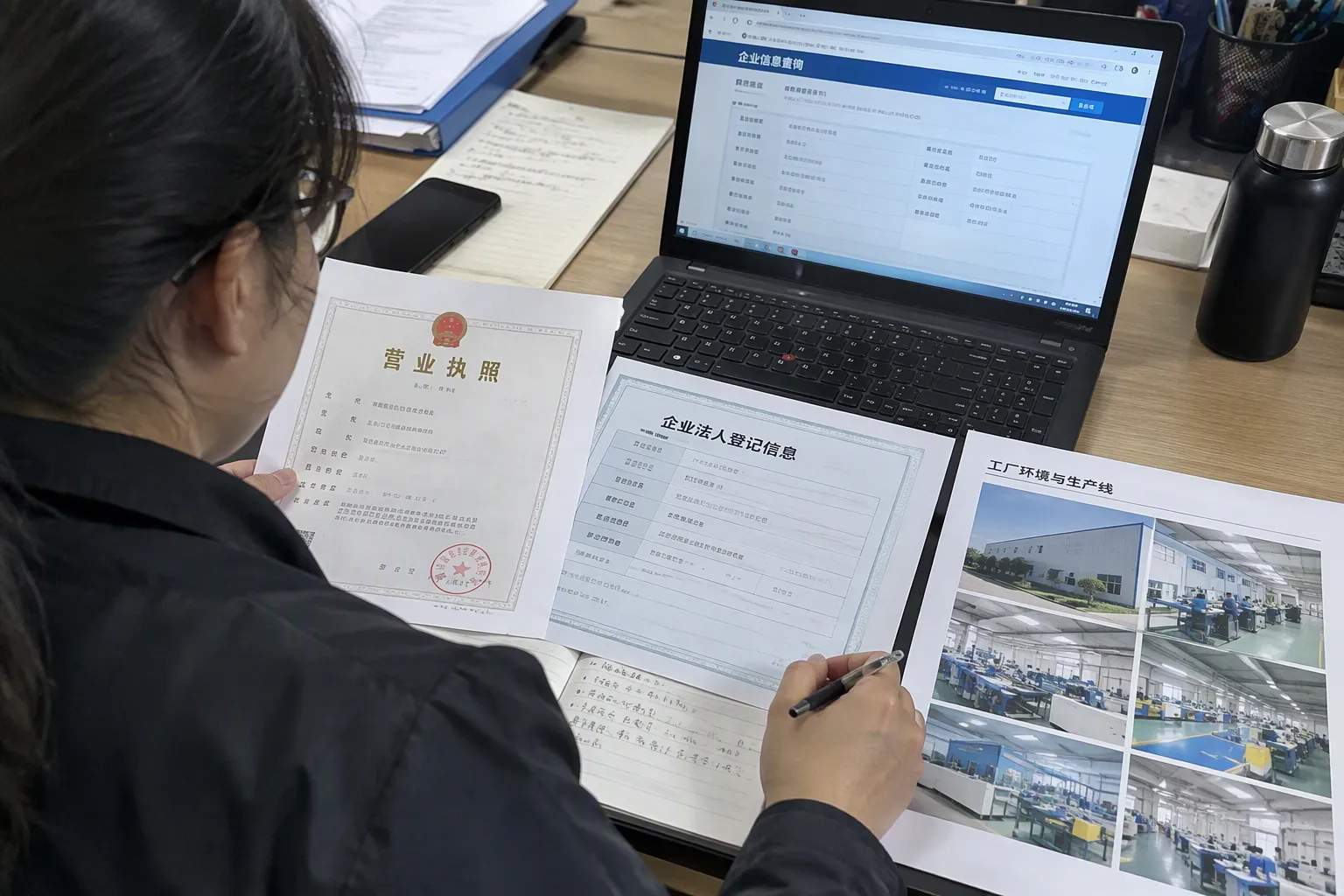
I would verify the supplier’s identity and factory capability, compare quotations, approve a controlled sample, define specifications in writing, use staged payments, monitor production, arrange independent inspection, and keep clear records. For larger or complex orders, I would obtain professional legal and banking advice.
Conclusion
Payment terms with Chinese factories should support a wider procurement-control system rather than operate as a standalone safety feature. T/T, L/C, and escrow each offer different forms of control, but none guarantees quality, delivery, or recovery. I recommend matching milestones to supplier verification, approved samples, production evidence, inspection, corrective action, and shipping documents. If you need help evaluating Chinese suppliers, coordinating inspections, managing multiple factories, or organizing payment and delivery checkpoints, contact KingSourcing to discuss your purchasing plan.
Sources
- [PDF] Distributed Ledger Technology (DLT) and Blockchain", Authoritative trade-finance guidance distinguishes direct bank transfers from documentary credits, under which banks examine stipulated documents, and escrow arrangements, under which funds may be released upon specified conditions
- Documentary Collections - International Trade Administration", Trade-finance rules generally allocate payment obligations and documentary procedures without constituting an independent warranty that the underlying goods conform to specifications or will be delivered on schedule
- Electronic Fund Transfers FAQs", Banking guidance indicates that an executed electronic transfer may not be routinely cancellable, with recovery commonly depending on the payment system, timing, recipient-bank cooperation, and applicable fraud or error procedures
- [PDF] Judicial Development of Letters of Credit Law: A Reappraisal", The rules governing documentary credits provide that banks examine documents for apparent compliance with the credit and do not ordinarily determine the physical quality or performance of the goods themselves
- escrow | Wex | US Law | LII / Legal Information Institute", Legal reference materials define escrow as an arrangement in which a third party holds funds or property pending the occurrence of conditions specified by the parties
- parol evidence rule | Wex | US Law | LII / Legal Information Institute", Contract-law materials generally associate clearer, objectively verifiable conditions with more predictable interpretation and administration, whereas ambiguous approval provisions can increase the scope for dispute
- § 2-711. Buyer's Remedies in General; Buyer's Security Interest in ...", Sales-law principles treat inspection findings as evidence relevant to conformity and breach, while repayment, repair, replacement, price reduction, or cancellation arise only from applicable contract terms or legal remedies
- [PDF] Cybersecurity Supply Chain Risk Management Practices for ...", Supply-chain risk and quality-management literature generally supports combining supplier qualification, explicit requirements, process monitoring, inspection, and corrective-action procedures rather than relying on a single financial control