 Skip to content

Quick Answer
China sourcing for mobile accessory stores can create attractive opportunities, but a low quotation does not automatically create a good deal. I often see buyers focus on unit price first, then discover differences in compatibility, packaging, quality, MOQ, or shipping. I use a more controlled process that compares the full purchasing conditions before a store commits.
China sourcing for mobile accessory stores works best when the buyer compares product specifications, supplier conditions, quality requirements, and total landed cost instead of choosing the lowest unit price. A controlled sample order, clear acceptance standards, supplier verification, and production inspection can help a retailer test commercial suitability before placing a larger order.
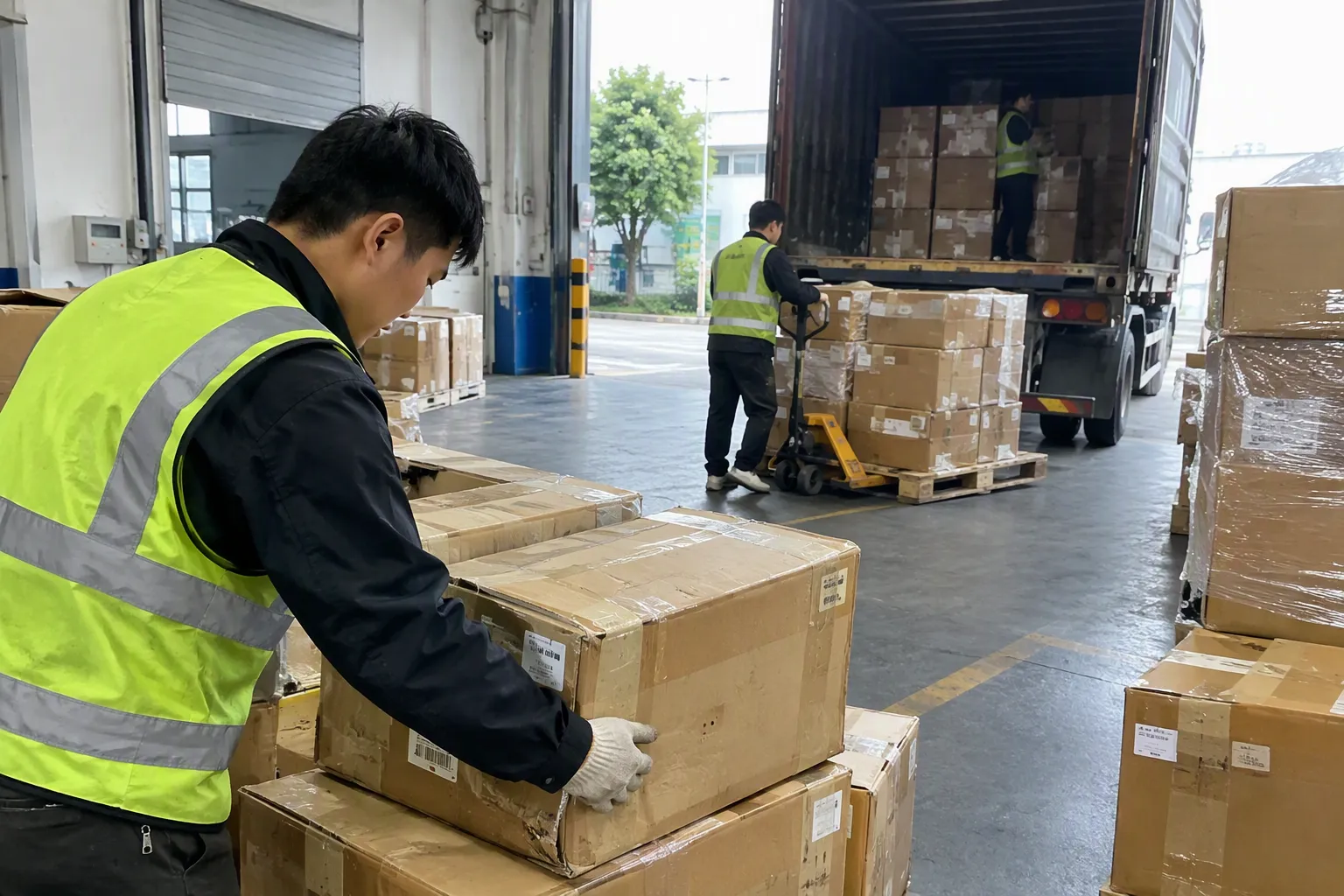
A mobile accessory store usually needs several products, not just one. Cases, cables, chargers, stands, screen protectors, wireless accessories, and promotional items may come from different suppliers. That variety makes supplier comparison more difficult. Below, I explain how I review sourcing decisions and where first-time buyers should look beyond the headline price.
How Should I Approach China Sourcing for Mobile Accessory Stores?
Many independent retailers start with a simple goal: find a Chinese supplier that offers the lowest price. The problem is that two quotations can describe different products or different purchasing conditions. I have reviewed quote comparisons where one supplier included retail packaging and another quoted a bulk-packed item. The numbers looked comparable until the details were checked.
The better approach is to treat China sourcing as risk-adjusted purchasing. I first define the product, then compare suppliers against the same requirements, and finally test the relationship with a controlled order.
I approach China sourcing for mobile accessory stores as a staged procurement process.[2] I define the product and packaging requirements, verify the supplier’s capability, compare quotations on the same basis, inspect samples and production, and calculate the total landed cost before I recommend a larger purchase.
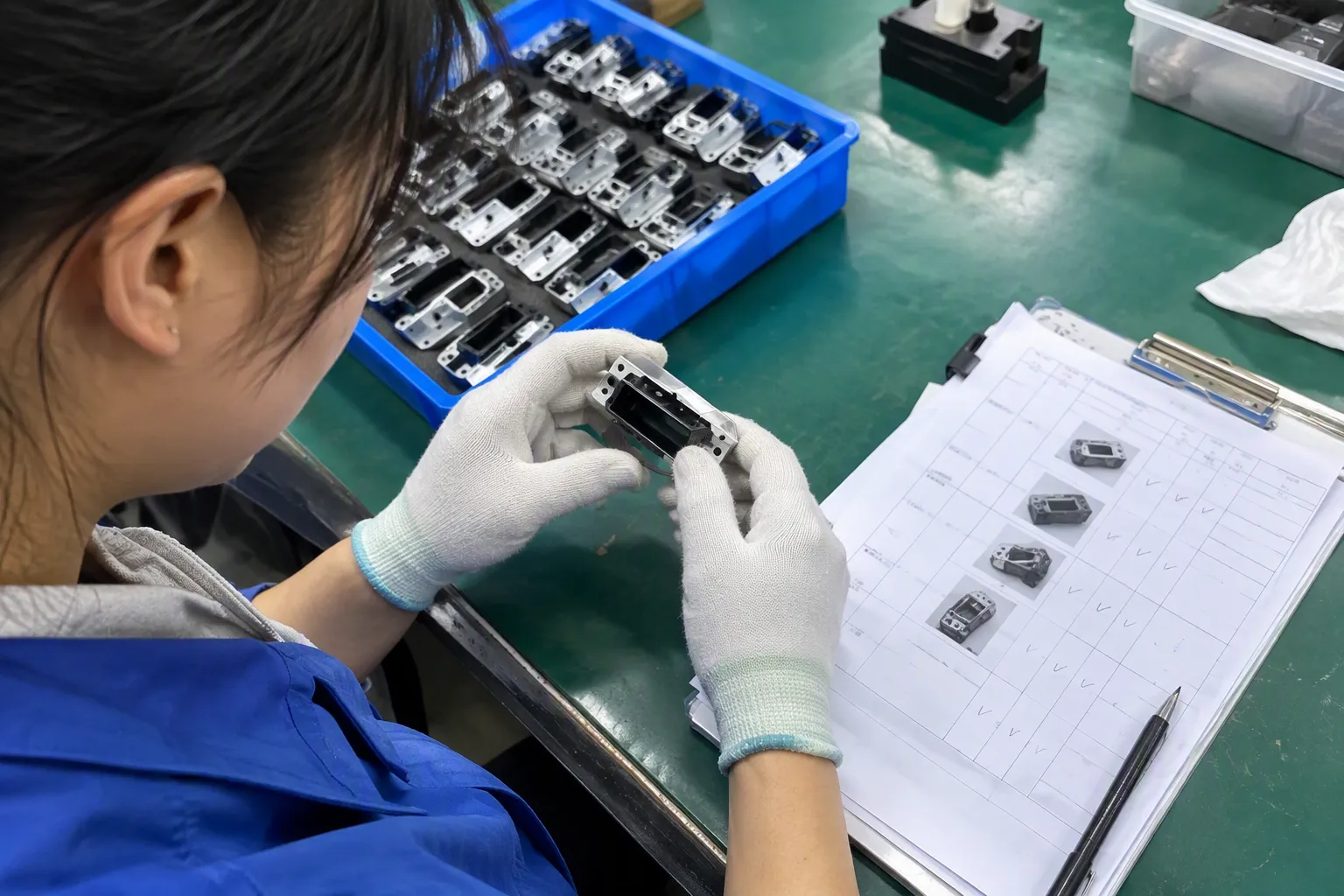
Why does the lowest quotation create purchasing risk?
A low unit price may exclude important costs or conditions.[1] The supplier may require a higher MOQ, use simpler packaging, offer a longer lead time, or provide fewer quality controls. A buyer may also receive a product that looks similar in a photograph but does not meet the store’s compatibility or durability expectations.
I do not assume that a low price is suspicious. I treat it as a point that requires explanation. The buyer should ask what the price includes and whether the quoted item matches the intended sales product.
What should I define before contacting suppliers?
I recommend preparing a short product brief for every important SKU. The brief does not need to be highly technical, but it should remove avoidable ambiguity.
A useful brief can include:
- Product type and intended customer
- Compatible phone models, devices, or operating systems
- Materials, dimensions, color, finish, and key functions
- Required technical specifications
- Logo, branding, or private-label requirements
- Retail packaging and labeling instructions
- Target order quantity and expected repeat-order volume
- Required sample quantity
- Destination country and delivery location
- Basic quality acceptance standards
- Any required documents or compliance evidence
For example, “USB-C cable” is not a complete product description. A buyer may need to specify length, connector construction, data function, charging performance, outer material, color, packaging, and intended market. I would ask the buyer to separate confirmed requirements from preferences. That distinction helps suppliers quote more accurately.
How do I compare mobile accessory suppliers?
I compare suppliers in several stages rather than selecting from a single price list.
1. I check the supplier’s apparent fit
I review the supplier’s product range, communication quality, factory or trading-company information, export experience, and willingness to answer specific questions. A supplier that sells many unrelated categories may still be suitable[3], but I need to understand its actual role in the supply chain.
I also distinguish between:
- A manufacturer producing the item directly
- A trading company coordinating several factories
- A sourcing intermediary representing other suppliers
- A distributor selling stock products
None of these categories is automatically good or bad. Each may offer different advantages in customization, MOQ, product breadth, communication, and production control. I focus on whether the supplier can meet the buyer’s actual requirements.
2. I request comparable quotations
I ask suppliers to quote the same specification, quantity, packaging, branding requirement, and shipping basis. I also request separate line items where possible.
| Quotation item | Questions I ask |
|---|---|
| Unit price | What exact specification does this price cover? |
| MOQ | Does the MOQ apply per color, model, logo, or total order? |
| Sample cost | Can the sample be made with the final materials and packaging? |
| Tooling or setup | Are molds, printing plates, or artwork fees included? |
| Packaging | Is the quote for bulk, standard retail, or customized packaging? |
| Lead time | Does production begin after deposit, artwork approval, or sample confirmation? |
| Payment terms | What deposit and balance arrangement does the supplier require? |
| Inspection | Is inspection arranged by the supplier or independently by the buyer? |
| Shipping | Is freight included, and which delivery terms apply? |
| Documents | What product information or compliance documents are available for review? |
This table prevents a common mistake: comparing a complete quotation with an incomplete quotation.
3. I examine the conditions behind the price
The quotation is only one part of the supplier evaluation. I look at how clearly the supplier explains assumptions, exclusions, and production limitations. A reliable quotation should make it easier for the buyer to understand what will actually be delivered.
I pay attention to unclear phrases such as:
- “Same as picture”
- “Good quality”
- “Fast delivery”
- “Best material”
- “All certificates available”
- “Custom packaging possible”
These phrases need follow-up questions. I ask the supplier to convert general language into measurable or reviewable details. If a certificate matters to the buyer’s market, I request the document and check whether it applies to the exact product, model, factory, and intended use. I never treat a supplier’s statement alone as proof of compliance.
How does total landed cost change the decision?
A buyer should calculate more than the factory unit price.[4] The total landed cost may include:
- Product cost
- Customization and tooling
- Packaging
- Local transportation in China
- Inspection fees
- Export-related charges
- International freight
- Duties and taxes where applicable
- Destination handling fees
- Warehousing or consolidation charges
- Payment and currency-conversion costs
- Allowance for damaged, missing, or nonconforming goods
The final calculation depends on the product, destination, order size, shipping method, and applicable import rules. I therefore avoid promising a fixed saving percentage. China sourcing may improve purchasing options, but the result depends on the complete commercial structure.
When should I use a sourcing and procurement partner?
A retailer may manage direct supplier communication independently if the product is simple, the order is small, and the buyer has time to handle samples, payment, inspection, shipping, and follow-up. A sourcing partner can become more useful when the buyer has several SKUs, limited China experience, custom packaging, multiple factories, or no local quality-control support.
At KingSourcing, I can help coordinate activities such as:
- Translating a product brief into supplier requirements
- Identifying and comparing potential suppliers
- Reviewing quotations and commercial conditions
- Coordinating samples and revisions
- Checking supplier and factory information
- Following production progress
- Arranging pre-shipment or in-process inspection
- Checking products individually where the order requires it
- Consolidating goods from multiple suppliers
- Coordinating warehousing and international shipping
I present this support as procurement coordination, not as a replacement for the buyer’s professional legal, technical, or compliance assessment.
What quality issues matter most for mobile accessories?
The answer depends on the product. A retailer should not use one generic inspection checklist for every accessory.
For phone cases, I may review model compatibility, fit, button access, camera clearance, material finish, color consistency, printing, and packaging. For cables, I may review connector appearance, length, labeling, construction, and the technical requirements specified by the buyer. For chargers and powered products, I would expect a more careful technical and regulatory review[5] because electrical safety and market requirements can be significant.
I recommend that buyers define:
- What must be correct for every unit
- What defects are unacceptable
- What cosmetic variation may be tolerated
- What packaging information must be present
- How many units should be inspected
- What action follows if the inspection result is not acceptable
An inspection report can provide useful evidence about the inspected goods, but it does not guarantee future production.[6] I use inspection as one control in a broader supplier-management process.
Why is a controlled first order important?
A first order should answer several commercial questions at the same time:
- Can the supplier produce the agreed specification?
- Can the supplier maintain the requested packaging?
- Does the product fit the store’s customer base?
- Does the delivery schedule work for the retailer?
- Does the landed cost support a viable selling price?
- Does the supplier communicate effectively when problems arise?
- Can the supplier repeat the same standard?
I usually recommend starting with a manageable SKU range or quantity when the buyer is testing a new supplier. A small order is not automatically risk-free, and it may have a higher unit cost.[7] However, it can limit the exposure created by an unverified product or relationship.
The buyer should document the approved sample and keep the relevant specification, artwork, packaging design, and quality instructions. The final order should refer back to those documents. This step helps reduce disputes caused by memory, photographs, or informal messages.
How should I manage several suppliers?
A mobile accessory store often wants variety. One supplier may offer cases, another may specialize in cables, and another may provide packaging or promotional products. This arrangement can improve product selection, but it also increases coordination work.
I recommend using a purchasing sheet that records:
- Supplier name and contact
- Product and model number
- Approved sample reference
- Unit price and currency
- MOQ and quantity
- Packaging specification
- Production lead time
- Inspection status
- Balance payment status
- Carton information
- Warehouse receiving status
- Shipping and consolidation instructions
Multi-supplier consolidation can reduce the number of separate international shipments, but the buyer still needs to consider domestic transfers, storage, handling, inspection timing, and the risk that one delayed supplier affects the whole shipment. Consolidation is a logistics tool, not an automatic cost reduction.[8]
What warning signs should I investigate?
I do not reject a supplier because of one imperfect message or a low initial price. I look for patterns that create avoidable risk.
Possible warning signs include:
- The supplier refuses to provide a clear specification
- The supplier changes the quotation without explaining why
- The supplier cannot identify the actual production location
- The supplier pressures the buyer to place a large order immediately
- The supplier avoids sample confirmation
- The supplier makes broad compliance claims without documents
- The supplier cannot explain lead time or packaging details
- The supplier treats every accessory as an identical product
- The supplier gives inconsistent answers to basic questions
- The supplier resists reasonable inspection arrangements
These signs do not prove that a supplier will fail. They indicate that I need more verification before recommending a substantial commitment.
How can I judge whether the product will sell?
Supplier suitability and market suitability are different questions. A supplier may produce a technically acceptable accessory that does not match the retailer’s customers, price level, colors, packaging style, or local demand.
I encourage store owners to test their own assumptions. They can review current sales data, customer requests, competitor positioning, and expected retail margins. They should also consider the speed at which phone models change. A large order of model-specific inventory may create a different risk from a more universal product.
I avoid treating a sample approval as proof of market demand. A sample proves that the buyer can review a product. It does not prove that customers will purchase it at the planned retail price.
How can I negotiate without focusing only on price?
I find that buyers often have more useful negotiation options than a simple request for a lower unit price. They can discuss:
- A lower initial MOQ
- Mixed colors or models
- Better packaging at the same price
- More favorable payment timing
- Sample-cost treatment after a confirmed order
- Production lead-time commitments
- Replacement terms for confirmed defects
- Carton optimization
- Consolidation support
- A clear process for repeat orders
The most effective negotiation starts with accurate information. If the buyer knows the target quantity, packaging requirement, delivery window, and acceptable quality standard, the supplier can respond to a real purchasing plan. If the buyer only asks for the “cheapest price,” the supplier may reduce the specification instead of improving the commercial offer.
What should happen after the purchase order?
I treat the purchase order as the beginning of production control, not the end of sourcing. The buyer should confirm the final specification, packaging artwork, quantity, production schedule, payment milestones, and inspection plan.
During production, I may request progress updates or arrange a factory visit or inspection through qualified personnel where appropriate. Before shipment, I review whether the inspection result supports release of the goods. If the goods do not meet the agreed requirements, the buyer should discuss correction, rework, replacement, discount, or another documented remedy before final settlement when the payment arrangement allows it.
After delivery, I recommend recording:
- Quantity received
- Damaged cartons or products
- Packaging problems
- Customer complaints
- Missing accessories
- Product performance concerns
- Supplier response time
- Repeat-order consistency
This information improves the next purchasing decision. It also helps the retailer decide whether to expand the supplier relationship, keep it limited, or look for alternatives.
Which documents should a buyer verify?
Document requirements vary by product and destination market. A retailer should identify the applicable rules before importing or selling an accessory. Depending on the item, the buyer may need product specifications, test reports, declarations, labeling information, safety documents, or other evidence.
I recommend that buyers verify:
- Whether the document applies to the exact product and model
- Whether the named manufacturer matches the supply arrangement
- Whether the document is current
- Whether the destination market accepts it
- Whether the test scope matches the intended use
- Whether the product labeling and packaging match the documents
I do not present certificates or supplier-provided reports as universally valid without review. For electrical, wireless, battery-powered, or otherwise regulated products, I recommend qualified compliance and technical evaluation before commercial importation.
What is a practical first-order checklist?
Before I recommend releasing a first order, I want the buyer to answer the following questions:
- Is the product specification written clearly?
- Has the buyer approved a representative sample?
- Does the quotation include the required packaging?
- Is the MOQ commercially manageable?
- Has the buyer calculated estimated landed cost?
- Has the supplier’s role and production capability been reviewed?
- Are the payment terms understood?
- Is there a documented inspection plan?
- Are relevant documents available for verification?
- Is the delivery schedule realistic?
- Does the buyer have a plan for slow-moving or model-specific stock?
- Has the buyer decided what happens if the goods fail inspection?
If several answers remain unclear, I would not treat the quotation as ready for a large commitment.
Frequently Asked Questions
Is China sourcing suitable for a small mobile accessory store?
China sourcing can suit a small store, but the buyer should match the order structure to available cash flow, storage space, and sales demand. A smaller controlled order can help validate the product and supplier before the retailer expands the SKU range or order quantity.
How many suppliers should I compare?

I do not use a fixed number for every purchase. I usually compare enough qualified suppliers to understand the market range and the conditions behind each quote. Three comparable quotations can be useful for a simple product, while customized or technical items may require a deeper review.
Should I buy directly from a factory?
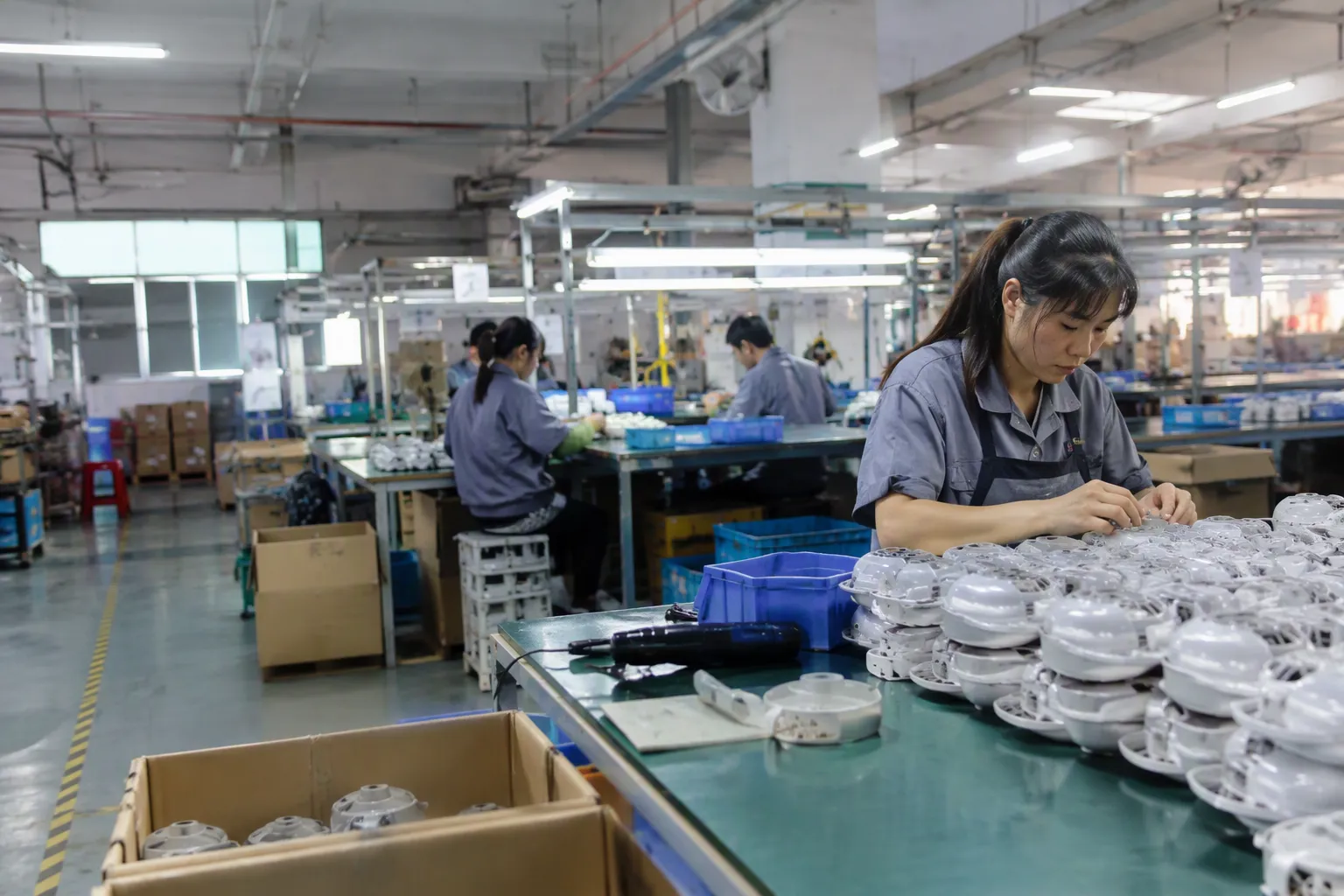
A factory can offer production access, while a trading company may offer broader product selection or easier coordination. I do not choose based on the label alone. I evaluate whether the supplier can meet the specification, communicate clearly, support inspection, and provide commercially suitable terms.
How can I reduce the risk of receiving the wrong accessory?
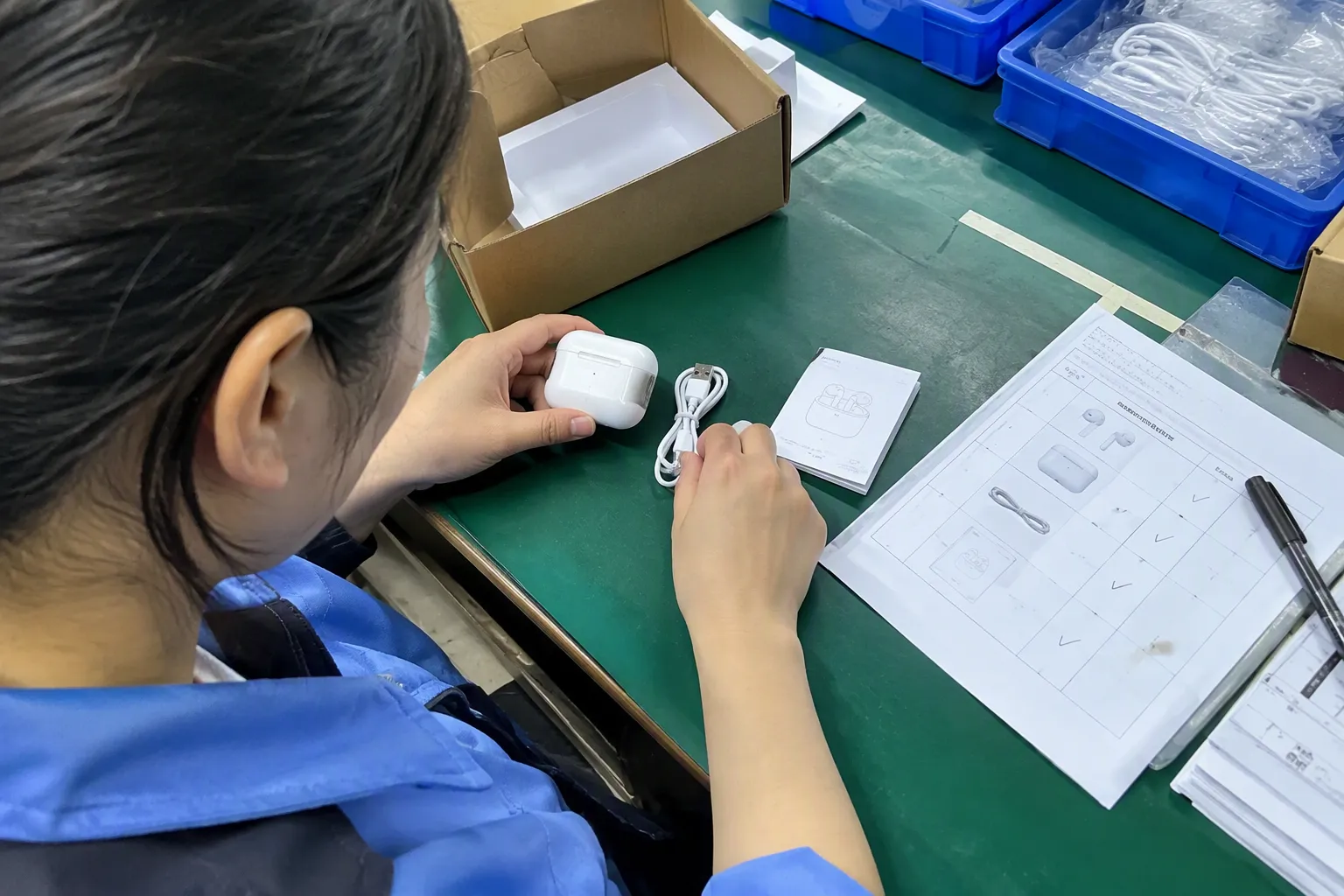
I use a written specification, approved sample, clear model references, packaging artwork, and a documented inspection plan. The buyer should avoid relying only on photographs or descriptions such as “universal” and should confirm compatibility requirements before production.
Are supplier certifications enough to approve a product?
Supplier certifications are documents that buyers should verify, not automatic proof of suitability. The buyer should confirm the document’s scope, validity, issuing body, product model, manufacturer, and relevance to the destination market. Professional compliance advice may be necessary for regulated accessories.
Conclusion
China sourcing for mobile accessory stores should begin with product clarity rather than a search for the lowest unit price. I recommend comparing complete quotations, checking MOQ and packaging conditions, reviewing total landed cost, verifying suppliers, and using a controlled first order. Quality inspection and document review can reduce uncertainty, but they do not replace careful product and compliance evaluation. If you want help comparing Chinese suppliers, coordinating samples, managing inspections, consolidating multiple orders, or arranging shipping, contact KingSourcing to discuss your purchasing requirements.
Sources
- 15.404-1 Proposal analysis techniques.", Procurement literature distinguishes the quoted purchase price from broader acquisition and transaction costs, supporting the view that a low unit quotation may not represent the lowest overall cost
- Supplier Selection", Procurement guidance commonly treats requirements definition, supplier qualification, evaluation, and verification as linked stages of purchasing control, providing general support for a staged sourcing process
- Subpart 9.2 - Qualifications Requirements", Supplier-selection studies identify capability, quality, delivery performance, and requirement fit as distinct evaluation criteria, indicating that product-range breadth alone is insufficient to determine supplier suitability
- Total Landed Cost Model", Customs and international-trade guidance defines the cost of imported goods through multiple components beyond the seller’s price, including transport-related charges and applicable duties or taxes
- Electric Vehicle Infrastructure Research Facilities", Electrical-safety authorities identify chargers and power supplies as products subject to technical safety requirements because faults can create shock, fire, overheating, or electromagnetic risks
- Artificial Intelligence-Based Smart Quality Inspection for ... - PMC", Quality-control literature treats inspection as evidence about sampled or inspected production rather than as proof that all future output will meet the same standard
- Managing risks in the public procurement of goods, ...", Operations research links larger production quantities with potential unit-cost efficiencies, while staged or pilot purchasing limits the capital committed before supplier and product performance are assessed
- Defense Logistics Agency's Regional Freight ...", Logistics studies describe shipment consolidation as a trade-off in which transport efficiencies may be offset by additional handling, storage, transfer, and coordination costs


