Quick Answer
China sourcing for pet product brands often starts with a simple product idea, but a vague brief can create expensive problems later. I have seen how unclear materials, dimensions, usage conditions, and packaging expectations make supplier quotes difficult to compare. I reduce that risk by turning the idea into clear specifications before I evaluate factories or approve production.
China sourcing for pet product brands works best when the buyer first defines the product’s use case, converts that use case into measurable specifications, and then compares suppliers through quotations, samples, verification, and quality-control planning.[1] A capable factory may still be unsuitable if it cannot match the brief or reproduce the approved sample consistently.
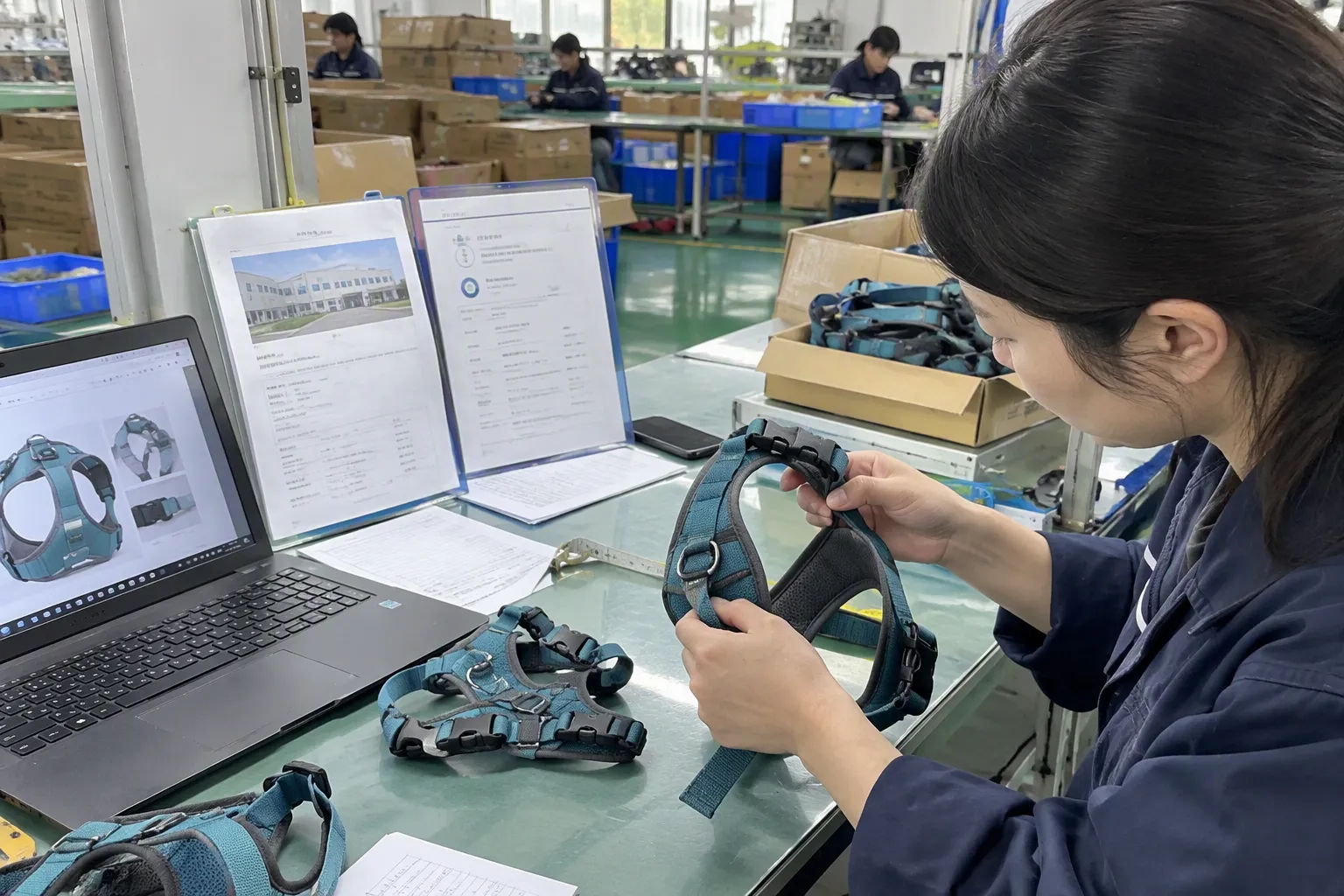
A pet product brand is not simply buying an item that looks similar to a product already on the market. I see sourcing as a chain of decisions, from product definition to supplier matching, sample approval, production monitoring, inspection, packaging, and shipping. Each stage gives the buyer a chance to identify risk before a larger commitment.
How Should China Sourcing for Pet Product Brands Begin?
Many founders begin by searching for a generic product name, such as “pet bowl,” “dog toy,” “cat bed,” or “pet travel accessory.” That search may produce many factories, but it does not explain what the final product must do. I begin with the intended use, because the use case determines the specifications that suppliers need to quote accurately.[3]
China sourcing for pet product brands should begin with a structured product brief. The brief should describe the target animal and user, usage environment, dimensions, materials, construction, functions, appearance, packaging, order expectations, and required verification.[2] This information helps buyers compare relevant suppliers instead of selecting a factory only because it displays a similar product.[4]
What I Clarify Before Contacting Suppliers
When a brand sends an early product idea, I usually look for the information that suppliers will otherwise interpret differently. A buyer may believe that a short description is clear, while each factory may make a different assumption about the same words.
For example, “a durable travel water bottle for dogs” does not define:
- The intended dog sizes.
- The bottle capacity.
- The material for the bottle and drinking area.
- The closure or dispensing mechanism.
- Whether the product is intended for daily use or occasional travel.
- The preferred color, surface finish, and logo method.
- The packaging format.
- The target order quantity.
- The acceptable sample and production tolerances.
- The markets where the product will be sold.
I do not need every detail to be perfect at the beginning. I do need to separate confirmed requirements from open decisions. That distinction makes supplier communication more honest and more efficient.
A Practical Product Brief
I normally organize the brief into several sections:
| Brief area | Questions I ask |
|---|---|
| Use case | Who will use the product, and where will it be used? |
| Product function | What must the product do during normal use? |
| Size and fit | What dimensions, capacities, or size ranges are required? |
| Materials | Which materials are preferred, required, or unacceptable? |
| Construction | How are parts joined, closed, stitched, molded, or assembled? |
| Appearance | What colors, finishes, logos, and design details matter? |
| Packaging | How should the product be protected, labeled, and presented? |
| Quality expectations | Which defects are unacceptable, and which details require checking? |
| Commercial needs | What quantity, target market, and delivery plan should suppliers quote? |
This process also reveals when a product needs outside technical or regulatory input. I can help organize supplier requirements and sourcing questions, but I do not treat a sourcing review as proof of product safety, testing performance, or import compliance. A brand should ask qualified testing or regulatory professionals to assess requirements that depend on the product, destination market, animal use, materials, or applicable rules.
Why Usage Conditions Matter
A product designed for indoor use may face different demands from one used outdoors, during travel, around water, or in a home with multiple animals. A storage container may require different packaging protection from a soft accessory. A toy may involve different construction questions from a grooming tool.
I therefore ask questions such as:
- Will the product encounter moisture, heat, dirt, sunlight, or repeated washing?
- Will a pet chew, scratch, pull, carry, or place the product near its mouth?
- Does the product need to fit a specific crate, vehicle, cage, or feeding area?
- Does the owner need to assemble, clean, fold, charge, or replace parts?
- Does the product need to support private-label packaging or several variations?
- Which visual details influence the brand’s customer experience?
These questions do not automatically establish a technical acceptance standard. They help me create a more useful supplier brief and identify which points deserve professional evaluation.
How Do I Evaluate Suppliers for China Sourcing for Pet Product Brands?
A factory that makes a similar pet product is only a starting point.[5] I evaluate whether the supplier can understand the brief, provide a clear quotation, develop an accurate sample, communicate reliably, and maintain the agreed requirements during production. I also verify the information that matters to the buyer instead of relying only on online listings or general factory descriptions.
For China sourcing for pet product brands, supplier evaluation should combine requirement matching, quotation review, sample development, communication assessment, business verification, and quality-control planning. Factory capability alone does not prove that the supplier is suitable for a particular design or that mass production will match an approved sample.
Capability Is Not the Same as Suitability
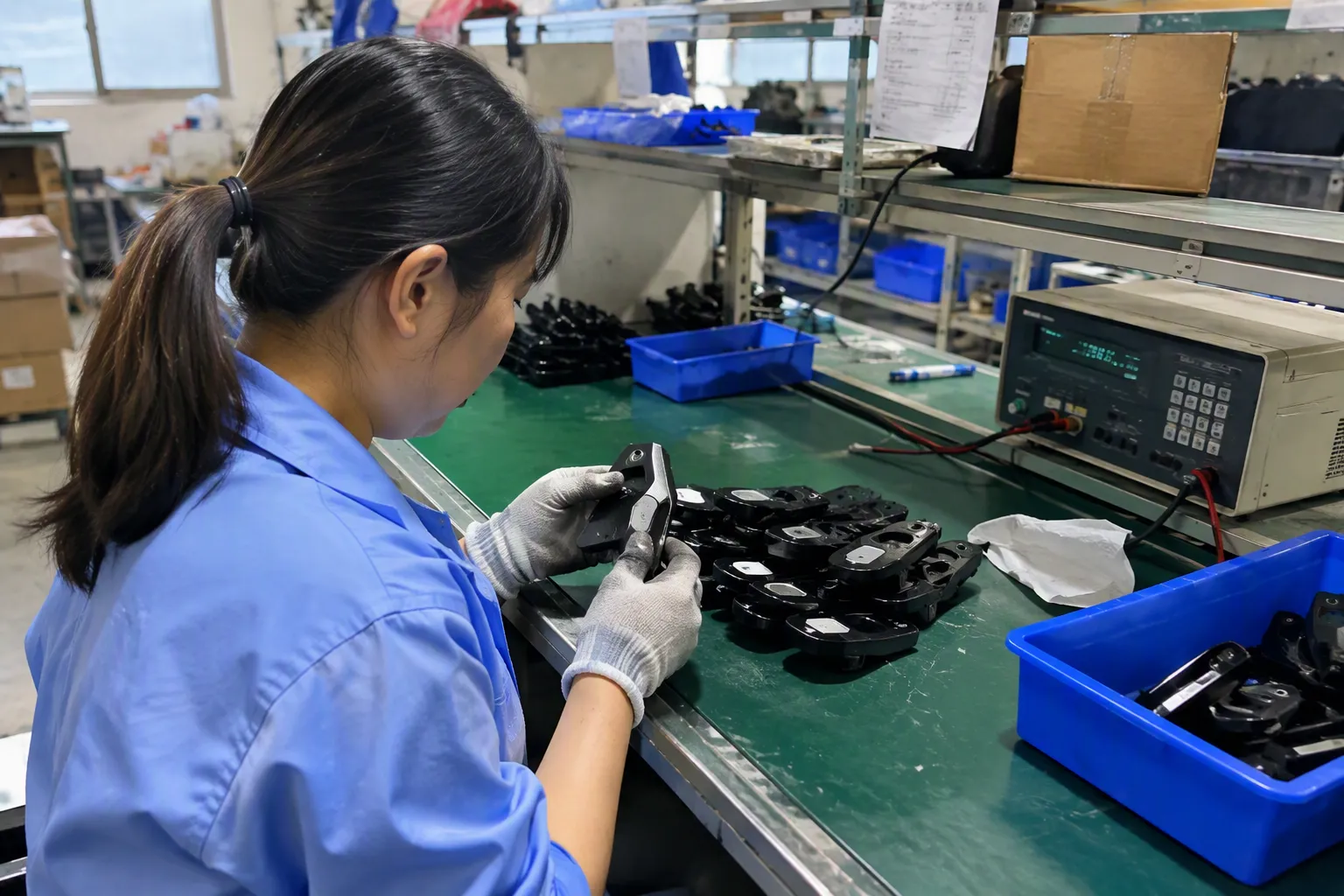
A supplier may have equipment, workers, and product photographs that appear relevant. However, the supplier may still be a poor fit for a brand’s project. The factory may not control the required material, may not accept the requested packaging, or may not communicate details clearly enough for reliable production.
I compare suppliers against the actual project requirements. My review normally includes:
- Product fit: Can the supplier produce the requested construction and configuration?
- Material fit: Can the supplier quote the preferred material and explain available alternatives?
- Customization fit: Can the factory support the required logo, colors, mold changes, packaging, or labeling?
- Order fit: Can the factory work with the expected quantity and planned purchasing schedule?
- Communication fit: Does the supplier answer questions specifically and consistently?
- Sample fit: Can the factory make a sample that reflects the written brief rather than an unrelated stock item?
- Quality-control fit: Can the supplier explain how it will control important production points?
- Commercial fit: Does the quotation identify what is included, excluded, and subject to change?
I do not treat location, factory size, or a low price as a substitute for this comparison.
Making Quotations Comparable
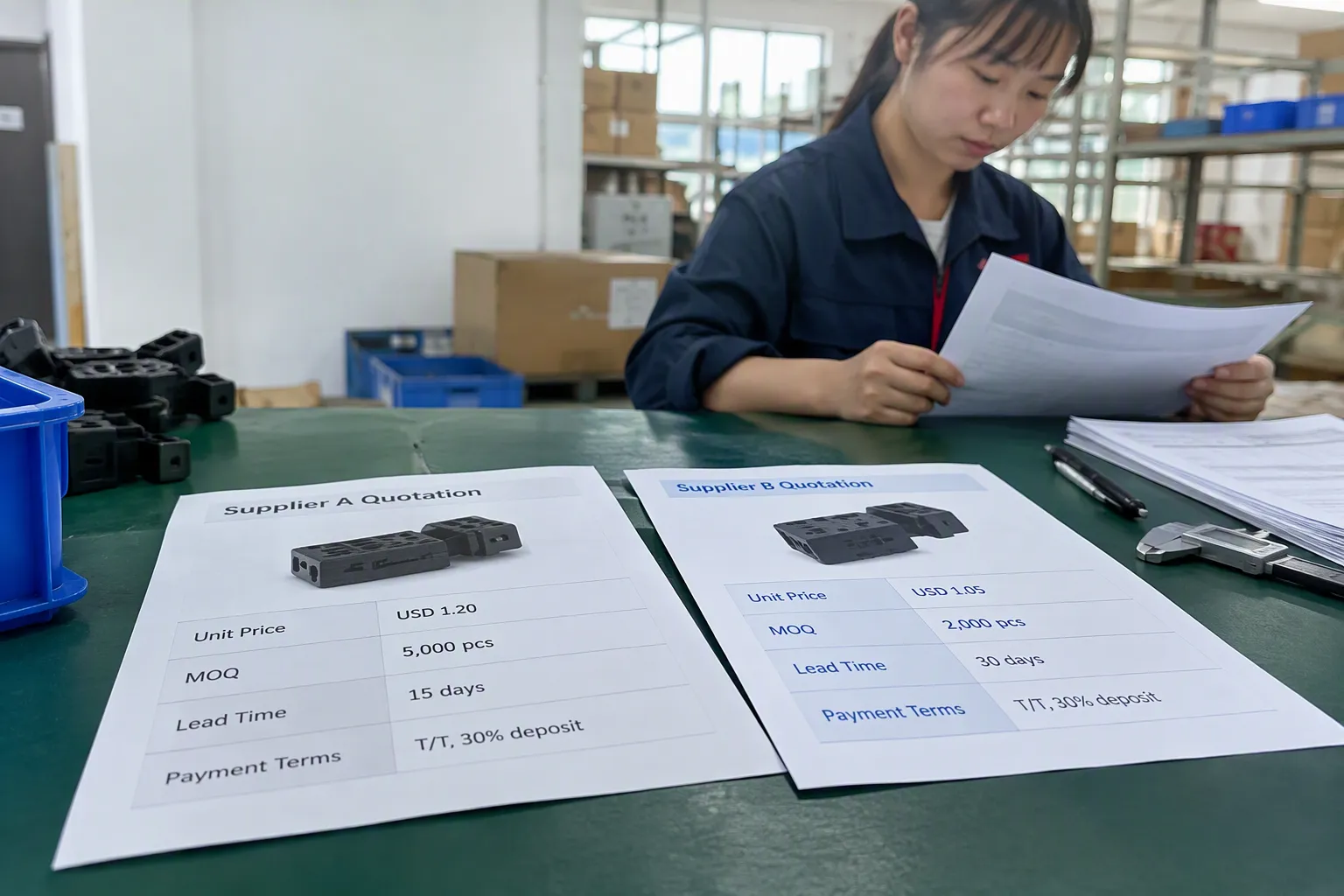
A quotation is useful only when I know what the price includes. Two suppliers may quote different prices because they have assumed different materials, packaging, accessories, printing methods, or order quantities.[6]
I ask suppliers to identify, where relevant:
- Product material and construction.
- Dimensions, weight, capacity, or size range.
- Color and finish.
- Logo and decoration method.
- Individual and master-carton packaging.
- Included accessories.
- Sample charges and tooling charges.
- Minimum order quantity.
- Production lead time.
- Shipping basis and destination assumptions.
- Payment terms.
- Any proposed substitutions.
I then place the responses into a comparison table. A lower quote can become less attractive when it excludes packaging, uses a different material, or assumes a simpler version of the product. A more expensive quote may include details that the first supplier left out. I want the buyer to compare equivalent specifications before discussing price.
I often find that the most important quotation question is not “What is your lowest price?” It is “What exactly does this price describe?”
Verification Before a Larger Commitment
Supplier verification should match the level of risk and the size of the purchasing decision. I may review business information, production capability, product-specific experience, facility details, communication records, and sample performance. A factory audit can provide additional information, but an audit is not a universal guarantee of future production quality.[7]
I also distinguish between a trading company and a manufacturer. A trading company may offer useful access to multiple factories or a broader product range. A manufacturer may provide more direct control over a specific production process. Neither category is automatically right or wrong. The relevant question is whether the supplier can manage the buyer’s requirements transparently.
I recommend that buyers document verification findings, including:
- The legal and commercial identity of the supplier.
- The contact person responsible for the project.
- The production process the supplier controls directly.
- Any subcontracted process.
- The proposed production location.
- The supplier’s sample and approval process.
- The quality checks the supplier performs.
- The supplier’s response to specification changes.
- Documents that the buyer needs to verify independently.
If a supplier presents certificates, test reports, or compliance documents, I treat them as documents for review, not automatic proof that the final product meets every applicable requirement.[8] The buyer should confirm authenticity, scope, dates, product identity, and destination-market relevance with qualified professionals where necessary.
How Can Samples Become a Reliable Production Standard?
A sample gives a brand something physical to review, but a general sample does not automatically control mass production. I use the sample stage to identify design and specification gaps, then I connect the approved sample to written requirements and inspection points. That connection helps reduce interpretation differences between the brand, sourcing team, and factory.
A reliable sample process includes a written specification, a documented sample version, recorded changes, agreed approval criteria, and production inspection points. The buyer should approve the exact sample or reference standard intended for manufacturing and should clarify which characteristics are critical, acceptable with tolerance, or unacceptable.
The First Sample Is a Question, Not Always an Answer
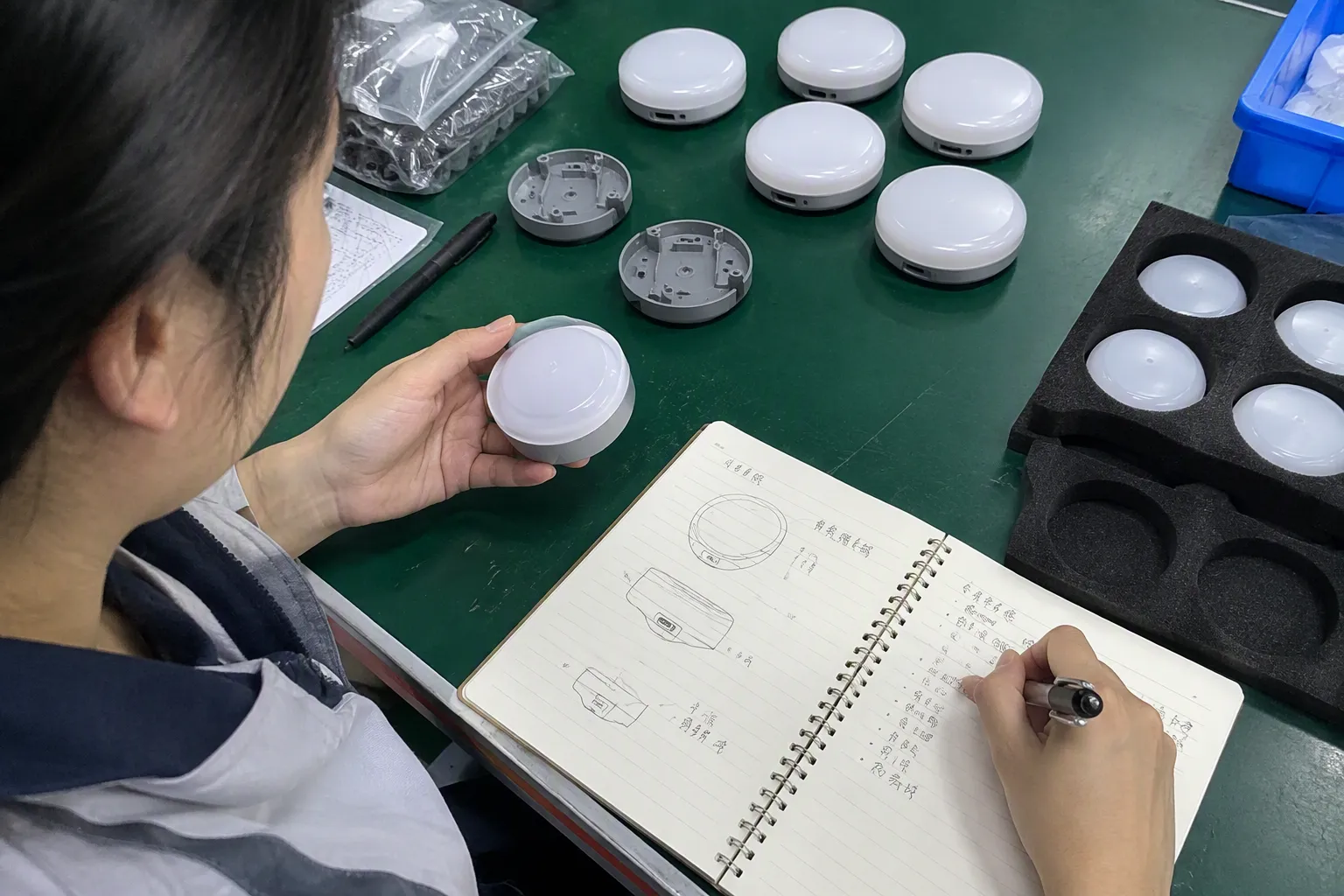
A first sample often exposes practical issues that were not obvious in the original concept. The size may feel wrong. A closure may be difficult to operate. A color may not match the brand’s expectations. A printed logo may appear too large or too small. Packaging may not protect the item adequately.
I record these observations instead of giving a simple approval or rejection. A useful sample review may include:
- Photographs from several angles.
- Measurements against the requested dimensions.
- Material and color observations.
- Notes about fit, movement, closure, stitching, molding, or assembly.
- Packaging and labeling details.
- A list of required changes.
- The sample date and version number.
- Confirmation of whether the sample is for appearance, function, packaging, or production reference.
I also separate subjective preferences from objective requirements. “The color feels too bright” needs a clearer reference, such as a color standard, approved physical reference, or defined visual comparison. “The length must be 30 centimeters” is easier to verify when the measurement method is clear.
Turning Approval Into a Control Document
After revisions, I want the final requirements to be easy for a factory and inspector to understand. The document can include drawings, photographs, measurements, material descriptions, packaging artwork, approved color references, and defect examples.
The exact format depends on the product. A simple product may need a short specification sheet. A more customized product may need several pages and a separate packaging file.
I usually classify requirements into three groups:
| Requirement type | Example purpose |
|---|---|
| Critical | A failure could make the product unusable or conflict with a central requirement. |
| Major | A failure could affect function, appearance, customer satisfaction, or brand presentation. |
| Minor | A small variation that does not materially affect normal use or appearance. |
This classification is a planning tool, not a universal safety or compliance standard. The buyer should set acceptance criteria appropriate to the product and seek professional advice for application-specific risks.
What I Check During Production
The production plan should identify when a check occurs and what evidence it produces. Depending on the product, I may recommend checking:
- Pre-production: materials, approved sample, artwork, components, packaging, and production instructions.
- During production: dimensions, assembly, appearance, printing, stitching, molding, or other agreed features.
- Pre-shipment: quantity, assortment, packaging, carton markings, visible defects, and selected functional checks.
- Loading and consolidation: carton count, labels, shipping marks, and separation of products from different suppliers.
Inspection cannot correct every problem. It can identify problems early enough for the buyer to decide whether to rework, replace, sort, or hold goods. I always align the inspection checklist with the approved specification. A generic checklist may miss the details that matter most for a customized pet product.
A Short Example of Specification Development
Suppose a brand asks for a private-label pet storage product. The first description may only mention the product type, preferred color, and logo. I would ask for the intended storage environment, approximate capacity, opening method, material preference, cleaning expectations, dimensions, folding requirements, internal structure, packaging, and target customer.
The supplier may then propose a stock product that looks close but uses a different lining, a different closure, and a smaller capacity. That product may still be useful as a reference, but I would not call it a match without documenting the differences.
I would request a revised sample or a clear development plan. I would also ask the supplier to quote the same specification as other candidates. This process may take more time at the beginning, but it gives the brand a better basis for comparing cost, quality, and production risk.
How Should Brands Manage Packaging, Consolidation, and Delivery?
A pet product can meet its product specification and still create problems if the packaging, labeling, or shipment plan is unclear. I include logistics requirements early because packaging affects quotation accuracy, carton volume, product protection, warehouse handling, and shipping cost. Multi-SKU brands also need a plan for receiving goods from different suppliers.
Brands should confirm individual packaging, master-carton details, labels, shipping marks, carton quantities, and consolidation requirements before production. A sourcing partner can coordinate goods from multiple Chinese suppliers, but the buyer should approve the packing and shipping information used for the final order.
Packaging decisions often affect more than presentation. A retail box, polybag, insert, barcode label, or carton divider may change the product’s dimensions and the total shipping volume. Packaging artwork also needs version control. A supplier should know which file is approved and which information must appear on the product or carton.
For multi-supplier purchasing, I normally track:
- Supplier name and purchase order.
- SKU and variant.
- Planned quantity.
- Expected completion date.
- Packaging status.
- Inspection status.
- Carton count and dimensions.
- Warehouse arrival date.
- Missing or damaged cartons.
- Consolidation and shipping instructions.
This information helps the buyer see whether all products are ready for one shipment. It also reduces the chance that one supplier’s cartons become mixed with another supplier’s products.
I do not promise that consolidation will always reduce total freight cost. The result depends on carton volume, destination, shipping method, timing, handling, and the number of suppliers involved. I use consolidation as a coordination option that should be evaluated against the buyer’s actual shipment plan.
Frequently Asked Questions
Is China sourcing for pet product brands suitable for small companies?
Yes, small brands can source from China, but they should control the project scope carefully. A focused product brief, realistic order plan, sample review, and clear quality requirements can help a smaller buyer make informed decisions. I recommend starting with a manageable product range rather than committing to many unclear SKUs at once.
How do I find a reliable Chinese pet product supplier?
I begin by matching suppliers to the product brief, then I compare quotations, communication, samples, business information, and quality-control capability. I do not select a supplier only from photographs, a marketplace listing, a factory location, or the lowest price. The buyer should verify important documents and claims independently.
Should I use a trading company or a factory?
Either may be appropriate. A factory may offer direct production control, while a trading company may coordinate several products or factories. I focus on transparency, product fit, communication, sample accuracy, and control of subcontracting. The buyer should understand who will produce the goods and who will be responsible for resolving production issues.
Does an approved sample guarantee consistent mass production?
No. An approved sample becomes useful only when the buyer connects it to written specifications, production instructions, and inspection points. The factory can still make substitutions or process changes unless the purchase agreement and quality-control plan define the approved standard clearly.
Can a sourcing company confirm pet product safety or compliance?
A sourcing company can help organize requirements, communicate with suppliers, collect documents, and coordinate inspections or testing. It should not replace qualified laboratory, engineering, or regulatory advice. Brands should obtain professional evaluation for product-specific safety, testing, labeling, and import-compliance questions.
Conclusion
China sourcing for pet product brands becomes more controlled when I treat it as a specification and risk-management process rather than a search for the lowest quotation. I first clarify the use case, then compare suppliers against the actual brief, verify relevant information, approve documented samples, and plan inspections and logistics before mass production. KingSourcing can help brands coordinate supplier sourcing, sample development, factory verification, quality control, consolidation, and shipping from China. Contact us with your product concept so we can help turn it into a clearer sourcing plan.
Sources
- EFFECTIVE METHODOLOGIES FOR SUPPLIER SELECTION ...", Procurement and quality-management literature generally identifies clearly defined requirements and structured supplier evaluation as controls that improve comparability and reduce purchasing uncertainty
- [PDF] Guide Specifications and - NIST Technical Series Publications", Standards-based product-development guidance treats documented functional, physical, environmental, and verification requirements as inputs for controlling design and production decisions
- Deriving Goals from a Use-Case Based Requirements ...", Requirements-engineering guidance describes use cases and operating conditions as inputs for deriving functional, performance, and interface requirements that can be communicated to suppliers
- Assessing the Best Supplier Selection Criteria in Supply ...", Supplier-selection studies commonly identify explicit technical, quality, delivery, and commercial criteria as more reliable decision inputs than appearance or price alone
- (PDF) Evaluation of supplier capability and performance", Supplier-qualification literature distinguishes general production capability from demonstrated conformity to the requirements of a particular product and contract
- How to Write Technical Specifications for RFQ Documents ...", Public-procurement guidance commonly requires buyers to compare supplier offers against consistent specifications and commercial assumptions because scope differences can make nominal prices non-comparable
- 2 CFR Part 200 Subpart F -- Audit Requirements", Auditing standards describe an audit as a sampling-based assessment that provides evidence about specified criteria at a defined time, rather than a guarantee of all future outputs
- [PDF] THE ABC's OF THE U.S. CONFORMITY ASSESSMENT SYSTEM", Conformity-assessment guidance indicates that certificates and test reports substantiate compliance only within their stated product, model, standard, test, and validity scope