Quick Answer
NNN agreements matter when you are preparing to share product ideas, RFQs, supplier lists, samples, or private-label plans with factories. The risk is not only that information may be disclosed. A factory may also use details independently or approach commercial contacts directly.
An NNN agreement can help you set boundaries before deeper sourcing discussions begin.
An NNN agreement is a business agreement intended to address non-disclosure, non-use, and non-circumvention risks when sharing commercially sensitive information with suppliers.[1] Unlike a standard NDA, it is designed to cover not only confidential information, but also unauthorized use of product or commercial details and attempts to bypass the buyer in a business relationship.
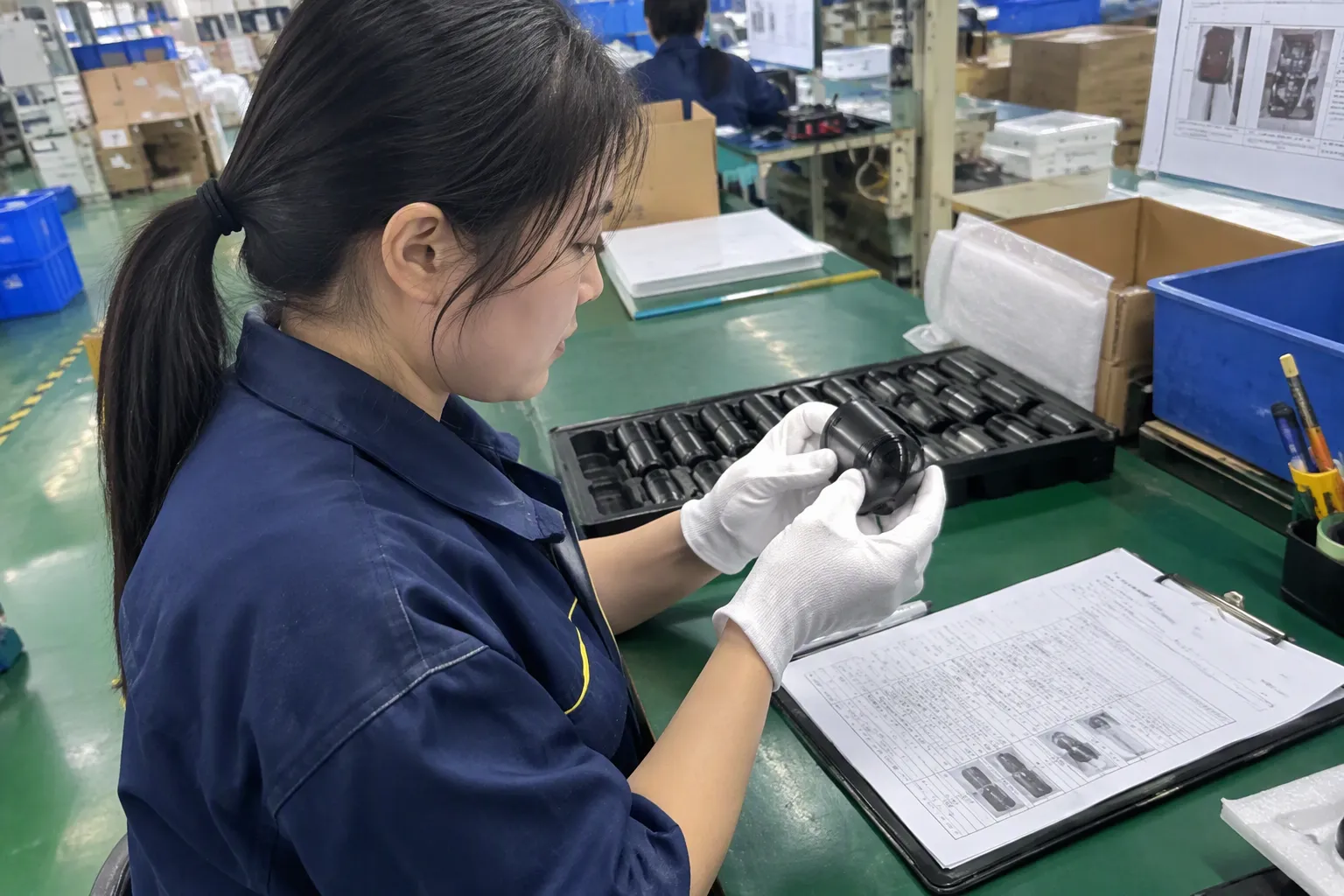
In my work supporting overseas buyers with China sourcing, I see that information sharing usually grows step by step. A buyer may begin with a simple quotation request, then send drawings, packaging files, samples, customer requirements, and launch plans. The right question is not simply, “Do I need a document?” It is, “What should I disclose at this stage, and what controls should be in place first?”
NNN Agreement Is Not Simply a Stronger NDA
A buyer may assume that an NNN agreement is just a more forceful NDA. That assumption can create a gap in sourcing planning. An NDA mainly focuses on confidentiality, while an NNN agreement is commonly intended to address three separate commercial concerns: disclosure, unauthorized use, and circumvention.[2]
An NNN agreement is not automatically a stronger NDA because it has a different practical purpose. It can define what a supplier should not reveal, what it should not use for its own benefit, and whom it should not bypass. Buyers should treat it as one part of a wider sourcing risk-control process, not as a complete legal or commercial solution.
I recommend that buyers think about these agreements before they send the first detailed RFQ. A factory cannot protect information that it has not received, but a buyer also cannot realistically evaluate manufacturing capability without sharing enough information to get meaningful answers. That is why disclosure discipline matters as much as the agreement itself.
An NDA and an NNN Agreement Address Different Sourcing Risks
A non-disclosure agreement, or NDA, usually aims to prevent a receiving party from sharing confidential information with others. That can be useful. For example, a buyer may want to protect unpublished product specifications, price targets, customer information, or marketing plans.
However, confidentiality is not the only concern in a sourcing project.
A supplier could keep information private but still use it in ways that the buyer did not intend.[3] For example, a factory might receive a product concept, a packaging design, or a functional requirement and later use similar knowledge in another commercial project. The exact legal treatment of any situation depends on the facts, agreement terms, applicable law, evidence, and professional legal advice. Still, from a procurement perspective, this is why buyers often look beyond a basic NDA.
An NNN agreement generally refers to three concepts:
| NNN Component | Practical Sourcing Concern | Example of Information or Activity |
|---|---|---|
| Non-disclosure | The supplier should not share protected information without permission. | Sharing a buyer’s product drawings or private-label packaging files with another party. |
| Non-use | The supplier should not use protected information for an unapproved purpose. | Using a buyer’s custom product concept, specifications, or sample feedback for an unrelated project. |
| Non-circumvention | The supplier should not bypass the buyer in a commercial relationship. | Contacting an introduced customer, distributor, or business partner directly to sell around the buyer. |
The third point often gets the most attention in sourcing discussions. A buyer may introduce a factory to a customer, a distributor, a sales channel, or another supplier. The buyer may have invested time in product development, market research, supplier qualification, and commercial relationship building. The buyer therefore wants clear expectations around direct contact and commercial bypassing.
That said, I do not advise treating non-circumvention language as a universal answer. Supply chains are rarely simple. A factory may already know a company, receive an inquiry through another channel, or serve a large market with overlapping contacts. A qualified legal professional should help define parties, protected relationships, permitted activities, time periods, and remedies in a way that fits the actual project.
A useful agreement does not replace a clear sourcing process. It should support a process that limits unnecessary disclosure and records who received what information.
Why Sensitive Information Is Broader Than a Patent Drawing
Some buyers wait until they have a patent, final CAD files, or a finished prototype before they consider an NNN agreement. In my view, that is often too narrow a definition of sensitive information.
A sourcing project can expose commercial value long before final engineering files exist. A factory may learn what category you are entering, what features you want, how you plan to position the item, what packaging direction you prefer, and which price range you need to achieve. Each detail may appear ordinary on its own. Combined, those details can reveal a meaningful part of your business plan.[4]
Sensitive information can include:
- A detailed request for quotation (RFQ)
- Product specifications and performance requirements
- CAD files, technical drawings, dimensions, or BOM information
- Product samples and modified sample instructions
- Private-label artwork, logos, inserts, and packaging concepts
- Amazon, Shopify, retail, or distribution plans
- Target retail prices, target landed costs, and margins
- Customer, distributor, agent, or influencer details
- Supplier introductions and factory contact information
- Forecast volumes, launch timelines, or promotional plans
- Custom tooling discussions and mold-related communication
- Quality standards, inspection checklists, and acceptance criteria
I have seen pre-RFQ conversations become detailed very quickly. A buyer may initially ask for a quotation on a common product. Then the buyer sends a reference photo, notes three custom changes, shares a branded color palette, requests a specific retail box, and explains the expected sales channel. At that point, the conversation is no longer a generic catalog inquiry.
This does not mean every message requires the same level of protection. It means the buyer should classify information before sharing it.
Use Staged Disclosure Instead of Sending Everything at Once
An NNN agreement works best when it supports staged information sharing. In practical sourcing, buyers do not need to disclose every detail to every supplier during the first round of evaluation.
I usually encourage buyers to separate early supplier screening from deeper technical or commercial disclosure. The first stage should help you decide whether a supplier is even worth engaging further.
For an initial evaluation, you may only need to share:
- A general product category
- Approximate dimensions or broad technical requirements
- Expected order quantity range
- Target market and basic compliance expectations
- Basic customization scope
- Requested quotation terms
- Sample availability and estimated lead time
You may not need to share final artwork, customer names, full sales forecasts, final product drawings, or your complete sourcing map at this point.
Once a supplier passes basic screening, the buyer can move to a more detailed stage. This may include a signed NNN agreement, depending on the information involved and legal advice received. The buyer can then share selected drawings, detailed specifications, packaging requirements, test expectations, or sample modification instructions.
The following framework can help procurement teams decide what to share.
| Sourcing Stage | Typical Information Shared | Suggested Buyer Control |
|---|---|---|
| Initial market scan | Product category, broad feature request, estimated volume | Use a high-level RFQ and avoid unnecessary commercial details. |
| Supplier qualification | Product requirements, basic customization needs, target market | Verify supplier identity, manufacturing scope, and communication quality. |
| Sampling discussion | Detailed specifications, sample feedback, packaging direction | Consider an appropriate agreement before deeper disclosure; maintain version control. |
| OEM/ODM development | Drawings, tooling details, artwork, quality standards, forecasts | Limit access, document revisions, and obtain qualified legal advice on contracts. |
| Production and repeat orders | Purchase orders, inspection standards, shipping data, customer requirements | Maintain ongoing supplier management, quality control, and access controls. |
This process does not have to slow sourcing down. In many cases, it makes communication more efficient because each supplier receives information that matches its current role in the evaluation.
Ask Better Questions Before You Share Product Details
Before a buyer sends sensitive documents, I suggest asking a few practical questions. These questions are not legal advice. They are procurement questions that help reveal whether the supplier is prepared, credible, and relevant.
Questions about the supplier’s role
First, establish what the company actually does.
- Is the company a manufacturer, trading company, sourcing intermediary, or a mix of these roles?
- Which product categories does it produce itself?
- Which processes are handled in-house, and which are subcontracted?
- Can the supplier explain its experience with the requested materials, functions, or customization?
- Who will receive the technical files internally?
- Does the supplier need to involve a tooling partner, packaging provider, or another factory?
A supplier may need outside support for part of a project. That is not automatically a problem. The buyer simply needs visibility. If multiple parties will receive information, the buyer should understand that before sending files.
Questions about factory identity and communication
Next, verify that the business you are speaking with is the business you believe it is.
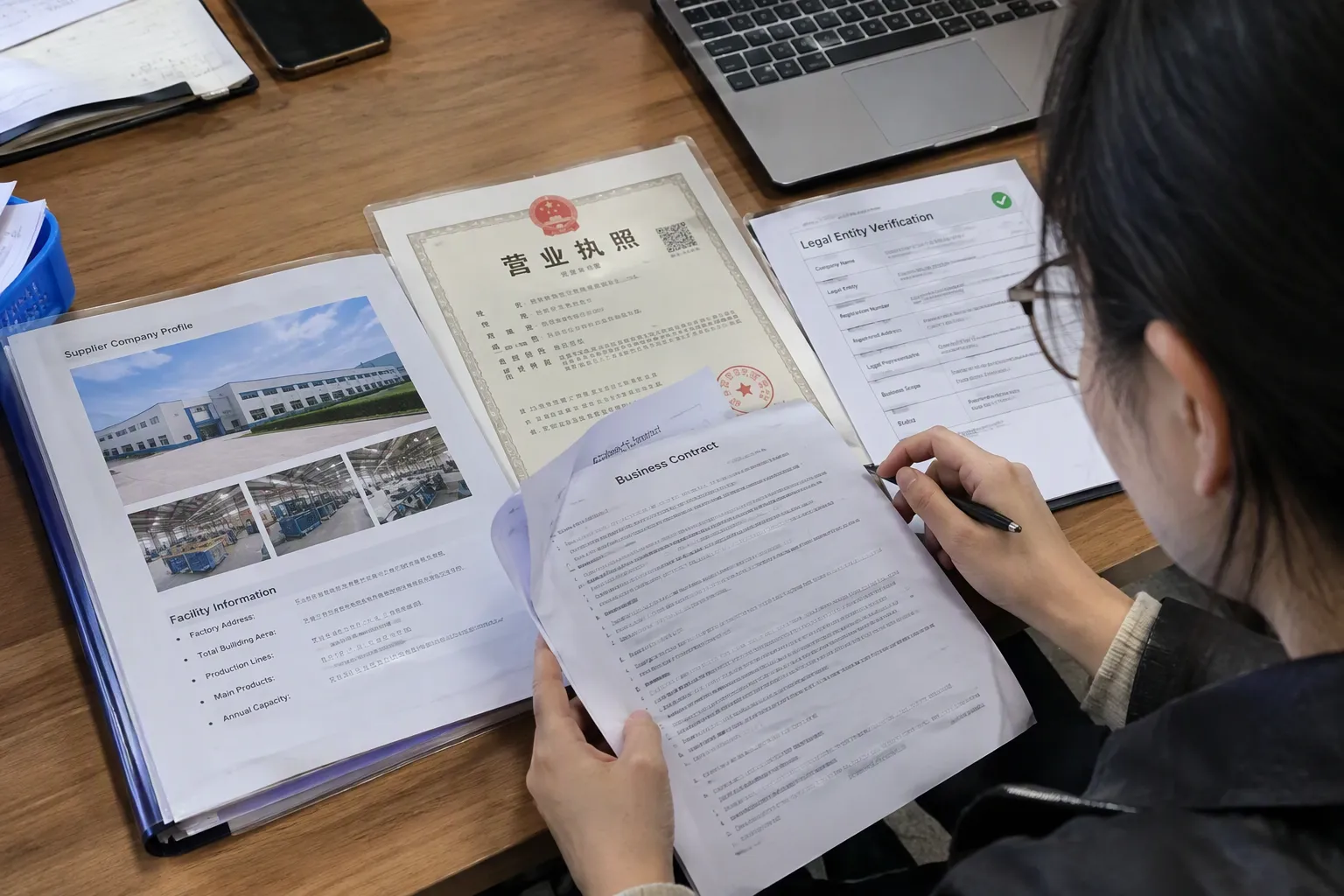
For China sourcing, this may involve reviewing the supplier’s business registration information, factory address, production capabilities, export history where available, communication records, product samples, and inspection or audit findings.[5] A buyer may also ask for a video call, production photos, or a factory visit by a qualified third party.
At KingSourcing, I use supplier verification as an early filter rather than a final guarantee. A business license or factory photo alone does not prove that a supplier is suitable for a particular project.[6] Buyers should compare evidence from several sources.
A good early-stage review can include:
- Company identity: Confirm the legal entity name, address, contact details, and stated business scope.
- Manufacturing fit: Check whether the supplier has relevant equipment, production experience, and quality capability.
- Communication quality: Assess whether the supplier answers technical questions clearly and consistently.
- Sample discipline: Review how the supplier manages revisions, materials, packaging, and approval points.
- Commercial transparency: Compare quotations, tooling charges, MOQs, lead times, and payment terms across suppliers.
The goal is not to assume bad intent. The goal is to avoid giving detailed information to suppliers that have not yet met a reasonable qualification standard.
An NNN Agreement Should Match the Actual Information Flow
A generic online NNN agreement may look complete, but it may not match your project. In procurement, the useful question is whether the document reflects the parties, information, and commercial relationships that actually exist.
For example, consider these different situations:
- A buyer is requesting prices for an off-the-shelf product with only logo printing.
- A brand is developing a modified consumer electronics accessory with custom tooling.
- An importer is asking a sourcing provider to introduce specialized factories.
- A distributor is sharing customer details with a manufacturer.
- A product developer is sending prototype files to several potential factories.
Each situation creates a different information flow. The level of detail, the parties involved, and the commercial risks are not identical.
A qualified legal professional should advise on agreement drafting and review.[7] This is especially important for:
- The correct legal names of the signing entities
- Governing law and dispute-resolution provisions
- Chinese-language terms and translation accuracy[8]
- Definitions of confidential information and permitted use
- Non-circumvention scope and identified protected relationships
- Duration, notice procedures, remedies, and evidence requirements
- Signature authority, company chops, and execution formalities
- Whether the document fits the buyer’s country, the supplier’s location, and the transaction structure
I am not a Chinese legal authority, and I do not treat a signed document as proof of enforceability. Buyers should obtain legal advice from a qualified professional who can assess the relevant jurisdictions and facts.
Still, from a sourcing-management perspective, I believe a good process starts before legal review. The buyer should map the project: who is sharing information, who is receiving it, what is sensitive, and when disclosure becomes necessary.
Keep Records and Limit Access After Signing
A signed NNN agreement should not become a forgotten PDF in an email folder. Buyers still need practical controls after signing.
I recommend maintaining a simple disclosure record. It does not need to be complicated. A spreadsheet or controlled project folder can show which supplier received which files, on what date, and for what purpose.
Useful controls include:
- Naming file versions clearly, such as
Product_A_Specification_V3 - Removing unnecessary customer information from early documents
- Sharing files through access-controlled folders where practical
- Sending only the pages or drawings needed for the current task
- Marking sensitive files as confidential where appropriate
- Recording major specification changes in writing
- Keeping sample approval records and photos
- Limiting distribution of contact lists and commercial introductions
- Using separate folders for supplier quotations, artwork, quality documents, and customer data
These steps are valuable even when no dispute ever occurs. They improve internal organization, reduce confusion between revisions, and make it easier to manage multiple factories.
For multi-supplier projects, access control becomes especially important. One factory may produce the main product, another may provide packaging, and a third may supply accessories. Not every supplier needs the full project picture.
At KingSourcing, this is one reason why we separate supplier communication by work scope when we manage multi-SKU sourcing or customized product development. A packaging supplier may need artwork dimensions and packaging requirements, but it may not need the buyer’s complete product-costing strategy. A factory may need the product specification, but not the buyer’s customer list.
Supplier Due Diligence Still Matters More Than Paperwork Alone
An NNN agreement can set expectations, but it cannot replace supplier selection. A buyer should still evaluate whether a factory is capable, responsive, transparent, and suitable for the order.
A document also cannot inspect production, confirm material quality, approve packaging, monitor lead times, or resolve unclear specifications. Those tasks require active sourcing management.
For that reason, I view an NNN agreement as one control within a broader procurement system:
| Risk-Control Area | Practical Action |
|---|---|
| Information risk | Use staged disclosure and appropriate agreements. |
| Supplier risk | Verify company identity, factory capability, and production scope. |
| Quality risk | Approve samples, define specifications, and arrange inspections when appropriate. |
| Commercial risk | Compare quotations, clarify payment terms, and document agreed requirements. |
| Production risk | Follow up on milestones, material status, and packaging progress. |
| Shipping risk | Confirm carton markings, labeling, consolidation needs, and shipment documents. |
The strongest sourcing approach combines legal, commercial, and operational controls. It does not rely on one document or one promise.
A Practical Pre-RFQ Workflow for Overseas Buyers
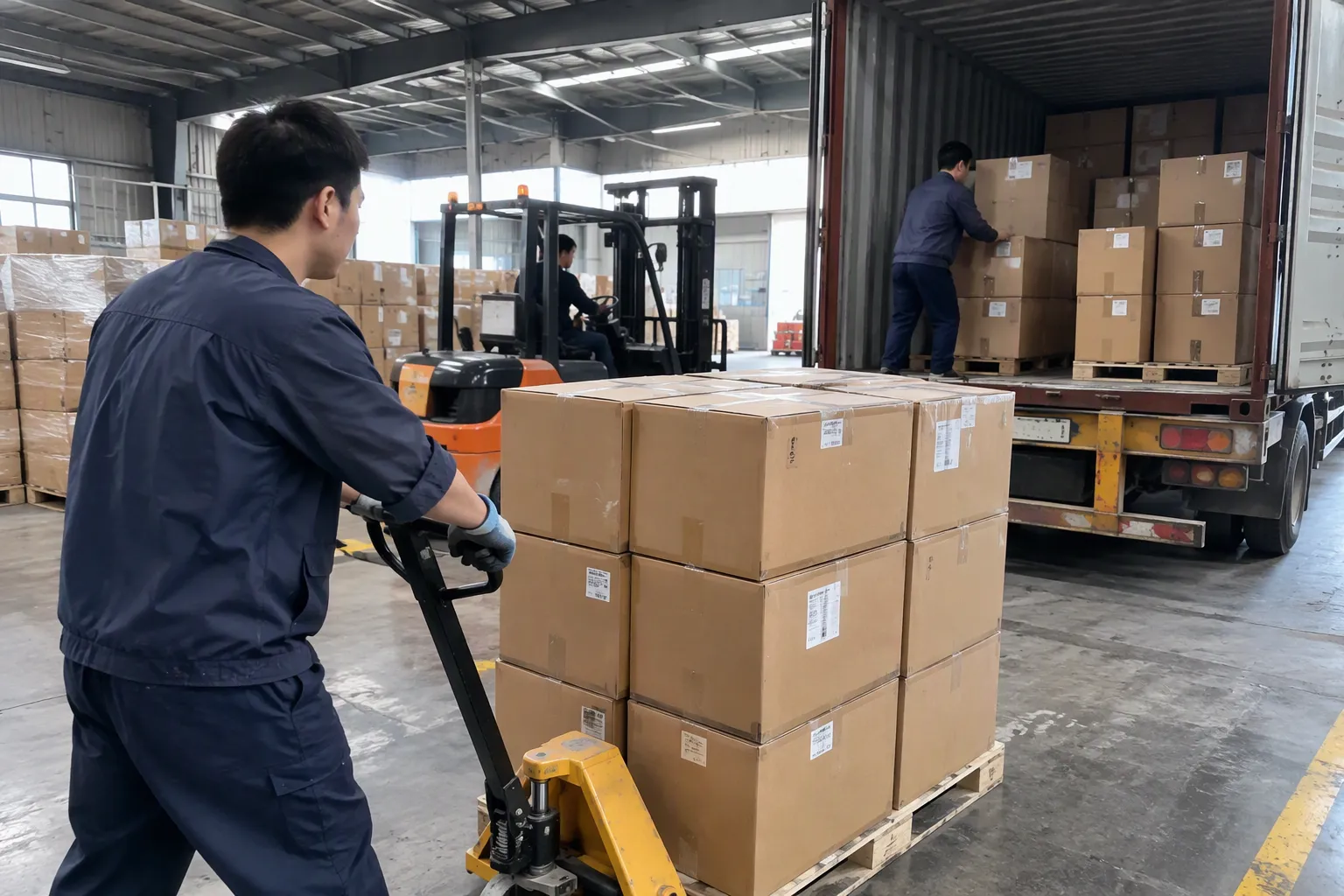
Buyers often ask me when they should raise the subject of an NNN agreement. I suggest looking at the information you plan to share rather than following a rigid rule.
Here is a practical workflow:
-
Create a high-level RFQ first.
Share enough information to identify relevant suppliers and obtain preliminary pricing. Avoid full drawings, final artwork, customer lists, or detailed launch plans unless they are necessary. -
Screen suppliers before deeper disclosure.
Check whether the supplier appears relevant to your product category, MOQ, target market, and customization requirements. -
Decide what information is commercially sensitive.
Separate general information from information that reveals your product development, sales strategy, supplier relationships, or customer relationships. -
Seek qualified legal advice where needed.
If the project involves proprietary product details, OEM/ODM development, important customer relationships, or significant commercial exposure, ask a qualified legal professional to advise on the appropriate agreement. -
Use the correct signing entity.
Make sure the business receiving information is clearly identified. This point deserves careful legal and operational review. -
Share information in layers.
Provide detailed files only after a supplier reaches the relevant stage of qualification. -
Document the project.
Keep records of quotations, specifications, sample revisions, supplier communications, agreements, and approvals. -
Manage the supplier relationship throughout production.
Continue verification, inspection, quality control, and communication after the agreement is signed.
This workflow protects more than intellectual property. It also protects time. Buyers can spend weeks answering detailed questions from suppliers that never had the right capability, pricing, or production capacity in the first place.
Frequently Asked Questions About NNN Agreements
What does NNN stand for in an NNN agreement?
NNN usually stands for non-disclosure, non-use, and non-circumvention. These concepts are intended to address confidential information, unauthorized use of shared details, and attempts to bypass a party in a commercial relationship. A qualified legal professional should advise on the exact wording and applicability.
Do I need an NNN agreement before sending an RFQ to a Chinese factory?
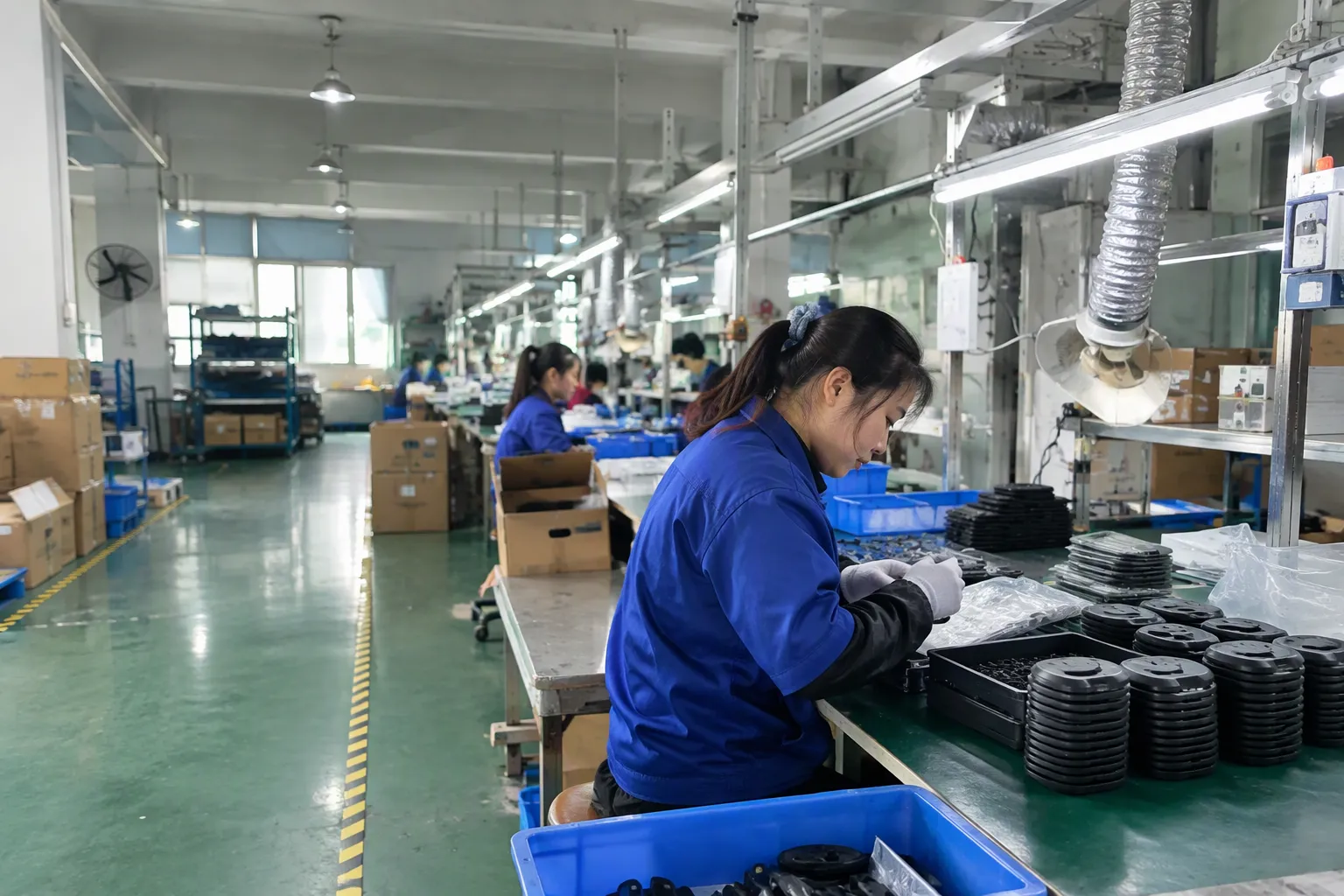
Not every RFQ requires an NNN agreement. A high-level request for a standard product may involve limited exposure. However, buyers should assess what they are sharing. Detailed drawings, custom designs, customer details, private-label plans, and supplier introductions may justify stronger controls and professional legal advice.
Is an NNN agreement enforceable in China?
Enforceability depends on the agreement terms, parties, execution, applicable law, evidence, jurisdiction, and many other facts. I do not offer legal conclusions on enforceability. Buyers should ask a qualified legal professional with relevant cross-border and China-related experience to review the intended arrangement.
Can an NNN agreement stop a supplier from copying my product?
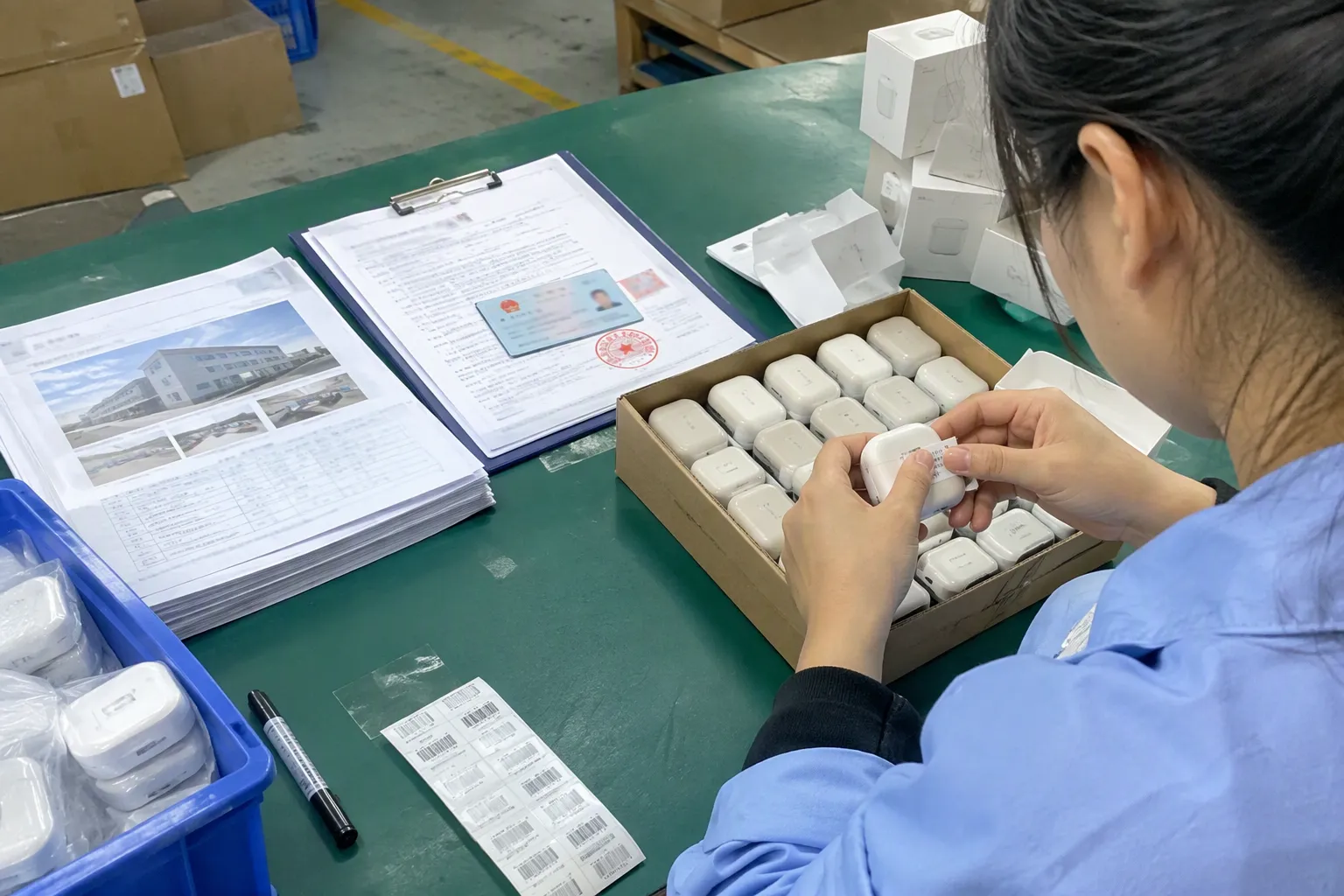
An NNN agreement may set contractual expectations around disclosure and use, but it cannot guarantee that copying will never occur. Buyers should also use staged disclosure, supplier verification, access control, clear documentation, and ongoing production management. Product protection may require additional legal and commercial measures.
Should I send the same NNN agreement to every supplier?
A buyer should not assume that one generic document fits every supplier or project. The right approach depends on what information will be shared, who will receive it, and what commercial relationship is involved. Legal counsel can help tailor the agreement to the actual sourcing structure.
Conclusion
NNN agreements can be useful procurement tools for buyers sharing sensitive product and commercial information with suppliers. They are not simply stronger NDAs, and they are not substitutes for supplier due diligence, staged disclosure, clear specifications, or active quality control. I recommend that buyers identify sensitive information early, qualify suppliers before sharing detailed files, and seek qualified legal advice for agreement drafting and enforceability questions. If you need help verifying suppliers, comparing quotations, managing samples, or controlling information flow during China sourcing, KingSourcing can support your procurement process from RFQ to shipment.
Sources
- Trade Secrets", Confidentiality agreements commonly define protected information, restrict disclosure, and limit the recipient's permitted use; non-circumvention clauses are additional contractual provisions intended to address specified commercial relationships
- Non-Disclosure-Agreements (NDAs) to Protect a Venture's ...", Confidentiality arrangements generally regulate disclosure of protected information and may restrict its use, whereas non-circumvention provisions concern direct dealings with designated business contacts or opportunities
- Trade Secrets", Trade-secret and confidential-information frameworks distinguish unauthorized use from unauthorized disclosure, meaning information can be misappropriated even where it is not publicly revealed
- Trade Secrets", Commercially valuable confidential information may consist of a compilation of technical or business details whose value arises from their combination rather than from the novelty of each individual element
- OECD Due Diligence Guidance for Responsible Supply ...", China's enterprise-credit information system provides public registration data, while supply-chain due-diligence practice commonly combines entity records with operational evidence such as site reviews, samples, and audit findings
- OECD Due Diligence Guidance for Responsible Supply ...", Risk-based supply-chain due diligence is generally understood as an iterative assessment drawing on relevant documentary, operational, and stakeholder information rather than on a single supplier representation
- Guide to WIPO Mediation", International commercial contracting guidance emphasizes that parties should address applicable law, forum, and dispute-resolution arrangements when structuring cross-border agreements
- Databases: Int'l. Commercial Law - International ...", In international commercial agreements, the language of the contract and the consistency of multilingual versions can affect contractual interpretation and should be addressed expressly