Quick Answer
China sourcing for retail store owners can look simple until the first shipment arrives with the wrong finish, weak packaging, missing labels, or inconsistent quality. A low quote may seem attractive, but retail inventory has to meet customer expectations on the shelf. I treat sourcing as a controlled buying process, not a quick supplier search.
China sourcing for retail store owners works best when the buyer converts a product idea into clear requirements, compares suppliers beyond price, approves samples against documented standards, and manages production before final inspection. I recommend using quotations, samples, factory checks, production follow-up, and acceptance criteria together because no single step proves that a retail order will be correct.
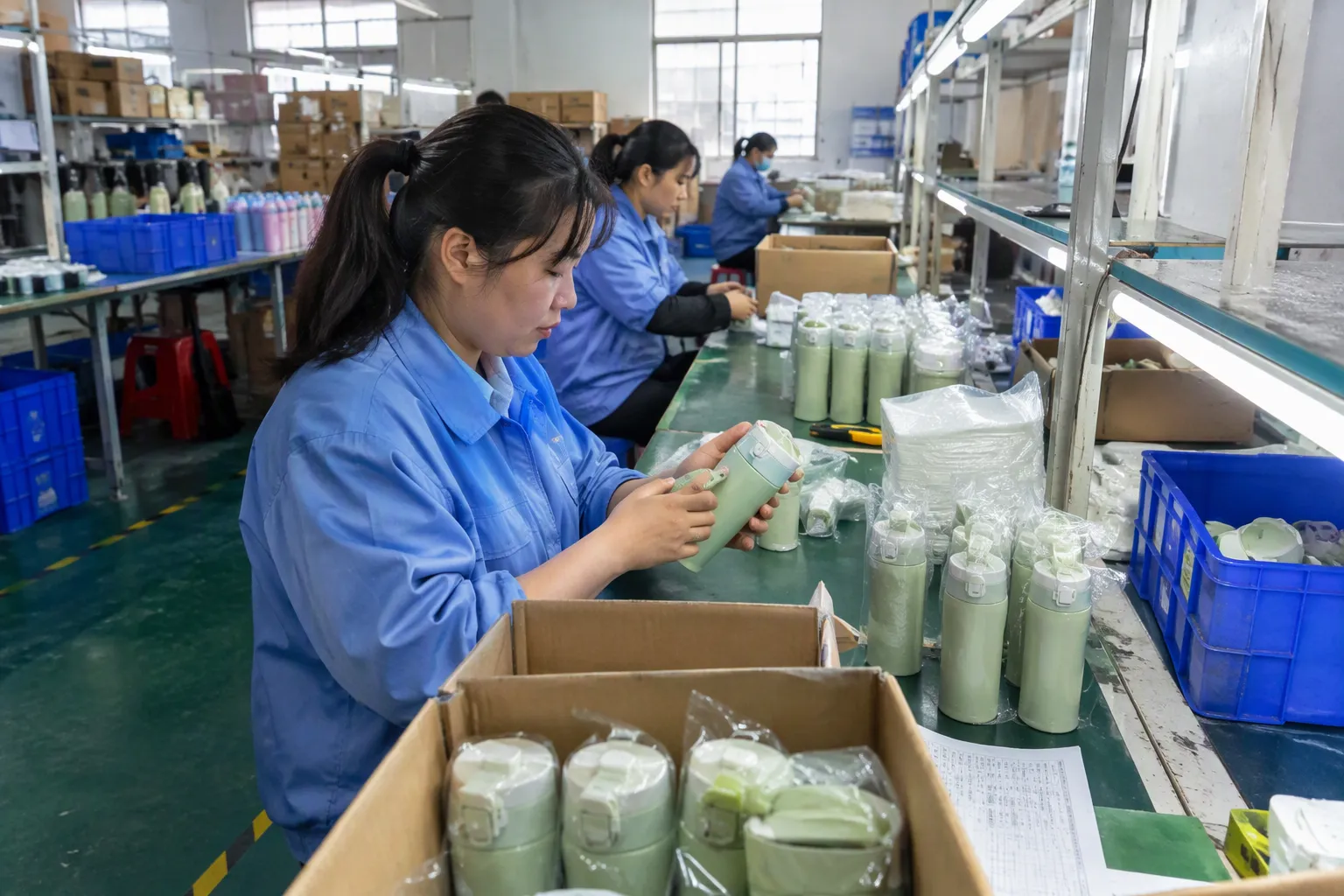
The challenge for a first-time buyer is not finding products online. Most retail buyers can find dozens of similar listings in minutes. The harder work is deciding which supplier can deliver the right product, packaging, quantity, and consistency for your store without creating expensive surprises after production starts.
For First-Time Independent Retail Store Owners, Is China Sourcing a Search for the Lowest-Priced Supplier
For first-time buyers, China sourcing for retail store owners often starts with one tempting question: “Who can offer the lowest price?” That approach can create problems when quotations exclude packaging, use different materials, assume different order quantities, or come from suppliers that cannot support the required product standard.
China sourcing is not simply a search for the lowest-priced supplier. It is a risk-control process that turns a retail product idea into requirements that suppliers can quote, buyers can compare, factories can produce, and inspectors can evaluate.[1] A useful supplier is one that can clearly meet the agreed scope, not merely one that offers the cheapest initial number.
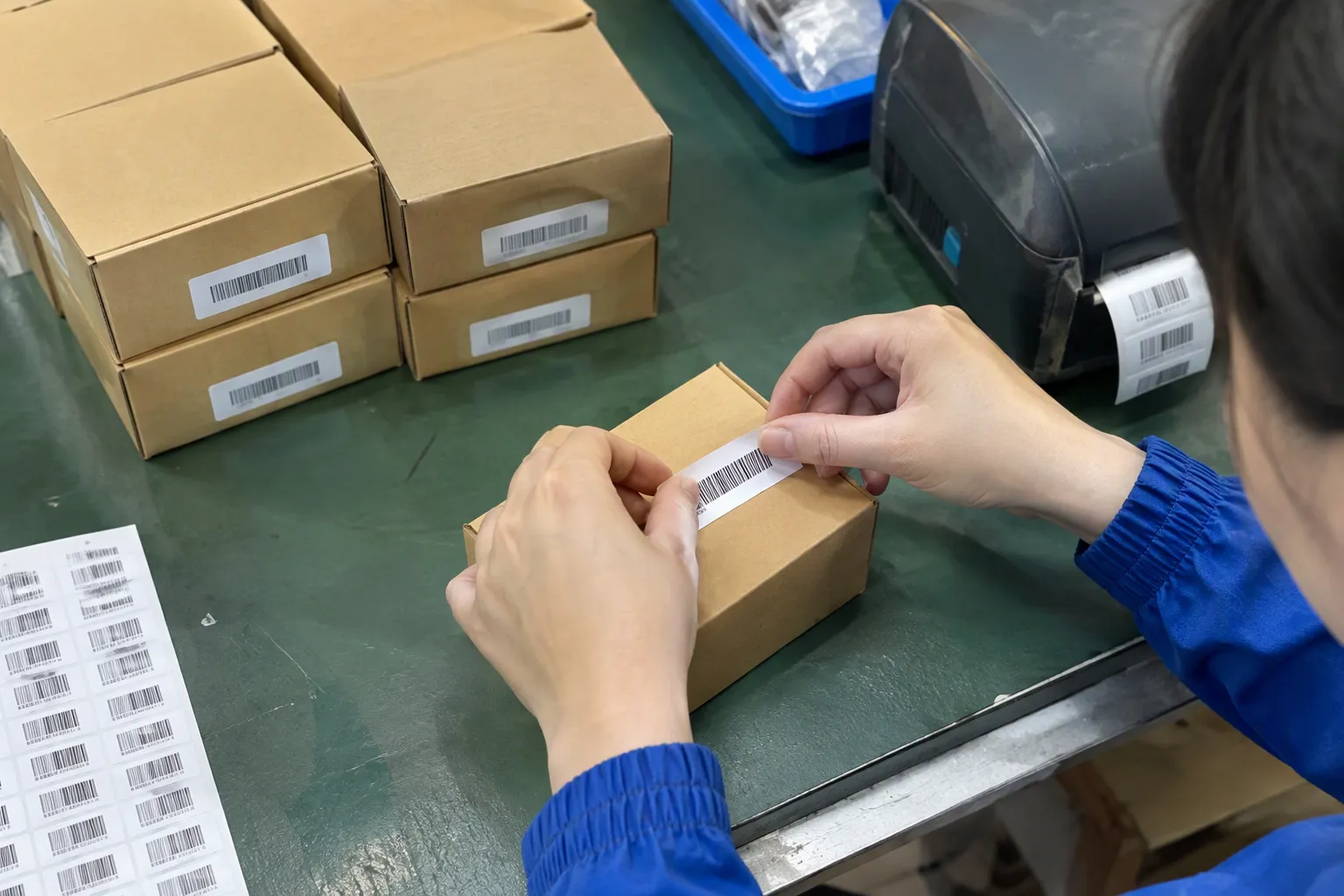
When I support overseas buyers, I see the same issue repeatedly: buyers compare numbers that do not represent the same product. One quote may include a color box, barcode label, and basic inspection. Another may cover only the product itself. A third may be based on a different material grade or an unconfirmed MOQ.
That is why I encourage retail store owners to compare scope before price.
Start With a Retail-Ready Buying Brief
A retail product idea is not yet a sourcing brief.[2] “I need a modern kitchen organizer” is useful as a starting point, but it is too broad for accurate quotation and quality control. Suppliers need details that define what you intend to sell.
I recommend putting the following information into a simple buying brief before requesting prices:
| Requirement area | What to define | Why it matters |
|---|---|---|
| Product | Dimensions, materials, colors, functions, finish | Reduces assumptions between buyer and supplier |
| Quality level | Acceptable appearance, assembly, durability, defects | Creates a basis for sample approval and inspection |
| Quantity | Trial order quantity, repeat-order expectations, SKU count | Affects MOQ, unit cost, production planning, and packaging |
| Packaging | Polybag, inner box, retail box, inserts, master carton | Packaging is part of the in-store customer experience |
| Labeling | Barcode, SKU label, country-of-origin marking, warnings | Helps avoid missing information at the packing stage |
| Target price | A realistic target range and what it must include | Helps suppliers quote against the same commercial scope |
| Delivery | Required ship date, destination, shipping preference | Helps assess whether the timing is workable |
| Reference materials | Photos, drawings, existing samples, brand guidelines | Makes product expectations easier to interpret |
I do not suggest treating the target price as the only decision rule. A target price helps suppliers understand your commercial position, but it should not force an unrealistic specification. If your requested material, packaging, and finish do not match the target price, you need to adjust one of those factors before production.
A quotation is only useful when the product scope behind it is clear.
For example, a retail owner may request a customized phone accessory with a private-label box. One supplier may quote based on standard packaging. Another may include a printed box but exclude the design setup cost. A third may quote a lower grade of cable or different connector specification. The figures may look comparable, but the quoted products are not the same.
Compare Suppliers as Businesses, Not Listings
Supplier platforms can be useful research tools. They can help buyers identify product categories, locate manufacturing clusters, and collect early quotation references. However, I do not treat an Alibaba listing, a low platform price, or a “verified” badge as proof that a supplier is suitable for a retail order.[3]
A buyer should ask more practical questions:
- Is the legal company identity clear and consistent with the quotation and payment details?
- Does the supplier understand the product requirements or only respond with generic answers?
- Can the supplier explain what is included and excluded in the quote?
- Does the supplier appear to be a factory, trading company, or a mixed operation?
- Can the supplier provide relevant product photos, packaging examples, or sample options?
- Does the supplier communicate clearly about MOQ, lead time, tooling, color matching, and customization?
- Does the supplier accept documented specifications and inspection criteria?
- Does the supplier raise reasonable questions before confirming a price?
I have found that communication quality is a useful operational signal.[4] A supplier does not need perfect English to be a good partner. However, the supplier should be able to confirm specifications, identify open points, and respond consistently. A supplier that agrees to every request without asking questions may not fully understand the order.
Build a Like-for-Like Quotation Comparison
I recommend asking shortlisted suppliers to quote against the same written brief. Then I compare each quotation line by line rather than focusing on the unit price in isolation.
A practical comparison sheet can include:
| Comparison point | Supplier A | Supplier B | Supplier C |
|---|---|---|---|
| Unit price | Confirmed | Confirmed | Confirmed |
| MOQ | Confirmed | Confirmed | Confirmed |
| Product material | Stated | Stated | Stated |
| Custom color | Included/excluded | Included/excluded | Included/excluded |
| Retail packaging | Included/excluded | Included/excluded | Included/excluded |
| Logo method | Stated | Stated | Stated |
| Sample charge | Stated | Stated | Stated |
| Production lead time | Estimated | Estimated | Estimated |
| Carton details | Stated | Stated | Stated |
| Payment terms | Stated | Stated | Stated |
| Inspection cooperation | Confirmed | Confirmed | Confirmed |
The goal is not to make every supplier identical. The goal is to understand the differences before you place an order.
For China sourcing for retail store owners, I usually see stronger outcomes when buyers shortlist two to four suppliers, rather than selecting the first supplier with a good-looking response.[5] A structured comparison gives you room to ask follow-up questions and identify whether price differences come from genuine cost differences or missing scope.
Treat Samples as Evidence, Not a Production Guarantee
A sample is one of the most valuable steps in a retail sourcing project. It lets you check the product in your own hands, evaluate appearance, test basic usability, review packaging, and decide whether the product fits your store’s positioning.
However, I would not assume that a successful sample guarantees consistent mass production.[6]
A sample can be made under different conditions from a production run. It may be prepared with extra attention, produced before all packaging materials are finalized, or made before the factory has arranged bulk materials. The supplier may also use a different production process once the order quantity increases.
After you approve a sample, I recommend documenting exactly what approval means.
Turn Sample Approval Into Production Standards
Your approval record should cover more than “sample approved.” It should state the key points that must be maintained in production.
For retail products, these points may include:
-
Product appearance
Confirm the approved color, surface finish, print position, logo size, and overall presentation. -
Dimensions and construction
Record important measurements, material requirements, assembly details, and functional components. -
Packaging standard
Confirm retail box artwork, insert cards, protective materials, barcode placement, carton marks, and packing quantity. -
Defect expectations
Define unacceptable issues such as sharp edges, cracks, visible scratches, weak printing, missing parts, poor assembly, or incorrect labeling. -
Inspection method
Clarify what should be checked during production and before shipment. This may include visual checks, quantity checks, packaging checks, functional checks, and measurement checks where relevant. -
Reference sample handling
Keep the approved sample or detailed photos as a reference. The factory, buyer, and inspection team should be aligned on the same version.
For a private-label retail order, packaging often needs the same level of attention as the product. A good product in a crushed box, with an incorrect barcode or missing insert, can still be unsuitable for store shelves.[7]
Use Production Follow-Up Before the Final Stage
Many first-time buyers think inspection happens only after the goods are completed. Final inspection is important, but it is not the only control point. If a major issue appears when every unit is packed, the practical options may be limited by time, shipping schedules, and the supplier’s willingness to rework.
I prefer a process with checkpoints.
| Procurement stage | Buyer control point | Main purpose |
|---|---|---|
| Before quotation | Buying brief | Align supplier pricing with requirements |
| Supplier selection | Verification and comparison | Reduce uncertainty about identity, capability, and communication |
| Sample stage | Sample review and approval record | Confirm product direction before bulk production |
| Pre-production | Material, color, packaging, artwork confirmation | Catch misunderstandings before full production |
| During production | Production follow-up | Identify visible issues while correction may still be possible |
| Before shipment | Final inspection | Assess finished goods against agreed criteria |
| Before dispatch | Carton, label, quantity, and shipping document check | Reduce avoidable shipment errors |
In my work, I treat inspection as part of a wider quality-control system. Inspection can identify problems in a defined sample size or in a 1-by-1 checking program where that service is appropriate. Still, no inspection process can eliminate every risk or guarantee future product performance.[8]
The strongest protection comes earlier: clear specifications, realistic samples, documented approval points, production communication, and a supplier that accepts accountability for agreed requirements.
Pay Attention to Packaging, Labels, and Shelf Readiness
Retail store owners often focus heavily on the product itself. That is understandable because the product drives the purchase decision. Yet retail readiness also depends on what happens around the product.
Before placing a China order, I recommend confirming:
- Retail box dimensions and material
- Product protection inside the box
- Brand logo placement and print quality
- Barcode format and placement
- SKU labels and carton marks
- Instruction sheets or inserts
- Language requirements for your sales market
- Master carton dimensions and gross weight
- Quantity per carton
- Any product-specific documentation your market may require
I recommend that buyers verify applicable labeling, safety, product, import, and certification requirements with qualified professionals or relevant authorities before ordering. A supplier statement or uploaded document should not be treated as automatic proof that a product is suitable for every market. Buyers should review documents, test reports, declarations, and product markings for their specific product and destination.
Plan the Order as a Landed Inventory Decision

A low ex-factory price does not tell you whether an item will work commercially in your retail store. You need a fuller view of the order.
Your planning should consider:
- Product price
- Tooling or setup costs where applicable
- Sample costs
- Custom packaging and print costs
- Inspection and quality-control costs
- Inland transport in China
- Consolidation or warehousing needs
- International freight and related charges
- Import duties, taxes, and customs costs
- Damage allowance and inventory carrying costs
I do not recommend assuming a fixed freight cost or delivery date before the shipment details are confirmed. Carton dimensions, weight, shipping method, seasonality, destination, and carrier conditions can all affect the final logistics plan.
For buyers sourcing from multiple factories, consolidation can be useful. Combining compatible products into one shipment may simplify receiving and reduce handling complexity. However, consolidation also needs control. Each supplier’s quantity, packaging, labels, cartons, and readiness should be checked before the goods move into a shared shipment.
Choose Support Based on Your Internal Capability
Some retail owners can manage supplier communications, sample follow-up, and inspections themselves. Others prefer help because they have limited time, multiple SKUs, or no local China purchasing team.
At KingSourcing, we support buyers with supplier sourcing, quotation comparison, factory and supplier verification, sample follow-up, OEM/ODM coordination, production follow-up, quality inspection, packaging checks, warehousing, consolidation, and shipping coordination. I see this support as a way to make the process more visible and manageable, not as a promise that sourcing will be risk-free.
The right level of support depends on your order complexity. A simple stock product may need basic supplier screening and pre-shipment checks. A customized retail launch with multiple suppliers, branded packaging, and a deadline may need closer management from product brief through final shipment.
Frequently Asked Questions
How many suppliers should I contact for my first China order?

I usually recommend starting with several relevant suppliers and narrowing the list to two to four serious candidates. This gives you enough information to compare price, communication, sample terms, product scope, and customization capability without creating an unmanageable number of conversations.
Is Alibaba safe for China sourcing for retail store owners?
Alibaba can be useful for supplier discovery and early market research, but I do not view platform listings or badges as proof of supplier reliability. Buyers should still verify supplier details, compare quotation scope, request samples, review communication quality, and document product requirements before ordering.
Should I pay for a pre-shipment inspection?
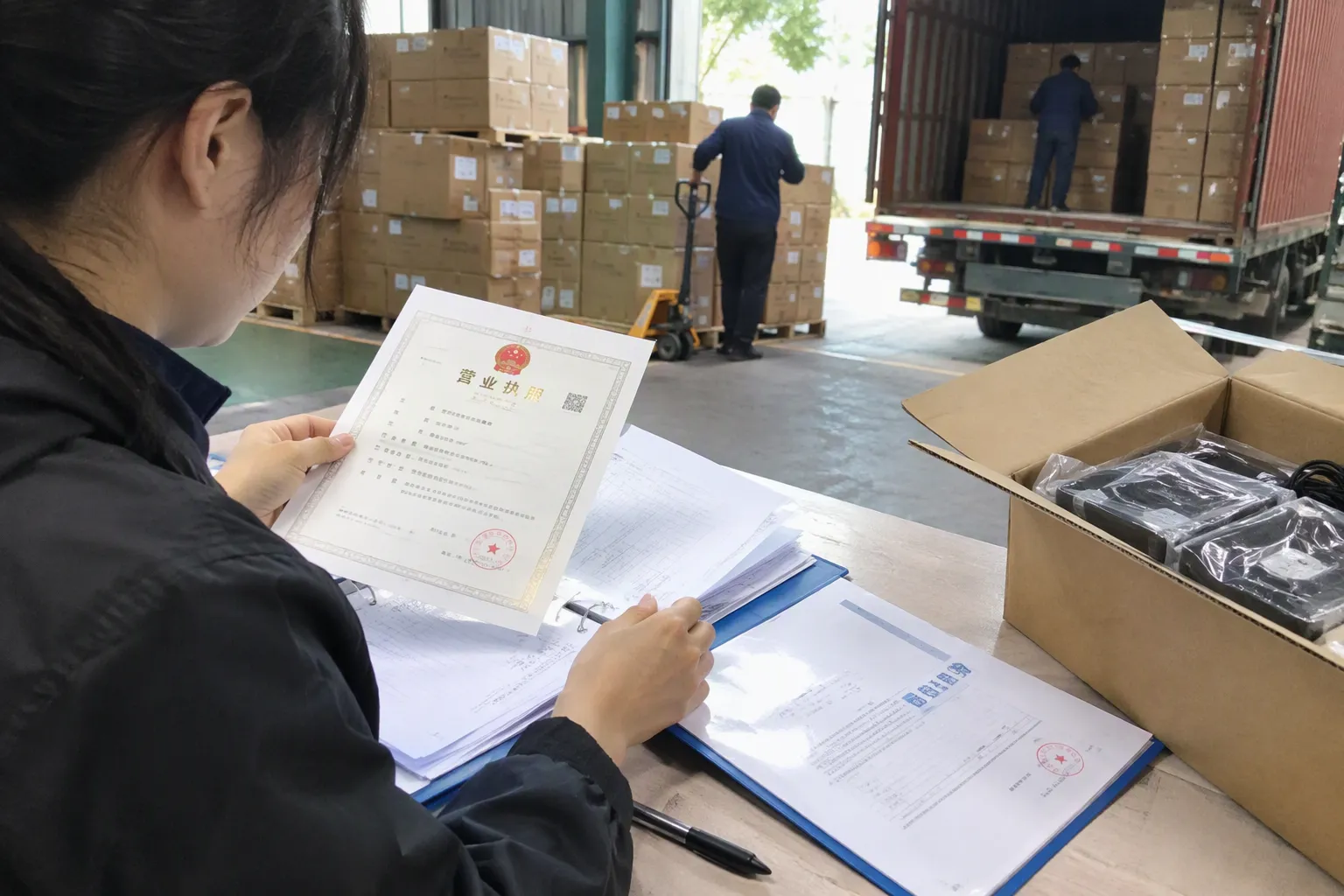
A pre-shipment inspection can be valuable when you need an independent check of finished goods before dispatch. However, inspection works best when you have clear product, packaging, and defect standards. It can reduce risk, but it cannot guarantee that every unit or future order will be perfect.
Can I use my approved sample as the production standard?
Yes, but I recommend supporting the approved sample with written specifications, photos, measurements, packaging requirements, and acceptance criteria. A sample alone can be open to interpretation. A documented approval record gives the supplier and inspection team a clearer reference during bulk production.
What is the biggest first-order mistake retail buyers make?
The most common mistake is ordering before the product scope is defined. Buyers may confirm a unit price without clarifying material, dimensions, packaging, labels, quantity, or quality expectations. That creates room for misunderstandings that are much harder to correct after production begins.
Conclusion
China sourcing for retail store owners is most effective when it is managed as a structured procurement and quality-control process. I recommend starting with a clear buying brief, comparing suppliers on more than price, reviewing samples carefully, documenting production standards, and using inspection as one control point rather than the entire solution. If you are preparing your first retail order from China, KingSourcing can help you compare suppliers, manage samples, inspect goods, consolidate orders, and coordinate delivery with better visibility at each stage.
Sources
- Implementing the OECD Recommendation on Public ...", Procurement guidance commonly treats price as one evaluation factor among quality, delivery capability, compliance, and supply risk; clear specifications make supplier quotations and performance more comparable
- NIST Quality System", ISO 9001-based quality-management guidance requires organizations to determine, review, and communicate product and service requirements before committing to supply
- Due diligence for responsible business conduct", Marketplace verification materials describe checks of specified business information or assessment activities, but such checks are not equivalent to a guarantee of product quality, contractual performance, or fitness for a buyer's particular market
- Interorganizational cooperation and supplier performance in ...", Buyer-supplier relationship research associates timely, accurate, and sufficiently rich communication with better coordination and information sharing between trading partners
- New York State Procurement Guidelines", Competitive-procurement guidance commonly uses multiple responsive quotations or bids to enable comparison of price, scope, and supplier qualifications before award
- Process Validation: General Principles and Practices", Process-validation guidance distinguishes evaluation of an individual unit or development sample from evidence that a production process can consistently deliver outputs meeting predetermined specifications
- The Impact of Visual Elements of Packaging Design on ... - PMC", Packaging standards organizations describe packaging as a means of protecting products during distribution, while GS1 guidance treats correctly encoded and positioned barcodes as part of reliable retail identification and scanning
- 6.2.1. What is Acceptance Sampling? - NIST", Acceptance-sampling standards use sampling plans and associated producer and consumer risks to make lot-acceptance decisions; they do not provide certainty that every unit is conforming or that future performance is assured