Quick Answer
A China supply chain can feel difficult to control when your business has no local purchasing team. If one supplier misses a detail, a sample changes, or cartons arrive incorrectly labeled, the cost can spread across your launch and customer experience. I believe the practical solution is to create visible control points and use trusted local execution without giving away buyer responsibility.
A China supply chain can be built without hiring local staff by separating product decisions from local execution. You keep ownership of the product brief, quality standards, packaging requirements, budgets, and final approvals. A China sourcing partner or purchasing agent can manage supplier verification, sample coordination, production follow-up, inspection, consolidation, and shipping coordination on your behalf. This model can reduce the management burden while keeping the procurement process visible and controlled.[1]
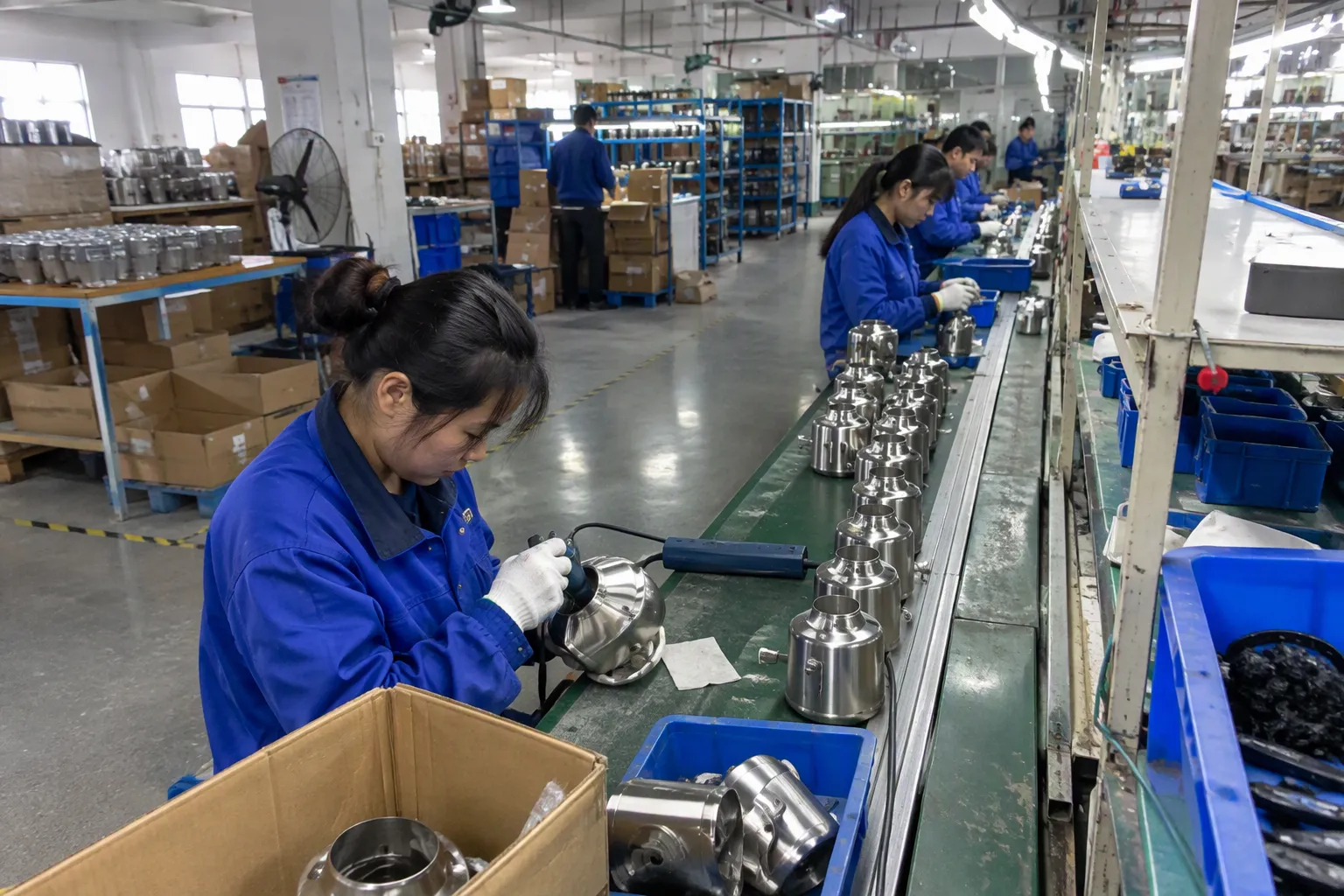
I have seen many overseas buyers assume that finding one capable factory solves the wider sourcing challenge. In reality, manufacturing is only one part of the workflow. A dependable supply chain needs clear specifications, independent checks, practical reporting, and someone local who can follow up when details change.[2]
Building a China Supply Chain Without Hiring Local Staff Is Not About Handing Everything to One Factory, Is It
A buyer may want a simple route into China sourcing: find a factory, negotiate a price, and wait for delivery. That approach can work for a straightforward repeat product, but it can become fragile when suppliers, packaging, inspections, or shipping arrangements are involved. I recommend assigning responsibilities deliberately instead.
Building a China supply chain without hiring local staff means creating an outsourced local operating function, not transferring all decisions to a factory. The buyer should control the product, commercial terms, quality expectations, and approval decisions. A qualified local partner can handle supplier coordination, verification, production monitoring, quality inspection, consolidation, and shipping support while reporting back through agreed checkpoints.
The key issue is not whether you hire people in China or outsource the work. The key issue is whether each critical task has a named owner, a written standard, and a clear approval process. Without those elements, even a good factory can make reasonable assumptions that do not match your market, customers, or brand.
A Factory Produces Goods, but It May Not Manage the Whole Workflow
A factory’s primary responsibility is usually to manufacture the goods it has agreed to make.[3] Its team may be excellent at tooling, assembly, material purchasing, or production planning. However, that does not automatically make the factory the right party to manage your full China supply chain.
For example, a factory may be able to arrange export shipping. That does not mean it is comparing freight options in the same way an importer would. It may source printed boxes from a familiar local vendor. That does not mean the packaging supplier has received your latest artwork, barcode rules, carton marks, or language requirements.
I often separate the supply chain into several operating areas:
| Supply-chain activity | Typical responsible party | Buyer control needed |
|---|---|---|
| Product design and commercial direction | Buyer | High |
| Factory sourcing and qualification | Buyer with sourcing partner | High |
| Sample development | Factory with buyer approval | High |
| Raw-material and component purchasing | Factory | Medium to high |
| Production schedule follow-up | Factory and local coordinator | High |
| Quality inspection | Independent inspector or buyer-appointed team | High |
| Packaging and labeling confirmation | Buyer, factory, and local coordinator | High |
| Multi-supplier consolidation | Sourcing partner or warehouse provider | High |
| Freight booking and shipment documents | Freight forwarder with buyer approval | High |
This does not mean every factory is unable to help beyond production. Many factories provide useful support, especially for established buyers with stable orders. I simply do not recommend assuming that one supplier will protect every commercial and quality interest by default.
A factory is a manufacturing partner. It should not automatically become the only source of supplier verification, quality judgment, packaging confirmation, freight advice, and shipment release.
A buyer who purchases one uncomplicated SKU from one proven supplier may need a lighter process. A buyer developing private-label items, coordinating multiple factories, or selling through Amazon, retail, wholesale, or DTC channels usually needs more structure.
Keep the Buyer’s Decisions With the Buyer
Outsourcing local purchasing work does not remove the buyer’s responsibility. I see the best results when the overseas buyer remains decisive about what the product must be, what quality is acceptable, and what trade-offs are commercially acceptable.
The buyer should normally retain ownership of:
- The product brief: dimensions, materials, functions, finishes, colors, and target users.
- The approved sample: the physical or documented reference against which production is assessed.
- Acceptable quality standards: defect categories, inspection criteria, test expectations, and tolerances where relevant.
- Packaging rules: retail box design, insert content, labels, barcodes, carton marks, warning text, and market-specific requirements.
- Commercial approvals: target price, payment terms, production quantity, lead-time expectations, and shipment priorities.
- Final release decisions: whether to proceed after samples, whether to accept an inspection outcome, and when to authorize shipment.
A local China sourcing team can make these controls easier to manage. It can ask factories for clarification, translate practical questions into factory-ready instructions, compare quotations, and identify gaps before production starts. However, it should not silently decide what product compromise is acceptable for your brand.
At KingSourcing, we treat this division of responsibility as central to our work. We can coordinate quotations, samples, production, inspection, consolidation, and shipping, but the buyer should still approve the core product and commercial decisions. This keeps accountability clearer when a choice involves cost, launch timing, or brand positioning.
Turn Remote Buying Into Visible Control Points
A remote China supply chain becomes more manageable when it is broken into stages. Each stage should produce evidence that the buyer can review before the next stage begins.
I recommend treating procurement as a sequence of gates rather than a single purchase order.
1. Supplier verification before commitment
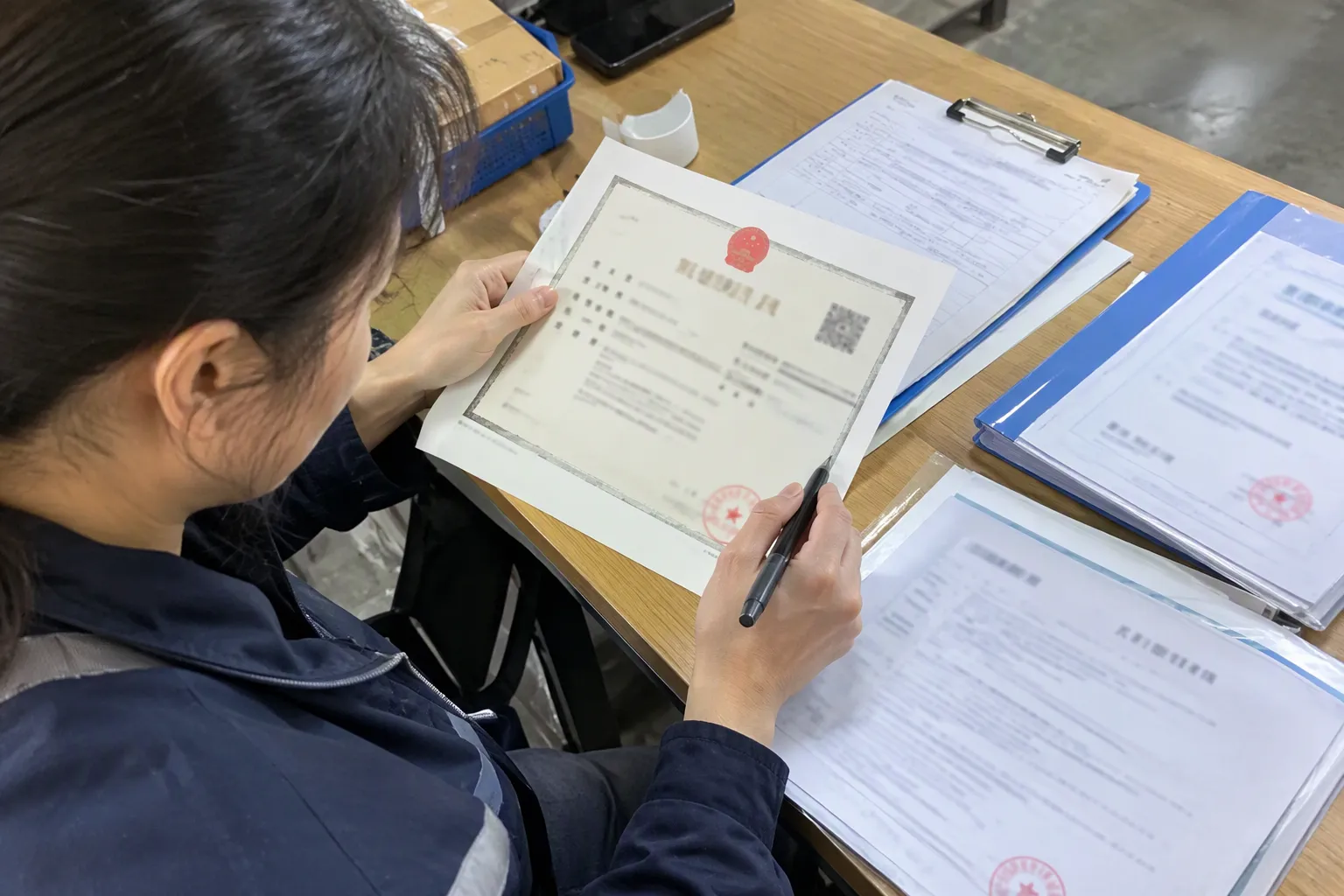
A quotation alone is not supplier qualification.[4] A low price can be useful information, but it does not confirm production capability, export experience, quality systems, or capacity.
Before placing a meaningful order, I would normally want to clarify:
- Is the company a manufacturer, trading company, or a combination of both?
- Does the factory make the product itself or outsource key processes?
- What product categories and materials does it handle regularly?
- Can it explain the specification and production method clearly?
- Does its sample quality match the promised standard?
- What are its usual lead times, MOQ expectations, and payment terms?
- Can its business registration, export documentation, audit records, or certifications be reviewed where relevant?
Documents can be useful, but buyers should verify them rather than treating them as automatic proof of performance. The same applies to certifications and compliance claims. Application-specific requirements often need review by qualified testing, regulatory, or legal professionals.
2. Sample approval before production
A sample is one of the most important risk controls in a China supply chain. It turns broad expectations into something concrete. Yet buyers should remember that a sample can be incomplete if the final packaging, accessories, print colors, or production materials are not included.
I suggest recording sample approval in writing. The record can include:
- Product photos from multiple angles.
- Version number or sample date.
- Confirmed materials and color references.
- Dimensions and critical measurements.
- Included accessories.
- Packaging format and insert requirements.
- Known deviations from the intended final product.
- Approval status: approved, conditionally approved, or rejected.
A conditionally approved sample should not create confusion. The buyer should list every remaining change, identify who will confirm it, and define whether a revised pre-production sample is needed.
In our day-to-day coordination work, I find that small unresolved points create the largest downstream problems. A missing adapter, a different cable length, a revised logo position, or an unconfirmed carton label may look minor during sampling. These details can become expensive after thousands of units are packed.
3. Written specifications before production starts
A factory cannot reliably follow instructions that exist only in scattered chat messages.[5] I recommend bringing important requirements into one controlled document, even for relatively simple products.
A practical specification pack may include:
| Document element | Why it matters |
|---|---|
| Product photos or drawings | Reduces ambiguity about the intended design |
| Bill of materials or key material list | Helps identify substitutions |
| Dimensions and tolerances | Supports inspection and fit checks |
| Color references | Reduces subjective color decisions |
| Logo artwork | Controls brand consistency |
| Packaging artwork | Prevents outdated files from being used |
| Label and barcode rules | Supports marketplace, warehouse, and retail requirements |
| Carton requirements | Helps protect products and simplify receiving |
| Defect standards | Gives inspectors a defined basis for evaluation |
The specification pack does not need to be technically complex to be useful. It needs to be clear, current, and understood by the relevant factory contacts.
Use Production Follow-Up to Find Problems Earlier
Many quality issues cannot be solved efficiently after a finished-goods inspection.[6] By then, products may be assembled, packed, and close to shipment. A full rework may affect cost and timing.
Production follow-up gives the buyer earlier visibility. It does not guarantee that every issue will be caught, but it creates opportunities to ask questions before the factory reaches the final stage.
I generally view production follow-up as a series of practical checks:
- Has the factory received the correct approved artwork and specifications?
- Have key materials, components, or packaging items been confirmed?
- Has production started on schedule?
- Are there substitutions, shortages, or color differences?
- Is the factory using the expected packaging configuration?
- Are there visible assembly, printing, or finishing concerns?
- Is the order likely to be ready by the agreed target date?
For a private-label order, packaging deserves the same attention as the product. A correct product in the wrong carton can still cause warehouse delays, retailer chargebacks, marketplace receiving issues, or customer complaints.[7]
I have found that photo and video reporting is useful when it is tied to specific questions. General factory photos can look reassuring without proving much. A better update might show the barcode location, the inner-box count, the product finish under normal lighting, the carton drop-protection method, or the final packed configuration.
Make Inspection Independent and Actionable
Inspection is a central quality-control point in a China supply chain, but it should be planned rather than treated as a last-minute formality. The inspection scope should reflect the product’s risks, buyer expectations, and practical production stage.
For many consumer products, buyers may use stages such as:
| Inspection stage | Main purpose | Typical timing |
|---|---|---|
| Pre-production review | Confirm materials, sample references, and instructions | Before mass production |
| During-production inspection | Identify recurring issues early | During production |
| Pre-shipment inspection | Assess finished goods before balance payment or shipment release | When goods are substantially complete |
| Loading supervision | Check loading process, carton count, and container condition | During loading |
An inspection report is most useful when it includes more than pass or fail language. I recommend asking for:
- Quantity checked and sampling basis
- Product photos and packaging photos
- Defect descriptions with quantities
- Measurements where relevant
- Functional checks where relevant
- Carton and label verification
- Comparison against the approved sample or specification
- Clear notes on unresolved issues
Quality standards should be agreed before the inspection. The buyer, factory, and inspection party need a shared understanding of what counts as a critical, major, or minor defect where such classifications are used.
I do not treat inspection as a promise of defect-free goods. No inspection process can remove every commercial or manufacturing risk.[8] However, a defined inspection process gives the buyer evidence for a shipment decision and a structured basis for discussing corrective action with the factory.
Consolidate Multiple Suppliers Without Losing Traceability
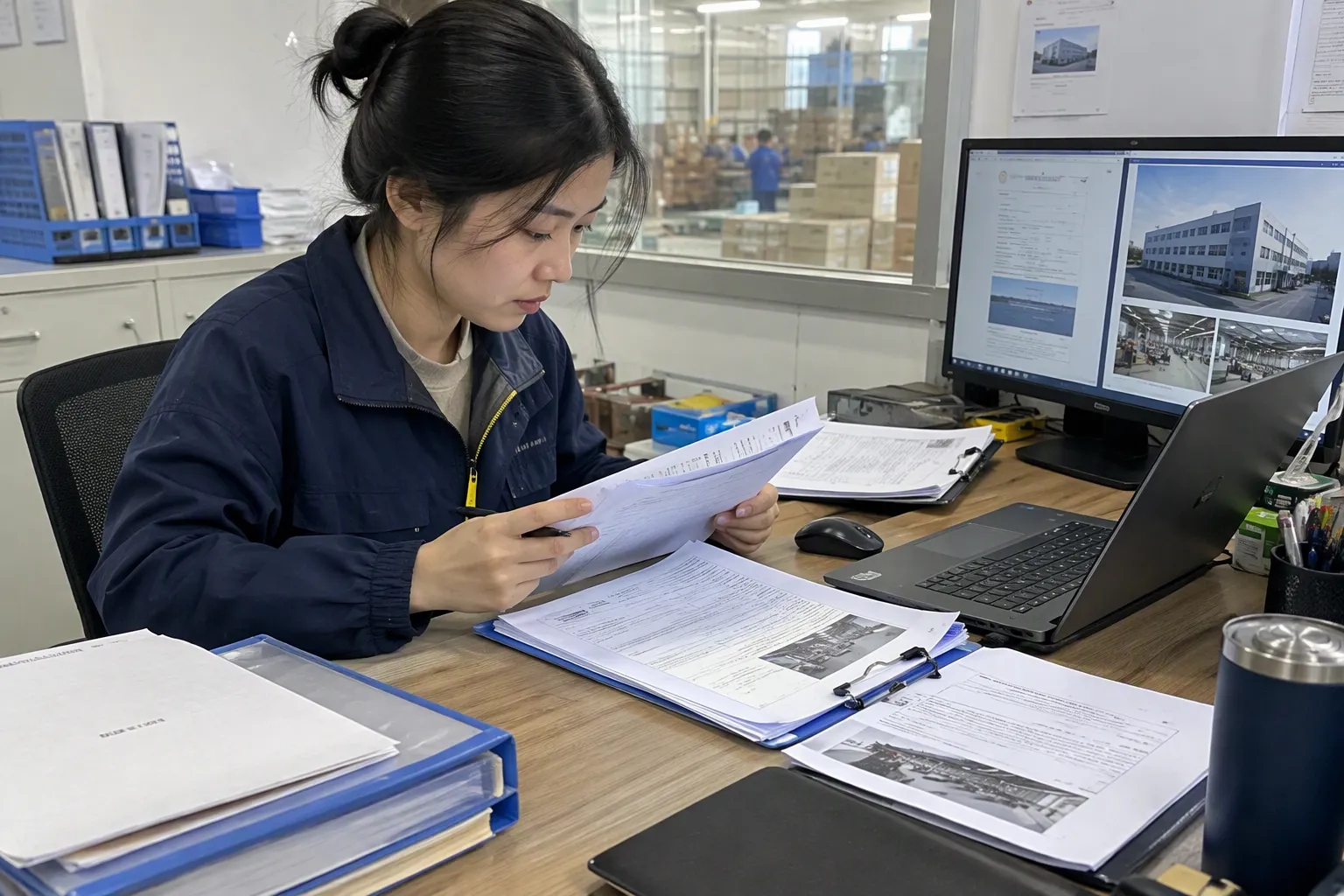
A multi-SKU buyer may purchase products from several factories. One supplier may make the core item, another may provide accessories, and a third may produce packaging or promotional inserts. Without local coordination, this can create separate shipment costs, inconsistent labels, and difficult delivery timing.
A local warehouse or sourcing partner can support consolidation by receiving goods, checking outer cartons, counting units where agreed, applying labels, combining shipments, and coordinating handover to freight providers.
However, consolidation should not become a blind transfer of responsibility. I recommend maintaining traceability for each supplier and SKU.
A simple consolidation control sheet can include:
- Supplier name and order reference
- SKU and quantity ordered
- Quantity received
- Inspection status
- Packaging status
- Labeling status
- Carton count and dimensions
- Storage location
- Missing or damaged quantity
- Shipment allocation
- Buyer release status
This information matters when goods arrive in separate batches. It also helps prevent common mistakes, such as shipping a product before the matching accessory has arrived, mixing two similar SKUs, or sending retail cartons without required labels.
For e-commerce sellers, especially those sending goods to fulfillment centers, the outbound process may require strict attention to carton labeling, SKU separation, and shipment-plan details. I recommend confirming these requirements before the warehouse begins work. A last-minute label change can delay an otherwise ready shipment.
Choose an Outsourced Partner With the Same Care as a Factory
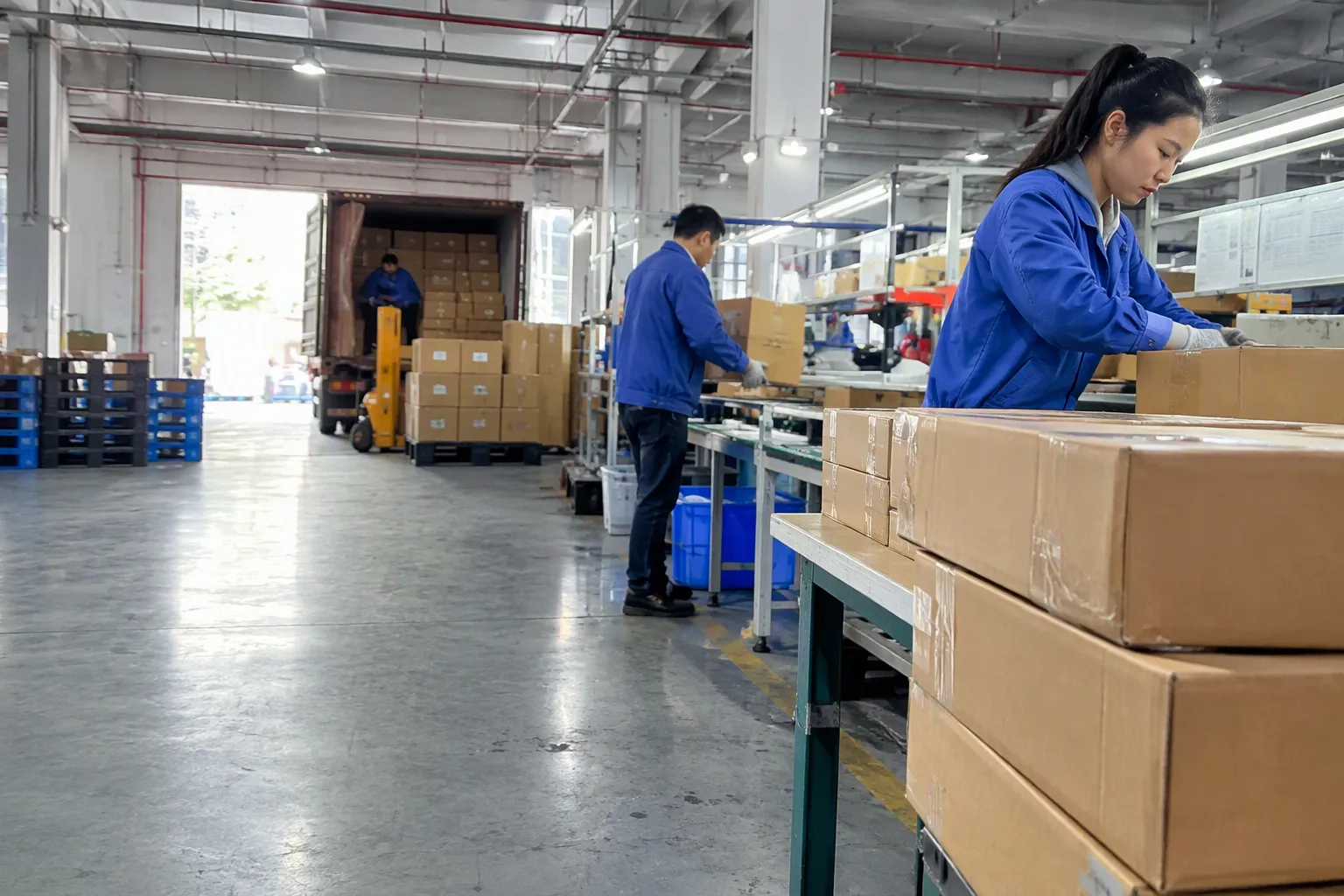
If you build a China supply chain through outsourcing, the sourcing partner becomes part of your operating model. I would not select one only because it promises the lowest commission or claims access to every product category.
A more useful evaluation focuses on transparency, process discipline, and communication.
Questions I recommend asking a China sourcing partner
-
How do you verify suppliers?
Ask what is checked and what evidence can be shared. -
How do you compare quotations?
A meaningful comparison should account for specifications, packaging, MOQ, tooling, lead time, payment terms, and trade terms—not only unit price. -
Who communicates with the factory?
Clarify whether you will have direct factory visibility and how escalation works. -
What inspection support do you provide?
Ask about the inspection stage, reporting format, sampling approach, and how issues are handled. -
How do you manage samples and specification changes?
Look for a documented approval process rather than informal messages. -
Can you manage multiple suppliers and consolidation?
Ask how goods are tracked, stored, relabeled, and released. -
How are fees structured?
Buyers should understand service charges, inspection costs, warehousing fees, packaging labor, and shipping-related charges before committing. -
What happens when there is a dispute or delay?
No partner can eliminate disputes, but it should be able to explain its escalation process and reporting practice.
At KingSourcing, we work as an outsourced China purchasing office for buyers who need local supplier access and hands-on coordination. We support sourcing, quotation comparison, sample development, factory verification, production follow-up, inspections, product checking, packaging, consolidation, warehousing, and shipping coordination. The right scope depends on the buyer’s product complexity and internal resources.
Know When Outsourcing May No Longer Be Enough
Outsourcing is often practical for early-stage businesses, growing brands, and companies with varied purchasing needs. It avoids the immediate cost and management burden of recruiting local staff, establishing internal systems, and supervising an overseas office.
Still, I do not view outsourcing as the automatic long-term answer for every importer.
An in-house China team may become worth assessing when a business has sustained complexity, frequent onsite decisions, highly customized product development, large supplier networks, sensitive intellectual-property concerns, or recurring production programs that require full-time local attention.
The decision should not depend on one fixed order-volume number. A buyer with lower volume but complex custom products may need deeper local support than a buyer with higher volume and one stable, standardized SKU.
I suggest reviewing the question regularly:
- How often do supplier issues require onsite intervention?
- How much time does the internal team spend coordinating China purchasing?
- How many factories, SKUs, and packaging configurations are involved?
- How often do production changes occur?
- Does the business need dedicated local product-development capability?
- Is the outsourced partner providing timely, transparent, and useful reporting?
A hybrid model can also work. Some buyers keep product strategy, supplier relationships, and commercial negotiations internal while using a local partner for inspections, factory visits, consolidation, or temporary project support.
The goal is not to avoid hiring forever. The goal is to choose the operating model that gives your business enough control at its current stage.
Frequently Asked Questions
Can I build a China supply chain with only one factory?
You can start with one factory for a simple product, especially if the supplier is proven and the order is repeatable. However, you should still manage specifications, samples, quality checks, packaging, shipping terms, and final shipment approval. One factory does not automatically manage every supply-chain function.
What should I outsource in China sourcing?
I recommend outsourcing local execution tasks such as supplier research, factory verification, sample coordination, production follow-up, inspection, consolidation, warehousing, and shipping coordination. You should keep control of product requirements, budgets, quality expectations, brand decisions, and final approvals.
Do I need a China sourcing agent for every order?
Not necessarily. A stable repeat order from a well-known supplier may require limited support. However, a sourcing partner can be valuable when you are developing new products, managing several factories, checking quality remotely, consolidating orders, or dealing with complex packaging and labeling requirements.
How can I reduce quality risks when buying from China remotely?
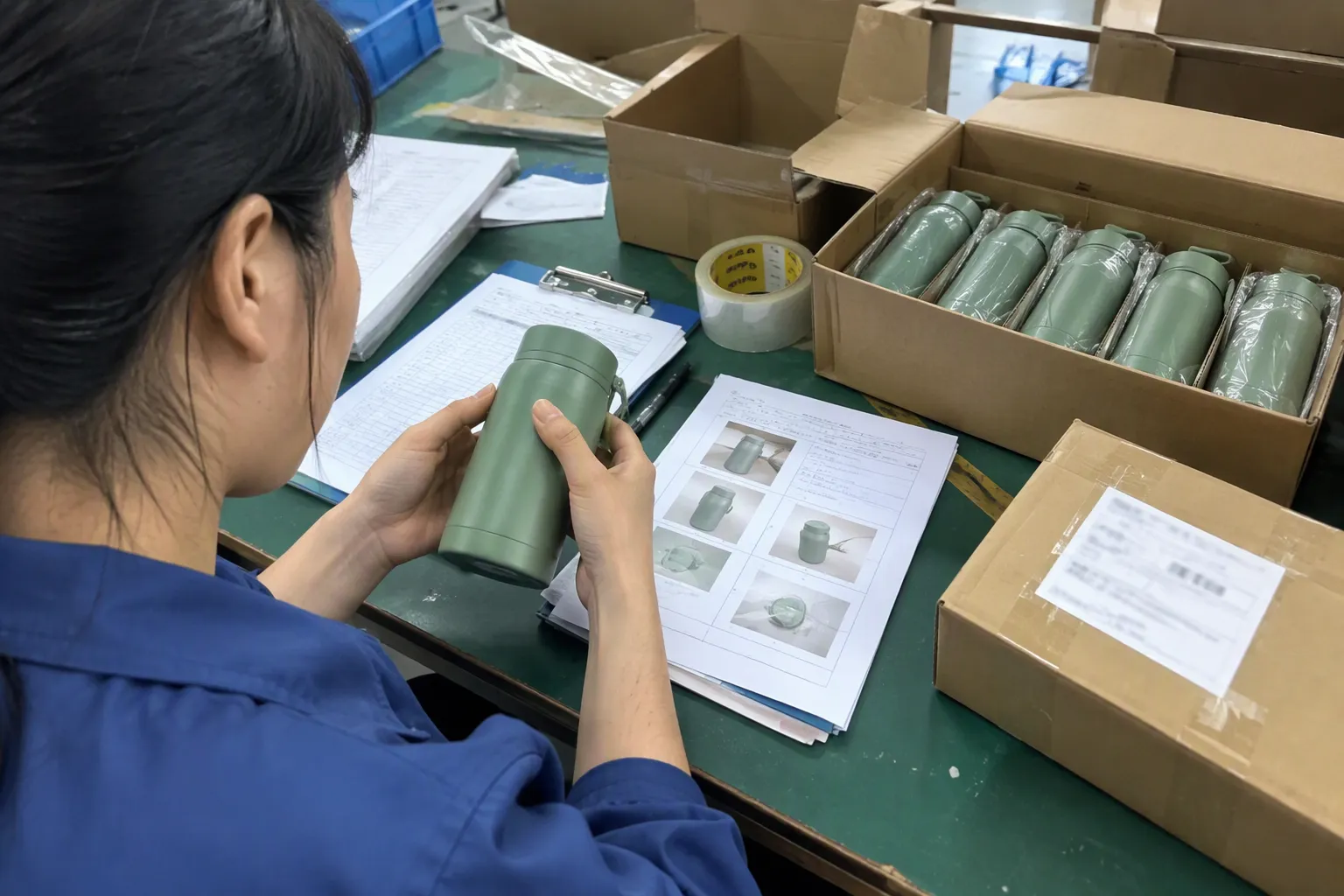
You can reduce quality risk by approving samples, issuing written specifications, setting inspection criteria, monitoring production progress, arranging appropriate inspections, and reviewing reports before shipment. These steps do not guarantee a perfect outcome, but they create stronger evidence and clearer accountability.
When should I consider hiring my own staff in China?
You should consider an in-house team when purchasing complexity, repeat volume, supplier coordination needs, and onsite decision-making remain consistently high. I recommend evaluating the total management burden rather than relying on a single order-volume threshold.
Conclusion
A reliable China supply chain does not require you to hire staff immediately, but it does require structure. I recommend keeping product decisions, quality standards, packaging rules, commercial approvals, and shipment release under your control. A local sourcing partner can then provide supplier access, verification, follow-up, inspection, consolidation, and shipping support. If you need an outsourced China purchasing team that can help make those control points practical, KingSourcing can help you assess and manage the right procurement workflow for your business.
Sources
- OECD Due Diligence Guidance for Responsible Business ...", OECD due-diligence guidance explains that enterprises can use structured oversight, information gathering, and engagement with business relationships to identify and manage supply-chain risks
- Use of quality assurance systems in the fastener industry", ISO quality-management guidance describes documented requirements, monitoring, and evaluation of externally provided processes and products as elements of a controlled quality-management system
- Manufacturing | Definition, Types, & Facts", Manufacturing is commonly defined as the production of goods through processing materials or assembling components
- Supply Chain Management", Public-procurement guidance treats supplier assessment as a review of capability, capacity, quality, financial standing, and other relevant risks rather than price information alone
- Documents, Change Control and Records", Manufacturing quality-system requirements commonly require controlled procedures and specifications so that current, approved instructions are available where work is performed
- The Economic Impacts of Inadequate Infrastructure for ...", Quality-cost research and practice distinguish prevention and early appraisal from downstream internal and external failure costs, reflecting the potential cost of defects discovered late in production
- GS1 Logistic Label Guideline", GS1 standards describe logistics labels as a means to identify handling units and communicate data needed for receiving, storage, transport, and traceability
- Acceptance sampling by variables, with ...", Acceptance-sampling methods use information from a selected sample to make lot-acceptance decisions and therefore do not establish that every individual unit is defect-free