Quick Answer
When I source toys and gifts from China, I know a low quotation can hide higher costs, inconsistent quality, or missing compliance work. Buyers can lose time comparing products that are not truly equivalent. A clearer specification, verified supplier, and controlled first order provide a safer path to a profitable purchase.
To source toys and gifts from China successfully, I first separate toys from ordinary gift products, define the product and packaging requirements, compare equivalent quotations, verify the supplier, and confirm the testing, labeling, quality, and delivery conditions for the target market. The best offer is the one with acceptable total risk and landed cost, not simply the lowest unit price.
Many buyers begin with catalog photos or a marketplace search. That approach can help create a shortlist, but it does not show whether two factories are quoting the same materials, dimensions, functions, packaging, or documentation. In my work with supplier inquiries and quotation comparisons, I find that the real purchasing decision starts when the buyer turns a product idea into a shared specification.
How Can I Source Toys and Gifts from China Safely?
A rushed purchase can create several problems at once. A toy may look attractive online but use a different material, have unsuitable packaging, or require market-specific safety verification. A gift product may appear inexpensive until printing, inserts, labels, inspection, and shipping are added. I reduce this uncertainty by controlling the comparison before I negotiate the price.
I can source toys and gifts from China more safely by creating a detailed product brief, separating toys from general promotional or gift items, screening suppliers, requesting comparable quotations and samples, verifying applicable market requirements, and inspecting production before shipment. I should treat the first order as a controlled product and supplier validation step.
Start With a Complete Product Brief
A supplier cannot quote accurately when the buyer sends only a photo and a target price. The factory may make reasonable assumptions, but those assumptions might not match the intended product or sales channel. I normally want the product brief to answer practical questions before I request a firm quotation.
The brief can include:
- Product name and intended use
- Target customer and age group, where relevant
- Dimensions and acceptable tolerances
- Materials and finishes
- Colors, artwork, logos, and printing method
- Functions, accessories, batteries, or moving parts
- Individual product packaging
- Master carton requirements
- Labels, warnings, instructions, and barcodes
- Target order quantity and expected repeat volume
- Destination country and sales channel
- Required sample approval process
- Inspection expectations and shipment timing
A buyer who sells through an online marketplace may need different packaging and labeling from a wholesaler supplying retail stores. A promotional gift for an adult audience may not need the same evaluation as a children’s toy, although the product can still create quality, labeling, or consumer-safety concerns.
I also ask the buyer to identify what is fixed and what is flexible. For example, the logo placement may be fixed, while the ribbon color or outer carton style may be flexible. This distinction helps me request alternatives without changing the core product.
Why Product Equivalence Matters in Quote Comparison
A quotation comparison is only useful when the offers describe equivalent products.[5] Two suppliers can quote the same catalog name while offering different materials, dimensions, packaging, accessories, or production processes.
I use a comparison sheet rather than placing all prices in one column. The sheet can include:
| Comparison point | Supplier A | Supplier B | Supplier C |
|---|---|---|---|
| Product material | Confirmed specification | Supplier assumption | Requires sample |
| Product size | Stated | Different size | Stated |
| Logo method | Printed | Sticker | Embossed |
| Individual packaging | Included | Extra cost | Not stated |
| Accessories | Listed | Partly listed | Not confirmed |
| Sample charge | Stated | Stated | Not stated |
| Production lead time | Quoted | Quoted conditionally | To confirm |
| Testing or documents | To verify | To verify | Not included |
| Inspection condition | Buyer arranged | Not stated | Factory inspection available |
This table often explains why one price is lower. The lower offer may exclude packaging, use a simpler decoration process, or quote a smaller product. It may still be useful, but I should not call it the better offer until the differences are clear.
Toys Need a Separate Purchasing Checklist
I do not use one generic checklist for every item in a gift catalog. Toys involve children’s use, age grading, product design, accessible parts, materials, and market-specific safety requirements.[1] The exact obligations depend on the destination country, product type, age range, sales channel, and applicable rules.
Before ordering, I ask:
- Who will use the product?
- Is the item intended for children, or could consumers reasonably view it as a toy?
- What age group does the packaging or marketing identify?
- Does it contain small parts, magnets, batteries, cords, sharp edges, or moving mechanisms?[2]
- Does it require market-specific testing, technical documentation, warnings, or labeling?
- Who will arrange and pay for verification?
- What evidence will the buyer keep for the shipment and sales channel?
I do not treat a supplier’s statement that a product is “safe” as a substitute for professional evaluation or required documentation.[3] I also do not assume that a certificate shown by a factory applies to the exact product, material, factory, or destination market.[4] Buyers should verify documents with qualified testing or compliance professionals for the target country.
General Gifts Still Require Control
A gift product may not be classified as a toy, but it can still fail in ways that damage a brand. Common problems include poor printing, color variation, weak magnets, unpleasant odors, cracked plastic, inaccurate dimensions, and packaging that arrives damaged.
For ordinary gifts, I focus on:
- Visual appearance and finish
- Function and durability
- Material consistency
- Decoration alignment
- Packaging strength
- Logo accuracy
- Odor and surface condition
- Quantity and carton accuracy
- Product instructions, if needed
- Shipping and storage conditions
A branded gift with a misprinted logo can be commercially unusable even when it functions correctly. A low-cost item with weak packaging can also produce returns or poor reviews. The buyer should define these risks before production rather than arguing about them after the goods arrive.
Screen Suppliers Before Requesting the Final Offer
China has many capable manufacturers, trading companies, and specialized workshops. A supplier profile alone does not prove that the company is suitable for a specific toy or gift project. I screen suppliers against the product requirements and the buyer’s order size.
My first screening questions cover:
- Does the supplier make the product or mainly trade it?
- Does the factory have experience with the required material and decoration?
- Can it provide a clear quotation with assumptions?
- Can it produce a sample matching the brief?
- Can it explain its quality-control process?
- Does it understand the intended market and sales channel?
- Can it meet the required packaging and labeling conditions?
- Is the requested MOQ realistic for the product?
- Can it support repeat orders with consistent specifications?
- Does the supplier communicate clearly when something is not possible?
I do not automatically reject a trading company. A trading company may provide access to several factories or help with smaller mixed orders. However, I need to understand who controls production, who owns the tooling, where the goods are made, and who will correct a quality problem.
Request Samples That Test the Important Risks
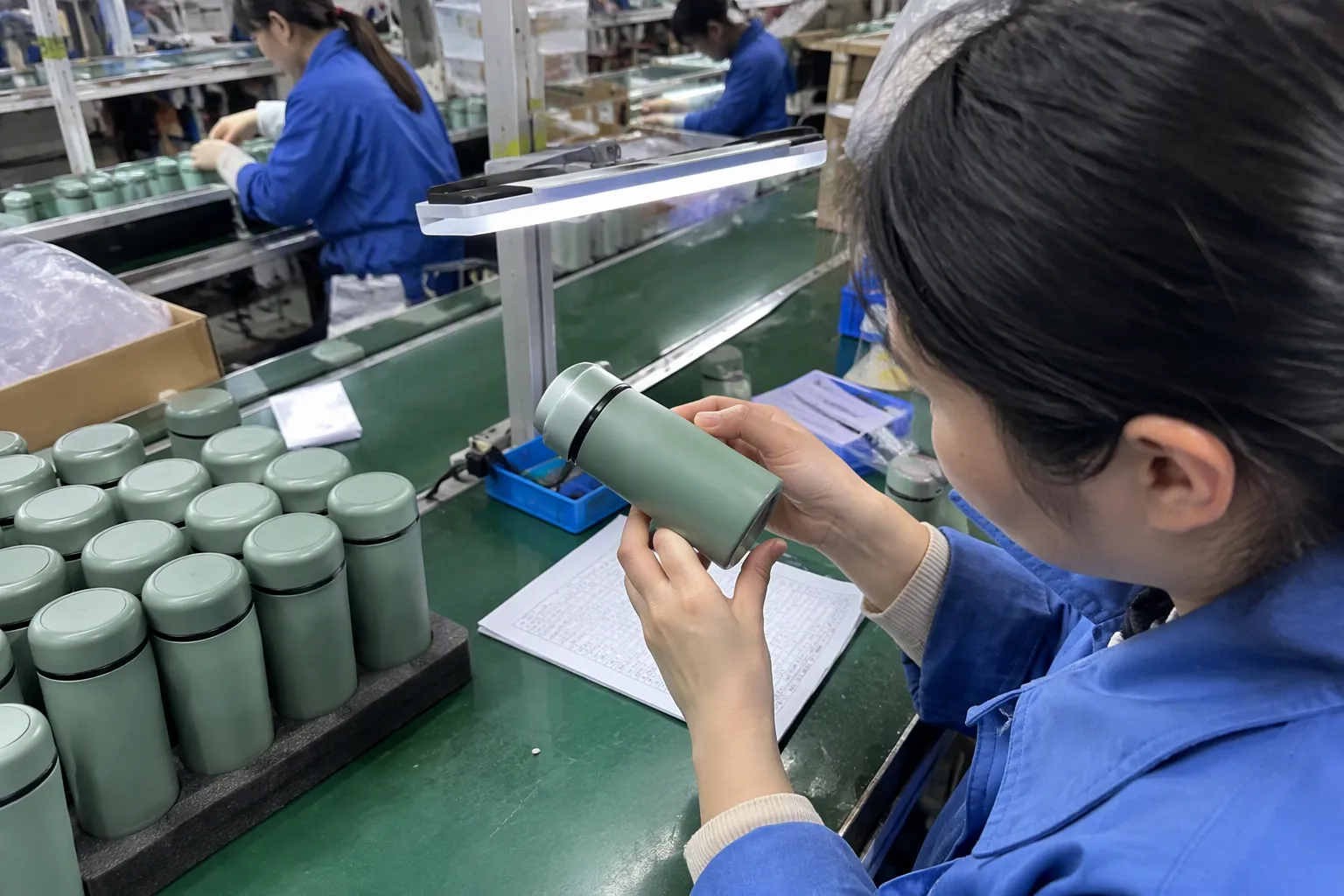
A sample is not only a visual approval. It is an opportunity to check whether the supplier understands the specification. I compare the sample against the product brief and record deviations.
For a toy, I may review the visible construction, moving parts, accessories, packaging, age information, and artwork. For a promotional gift, I may check the logo size, print position, color, surface finish, and packaging presentation. The exact checks depend on the item and should not replace application-specific professional testing.
I recommend that buyers keep:
- The approved sample
- Photos and videos of the sample
- The final artwork
- The written specification
- The supplier quotation
- Agreed tolerances
- Packaging instructions
- Approved pre-production samples, when needed
The approved sample becomes a reference for production inspection.[8] It does not eliminate every risk, because mass production can vary from the sample. It does, however, create a clearer basis for identifying deviations.
Consider the Real Landed Cost
The unit price is only one part of the purchasing decision.[6] I build a landed-cost view before I compare offers. The final calculation can include:
- Product price
- Tooling or mold cost
- Sample and development charges
- Printing, labeling, and packaging
- Testing or document costs
- Factory inspection
- Domestic transport in China
- Warehousing or consolidation
- Export handling
- Freight
- Insurance, where applicable
- Import duties and taxes
- Customs or broker charges
- Marketplace preparation
- Expected defect and replacement exposure
The buyer may not know every cost at the first inquiry stage. That is acceptable if the quotation clearly identifies what is included, excluded, or still subject to confirmation.
I treat unclear costs as purchasing risks, not as savings.
A supplier that is slightly more expensive may provide a complete specification, clearer packaging, stronger communication, and better production control.[7] Another supplier may offer an attractive headline price but leave several costs unresolved. I compare the commercial conditions before deciding which offer deserves a sample order.
Use the First Order as a Risk-Control Decision
I do not view the first order as a simple opportunity to obtain the lowest price. I view it as a test of the supplier, product, process, and communication.
A controlled first order can include:
- A written product specification
- A confirmed sample
- A clear purchase order
- Agreed packaging and labeling
- A production schedule
- A defined inspection point
- A defect-handling process
- A shipment-document checklist
- A review after delivery
A buyer may begin with a smaller test quantity when the supplier and product are new. The right quantity depends on the business model, MOQ, tooling, inventory needs, and risk level. I do not assume that a small order is always safer or more economical. Some suppliers may treat very small orders differently, and some products have fixed setup costs.
The purpose of the first order is to generate evidence. Can the supplier reproduce the approved sample? Can the factory follow the packaging instructions? Does the supplier communicate production delays early? Does the inspection result match the buyer’s expectations? These answers help determine whether a larger purchasing program is reasonable.
Manage Production and Inspection
Remote purchasing creates a communication gap between the buyer and the factory. Production follow-up helps close that gap, but it should be based on agreed checkpoints.
Useful checkpoints can include:
- Pre-production confirmation
- Raw material or component confirmation
- First-piece review
- During-production inspection
- Final random inspection
- Carton and quantity verification
- Loading supervision, where appropriate
The inspection scope should match the product risk and order value. A visual check may be useful for logo placement and packaging, while a functional check may be needed for products with moving parts, electronics, batteries, or mechanisms. Buyers should use qualified inspection or testing professionals when the product requires technical evaluation.
I keep inspection findings factual. I record the sample size, defects, photos, measurements, and agreed acceptance criteria. I avoid vague statements such as “good quality.” A measurable requirement is easier for the supplier and buyer to understand.
Control Packaging and Shipping Exposure
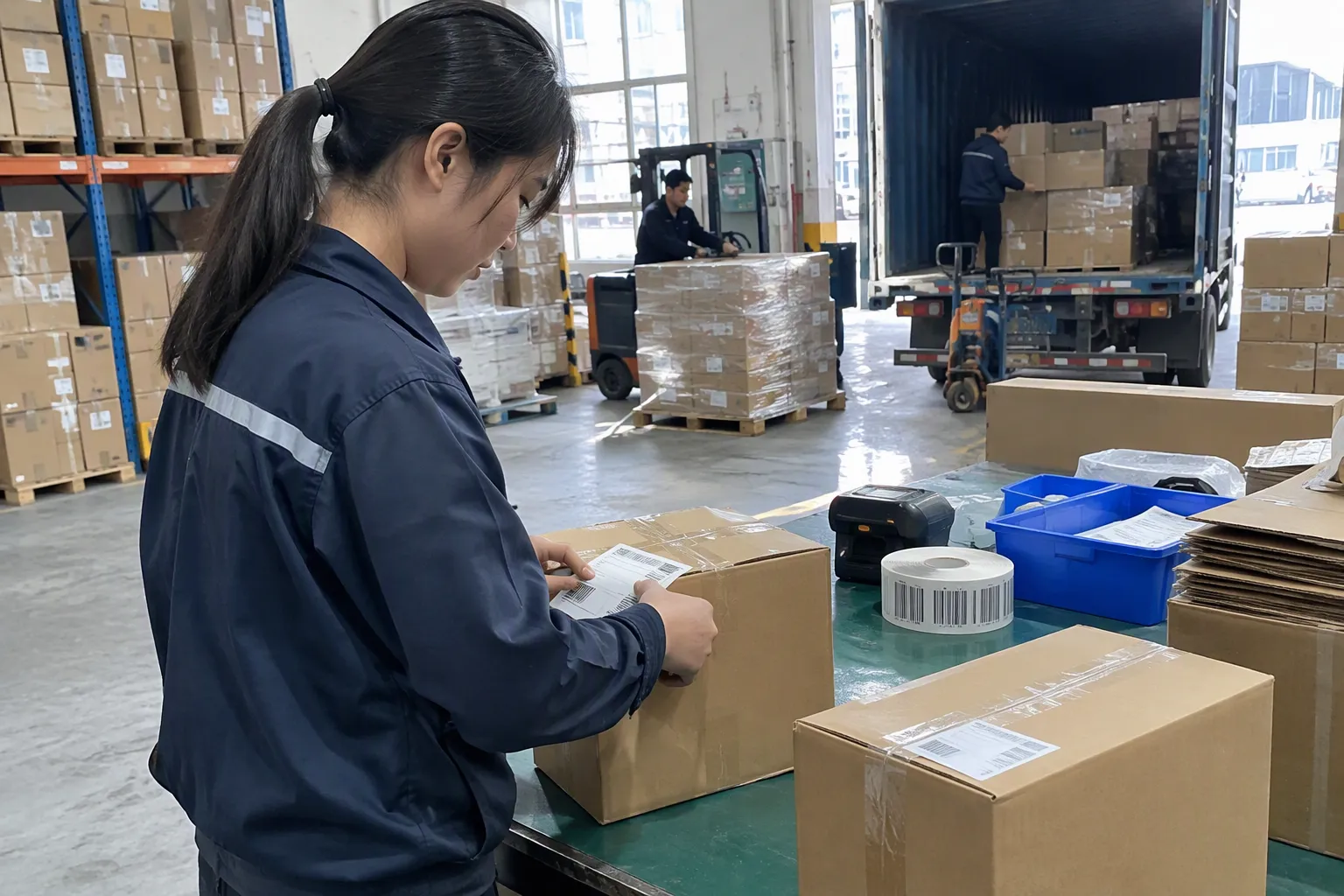
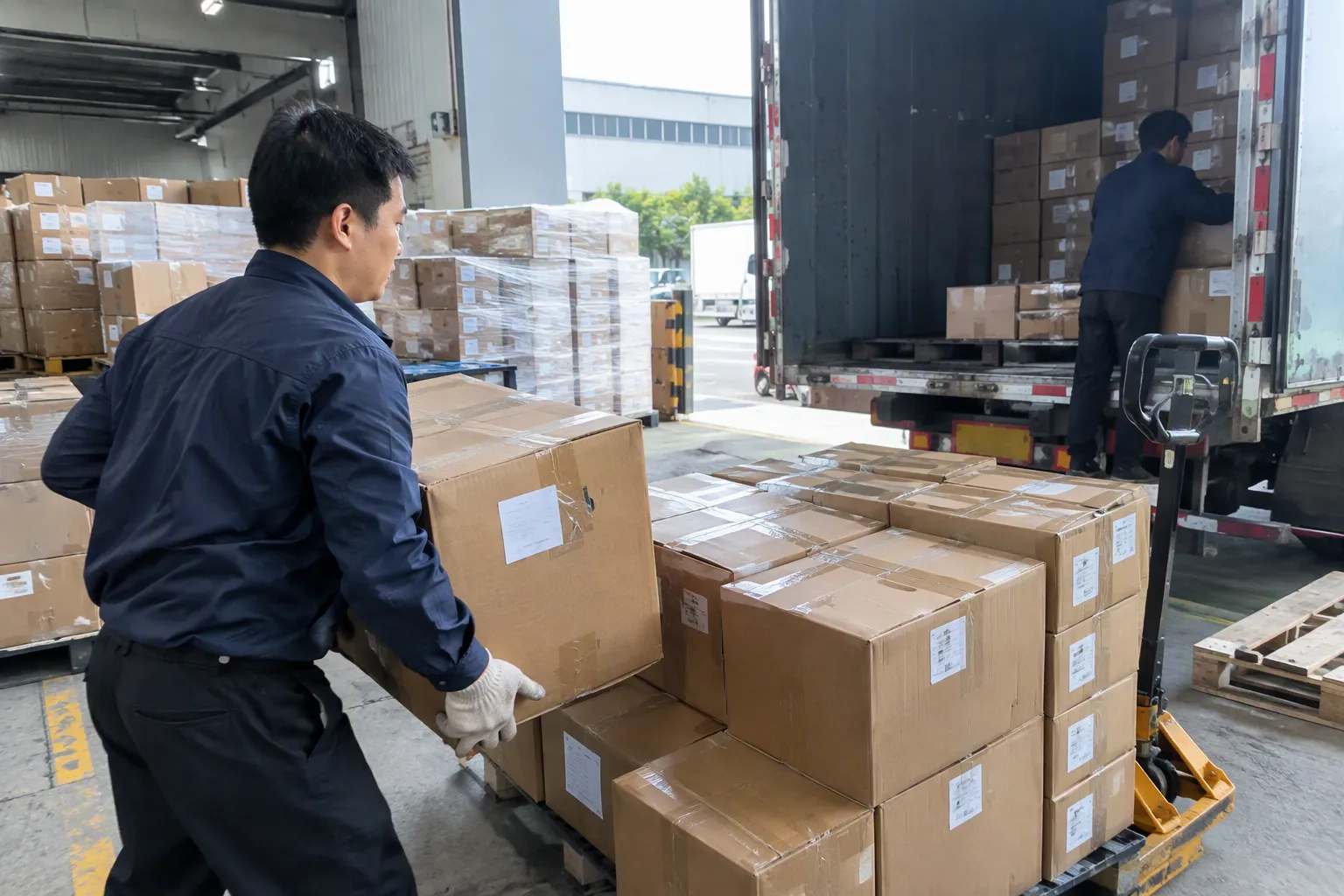
Toys and gifts often contain multiple SKUs, colors, accessories, or packaging versions. A packing mistake can create problems even when the product itself is acceptable. I ask for a packing list that identifies the SKU, quantity, carton count, carton dimensions, gross weight, and destination information.
When a buyer works with several factories, consolidation can make the shipment easier to manage. KingSourcing can coordinate supplier deliveries, warehousing, product checks, packaging, multi-supplier consolidation, and international shipping support from China. I still confirm the commercial conditions for each shipment, because freight choices, customs responsibility, and import requirements vary by destination.
Before dispatch, I check:
- Carton markings
- SKU quantities
- Barcode placement
- Inner and outer packaging
- Pallet requirements, where relevant
- Shipping documents
- Commercial invoice details
- Packing list accuracy
- Delivery address and consignee information
- Any marketplace preparation requirements
A correct shipping plan cannot fix a product that failed its specification. I therefore arrange quality review before the goods are committed to international transport.
Warning Signs That Need More Questions
A warning sign does not always mean that a supplier is unsuitable. It means I need more evidence before moving forward.
I pay attention when:
- The supplier gives a price without confirming the specification.
- The quotation contains many “to be confirmed” items.
- The supplier refuses to provide a sample or clear sample terms.
- The company cannot explain who manufactures the goods.
- The supplier uses unrelated certificates for a different product.
- The MOQ changes repeatedly without explanation.
- The factory avoids discussing defects or rework.
- The production schedule is vague.
- The supplier pressures the buyer to pay before approving the details.
- The packaging and labeling requirements are treated as unimportant.
- The supplier offers a dramatic price reduction without identifying the change.
I ask direct questions and record the answers. Clear communication is part of supplier evaluation. A factory that cannot explain its assumptions during quotation may create larger misunderstandings during production.
How KingSourcing Can Support the Process
I understand why overseas buyers look for direct factory prices. Direct purchasing can work well when the buyer has the time, language capability, product knowledge, quality process, and local follow-up needed to manage the order. Many smaller businesses do not have those resources in China.
KingSourcing supports the workflow by helping with:
- Supplier sourcing and initial screening
- Supplier and factory verification
- Quotation comparison
- Sample development
- OEM and ODM coordination
- Factory audits
- Production follow-up
- Quality inspection
- One-by-one product checking when appropriate
- Packaging and labeling
- Warehousing
- Multi-supplier consolidation
- International shipping coordination
I use local access in manufacturing areas such as Shenzhen, Dongguan, Guangzhou, Foshan, Yiwu, and Ningbo to help buyers communicate with suppliers and compare practical options. I do not present every supplier as suitable, and I do not promise that sourcing support removes all product or regulatory responsibility. The buyer still needs to confirm the intended market requirements and use qualified professionals where technical evaluation is necessary.
For an e-commerce seller, the value may be clearer supplier communication and a more controlled test order. For a growing importer, the value may be an outsourced purchasing function that manages several factories, SKUs, inspections, packaging, consolidation, and shipping.
Frequently Asked Questions
Is it safe to source toys and gifts from China?
It can be commercially practical, but the safety and compliance risk depends on the product, design, materials, age group, destination market, and supplier controls. I recommend verifying the supplier, approving a representative sample, confirming applicable requirements, and arranging suitable inspection or professional testing before selling the goods.
How do I find reliable toy and gift suppliers in China?
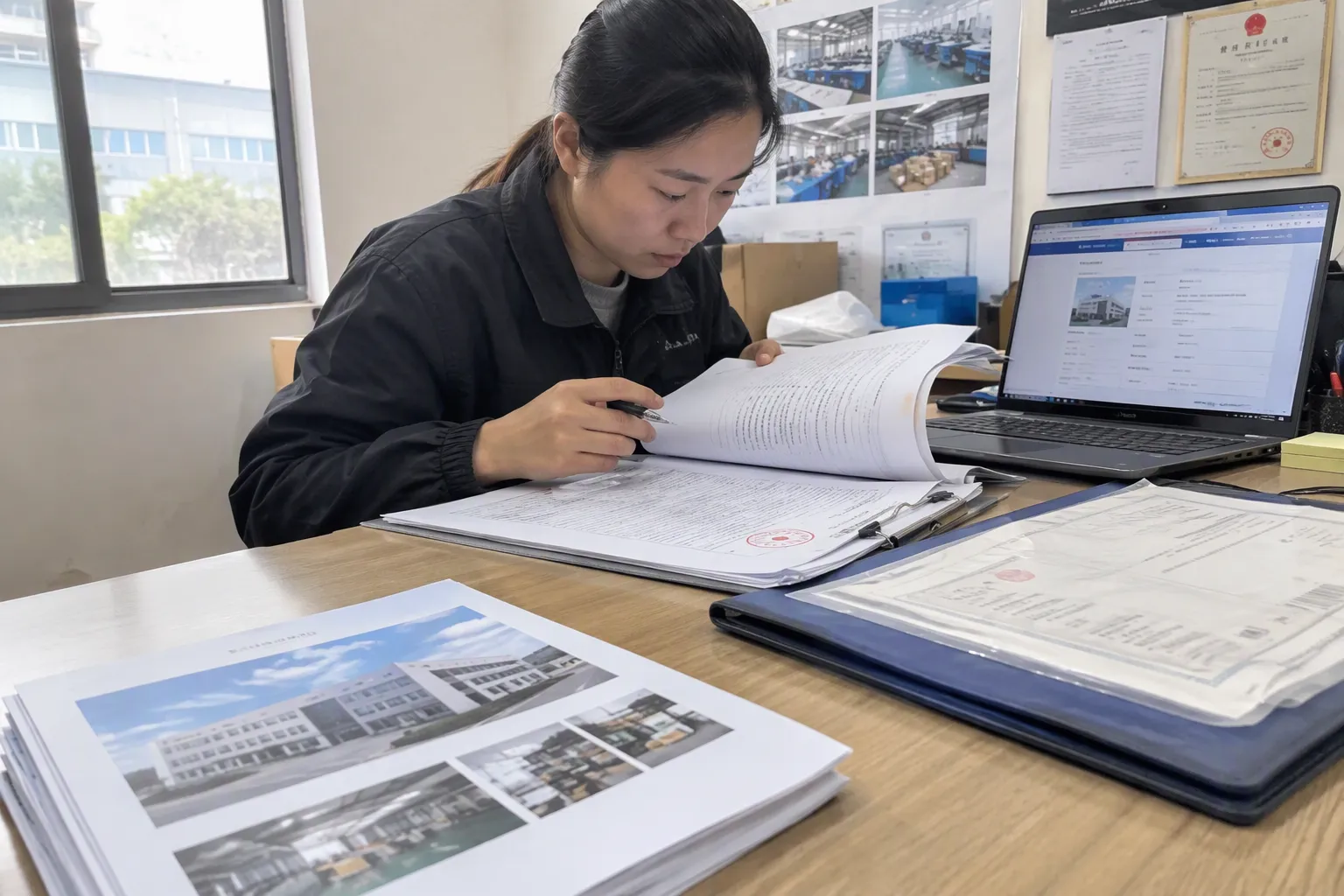
I begin with a product-specific supplier search instead of choosing only from a broad catalog. I compare manufacturing experience, communication, samples, MOQ, packaging capability, quality processes, and market documentation. A factory audit or local verification can provide additional evidence, but buyers should still evaluate the actual product and order conditions.
Should I choose a factory or a trading company?
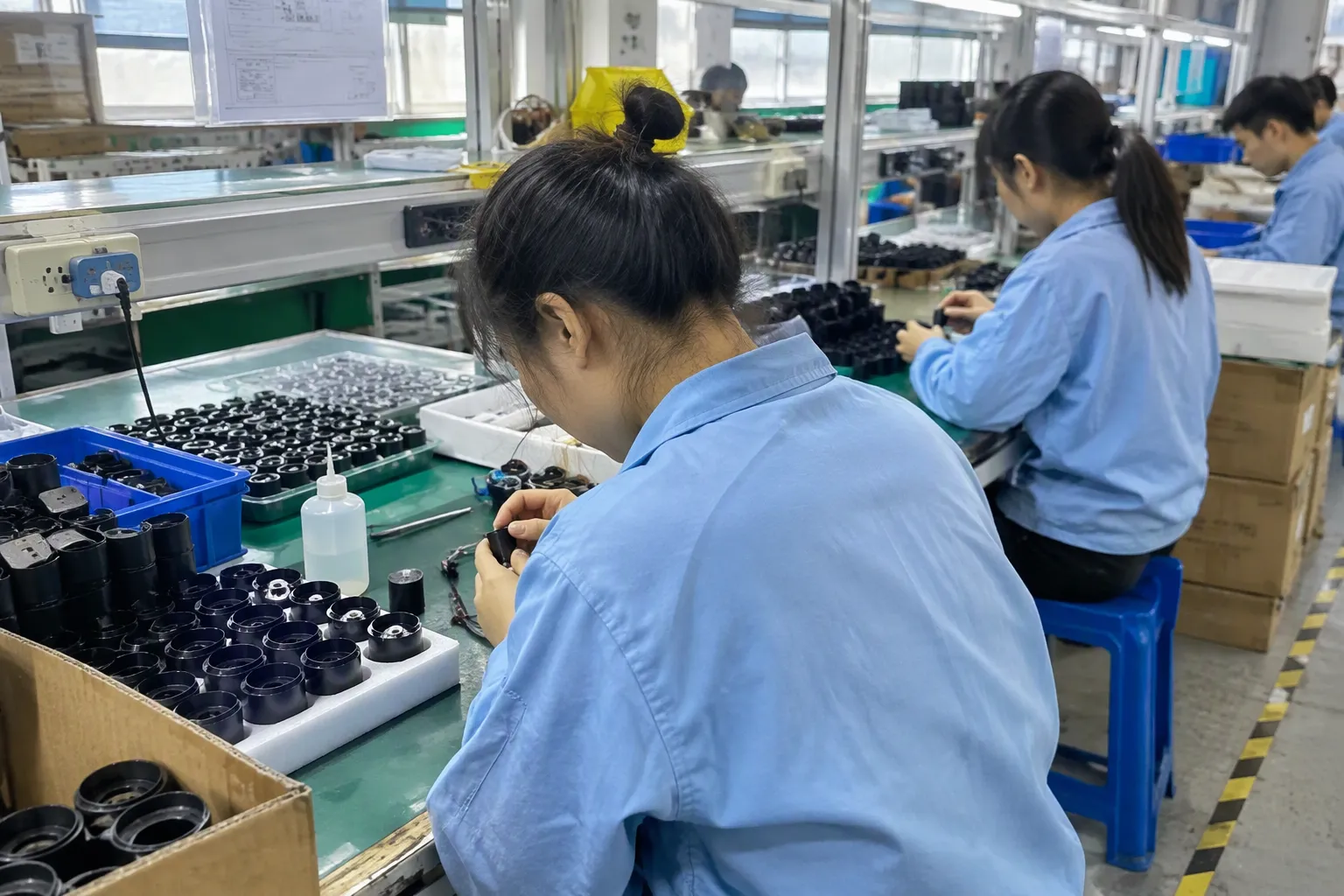
The right choice depends on the product and purchasing program. A factory may offer stronger production control, while a trading company may support smaller quantities, multiple products, or access to several workshops. I ask who makes the product, who controls quality, and who is responsible if the goods do not meet the agreed specification.
What documents should I request for toys?
The required documents vary by destination, product category, age group, materials, and sales channel. I request the supplier’s available product information and then verify the applicable testing, labeling, warnings, and technical documentation with a qualified professional for the target market. Buyers should not assume that a generic certificate covers every version of a product.
How can I reduce the risk of a large first order?
I reduce risk by defining the specification, comparing equivalent quotations, checking the supplier, approving a sample, confirming packaging, setting quality criteria, and inspecting production before shipment. A smaller test order may be appropriate, but I also consider setup costs, MOQ, inventory requirements, and whether the test quantity represents normal production conditions.
Can one sourcing partner manage several toy and gift suppliers?
Yes, a sourcing partner can coordinate several suppliers, but the workflow requires clear SKU records, delivery schedules, packaging instructions, inspection plans, warehousing, and consolidation controls. I use a structured purchase and shipment plan so that one supplier’s delay or packing error does not remain hidden until the final dispatch.
Conclusion
To source toys and gifts from China successfully, I need to compare equivalent products rather than headline prices. I separate children’s toys from ordinary gift items, verify suppliers, approve samples, confirm target-market requirements, calculate landed cost, and inspect production before shipment. The first order should test the supplier and process, not simply fill inventory at the lowest quote. If I need local supplier screening, quotation comparison, quality control, consolidation, or shipping support, I can contact KingSourcing to discuss the product brief and purchasing requirements.
Sources
- Toy Safety Business Guidance", Government toy-safety guidance treats age suitability, construction, materials, and accessible components as relevant factors in evaluating children’s products
- Toy Safety Business Guidance", Toy-safety authorities classify small parts, magnets, batteries, cords, sharp edges, and moving mechanisms among hazards that can cause injury or require specific controls
- Toy Safety Business Guidance", Product-safety regimes generally require prescribed conformity evidence and technical documentation for covered toys; an informal supplier assurance is not equivalent to that evidence
- General Certificate of Conformity", Accreditation and conformity-assessment guidance indicates that a certificate’s evidentiary value is bounded by its defined scope, including the product, requirements, producer, and applicable market
- Competitive Bid Process - Purchasing", Procurement guidance commonly requires tenders to be evaluated against consistent specifications and stated conditions so that competing offers are comparable
- Publication: Logistics Costs and Competitiveness", International-trade and procurement guidance distinguishes the supplier’s price from the broader landed or total acquisition cost, which may include logistics, insurance, duties, taxes, handling, and related charges
- EFFECTIVE METHODOLOGIES FOR SUPPLIER SELECTION ...", Supplier-selection research commonly treats price as one criterion among quality, delivery reliability, communication, and operational capability when assessing overall supplier value
- 46 CFR § 164.019-13 - Production quality control requirements.", Quality-management practice uses approved specifications and reference samples to compare production output against defined product characteristics during verification