Quick Answer
A China sourcing partner can be valuable when supplier communication feels uncertain, deadlines start moving, or product details remain unclear. These problems often grow quietly while overseas buyers wait for answers. I help turn vague supplier updates into verified facts, documented actions, and practical follow-up steps.
A China sourcing partner helps manage supplier problems by creating a local process for early warning, verification, escalation, corrective action, and closure. I cannot make every factory issue disappear or control every supplier decision. However, I can help overseas buyers identify risks earlier, clarify commitments, verify important information, and keep unresolved issues visible until there is a documented next step.
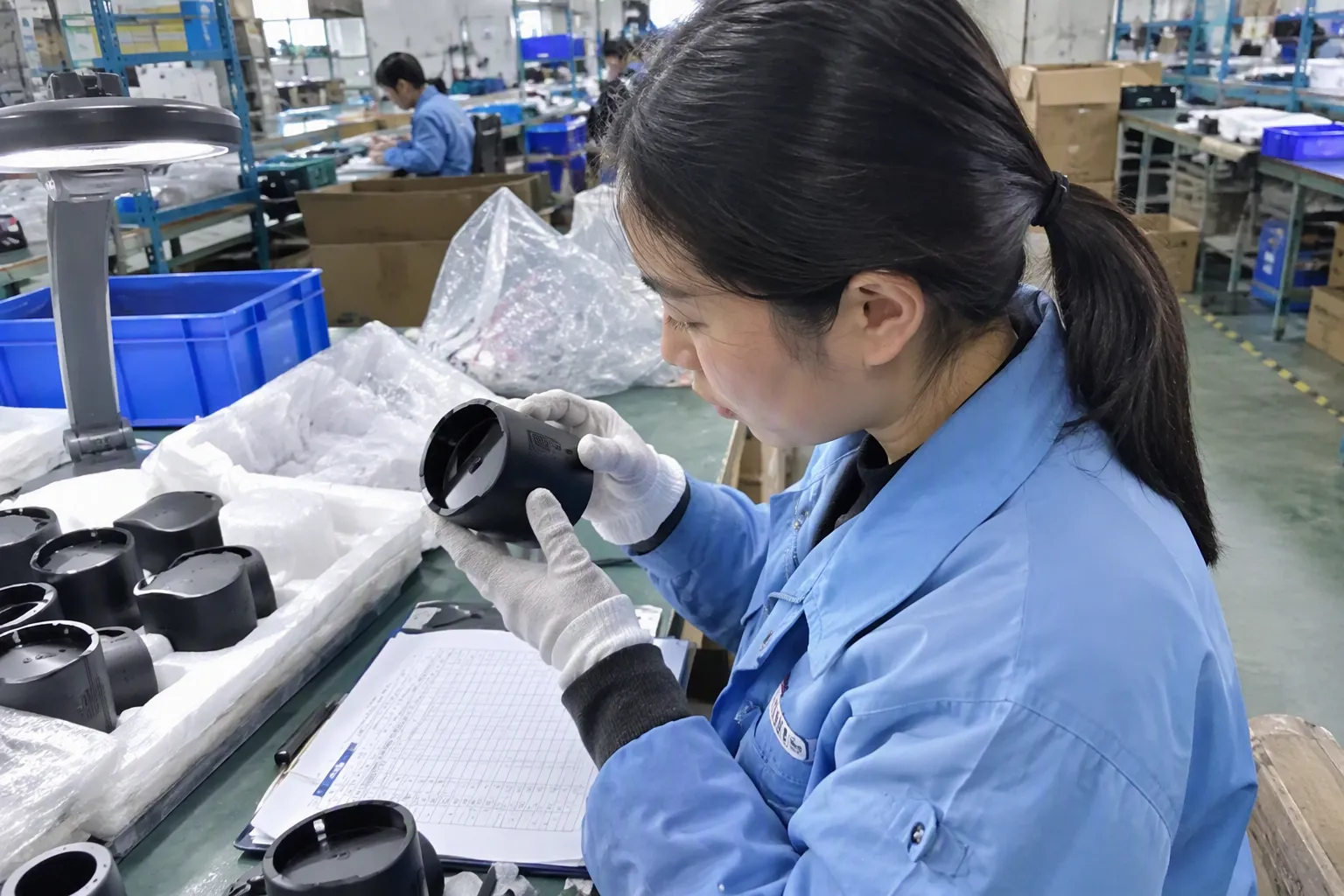
Supplier problems are rarely caused by one dramatic event. In my experience, they often begin with small warning signs: a quotation that lacks detail, an unclear production update, a changed material description, or a supplier who answers only part of a question. The real value of local support is how these signals are handled before they become expensive surprises.
Why Does a China Sourcing Partner Not “Make Supplier Problems Disappear”?
A China sourcing partner cannot guarantee that a supplier will never miss a deadline, make a defect, face a capacity issue, or change its position. Buyers can become frustrated when a supplier gives quick but incomplete answers. The better approach is to build a process that makes problems easier to see, assess, escalate, and track.
A China sourcing partner does not replace factory management or take full control of a supplier’s production decisions. Instead, I help create visibility and accountability around the parts of the process that buyers can reasonably manage remotely. This includes verifying facts, defining actions, documenting commitments, following up on deadlines, and reporting unresolved risks clearly so the buyer can make informed decisions.
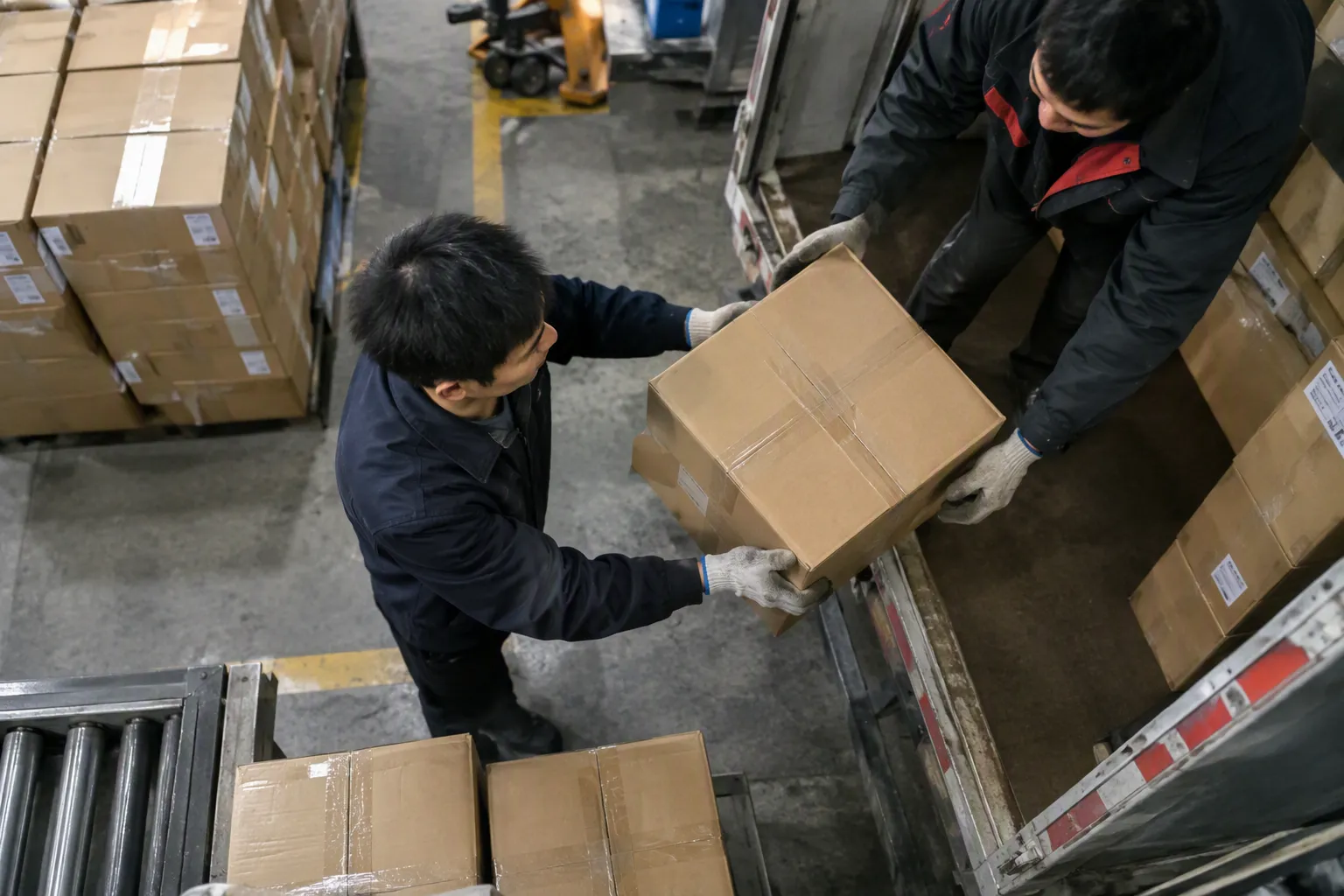
Supplier risk begins before production starts
Many buyers first judge a supplier by two signals:
- A low quotation
- A fast reply
Both signals can be useful, but neither proves that a supplier is reliable for a specific order.[1]
A supplier may reply quickly because its sales team is responsive.[2] That does not automatically confirm that the factory understands the specification, has stable material supply, can meet the requested quantity, or has the right internal quality process. Likewise, a low quotation may reflect efficient production, but it may also leave out important items such as packaging, tooling, testing, labeling, product accessories, export cartons, or quality requirements.[3]
I treat the early stage as a validation stage, not simply a price-comparison exercise.
When I coordinate with suppliers, I look for whether their answers stay consistent across the quotation, product specification, sample discussion, packaging requirements, and production plan. A supplier that gives different answers to the same issue at different points may not be unreliable by default. However, the inconsistency should be clarified before the buyer commits funds or confirms production.
What I check when supplier answers are vague
A vague answer can sound reassuring while providing very little usable information. For example, a supplier may say:
“No problem, we can do it.”
That statement is not enough for a purchasing decision. I need to understand what “it” actually means.
I would normally break the response into practical questions such as:
- Which product version does the supplier mean?
- Which material, component, color, or finish is being confirmed?
- Does the quoted price include the requested customization?
- Is there a sample approval requirement before mass production?
- What is the estimated production lead time after deposit and sample confirmation?
- Is the packaging requirement included in the quotation?
- Who is responsible for artwork approval and label content?
- Does the supplier have an unresolved issue that could affect delivery?
- What evidence can support the stated capability?
The goal is not to interrogate suppliers unnecessarily. The goal is to prevent a buyer from interpreting a general reply as a confirmed production commitment.
A practical example of converting a vague update into an action list
In supplier coordination, I often see production updates that are too broad to be useful. A supplier may say that an order is “in production” or “almost finished.” For an overseas buyer, that creates a false sense of certainty if there is no supporting detail.
Instead of accepting that update at face value, I would ask for a clearer breakdown:
| Information needed | Why it matters |
|---|---|
| Current production stage | It shows whether the order is actually at material preparation, assembly, packaging, or completed production. |
| Quantity completed | It helps identify whether production is progressing at the expected pace. |
| Quantity still pending | It shows the remaining workload and possible timing risk. |
| Packaging status | It confirms whether product completion and shipment readiness are being confused. |
| Planned completion date | It creates a date that can be followed up. |
| Known problems or delays | It gives the buyer early visibility rather than a last-minute explanation. |
| [Photos, video, or records where appropriate | It provides supporting evidence, although it does not replace qualified inspection when needed.](https://pmc.ncbi.nlm.nih.gov/articles/PMC10058274/)[5] |
I then record the supplier’s stated actions and dates in writing. If the supplier says it will provide revised packaging photos on a certain date, that becomes a specific follow-up item. If it says a material shortage has been resolved, I ask what material was affected, whether the replacement changes the approved specification, and whether the production schedule has changed.
This is a simple process, but it matters. Supplier risk becomes harder to manage when every conversation remains informal and no one turns discussions into accountable next steps.[4]
A China sourcing partner provides an early-warning system
A China sourcing partner adds value when issues are detected early enough for the buyer to still have options. I do not wait only for a missed shipping date or failed inspection result. I look for signs that a commitment may be becoming less credible.
These warning signs may include:
- A supplier avoids answering a direct technical or packaging question.
- The delivery estimate changes without a clear reason.
- The supplier asks for a change after the buyer has already approved a sample.
- Product photos do not match the agreed color, finish, logo, or accessory configuration.
- A factory contact changes and the new contact lacks order background.
- The supplier requests final payment before agreed checks are complete.
- The quotation and proforma invoice show different terms.
- The supplier does not provide clear answers about carton marks, labels, or packing method.
- A supplier repeatedly says “soon” without providing a date or production status.
- A claimed document, test report, or certification cannot be matched to the relevant product model or market requirement.
Not every warning sign means that a supplier will fail. Manufacturing involves normal changes, material availability issues, scheduling pressure, and misunderstandings. The key is to distinguish between a manageable change and an unresolved risk.
I encourage buyers to use a simple risk classification system:
| Risk level | Typical situation | Recommended response |
|---|---|---|
| Low | Minor clarification needed, no confirmed effect on price, quality, or delivery | Document the answer and continue follow-up. |
| Medium | Specification ambiguity, packaging change, possible material substitution, uncertain lead time | Request evidence, confirm buyer approval requirements, and set a response deadline. |
| High | Confirmed delay, unapproved specification change, major quality concern, inability to meet agreed terms | Escalate to supplier management and review buyer options before further commitments. |
| Critical | Supplier stops responding, refuses agreed checks, cannot confirm order status, or faces a major disruption | Pause decisions where possible, gather facts quickly, and consider contingency suppliers or revised plans. |
This structure does not eliminate uncertainty. However, it prevents every issue from being treated as either “nothing” or “a disaster.” That makes communication more disciplined.
Verification is more useful than repeated chasing
Some buyers assume that local sourcing support mainly means chasing suppliers for updates. Chasing is sometimes necessary, but it is not enough.
If I only ask, “Any update?” I may receive another vague answer. A better process asks for information that can be checked against the buyer’s requirements.
For example, when a supplier says that a custom product is ready for production, I may need to confirm:
- The approved sample or approved reference version
- Final artwork files and logo position
- Color code or finish reference
- Required accessories and included components
- Packaging method and label requirements
- Carton quantity and carton dimensions, where relevant
- Planned production quantity
- Production lead time
- Inspection timing or pre-shipment check requirements
- Shipping readiness date
This is where a China sourcing partner can reduce the communication gap between the buyer and the supplier. I translate not only language, but also purchasing expectations into concrete checkpoints.
For overseas businesses, “quality” can mean many different things. It may mean appearance, dimensions, functionality, assembly, packaging, labeling, safety documentation, or consistency between units. A supplier may think a product is acceptable because it functions. A buyer may reject it because the logo is misaligned, the retail box is damaged, or the finish differs from the approved sample.
Documented commitments create a clearer escalation path
Supplier escalation works best when there is a clear record of what was agreed. Without documentation, a supplier may say that a request was never confirmed, a deadline was only an estimate, or a change was not part of the original scope.
I do not assume that every disagreement is intentional. Many disputes come from incomplete information, staff turnover, informal chats, or different interpretations.[7] Still, a buyer needs a written trail.
A practical order record can include:
-
Product specification
Product model, dimensions, materials, colors, components, required functions, and approved reference materials. -
Commercial terms
Unit price, MOQ, tooling or sample charges, payment terms, Incoterms where applicable, and what is included or excluded. -
Customization details
Logo artwork, packaging artwork, barcode placement, label content, inserts, manuals, and carton marks. -
Production milestones
Deposit date, sample approval date, production start estimate, expected completion date, inspection window, and shipment readiness target. -
Quality expectations
Agreed checks, acceptable variation where relevant, required documents, and any application-specific testing or compliance requirements. -
Issue log
Description of the issue, date identified, supplier response, agreed action, owner, due date, evidence requested, and closure status.
I find that an issue log is especially useful for multi-SKU orders. A buyer may be working with several suppliers, each with different packaging, lead times, and product risks. If every issue stays inside chat messages, important details can get lost.
Escalation is not the same as confrontation
Some buyers worry that escalating an issue will damage the supplier relationship. In reality, respectful escalation is often necessary when a matter remains unresolved.
I usually view escalation as a structured step-up process:
-
Clarify the issue with the operational contact
I describe the concern clearly and ask for a specific answer or evidence. -
Set an action and date
I avoid open-ended requests. I ask who will respond, what they will provide, and by when. -
Restate the buyer requirement
I connect the issue to the approved sample, purchase order, artwork, quotation, or agreed timeline. -
Involve a more senior supplier contact when needed
If the operational contact cannot resolve the issue, I may request input from a manager, owner, production supervisor, or quality contact. -
Report the status honestly to the buyer
I explain what is confirmed, what remains uncertain, and what decisions the buyer may need to make. -
Track the corrective action
A promise of correction is not closure.[8] I follow up for evidence that the agreed action was completed.
This approach keeps the conversation factual. It also avoids overstating what a sourcing partner can force a supplier to do. I can press for clarity, escalate concerns, and help the buyer preserve options. I cannot claim authority over a factory’s internal staffing, machinery, capacity allocation, or final commercial decisions.
Corrective action must be checked, not assumed
When a supplier says it has corrected a problem, the buyer should ask: What changed, how was it checked, and does it meet the agreed requirement?
For example, if a supplier says it corrected an incorrect label, the relevant questions may be:
- Was the old label removed from all affected units?
- Has the revised artwork been approved by the buyer?
- Were new labels printed from the correct file?
- Has the supplier checked the product quantity affected?
- Are outer cartons, inner boxes, inserts, and product labels all consistent?
- Can the correction be reviewed before shipment?
- Does the correction affect the delivery date or cost?
The appropriate verification method depends on the product and risk level. It may involve photos, video calls, sample review, document checks, an on-site inspection, or qualified third-party evaluation. For regulated, safety-sensitive, medical, electrical, or application-specific products, buyers should use qualified professionals and verify the relevant technical documents independently.
A China sourcing partner can help coordinate these steps, but the buyer should not treat informal supplier statements as a substitute for required testing, compliance review, or professional inspection.
Closure means more than receiving a reply
A supplier issue is not closed because someone says, “We understand.” It is closed when the agreed action is complete, the buyer has enough evidence to assess it, and any remaining impact on cost, quality, or delivery is understood.
I use a practical closure test:
- Has the root issue been clearly described?
- Has the supplier confirmed the corrective action?
- Has the action been completed?
- Has supporting evidence been reviewed where appropriate?
- Has the buyer approved any necessary change?
- Has the production schedule been updated?
- Has the issue been recorded so it does not get lost later?
This does not mean every problem ends perfectly. Sometimes a buyer may need to accept a revised delivery date, approve a replacement material, split a shipment, or look for a backup source. The important point is that the decision should be based on verified information rather than assumptions.
How I would evaluate a China sourcing partner
When buyers compare providers, they often focus first on sourcing fees, quoted product prices, or the number of suppliers presented. These matter, but they do not show how the provider will behave when an order becomes complicated.
I would ask a potential China sourcing partner practical questions about its problem-management process.
| Evaluation question | What a useful answer should show |
|---|---|
| How do you verify a supplier before recommending it? | A clear explanation of checks, limitations, and what documents or site information can be reviewed. |
| How do you handle unclear supplier commitments? | A process for written confirmation, specification clarification, and follow-up. |
| What happens if production timing changes? | Early reporting, fact verification, escalation steps, and buyer decision support. |
| How do you manage quality concerns? | Defined inspection or verification options, documented findings, and corrective-action follow-up. |
| How do you track multiple supplier orders? | A workable system for milestones, issue logs, packaging status, consolidation, and shipping readiness. |
| Can you guarantee supplier performance? | A responsible provider should explain limits rather than promise total control. |
| How do you handle compliance documents? | A process for collecting and checking document relevance, while advising buyers to obtain qualified review when needed. |
A strong answer should be specific but restrained. I would be cautious of anyone who says they can guarantee that a factory will never delay, never make mistakes, or always meet every requirement. Manufacturing and international trade involve variables that no outside coordinator fully controls.
The more useful promise is a transparent process: identify concerns early, verify important facts, escalate when necessary, document commitments, and continue follow-up until there is a clear status.
Frequently Asked Questions
What does a China sourcing partner do when a supplier stops replying?
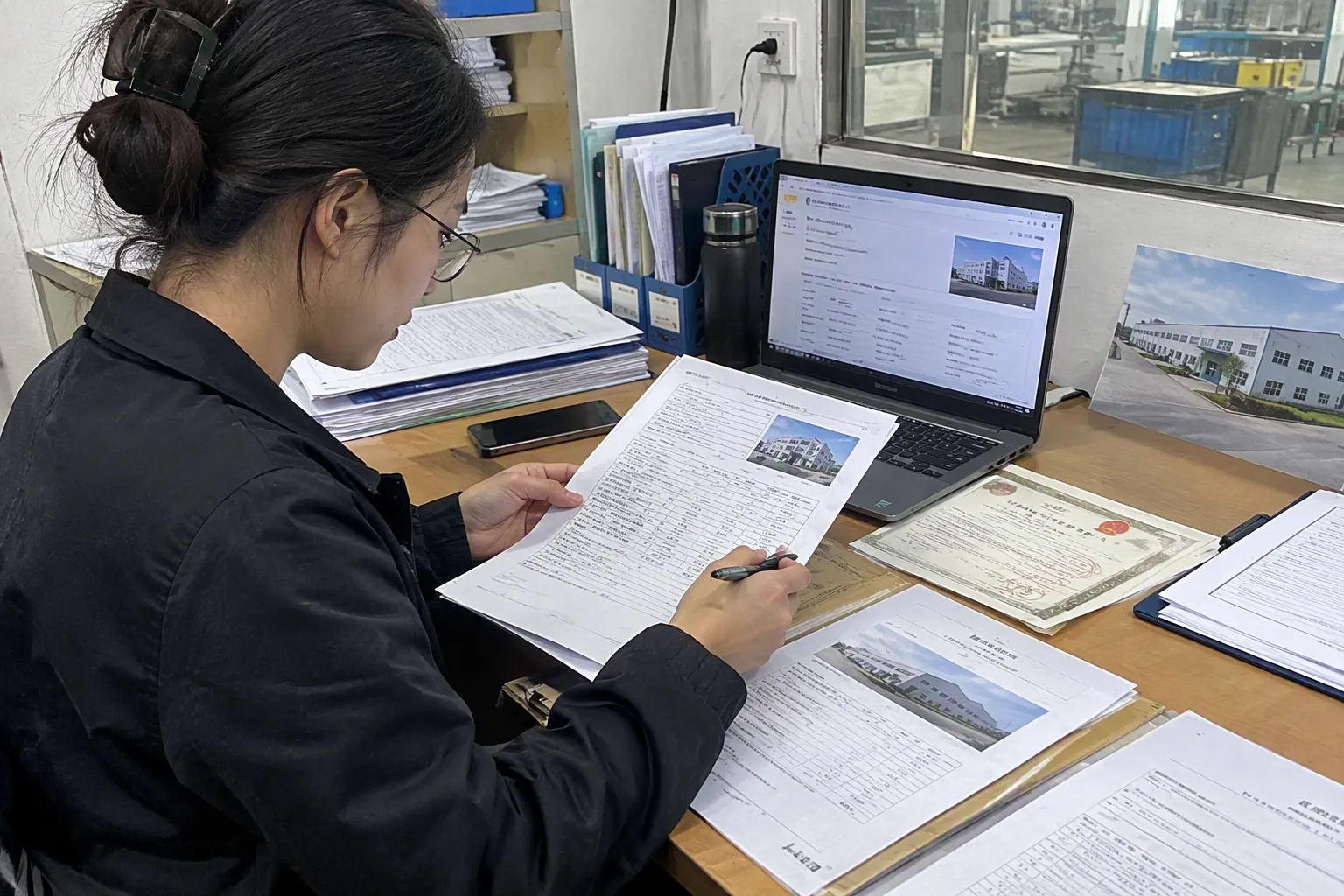
A China sourcing partner can use local communication channels, contact alternative supplier representatives, verify whether the factory is operating, and request a clear order status. I would also document unanswered questions and advise the buyer on practical next steps, including whether contingency sourcing should be considered.
Can a China sourcing partner guarantee product quality?
No. A China sourcing partner cannot guarantee every production outcome. I can help define requirements, coordinate inspections, review supplier information, track corrective actions, and report concerns. Buyers should use appropriate inspection, testing, and qualified professional review for product-specific quality or compliance decisions.
Is a low supplier quotation a sign of a reliable factory?
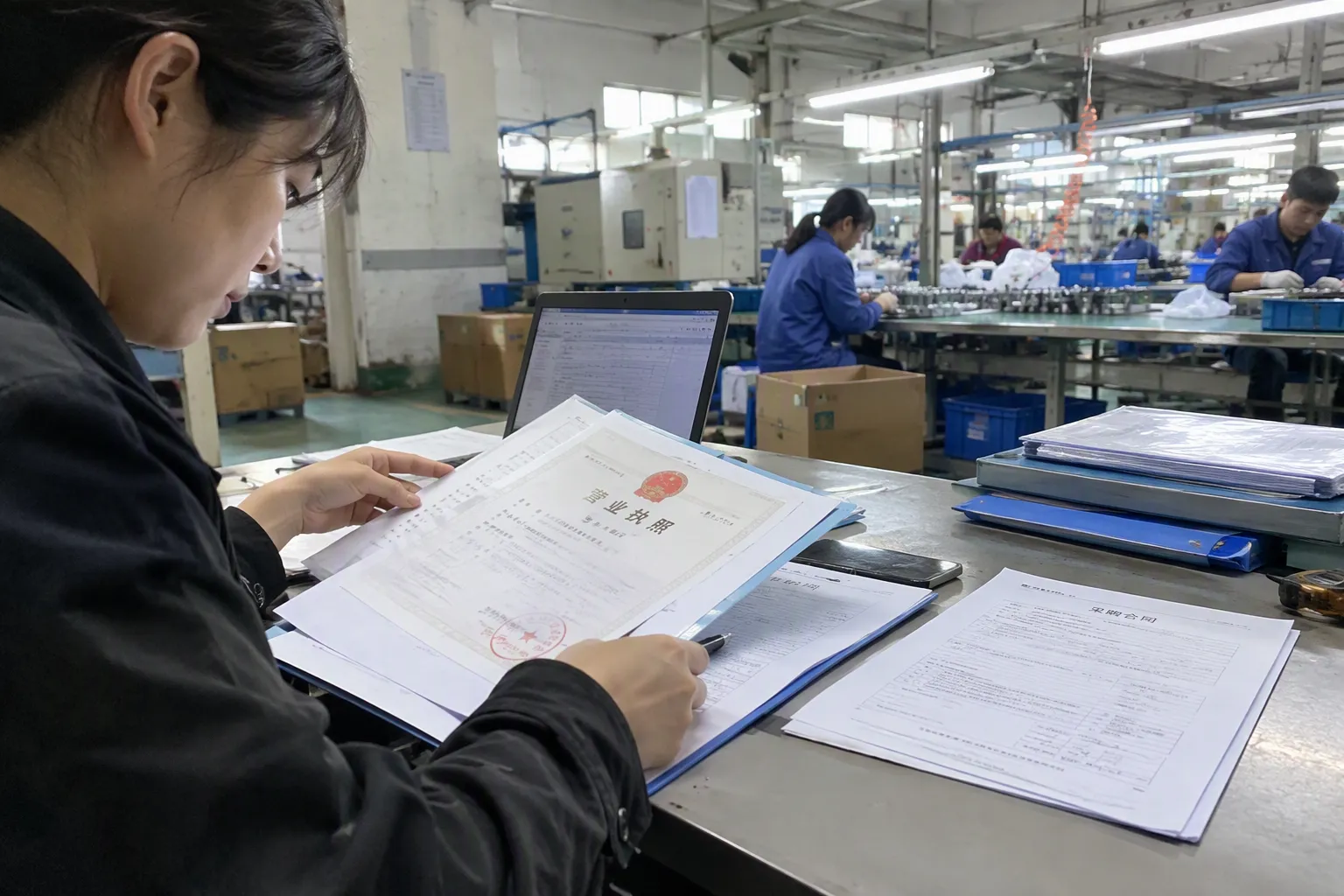
No. A low quotation can be commercially attractive, but it does not prove supplier reliability. Buyers should compare specifications, included costs, sample quality, production capability, communication consistency, packaging requirements, and delivery commitments before selecting a supplier.
How can I tell if a supplier commitment is credible?
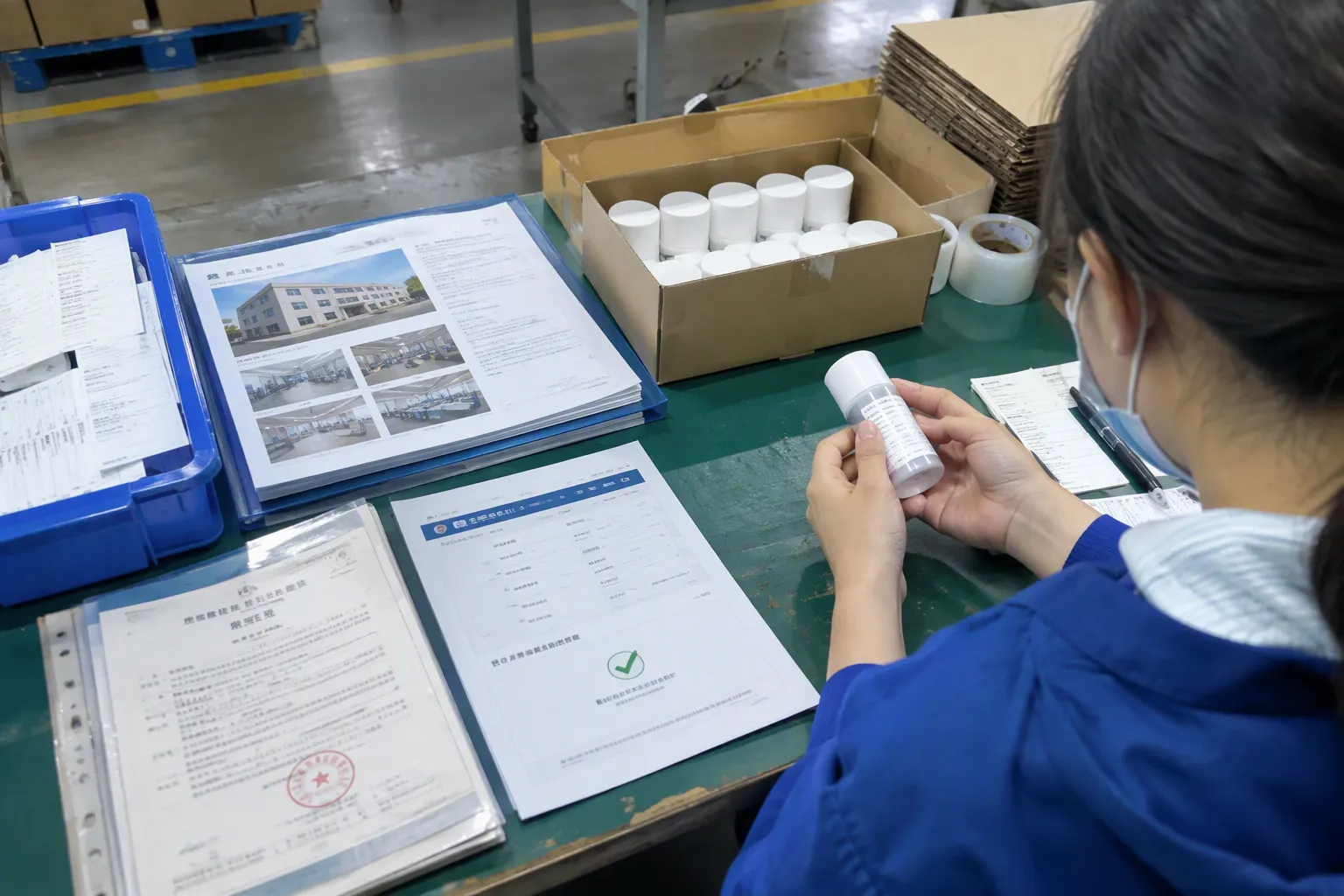
I look for specific, written, and consistent commitments. A credible response identifies the product version, quantity, timeline, responsible contact, and any conditions. Supporting photos, documents, samples, or production information may help, but buyers should still verify critical claims before relying on them.
When should I escalate a supplier issue?
You should escalate when a supplier avoids direct questions, changes an agreed requirement, misses a stated action date, provides conflicting information, or identifies a risk that may affect quality, price, or delivery. Early escalation usually gives buyers more options than waiting until shipment is due.
Conclusion
A China sourcing partner does not make supplier problems disappear, and I would not present local sourcing support as total control over factories. Its value is more practical: it gives overseas buyers a structured way to discover risks, verify supplier claims, document commitments, escalate unresolved issues, and track corrective actions. If you are sourcing from China without an in-house purchasing team, KingSourcing can help you build a clearer, more controlled procurement process from supplier selection through inspection, consolidation, and shipment coordination.
Sources
- Subpart 15.3 - Source Selection - Acquisition.GOV", Supplier-selection literature treats price as one criterion among quality, delivery, capacity, and other performance factors; a low price or prompt sales response alone is not evidence of order-specific reliability
- Risk factors in the assessment of suppliers - PMC - NIH", Supplier due-diligence frameworks assess technical capability, quality systems, capacity, and delivery performance through documented evidence; responsiveness in initial communications is not by itself a capability assessment
- Procurement Manual (IT) | DCR - CommerceRecovery.nc.gov", Total-cost-of-ownership analysis recognizes that a quoted purchase price may omit or fail to represent additional costs associated with specification, tooling, packaging, quality assurance, logistics, and supplier management
- [7.5.3 Control of Documented Information Explained ISO ...", Quality-management standards emphasize maintaining documented information and records for operational control and corrective action, supporting the use of written commitments and tracked follow-up in supplier management
- Artificial Intelligence-Based Smart Quality Inspection for ... - PMC", Product-inspection standards specify defined inspection procedures and sampling methods for assessing conformity; photographs, videos, and supplier records can provide useful contextual evidence but do not inherently constitute a qualified inspection
- ISO 9001 explained", Quality-management guidance requires organizations to establish product and service requirements and, where applicable, criteria for acceptance, supporting the definition of acceptance points before production and release
- Turnover Talk: Organizational Turnover Communication and Its ...", Commercial-dispute research and guidance identify incomplete documentation, ambiguity, and differing interpretations of obligations as recurrent sources of disagreement, which supports maintaining clear written records of supplier commitments
- 10.2 Corrective Action Explained [ISO 9001 Template]", Corrective-action requirements call for organizations to implement actions addressing nonconformities and to review the effectiveness of those actions; therefore, a stated intention to correct a problem is not evidence of closure