Quick Answer
A China sourcing partner can save time when overseas buyers are buried in supplier messages, quotation questions, sample revisions, and production updates. The problem is rarely just finding a factory. The real strain comes from managing many moving parts across time zones.[1] A local partner can help organize that work.
A China sourcing partner helps you save time by reducing the coordination work behind purchasing from China. Instead of acting as the communication hub between several factories, freight providers, inspectors, and packaging suppliers, you can receive structured updates and make decisions at key approval points. The value depends on the product, order complexity, and how clearly you define your requirements.
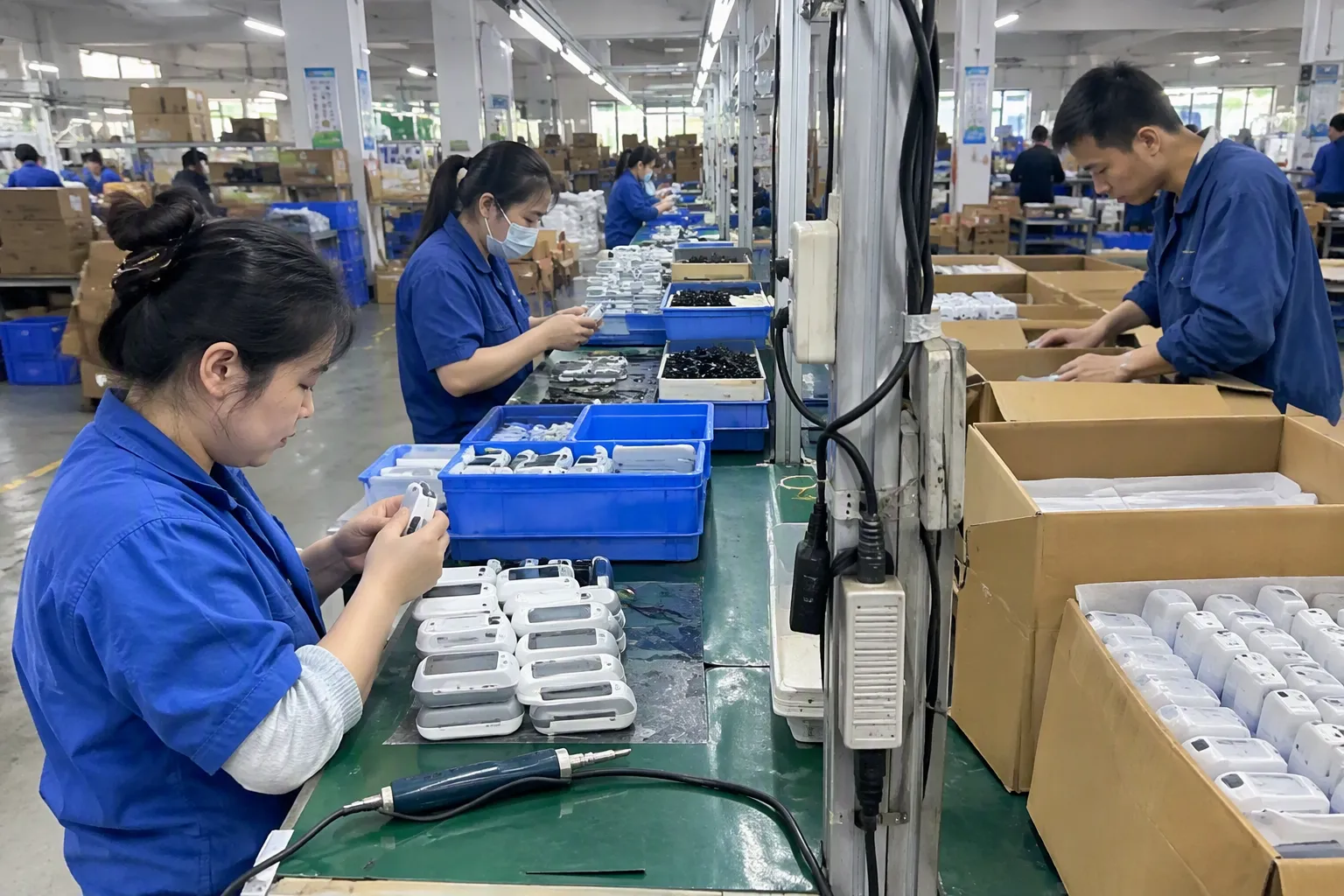
When I coordinate purchasing projects in China, I see that delays often begin with small unanswered questions. A material detail, carton mark, sample change, or production schedule can become a long email chain if nobody owns the next action. That is where structured sourcing support can make a practical difference.
How does a China sourcing partner save time—not by merely finding a cheaper factory faster, but by coordinating the workflow?
A buyer may assume that a China sourcing partner mainly searches for suppliers and negotiates price. That view misses the daily work that follows supplier selection. Without local coordination, a buyer can spend hours chasing updates, clarifying specifications, comparing incomplete quotes, and connecting separate suppliers who are not communicating with one another.
A China sourcing partner saves time by managing the sequence of procurement tasks: clarifying the brief, collecting comparable quotations, following up on samples, tracking production, arranging inspections, resolving packaging questions, consolidating goods, and coordinating shipment readiness. The buyer still approves key decisions, but the partner can reduce repeated follow-up and fragmented communication.
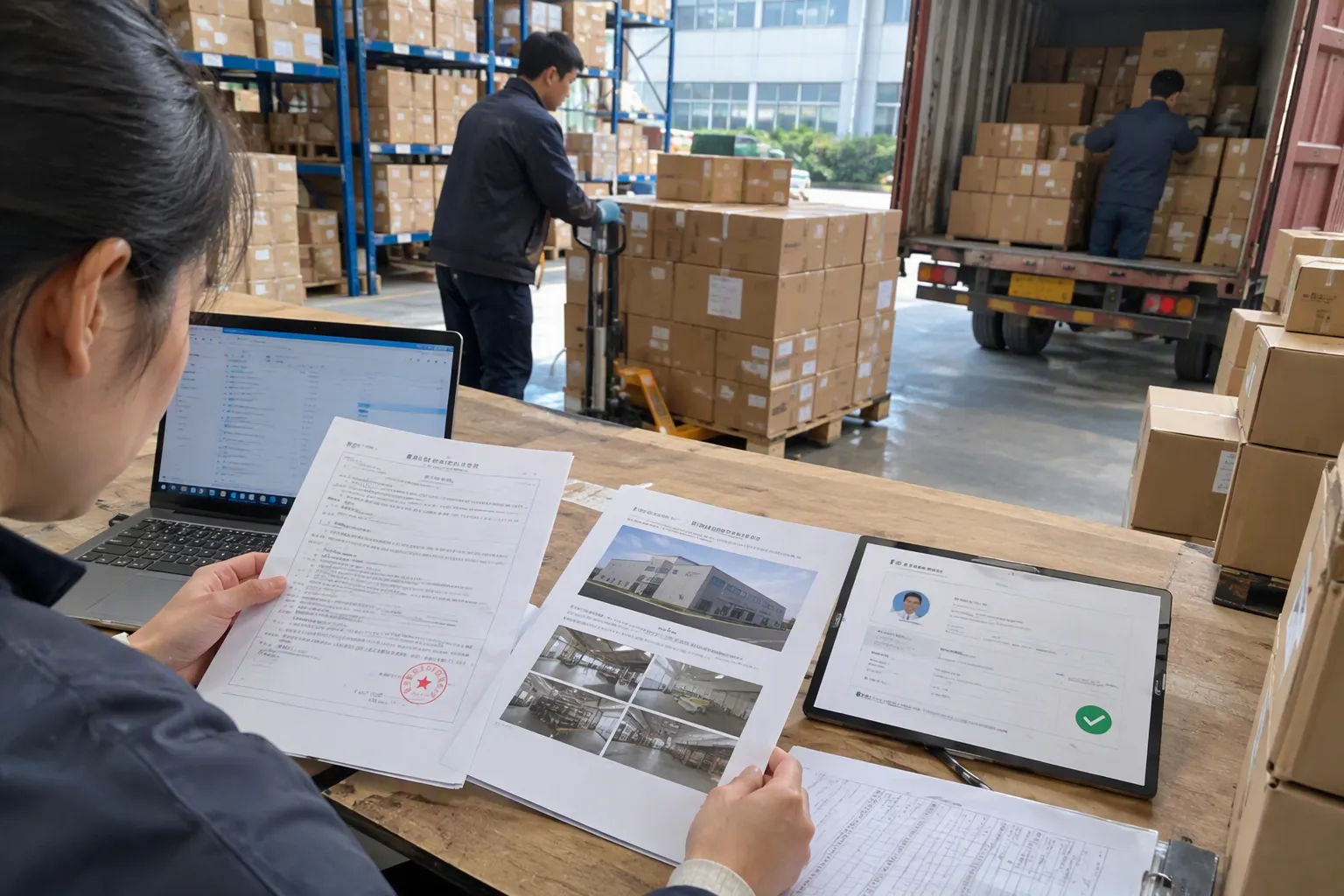
Time is usually lost after the first supplier search
Many buyers begin their China sourcing process with a straightforward goal: find a suitable factory and request a quotation. This step matters, but it is only the beginning. A product may look simple on a supplier listing, yet the procurement workflow becomes more complicated once details need confirmation.
For example, an overseas buyer may need answers to questions such as:
- Is the quoted price based on the requested material, or a lower-cost alternative?
- Does the MOQ apply to the product, color, logo printing, or packaging?
- Is the sample lead time separate from mass-production lead time?
- Does the factory have experience with the required packaging format?
- Can the supplier arrange required labeling, barcodes, inserts, or warnings?
- Does the quoted carton quantity work for the planned shipping method?
- What happens if the pre-production sample differs from the approved reference?
Each question can be reasonable on its own. However, when a buyer manages five suppliers across different product categories, the message volume grows quickly. The buyer becomes responsible for reading every reply, identifying missing information, asking follow-up questions, and ensuring that suppliers have not misunderstood the request.
In my experience, this is where internal time disappears. A procurement manager may not spend all day “sourcing,” but they may spend large parts of the week coordinating the work created by sourcing.
A China sourcing partner does not remove the need for buyer input. The buyer still needs to explain the target product, intended market, quality expectations, budget range, order volume, and preferred timeline. However, once those priorities are clear, the partner can turn them into a working process that suppliers can follow.
The practical benefit is not that a partner makes every decision for the buyer. The benefit is that the buyer does not need to personally manage every reminder, clarification, and handoff.
A China sourcing partner can turn scattered supplier messages into one workflow
Direct communication with factories can work well. It is often a good option for established importers with a dedicated purchasing team, stable specifications, and a small number of long-term suppliers. Direct factory relationships can also give buyers useful product knowledge and commercial control.
Still, direct sourcing is not automatically faster. It depends on who has the capacity to manage the process.
When an overseas team contacts several factories directly, each factory often creates its own communication thread. One supplier may use email, another may prefer WeChat, and another may send partial information through a sales representative. Sample photos, revised quotations, packaging artwork, production schedules, and inspection questions can become disconnected.
A China sourcing partner can help create one operating rhythm. At KingSourcing, I would normally treat supplier communication as a coordinated workflow rather than a collection of separate conversations.
| Procurement task | Without local coordination | With a China sourcing partner |
|---|---|---|
| Initial sourcing | Buyer reviews listings and contacts suppliers individually | Partner can shortlist suppliers based on the product brief and sourcing criteria |
| Quotation comparison | Prices may use different materials, MOQs, packaging, or trade terms | Partner can request a more comparable quotation format |
| Sample development | Buyer follows sample status and revision notes across time zones | Partner can follow up, collect updates, and flag decision points |
| Production follow-up | Buyer chases status and receives supplier-led reporting | Partner can request updates against an agreed production plan |
| Quality inspection | Buyer must coordinate timing, standards, and issue handling remotely | Partner can help organize inspection and report findings for buyer review |
| Multi-supplier orders | Buyer separately manages delivery dates and warehouse arrangements | Partner can coordinate receiving, consolidation, and shipment readiness |
The table does not mean every project requires every service. A single-SKU repeat order from one trusted factory may need limited support. A private-label launch with custom packaging, several accessories, and a multi-factory order usually has more coordination points.
The key issue is ownership. If nobody owns the overall process, the buyer often becomes the default project manager. That may be workable for one purchase. It becomes difficult when the business is also managing sales, product development, customer service, inventory planning, and marketing.
Quotation comparison saves time when it compares like with like
A low quotation can create more work if it is unclear. I have seen how quickly a buyer can lose time when suppliers answer the same request in different formats. One supplier may quote FOB pricing, another may quote EXW pricing, and another may provide a product-only price without packaging or tooling details.
The buyer then has to determine whether the offers are genuinely comparable.
A China sourcing partner can help reduce this issue by organizing quotation requests around the details that affect price and suitability. This is not simply about pushing suppliers for the lowest number. It is about making the commercial comparison more transparent.
A useful request for quotation may cover:
-
Product specification
Dimensions, materials, colors, functions, components, reference images, and tolerances where relevant. -
Order quantity and MOQ structure
The buyer should know whether the MOQ changes by color, model, logo, packaging, or accessory combination. -
Customization scope
This may include logo methods, private-label packaging, inserts, labels, barcode stickers, or product modifications. -
Unit price and cost breakdown
A supplier may not always provide a detailed breakdown, but the buyer should understand what is included and excluded. -
Sample cost and sample lead time
Sample terms can differ from mass-order terms, especially for customized products. -
Mass-production lead time
Buyers should ask when the lead-time clock starts and whether it depends on deposit receipt, artwork approval, or sample confirmation. -
Trade terms and shipment assumptions
EXW, FOB, and delivered options are not interchangeable.[2] Freight, export handling, and local charges should be understood before comparing totals.
This structured approach can prevent repeated clarification later. It can also reveal when a supplier has not fully understood the brief.
For example, a factory may quote a low price based on a standard retail box while the buyer expects a custom printed box with inserts. Another supplier may appear more expensive because it has included packaging, while the lower-priced quote has not. A China sourcing partner can help identify those gaps before the buyer makes a supplier decision.
That does not guarantee the lowest final cost. Raw material changes, design changes, logistics costs, and quantity adjustments can still affect pricing. However, a clearer comparison can reduce the time spent correcting assumptions after a supplier has already been selected.
Sample coordination is often where small changes become major delays
Samples are important because they turn a written request into something the buyer can review.[3] Yet samples also create one of the most time-consuming stages of China sourcing, especially for OEM, ODM, and private-label products.
A buyer may request a sample, receive photos, give feedback, and assume the factory is clear. The factory may then interpret a comment differently, use an alternative material, or proceed without confirming a detail that the buyer considered essential. This does not always reflect bad intent. It can happen because product language, images, measurements, and quality expectations are incomplete or interpreted differently.
A China sourcing partner can help keep sample feedback organized. I find that a simple approval process is often more effective than long message threads.
A practical sample-review sequence
-
Confirm the reference standard
The buyer should provide drawings, reference photos, approved samples, color codes, packaging files, and written requirements where available. -
Record the supplier’s sample plan
This should identify what the supplier will make, what customization is included, what materials will be used, and when the sample is expected. -
Review sample evidence before shipment
Photos and videos can be useful for early feedback, but they should not replace physical sample review when the product requires it.[4] -
List revisions in one document
Each comment should be specific. “Improve quality” is hard to act on. “Change the logo position by 5 mm” or “use the approved matte finish reference” is more actionable. -
Confirm the revised sample or production reference
The buyer should know which version is approved for mass production.
This process reduces ambiguity, but it does not make sample development instant. Customized molds, new tooling, special finishes, electronics testing, and packaging development can require additional time. A responsible China sourcing partner should explain these dependencies rather than promise an unrealistic speed.
The time-saving value comes from follow-through. Instead of the buyer checking every few days whether the factory has started, finished, shipped, or revised the sample, the local coordinator can track the open actions and report meaningful changes.
Production follow-up keeps the buyer from becoming the status-chasing department
Once an order enters production, buyers often expect the process to become quieter. In reality, this stage can generate new questions:
- Has the supplier received the deposit?
- Has production started or are materials still being purchased?
- Is the factory waiting for artwork approval?
- Has the packaging supplier delivered cartons?
- Are there delays caused by component availability?
- Is the order ready for inspection?
- Can finished goods be released to a warehouse or forwarder?
A factory may provide updates when asked, but the buyer must still know what to ask and when. The buyer may receive a simple answer such as “production is going well,” which is reassuring but not always enough for planning inventory or shipping.
A China sourcing partner can help establish a more useful status process. The goal is not to pressure factories with daily messages. Excessive follow-up can create noise rather than clarity. The goal is to identify milestones and verify whether the order is moving toward them.
| Stage | Useful status question | Why it matters |
|---|---|---|
| Before production | Are specifications, artwork, and sample approvals complete? | Prevents production from starting with open requirements |
| Material preparation | Have key materials and components been confirmed? | Early warning for supply constraints |
| Mid-production | Is output progressing against the planned quantity and schedule? | Helps identify potential delays before completion |
| Pre-inspection | When will enough goods be ready for inspection? | Allows inspection planning at the right time |
| Post-inspection | What corrective action is proposed for identified issues? | Keeps issue resolution documented |
| Shipment release | Are goods packed, labeled, and ready for warehouse or forwarder handover? | Reduces last-minute logistics confusion |
Production follow-up should not be confused with a guarantee. A sourcing partner cannot eliminate factory delays, raw-material shortages, labor constraints, weather events, or shipping disruptions.[5] What local coordination can do is help surface issues earlier, keep communication moving, and make it easier for the buyer to decide what action is appropriate.
For overseas businesses without an in-house China purchasing office, that can reduce management overhead. The buyer can focus on decisions such as whether to accept a revised schedule, approve a packaging change, split a shipment, or hold goods for correction.
Quality control saves time when expectations are set before inspection day
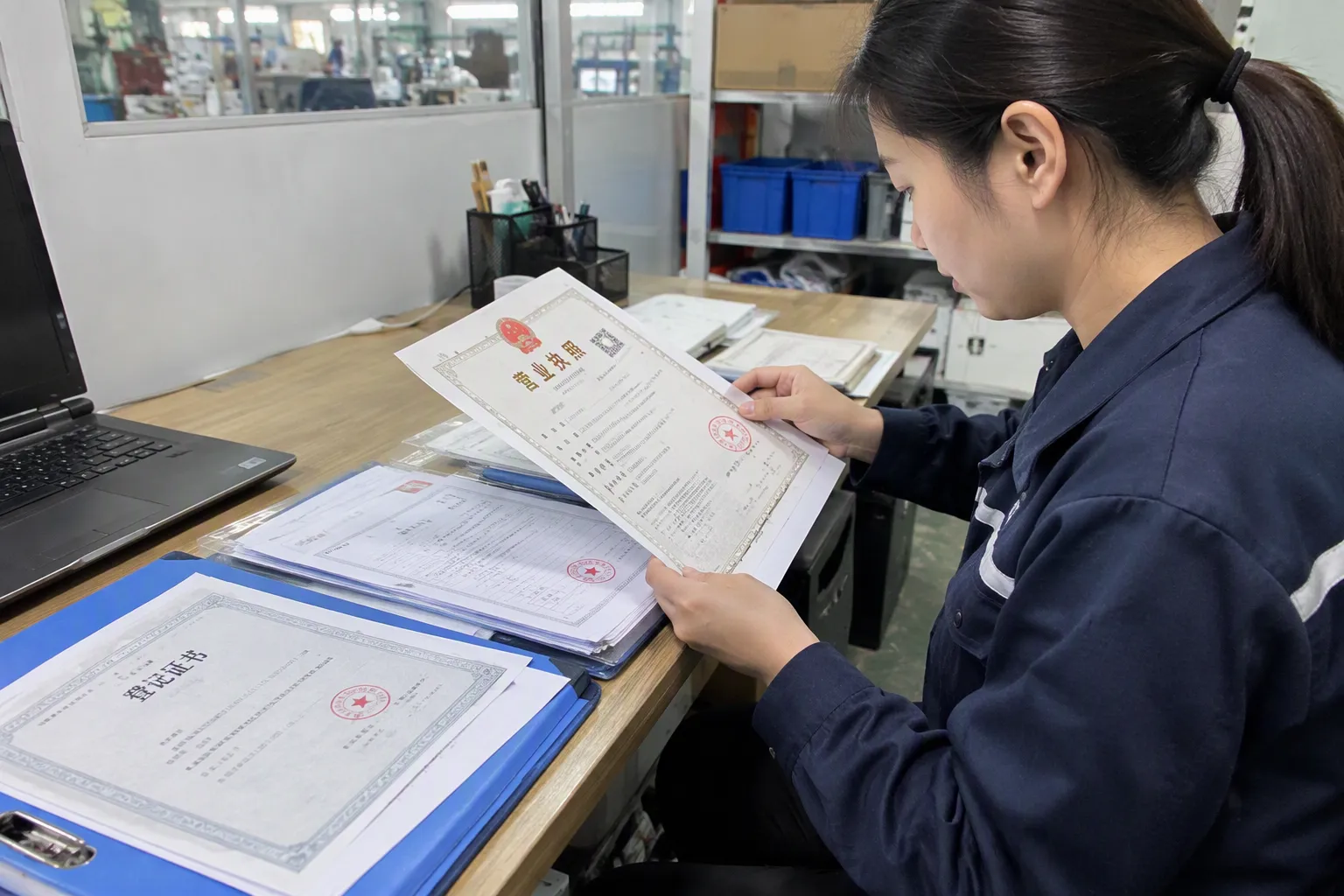
Quality inspection is sometimes treated as a final checkpoint. In practice, quality control works better when expectations are documented before production is complete. If the buyer only identifies requirements at the end, the factory may have limited ability to correct issues without affecting the schedule.
A China sourcing partner can help coordinate inspection based on the buyer’s agreed requirements. For consumer products, these may include:
- Product appearance and workmanship
- Quantity verification
- Basic functional checks where appropriate
- Color, size, weight, or component checks
- Packaging condition and pack-out
- Label, barcode, and carton-mark verification
- Random product checking based on an agreed inspection approach
The exact inspection scope should match the product and commercial risk. A low-value standard item may need a different process from a customized electronic accessory, a child-related product, or a product intended for a regulated market.
I would encourage buyers to separate quality inspection from product compliance. An inspection can check whether goods align with the approved specification and visible requirements. It does not automatically prove that a product meets every legal, safety, testing, or certification requirement in the destination market.[6]
Buyers should verify applicable requirements with qualified testing, compliance, legal, or technical professionals when needed.[7] They should also ask suppliers to provide relevant documents for review rather than relying on broad statements about certifications.
The time-saving benefit of a China sourcing partner is therefore practical: the partner can help schedule the inspection, communicate the inspection criteria, collect the report, and follow up on issues. The buyer still needs to decide whether findings are acceptable and whether rework, replacement, discount, or shipment release is appropriate.
Multi-supplier consolidation removes hidden coordination work
Multi-SKU buyers often source from more than one factory. This can be commercially sensible because one supplier may be stronger in electronics accessories, another in packaging, and another in promotional items or home products. However, multi-supplier sourcing creates a new operational problem: goods must arrive at the right place, in the right condition, at roughly the right time.
Without consolidation planning, a buyer may need to arrange separate shipments, pay multiple origin charges, track several pickup schedules, and manage documents from different suppliers.[8] The buyer may also receive products at different times, which can complicate inventory launches and marketplace preparation.
A China sourcing partner can coordinate receiving and consolidation when it fits the order. At KingSourcing, this may involve arranging supplier deliveries to a warehouse, checking outer-carton condition, confirming quantities received, organizing labeling or repacking where agreed, and preparing goods for shipment coordination.
This is especially useful when a buyer needs to combine:
- Private-label products from one factory
- Accessories from another supplier
- Custom packaging from a packaging manufacturer
- Promotional inserts, stickers, or manuals from separate vendors
- Several wholesale SKUs for one shipment
Consolidation does not always reduce total cost. Warehousing, handling, repacking, and additional domestic transport can add expenses. It can, however, reduce the buyer’s administrative workload and help create one clearer shipment plan.
A buyer should ask practical questions before choosing this approach:
- Which supplier deliveries are expected first?
- How long can goods remain in storage?
- Who checks received quantities and visible carton damage?
- Are products being consolidated in original export cartons or repacked?
- Are labels or inserts applied before or after consolidation?
- What shipment date is realistic once all suppliers have delivered?
- Who coordinates the final packing list and shipping documents?
These details may seem operational, but they are often where time is lost. A China sourcing partner can act as the local link between factories, warehouse staff, and shipping providers so the buyer does not need to manage each handoff personally.
The buyer still needs to remain involved at the right moments
A China sourcing partner is not a replacement for product strategy or commercial judgment. Buyers who expect to be completely hands-off may create new risks. Suppliers and sourcing teams still need timely answers when a decision affects cost, quality, compliance, branding, or delivery.
The best working relationship usually has clear responsibilities.
| Buyer responsibility | China sourcing partner responsibility |
|---|---|
| Define product goals, target market, budget, and priorities | Translate the brief into supplier-facing requests |
| Approve supplier direction and major commercial decisions | Organize sourcing, quotations, and supplier communication |
| Review and approve samples, artwork, and key specifications | Follow up on sample progress and record revision points |
| Set acceptance standards and shipment priorities | Coordinate production status, inspection arrangements, and issue follow-up |
| Make final decisions on quality findings and shipment release | Consolidate updates and support execution of approved actions |
Fast buyer responses matter. If a factory is waiting for logo artwork, a sample approval, or a decision on a quality issue, a sourcing partner cannot responsibly move forward without direction. Good coordination reduces avoidable waiting, but it cannot replace necessary approvals.
I recommend that buyers prepare a concise sourcing brief before contacting a China sourcing partner. It does not need to be perfect. A useful starting brief can include product images, dimensions, materials, quantity, target price range, customization needs, target market, required delivery timing, and known quality concerns.
The clearer the starting point, the less time everyone spends revisiting the same questions.
Frequently Asked Questions
What does a China sourcing partner do beyond finding suppliers?
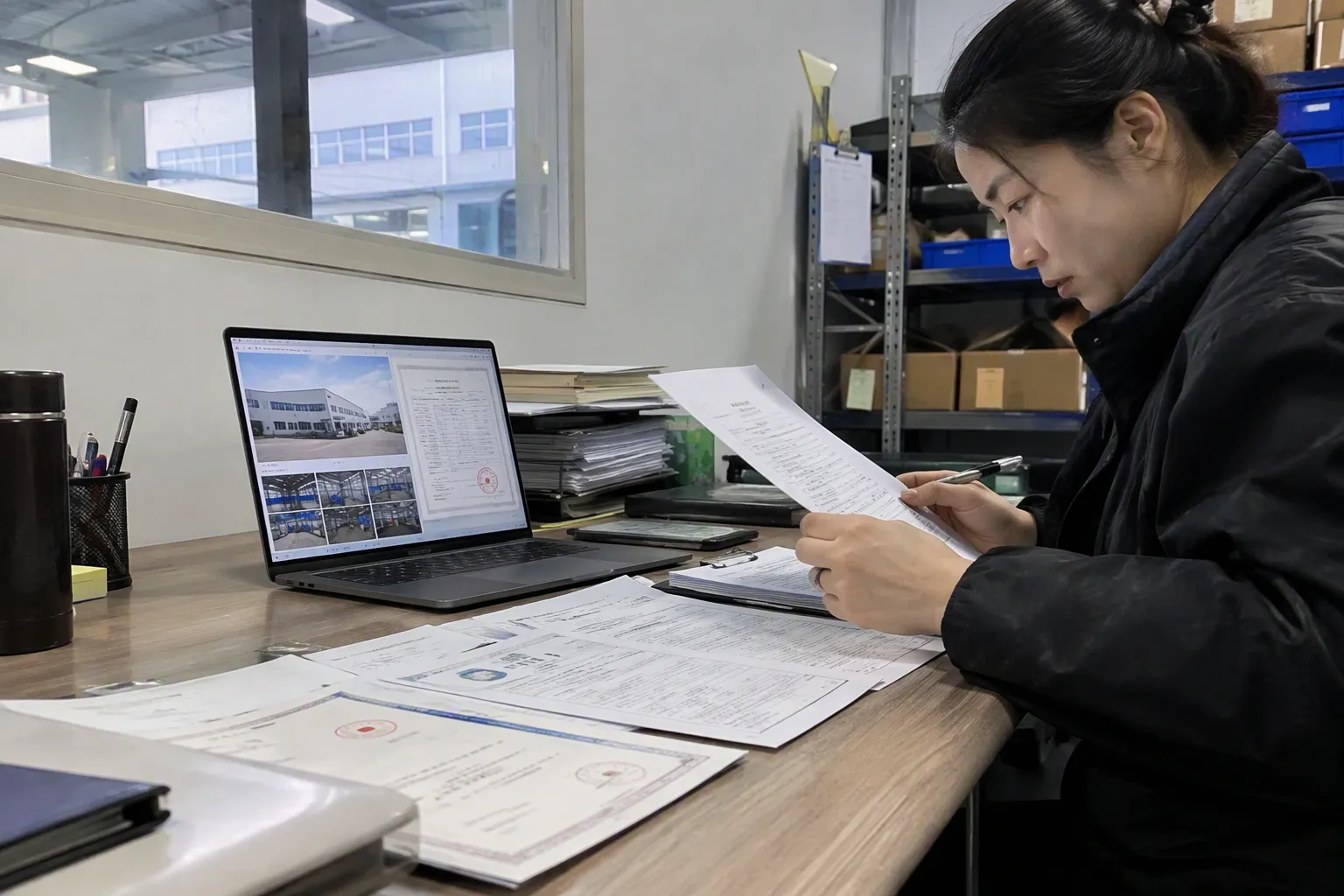
A China sourcing partner can help coordinate quotations, samples, production updates, inspections, packaging, consolidation, and shipment preparation. The exact role should depend on the buyer’s needs. The main value is often reducing fragmented communication and helping suppliers, warehouses, and logistics providers work through one organized process.
Is direct factory sourcing faster than using a China sourcing partner?
Direct factory sourcing can be efficient for buyers with experienced internal purchasing staff, clear specifications, and stable supplier relationships. A China sourcing partner may be more useful when a buyer manages several suppliers, custom products, multiple SKUs, or limited internal capacity for cross-time-zone follow-up.
Can a China sourcing partner guarantee lower prices?
No responsible sourcing partner should guarantee the lowest price. Product cost depends on materials, specifications, order quantity, tooling, packaging, supplier capability, and market conditions. A partner can help buyers compare quotations more clearly and identify hidden differences, but the lowest quoted price is not always the best purchasing decision.
Does quality inspection guarantee that products meet all regulations?
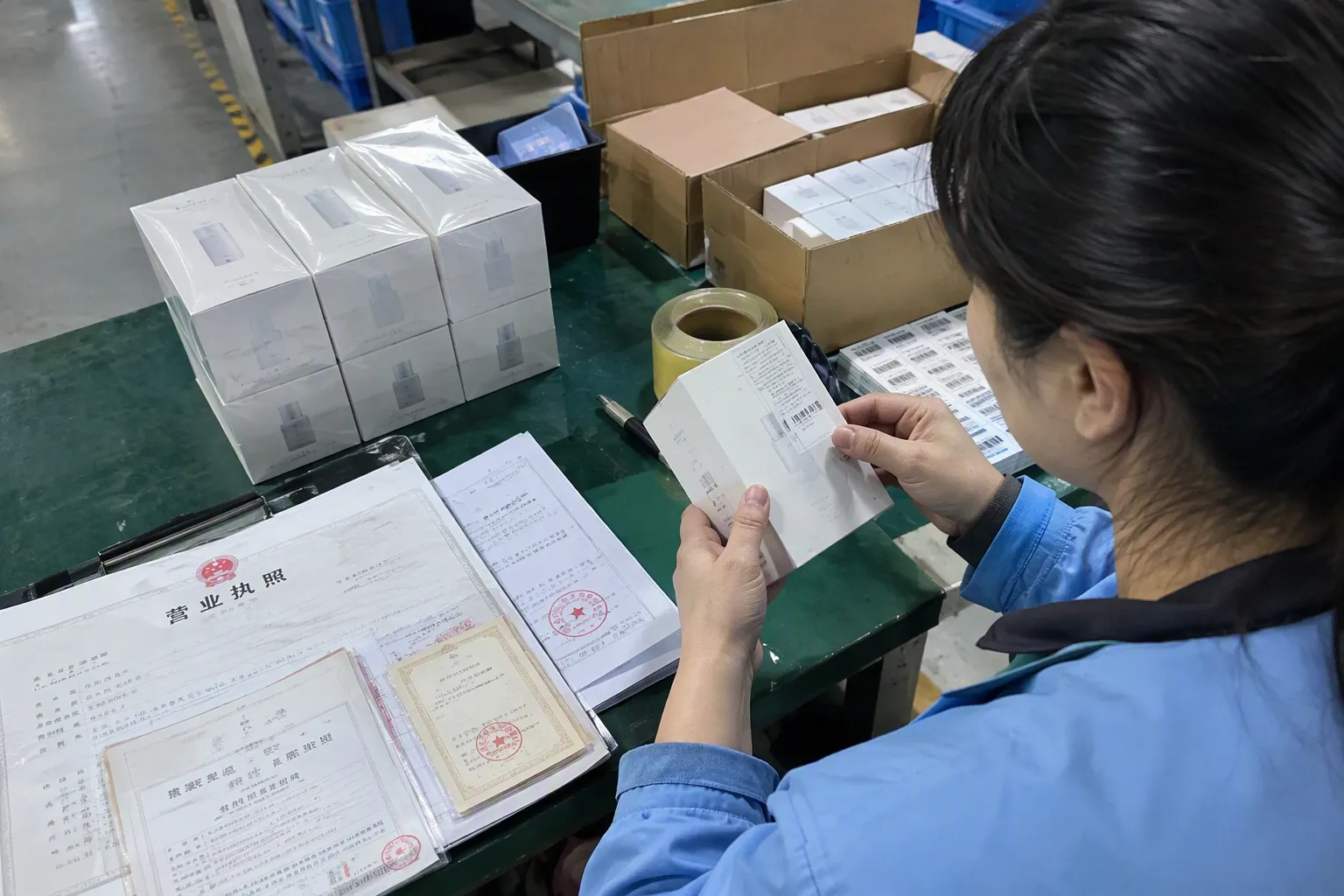
No. Quality inspection can check agreed product, packaging, quantity, and workmanship requirements, but it is not a substitute for product testing, legal review, or compliance assessment. Buyers should verify applicable destination-market requirements with qualified professionals and review supplier documents carefully.
What should I prepare before working with a China sourcing partner?
You should prepare a product brief with reference images, required features, materials, dimensions, order quantity, budget range, customization needs, packaging requirements, target market, and desired timing. You should also identify which points are non-negotiable, such as quality standards, branding details, or delivery deadlines.
Conclusion
A China sourcing partner helps save time when it takes ownership of the fragmented coordination work behind overseas purchasing. The most useful support is not simply locating a cheaper factory. It is organizing quotations, samples, production follow-up, quality checks, consolidation, and shipping handoffs so you are not managing every supplier thread yourself. At KingSourcing, I help overseas buyers build a clearer, more controllable China procurement workflow. Contact us to discuss your product brief, supplier needs, and purchasing process.
Sources
- OECD Report on Public Communication", Studies of geographically dispersed business operations find that time-zone separation can increase coordination and communication frictions, particularly where work requires repeated handoffs across locations
- Know Your Incoterms", ICC Incoterms rules define EXW and FOB as distinct delivery terms with different allocations of seller and buyer responsibilities, costs, and transfer of risk
- [PDF] End-to-End Quality Information Framework (QIF) Technology Survey", Quality-assurance practice commonly uses prototype or first-article review to compare an initial manufactured item with documented requirements before broader production proceeds
- [PDF] Toward Standardization and Consistency of Visible Particle Testing", Remote images and videos can assist preliminary review, but quality assessment may require physical examination when material properties, dimensions, functionality, or concealed defects must be evaluated
- [PDF] OECD Supply Chain Resilience Review: Navigating Risks", International supply-chain analyses identify shortages, workforce constraints, weather-related events, and transport disruptions as factors that can delay manufacturing and delivery schedules
- Special Documents - International Trade Administration", Product inspection may assess specified goods or workmanship, whereas regulatory conformity assessment can require separate testing, technical documentation, declarations, and certification procedures depending on the product and market
- EU Consumer Goods General Product Safety Regulation (GPSR)", Government product-safety guidance generally assigns importers responsibilities to ensure that products placed on the market meet applicable requirements and that supporting compliance information is available
- Know Your Incoterms - International Trade Administration", Logistics literature describes consolidation as combining consignments from multiple origins or suppliers into fewer shipments, which can simplify transport coordination relative to moving each consignment separately