Quick Answer
Third-party product testing in China can become confusing when a factory says a product is “tested” but cannot explain which version, market, standard, or sales channel the report supports. That uncertainty can lead to delayed launches, rejected marketplace documents, redesign costs, or inventory that cannot be sold as planned. I recommend defining the product and market first, then arranging testing around that confirmed scope.
Third-party product testing in China should be arranged only after you confirm the exact product configuration, destination market, intended customer, and selling platform. A laboratory can test a representative sample against an agreed scope, but the report may not apply to every model, country, platform, material, or future product variation[1]. I help buyers organize product details, factory documents, samples, and laboratory communication before testing begins.
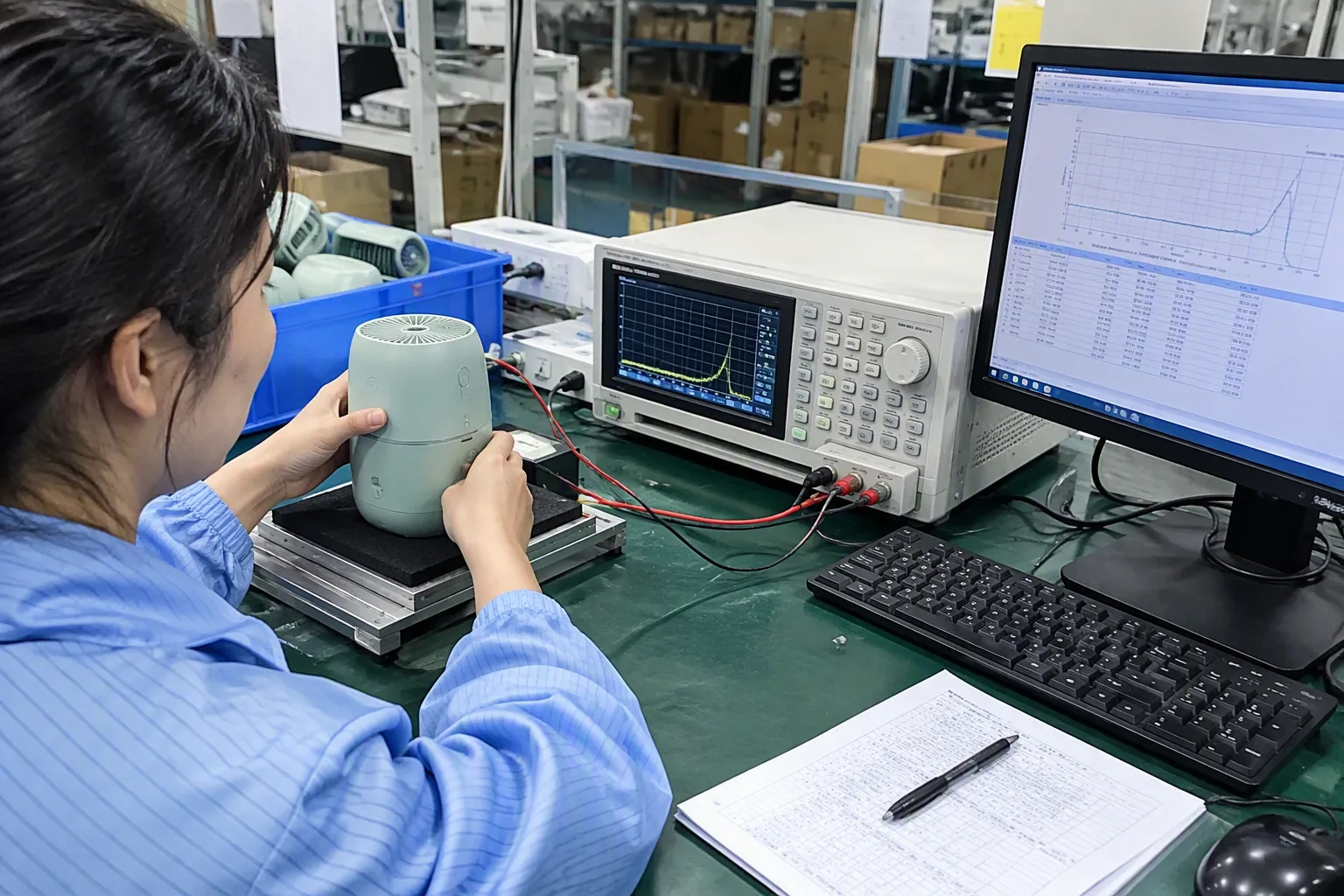
Testing is often treated as the final administrative step before shipping. In my experience, it is better understood as a procurement decision that starts much earlier. The right preparation can reduce avoidable handoff problems between the buyer, factory, testing body, and marketplace.
Arranging Third-Party Product Testing in China Is Not Primarily About Finding a Laboratory
Third-party product testing in China is not simply a matter of sending a sample to the nearest laboratory. Buyers often feel pressure to get a quote quickly, especially when a supplier has finished samples or production is about to begin. However, a fast quote is not useful if the laboratory receives incomplete or inaccurate product information.
The first step in arranging third-party product testing in China is to define the commercial and technical testing scope. You should identify the exact product version, target country or region, marketplace or sales channel, intended user, product function, materials, and available factory documents before requesting a test plan or quotation.
Start With the Selling Context, Not the Laboratory List
I regularly see buyers begin with one question: “Which lab can test this product?” That is understandable, but it skips several decisions that affect the answer.
A testing body needs to understand what the product is and how it will be sold. A portable electronic item sold to consumers in the United States may require a different review path from a similar-looking item sold in the European Union, the United Kingdom, Australia, or another market.[2] A product sold through Amazon may also face document requests that differ from a product sold through a distributor, retail store, or brand website.[3]
Before I ask a laboratory or factory for information, I normally organize the following points:
- Product name and product category
- Product photos, drawings, and current specifications
- Product model number and all planned variations
- Main materials and components
- Power source, battery details, charging method, or wireless functions, where relevant
- Intended user, such as adults, children, professionals, or household consumers
- Destination country or region
- Selling platform or distribution channel
- Expected labeling, packaging, manuals, and warnings
- Existing reports, supplier declarations, component documents, or test records
- Target order timing and planned launch date
This information does not replace professional compliance advice. It does give a qualified testing body a clearer basis for discussing possible test scope, sample quantity, documentation, turnaround time, and quotation.
I do not treat a laboratory quotation as proof that the final report will meet every legal, platform, customs, retailer, or customer requirement. Buyers should verify current requirements with the relevant official sources, selling platforms, and qualified testing or compliance professionals.
Why Testing Late Creates Expensive Procurement Risk
The costliest issue is often not the test fee itself. The larger risk comes from discovering a requirement after the product design, packaging, purchase order, or mass production has already been fixed.[4]
For example, a buyer may source a consumer product with custom colors, a private-label package, and a modified component. The buyer may assume that a supplier’s old report covers the new version. Later, the buyer may find that the report was issued for a different model, material, component supplier, market, or testing scope. At that stage, the factory may need to prepare new samples. The buyer may also need to revise the design, user manual, label, carton markings, or component selection.
That can create several layers of cost:
| Potential late-stage issue | Possible procurement impact |
|---|---|
| Product design needs revision | New tooling, samples, engineering time, and delayed production |
| Factory cannot provide representative samples | Testing schedule may move behind the production schedule |
| Packaging or labeling is incomplete | Reprint costs, manual changes, or rework before shipment |
| A report does not cover the final product version | Retesting or scope clarification may be needed |
| Marketplace requests additional documents | Listing delay, document review time, or inventory exposure |
| Production is already complete | Storage, replacement, rework, or unsellable inventory risk |
I recommend raising the testing question during supplier selection and sample development, not only when the factory asks for the final balance payment. Early discussion does not guarantee an approval outcome. It does give the buyer time to compare options and make better sourcing decisions before costs become difficult to reverse.
Confirm What the Sample Represents
A laboratory tests the sample submitted under the agreed scope.[5] This sounds simple, but sample representativeness is one of the most important practical issues in third-party product testing in China.
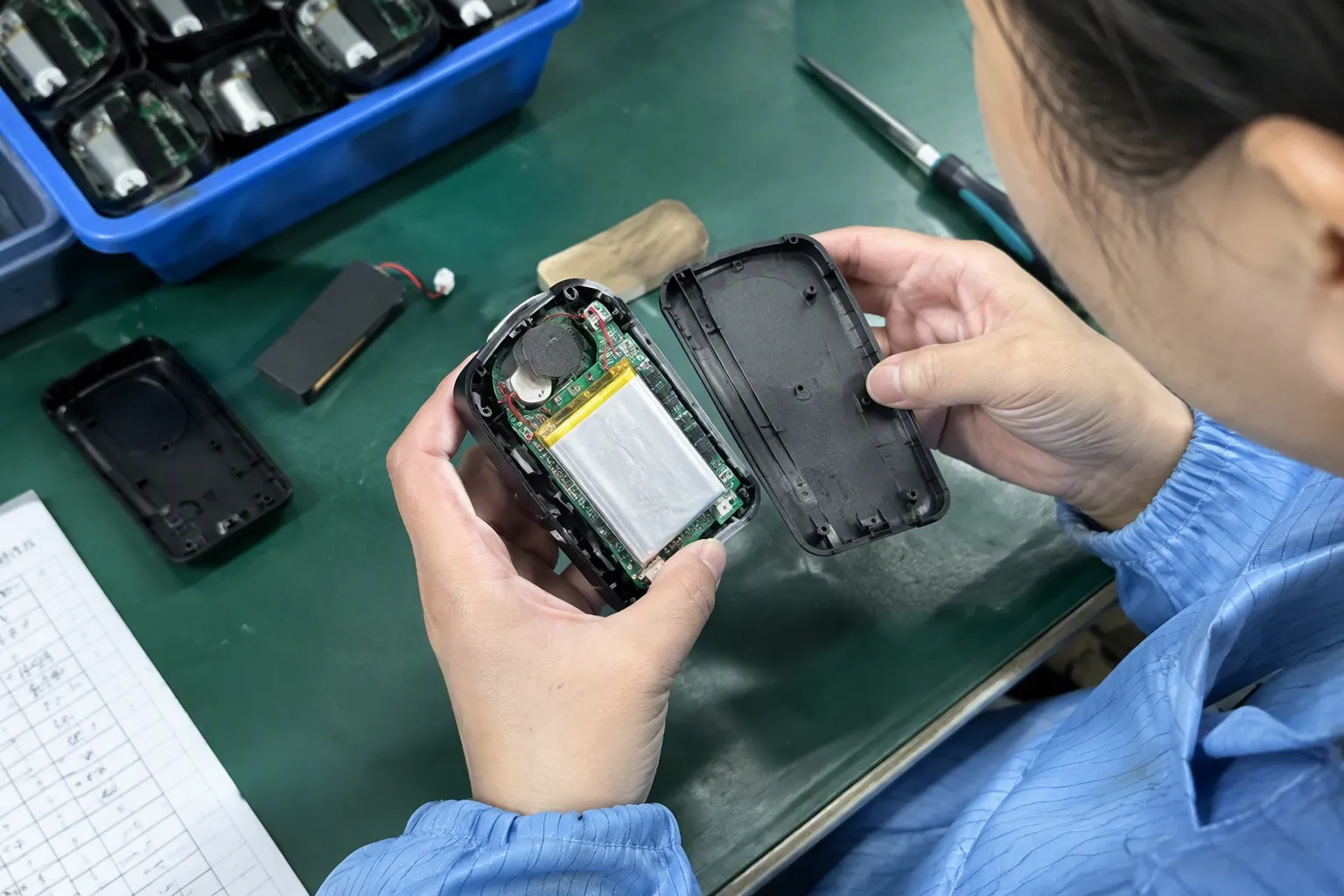
A factory sample may look correct from the outside while using different internal components, materials, firmware, adhesives, coatings, batteries, or packaging from the final production version.[6] A pre-production sample may also differ from a mass-production unit because the factory is still changing suppliers or solving manufacturing issues.
I encourage buyers to ask a direct question before samples are sent:
“Does this submitted sample match the final production configuration that we intend to sell?”
The factory should answer based on actual production information, not assumptions. Where relevant, I ask the supplier to identify the bill of materials, component specifications, product model, artwork version, and any known changes between the sample and mass production.
Product Changes Need Change Control
A report does not automatically follow every future version of a product. The relevance of a report can be affected by changes to materials, components, product design, suppliers, software or firmware, battery configuration, electrical parts, packaging claims, intended use, or model naming.[7]
For this reason, I treat testing as part of change control, not as a one-time document collection task.
A simple change-control process can look like this:
-
Freeze the tested product configuration.
Record the model number, drawings, material details, component list, packaging version, and sample photos. -
Keep the report and supporting documents together.
Store the laboratory report, test request, quotation, sample submission record, factory specifications, and related declarations in one buyer-controlled folder. -
Review every significant product change.
If the factory changes a key component or material, ask whether the existing report may still be relevant. Do not assume that it is. -
Ask the qualified testing body for guidance.
The laboratory or another qualified professional can explain whether additional assessment, documentation, or testing may be appropriate for the changed product. -
Update marketplace and customer documents when needed.
A platform, retailer, or importer may ask for documents that match the product being sold now, rather than an older version.
This recordkeeping is especially important for Amazon sellers and multi-SKU e-commerce businesses. A buyer may launch one product successfully, then add colors, sizes, bundles, adapters, batteries, or upgraded components. Each variation should be reviewed rather than automatically linked to an earlier report.
Build a Pre-Testing Communication Checklist
In my role as a procurement-side coordinator, I do not determine legal compliance or issue test reports. My practical role is to make sure the buyer, factory, and testing body are working from the same product information.
For third-party product testing in China, I use a pre-testing checklist to reduce missing details before the sample is sent out. This is useful because factories are often focused on production, while overseas sellers are focused on market entry and listing requirements. The testing body needs information from both sides.
A workable checklist can include the following.
Buyer Information
The buyer should confirm:
- Target country, region, or countries
- Intended marketplace, retailer, or sales channel
- Product listing description and product claims
- Intended user and age group
- Product launch timeline
- Brand name, private-label requirements, and model structure
- Any known customer, platform, or retailer document requests
Factory Information
The factory should provide, where applicable:
- Product specification sheet
- Product photos and model number
- Material information
- Component list or key component details
- Existing reports and declarations
- Battery, charger, plug, wireless, or electrical information
- Packaging artwork, labels, warnings, and user manual drafts
- Confirmation of sample availability
- Confirmation of whether the sample matches planned production
Testing Coordination Information
The testing body may need:
- A clear test request
- The target market and intended product use
- Required sample quantity and sample condition
- Product variants to be covered or reviewed
- Requested turnaround time
- Required documents before testing
- Shipping instructions for samples
- Clarification of report format, model references, and language needs
I find that this preparation often prevents the most common problem: everyone assumes someone else has confirmed the product details.
Compare Laboratories on Scope, Communication, and Documentation
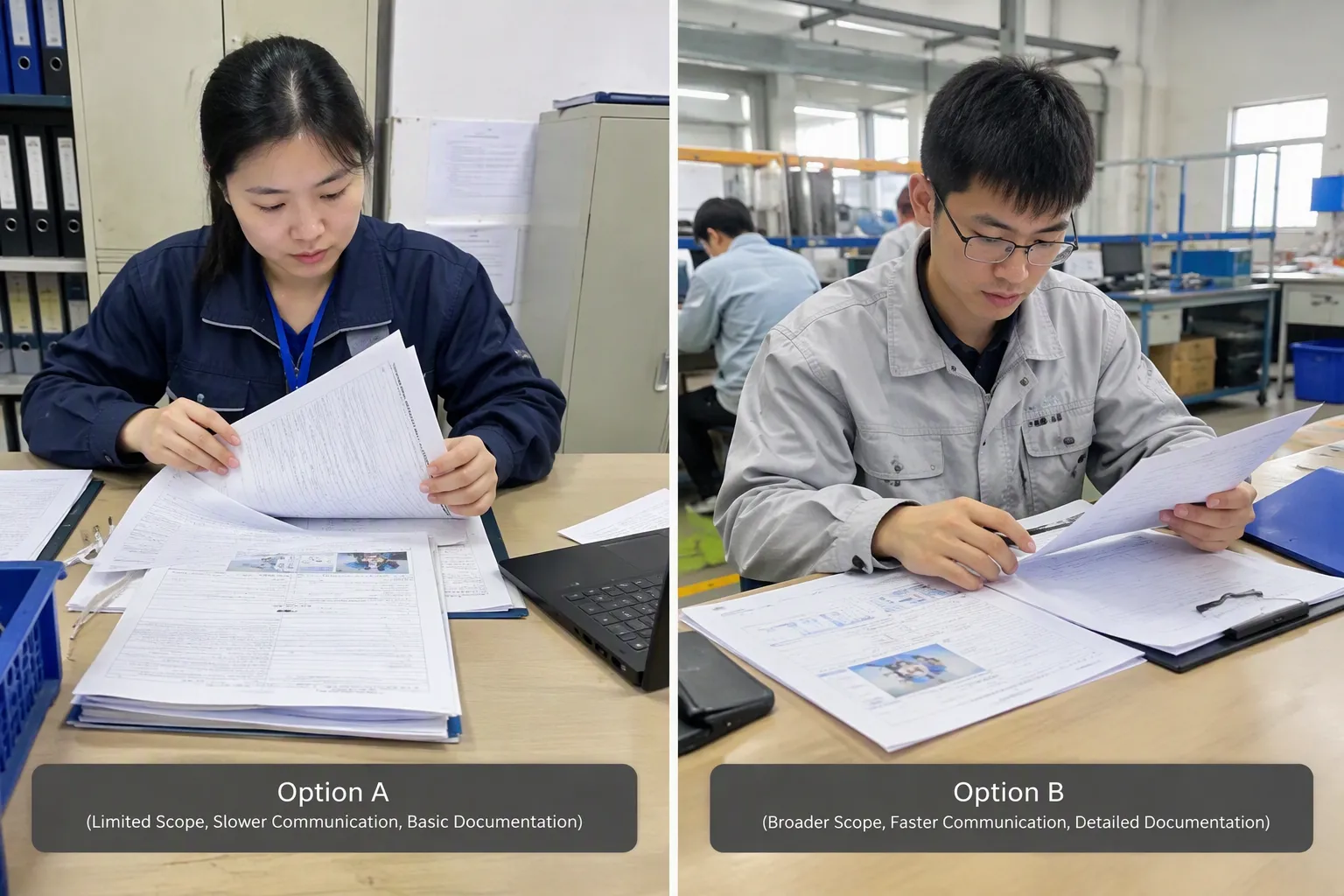
Price matters, but a low quote is not always the lowest-risk option. When I help a buyer compare options for third-party product testing in China, I look beyond the quoted fee.
A useful comparison should consider whether the testing body can clearly explain the requested scope, sample requirements, turnaround assumptions, report details, and any limitations. Buyers should also verify accreditation status, capability, and report acceptance where relevant.[8] These points should be confirmed directly with the laboratory, the applicable authority, customer, retailer, or marketplace.
| Evaluation point | Why it matters |
|---|---|
| Scope clarity | The buyer needs to know what is included and what is not included |
| Product category experience | The laboratory should be able to review the relevant product type |
| Sample requirements | Missing or incorrect samples can delay the process |
| Report model references | The report should identify the tested product accurately |
| Communication speed | Questions often arise while the factory is preparing samples |
| Documentation requirements | The buyer needs to collect supporting materials early |
| Estimated timeline | Testing, revisions, and shipping can affect launch planning |
| Quote exclusions | Additional samples, changes, or follow-up work may create extra cost |
I also recommend that buyers avoid relying only on a factory recommendation. A factory may have a preferred laboratory relationship, which can be useful, but the buyer should still understand the proposed scope and retain copies of the final documents.
Coordinate Samples Without Losing Traceability
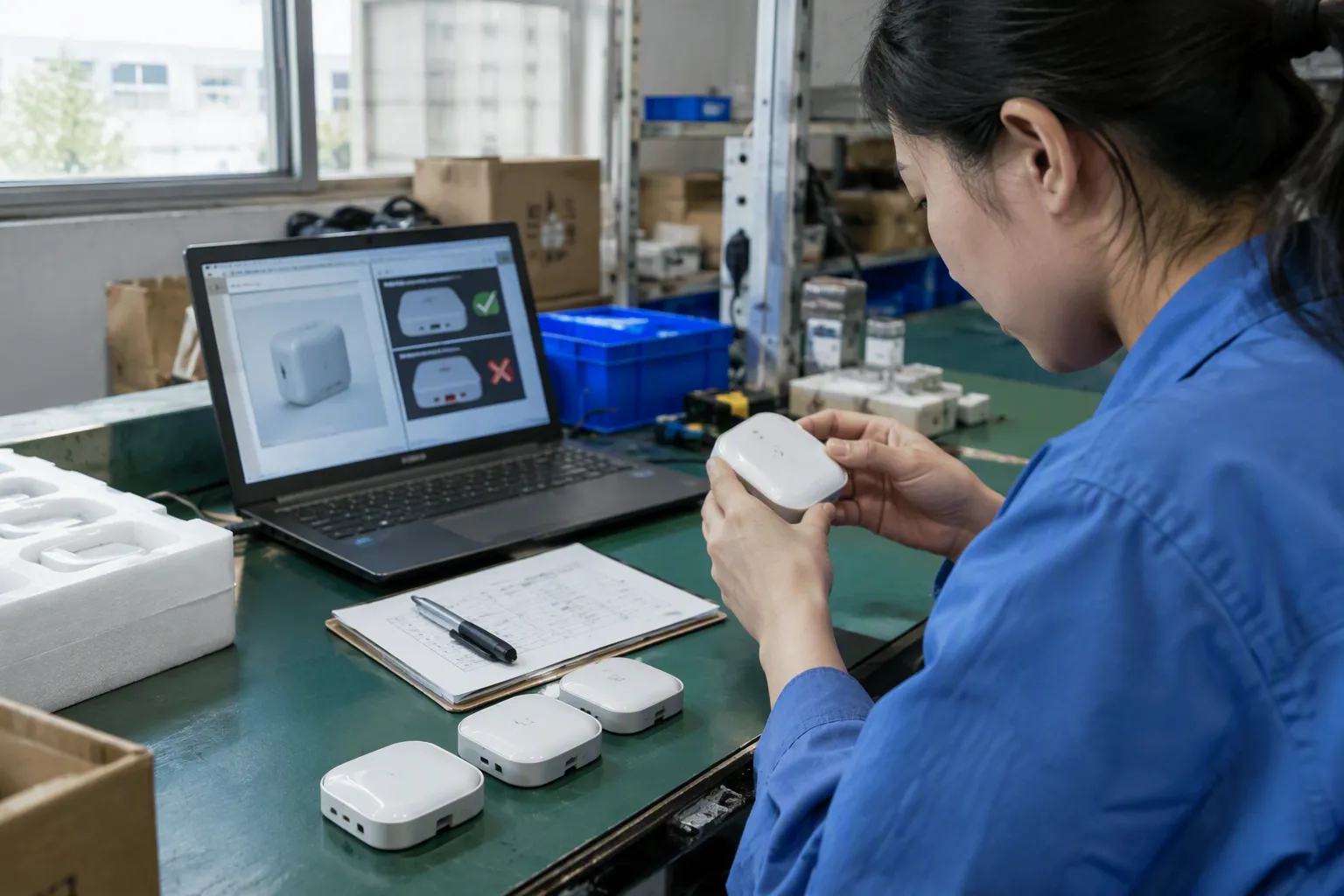
Sample shipping is a practical part of third-party product testing in China, but it should not be treated as a courier task alone. The buyer should be able to trace what was sent, who sent it, and how the sample relates to the final product.
I suggest recording:
- Sample dispatch date
- Courier tracking number
- Sample quantity
- Sample photos before dispatch
- Product model number
- Color, size, and variation details
- Factory contact person
- Laboratory contact person
- Supporting documents included with the sample
- Any special handling or charging instructions
For electronic products, consumer accessories, and customized goods, small differences can matter. A black version may use a different coating. A bundle may include an additional accessory. A branded package may contain claims that were not present on the generic factory sample. A revised charger or cable may change the product configuration.
This is why I prefer the buyer to approve a simple “sample-to-production” confirmation before final shipment. The purpose is not to create unnecessary paperwork. The purpose is to make it easier to identify whether the product being produced still matches the product that was represented during testing.
Plan for Follow-Up Instead of Assuming a One-Step Process
Many buyers expect one sample, one report, and one finished project. In practice, third-party product testing in China may involve follow-up questions, additional documents, revised samples, or a request to clarify model details.
I advise buyers to leave time for these possibilities. A laboratory may request clearer photos, a product manual, packaging artwork, material details, additional samples, or clarification about the target market. A factory may also need time to make a production-representative sample after the buyer finalizes branding or components.
A more realistic timeline has several stages:
- Product and market information gathering
- Preliminary scope discussion with a qualified testing body
- Factory document collection
- Sample preparation and confirmation
- Sample delivery and laboratory intake
- Testing or document review under the agreed scope
- Follow-up questions, if any
- Report issuance or next-step review
- Buyer review of report details against the final product
- Production change-control and document storage
I cannot promise that a test will pass, that a platform will approve a listing, or that a report will be accepted in every situation. However, a structured process gives the buyer a much better chance of identifying gaps before they become a shipping or inventory problem.
Use Testing Information During Supplier Selection
Testing should also influence how you evaluate suppliers. A supplier that can provide organized specifications, stable component information, responsive communication, and production-representative samples is generally easier to manage than a supplier that only says, “We have certificates.”
When I review supplier information, I look for evidence that the factory understands its own product configuration. I also ask whether its existing documents are relevant to the buyer’s actual product, not merely whether documents exist.
Useful supplier-selection questions include:
- Which product model does this report refer to?
- Who is named as the applicant, manufacturer, or factory?
- What product details appear in the report?
- Does the report identify the same materials, components, or configuration?
- Which market and scope was the document prepared for?
- Is the report current enough for the buyer’s planned use?
- Can the factory provide a sample matching the proposed production version?
- Can the supplier explain any product changes since the report was issued?
These questions do not turn a sourcing company into a regulatory authority. They help buyers identify when they need further verification from a qualified laboratory, platform, legal adviser, or official source.
Frequently Asked Questions
When should I arrange third-party product testing in China?
I recommend starting the discussion during supplier selection or sample development, before mass production begins. Early planning gives you time to confirm the product scope, target market, sample requirements, documentation needs, and possible product changes. Testing only after production can create costly delays.
Can one test report cover every country and marketplace?
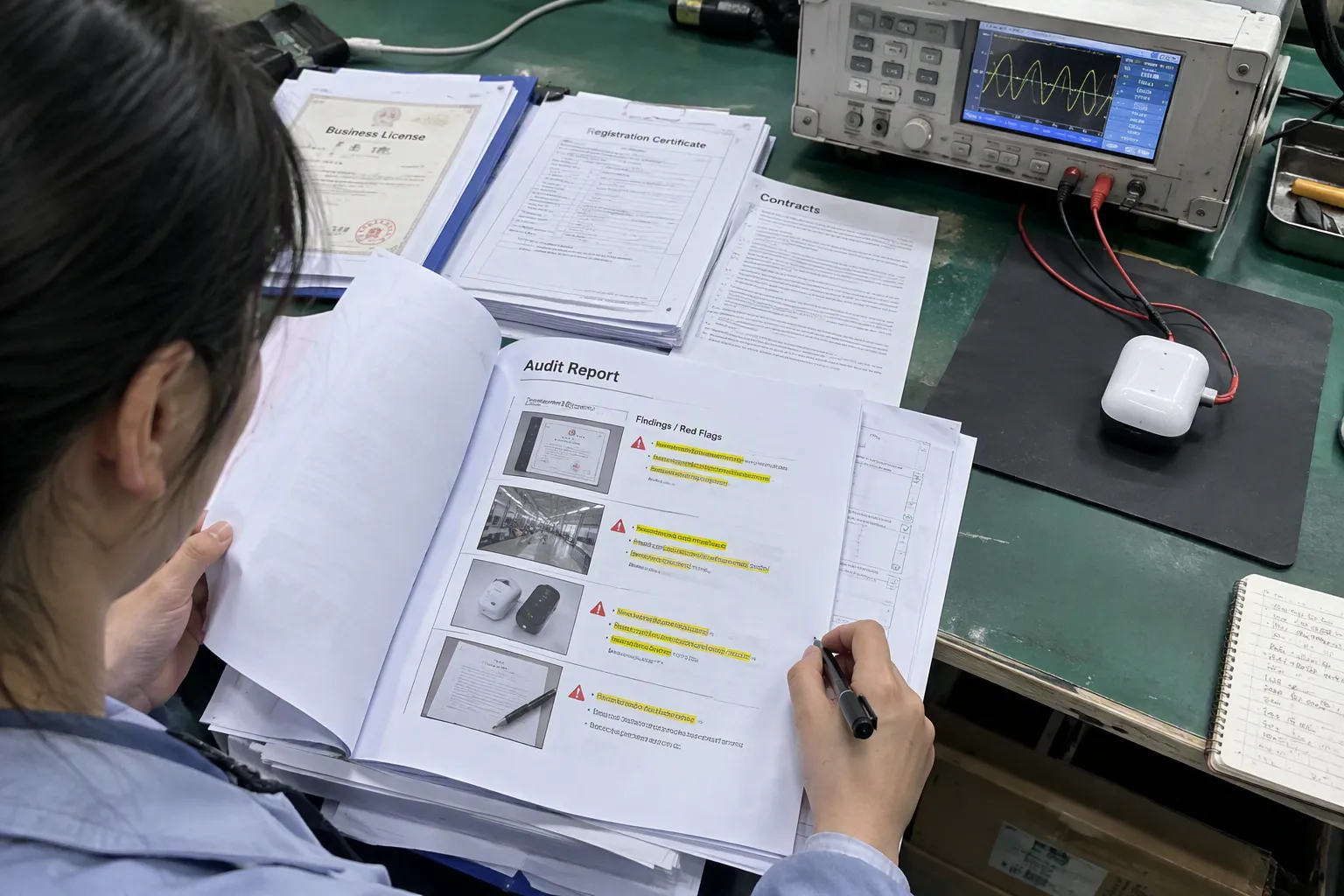
No. A report may be relevant only to the product, configuration, scope, market, and conditions described in that report. Different countries, platforms, retailers, and product variations may have different requirements. You should confirm report applicability with qualified testing bodies and the relevant official or platform sources.
Can I use my factory’s existing test report?
You may be able to use it as supporting information, but you should not assume it covers your final product. Check the model number, materials, components, product version, market, scope, report date, and named parties. Private-label packaging or design changes may also require further review.
What documents should I collect before product testing?
I suggest collecting product specifications, photos, drawings, model details, material and component information, packaging artwork, labels, manuals, existing reports, declarations, and details of the destination market and sales platform. The exact documentation depends on the product and proposed testing scope.
What does a sourcing coordinator do during the testing process?
I help organize communication between the buyer, factory, and testing body. This may include collecting factory documents, checking sample readiness, arranging sample shipment, tracking questions, and keeping product information consistent. I do not issue reports or decide legal compliance requirements.
Conclusion
Third-party product testing in China works best when buyers treat it as an early sourcing and change-control process, not as a last-minute lab shipment. I recommend defining the final product, destination market, intended sales channel, and representative sample before requesting a testing scope. Buyers should also verify current standards, platform policies, report acceptance, and documentation requirements with qualified testing bodies and official sources. At KingSourcing, I can help coordinate factories, samples, documents, inspections, and procurement communication so your China sourcing process is more transparent and controlled.
Sources
- Complying with the resource requirements of ISO/IEC 17025 ...", ILAC guidance on accredited laboratory reporting supports that test results are reported for identified items and methods within the stated scope, rather than serving as unrestricted evidence for all product variants or markets
- Consumer Product Safety Commission", Official U.S., EU, and UK product-safety materials describe separate legal and conformity-assessment frameworks for products placed on their respective markets, supporting the need to assess destination-market requirements independently
- Retailers: Product Safety and Your Responsibilities", Marketplace compliance policies document that sellers may be required to submit safety, testing, or compliance records for particular products, illustrating that sales-channel documentation requests can differ from those of other distribution arrangements
- The Economic Impacts of Inadequate Infrastructure for ...", Product-development and quality-management research generally finds that changes and defect corrections become more disruptive and costly when identified after design decisions and production commitments have been made
- ISO/IEC 17025:2017, Section 7.8 - Reporting of Results", ISO/IEC 17025-based laboratory reporting requires the tested item and relevant test information to be identified, supporting the principle that a report concerns the submitted sample under its documented scope
- SP 800-128, Guide for Security-Focused Configuration ...", Configuration-management and design-control guidance recognizes that changes to components, materials, software, and specifications must be identified and controlled because they can alter the product configuration being evaluated
- Final NIST SP 800-70r5 is available", Conformity-assessment guidance links technical documentation and assessment to the product's specified design, characteristics, and intended use, supporting review when material product changes occur
- ILAC Mutual Recognition Arrangement: Scope and ...", ILAC materials explain that laboratory accreditation is evidence of competence for specified activities within an accredited scope, supporting separate verification of a laboratory's relevant capability and the receiving party's acceptance criteria