Quick Answer
A sourcing agent helps with quality control in China when overseas buyers cannot watch production, compare factory communication, or inspect goods in person. A final inspection alone can reveal problems too late, when rework delays shipping and affects stock plans.[1] We help reduce this risk by building clearer checkpoints before, during, and after production. **A sourcing agent helps with quality control in China by turning buyer expectations into documented supplier checkpoints, following production progress, identifying visible or agreed-upon issues during inspections, and coordinating corrective actions before shipment
This process does not guarantee zero defects or replace laboratory testing, certification, or buyer responsibility, but it can give remote buyers more visibility and control over product quality.**
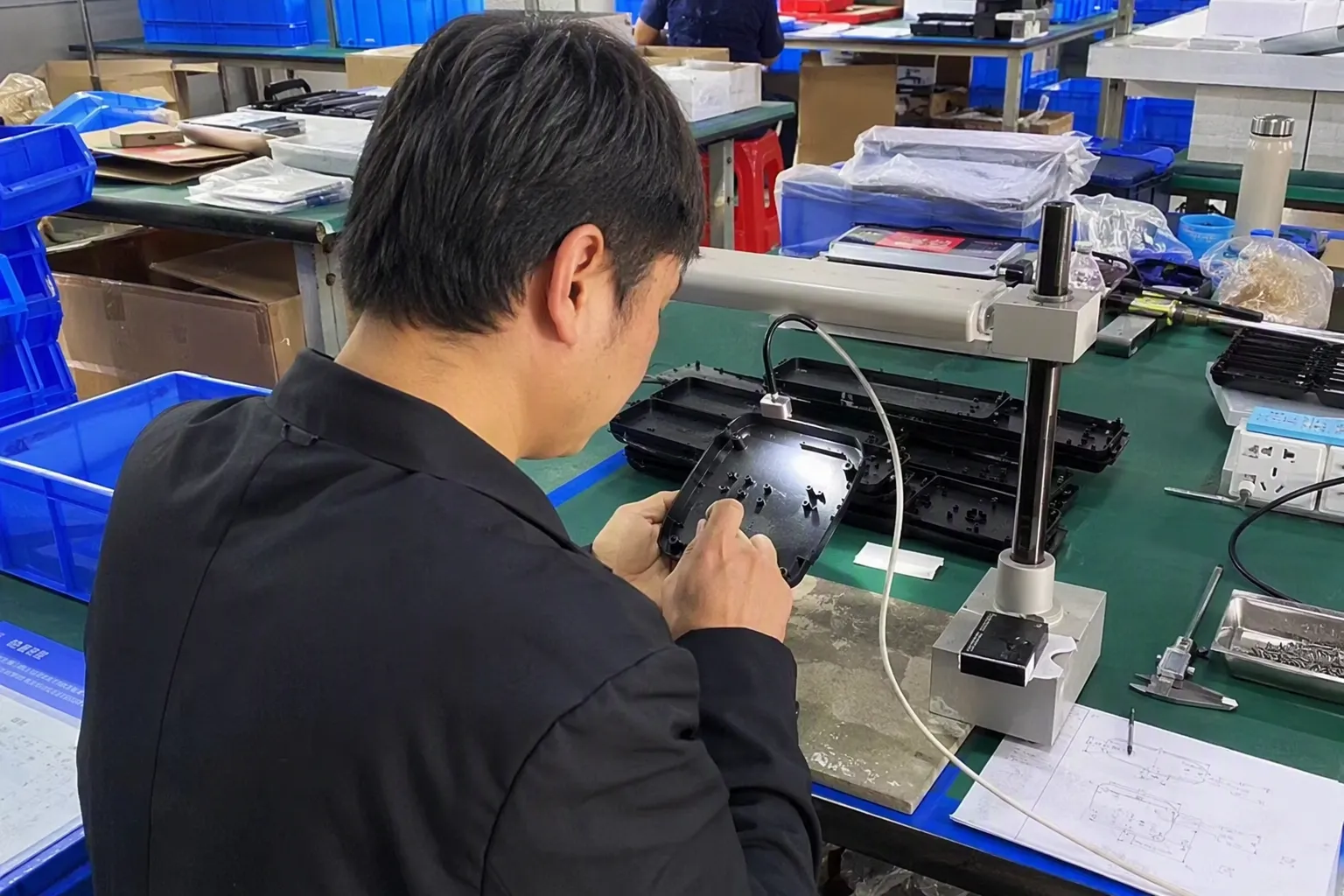
Quality control works best as a process rather than a one-time event.[2] In our work at KingSourcing, we see that many avoidable quality disputes begin with unclear specifications, inconsistent samples, or assumptions that were never confirmed with the factory. The sections below explain what buyers should expect from a practical quality-control workflow.
How Does a Sourcing Agent Help Control Quality Beyond a Final Inspection?
A buyer may assume that a sourcing agent helps control quality by checking finished cartons before shipment. That check matters, but it can become expensive when the order has already been completed. If the factory and buyer do not agree on standards earlier, an inspection report may identify problems without leaving enough time to solve them.
A sourcing agent helps control quality by creating a control loop: clarify requirements, align them with the supplier, follow production, inspect against agreed standards, report findings, and coordinate correction where practical. The value comes from earlier visibility and clearer communication, not from a promise that every defect will be found or every issue will be fixed.
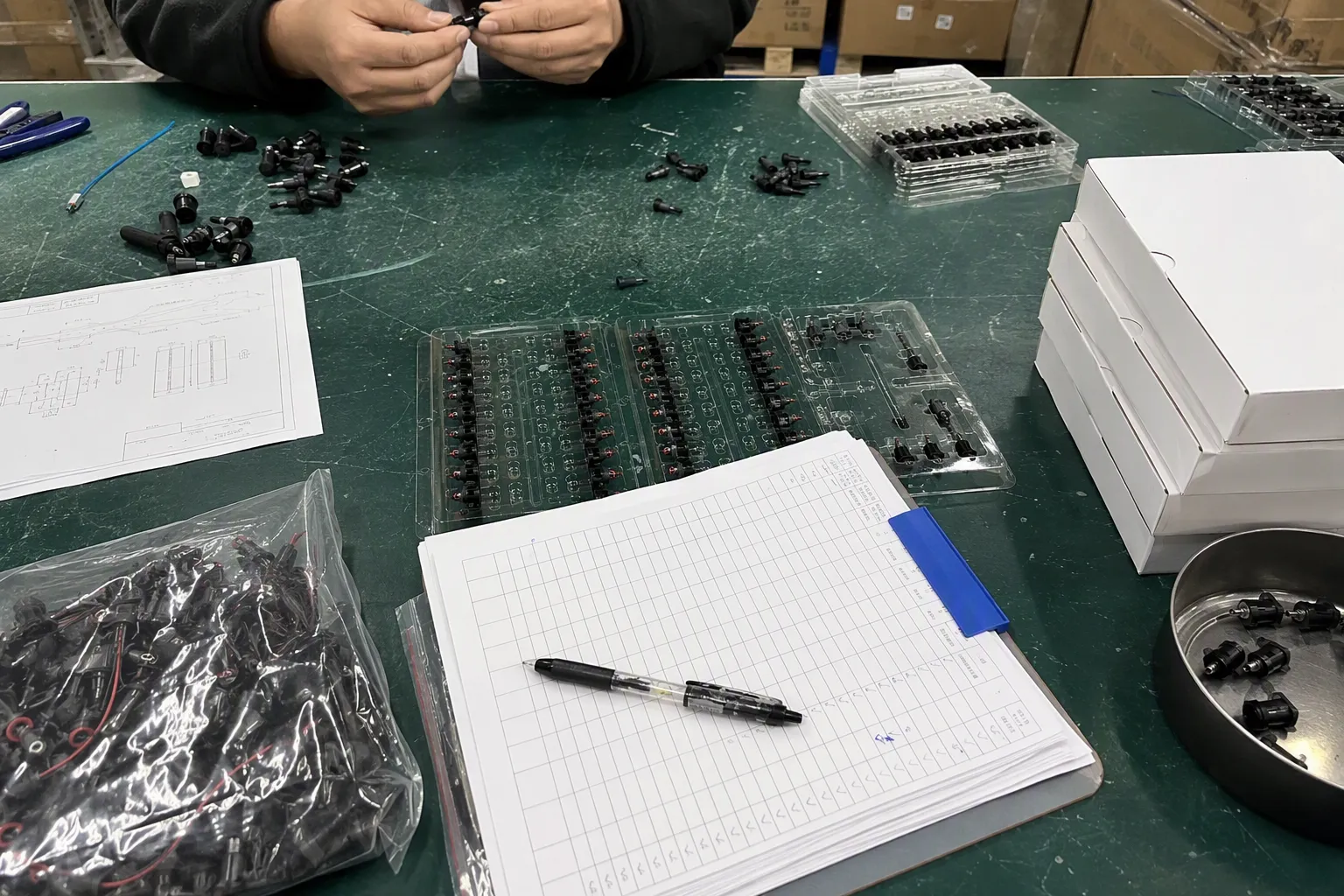
Quality Control Starts Before Production Begins
The most useful quality work often happens before a factory starts mass production. Buyers should not rely only on a product photo, a short product name, or a supplier’s broad statement that it can make a similar item. A product can look correct in a listing image while still having different materials, dimensions, functions, printing quality, packaging, or labeling.[3]
When we coordinate a sourcing project, we first try to turn the buyer’s expectations into points that a supplier can understand and confirm. This does not need to be a complicated engineering document for every product. However, the product brief should be specific enough to avoid major interpretation gaps.
For consumer products, 3C accessories, promotional items, private-label goods, and e-commerce products, buyers may need to define:
- Product dimensions and tolerances, where relevant
- Materials, finishes, colors, and texture expectations
- Reference samples, drawings, photos, or approved artwork
- Logo position, print method, size, and color
- Function checks that can be observed during inspection
- Packaging type, insert cards, barcode labels, warning labels, and carton marks
- Quantity requirements and assortment ratios
- Acceptable workmanship standards
- Known unacceptable defects, such as scratches, loose parts, poor printing, stains, or incomplete accessories
A sourcing agent can help organize these requirements and ask practical questions before production begins. For example, a buyer may request “high-quality packaging,” but a factory may interpret that phrase differently from the buyer. One party may expect a rigid gift box, while the other may plan a thin printed paper box. Clear confirmation reduces the chance of discovering that difference after thousands of units are packed.
Buyers should also separate three different concepts that are often mixed together:
| Area | What It Covers | What a Sourcing Agent Can Typically Help With | What May Require Additional Support |
|---|---|---|---|
| Workmanship inspection | Appearance, assembly, packaging, quantities, basic function checks | Inspection coordination and visible defect reporting | Product-specific specialist assessment |
| Product testing | Performance, durability, chemical, electrical, or safety testing | Coordinating samples or documents when requested | Qualified laboratory testing |
| Certification and compliance | Market-specific legal, regulatory, or certification requirements | Requesting supplier documents for buyer review | Qualified compliance, legal, or certification professionals |
| Supplier evaluation | Basic supplier identity, communication, production scope, and process review | Supplier verification and factory audit coordination | Formal financial, legal, or technical due diligence |
We do not treat a visual inspection as proof of compliance or certification. A product can pass an appearance check and still require independent testing or document verification for its target market.[5] Buyers should identify regulatory and application-specific requirements early, especially for electrical products, children’s products, food-contact items, medical-adjacent products, batteries, and products sold in tightly regulated categories.
Supplier Alignment Reduces Ambiguity
A sourcing agent often acts as a communication bridge between an overseas buyer and a Chinese supplier. This role is not only about language. It is also about making sure both sides are discussing the same version of the product.
Factories often work with many customer projects at once. They may receive revised artwork, new packaging instructions, updated quantities, or alternative materials during the order. If changes are not documented and confirmed, the factory can continue using an old version.[6] The buyer may then receive goods that match an earlier discussion but not the final approved requirement.
For that reason, we encourage buyers to maintain a simple approval trail. Depending on the product, this may include:
- A confirmed quotation with product specifications
- Approved sample photos or physical samples
- Final artwork and packaging files
- A purchase order with quantity and shipping marks
- An inspection checklist or quality standard
- Written confirmation of any changes during production
This process is especially important for OEM, ODM, and private-label sourcing. A standard product with a logo may still have several approval points: logo artwork, printing location, retail package layout, barcode placement, carton labels, and accessory configuration.
In practical production follow-up, small misunderstandings can grow quickly. A buyer might approve a black product photo but not specify whether the finish should be matte or glossy. A factory might use the available version of black material. Neither party may intend to create a problem, but the finished goods can still fall outside the buyer’s expectation.
A capable sourcing agent should raise these gaps before inspection day. Buyers should ask prospective agents how they record specifications, how they confirm revisions, and whether they use the buyer’s approved sample or written requirements as inspection references.
Production Follow-Up Creates Earlier Visibility
A sourcing agent quality control process is more useful when it includes production follow-up, not only finished-goods checking. During production, the agent can ask about progress, material preparation, packaging readiness, sample confirmation, and expected completion dates.[7] This visibility helps buyers identify possible delays or inconsistencies before goods reach the final packing stage.
The exact level of follow-up depends on the order value, product complexity, production schedule, supplier cooperation, and buyer requirements. A low-volume standard item may need a lighter process than a customized multi-SKU retail program. Buyers should not assume that every order requires the same inspection frequency.
Still, several moments deserve attention:
| Production Stage | Quality-Control Question | Risk Addressed |
|---|---|---|
| Before mass production | Has the factory confirmed materials, artwork, sample, and packaging? | Misunderstood specifications |
| Early production | Does the first production output appear consistent with the approved reference? | Repeated defects across the order |
| Mid-production | Is production moving according to plan, and are key components available? | Delays and material substitutions |
| Before shipment | Do finished goods match agreed requirements, quantities, and packaging instructions? | Shipment of unacceptable goods |
| After findings | Has the supplier responded with a correction plan or explanation? | Unresolved issues being shipped |
In our coordination work, we treat inspection findings as action items rather than the end of the conversation. If an issue is found, the next question is not only, “What is wrong?” The practical questions are:
- How many units or cartons may be affected?
- Is the issue isolated or repeated?
- Does it affect appearance, function, packaging, labeling, or customer use?
- Does the issue differ from the approved sample or written requirement?
- Can the supplier rework the goods?
- Does rework affect the shipment date?
- Does the buyer need to approve a correction sample or revised packaging?
- Should the inspection be repeated after the supplier’s corrective action?
A sourcing agent can communicate these questions locally and report the supplier’s response to the buyer. However, the buyer should remain involved in decisions that affect product acceptance, commercial terms, delivery timing, or brand reputation.
Inspection Is a Checkpoint, Not a Guarantee
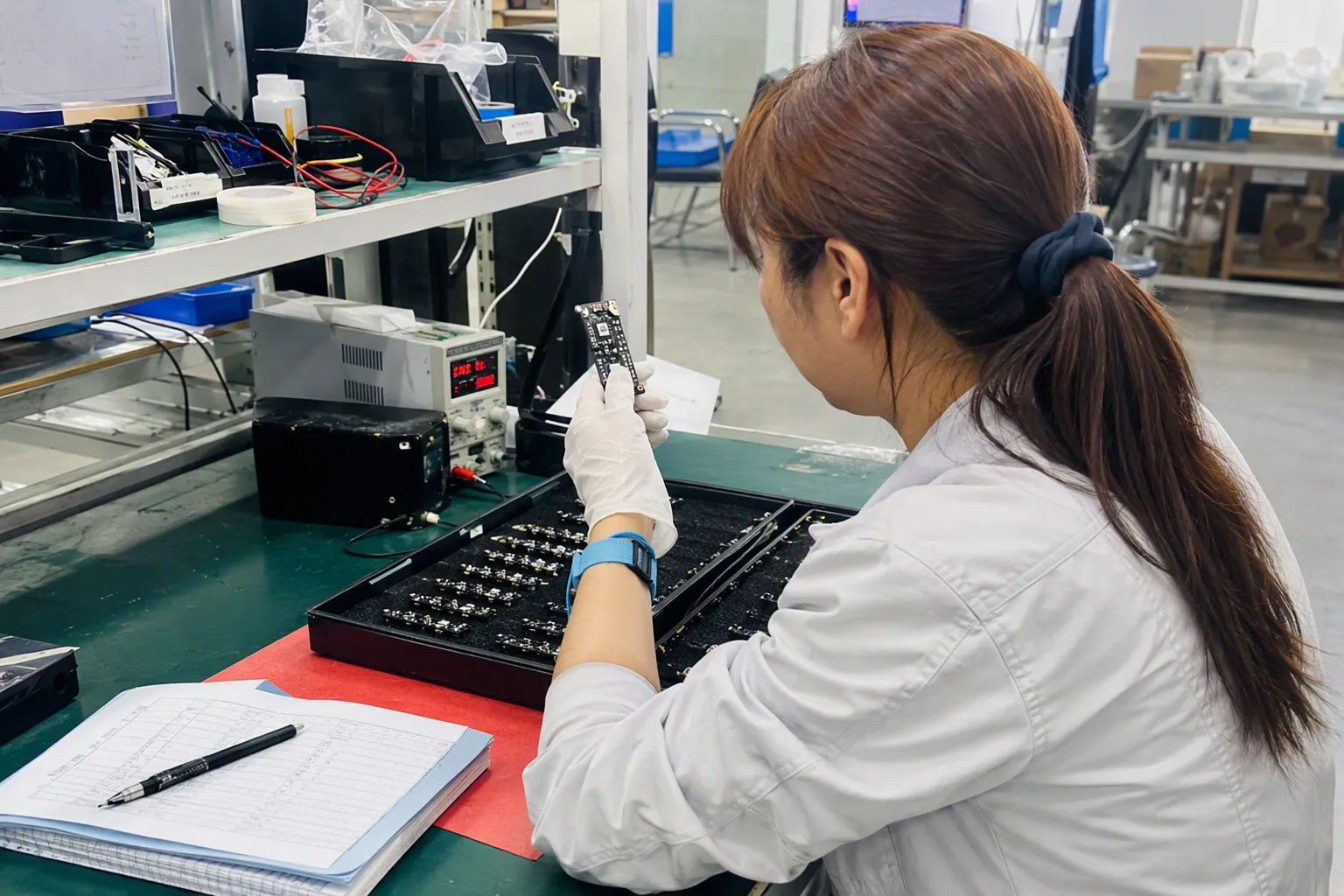
Pre-shipment inspection remains an important part of quality control in China, particularly for buyers who cannot visit factories. It provides a structured opportunity to review a sample of finished goods before final release, subject to the agreed scope and available production status.[8]
An inspection may include checks such as:
- Product quantity and carton quantity
- Product appearance and visible workmanship
- Basic assembly or function checks, where applicable
- Dimensions or weight checks against agreed specifications
- Color comparison against an approved reference, where practical
- Packaging, labeling, inserts, barcodes, and shipping marks
- Product assortment and accessory completeness
- Carton condition and basic packing method
Many buyers use an agreed sampling method, sometimes based on an AQL approach. AQL stands for Acceptable Quality Limit. It is a sampling framework that can help define how many units are checked and how defects are classified. It does not mean that every unit is examined, and it does not prove that no defects exist in the full order.
The buyer and supplier should agree on important details before inspection:
- Which defect categories are critical, major, or minor?
- Which defects are unacceptable regardless of sample size?
- Which product version is the reference standard?
- What basic functional checks can be performed on site?
- What equipment or test fixtures are needed?
- What does the buyer want photographed?
- When is the order sufficiently complete for inspection?
For example, an inspection can identify visibly poor logo printing, damaged packaging, missing accessories, incorrect labels, loose assembly, or inconsistent colors. Yet it may not establish long-term durability, chemical composition, electrical safety, or market compliance. Those areas may need laboratory testing, supplier documentation, or evaluation by qualified professionals.
The strongest inspection report is not simply a pass-or-fail document. It should help the buyer understand what was checked, what was found, what evidence was collected, and what decision may be needed next.
Corrective Action Is Where Quality Control Becomes Useful
An inspection report has limited value if no one follows up on the findings. A sourcing agent can help coordinate communication after an issue is identified, especially when the buyer is in another time zone and the factory needs fast clarification.
Corrective action may involve different responses depending on the issue:
| Finding Type | Possible Supplier Response | Buyer Decision Needed |
|---|---|---|
| Incorrect logo placement | Rework printing or replace affected units | Approve revised placement |
| Missing accessories | Add missing parts before packing | Confirm required accessory list |
| Damaged retail boxes | Replace damaged packaging | Confirm whether packaging condition is acceptable |
| Color inconsistency | Sort, rework, or remake affected units | Decide whether variation is acceptable |
| Incorrect carton marks | Relabel cartons | Approve final shipping marks |
| Repeated functional issue | Investigate production process or component | Decide on testing, rework, replacement, or shipment hold |
We do not assume that rework is always simple or risk-free. Rework can affect delivery dates, packaging integrity, product appearance, and shipping plans. Buyers should ask for clear confirmation of what the factory will do and when the corrected goods can be reviewed.
A practical correction process often looks like this:
- The issue is documented with photos, notes, quantities, and reference requirements.
- The supplier explains the likely cause and proposed action.
- The buyer reviews the proposed action if it affects acceptance or schedule.
- The supplier performs sorting, repair, replacement, repacking, or relabeling.
- A follow-up check may be arranged when the buyer considers it necessary.
- The buyer decides whether the order can be released for consolidation or shipment.
Supplier cooperation matters greatly. An agent can communicate, document, and follow up, but an agent cannot independently force a factory to accept every claim or absorb every cost. Clear agreements, approved samples, and documented specifications give the buyer a stronger basis for discussing corrective action.
How Buyers Should Evaluate a Sourcing Agent’s Quality-Control Workflow
Not every sourcing agent offers the same level of involvement. Some providers mainly arrange quotations and shipping. Others provide supplier verification, sample coordination, production follow-up, inspection support, consolidation, and packaging review. Buyers should evaluate the workflow behind the service rather than choosing an agent based only on the phrase “quality inspection.”
When buyers speak with us, we recommend asking direct questions about how the agent manages risk across the order cycle.
Questions to ask before selecting a sourcing agent:
- What product details do you confirm before the supplier starts production?
- How do you record the approved sample, artwork, packaging, and label requirements?
- Do you follow up during production, or only at the end?
- What inspection scope do you offer for this product category?
- How do you report defects and distinguish observations from confirmed nonconformities?
- Can you coordinate corrective action and a re-inspection if needed?
- How do you handle multi-supplier orders before consolidation?
- What issues require laboratory testing, certification review, or specialist evaluation?
- What decisions remain with the buyer?
- What documents or supplier statements should the buyer verify independently?
A good answer should be specific. Buyers should be cautious if an agent promises “guaranteed quality,” claims to detect every defect, or treats a single inspection as a full quality system. Quality control depends on the product, the agreed requirements, the inspection scope, production timing, supplier cooperation, and the buyer’s willingness to make decisions when issues are reported.
For multi-SKU sourcing, the workflow becomes even more important. A buyer may purchase products from factories in Shenzhen, Dongguan, Guangzhou, Foshan, Yiwu, Ningbo, and other manufacturing areas. Each supplier may use different packaging standards, lead times, and communication methods. Before consolidation, the buyer needs visibility into whether each product is ready, correctly labeled, and acceptable for shipment.
At KingSourcing, we can help buyers coordinate those moving parts from supplier communication through inspection, packaging, consolidation, and shipping preparation. We position this as a risk-reduction process, not as a replacement for the buyer’s product ownership or required specialist testing.
Frequently Asked Questions
Can a sourcing agent guarantee product quality in China?
No. A sourcing agent can help reduce quality risk through clearer specifications, supplier communication, production follow-up, inspections, and correction coordination. However, no agent can guarantee zero defects, full compliance, or supplier cooperation. Product quality still depends on agreed standards, manufacturing capability, inspection scope, and buyer decisions.
Is pre-shipment inspection enough for quality control in China?
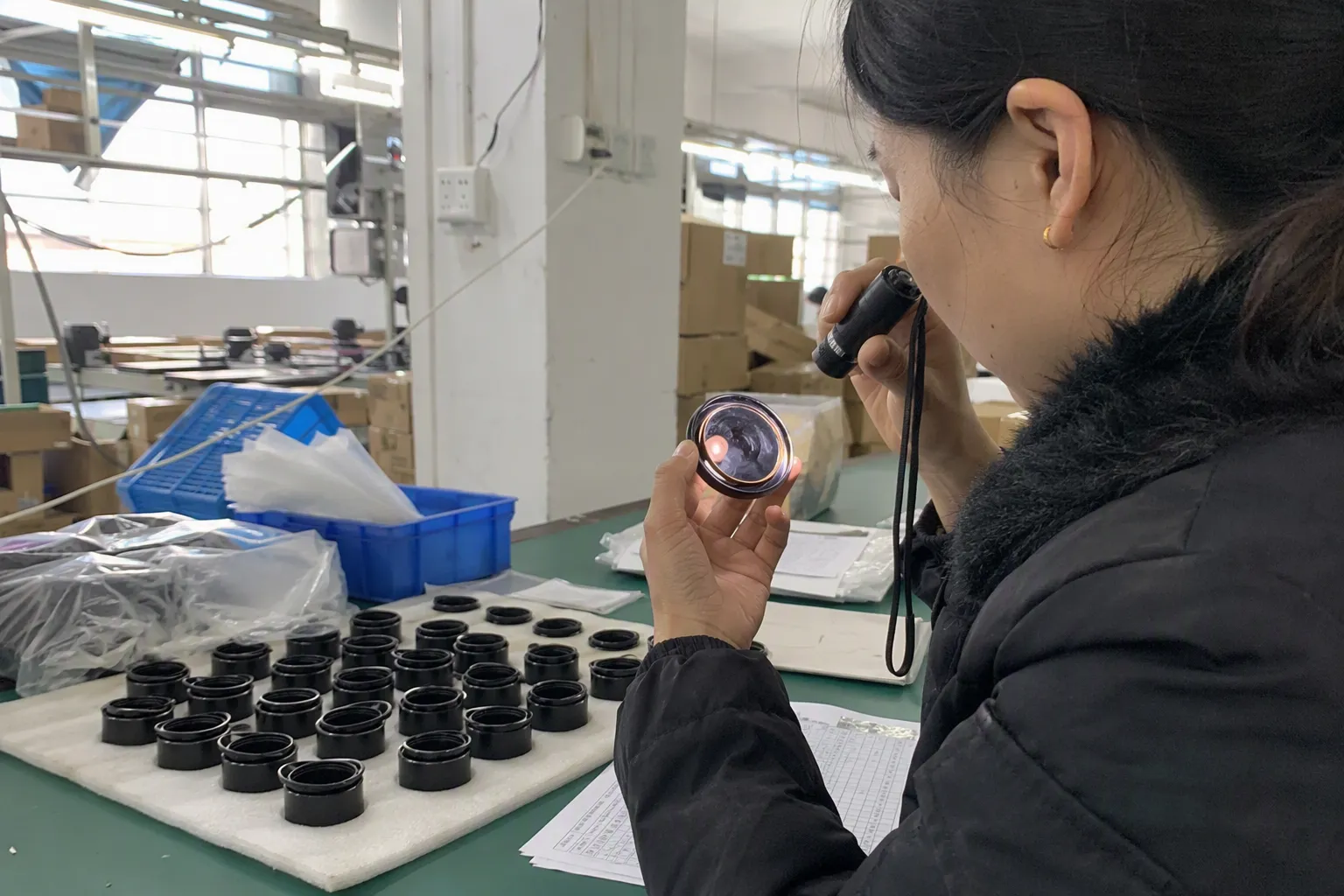
Pre-shipment inspection is valuable, but it is not enough by itself for many customized or higher-risk orders. It checks goods near completion, when correction options may be limited. Buyers usually gain better control by confirming specifications, approved samples, packaging, and defect standards before and during production.
What can a sourcing agent inspect?
A sourcing agent can often inspect visible workmanship, quantities, packaging, labels, accessories, carton marks, basic dimensions, and agreed functional points. The scope should be confirmed before inspection. Laboratory testing, formal certification, legal compliance, and specialist performance testing may require qualified third-party providers.
Should I use an AQL inspection for my order?
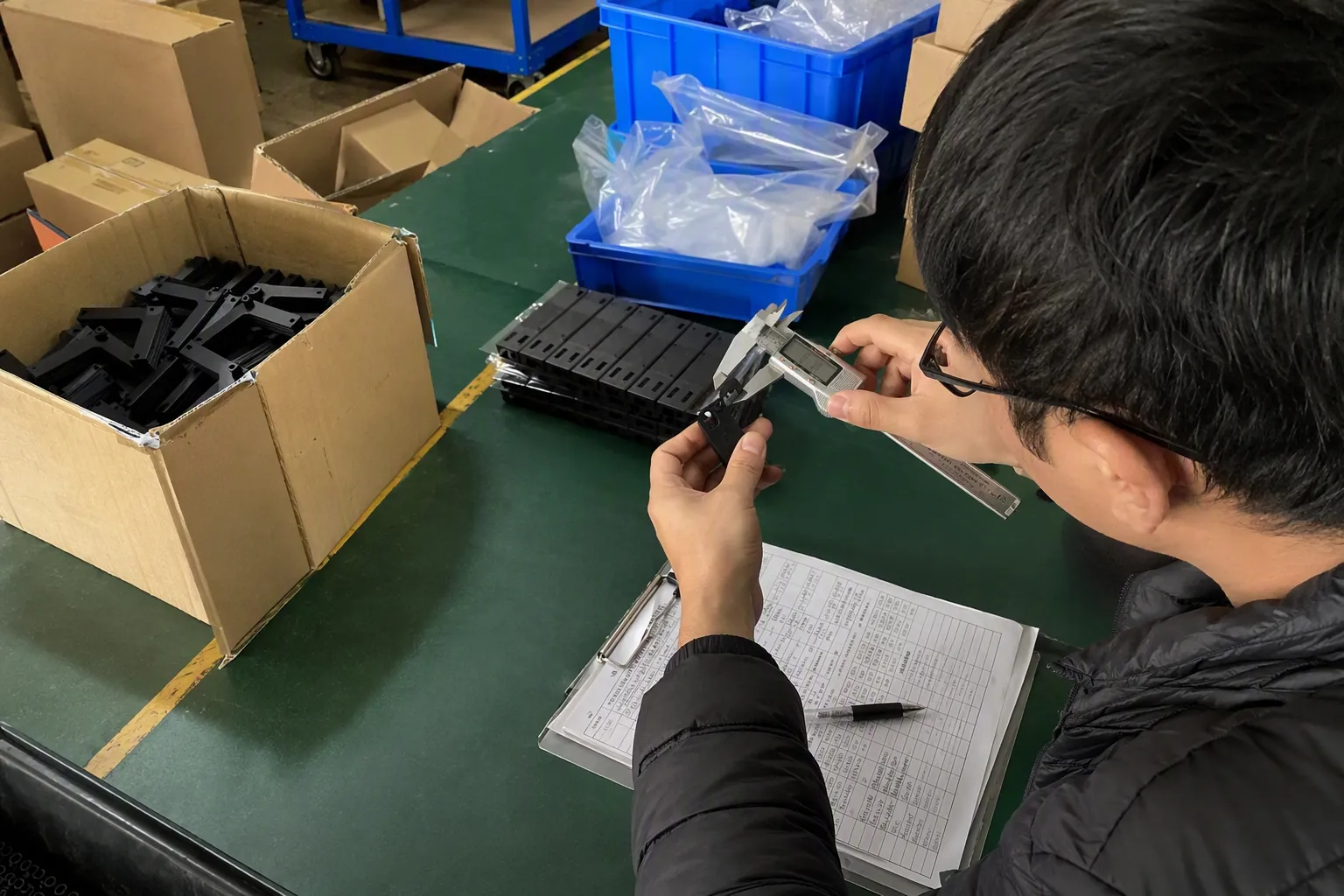
An AQL inspection can provide a structured sampling approach for many consumer products. However, the right sampling level and defect classification depend on the product and its intended use. Buyers should agree on critical, major, and minor defects before production and seek specialist guidance for high-risk applications.
What should I send my sourcing agent before production?
Send the most complete product brief available: approved sample information, drawings, product photos, material requirements, dimensions, artwork, packaging files, label details, quantity breakdowns, shipping marks, and a list of unacceptable defects. Clear documents help the agent align the factory before mass production begins.
Conclusion
A sourcing agent helps with quality control in China most effectively when quality is managed as a continuous process rather than a final inspection service. Clear specifications, supplier alignment, production follow-up, inspection reporting, and corrective-action coordination can all help reduce avoidable sourcing risk. We cannot promise zero defects or replace formal testing and compliance work, but we can give overseas buyers stronger visibility over their China purchasing process. If you need support managing supplier quality, multi-SKU orders, inspections, consolidation, or shipping coordination, contact KingSourcing to discuss your product requirements.
Need Supplier Verification or a Factory Audit?
Sourcing from China carries real supplier and quality risk. We provide factory audits, product inspections, and QC oversight before shipment. Learn about our sourcing and QC services or talk to our team.
Related reading: China Product Inspection Guide for Importers: How to Prevent Defects Before Shipping
Sources
- [PDF] A Hierarchical structure of key performance indicators for operation ...", Quality-management guidance recognizes that detecting nonconformities only at final inspection can constrain corrective action and increase rework or delivery disruption compared with earlier process controls
- Quality Management System Implementation - NIST", Quality-management standards and guidance characterize quality assurance as a planned, process-based system of controls rather than a single end-of-line inspection activity
- Advertising and Marketing | Federal Trade Commission", Product-conformity guidance treats specifications and verifiable product information as distinct from photographs, because images alone may not establish material, dimensional, functional, or labeling characteristics
- [PDF] Use of quality assurance systems in the fastener industry", Quality-management guidance explains that inspection evaluates outputs against defined requirements, so an inspection cannot by itself remove ambiguity where purchase specifications were not established in advance
- General Use Products: Certification and Testing | CPSC.gov", Conformity-assessment authorities distinguish visual inspection from testing, certification, and technical documentation, which may be required to demonstrate compliance for particular products and markets
- [PDF] Managing The Configuration Of Information Systems With A Focus ...", Configuration-management and quality-system guidance identifies document and change control as mechanisms for preventing work from proceeding on obsolete or unapproved specifications
- [PDF] destructive evaluation for metal additive manufacturing processes", Manufacturing quality guidance describes in-process monitoring as a means of checking production status, inputs, and conformity before final product release
- ISO 13448-2:2004 - Acceptance sampling procedures based on the ...", Pre-shipment inspection is generally performed before dispatch to assess goods within an agreed scope, often through examination of a sample rather than every unit in a consignment