Quick Answer
A third-party QC inspector in China can identify visible defects, packing errors, and production issues before shipment, but only when the inspection is planned properly. Many buyers assume that hiring an inspector alone will protect their order. That assumption can leave critical product requirements unchecked.
We recommend treating inspection as a risk-setting process, not a last-minute formality.
A third-party QC inspector in China should be selected for their ability to inspect your specific product, follow your approved requirements, and report against a clear scope. The buyer must define what is acceptable, what is unacceptable, and which findings require escalation. An inspection report supports a shipment decision, but it does not replace the buyer’s responsibility for product specifications, commercial risk, or final shipment release.
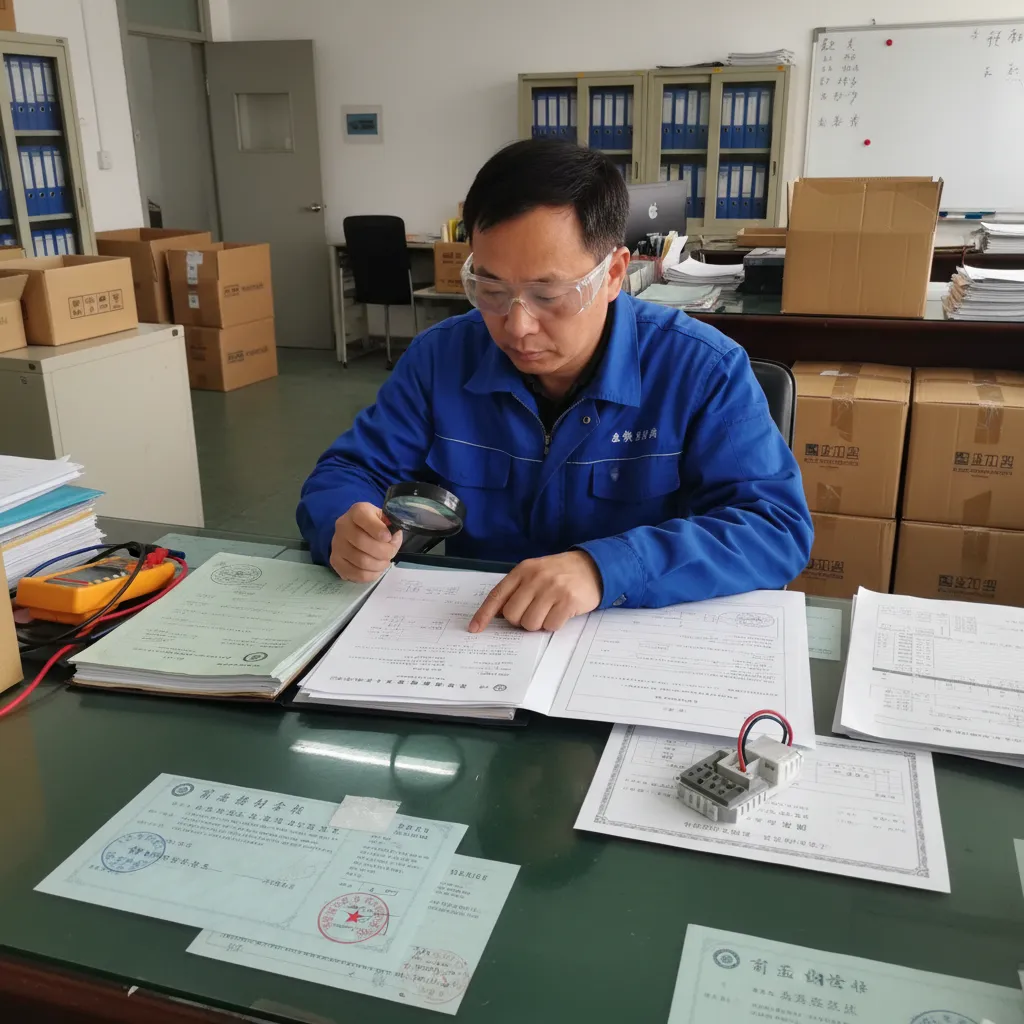
In our sourcing coordination work, we often see the same problem: an inspection is booked, but the buyer has not told the inspector what matters most. The result may be a professional-looking report that still misses the issues most likely to affect customer experience, returns, marketplace complaints, or shipment acceptance.
Hiring a Third-Party QC Inspector in China Is Not Mainly a Vendor-Selection Exercise
When buyers hire a third-party QC inspector in China, they often compare day rates, report samples, and stated AQL capabilities. Those factors matter, but they are not the starting point. A low-cost inspection is not useful if the inspector checks general workmanship while overlooking a product-specific risk that the buyer never defined.
Hiring a third-party QC inspector in China is mainly a risk-definition exercise because the inspector can only assess what is included in the agreed brief. Buyers should first identify approved specifications, critical defects, packaging standards, sampling expectations, and escalation rules. They can then choose an inspector or QC provider that has suitable product experience and can execute that scope at the factory location.
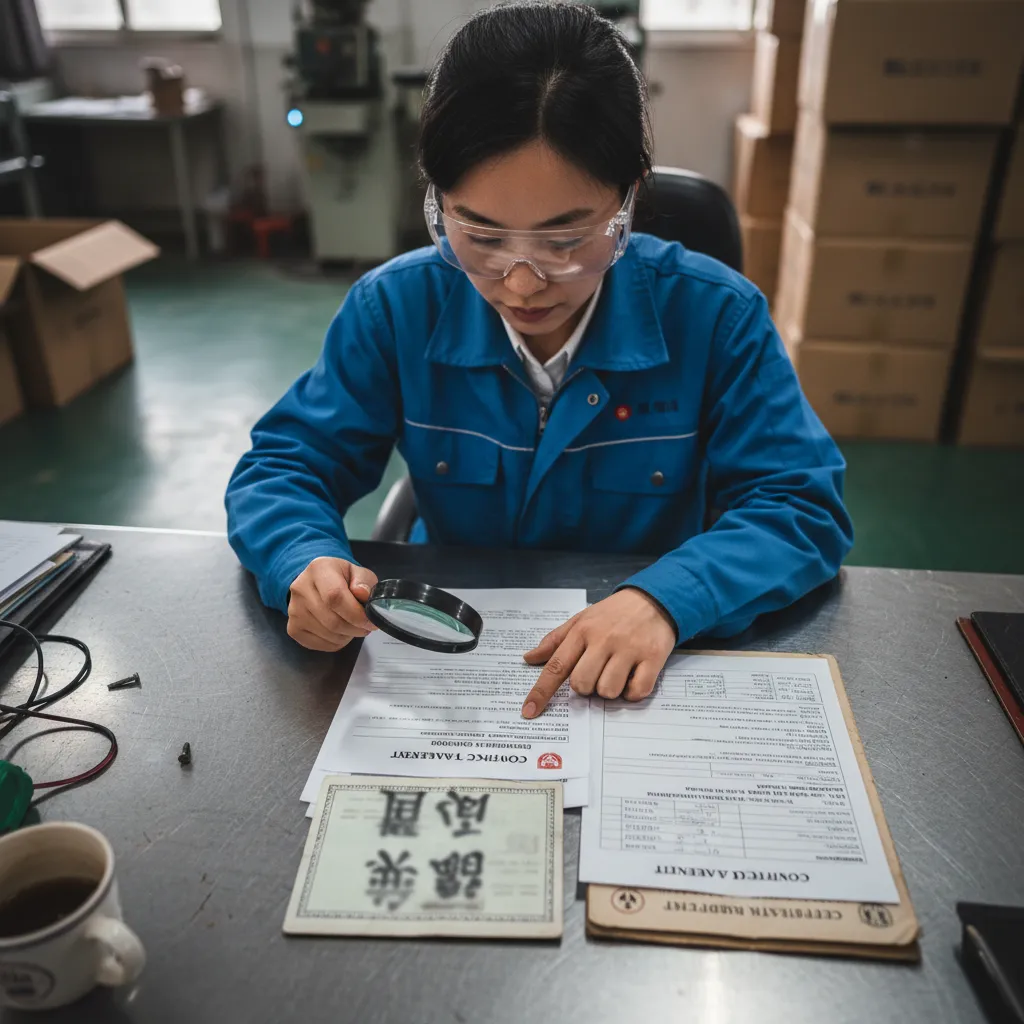
A third-party inspection can be valuable, but it has practical limits. An inspector normally visits a factory at a defined stage of production, checks a sample of goods, records findings, takes photographs, and reports against the supplied requirements. The inspector does not automatically know your target market, product positioning, customer expectations, or tolerance for defects.[2]
That is why we encourage buyers to separate two decisions:
- What must be inspected?
- Who is capable of performing that inspection?
The first decision comes before the second. If the scope is unclear, even a competent inspector may deliver a generic inspection. If the scope is precise, the buyer can compare inspection providers more meaningfully.
Start With the Commercial Risk, Not the Inspection Quote
A buyer should begin by asking what could make the order difficult or costly to sell. The answer will differ by product, sales channel, and customer promise.
For example, a retailer may be highly concerned about barcode placement, carton markings, and retail-ready packaging. An e-commerce seller may be more concerned about missing accessories, scratched surfaces, product function, customer-facing instructions, and unit-level presentation. A promotional-product buyer may place the highest priority on logo placement, color consistency, and quantity allocation by SKU.
We regularly see common situations where buyers provide only a general instruction such as “please check quality.” That instruction does not tell an inspector whether a minor color variation is acceptable, whether a logo misprint is critical, whether a damaged retail box causes rejection, or whether a missing cable should stop shipment.
A useful inspection brief starts with the shipment decision:
“What findings would make us delay shipment, request rework, seek a discount, arrange re-inspection, or reject the batch?”
Once we know the answer, we can build inspection priorities around it.
Define Critical, Major, and Minor Defects for Your Product
Many inspection companies use defect classifications such as critical, major, and minor.[8] These categories can help organize findings, but buyers should not assume that the same defect category fits every product.
A defect that is minor for one buyer may be major for another. For example:
| Issue | May Be Minor When | May Be Major When |
|---|---|---|
| Small scratch on an inner component | The component is hidden after assembly | The component is visible to end customers |
| Slight carton printing variation | Cartons are used only for bulk transport | Cartons are retail-facing or brand-sensitive |
| Missing instruction leaflet | The product is simple and instructions are not required | The leaflet contains essential use, safety, or setup information |
| Loose accessory in a box | The product is packed in protective inner material | The loose part can scratch the product or create an incomplete customer experience |
| Small logo position difference | The item is a low-value giveaway | The item is a private-label product with strict artwork approval |
We recommend that buyers identify critical defects in plain language. A critical defect does not need to be described with technical jargon. It can simply be an issue that makes the product unsafe to use, materially different from the approved design, non-functional for its intended use, or commercially unacceptable for shipment.
For each important defect, the buyer should provide:
- A written description of the issue.
- Clear photographs or marked-up images where possible.
- A reference to the approved sample, drawing, artwork, or specification sheet.
- The defect category or shipment consequence.
- A note explaining whether the inspector should escalate immediately.
A good brief is not necessarily long. It is specific. A two-page document with clear photos can be more useful than a twenty-page file containing outdated versions and conflicting instructions.
Use the Approved Sample as a Practical Reference
An approved sample is often one of the strongest inspection references available to a buyer. It gives the factory, sourcing team, and third-party QC inspector in China a shared point of comparison.
However, a sample only works if everyone knows which version is approved. Buyers should label the approved sample clearly and keep a record of:
- The sample approval date.
- The supplier or factory name.
- The SKU, color, size, or model.
- Any agreed changes after sample approval.
- Whether the sample is a visual reference, functional reference, packaging reference, or all three.
- Who holds the physical sample during production.
A common coordination issue occurs when the buyer approves a sample by email, then later approves a packaging revision, logo update, or accessory change in a chat message. If the final changes are not consolidated into the inspection brief, the inspector may compare production against an outdated reference.
We prefer to create one controlled set of final inspection documents. This does not have to be complicated. It can include a final PDF specification, approved artwork, packaging files, and a short change log. The purpose is to reduce conflicting instructions.
Build a QC Brief That an Inspector Can Actually Use
A third-party QC inspector in China needs practical information that can be checked on the factory floor. Vague statements such as “high quality,” “premium finish,” or “good packaging” are difficult to inspect consistently because they do not define a pass or fail condition.[3]
We recommend including the following items in a usable QC brief.
1. Product identification
The inspector should be able to identify exactly what is being inspected.
Include:
- Product name and SKU.
- Product version or model number.
- Color, size, material, and variation details.
- Purchase order quantity.
- Factory name and address.
- Planned inspection date and production status.
- Carton count, unit quantity, and SKU breakdown.
This prevents errors when one factory produces multiple similar versions or when several suppliers use similar product names.
2. Approved specifications
The specification section should describe measurable or observable requirements. Depending on the product, this may include:
- Dimensions and tolerances.
- Weight or fill quantity.
- Materials and finishes.
- Color references.
- Logo size and placement.
- Assembly requirements.
- Required accessories.
- Functional checks.
- Battery, charging, connection, or button tests for applicable consumer electronics.
- Surface appearance and workmanship expectations.
For a simple product, the specification may be a short checklist. For a customized product, it may include drawings, artwork files, bill-of-material details, and packaging instructions.
We do not recommend assuming that a factory’s quotation sheet is enough. A quotation may describe a product broadly, but it may not capture every customer-facing detail that affects acceptability.
3. Packaging and labeling standards
Packaging is often treated as secondary until goods are ready to ship. In practice, packaging errors can create delays, relabeling costs, marketplace receiving problems, or avoidable customer complaints.
A buyer should provide the final files or physical references for:
- Retail box artwork.
- Instruction leaflets.
- Warning labels.
- Barcode labels.
- Country-of-origin marking where applicable.[7]
- Carton marks.
- Inner packaging.
- Polybag, insert, sticker, or hangtag requirements.
- Master carton dimensions and packing quantity.
The inspector should also know what matters most. For example, a buyer may accept a small print shade difference on a shipping carton but reject an incorrect barcode on a retail unit.
4. Prioritized checks
An inspector has limited time on site. A buyer should not assume every possible detail can receive equal attention. Priorities help the inspector focus on the risks that matter most.
We often suggest dividing checks into three groups:
| Priority | Purpose | Example |
|---|---|---|
| Shipment-stopping | Findings that require immediate escalation | Wrong product, missing mandatory accessory, serious functional failure |
| High-priority | Findings that may require corrective action or commercial review | Incorrect logo, unacceptable cosmetic damage, wrong packaging insert |
| Routine | General workmanship and consistency checks | Loose threads, light marks, minor finishing variation |
This approach does not mean routine defects are ignored. It means the inspector understands what must be reported immediately and what needs detailed photo evidence.
5. Escalation instructions
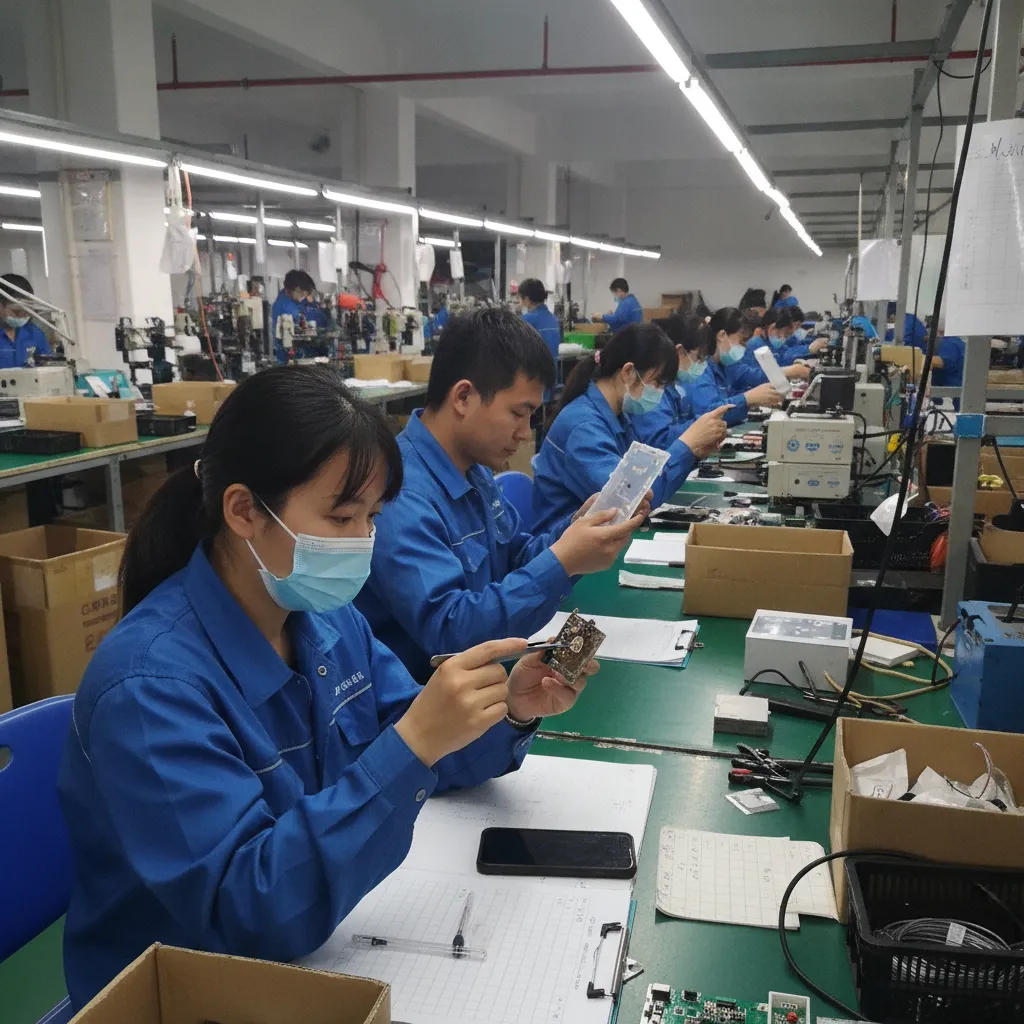
An escalation path is one of the most overlooked parts of an inspection brief. When an inspector finds an unclear issue, the inspector needs to know who can make a decision quickly.
The buyer should state:
- Who should receive urgent messages.
- Which contact method should be used.
- The expected response window.
- Whether the inspector may continue inspection while waiting.
- Whether questionable items should be isolated for review.
- Whether the buyer wants the factory’s explanation included in the report.
Without an escalation path, the inspector may record an issue but be unable to obtain a timely decision. The factory may also continue packing or loading while the buyer is still reviewing photos from another time zone.
Select the Inspector Based on Scope and Product Fit
Once the brief is defined, buyers can evaluate a third-party QC inspector in China more effectively. Price still matters, especially for smaller orders, but it should not be the only comparison point.
A buyer can ask an inspection provider practical questions such as:
- Have you inspected this product category or similar construction before?
- Can you perform the required functional checks on site?
- What tools or equipment would be needed?
- Can you inspect at the factory’s location on the required date?
- Can you follow a buyer-supplied checklist and approved sample?
- How do you document defects and sample quantities?
- What is your process for urgent escalation during the inspection?
- Can you inspect packaging, labeling, and carton marks as part of the scope?
- What information do you need before confirming the job?
A generic report template can be useful for understanding how findings are presented. Still, it is not proof that the provider understands your product. The important question is whether the report can reflect your agreed inspection points.
Similarly, an AQL sampling approach can be a structured tool for sample selection, but it is not a universal definition of acceptable quality[1]. Buyers should decide whether the proposed sampling method fits their order quantity, defect severity, product value, and tolerance for risk.
For some products, one serious finding can matter more than a numerical defect count. For example, a wrong logo, missing key component, incorrect product version, or failed core function may be commercially unacceptable even if other sampled units appear satisfactory.
Understand What the Report Can and Cannot Do
A report from a third-party QC inspector in China is evidence for a commercial decision. It is not a guarantee that every unit in a shipment is defect-free, and it does not correct unclear product requirements after production is complete.
The report usually helps the buyer understand:
- What production stage was observed.
- How many units were available and sampled.
- Which checks were performed.
- Which defects or deviations were found.
- Whether packaging and labeling matched the stated brief.
- What photos, measurements, and observations support the findings.
- Whether the inspector recorded a pass, fail, hold, or other result under the agreed criteria.
The buyer still needs to decide what to do next. Possible decisions may include:
- Release shipment when findings fit the buyer’s defined acceptance level.
- Request corrective action before shipment.
- Ask for additional photos, testing, or clarification.
- Arrange a re-inspection after agreed rework.
- Negotiate a commercial solution with the supplier.
- Hold or cancel shipment where the issues are unacceptable.
We advise buyers not to treat a “pass” result as an automatic shipment authorization. A pass result reflects the inspection scope and criteria used. The buyer should still review the report, confirm that critical requirements were covered, and consider any open questions before authorizing release.
Coordinate Timing Before Goods Are Packed or Loaded
Inspection timing affects what can realistically be checked. A pre-shipment inspection is commonly arranged when production is substantially complete and goods are available for random sampling[4], but the right timing depends on the product and production plan.
If inspection happens too early, the buyer may review unfinished goods that do not reflect final packing conditions.[5] If it happens too late, the factory may have sealed cartons, booked collection, or moved goods to a warehouse where access is harder.[6]
Before booking a third-party QC inspector in China, we recommend confirming:
- The expected production completion date.
- The percentage of goods that will be finished.
- Whether retail packaging is complete.
- Whether master cartons are ready.
- Whether all accessories and inserts are available.
- Whether the factory can present the full order quantity for sampling.
- Whether rework time is available if issues are found.
- Whether shipping bookings create a hard deadline.
For higher-risk or more customized orders, buyers may consider earlier production-stage checks in addition to a final pre-shipment inspection. This does not remove the need for a clear brief. It simply gives the buyer more opportunities to identify issues before the full order is complete.
At KingSourcing, we help overseas buyers coordinate the practical steps around inspection: gathering final files, confirming factory readiness, organizing priorities, communicating questions, and helping the buyer interpret inspection findings. We do not treat an inspection report as a substitute for the buyer’s commercial judgment.
Frequently Asked Questions
What should I send to a third-party QC inspector in China?
You should send the approved sample or reference photos, final product specifications, purchase order details, packaging and labeling files, inspection checklist, defect priorities, sampling expectations, and escalation contacts. The inspector should receive the latest approved versions before the factory visit.
Is AQL enough to control product quality?
AQL can provide a structured sampling framework, but it is not enough on its own. Buyers still need to define critical defects, product-specific checks, and commercial acceptance criteria. AQL does not tell an inspector whether a logo error, missing accessory, or packaging issue is acceptable for your business.
Can a pre-shipment inspection guarantee a defect-free order?
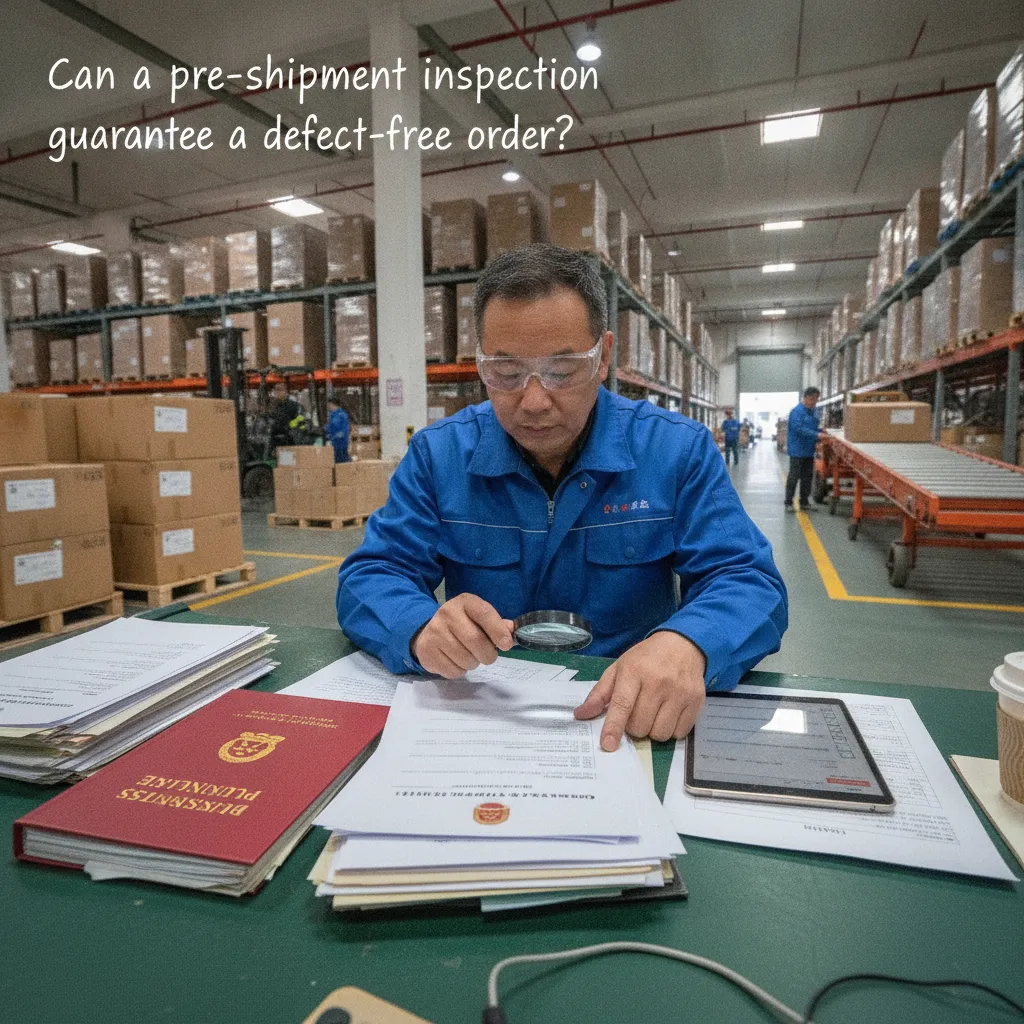
No. A pre-shipment inspection examines a sample of available goods against the agreed scope at a point in time. It can provide useful evidence, but it cannot guarantee that every unit is defect-free or resolve requirements that were unclear before production.
Should I choose the cheapest inspection company in China?
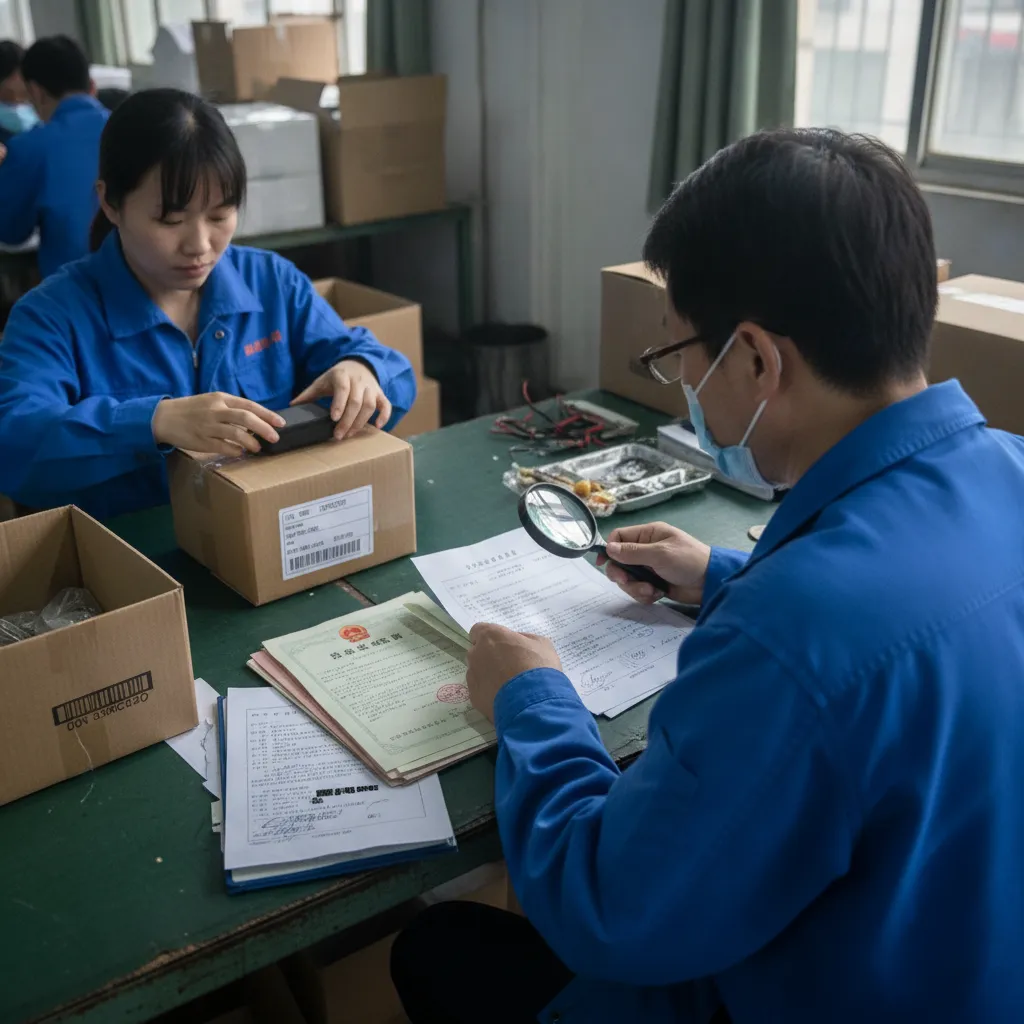
Price is one factor, but buyers should compare scope, product familiarity, scheduling ability, reporting detail, communication process, and willingness to follow a custom brief. A lower quote may have limited value if the inspection does not cover the risks that matter to your product.
Who decides whether the shipment can be released?
The buyer remains responsible for the final shipment release decision. A third-party QC inspector in China reports findings based on the inspection brief. The buyer reviews those findings, considers supplier commitments and commercial risk, then decides whether to release, rework, re-inspect, negotiate, or hold the shipment.
Conclusion
Hiring a third-party QC inspector in China is most effective when the buyer first defines what quality means for the specific order. We recommend creating a clear inspection brief with approved references, product specifications, packaging requirements, defect priorities, sampling expectations, and escalation instructions. The inspector’s report should support your decision, not make it for you. If you need support coordinating suppliers, preparing QC documents, reviewing factory readiness, or managing inspection follow-up in China, we at KingSourcing can help you build a more controlled procurement workflow.
Sources
- 6.2.3.1. Choosing a Sampling Plan: MIL Standard 105D", Acceptance-sampling guidance defines the acceptable quality limit (AQL) as a parameter within a sampling plan used to assess lots; it does not substitute for product specifications or buyer-defined acceptance criteria
- NIST Quality System", Quality-management guidance treats conformity assessment as comparison against specified requirements and acceptance criteria; buyer-specific market expectations must therefore be communicated rather than presumed by an inspector
- Measurements and Standards", Conformity assessment depends on defined characteristics and acceptance criteria; subjective descriptions without pass/fail conditions limit the consistency and reproducibility of inspection judgments
- 2022 IOM Chapter 4 -Clean - U.S. Food and Drug Administration", Pre-shipment inspection is conducted before dispatch on goods presented for examination, which ordinarily requires a sufficiently completed and accessible production lot for the planned inspection and sampling activities
- 6.2.1. What is Acceptance Sampling?", Sampling conclusions are valid only to the extent that inspected units represent the relevant lot condition; goods examined before final assembly or packing may not represent final shipment presentation
- NIST Quality System", Quality-control literature recognizes that earlier detection of nonconformities generally permits more time for corrective action before delivery, whereas late discovery can constrain available response options
- Marking of Country of Origin on U.S. Imports", Customs guidance states that imported articles may be required to be marked to indicate their country of origin for the ultimate purchaser, subject to jurisdiction-specific rules and exceptions
- The Economic Impacts of Inadequate Infrastructure for ...", Quality-assurance practice commonly classifies nonconformities by severity, with critical, major, and minor categories used to distinguish differing safety, functional, or acceptability consequences