Quick Answer
A small factory vs large factory in China decision can feel risky when you are buying from overseas. A bigger supplier may look safer, while a smaller one may promise more attention. The real problem is that factory size alone rarely tells you whether a supplier fits your product, order stage, or execution needs[1].
A small factory vs large factory in China should be compared by operational fit, not appearance or headcount. Large factories may offer stronger systems for repeat production, while small factories may be more open to samples, lower-volume projects, or changes. Buyers should compare quotation clarity, MOQ terms, sample handling, customization support, communication, and verification evidence before choosing either option.
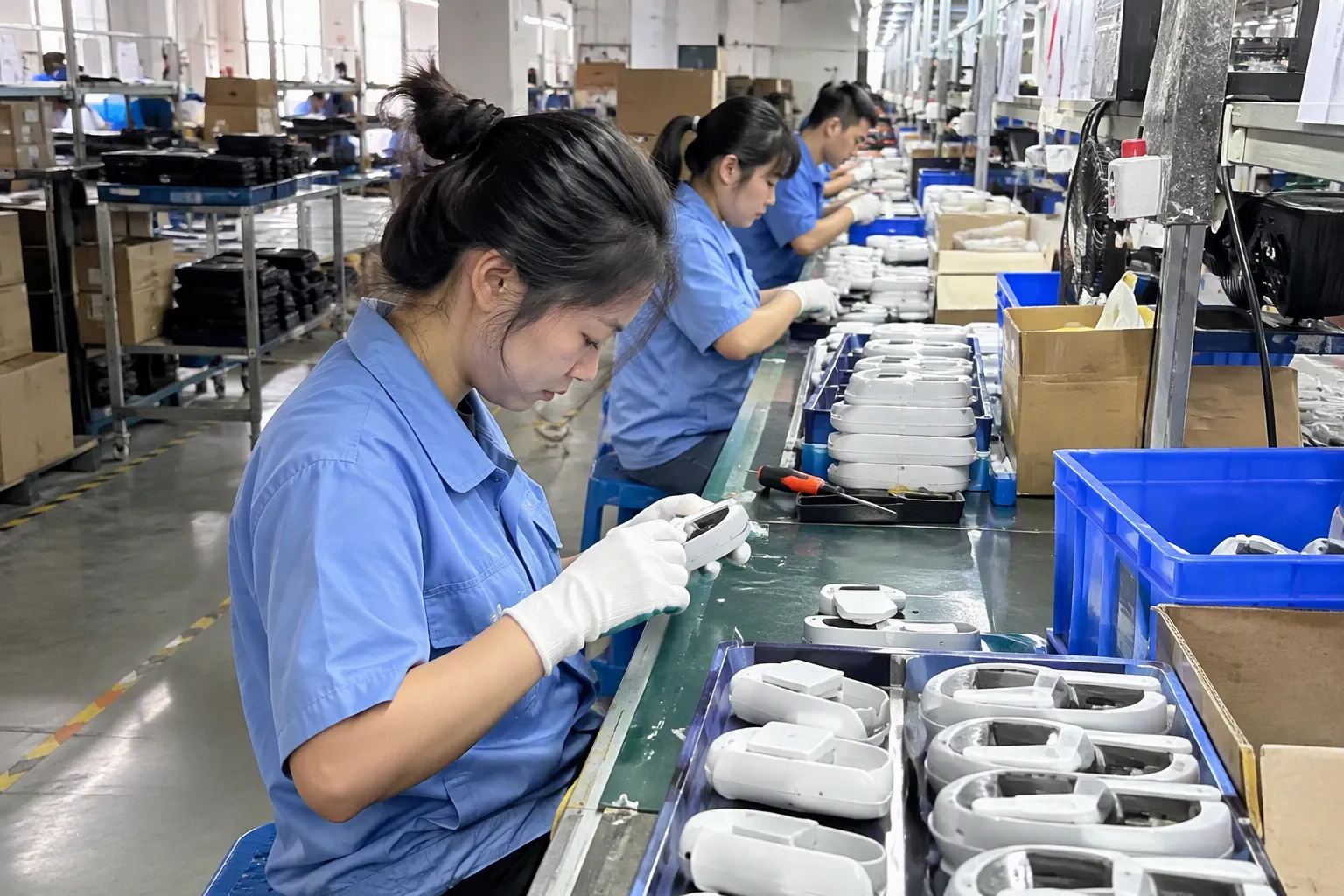
When helping overseas buyers compare suppliers, we often see the same mistake: buyers choose the factory that looks most impressive before they define what they actually need. A better process starts with the product task, then tests which supplier can execute it with acceptable cost, communication, quality control, and risk.
Small factory versus a large factory is not a quality contest
A small factory versus a large factory can create a false choice. Buyers may assume a large factory has better quality controls, while others assume a small factory will be cheaper and easier to work with. Both assumptions can lead to costly supplier decisions when they are not tested against real project requirements.
A small factory versus a large factory is not a quality contest because quality depends on the product, materials, process control, inspection standards[2], and the supplier’s willingness to manage your order carefully. A factory of any size can be a poor fit if its MOQ, communication process, sample workflow, or production priorities do not match your buying stage.
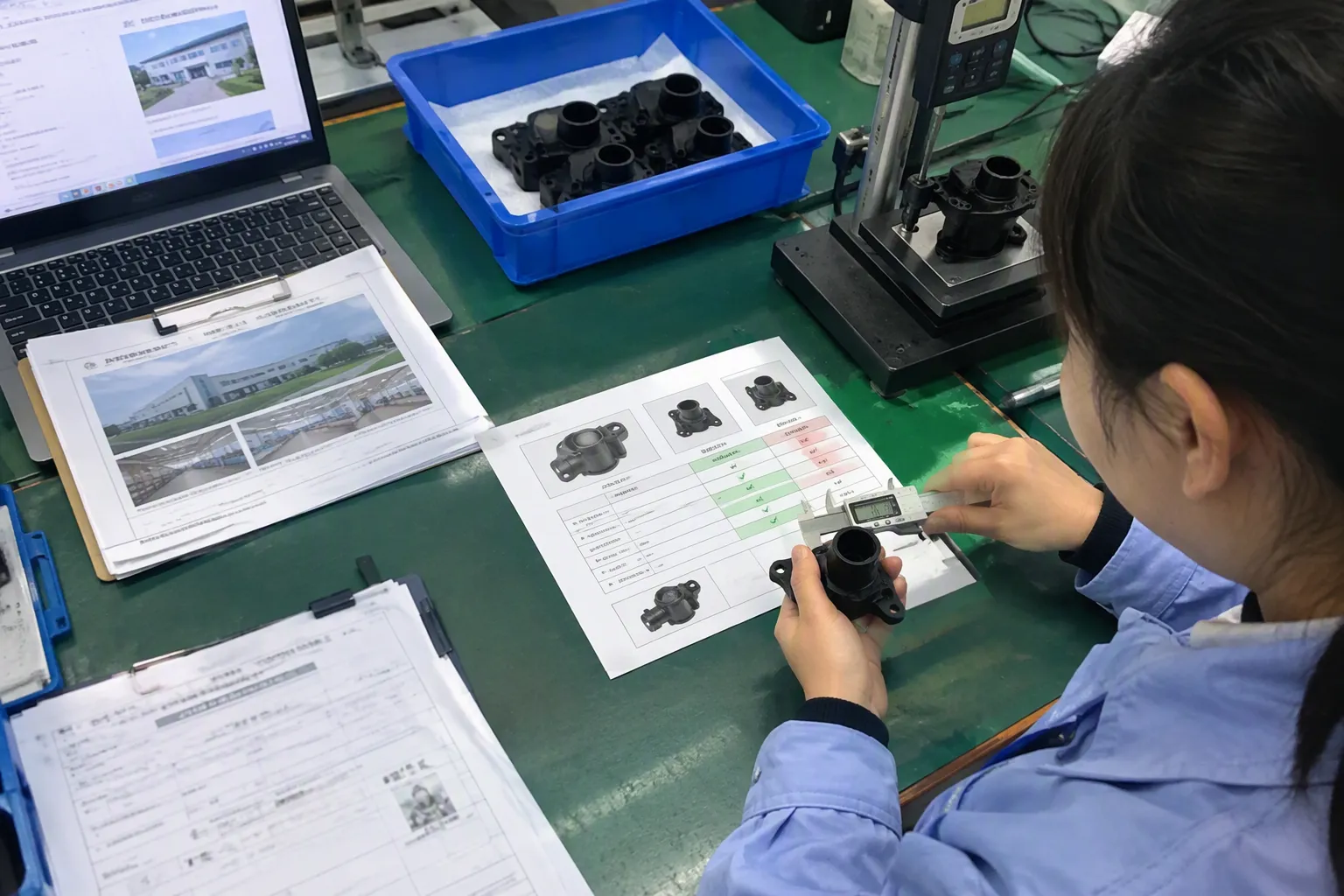
The practical question is not, “Which factory is better?” The more useful question is, “Which factory is better prepared for this specific order?” That distinction matters whether you are launching a private-label product, testing an e-commerce item, developing custom packaging, or placing repeat wholesale orders.
Start with the job, not the factory profile
Before I compare a small factory vs large factory in China for a buyer, I first clarify the job the supplier must do. Many buyers approach factories with a broad request such as, “Please quote this product.” That may produce prices, but it does not reveal whether the supplier can manage the complete project.
Your supplier requirements will differ depending on whether you need:
- A small test order for a new product idea
- A sample revision before a marketplace launch
- A private-label product with logo, packaging, inserts, and labeling
- A customized product requiring new materials, molds, colors, or components
- A repeat order where consistency and delivery planning matter most
- A multi-SKU purchase that requires consolidation from several suppliers
- A product requiring 1-by-1 checking, functional testing, or specific packaging inspection
For example, a buyer launching a first product may need more help with samples, artwork confirmation, packaging coordination, and clear communication. A supplier that handles large repeat programs well may not be interested in spending time on several small revisions. That does not make the supplier unreliable. It may simply mean its working model is not designed for early-stage development.
On the other hand, a smaller supplier may respond quickly and accept a lower-volume order, but that alone does not prove it can maintain consistency if your order grows. I would still check who manages production, how materials are sourced, whether key steps are completed in-house or outsourced, and how the supplier responds when a defect or specification issue is raised.
Factory size is one data point. It is not a substitute for supplier verification, sample confirmation, or pre-shipment quality inspection[3].
What a large factory may offer—and where buyers should be careful
A large factory can be a sensible option when a buyer has stable specifications, predictable demand, and an order quantity that fits the factory’s normal production model. Larger operations may have more formal departments for sales, engineering, purchasing, production scheduling, quality control, and export documentation.
However, buyers should not treat those possible advantages as guarantees. A polished presentation, a large workshop, or a detailed company profile does not confirm that your order will receive close attention.
When we help overseas buyers review large suppliers, we often pay attention to the practical details behind the sales process:
- Does the supplier answer product questions clearly?
- Does the quotation identify materials, specifications, packaging, and exclusions?
- Does the MOQ apply to the product, color, logo, packaging, or each SKU?
- Does the supplier explain sample charges and sample lead times?
- Does the supplier identify what is customized and what is standard?
- Does the supplier accept reasonable quality requirements?
- Does the supplier explain how it will handle a production issue?
A large factory may have a structured system, but a small buyer can still become a low-priority account[4]. This can affect response speed, willingness to revise samples, flexibility around mixed colors or SKUs, and the level of attention during production.
That does not mean buyers should avoid large factories. It means they should test whether the factory’s account management process fits their project.
| Evaluation area | Possible strength of a large factory | Buyer question to verify |
|---|---|---|
| Repeat production | May have established planning and production routines | Can the factory reserve capacity for our expected order schedule? |
| Documentation | May provide more formal quotations and internal processes | Are the documents specific to our product rather than generic? |
| Product consistency | May have experience with standardized products | What controls apply to our exact material, color, packaging, and specification? |
| Custom development | May have technical resources for some projects | Is our project large enough to receive engineering support? |
| Communication | May have dedicated sales staff | Who will own the project after the order is confirmed? |
| MOQ | May prefer higher-volume production | Can MOQ be separated by product, color, logo, and packaging component? |
A buyer should also distinguish between a factory that manufactures the product and a company that coordinates production through other facilities. Neither model is automatically wrong. The important point is transparency. If production is outsourced, buyers should understand who controls quality, where the product is made, and who is responsible for defects or delays[5].
What a small factory may offer—and where buyers should be careful
A small factory may be more suitable for an early product test, a specialized item, a lower-volume customized order, or a project needing frequent adjustments. Some smaller suppliers can move quickly because decision-making is close to the owner, production manager, or workshop team.
This can be useful when a buyer needs to discuss:
- A revised logo position
- A new color sample
- A packaging change
- A lower trial quantity
- A mixed-SKU order
- A product improvement before repeat production
- A practical workaround for a component or material issue
Still, flexibility should be tested, not assumed. Some smaller factories may have limited equipment, limited cash flow, inconsistent material sourcing, or a heavy dependence on a few key workers[6]. Others may quote aggressively at first and later add costs for packaging, tooling, color matching, export cartons, or quality requirements.
When I compare a small factory vs large factory in China, I look closely at how each supplier handles basic commercial questions. A reliable response does not need to be long or polished. It does need to be clear.
A smaller supplier may be a better fit when it can explain:
- What is included in the quoted price
- Which parts of the order require a separate MOQ
- How the sample process works
- Who approves product changes
- How production quality is checked
- What happens if the sample differs from the production result
- Whether the supplier can support packaging, labels, and export cartons
Buyers should also avoid confusing friendliness with capability. Fast replies on WhatsApp or email can be helpful, but they do not confirm product quality or production control[7]. I would still request samples, compare specifications, verify the supplier’s business information, and use an inspection plan that reflects the product’s risks.
| Evaluation area | Possible strength of a small factory | Buyer question to verify |
|---|---|---|
| Flexibility | May be more open to smaller or mixed orders | Can the factory confirm the workable MOQ in writing? |
| Sample revisions | May make decisions quickly | Who will implement and approve the revision? |
| Customization | May support simple changes more readily | Which changes are in-house, and which require outside suppliers? |
| Communication | May offer direct access to decision-makers | Is there a clear contact person during production? |
| Pricing | May have lower overhead in some cases | Does the quote include all packaging, materials, and processing costs? |
| Scalability | May grow with the buyer | What happens if order volume increases substantially? |
Compare evidence of fit instead of marketing claims
The strongest small factory vs large factory in China comparison does not start with factory photos, employee counts, or broad claims about capacity. Those details may be useful context, but they cannot tell you whether the supplier will deliver your specific product correctly.
I recommend creating a supplier comparison sheet before you request final samples or place a deposit. This makes the decision more objective and helps buyers avoid being influenced by one low quote or one confident salesperson.
A practical scorecard can include the following areas:
| Comparison point | What to review | Why it matters |
|---|---|---|
| Product understanding | Does the supplier identify key specifications and unclear points? | It shows whether the supplier has read the brief carefully. |
| Quotation transparency | Are unit price, MOQ, packaging, tooling, and other charges separated? | It reduces later price surprises. |
| Sample process | Are sample cost, lead time, revision steps, and shipping terms clear? | Samples reveal how the supplier manages details. |
| Customization ability | Can the supplier explain logo, color, packaging, and product changes? | It tests operational coordination, not only sales promises. |
| Communication quality | Are answers direct, consistent, and complete? | Clear communication reduces remote management risk. |
| Verification results | Can business and factory information be independently checked? | Verification helps confirm the supplier relationship and operating model. |
| Quality planning | Can the supplier discuss inspection points and acceptable standards? | Quality expectations should be agreed before production. |
| Delivery planning | Does the supplier explain production lead time and key dependencies? | Lead time can be affected by materials, artwork, samples, and approvals. |
| Problem handling | Does the supplier give a practical answer about defects or delays? | Buyers need to understand accountability before an issue occurs. |
A quotation comparison should also be based on equivalent terms. One factory may quote a lower unit price because it uses different materials, thinner packaging, fewer accessories, a lower inspection standard, or a different trade term[8]. A lower price is not meaningful until the product specification is aligned.
For private-label projects, I would ask every supplier to confirm the same details:
- Product dimensions and materials
- Color reference or approved color standard
- Logo method and logo position
- Packaging format and artwork requirements
- Included accessories
- Master carton requirements
- Barcode, warning label, and carton mark needs
- Sample approval process
- Production lead time after approval
- Inspection standard and rework process
This process is especially important for Amazon sellers, DTC brands, and importers with compliance or packaging requirements. A supplier may be capable of making the product but not experienced in handling every part of the finished retail-ready order. That gap can create avoidable delays if it is discovered after production begins.
Use samples to test the supplier’s process
A sample is not only a product check. It is also a test of the supplier’s working method.
When buyers compare a small factory versus a large factory, they should observe how the supplier manages the sample journey from inquiry to delivery. A good sample process can reveal more than a factory brochure.
During sample development, I would review whether the supplier:
- Confirms the requested specification before making the sample
- Identifies unclear requirements instead of making assumptions
- Sends photos or videos at appropriate stages
- Explains deviations from the request
- Tracks revisions clearly
- Separates sample changes from final production approval
- Provides a realistic timeline rather than an optimistic promise
- Communicates any extra cost before proceeding
A sample that looks good in photos may still need physical review. Buyers should inspect material feel, color consistency, construction, fit, function, labeling, packaging, and included accessories. For product categories with technical, safety, electrical, food-contact, or regulated requirements, qualified professional evaluation may also be necessary. A sourcing agent or inspection provider can support practical checks, but buyers should seek appropriate specialists for application-specific testing, legal requirements, and market compliance decisions.
The same principle applies to documents. If a supplier provides certificates, test reports, or audit materials, buyers should verify the documents carefully. They should check the issuing organization, report scope, product model, date, and whether the document applies to the actual item being purchased. A document should not be treated as proof without review.
Plan supplier selection as a staged decision
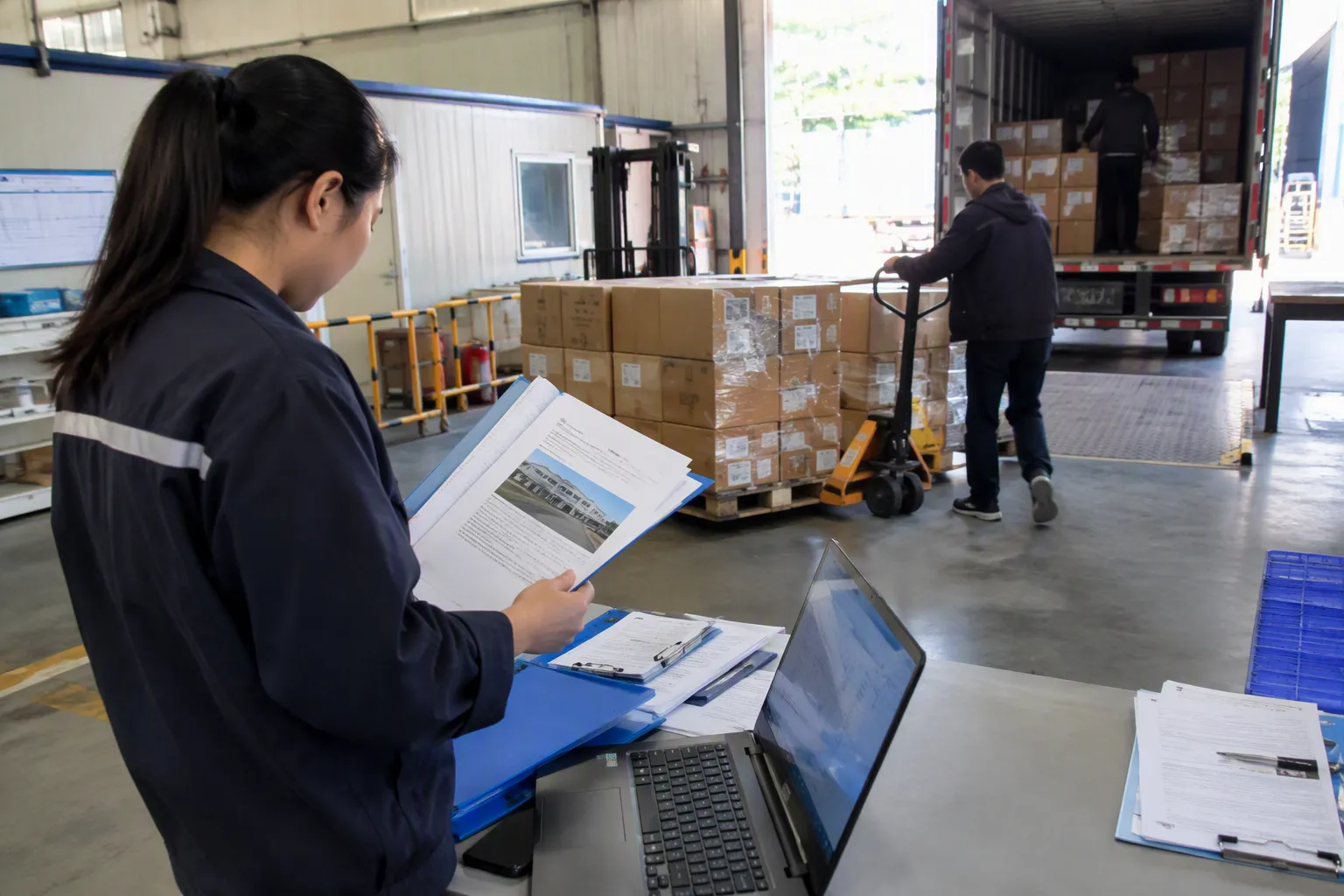
Many first-time buyers feel pressure to select one supplier quickly. In reality, a staged approach can reduce risk. You do not need to make a permanent supplier decision based only on the first quotation.
A more controlled approach may look like this:
-
Define the product brief.
Create a clear specification, target order quantity, packaging requirement, and expected delivery window. -
Shortlist suppliers.
Compare suppliers with different working models rather than contacting dozens without a plan. -
Request comparable quotations.
Give each supplier the same information and ask for clear price breakdowns. -
Verify the supplier.
Check business information, factory relationship, production scope, and relevant operational details. -
Order or review samples.
Use samples to validate both the product and the supplier’s communication process. -
Confirm the production specification.
Record approved materials, dimensions, colors, packaging, labels, and inspection requirements. -
Place a controlled first order.
Where practical, treat the first production order as a learning stage rather than assuming everything is proven. -
Inspect before shipment.
Use a pre-shipment inspection plan that reflects the product’s likely defects and your agreed standard. -
Review the supplier after delivery.
Assess communication, quality results, packaging accuracy, delivery timing, and problem handling before scaling.
This staged method works for both a small factory and a large factory. It helps buyers build evidence instead of relying on assumptions.
At KingSourcing, we often support this process by comparing quotations, checking supplier information, coordinating samples, following production, inspecting goods, and consolidating orders from multiple factories. The goal is not to push buyers toward one factory size. The goal is to make the purchasing decision more visible and manageable.
Frequently Asked Questions
Is a large factory in China always more reliable?
No. A large factory may have structured processes and greater production resources, but reliability depends on how it handles your particular order. Buyers should verify communication, quotation details, sample quality, production planning, quality controls, and accountability rather than relying on factory size alone.
Is a small factory in China better for low MOQ orders?
Not always. Some small factories may be open to lower-volume orders or mixed SKUs, but each supplier has its own MOQ, material purchasing limits, and production constraints. Buyers should ask for written MOQ terms covering the product, color, logo, packaging, and each variation.
How should I compare a small factory vs large factory in China for private label products?
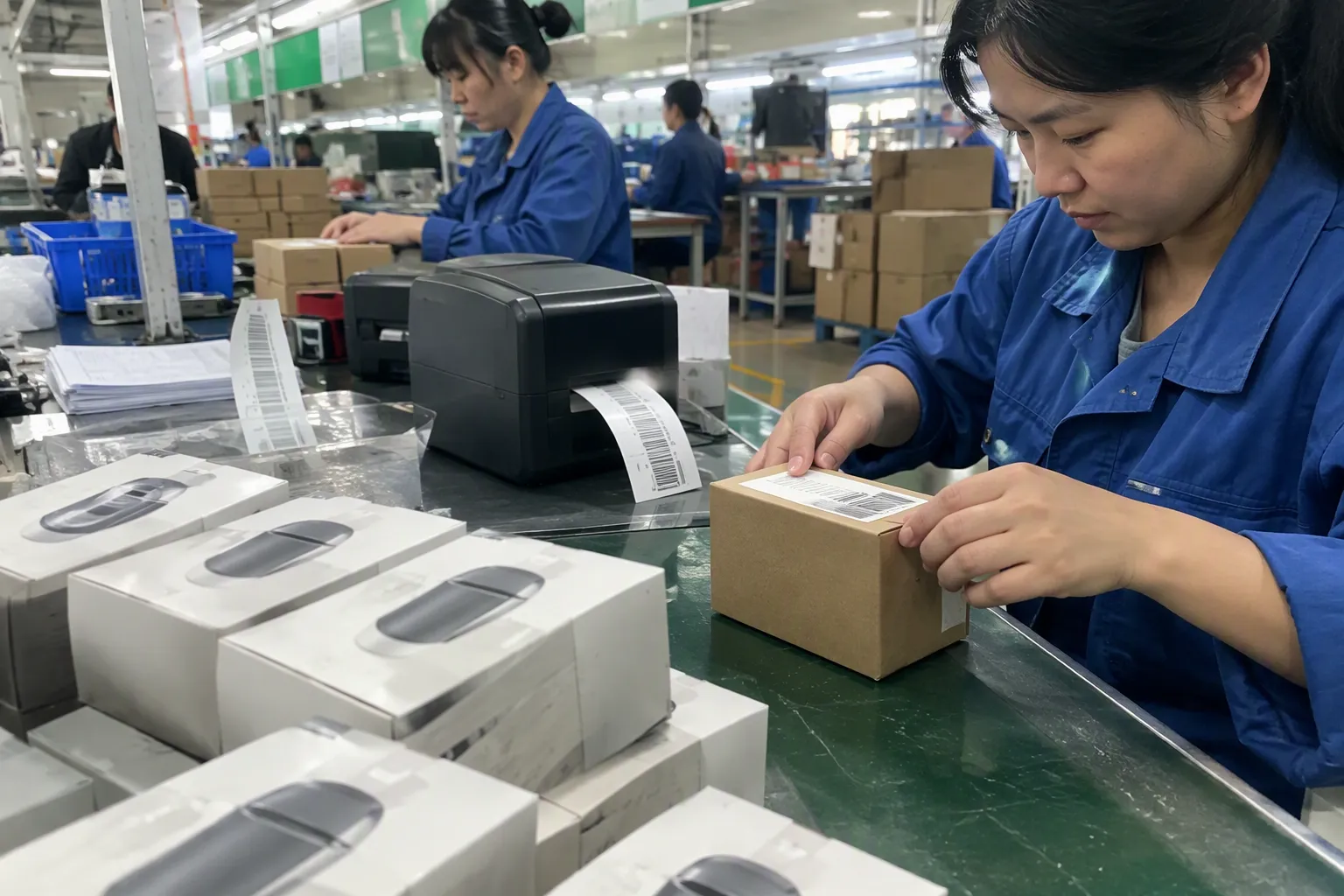
Compare their ability to manage your complete private-label brief. Review logo application, packaging, artwork coordination, labels, barcode requirements, sample revisions, quotation transparency, and quality inspection expectations. The right supplier is the one that can clearly manage the required steps at your current order volume.
Should I choose the lowest quotation from a China factory?
A low quotation can be useful, but it should not be the only decision factor. Compare equivalent specifications, materials, packaging, accessories, quality requirements, and shipping terms. A lower price may reflect omitted items or different assumptions that create extra cost later.
Can supplier verification replace a product inspection?
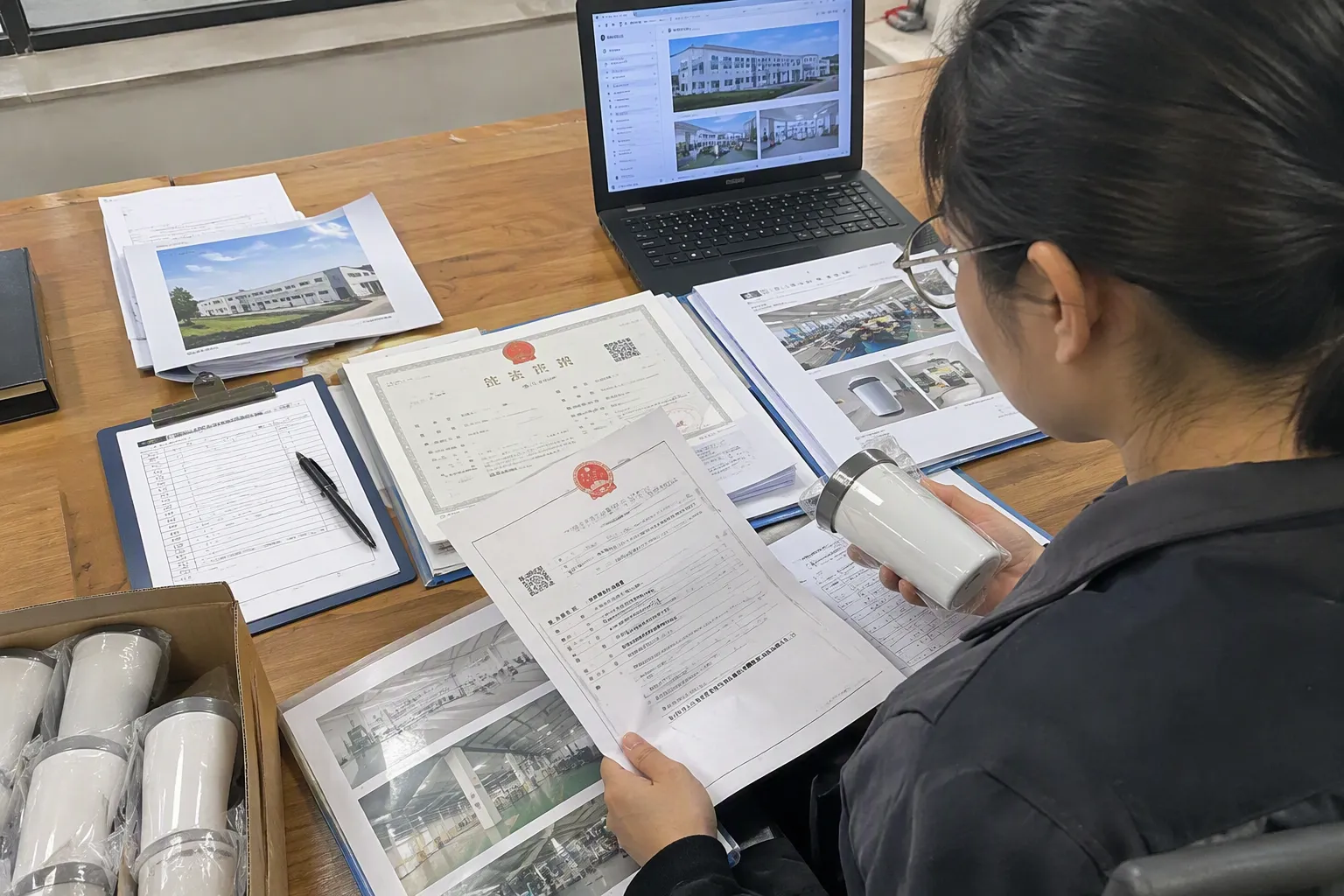
No. Supplier verification and product inspection serve different purposes. Verification helps buyers understand the supplier and its operating model. Inspection checks the finished goods against agreed requirements. Buyers usually benefit from both steps, especially for new suppliers or customized products.
Conclusion
A small factory vs large factory in China decision should be based on fit, not stereotypes. Large suppliers may suit stable, repeat purchasing programs, while smaller suppliers may suit certain test orders, customized projects, or lower-volume launches. Neither option automatically delivers better quality, lower prices, or smoother communication. I recommend defining your product requirements, comparing like-for-like quotations, verifying suppliers, approving samples, and using staged purchasing before scaling. If you need practical support comparing China suppliers, KingSourcing can help you evaluate options, manage samples, inspect production, and coordinate delivery.
Sources
- [PDF] Sustainable Procurement - Public Documents", Supplier-selection research generally evaluates vendors against multiple operational criteria—including quality, cost, delivery, capacity, and service—rather than treating firm size as a sufficient measure of suitability
- [PDF] 1C. Quality Assurance vs. Quality Control", Quality-management guidance describes product conformity as depending on defined requirements, controlled processes, monitoring, and verification activities, including inspection where appropriate
- Trade Guide: WTO PSI - International Trade Administration", Trade and conformity-assessment guidance recognizes pre-shipment inspection as a means of checking whether goods conform to specified contractual or regulatory requirements before export
- The relevance of lead prioritization: a B2B lead scoring model ...", Studies of buyer–supplier relationships report that a customer's purchase volume and strategic attractiveness can influence the attention and preferential treatment it receives from suppliers
- Due diligence essentials for responsible construction - OECD", Supply-chain due-diligence guidance emphasizes identifying business relationships and production arrangements so that risks, responsibilities, and corrective actions can be traced through the supply chain
- SMEs in more resilient, sustainable and circular supply chains - OECD", Research on small and medium-sized enterprises documents that access to finance, production capacity, supply-chain disruptions, and dependence on limited personnel can create operational vulnerabilities
- [PDF] THE ABC's OF THE U.S. CONFORMITY ASSESSMENT SYSTEM", Quality-assurance practice relies on objective evidence—such as documented controls, tests, measurements, and inspections—to evaluate conformity to specified requirements, rather than on supplier communications alone
- Know Your Incoterms - International Trade Administration", Incoterms rules allocate transport costs, risk transfer, and customs responsibilities differently between buyer and seller; quotations also require comparable specifications and inclusions to permit meaningful price comparison