Quick Answer
A China sourcing partner can help reduce returns when product expectations break down between your listing, your supplier, and your customer. Returns can quickly consume margin, damage reviews, and create dead inventory.[1] We help buyers turn vague expectations into approved samples, measurable requirements, and practical pre-shipment checks. **A China sourcing partner cannot eliminate returns, because some returns come from customer preference, listing accuracy, shipping damage, or product fit[2].
However, it can reduce preventable returns by aligning specifications before production, confirming samples, following up with suppliers, and inspecting the issues most likely to disappoint customers before goods leave China.**
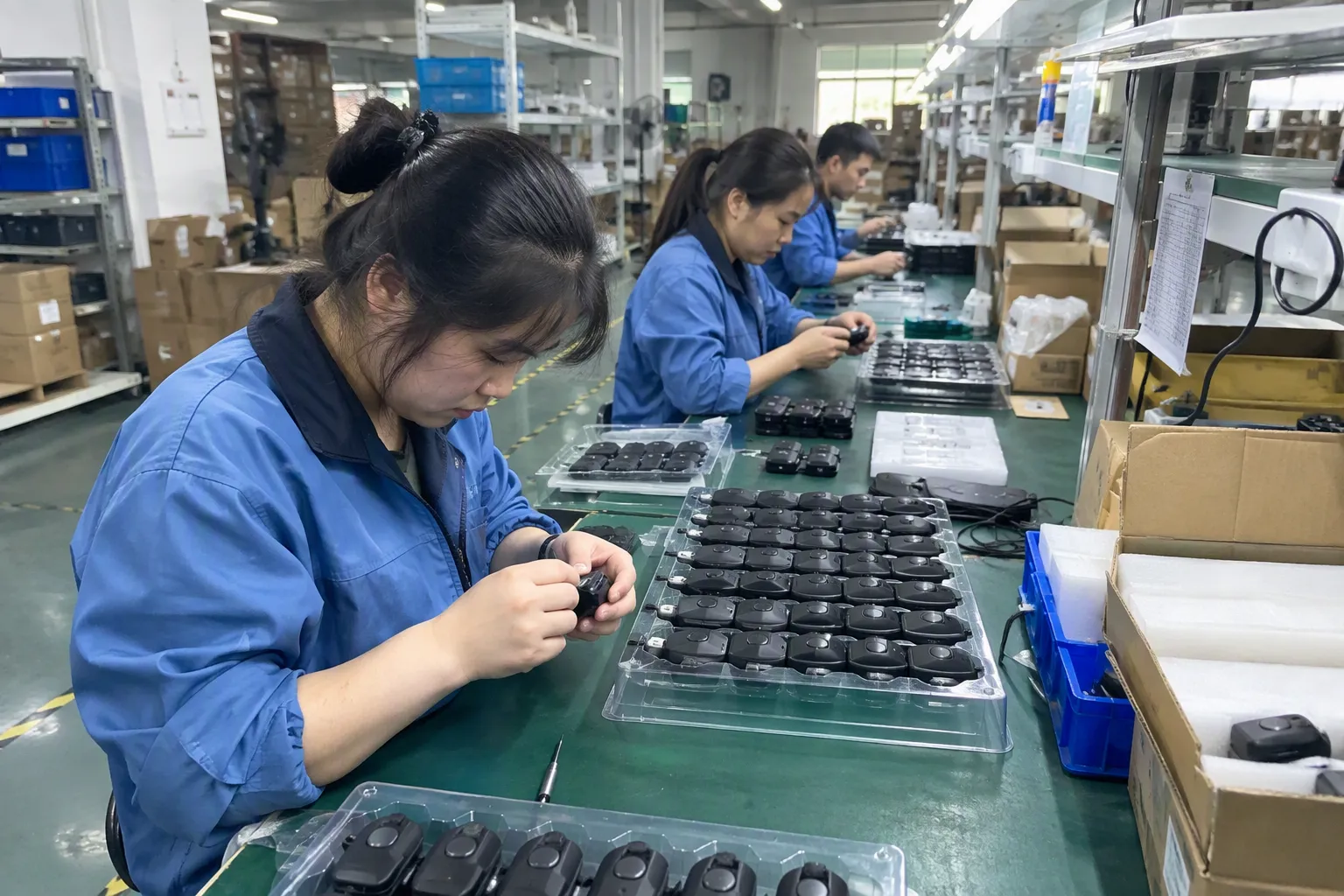
Return prevention does not start when a customer requests a refund. In our experience, it starts much earlier, often when a buyer writes a product brief, approves a sample, or assumes a factory understands what “good quality” means. That is where a structured sourcing process becomes useful.
How Can a China Sourcing Partner Reduce Preventable Returns by Turning Vague Expectations Into Checkable Requirements?
A seller may know exactly what they want in their head, but the supplier may receive only broad language[3] such as “premium,” “strong,” “easy to install,” or “like the photos.” That gap can create avoidable disappointment. A China sourcing partner helps expose and clarify those gaps before production begins.
A China sourcing partner helps reduce preventable returns by converting buyer expectations into specifications, sample checkpoints, packaging requirements, and inspection criteria that a supplier can confirm. The goal is not to promise a perfect product, but to identify likely customer disappointment points early enough for the buyer and factory to address them.
Returns Often Begin Before Production
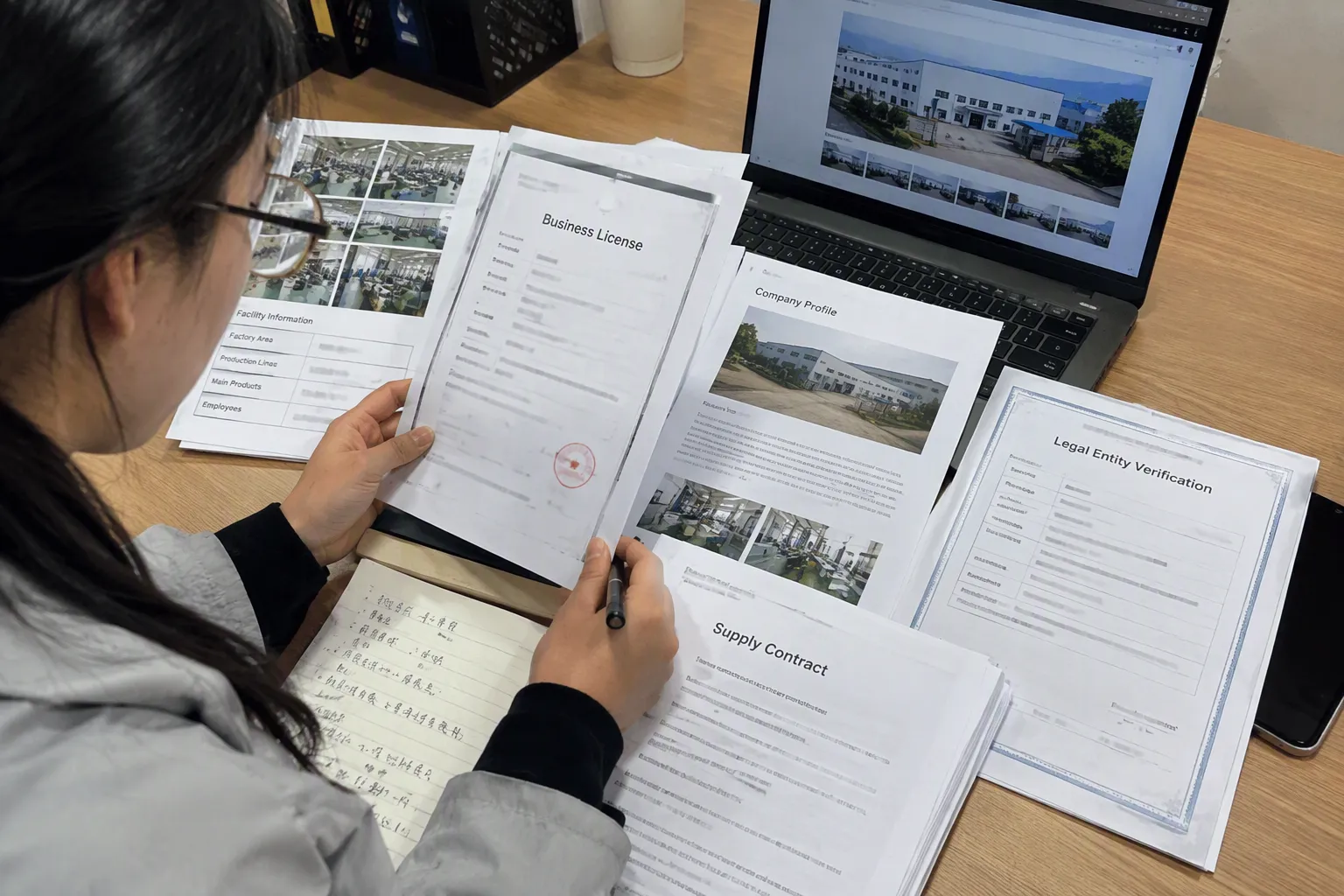
When sellers see a high number of returns, they may assume the factory made a poor-quality product. Sometimes that is true. However, we have found that many issues begin before the production line starts.
A product can be manufactured exactly as the factory understood it and still disappoint customers.[4] For example, a buyer may request a “durable travel organizer,” while the factory interprets durability as acceptable stitching and material thickness. The buyer may actually expect reinforced handles, a smooth zipper, no loose threads, a rigid internal structure, and packaging that prevents creasing.
Those are very different instructions.
A China sourcing partner can act as a practical communication layer between the overseas buyer and the supplier. We do not replace a product engineer, testing laboratory, or legal compliance advisor. Instead, we help buyers make commercial and quality expectations clearer, then ask suppliers to confirm what they can actually produce.
This process matters especially for:
- Amazon sellers and marketplace sellers managing review risk
- Private-label brands building repeatable products
- Importers buying from multiple factories
- Retailers with packaging and labeling requirements
- Businesses sourcing customized products for the first time
- Buyers who cannot visit Chinese factories during sampling or production
In our day-to-day supplier coordination, we often see simple words carry too much meaning. “Same as sample” may sound clear, but which part of the sample matters most? Color? Material feel? Weight? Function? Logo placement? Retail packaging? Accessories? Instructions?
Without clarification, the supplier may focus on the easiest visible details while missing the features that matter most to your customer.
Translate Product Language Into Supplier Language
A strong sourcing process starts with questions. We do not treat these questions as delays. We treat them as a way to reduce misunderstanding before money is committed to production.
For a consumer product, a buyer might say:
- “I need a more premium version.”
- “The product must match the listing.”
- “The packaging should look high-end.”
- “The item should be easy to use.”
- “I do not want cheap materials.”
- “The product needs to be durable.”
Each statement is commercially important. Yet none gives a factory a complete production instruction by itself.
A China sourcing partner can help separate the expectation into parts that are easier to discuss, quote, sample, and inspect.
| Buyer expectation | Questions to clarify | Possible checkable requirement |
|---|---|---|
| Premium feel | Which material, finish, thickness, weight, or texture creates that feeling? | Confirm material option, surface finish, logo method, sample weight, and packaging style |
| Durable | Durable against what kind of use? | Define likely stress points, stitching reinforcement, closure operation, or assembly requirements |
| Matches listing | Which listing claims must be accurate? | Match color, dimensions, included accessories, functions, and packaging contents |
| Easy to use | Who is the user and what is the expected setup? | Check assembly steps, button response, fit, instructions, and accessory compatibility |
| Retail-ready packaging | What must the customer receive? | Confirm carton, polybag, insert, barcode label, warning label, and logo placement |
We recommend keeping these requirements in a practical document. It does not need to be overly technical to be useful. A basic product specification sheet can include:
-
Product identity
Include model name, version, photos, reference links, and expected use. -
Materials and finish
Identify materials, colors, logo treatment, printing method, texture, and visible quality expectations. -
Dimensions and included items
List dimensions, tolerances where relevant, components, spare parts, manuals, and accessories. -
Function and assembly expectations
Describe how the product should operate, connect, open, close, fit, charge, or assemble. -
Packaging and labeling
Confirm unit packaging, inserts, barcode placement, carton marks, warning labels, and bundle configuration. -
Known customer disappointment points
Identify the issues most likely to trigger a return, negative review, or support complaint.
That last point is often the most valuable. If customers are likely to return an item because a zipper feels rough, a cable is too short, a color is noticeably different, or a lid does not close smoothly, those issues should not be buried in a generic quality-control checklist.
Use Sample Approval as a Real Decision Gate
We believe sample approval deserves more attention than it often receives. A sample is not merely a formality before placing a purchase order.[6] It is the buyer’s clearest opportunity to decide whether the factory’s interpretation matches the intended customer experience.
A China sourcing partner can coordinate sample development, communicate revisions, compare supplier feedback, and help document approved details. However, the buyer should still review the sample against the actual sales promise and likely customer use.
For many e-commerce sellers, the sample should answer a basic question:
If this exact item arrived at our customer’s door, would it meet the expectations created by our listing, price point, and brand positioning?
That question is more useful than simply asking whether the sample “looks good.”
What to Review Before Approving a Sample
The right review points vary by product. Still, we encourage buyers to consider the following areas.
| Review area | Why it affects returns | Practical sample check |
|---|---|---|
| Appearance | Customers notice color, finish, logo position, and visible defects immediately | Compare with approved photos, artwork, and intended listing images |
| Product function | A product that does not operate as expected may create immediate dissatisfaction | Test normal use steps and confirm basic functions |
| Fit and compatibility | Incorrect dimensions or unsuitable fit can drive avoidable returns | Measure relevant dimensions and test with intended compatible items where possible |
| Material feel | Perceived value often depends on texture, weight, rigidity, and finish[7] | Handle the product and compare material choices or reference samples |
| Included contents | Missing accessories or unclear bundles cause buyer confusion | Count every component and verify insert or manual content |
| Packaging | Damaged, confusing, or low-quality packaging can affect first impressions | Review unit box, protective material, labels, and opening experience |
We also recommend documenting sample approval. A clear approval record may include dated photos, approved artwork, color references, packaging files, measurements, and written comments. The point is not to create unnecessary paperwork. The point is to reduce the risk that the factory, buyer, and inspection team are all working from different assumptions.
In our work, we have seen buyers approve a sample based on a few attractive photos, then later discover that they did not check the accessory set, packaging details, print alignment, or product feel. Those details may not stop production, but they can affect whether the final product feels consistent with the listing.
For higher-risk products or claims that require technical validation, buyers should consult a qualified product specialist, testing provider, or compliance professional. A sourcing partner can coordinate communication and documentation, but it should not claim to replace those experts.
Build Inspection Around Real Return Risks
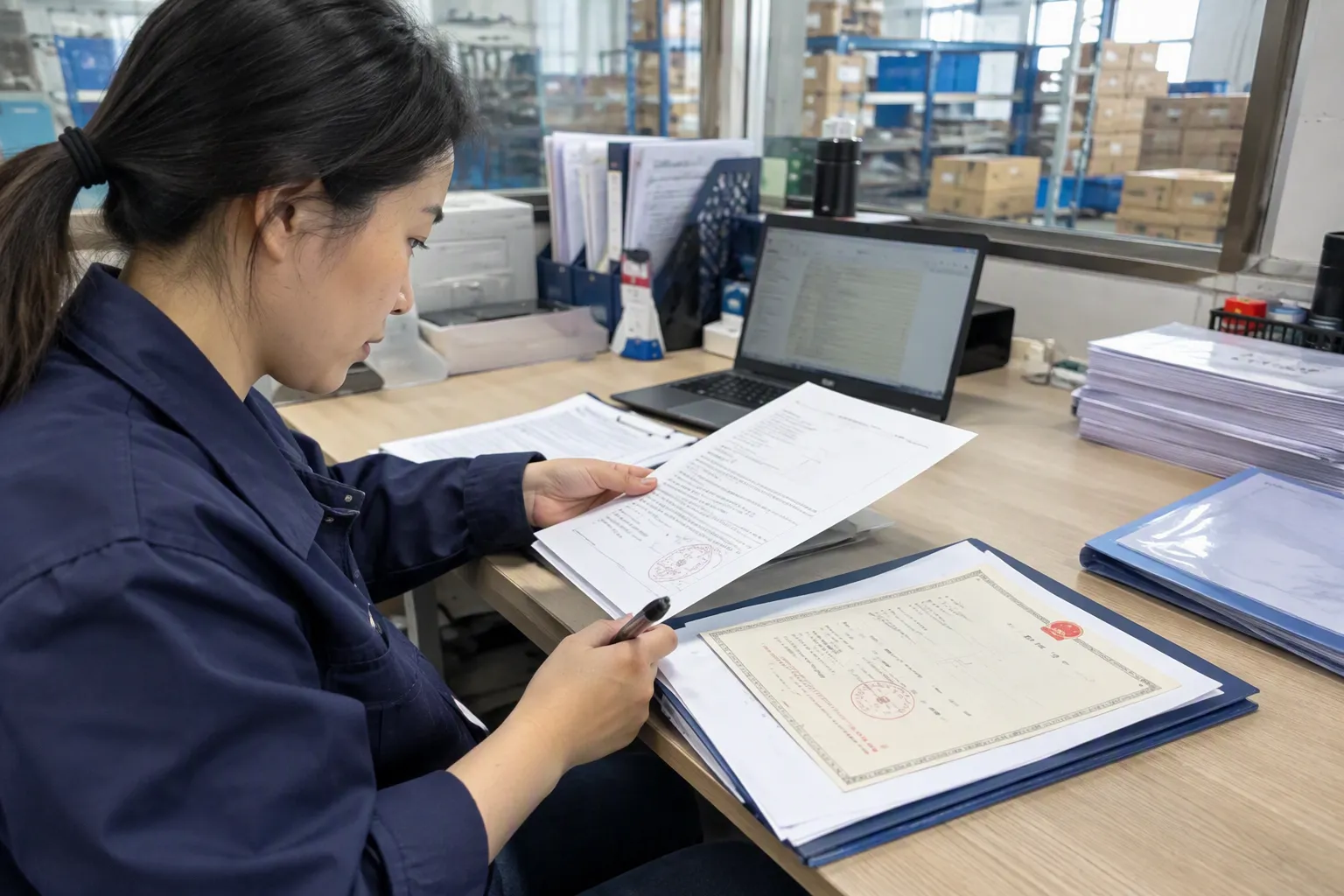
Inspection is often described too broadly. Some buyers hear “quality inspection” and assume it covers every possible problem. In reality, an inspection is only as useful as the criteria behind it[8].
Generic checks may identify obvious concerns such as damaged products, incorrect quantities, visible defects, or carton issues. Those checks are valuable. Yet they may not catch the specific reasons your customers would return the product.
A China sourcing partner can help create a more relevant pre-shipment inspection plan by asking what customers are most likely to notice, misunderstand, or dislike.
For example, a standard inspection may confirm that a product is present, assembled, and packed. A return-risk-focused inspection may also check whether:
- The correct accessories are included in every set
- The actual color is reasonably consistent with the approved sample
- A logo is positioned correctly and printed clearly
- The product opens, closes, or connects as expected
- A key component feels loose or poorly aligned
- Dimensions match the agreed requirement
- The outer packaging protects the product adequately
- Labels, barcodes, and bundle quantities match the buyer’s instructions
- The instruction insert reflects the product version being shipped
The goal is not to inspect every unit in every order. The right approach depends on the product, order size, production process, budget, and risk level. For some products, 1-by-1 checking may be appropriate. For others, a defined sampling approach may be more practical. We discuss the inspection scope with the buyer rather than presenting a generic check as a guarantee.
A Practical Return-Risk Checklist
Before inspection, we encourage buyers to identify the top reasons a customer might request a return. This list can guide the inspection focus.
| Likely customer complaint | Pre-shipment check to consider |
|---|---|
| “It does not look like the photos.” | Compare key visual features with approved sample and artwork |
| “It feels cheap.” | Review visible finish, material selection, sharp edges, loose parts, and assembly quality against approved sample |
| “Parts were missing.” | Confirm contents, accessories, inserts, and bundle quantity |
| “It is the wrong size.” | Measure critical dimensions and check labels or variant markings |
| “It arrived damaged.” | Review packaging, internal protection, carton condition, and packing method |
| “It does not work as expected.” | Perform agreed functional checks on relevant units within the inspection scope |
| “The instructions are confusing.” | Check that the correct insert, language version, and product version are packed together |
This approach does not eliminate the possibility of defects or customer dissatisfaction. It does make the inspection more connected to the commercial reality of selling the product.
Correct Discoverable Problems Before Shipment
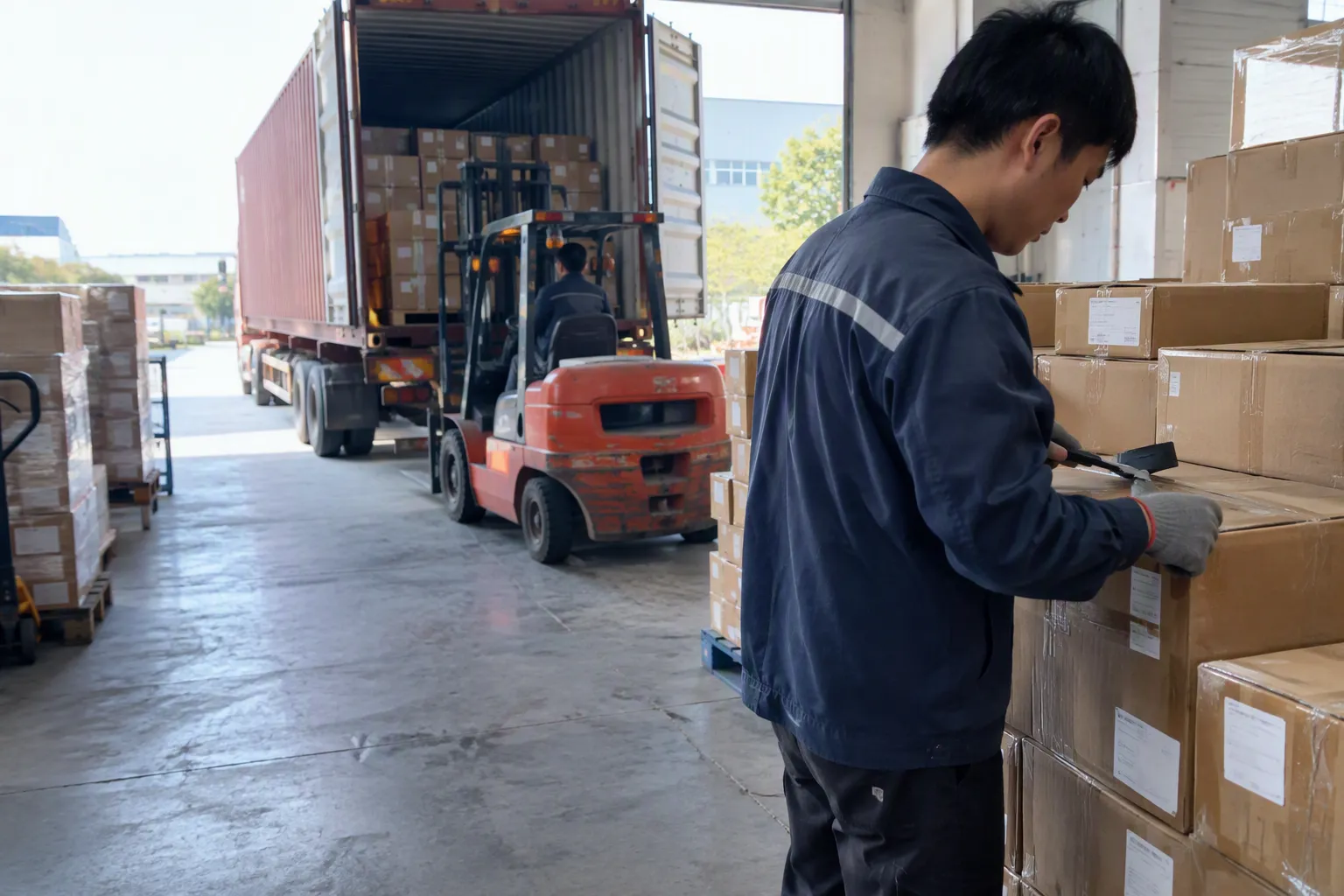
The best time to find a correctable issue is before the order leaves the factory. Once products are in transit, stored in a fulfillment center, or delivered to customers, the available options become more expensive and more limited.
A China sourcing partner can support production follow-up and pre-shipment issue communication. If an issue is found, we can help document it with photos, video where appropriate, quantities, and clear descriptions. We can then ask the supplier what correction options are available before shipment.
Possible actions may include:
- Reworking incorrect logo placement or packaging labels
- Replacing visibly damaged units
- Repacking products with better protection
- Sorting products by color, size, or variant
- Adding missing accessories or inserts
- Correcting carton marks or shipping labels
- Holding shipment while the buyer reviews a material or assembly concern
The available solution depends on timing and the nature of the issue. Some problems can be corrected quickly. Other problems may require the buyer to make a commercial decision about rework, replacement, discounting, delayed shipment, or acceptance of a defined deviation.
We do not recommend treating every issue as a factory dispute. A useful process focuses on evidence and decisions. If the approved sample, specification, and inspection criteria are clear, it is easier for both buyer and supplier to discuss what happened and what should be done next.
This is also why production follow-up can matter. Waiting until the final inspection may be too late for certain issues, especially if they involve packaging printing, customized materials, product molds, or a large batch already completed. Early communication can give buyers more options.
Keep Listings, Product Reality, and Packaging Aligned
A sourcing process can reduce certain product-expectation mismatches, but it cannot control every reason for a return. Sellers also need to examine their listing, product positioning, shipping method, customer audience, and support process.
For example, a product may meet the approved sample but still receive returns if:
- The listing images make the product appear larger than it is
- The copy overstates performance or compatibility
- The customer ordered the wrong variant
- The item was damaged during final-mile delivery
- The customer changed their mind
- The product is not appropriate for the customer’s specific use case
- Instructions are incomplete or difficult to understand
A China sourcing partner should not promise to solve these issues. However, we can help buyers reduce the gap between what is sold and what is shipped by checking the physical product, packaging, labels, and included contents against the buyer’s confirmed instructions.
For marketplace sellers, this alignment is especially important. The buyer should ensure that product photos, dimensions, variants, accessories, and product claims accurately reflect the approved production version. When a supplier changes a component, packaging detail, or material during development, the buyer may also need to update the listing or reject the change.
A simple internal review before shipment can help:
- Does the final product match the approved sample closely enough for our intended positioning?
- Do the packaged contents match what the listing says the customer receives?
- Are our dimensions, colors, materials, and compatibility claims accurate?
- Does the packaging protect the product during normal handling?
- Have we identified and accepted any production deviations before shipping?
Choose a Sourcing Partner Based on Process, Not Promises
Not every sourcing provider works in the same way. Buyers should be cautious when a service provider promises “zero defects,” “no returns,” or guaranteed results without understanding the product and sales channel.
A credible China sourcing partner should be able to explain what each step does and does not cover.
| Service step | Risk it can help address | What buyers should ask |
|---|---|---|
| Supplier sourcing | Poor supplier fit or limited manufacturing capability | How are suppliers compared and verified? |
| Factory verification | Basic visibility into supplier identity, operations, and stated capability | What information is checked, and what is not independently verified? |
| Sample coordination | Misunderstood product requirements | How are revisions, approvals, and changes documented? |
| Production follow-up | Late discovery of changes or production concerns | When does the team communicate with the factory? |
| Pre-shipment inspection | Discoverable defects, packing errors, and requirement mismatches | What exact checkpoints will be inspected? |
| Consolidation | Mixed-SKU errors and shipment complexity | How are products counted, labeled, and separated? |
| Shipping coordination | Packing and document alignment before dispatch | What is confirmed before cargo leaves the warehouse? |
At KingSourcing, we support overseas buyers with supplier communication, quotation comparison, sample development, production follow-up, inspection, packaging, consolidation, and shipping coordination from Shenzhen. Our role is practical: we help bring structure to a process that can otherwise rely too heavily on assumptions.
We encourage buyers to provide as much useful information as possible. Reference samples, competitor links, product photos, packaging files, expected customer complaints, and listing drafts can all help us ask better questions before production starts.
China Sourcing Partner FAQs
Can a China sourcing partner guarantee lower return rates?
No. A China sourcing partner cannot guarantee lower return rates because returns can result from customer preference, listing inaccuracies, shipping damage, pricing expectations, and other factors outside factory control. We can help reduce preventable sourcing-related mismatches through clearer specifications, samples, supplier coordination, and relevant inspection checks.
What should I tell my sourcing partner before production starts?
You should share your product brief, target market, intended sales channel, approved artwork, packaging requirements, product photos, dimensions, accessories, and likely customer disappointment points. We also recommend sharing any concerns from previous product versions, customer reviews, or supplier samples so the requirements can be clarified early.
Is a pre-shipment inspection enough to prevent product returns?
A pre-shipment inspection is useful, but it is not enough on its own. Inspection works best when it follows clear specifications and approved samples. If the buyer never defined the correct color, material feel, accessory set, or function, an inspector may not have a reliable standard to check.
Should I approve a sample before placing a larger order?
In most cases, yes. Sample approval gives you a chance to assess the product, packaging, accessories, and customer experience before mass production. You should review the sample against your actual listing and intended price point, not only against the supplier’s photos or general description.
Can a sourcing partner inspect customized packaging and labels?
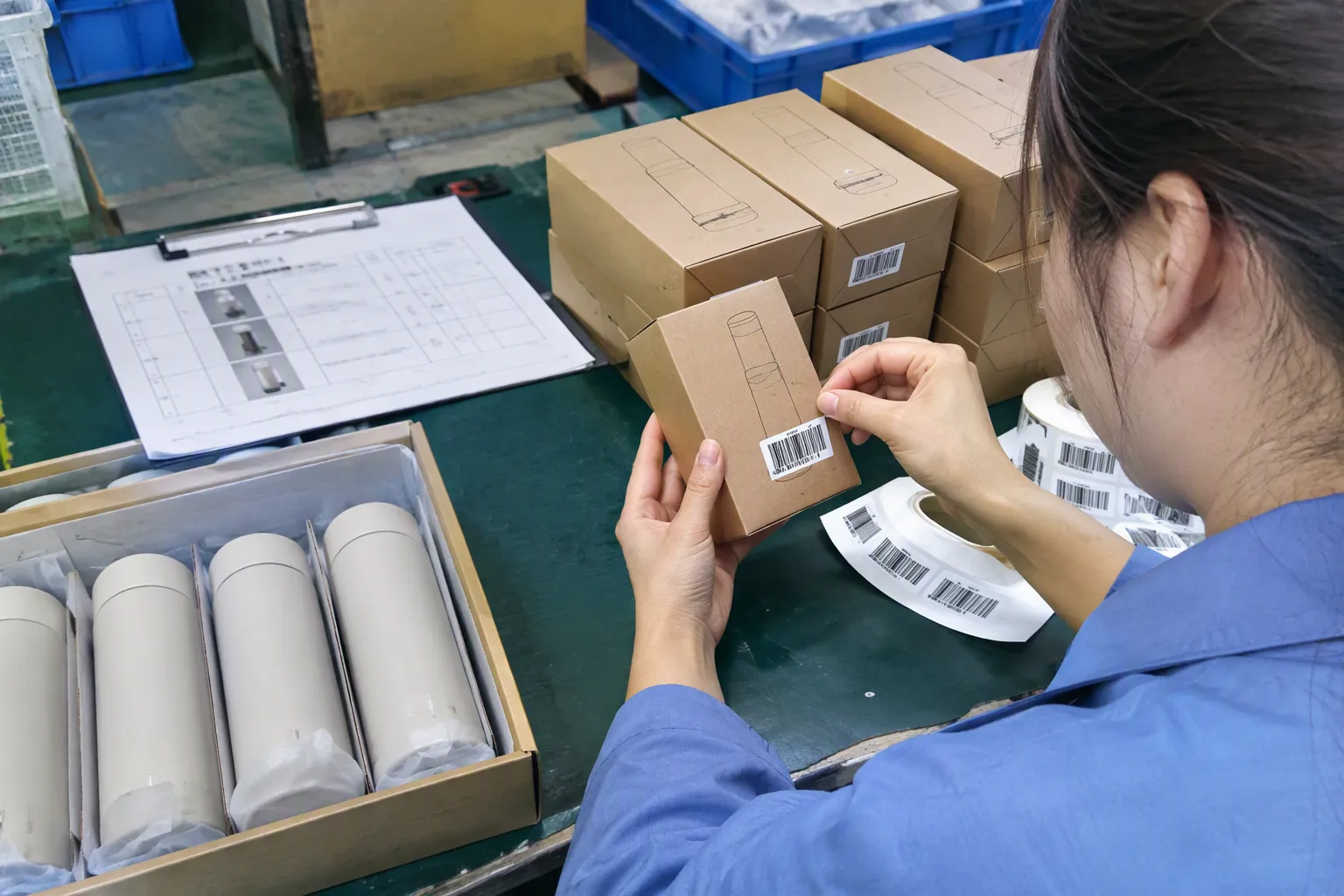
Yes, packaging and labeling can be included in the inspection scope when buyers provide approved files and clear requirements. We can check visible elements such as logo placement, barcode labels, inserts, carton marks, and bundle configuration. Buyers should verify any market-specific legal, safety, or compliance requirements with qualified professionals.
Conclusion: Reduce Preventable Returns With a China Sourcing Partner
A China sourcing partner cannot eliminate returns, but it can help you prevent avoidable product-expectation mismatches before goods reach customers. Clear specifications, meaningful sample approval, production follow-up, and return-risk-focused inspection all create more control than a generic “quality check.” At KingSourcing, we help overseas sellers turn product requirements into practical supplier instructions, inspection points, and shipment-ready orders. Contact us to discuss your product brief, sourcing risks, and China procurement workflow.
Sources
- Retailer Inventory and Pricing Behavior During Supply ...", Retail-return research documents that returned merchandise can generate processing and recovery costs and complicate inventory disposition, although the magnitude of these effects varies by retailer, product category, and return channel
- Consumer Buying Behavior & Returns | Why Shoppers ...", Studies of consumer and e-commerce returns identify fit and expectation mismatches, inaccurate or incomplete product information, changed preferences, and damage as recurring reasons for return behavior; their relative importance differs across products and markets
- Supply chain collaboration: A literature review and ...", Supply-chain and quality-management literature describes incomplete or ambiguous buyer requirements as a source of interpretation differences and avoidable quality problems in buyer–supplier relationships
- Does quality stimulate customer satisfaction where perceived ...", Quality-management frameworks distinguish conformance to stated requirements from fitness for use and customer-perceived quality, so a product can meet an interpreted specification yet fail to satisfy user expectations
- NPR 7123.1B NASA Systems Engineering Processes and ...", Systems-engineering guidance commonly treats verifiability as a core attribute of a usable requirement: the requirement should be stated clearly enough that objective confirmation can be planned and performed
- Manufacturing and Quality | www.waru.edu", Manufacturing quality-assurance practice uses pre-production samples to review agreed product attributes and identify discrepancies before full-scale production, when changes are generally easier to implement
- Seeing as Feeling? The Impact of Tactile Compensation ...", Consumer research finds that tactile and visual cues such as material texture, weight, and surface finish can influence perceived product quality and value, particularly when buyers have limited objective performance information
- Contents - National Institute of Standards and Technology", Quality-control standards and guidance describe inspection as a planned evaluation against specified characteristics and acceptance criteria; without such criteria, inspection results are less consistent and less informative