Quick Answer
China sourcing for restaurant and hotel supplies can reduce purchasing costs, but a low factory quote does not automatically create a good buying decision. Restaurant owners and hotel operators also face material, durability, packaging, shipping, inspection, and delivery risks. I believe the safer approach is to assess the use case first, then compare the complete landed cost before placing a larger order.
China sourcing for restaurant and hotel supplies is worthwhile when the product category, supplier capability, quality requirements, and total landed cost are properly evaluated. Buyers should compare more than factory prices. They should review specifications, samples, packaging, inspection, shipping, import requirements, and replacement risk before committing to production.
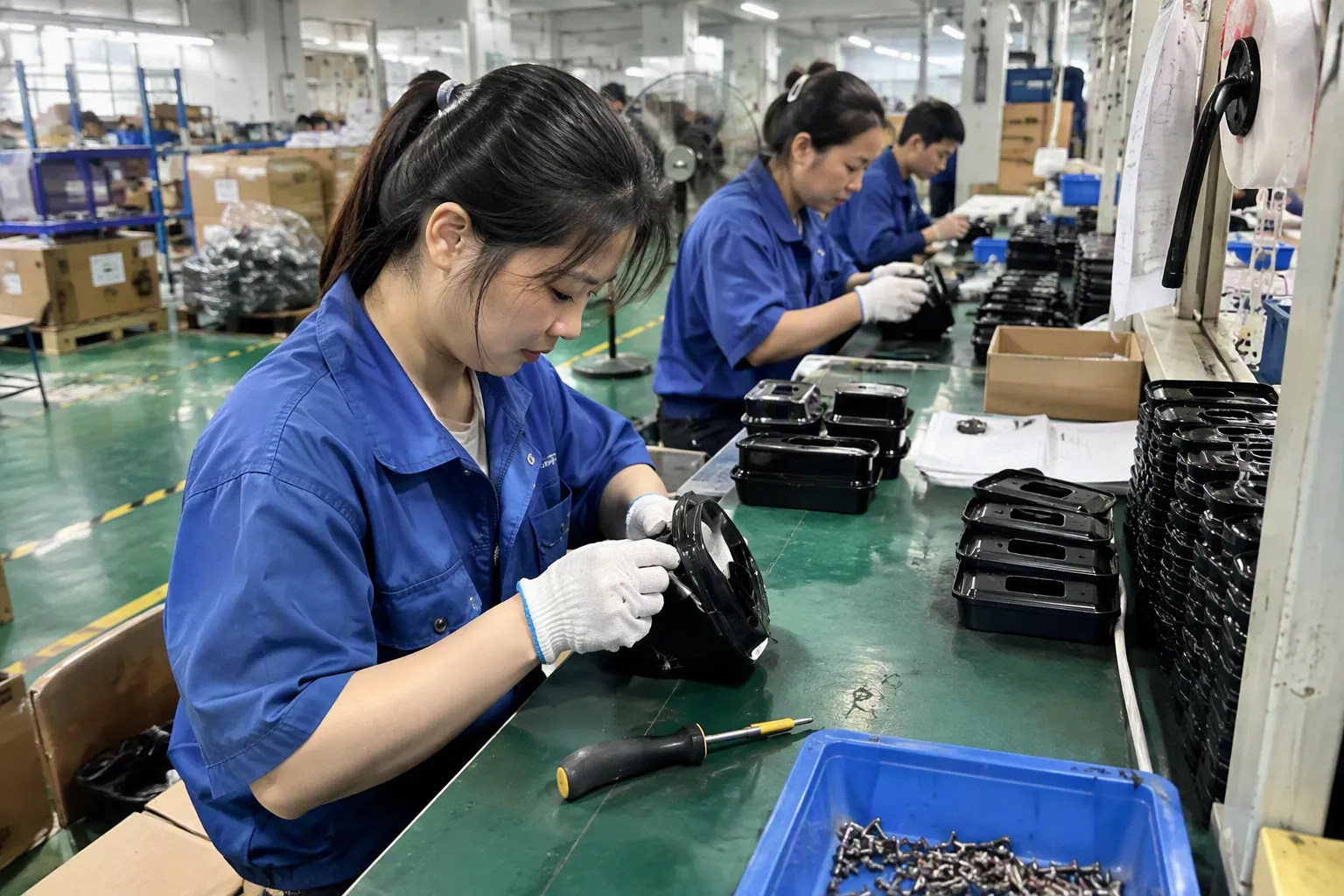
A restaurant or hotel may source tableware, guest-room accessories, kitchen tools, storage products, uniforms, packaging, signage, or other operating supplies from China. However, each category has different commercial and compliance considerations. I use a staged process to separate products that are suitable for China sourcing from products that need more specialist evaluation.
How Should Buyers Approach China Sourcing for Restaurant and Hotel Supplies?
The main problem is that many buyers begin with a product catalog or a low quotation. That approach can create false savings. A cheaper item may have weaker materials, unsuitable dimensions, poor packaging, or a long replacement cycle. I recommend starting with the operating environment and the complete cost of receiving an acceptable product.
Buyers should approach China sourcing for restaurant and hotel supplies as a staged procurement decision. First, define the commercial use case and specifications. Next, compare verified supplier proposals and samples. Finally, calculate landed cost, inspect production, and confirm whether the supplier can deliver consistently at the required volume.
Why the Use Case Matters More Than the Catalog
A catalog shows what a supplier wants to sell. It does not show whether the item is suitable for a busy restaurant, a boutique hotel, a large hospitality group, or a short-term promotional event.
I ask buyers to describe how the product will be used before I request quotations. Important questions include:
- Will staff use the product several times each day?
- Will it contact food, beverages, cleaning chemicals, heat, moisture, or guests?
- Will it be washed in a commercial dishwasher?
- Will the product be stored, stacked, transported, or handled by different teams?
- Does the buyer need replacement units quickly?
- Does the product support a specific hotel design or restaurant brand?
- Will the buyer use it in one location or across multiple properties?
These questions change the sourcing decision. A decorative tray for a low-use hotel display has different requirements from a tray used continuously by restaurant staff. A guest-room accessory may need visual consistency across hundreds of rooms. A kitchen tool may need a particular size, handle design, or cleaning process.
I have seen quotation comparisons become more useful after the buyer provides photographs, dimensions, expected usage, and target quantities. Suppliers then quote against the same brief instead of describing different products with similar names.
Which Restaurant and Hotel Supplies Are Often Considered?
China has broad manufacturing capacity[1], but that does not mean every hospitality product is equally suitable for overseas procurement. Product categories that buyers may investigate include:
| Product category | Common sourcing considerations | Main questions for evaluation |
|---|---|---|
| Tableware and serving items | Material, finish, dimensions, breakage, packaging | Is the product suitable for the intended use and cleaning process? |
| Kitchen tools and accessories | Construction, handles, heat exposure, cleaning | Can the item withstand the working environment? |
| Guest-room accessories | Appearance, consistency, packaging, replacement supply | Can the supplier maintain the same design over repeat orders? |
| Hotel amenities and packaging | Branding, artwork, minimum order quantity | Are print colors, labels, and packaging controlled? |
| Storage and organization products | Size, load expectations, assembly, shipping volume | Does the product fit the available space and delivery method? |
| Uniforms and textile items | Fabric, sizing, stitching, color consistency | Can the supplier repeat the approved sample? |
| Promotional and branded products | Artwork, customization, lead time | Are approval samples and production controls clear? |
This table is a starting point, not a product approval list. The buyer must evaluate each item according to its actual use and destination market. Food-contact products, electrical goods, chemical-related products, protective equipment, and other regulated categories may require separate technical, legal, or conformity checks.
How Should Buyers Compare the True Cost?
The factory quotation is only one part of the procurement calculation.[2] I normally separate the cost into several stages:
-
Product price
This includes the unit price, customization charges, tooling, printing, and any sample or development costs. -
Packaging cost
Hospitality supplies can require stronger inner packaging, cartons, dividers, labels, barcodes, or branded presentation boxes. -
Quality control cost
Buyers may need sample review, pre-production checks, during-production inspection, pre-shipment inspection, or 1-by-1 checking for selected products. -
Domestic logistics
The supplier may need to move goods from the factory to a consolidation warehouse or port. This cost can be significant when different suppliers are involved. -
International freight and destination charges
Freight, insurance, customs processing, duties, taxes, port fees, and local delivery can affect the final cost. -
Operational risk[3]
Rework, delays, damaged goods, missing labels, incorrect quantities, and difficult replacement arrangements can create costs that do not appear on a quotation.
A simple comparison can help:
| Cost element | Supplier A | Supplier B |
|---|---|---|
| Factory price | $8.20 | $8.75 |
| Custom packaging | $0.65 | $0.30 |
| Inspection and handling | $0.20 | $0.20 |
| Estimated freight allocation | $1.10 | $0.80 |
| Estimated landed cost | $10.15 | $10.05 |
| Replacement or rework risk | Needs evaluation | Needs evaluation |
Supplier A looks cheaper when the buyer reviews only the unit price. Supplier B may have the lower estimated landed cost because of packaging and freight differences. Even this table is not a final answer because duties, taxes, defects, and destination charges still require confirmation.
I do not present landed-cost estimates as guaranteed figures. I use them to make quotation differences visible and to identify what still needs verification.
What Should a Product Brief Include?
A clear product brief helps suppliers quote the same requirement. It also makes sample evaluation more objective.
A practical brief can include:
- Product name and intended use
- Reference photographs or drawings
- Required dimensions and tolerances
- Material or construction expectations
- Color, finish, logo, and artwork requirements
- Packaging method and carton preferences
- Target quantity and expected repeat-order volume
- Delivery destination
- Required delivery window
- Inspection points
- Acceptable and unacceptable defects
- Any known destination-market requirements
I prefer to separate confirmed requirements from open questions. For example, a buyer may know the required external dimensions but may not yet know whether a particular material is suitable for commercial cleaning. That technical question should be identified rather than hidden inside a supplier quotation.
How Can Buyers Evaluate Supplier Information?
Supplier-platform profiles, factory photographs, online catalogs, and sales claims are useful for building a shortlist. They are not proof of reliability.[4] A supplier may be a manufacturer, trading company, distributor, or a combination of these. Each structure can work, but the buyer should understand who will quote, produce, inspect, and support the order.
I usually look at several areas:
Business and production information
The buyer should request information about:
- Registered company identity
- Factory or workshop location
- Main product categories
- Production process
- Typical order quantities
- Export experience
- Subcontracting arrangements
- Available equipment
- Quality-control process
- Lead-time assumptions
- Packaging capability
This information should be checked where practical. A factory visit, video review, document check, or independent verification may help, but none of these methods replaces product sampling and production inspection.
Quotation quality
A detailed quotation is more useful than a single unit price. I look for:
- Exact product description
- Material and dimensions
- Included packaging
- Customization charges
- Tooling or mold charges
- Minimum order quantity
- Sample cost and sample lead time
- Production lead time
- Price validity
- Payment terms
- Delivery terms
- Exclusions and assumptions
When two suppliers provide quotations with different assumptions, direct price comparison becomes unreliable. I often ask suppliers to complete the same comparison sheet. This exposes gaps before the buyer starts negotiating.
Communication and follow-up
Communication quality is a procurement factor. A supplier that responds quickly but avoids specific questions may create more risk than a slower supplier that provides clear technical answers.
I pay attention to whether the supplier:
- Confirms the buyer’s requirements accurately
- Identifies information that is missing
- Explains what can and cannot be customized
- Provides consistent specifications
- Records sample changes
- Accepts written inspection criteria
- Gives realistic lead-time information
A sales conversation should not be treated as a production commitment. The final purchase order, approved sample, artwork, specifications, and inspection standard should provide the working reference.
Why Are Samples Important for Hospitality Supplies?
A sample allows the buyer to test commercial fit before paying for a larger production run.[5] It can reveal problems in size, appearance, function, packaging, finishing, or communication.
I recommend that buyers review samples against a written checklist rather than relying on a general impression. The checklist may include:
- Dimensions and weight
- Color and surface finish
- Logo position and print quality
- Assembly and operation
- Stability and usability
- Edges, corners, seams, and visible defects
- Packaging protection
- Labeling and barcode placement
- Compatibility with the intended storage or service process
For customized items, I also recommend approving artwork and a final pre-production sample. A digital rendering can show the intended appearance, but it may not show actual color, texture, material, or print positioning.
The buyer should keep a record of the approved sample. If a production dispute occurs, the sample and written specifications provide a clearer reference than a message such as “make it the same.”
I have handled projects where the sample stage changed the purchasing decision. The product was attractive and competitively priced, but the buyer found that the dimensions did not work with existing storage equipment. Detecting that issue before mass production protected the buyer from a much more expensive correction.
How Should Buyers Manage Quality Control?
Quality control should match the product and the commercial risk. A single final inspection may be reasonable for some simple, low-risk items. Other products may need several checkpoints.
A staged quality plan can include:
-
Pre-production confirmation
Confirm the approved sample, materials, artwork, packaging, and production instructions. -
During-production inspection[7]
Check early production output when the order is large or customization is important. This step can identify repeated defects before the entire order is completed. -
Pre-shipment inspection
Review quantity, appearance, dimensions, packaging, labels, and selected functional points before shipment. -
Loading and consolidation check
Confirm carton counts, supplier separation, shipping marks, and loading records when goods come from multiple factories. -
Arrival review
The buyer or receiving team should inspect the shipment after arrival and record damage or shortages promptly.
Inspection does not guarantee that every unit is perfect.[6] It reduces uncertainty by checking agreed points at a defined stage. The inspection standard should identify major, minor, and critical defects where appropriate, but buyers should obtain qualified professional guidance for technical or regulated products.
How Do Multi-Supplier Orders Change the Decision?
Hotels and restaurant groups often purchase many categories at once. One supplier may provide guest-room accessories, another may produce branded packaging, and a third may supply kitchen or service items. This arrangement can create better category access, but it also creates coordination work.
A multi-supplier order may require:
- Separate purchase orders
- Different production schedules
- Several sample approvals
- Consolidation planning
- Carton measurement and weighing
- Supplier-specific labels
- Quantity reconciliation
- Warehouse receiving records
- One combined shipping plan
The apparent product savings can disappear if each supplier ships separately or if the buyer pays avoidable domestic and international freight charges. Consolidation can improve control[8], but it must be planned around production completion dates and product handling requirements.
I often advise buyers to classify suppliers as ready, needs clarification, or not suitable yet. This simple system prevents one delayed or unclear supplier from being treated as equal to an already approved source.
What Lead Time Should Buyers Expect?
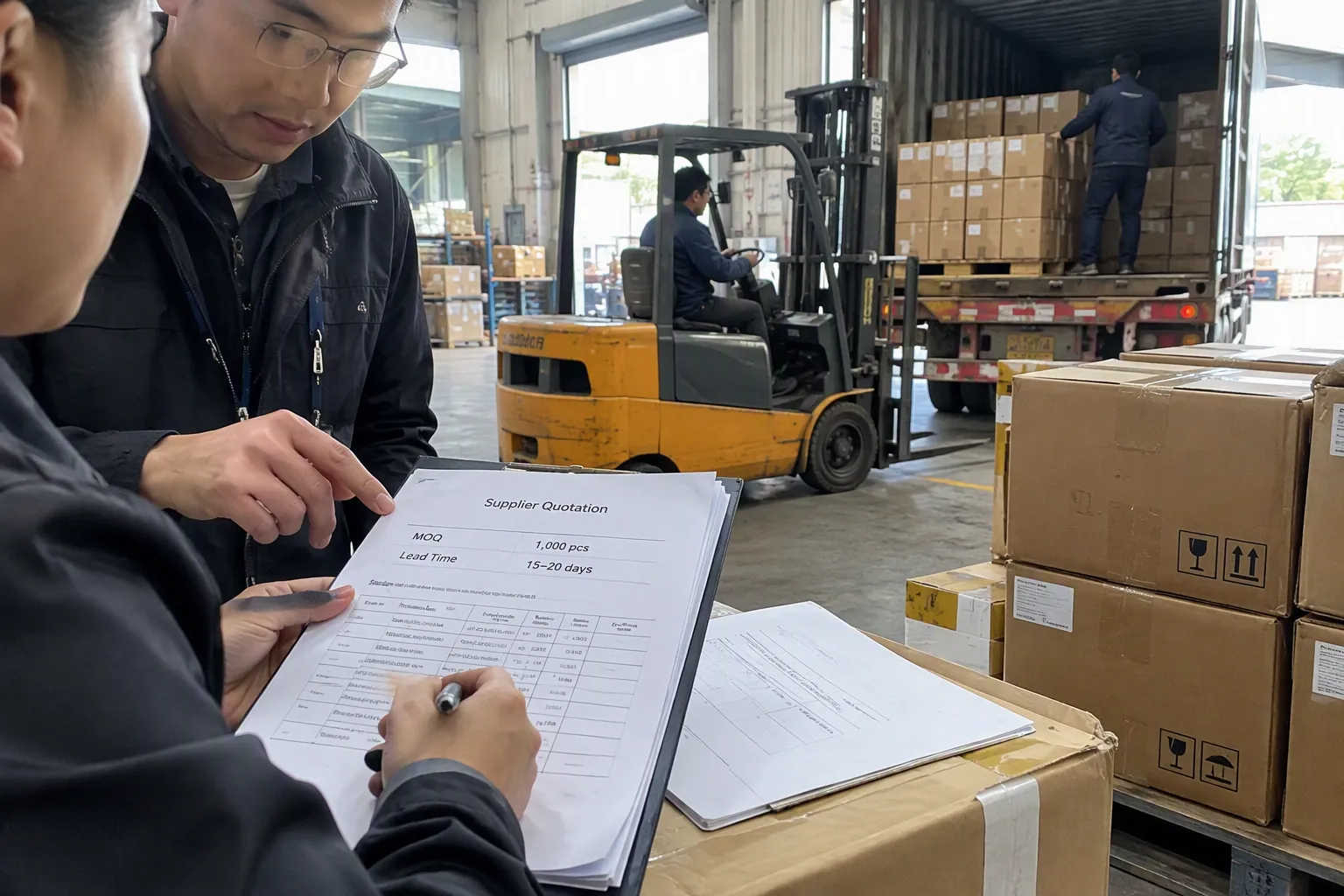
Lead time depends on product complexity, order quantity, customization, seasonality, materials, packaging, and inspection requirements. A supplier’s production estimate should not be treated as the complete delivery timeline.
The broader timeline may include:
- Product brief preparation
- Supplier quotation
- Sample production
- Sample delivery and review
- Specification revision
- Purchase order confirmation
- Material preparation
- Production
- Inspection and rework, if needed
- Packing and consolidation
- Export handling
- International transit
- Customs clearance
- Final delivery
A buyer should ask which events start and stop the supplier’s lead-time calculation. For example, does production begin after the deposit, after artwork approval, or after all materials are confirmed? Does the quoted lead time include packaging and inspection?
I recommend building a schedule with a buffer instead of planning around the best-case date. Hospitality projects often have opening dates, seasonal demand, renovation deadlines, or promotional launches. A missed delivery can affect operations even when the product itself meets specifications.
Which Documents and Compliance Questions Need Verification?

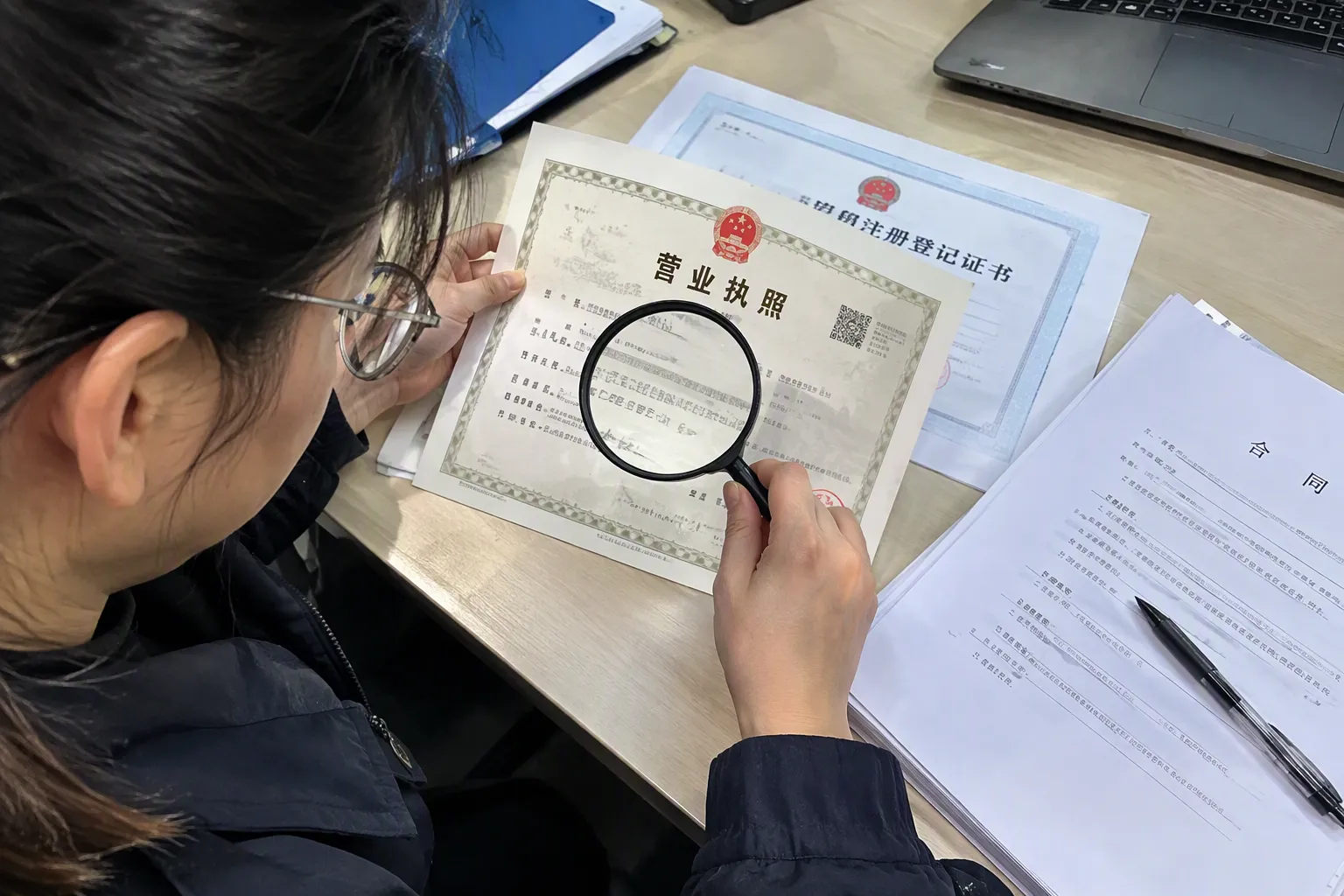
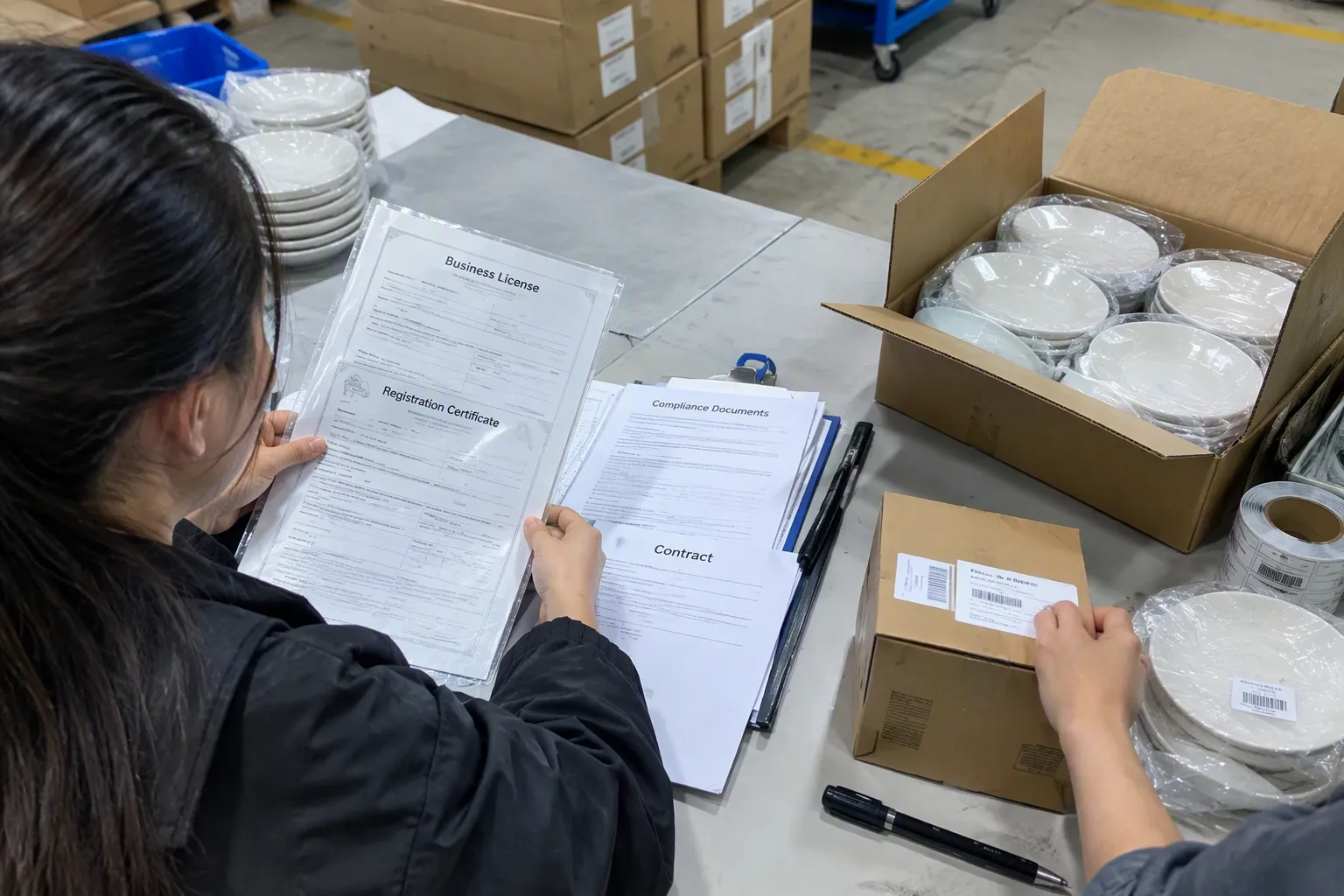
Compliance requirements depend on the product, destination, intended use, and local laws. I do not treat a supplier’s certificate image or platform badge as final evidence of compliance.
The buyer should identify whether the product requires review of:
- Food-contact requirements
- Electrical safety
- Product labeling
- Packaging and environmental rules
- Chemical restrictions
- Textile labeling
- Import documentation
- Customs classification
- Country-of-origin marking
- Hotel or brand-specific standards
The buyer should verify documents with the relevant authority, testing body, customs broker, or qualified compliance professional. Certificates may apply only to a particular model, material, factory, date, or test scope. A document for one product cannot automatically be applied to another product that looks similar.
The practical procurement lesson is simple: identify compliance questions before production, not after the shipment arrives. The supplier can provide technical information, but the importer remains responsible for confirming the requirements that apply in the destination market.
How Can Buyers Decide Whether to Place a Larger Order?
I recommend a staged decision process rather than moving directly from quotation to bulk production.
Stage 1: Define the commercial requirement
The buyer documents the use case, quantity, dimensions, branding, packaging, timeline, and destination.
Stage 2: Build a supplier shortlist
The buyer compares several relevant suppliers and records differences in capability, minimum order quantity, lead time, customization, and communication.
Stage 3: Request comparable quotations
Each supplier receives the same brief. The buyer asks suppliers to identify exclusions and assumptions.
Stage 4: Review samples
The buyer checks the sample against the intended operating environment and written specifications.
Stage 5: Calculate landed cost
The buyer adds packaging, inspection, local transport, consolidation, freight, duties, taxes, and other known charges.
Stage 6: Verify production readiness
The buyer confirms the final specifications, packaging, artwork, purchase order, payment terms, and inspection plan.
Stage 7: Start with a controlled order
A first order or test quantity can provide practical information about quality, packaging, communication, and delivery. The appropriate size depends on the product and business risk.
Stage 8: Review before repeating
The buyer records defects, shortages, delivery performance, and operational feedback. The next order should use those findings to improve the specification.
This process may take more time at the beginning, but it gives the buyer better information before a larger financial commitment.
Frequently Asked Questions
Is China sourcing for restaurant and hotel supplies always cheaper?
No. China sourcing may offer competitive factory pricing, but the final cost also includes packaging, quality control, local transport, international freight, duties, taxes, and possible replacement costs. Buyers should compare landed cost and operational risk rather than relying on the lowest unit quotation.
What restaurant and hotel supplies are suitable for China sourcing?
Many buyers investigate tableware, guest-room accessories, packaging, uniforms, promotional products, storage items, and selected kitchen supplies. Suitability depends on the product’s use, required specifications, destination rules, and supplier capability. Food-contact, electrical, and regulated products require additional professional verification.
How many suppliers should I compare?
The number depends on the category and order value. I prefer to compare enough relevant suppliers to identify meaningful differences in capability, price, MOQ, lead time, and communication. A large list is not useful if the suppliers are not quoting the same specification.
Should I inspect every restaurant or hotel supply order?
Inspection needs depend on product risk, customization, order value, supplier history, and the consequences of defects. Some orders need pre-shipment inspection, while larger or more complex projects may benefit from during-production checks and loading verification. The inspection scope should be agreed before production.
Can a China sourcing agent verify product compliance?
A sourcing provider can help collect supplier documents, compare information, coordinate samples, and arrange inspections. However, compliance depends on the product and destination market. I recommend that buyers verify applicable requirements with qualified testing, regulatory, customs, or legal professionals.
Conclusion
China sourcing for restaurant and hotel supplies should begin with commercial fit, not a low factory quote. I recommend defining the use case, comparing suppliers against the same brief, reviewing samples, calculating total landed cost, and planning quality control before scaling an order. Buyers should also verify destination-specific compliance requirements and allow time for consolidation and delivery. KingSourcing can help overseas hospitality buyers compare China suppliers, coordinate samples, manage inspections, consolidate multi-supplier orders, and organize shipping from one procurement workflow.
Sources
- [PDF] China Economic Update (June 2025) - World Bank", Industrial and trade data document China's substantial manufacturing and export capacity across multiple product sectors, providing contextual support for considering Chinese suppliers in diverse hospitality categories
- Import Tariffs & Fees Overview and Resources", Import-cost guidance distinguishes the seller's quoted or transaction price from additional freight, insurance, customs duties, taxes, and destination charges that may contribute to the importer's landed cost
- Supply chain disruptions and resilience: a major review and ...", Supply-chain and total-cost research describes quality failures, delays, rework, and disruption management as cost drivers that may arise after a purchase price has been agreed
- 3 supplier due diligence tips for risk management", Procurement guidance treats supplier profiles and self-reported information as preliminary screening evidence and identifies independent verification, documented performance, and quality assessment as stronger bases for supplier evaluation
- Supplier Quality Engineer - NC State Online", Product-development research indicates that prototype and pre-production evaluation can expose design, usability, and manufacturability problems before a product is produced at full scale
- Acceptance sampling, imperfect production, and the optimality ...", Statistical quality-control methods use inspection samples to estimate conformity and manage defect risk; they do not establish that every uninspected unit is free from defects
- Artificial Intelligence-Based Smart Quality Inspection for ... - PMC", Manufacturing quality-assurance research supports in-process inspection as a means of detecting process deviations and recurring defects early enough to permit corrective action before a lot is completed
- Study the Impacts of Freight Consolidation and Truck Sharing ...", Logistics research finds that shipment consolidation can reduce fragmentation and improve coordination when compatible consignments, schedules, and handling requirements are managed together