Quick Answer
China sourcing can help promotional product companies develop branded merchandise at competitive prices, but a low factory quote does not solve every purchasing problem. I often see buyers focus first on unit cost, then discover that printing, samples, packaging, inspection, or shipping changes the real budget. A clear product brief and supplier comparison create a more reliable starting point.
China sourcing for promotional product companies works best when buyers match the promotional use case, customization method, order quantity, quality requirements, and delivery deadline with a suitable supplier. Buyers should compare the complete landed cost—not only the factory price[1]—and confirm samples, production controls, packaging, inspection, and logistics before placing an order.
Promotional products can look simple, but each order can involve different materials, decoration methods, packaging standards, and customer expectations. A trade-show giveaway may have a short deadline and basic branding, while a corporate gift may require more refined finishing and presentation. I use the sections below to explain how I would evaluate these decisions before recommending a supplier.
China Sourcing Promotional Product Companies: What Should Buyers Evaluate
A generic product search can produce many factories and trading companies, but it may not identify the right production partner. Promotional product buyers face pressure from their own customers, who expect accurate branding, consistent quantities, and delivery before a campaign or event. I reduce this risk by starting with the use case and working backward to the supplier.
The best China sourcing process for promotional product companies begins with a defined use case, then evaluates product construction, decoration, quantity, timing, total cost, quality controls, and supplier capability. Buyers should request comparable quotations, approve a representative sample, confirm production details in writing, and arrange appropriate inspection before shipment.
Start with the promotional use case?
A buyer who searches for “custom promotional products” without more detail may receive quotations that are difficult to compare. Different campaigns require different decisions. An event agency may need a large quantity of simple giveaways within a fixed window. A distributor may need several colors, repeat orders, and packaging suitable for storage. A corporate buyer may care more about appearance than the lowest unit cost.
Before I contact suppliers, I would clarify:
- Who will receive the product?
- Where will the product be used?
- Is the item intended for a one-time event or a repeat program?
- What quantity is required for each design or color?
- What logo, artwork, text, or packaging must be applied?
- What is the required delivery date and destination?
- What quality problems would be unacceptable?
- Does the buyer need individual packaging, retail packaging, or bulk cartons?
This information changes supplier selection. A supplier that handles standard silicone items efficiently may not be suitable for a complex metal gift with several finishing steps. A factory that accepts a low MOQ for one design may charge more when a buyer divides the order across many colors. A supplier with excellent decoration equipment may still lack experience with export packaging or multi-SKU coordination.
I also separate mandatory requirements from preferred requirements. For example, a buyer may require a specific logo size and delivery window, while preferring a certain box style. This distinction helps the sourcing team protect the core purpose of the campaign if the initial packaging or material option creates unnecessary cost.
How should buyers match products with suppliers?
Supplier selection should reflect the complete production process. I do not treat a supplier’s product catalogue as proof that the supplier is the best fit for a custom order. I ask how the product is made, which steps are performed internally, and which steps are outsourced.
Important questions include:
-
Which material and construction does the supplier normally use?
Buyers should confirm material names, thickness, dimensions, colors, and relevant tolerances where applicable. -
Which customization method is suitable?
Common methods include screen printing, heat transfer, digital printing, laser engraving, embroidery, debossing, embossing, pad printing, and custom molding. The correct method depends on the surface, artwork, quantity, durability expectations, and budget.[2] -
Does the supplier have experience with the buyer’s artwork?
A simple one-color logo and a detailed full-color image can require different preparation and approval steps. -
What is the actual MOQ?
A supplier may quote a low starting MOQ but apply separate minimums for each color, logo, size, or packaging version.[3] -
What is the sampling process?
I want to know whether the sample is handmade, digitally printed, produced with the final tooling, or made using a temporary method. A sample can be useful without being fully representative, but the difference must be understood.[4] -
Which production steps are outsourced?
Outsourcing is not automatically a problem. However, it adds coordination points that may affect quality and timing. -
Can the supplier support the required inspection and packaging?
A product may be acceptable while loose packaging, incorrect labels, or mixed cartons create problems at the destination.
What should a comparable quotation include?
A quotation is useful only when the quoted items are defined in the same way. I have seen two suppliers appear far apart in price because one included individual packaging and the other assumed bulk packing. Another quotation may exclude a mold, logo plate, sampling fee, or export carton.
I recommend asking each supplier to quote against one written specification:
| Cost or requirement | Questions to clarify |
|---|---|
| Product specification | What material, size, weight, color, and construction are included? |
| Customization | What logo method, artwork size, colors, and positions are included? |
| Tooling | Is a mold, plate, screen, or setup charge required? Is it one-time or recurring? |
| Sample | Is the sample fee refundable after a production order? Does it use final tooling? |
| Packaging | Is the price for bulk packing, individual bags, gift boxes, or retail packaging? |
| Quantity | Does the MOQ apply to the whole order or to each variation? |
| Quality control | Is inspection included, optional, or arranged separately by the buyer? |
| Delivery terms | Which Incoterm, destination, and shipment method does the price represent? |
| Lead time | How many days are needed for sampling, production, and packaging? |
| Payment | What deposit and balance terms apply? |
I also compare landed cost, not just the ex-factory or quoted unit price. A simple working calculation may include:
Product cost + customization + tooling + sampling + packaging + inspection + domestic transport + consolidation + international freight + duties and import charges
The final components depend on the shipment and destination, so I do not present a single universal formula as a guaranteed total. I ask the buyer’s logistics or customs professional to verify duties, taxes, classification, and import requirements for the destination market.
Why do samples matter so much in promotional product orders?
Promotional products carry someone’s brand. A slight color difference, poor logo placement, rough edge, weak closure, or incorrect packaging may be visible to hundreds or thousands of recipients. The buyer therefore needs more than a product photograph from a supplier catalogue.
A sample allows me to check whether the supplier understood the brief. I use the sample stage to review:
- Dimensions and general appearance
- Material feel and construction
- Logo position and decoration quality
- Color against the approved reference
- Surface finish and visible defects
- Functional elements, if the item has them
- Packaging and labeling
- Whether the sample represents final production conditions
A buyer should keep an approval record. That record can include the approved artwork, dimensions, color references, packaging drawings, sample photographs, and written comments. If the final order differs from the approved sample, the record gives the buyer and supplier a clearer basis for investigation.
I always explain that a sample is not automatically a guarantee of mass-production consistency[5]. The supplier may produce the sample carefully, while production involves different operators, batches, or process conditions. For that reason, production follow-up and inspection remain important, especially for customized or time-sensitive orders.
How can buyers reduce quality and deadline risk?
Promotional product sourcing is often deadline-sensitive.[6] A late delivery may affect an exhibition, conference, product launch, client meeting, or seasonal campaign. A buyer should not accept a delivery promise until the product specifications, artwork, quantity, sampling, production schedule, and shipping method are confirmed.
I normally break the schedule into separate milestones:
- Product brief confirmed
- Supplier quotations received
- Supplier and production process reviewed
- Artwork and customization details confirmed
- Sample produced and evaluated
- Purchase order and specifications approved
- Raw materials or components prepared
- Production completed
- Quality inspection performed
- Packing and shipping arranged
This approach shows where time is actually required. A supplier may quote a production period that begins only after sample approval, deposit receipt, and final artwork confirmation.[7] If the buyer changes the logo after that point, the schedule may need to restart for some products.
I also ask what happens if a problem appears. Useful questions include:
- How will the supplier report a material or artwork issue?
- Who approves a production change?
- What happens to defective or incorrect units?
- Can the supplier remake, sort, or replace affected goods?
- How will the buyer receive inspection photographs or reports?
- Which cartons will contain which SKUs or variations?
Inspection should match the order’s risk. A basic visual and quantity check may be appropriate for a straightforward giveaway, while a complex branded product may need more detailed checks. If the product has electrical, child-use, food-contact, skin-contact, or other regulated characteristics, I recommend qualified testing and regulatory review[8] rather than relying on a general sourcing inspection.
Which supplier information should buyers verify?
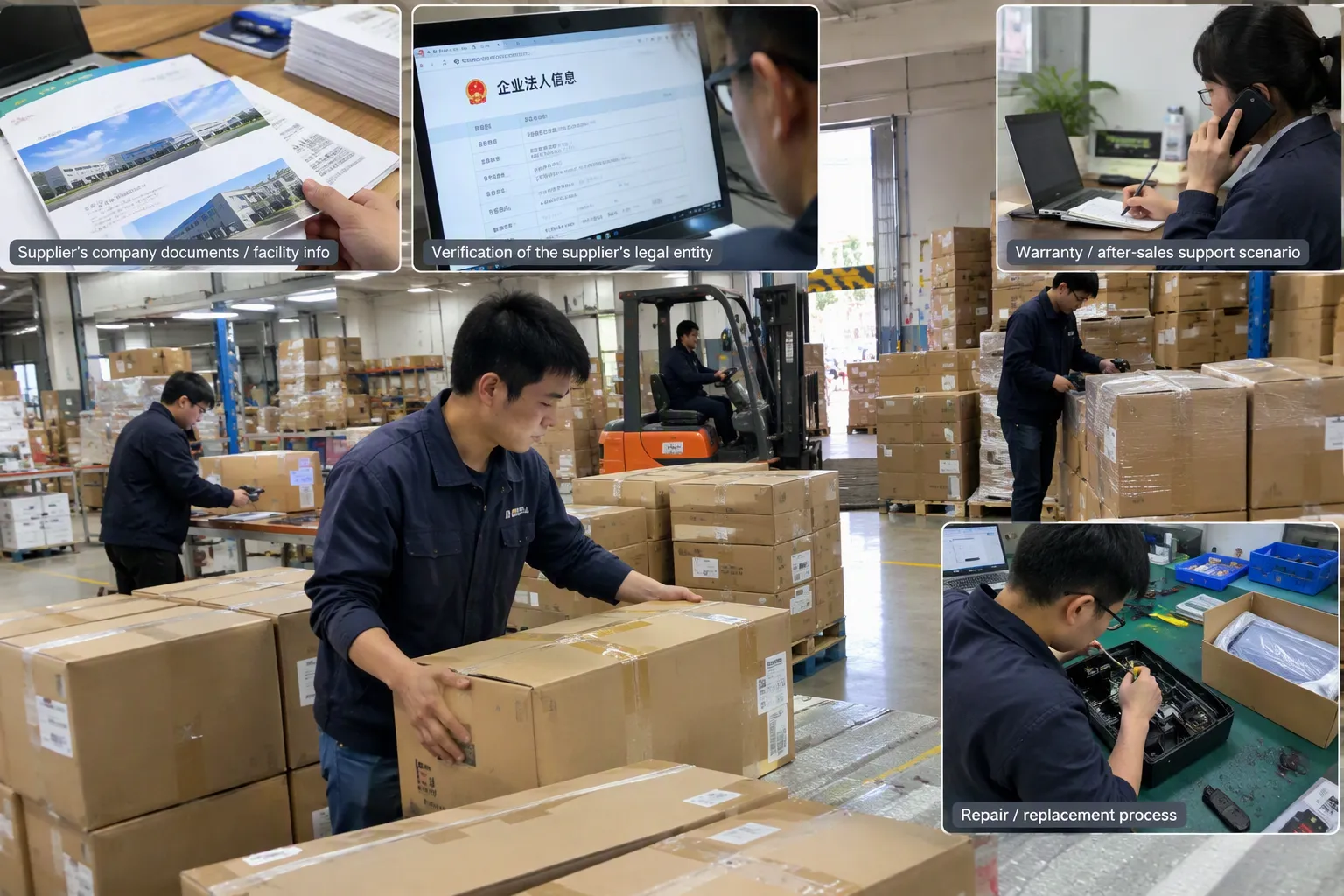
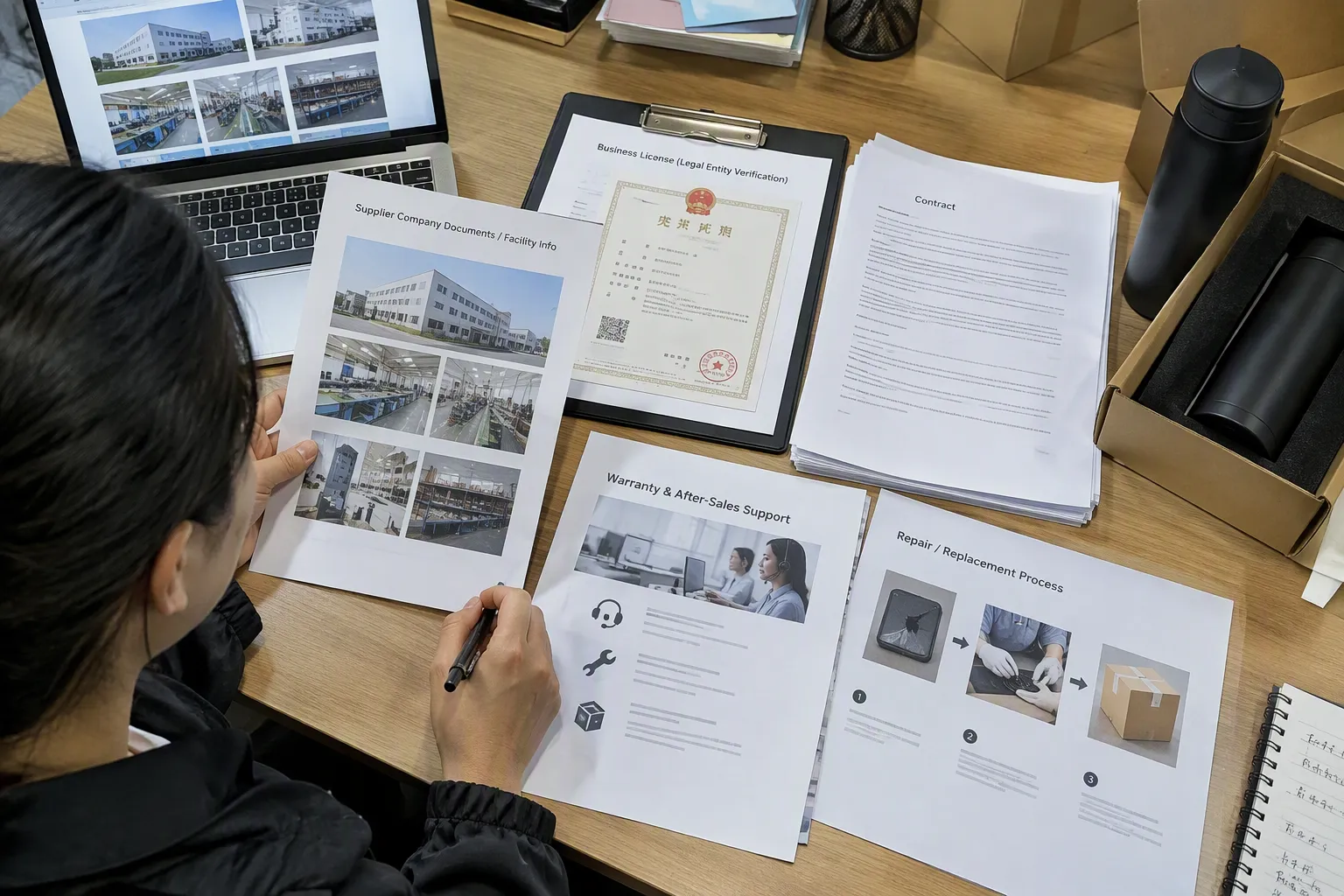
Supplier verification helps buyers understand who will actually produce the order. It does not remove every commercial or production risk, and it should not be presented as a guarantee. I usually consider several information sources together:
- Business registration and contact details
- Factory or office location
- Main product categories
- Production equipment and key processes
- Export experience to the destination market
- Sample and quotation responsiveness
- References or documented order history where available
- Subcontracting arrangements
- Quality management procedures
- Relevant certifications or test reports
Buyers should verify certifications and test documents directly. A document may apply only to a specific material, model, facility, or production period. It may also require confirmation from the issuing organization or an independent testing provider. I do not treat a logo on a supplier presentation as sufficient evidence.
A factory audit can provide useful information about production areas, storage, equipment, working procedures, and quality controls. However, an audit is a point-in-time assessment. It cannot guarantee that every future batch will have identical results. Production follow-up and shipment inspection add a second layer of control.
What are the common sourcing mistakes?
I see several avoidable mistakes in promotional product purchasing. The most common mistake is selecting a supplier from the cheapest unit price before clarifying the specification. Other mistakes include:
- Comparing different materials as if they were identical
- Ignoring logo setup and tooling charges
- Approving a sample without confirming packaging
- Assuming the catalogue photo represents the final product
- Treating the supplier’s lead time as the complete delivery time
- Changing artwork after production has started
- Forgetting to separate MOQ by color or design
- Failing to plan inspection before the goods leave China
- Using unclear terms such as “high quality” without measurable or visual references
- Assuming a trading company and factory offer the same capabilities
I once reviewed a promotional inquiry where the main product price looked reasonable, but the buyer had not included individual packaging and shipment consolidation across several suppliers. The comparison became more useful after we separated product, decoration, packaging, inspection, and logistics costs. This did not automatically make one supplier the winner. It gave the buyer a more honest basis for the decision.
How can KingSourcing support a better purchasing decision?
I view sourcing support as a decision process rather than a catalogue search. Depending on the order, I may help a buyer:
- Turn a campaign idea into a supplier-ready product brief
- Identify possible product and customization options
- Compare quotations using the same specification
- Clarify MOQ, tooling, sampling, packaging, and payment terms
- Coordinate samples and communicate feedback
- Verify supplier and factory information
- Follow production progress
- Arrange quality inspection and 1-by-1 checking where appropriate
- Consolidate goods from multiple suppliers
- Coordinate labeling, warehousing, and shipping
The correct level of support depends on the buyer’s internal resources and product risk. A distributor with a regular purchasing team may only need supplier comparison and inspection. A startup or event agency without China-based staff may need help from product brief through delivery.
I do not promise that one supplier will always provide the lowest price or that every deadline can be met. I first need the product details, quantity, customization requirements, destination, and target schedule. After that review, I can help the buyer understand the available options and the risks that still require professional or regulatory evaluation.
Frequently Asked Questions
Is China sourcing suitable for small promotional product orders?
China sourcing can suit small test orders, but the economics depend on MOQ, customization, tooling, packaging, and shipping. A small order may have a higher unit cost because setup charges are spread across fewer units. I recommend comparing a test quantity with the expected repeat-order quantity before making a decision.
What is the most important information to send to a Chinese promotional product supplier?
The most useful brief includes product photographs or drawings, dimensions, material expectations, logo artwork, decoration method if known, colors, quantity by variation, packaging, destination, and required delivery date. I also ask buyers to identify unacceptable defects and any mandatory documents or testing requirements.
Should I choose a factory or a trading company for promotional products?
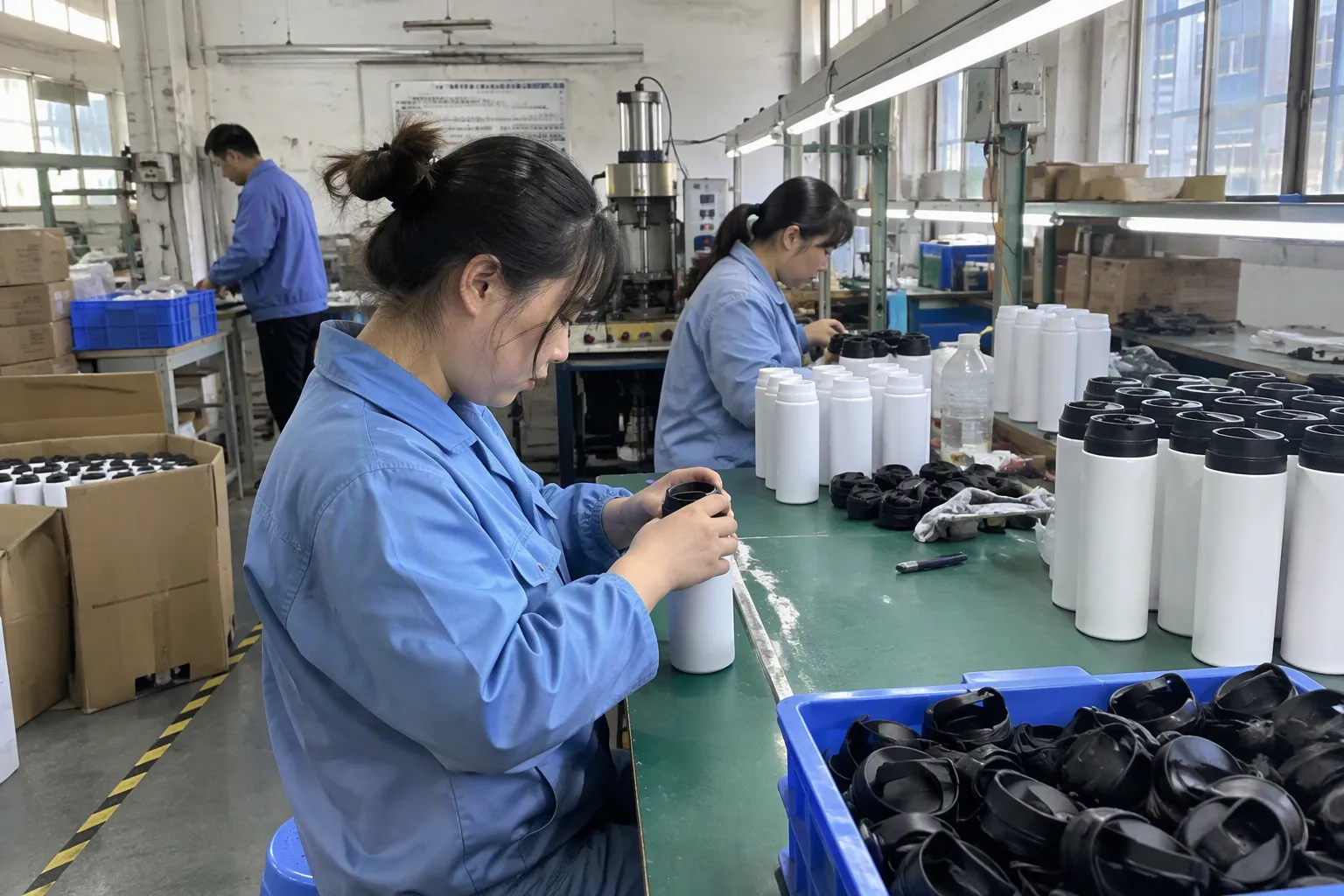
Neither option is automatically better. A factory may offer direct process knowledge, while a capable trading company may coordinate multiple product categories or suppliers. I evaluate who will manage production, how clearly the supplier communicates, which processes are outsourced, and whether the quotation matches the required specification.
How can I check whether a promotional product supplier is reliable?
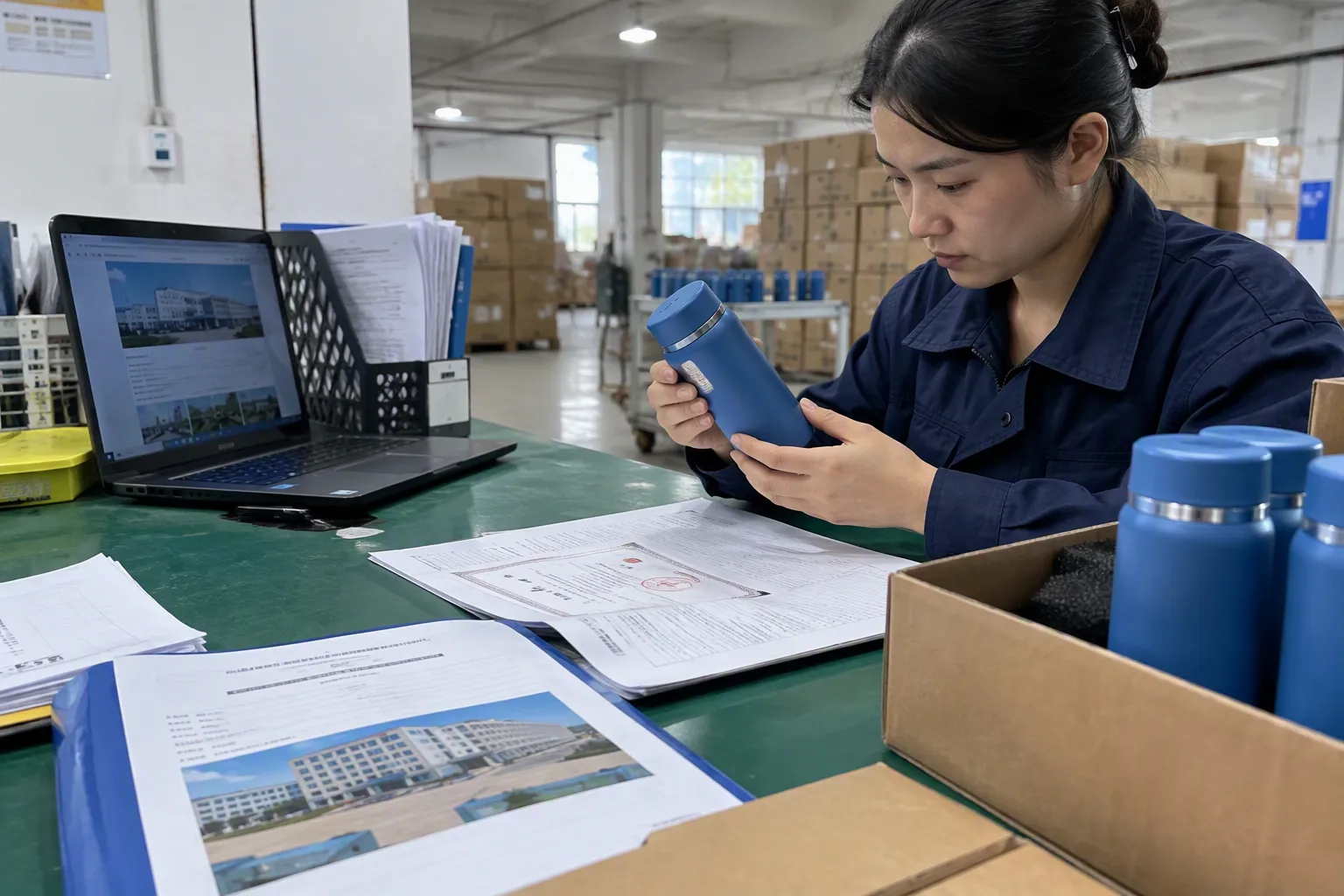
I would combine business verification, product-specific sample review, communication checks, factory or supplier assessment, production follow-up, and pre-shipment inspection. Buyers should also verify certificates and test reports independently when they matter. No single document or visit can guarantee future performance.
How early should I start sourcing promotional products before an event?
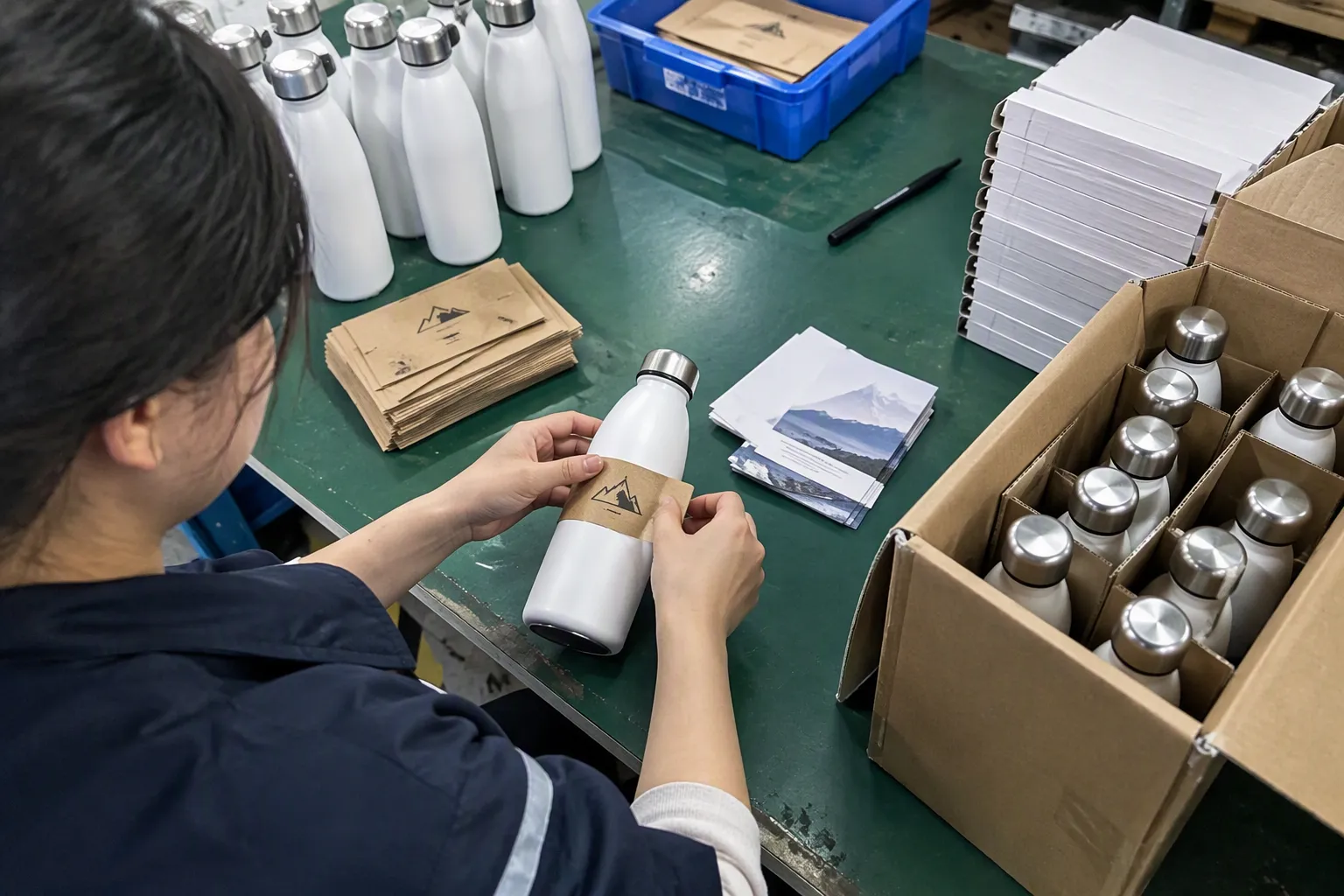
I recommend starting as early as possible because the schedule may include product selection, quotation comparison, sampling, artwork approval, production, inspection, consolidation, and international shipping. The correct lead time depends on the product and destination. A supplier should confirm each milestone instead of giving an unsupported delivery guarantee.
Conclusion
China sourcing for promotional product companies is most effective when the buyer begins with the campaign use case rather than a generic product search. I compare supplier capability, customization methods, MOQ, samples, full landed cost, quality controls, and realistic milestones before recommending a purchasing route. Buyers should approve specifications clearly, verify important supplier documents, and plan inspection before shipment. If you need help comparing Chinese suppliers, coordinating samples, managing production, or consolidating branded products, contact KingSourcing with your product brief and target delivery plan.
Sources
- Duty, Taxes and other Fees required to import goods into the United ...", Official customs guidance describes import costs as potentially including the transaction value together with freight, insurance, customs duties, taxes, and other charges; the precise components depend on the destination, classification, and applicable trade terms
- (PDF) Suitability of Gravure Printing for High Volume Fabrication of ...", Technical printing literature links process selection to substrate characteristics, image requirements, production volume, and performance expectations, supporting the use of these factors when comparing decoration methods
- Analysis of a Production Order Quantity Model With Declining Unit ...", Manufacturing operations research explains that minimum quantities can be set at the level of a product configuration because each color, size, decoration, or packaging change may create separate setup or changeover requirements
- Statistical Process Monitoring for Autocorrelated Data - NIST", Quality-control literature treats samples as observations of a process rather than guarantees of every subsequent unit, because material, operator, equipment, and process variation can affect production outcomes
- Statistical Process Monitoring for Autocorrelated Data - NIST", Statistical quality-control guidance distinguishes reference-sample approval from ongoing process control, since a sample alone cannot demonstrate that all units in a production run remain within specified limits
- Gain Skills in Procurement Strategy With an MBA", Research on event and promotional supply chains identifies fixed campaign or event dates as constraints that make procurement lead time and delivery reliability material considerations
- Why Focusing on Lead Time—Not Just Efficiency—Drives Success", Operations literature defines manufacturing lead time from an agreed production-release point and notes that approvals, order confirmation, payment, and material availability can precede the start of production
- Children's Product Certificate | CPSC.gov", Government regulatory guidance establishes category-specific safety and conformity obligations for products such as children's goods, electrical equipment, and food-contact materials, making specialized compliance review appropriate before import or sale