Quick Answer
China sourcing can feel risky when I cannot speak Chinese and need to communicate with factories, compare quotations, and control product quality. A translation app may help with a simple message, but it cannot verify a supplier or clarify every specification. I reduce this risk by treating language as one procurement issue, not the entire sourcing strategy.
Buyers do not need to speak Chinese to manage China sourcing successfully.[1] They need clear product specifications, traceable communication, supplier verification, sample approval, production follow-up, and quality inspection. English-speaking suppliers may simplify contact, but English fluency does not prove manufacturing capability or reliability.[2] Buyers should decide whether to work independently or use local support based on product complexity, customization, quality risk, order scale, supplier count, and their ability to manage execution.

Not speaking Chinese is usually not the fundamental barrier. The more important question is whether I can control the complete purchasing process after the first conversation. I need to know what the supplier promised, what the sample represents, what the factory will produce, and how someone will confirm the final goods before shipment.
Can China Sourcing Buyers Speak Chinese?
Many overseas buyers complete China sourcing without speaking Chinese. However, I should not confuse basic communication with procurement control. A buyer may exchange messages in English and still miss important details about materials, packaging, tolerances, production changes, inspection standards, or delivery responsibility.
In my work coordinating overseas buyers and Chinese suppliers, I see language become most important when a project moves beyond the initial quotation. Samples, revised specifications, production follow-up, inspection findings, and shipping arrangements require more than a translated sentence. They require a documented process.
Why language is only one part of sourcing risk
Some buyers assume that an English-speaking factory is safer. I understand why. Communication feels easier, and the buyer may feel more confident during a video call or quotation discussion. However, I always separate communication ability from supplier performance.
A supplier can communicate well in English and still:
- Quote an incomplete product configuration.
- Use a different material from the buyer’s expectation.
- Outsource part of the production without explaining it.
- Miss packaging or labeling instructions.
- Have limited experience with the required quality standard.
- Change a component after sample approval.
- Give optimistic delivery dates without enough production capacity.
- Avoid clear responsibility when a problem appears.
The opposite can also happen. A capable factory may have limited English communication but strong manufacturing experience, stable production processes, and useful equipment. The language barrier can make that factory harder for me to manage, but it does not automatically make the supplier unsuitable.
I therefore assess two separate questions:
- Can the supplier manufacture the required product consistently?
- Can the buyer and supplier exchange, confirm, and execute requirements accurately?
I need positive answers to both questions. A supplier that communicates perfectly but produces unsuitable goods is not a safe choice. A capable factory that cannot confirm requirements clearly may also create avoidable risk.
What translation tools can and cannot do
I do not treat translation tools as useless. They can help me:
- Send an initial inquiry.
- Understand a basic product description.
- Ask for a quotation.
- Confirm meeting times.
- Translate common production terms.
- Continue a simple conversation after the main requirements are clear.
The limitation appears when the language contains technical or commercial ambiguity.[3] A translated word such as “leather,” “metal,” “custom,” “waterproof,” “complete,” or “same as sample” may not carry the same meaning for both parties. A supplier and buyer may believe that they agree while using different definitions.
For example, “custom packaging” might mean a printed outer carton to the buyer. The supplier might interpret it as a printed polybag, an insert card, or a label placed on standard packaging. “High quality” might mean a better factory option to the supplier, while the buyer expects a defined material, finish, performance level, or inspection result.
I reduce this ambiguity by replacing general language with measurable or visible information:
- Product drawings and reference photos.
- Material names and grades where relevant.
- Dimensions with units and acceptable tolerances.
- Color references or approved physical samples.
- Component lists and functional requirements.
- Packaging diagrams.
- Carton markings and label artwork.
- Defect definitions and inspection criteria.
- A written approval process for changes.
I also ask the supplier to repeat or summarize the requirements.[4] This is not a test of English. It is a way to check whether the supplier and I have the same understanding.
The execution stage creates the greatest language risk[5]
Initial contact is often the easiest stage. I can send a product image, receive a rough quote, and decide whether the supplier appears interesting. The greater risk appears after I place an order.
At that point, a small misunderstanding can affect an entire shipment. I have seen communication issues arise around matters such as:
- A sample using one component while the production order uses another.
- A carton dimension being interpreted differently after a packaging change.
- A logo file being printed in the wrong position or size.
- A requested product color being treated as a general color description.
- A delivery date being understood as an estimated completion date rather than a shipment date.
- An inspection issue being discussed informally without a documented correction deadline.
I do not use these examples to suggest that translation itself causes the problem. The deeper issue is that the requirement was not converted into a controlled, approved instruction. A translation tool can translate a sentence. It cannot decide which version of the product is contractually approved[6] or determine whether a factory has followed the correct process.
A practical communication system for buyers
I recommend creating one source of truth for each order. I normally organize information into a product and purchasing file that includes:
| Area | Information to record |
|---|---|
| Product identity | Product name, model, version, SKU, color and configuration |
| Materials | Material description, components, finish and approved alternatives |
| Dimensions | Measurements, units, tolerances and measurement method |
| Function | Performance requirements and practical use conditions |
| Branding | Logo files, position, size, color and approval status |
| Packaging | Inner packaging, retail packaging, cartons, inserts and labels |
| Quantity | Order quantity by SKU, carton quantity and planned overage |
| Quality | Visual standards, functional checks and defect categories |
| Timing | Sample date, production milestone, inspection date and shipment target |
| Changes | Date, description, responsible person and buyer approval |
I also use a simple approval rule: no important change becomes final through an informal message alone. The supplier should receive a revised document, image, drawing, or sample reference. The buyer should confirm the final version in writing.
This process helps even when both parties speak fluent English. It becomes more valuable when communication depends on translation, different business habits, or several people working on the same order.
When can a buyer manage sourcing independently?
I do not believe every non-Chinese-speaking buyer needs a sourcing agent. Independent sourcing may be reasonable when the buyer has[7]:
- A simple, standard product.
- Limited customization.
- A manageable number of SKUs.
- One or two suppliers.
- A clear quality standard.
- Experience with importing and supplier communication.
- Enough time to follow production personally.
- Access to an independent inspection provider.
- A realistic process for handling defects or delays.
The decision becomes more difficult when the project includes custom development, several factories, complex packaging, strict retail requirements, or a high cost of failure. I also consider whether the buyer has someone available to respond during China business hours and whether the buyer can communicate a correction quickly when production is underway.
When local China sourcing support becomes useful
Local support can add value when I need someone to handle more than translation.[8] A suitable sourcing partner may help with:
- Finding suppliers that fit the product brief.
- Comparing quotations on an equal basis.
- Checking whether a supplier is a factory, trading company, or a combination.
- Visiting or auditing a facility where appropriate.
- Coordinating samples and revisions.
- Following up with production.
- Arranging pre-shipment or in-process inspections.
- Checking products one by one for selected requirements.
- Managing packaging, labeling, warehousing, and consolidation.
- Coordinating several suppliers and one export shipment.
I still need to define the scope clearly. A sourcing service is not automatically a laboratory, engineering consultant, legal adviser, or certification authority. If a product requires specialized testing, regulated-market compliance, or professional technical evaluation, I recommend using appropriately qualified professionals and verifying the relevant documents independently.
Comparing the main approaches
| Approach | Best fit | Main advantage | Main limitation |
|---|---|---|---|
| Buyer manages directly | Simple products and experienced importers | Direct control and potentially lower service cost | Buyer handles verification, follow-up and problem solving |
| Translation tools plus direct contact | Early research and basic inquiries | Fast and inexpensive communication | Tools do not verify requirements or execution |
| Independent inspection provider | Buyers with an established supplier | Adds a physical quality checkpoint | Inspection does not replace supplier selection or production management |
| Local sourcing partner | Custom, multi-SKU or higher-risk projects | Local coordination across sourcing and execution | Buyer must assess the partner’s transparency and scope |
| Outsourced purchasing support | Repeat or multi-supplier purchasing programs | Creates a more complete procurement workflow | Requires clear reporting, authority and commercial terms |
My recommended evaluation checklist
Before deciding whether I need local help, I ask myself:
- How many products and variants will I purchase?
- How much customization does the product require?
- What happens if the goods arrive with defects or incorrect packaging?
- Can I inspect a sample properly?
- Can I explain the quality standard in writing and images?
- Can I follow production at the right milestones?
- Do I know how to compare supplier quotations fairly?
- Can I verify the supplier and the relevant business documents?
- Do I have a plan for defective goods, rework, replacement, or compensation?
- Can I coordinate several suppliers, cartons, labels, and shipping documents?
If I cannot answer several of these questions, the language issue may be a symptom of a wider procurement gap. Local support can then reduce operational risk, but I should choose the support based on the actual gaps rather than simply choosing whoever speaks English.
How I coordinate communication in practice
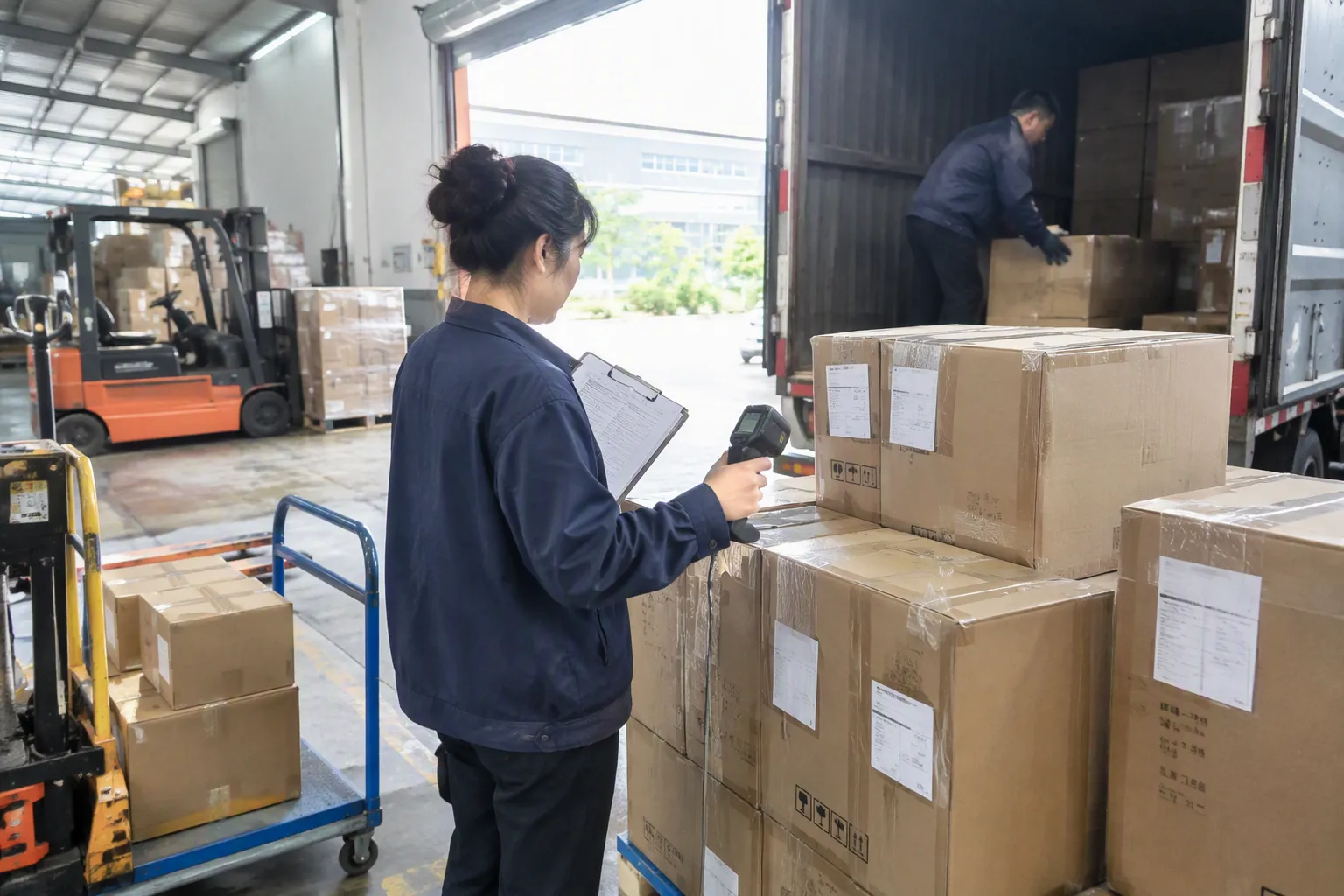
When I coordinate a project, I start with a written buyer brief. I ask for the product purpose, target market, intended price position, estimated quantity, preferred packaging, required delivery window, and any known compliance or labeling needs. I then separate confirmed requirements from open questions.
For quotations, I try to compare like with like. A low quotation may exclude tooling, packaging, accessories, testing, export cartons, or shipping preparation. I ask the supplier to identify assumptions and exclusions instead of comparing only the headline unit price.
For samples, I record the exact sample version. I note what the buyer approved and what remains subject to revision. If a buyer approves a sample with a qualification, I record that qualification clearly. “Approved” does not always mean “approved in every detail.”
For production, I use milestone follow-up rather than waiting until the expected completion date. I ask about material preparation, component availability, assembly progress, packaging readiness, and any change from the approved sample. A short written update can reveal a problem earlier than a final inspection.
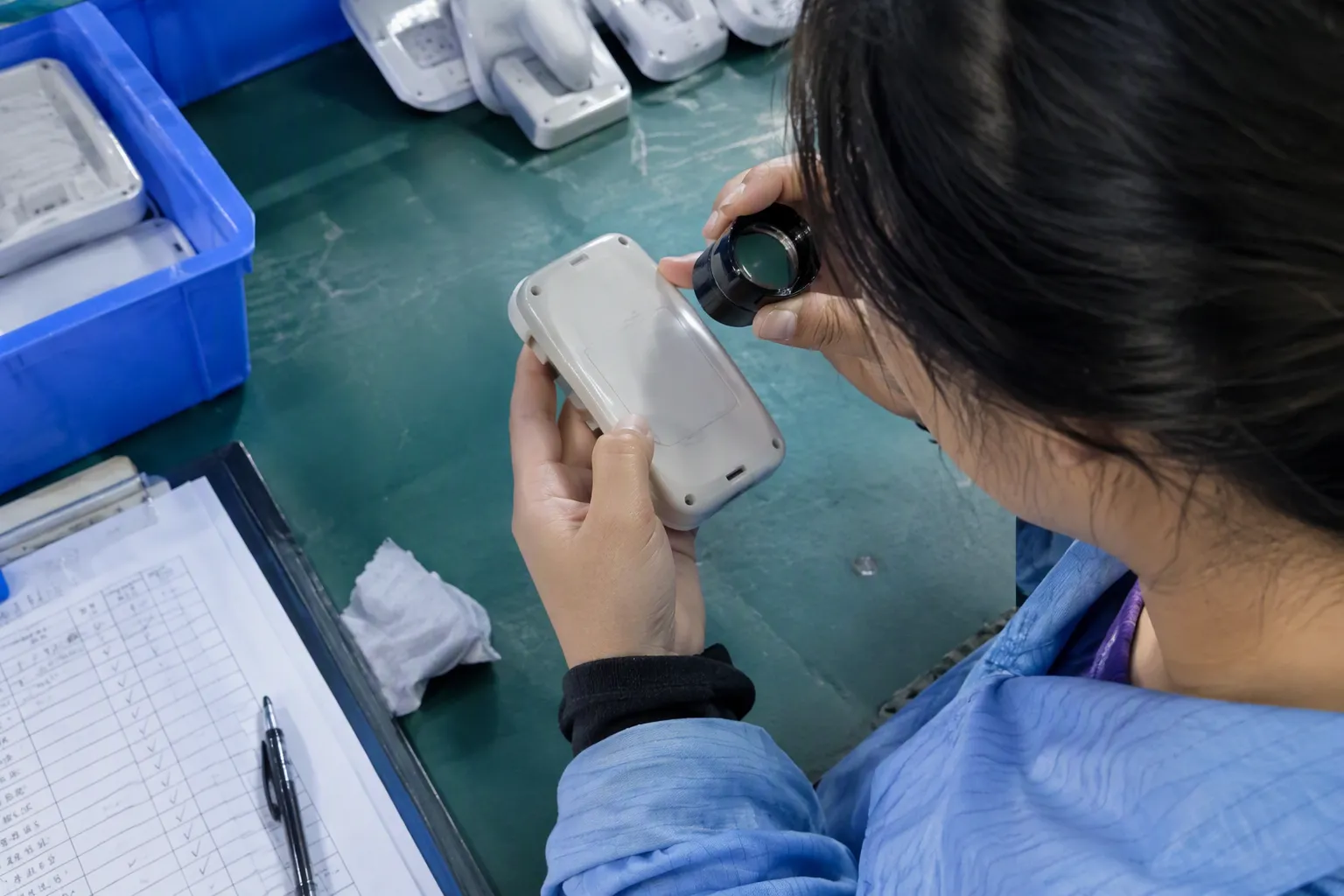
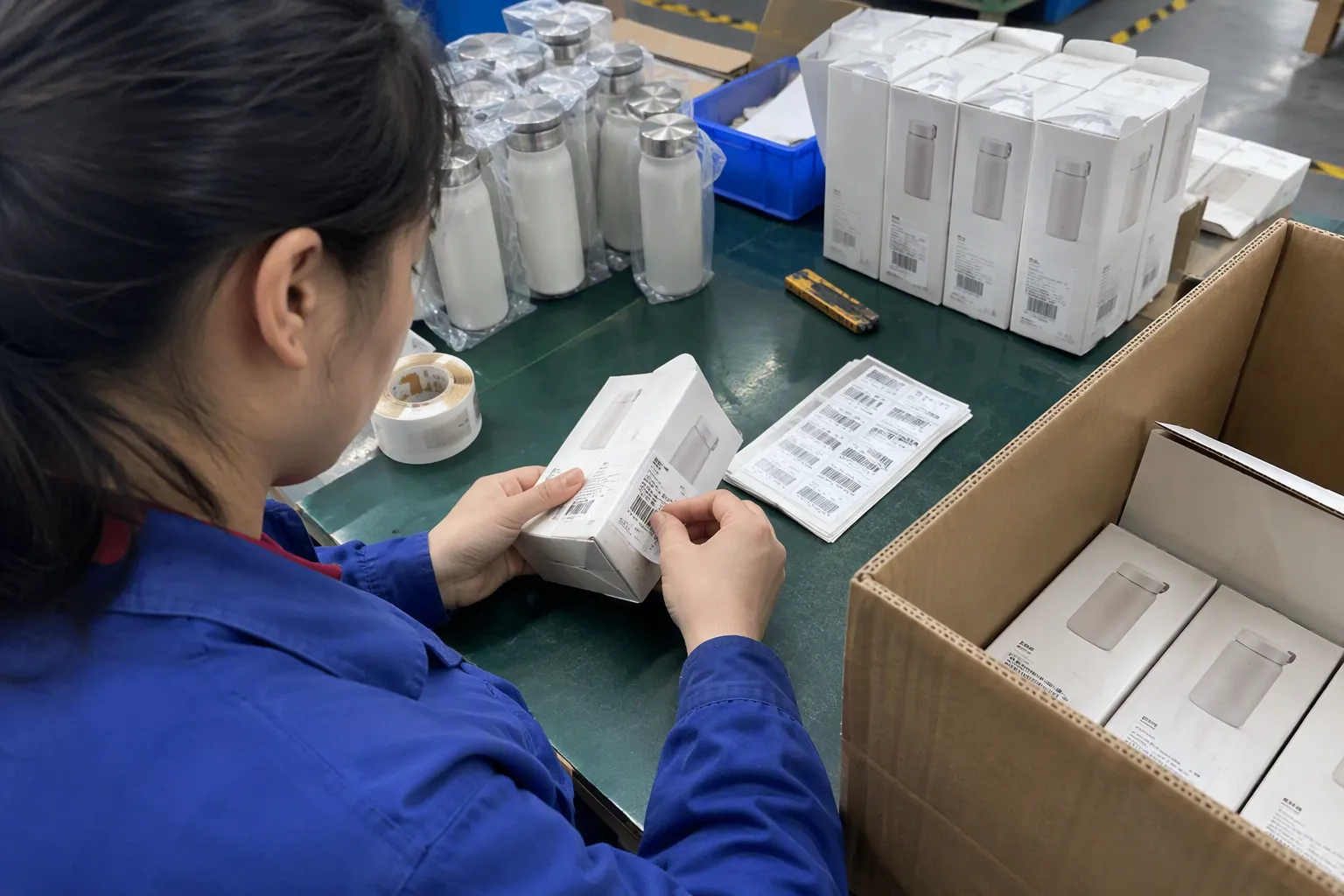
For quality control, I link the inspection to the purchase requirements. I do not rely only on a general statement such as “check the quality.” I identify the characteristics that matter commercially. These may include appearance, dimensions, function, count, accessories, branding, packaging, and carton markings. The exact inspection method should match the product and should be reviewed by a qualified professional when technical risk is significant.
A note about supplier documents and certifications
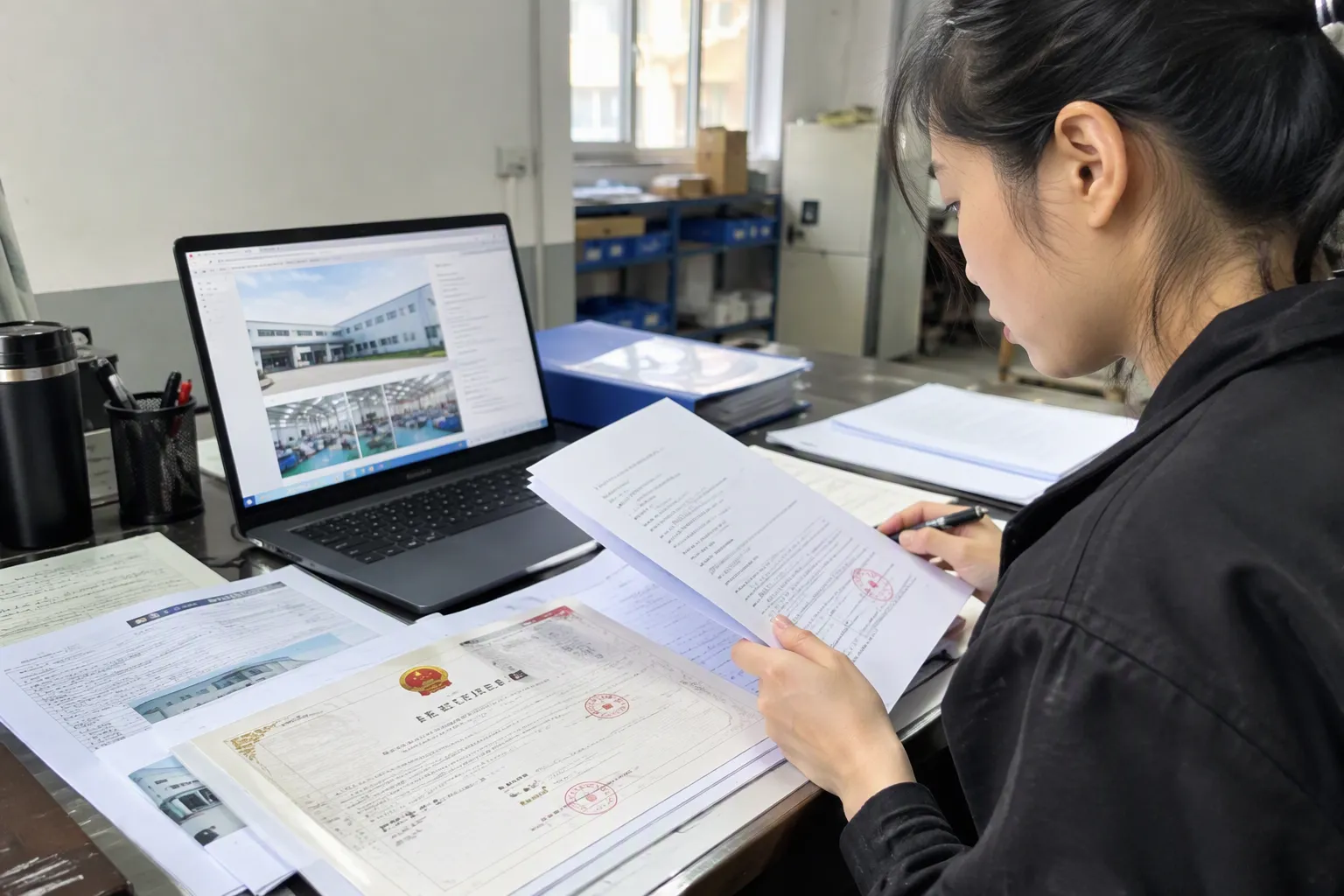
A supplier may send a business license, audit report, test report, or certification document. I treat these documents as evidence to review, not automatic proof that every product or production batch complies with a requirement.
I check whether the document:
- Names the correct legal entity.
- Matches the factory or facility involved.
- Covers the correct product or model.
- Is current for the relevant period.
- States the applicable standard or scope.
- Comes from a recognizable and appropriately qualified organization.
- Can be verified through the issuing organization where necessary.
I also remember that a supplier’s document may not cover my exact configuration, branding, packaging, market, or production site. A buyer who imports regulated or technically sensitive products should obtain qualified legal, engineering, testing, or compliance advice for the destination market.
How to keep communication traceable
I find that a shared email thread, project tracker, or structured messaging record works better than scattered conversations. My basic rules are simple:
- I give each product a model or SKU code.
- I put important changes in a dated revision.
- I attach the approved artwork and specification.
- I record the person who approved the change.
- I identify open issues and deadlines.
- I summarize verbal calls in writing.
- I avoid relying on a message such as “okay” when the subject is unclear.
- I request photographs or videos when a visual confirmation is possible.
- I keep inspection findings connected to the specific order and SKU.
These steps do not eliminate all sourcing problems. They make disagreements easier to identify and resolve because both parties can see what was requested and approved.
What buyers should ask a potential sourcing partner
If I decide to use local support, I ask practical questions before sharing an order:
- Which parts of the process will you manage?
- How do you verify suppliers?
- Will I receive the original supplier quotation or a transparent comparison?
- How are service fees, commissions, and other costs disclosed?
- Who approves samples and production changes?
- What inspection options are available?
- Will you provide inspection records and photographs?
- How do you handle defects, rework, delays, or supplier disputes?
- Can you consolidate products from multiple suppliers?
- Who owns the product files, tooling information, and supplier records?
- What decisions require my written approval?
- Which matters require an independent testing or professional compliance provider?
I prefer a partner that explains limitations clearly. A responsible sourcing provider should not promise that every supplier will be perfect or that inspection will eliminate every risk. The provider should explain where it can coordinate, what evidence it will collect, and what the buyer still needs to decide.
A short example of the right way to think about language
Suppose I want a private-label consumer product with custom packaging. I contact an English-speaking factory and receive a competitive quotation. That is a useful start, but it answers only a small part of my purchasing question.
I still need to confirm:
- Whether the quoted product has the correct internal components.
- Whether the factory makes the product or sources it elsewhere.
- Whether the quoted price includes custom packaging and labeling.
- Whether the sample uses the same materials as mass production.
- Whether the factory can meet my required quantity and timing.
- Whether the packaging artwork has been approved at production scale.
- Whether an inspection will check function, appearance, count, and packaging.
- Whether the supplier will obtain approval before making a material change.
If I cannot answer these questions, fluent English has not solved my sourcing problem. If I can answer them with documented evidence, I may be able to manage the order directly or use targeted local support only where I need it.
Frequently Asked Questions
Do I need to speak Chinese to source products from China?
No. I can source many standard products without speaking Chinese if I have clear specifications, a reliable communication process, supplier verification, sample approval, and quality control. The need for local support depends more on product complexity, customization, order size, and execution risk than on language alone.
Are English-speaking Chinese suppliers more reliable?
Not necessarily. English communication may make discussions easier, but it does not prove factory capability, product quality, financial stability, or accountability. I evaluate communication separately from supplier verification, production capacity, quotation accuracy, references where appropriate, samples, documentation, and inspection results.
Can translation software manage supplier communication?
Translation software can help with basic inquiries and routine messages. I do not rely on it alone for technical specifications, packaging artwork, quality standards, contract terms, or production changes. I use written drawings, photos, approved samples, structured specifications, and confirmation messages to reduce ambiguity.
When should I use a China sourcing agent?
I consider local sourcing support when I need customized products, several suppliers, many SKUs, frequent follow-up, factory visits, production management, consolidation, or hands-on quality control. I may not need a full-service agent for a simple product and a small, well-controlled order.
How can I reduce quality problems when I do not speak Chinese?
I create a detailed product specification, approve a clearly identified sample, document all changes, verify the supplier, and arrange an appropriate inspection before shipment. I also define how defects, rework, replacement, or other corrective actions will be handled. For technical or regulated products, I seek qualified professional evaluation.
Conclusion
China sourcing does not require me to speak Chinese, but it does require me to manage information and execution carefully. English fluency is not a substitute for supplier verification, clear specifications, approved samples, production follow-up, or inspection. Translation tools can support routine communication, while local sourcing support can help when customization, supplier count, quality risk, or order complexity increases. KingSourcing helps overseas buyers coordinate suppliers, quotations, samples, inspections, consolidation, and shipping from China. Contact us to discuss the level of procurement support your project actually needs.
Sources
- Of barriers and bridges: Buyer-supplier relationships in ...", Research on international buyer–supplier relationships identifies communication, coordination, and formal process controls as important determinants of cross-border procurement performance, which provides contextual support for managing sourcing without fluency in the supplier’s language
- [PDF] SUPPLIER ASSESSMENT PROCESS FOR MANUFACTURING ...", Supplier-selection research treats production capability, quality performance, delivery reliability, and communication as distinct evaluation criteria rather than assuming that strength in one dimension proves strength in the others
- Overview and challenges of machine translation for ... - PMC", Studies of machine translation and specialized terminology show that domain-specific, context-dependent, and ambiguous expressions are more difficult to translate consistently than routine language, supporting the need for controlled terminology in technical procurement communication
- The teach-back method as a tool for health literacy - PMC", Closed-loop communication guidance describes repeating or confirming instructions as a method for verifying that information has been received and understood, providing a transferable rationale for supplier requirement summaries
- How Small Manufacturers Can Develop Risk Management ... - NIST", Supply-chain risk literature identifies information discontinuities, production changes, coordination failures, and delivery execution as important sources of operational exposure after supplier selection
- 5 FAM 860 SYSTEM CONFIGURATION MANAGEMENT", Configuration-management standards define approved baselines, version identification, and authorized change control as formal governance activities, distinct from the linguistic translation of communications
- Procurement vs. Supply Chain: How Do They Work Together?", Procurement research generally associates greater product complexity, customization, supplier interdependence, and uncertainty with stronger coordination and governance requirements, providing contextual support for independent management of comparatively simple purchases
- [PDF] Supply Chain Management Guidance - Public Documents", Research on international supply-chain intermediaries describes their potential role in reducing information and coordination costs through supplier search, monitoring, negotiation, and logistics facilitation