Quick Answer
China Sourcing Strategy for Small Budgets becomes difficult when a low quotation looks attractive but the final shipment costs much more. Freight, defects, packaging changes, delays, and small-order conditions can quickly consume limited cash. I help buyers compare the full purchasing picture so they can protect quality and cash flow, not simply chase the lowest unit price.
The best China sourcing strategy for small budgets is to compare total landed cost rather than unit price alone[1]. Buyers should evaluate product cost, minimum order quantity, freight, packaging, inspection, defect risk, payment terms, delays, and supplier reliability before selecting a supplier. A slightly higher quotation can be more affordable if it reduces rework, waste, and delivery problems.[2]
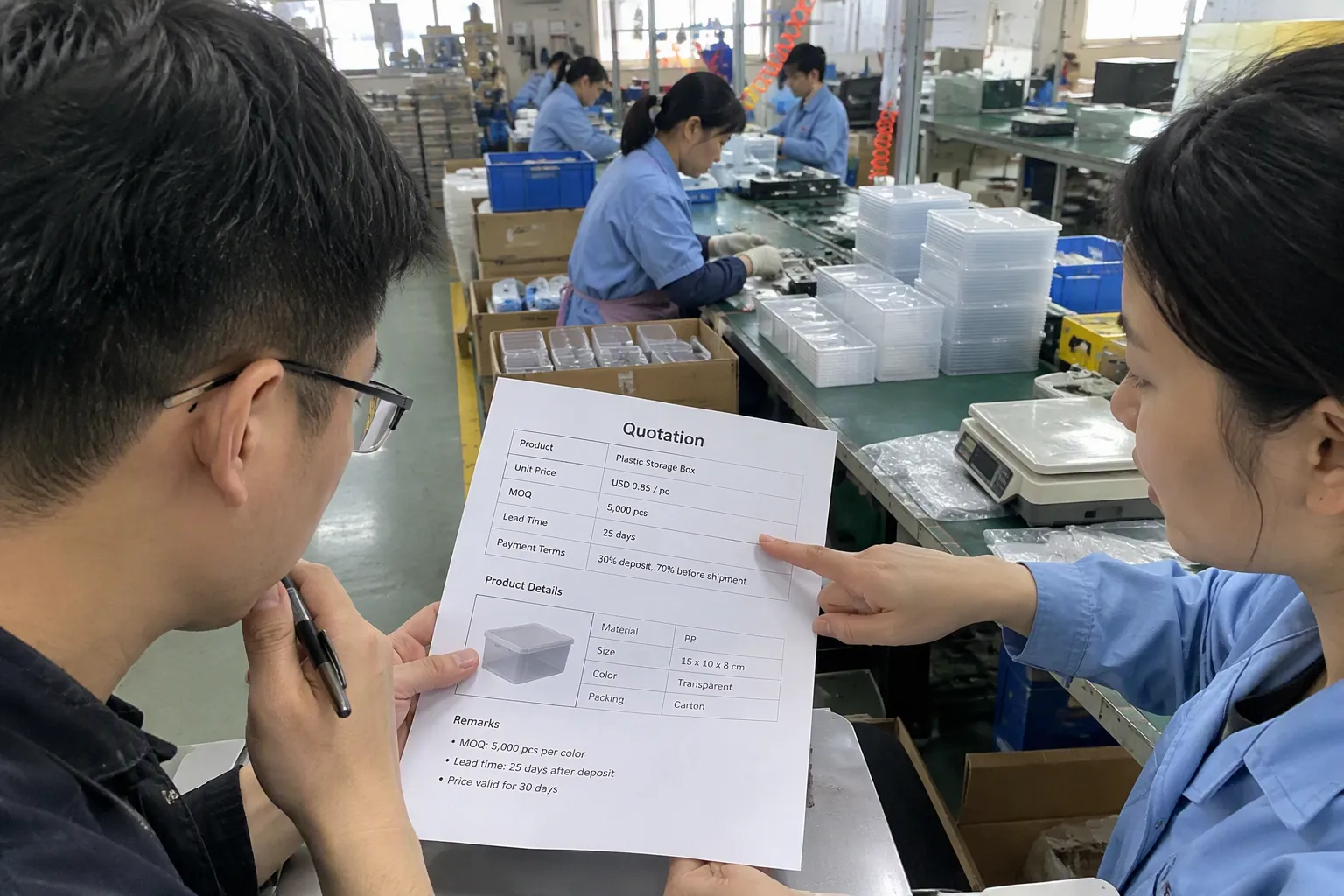
A limited budget does not mean every purchase must be tiny or cheap. It means each spending decision needs a clear purpose. In the sections below, I will explain how I separate unavoidable costs from avoidable risks, compare quotations fairly, and decide when outside sourcing support is worthwhile.
China Sourcing Strategy for Small Budgets: Which Costs Matter Most
A China sourcing strategy for small budgets often fails because the buyer controls the unit price but not the other costs. The supplier may quote a low figure, while freight, inspection, defects, and delays remain unclear. I start by asking what the buyer will realistically pay to receive acceptable products and sell them.
The most important costs are the product price, shipping, import-related charges, packaging, quality control, payment fees, rework, and the financial impact of delays.[3] Buyers should list these costs before comparing suppliers, because a low factory quotation does not automatically produce a low landed cost.

Why the lowest unit price can create a higher final cost
A unit quotation is only one line in a purchasing decision. It may exclude tooling, sample charges, upgraded packaging, export cartons, labeling, inspection, domestic transport, or special handling. Some costs are visible. Others appear only after the order has been placed.
I do not assume that a low quote is dishonest. A supplier may be using a different material, package, production method, order quantity, or delivery term. The real issue is whether the buyer is comparing equivalent products under equivalent conditions.
For example, two suppliers may quote the same phone accessory at different prices. One supplier may include a stronger cable, branded packaging, and a pre-shipment check. The other may offer a lower price with plain packaging and limited production information. Neither price is meaningful until the buyer confirms what the quotation includes.
I normally separate the purchasing calculation into four layers:
-
Product cost
This includes the agreed specification, materials, color, finish, accessories, branding, and packaging components. -
China-side costs
These may include sample development, tooling, domestic delivery, labeling, carton changes, warehouse handling, and consolidation. -
International delivery costs
These include freight, insurance where applicable, customs-related charges, destination handling, and possible duties or taxes. The exact treatment depends on the destination country and shipping terms.[4] -
Execution and risk costs
These include inspection, rework, replacement, rejected units, delayed launch dates, extra storage, and communication time.
A buyer may not be able to calculate every risk as an exact monetary figure. I still recommend recording it. An unclear cost should be marked as an assumption rather than ignored.
A simple total landed cost model
A practical starting formula is:
Estimated landed cost = product cost + China-side costs + freight and import costs + quality-control costs + expected correction costs
The word “expected” does not require a complex statistical model.[5] For a small business, it can mean a reasonable allowance based on the product’s complexity, the supplier’s documentation, the inspection plan, and the consequences of a defect.
Here is a simple comparison structure:
| Cost category | Supplier A | Supplier B | Question to ask |
|---|---|---|---|
| Product quotation | Confirm | Confirm | Are specifications identical? |
| Packaging and labeling | Confirm | Confirm | Is retail packaging included? |
| Sample and development | Confirm | Confirm | Is this a one-time or repeated cost? |
| Domestic delivery | Confirm | Confirm | Who pays to the consolidation point? |
| Inspection or testing | Planned | Planned | What level of checking is practical? |
| International freight | Estimate | Estimate | Are weights and carton sizes reliable? |
| Rework or replacement allowance | Assess | Assess | What happens if products fail inspection? |
| Payment and currency fees | Estimate | Estimate | Are bank or platform charges included? |
| Estimated landed cost | Calculate | Calculate | Which option is genuinely affordable? |
This table does not make uncertain costs precise. It makes them visible. That difference is important when a buyer has limited cash and cannot easily absorb an unexpected invoice.
What I protect even when the budget is small
Some buyers try to remove every service cost from the purchase. That approach can work for a very simple, low-value product where the buyer understands the risks and can inspect the goods personally. It becomes less sensible when the product has multiple components, customized packaging, electrical functions, appearance requirements, or a strict launch date.
I usually protect these budget items first:
- A clear product specification and approved sample
- A basic production quality plan
- A practical pre-shipment inspection
- Accurate carton dimensions and gross weights
- Packaging and labeling confirmation
- A reasonable contingency for corrections
- A documented agreement about rejected or missing goods
The exact inspection method should match the product and the buyer’s risk. A visual count may be enough for a simple promotional item. A consumer electronic product may need functional checks, accessory verification, charging checks, or document review.[7] Application-specific technical and regulatory decisions should be evaluated by qualified professionals.
I also avoid promising that inspection will eliminate all problems. Inspection is a control point, not a guarantee.[6] It can identify visible or testable issues before shipment, but it cannot replace a sound specification, qualified supplier, appropriate testing, or compliance review.
Small orders have different commercial conditions
A small order may not receive the same attention as a large repeat program.[8] The supplier may have a higher MOQ, a less flexible production schedule, a higher setup cost, or a different packaging condition. The supplier may also prioritize larger customers during busy periods.
That does not mean a small buyer cannot obtain good terms. It means the buyer should ask practical questions:
- What is the MOQ for the standard product?
- What changes if the buyer requests a logo or custom package?
- Can the supplier combine production with another order?
- Is the quoted price based on a trial quantity or a repeat quantity?
- How long will the supplier keep the quotation valid?
- What happens if the order is below the preferred production volume?
- Can the supplier provide a realistic sample and production timeline?
- Will the supplier accept a small pilot order before a larger commitment?
I have found that scope control often creates more value than aggressive price negotiation. A buyer may reduce total cost by selecting a standard color, using existing packaging, limiting the first SKU range, or postponing a complex customization. These changes can preserve cash without lowering the basic product standard.
How I compare quotations fairly
I ask buyers to build a quotation comparison sheet with one row for every important feature. The sheet should not compare only price per piece.
A useful comparison includes:
- Product model and version
- Material and dimensions
- Included components
- Color and surface finish
- Logo method and logo location
- Packaging type
- Carton quantity and estimated carton size
- MOQ and pilot order quantity
- Sample cost and sample lead time
- Production lead time
- Payment terms
- Incoterm or shipping arrangement
- Inspection responsibility
- Defect handling and replacement terms
- Supplier communication and response quality
- Relevant documents that the buyer must verify
The last two items deserve special attention. A supplier can have a competitive price but poor communication. A buyer can also receive attractive documents that do not prove the exact product, factory, or current compliance status. Buyers should verify certifications, test reports, licenses, and other claims directly and confirm that the documents apply to the intended product and market.
The cost of delay is easy to overlook
A delayed shipment may create more than a freight problem. It can affect an online launch, a retail promotion, a seasonal sales period, or a customer commitment. A small business may also tie up its available cash while waiting for goods that cannot be sold.
I do not assign a universal financial value to delay because the effect depends on the business. Instead, I ask:
- Does the product have a seasonal or event-based sales window?
- Can the buyer sell an alternative product?
- Does the buyer have storage or cash-flow limits?
- Does a late shipment affect advertising or marketplace plans?
- Is there enough time for rework or replacement?
A supplier with a slightly higher price but a clearer production plan may be the more sensible choice when timing matters. The decision should be based on evidence, not a general assumption that one supplier is always more reliable.
When external sourcing support may reduce total risk
Not every small-budget buyer needs a sourcing agent. Direct purchasing can be reasonable when the buyer has:
- A simple, standard product
- An established supplier
- Strong Chinese-language communication
- A clear inspection arrangement
- Experience with shipping and import procedures
- Enough time to manage samples and production
External support may be useful when the buyer is contacting several factories, developing a private-label product, managing many SKUs, communicating across time zones, or arranging inspection and consolidation from different cities. The value should come from better control and execution, not from an assumption that an intermediary always obtains the lowest price.
At KingSourcing, I would normally look at the complete workflow: supplier verification, quotation comparison, sampling, production follow-up, inspection, packaging, consolidation, warehousing, and shipping coordination. A buyer should still compare the service fee with the time, travel, communication, inspection, and risk-management work that the business would otherwise handle internally.
A practical budget allocation approach
I do not use one fixed percentage for every project. Product type, destination, customization, and order size can change the cost structure. However, I recommend dividing the available budget into functional groups before requesting quotations:
| Budget group | Purpose |
|---|---|
| Product purchase | Pays for the accepted goods |
| Samples and development | Confirms the product before mass production |
| Quality control | Checks quantity, appearance, function, and packaging as appropriate |
| Logistics | Covers domestic movement, consolidation, freight, and related charges |
| Import and destination costs | Covers costs determined by the destination and shipping arrangement |
| Contingency | Handles reasonable changes, rework, or unexpected charges |
| Working capital reserve | Prevents the buyer from spending every available dollar before sales begin |
The reserve is especially important. A buyer who uses the entire budget on the factory invoice may have no cash left for freight, customs charges, replacement units, or a second production run. A smaller initial order with sufficient operational cash can be safer than a larger order that leaves the business financially exposed.
How I use a pilot order
A pilot order is not only a way to test product demand. It is also a way to test the supplier’s execution. I use it to review whether the supplier can follow the approved sample, meet the packaging instructions, communicate changes, and provide accurate shipment information.
The pilot order should have written acceptance criteria. Those criteria may include:
- Approved dimensions and materials
- Required functions
- Cosmetic standards
- Accessories and quantities
- Package contents
- Label position and language
- Carton markings
- Delivery window
- Defect treatment
A pilot order should not be so small that the supplier treats it as an unusual sample with no normal production process. It should also not be so large that a failure creates an unacceptable financial loss. The appropriate size depends on the product, MOQ, and buyer’s risk tolerance.
What I learned from small-budget purchasing work
In the small-batch projects I handle, the most useful conversations usually begin when I ask what the buyer needs to protect. One buyer may care most about a launch date. Another may need consistent branding across several SKUs. A third may be testing demand and therefore needs flexible inventory rather than the lowest possible price.
Those priorities change the supplier decision. A buyer who wants a low-risk test may prefer a standard product with plain packaging. A buyer preparing for retail distribution may need stronger packaging and more detailed inspection. A buyer sourcing from several factories may benefit from consolidation even if one supplier is not the cheapest.
I do not present these situations as guaranteed savings examples. They show why purchasing decisions should be based on the buyer’s actual constraints. The right question is not, “Which supplier gives me the lowest number?” It is, “Which supplier can meet my defined requirements at a total cost and risk that my business can carry?”
A quotation checklist for first-time buyers
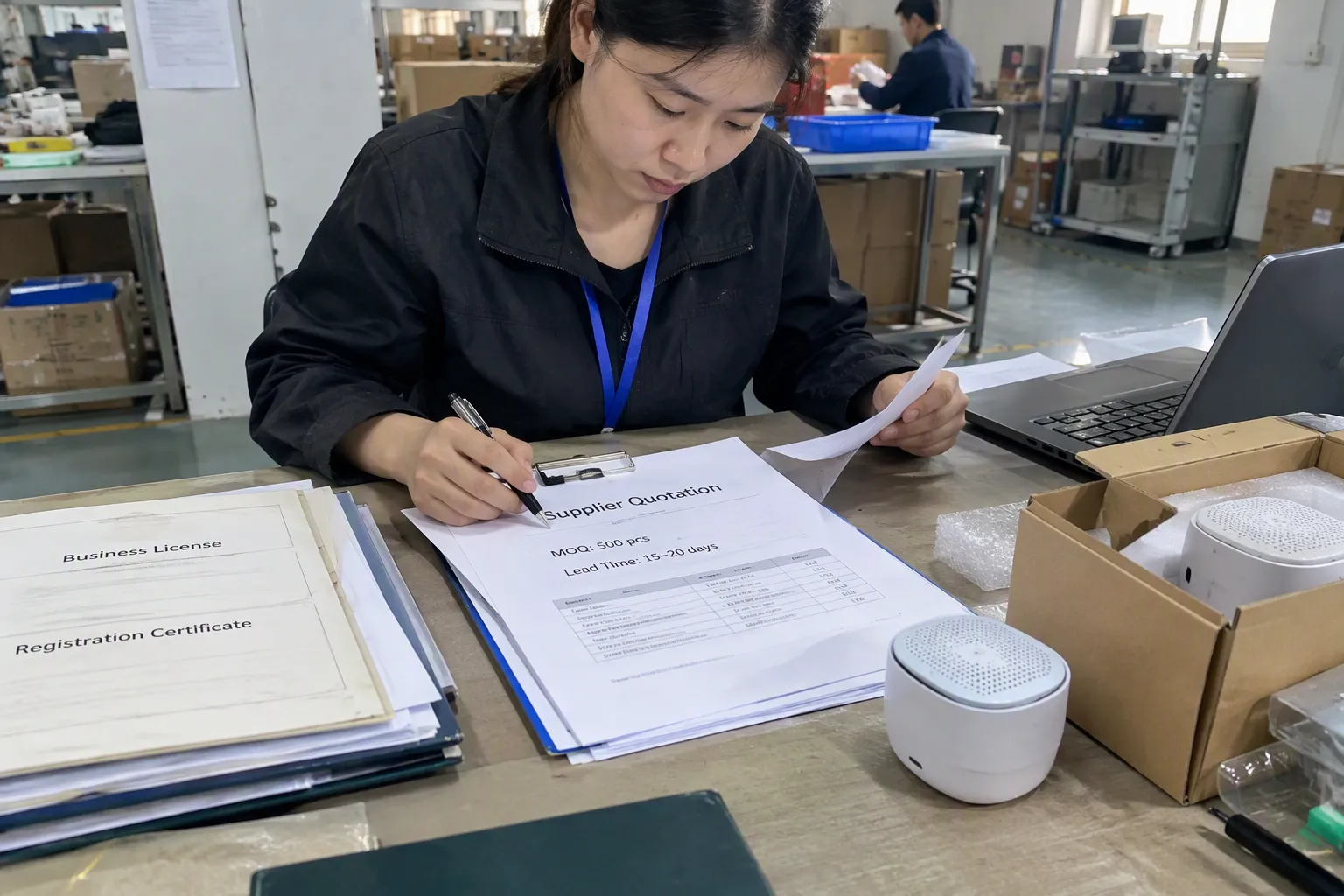
Before paying a deposit, I recommend confirming the following points in writing:
-
Exact product specification
Include model, material, size, color, components, and approved sample reference. -
Full commercial quotation
Confirm currency, quantity basis, MOQ, packaging, tooling, sample fees, and validity period. -
Production schedule
Confirm sample approval timing, production lead time, holiday impact, and shipment readiness. -
Quality requirements
Define the checks, acceptance criteria, labeling, carton requirements, and defect-handling process. -
Shipping assumptions
Confirm carton count, dimensions, weight, pickup location, shipping term, and destination charges. -
Supplier identity
Verify the legal entity, factory or trading-company role, bank details, and communication contact. -
Document relevance
Review test reports, certifications, and compliance documents for the correct product, market, and current production version. -
Change-control process
Require the supplier to notify the buyer before changing materials, components, packaging, or production location.
This list does not remove every risk. It reduces ambiguity, which is often the first controllable risk in overseas purchasing.
Frequently Asked Questions
Is China sourcing suitable for a business with a small budget?
China sourcing can suit a small business when the buyer chooses a manageable product, controls the first order, and calculates total landed cost. It may be less suitable when the product requires complex certification, expensive tooling, highly technical testing, or a large MOQ that the business cannot support.
How can I compare Chinese supplier quotations fairly?
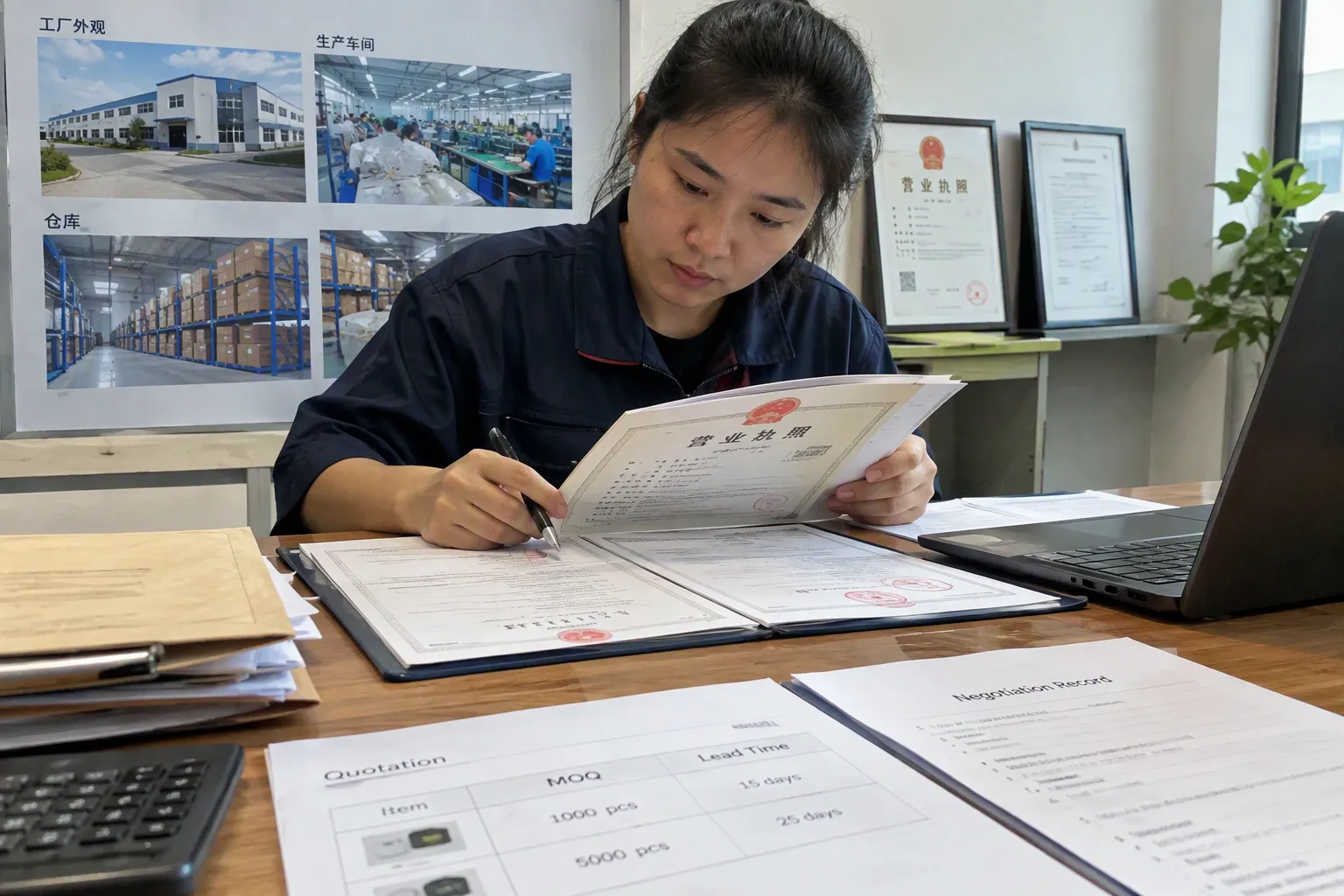
I compare quotations only after standardizing the product specification, quantity, packaging, shipping assumptions, payment terms, and quality requirements. I then add China-side costs, freight, inspection, import-related charges, and a reasonable risk allowance. A spreadsheet with identical categories helps reveal which quote is genuinely more affordable.
Should I always choose the supplier with the lowest price?
No. The lowest price may reflect a different specification, weaker packaging, limited service, or missing costs. I consider product consistency, communication, MOQ, lead time, documentation, inspection access, and defect handling alongside price. A slightly higher quote can produce a lower total cost when it reduces avoidable correction or delay risks.
What should I inspect on a small first order?
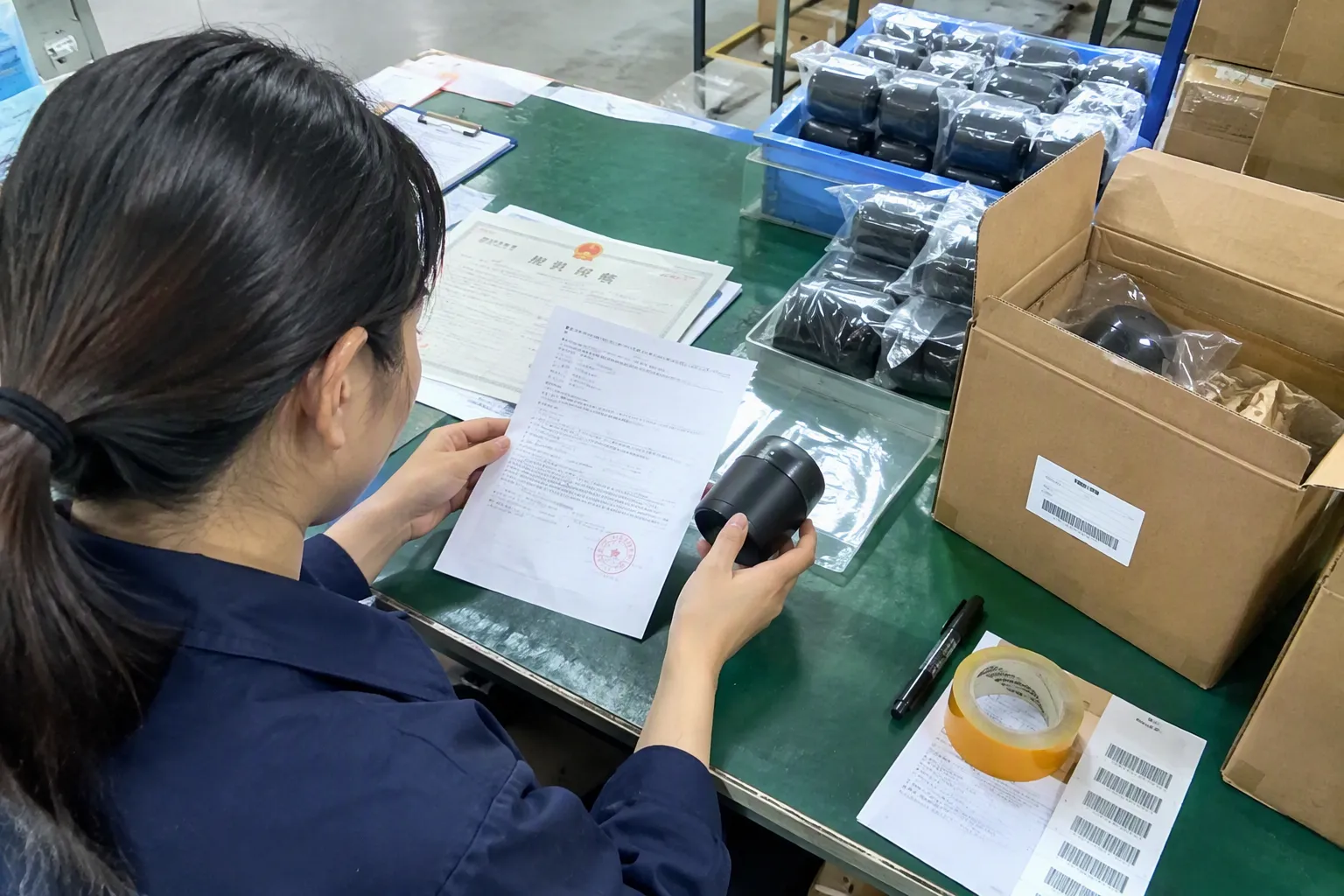
The inspection should match the product. I normally consider quantity, appearance, dimensions, materials, functions, accessories, packaging, labels, carton condition, and obvious workmanship issues. Buyers should define the acceptance criteria before production. Technical safety, regulatory, and application-specific testing should be handled by qualified professionals where necessary.
Do I need a sourcing agent for a small China order?
You may not need one if you have a simple product, a trusted supplier, clear communication, and an inspection and shipping plan. External support can be useful when you need supplier verification, several quotations, OEM or ODM coordination, production follow-up, quality inspection, multi-supplier consolidation, or China-side warehousing. Compare the service cost with the risk and work it replaces.
Conclusion
A strong China Sourcing Strategy for Small Budgets starts with total landed cost, not the lowest factory quotation. I recommend standardizing the specification, comparing suppliers line by line, protecting essential quality controls, and reserving cash for freight, import costs, corrections, and working capital. A controlled pilot order can reveal both product and supplier risks before a larger commitment. If you need help verifying suppliers, comparing quotations, inspecting production, consolidating orders, or coordinating shipping from China, contact KingSourcing to discuss your product and purchasing plan.
Sources
- (PDF) Total Cost of Ownership: Elements and Implementation", Research on procurement costing defines landed cost as a broader measure than the supplier’s quoted unit price, incorporating costs incurred to move and receive goods; this supports using the broader measure for supplier comparison
- Reducing the Costs of Poor Quality: A Manufacturing Case ...", Studies of quality-related costs distinguish prevention and appraisal costs from failure costs such as rework, scrap, and corrective action, providing a mechanism by which a lower purchase price may lead to higher total cost
- A Supply Chain Strategy for the Aviation Industry - ScholarWorks", Official customs and trade guidance identifies freight, import charges, and related handling costs as components that may arise in bringing purchased goods to the destination, supporting a multi-category cost calculation
- Incoterms® 2020 - ICC - International Chamber of Commerce", International trade guidance explains that agreed delivery terms allocate specified costs, responsibilities, and risk between the parties, while import duties and taxes are determined under the applicable destination-country rules
- What Is Cost-Benefit Analysis? 4 Step Process", Decision-analysis and cost-estimation guidance describes expected-value or contingency approaches for representing uncertain future costs when precise forecasts are unavailable
- What kinds of Lot Acceptance Sampling Plans (LASPs) are there?", Quality-control literature shows that inspection and acceptance sampling reduce uncertainty about a lot but retain sampling and measurement risks; inspection therefore functions as a control rather than proof that all defects are absent
- Electronics Inspection - ECQA", Product-safety and conformity guidance treats electrical and electronic goods as requiring assessment of relevant technical, functional, and documentary requirements, not merely appearance
- The Study of Competitive Priorities and Information ...", Research on supplier economics indicates that setup costs, scale economies, and buyer volume can influence minimum-order requirements and the commercial terms offered to purchasers