Quick Answer
A China sourcing strategy becomes difficult when a product failure could cause returns, safety concerns, poor reviews, or damage to a brand. I often see buyers start with price and only later define quality. A better solution is to define buyer risk, acceptance standards, and supplier capability before comparing quotations.
That approach creates confusion.
A China sourcing strategy for quality-sensitive products should begin with clear acceptance standards, not the lowest quotation.[1] Buyers should define critical defects, materials, tolerances, performance expectations, and applicable compliance needs before supplier selection. They should then compare supplier understanding, factory capability, samples, documentation, and quality-control practices so production decisions are based on evidence rather than promises.[2]
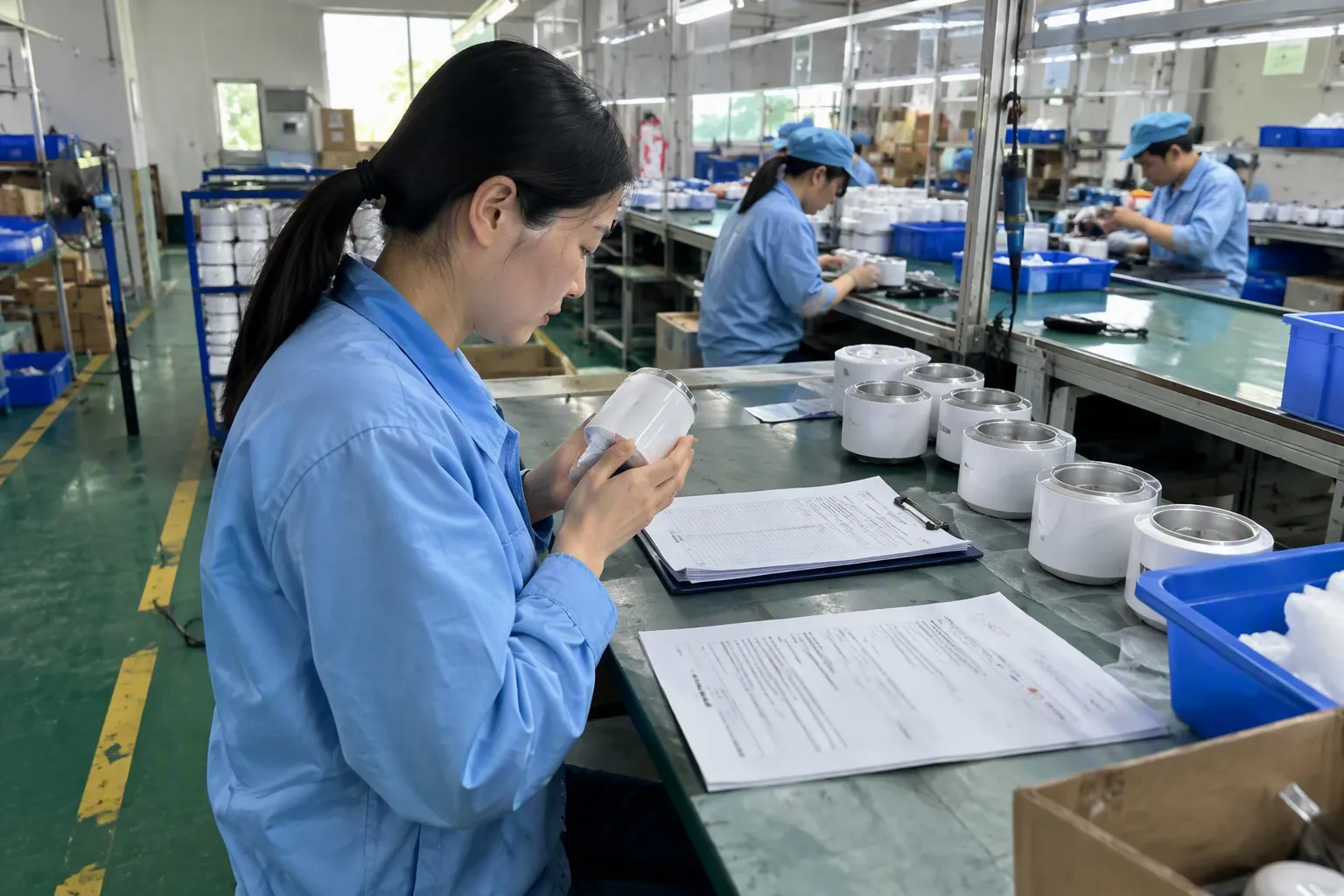
The central question is not whether a supplier claims to offer “high quality.” Almost every supplier can use that phrase. The more useful question is whether the supplier understands the product requirements and can reproduce them consistently. I use that question to connect supplier screening, quotation comparison, factory verification, sampling, production follow-up, and inspection.
How Should a China Sourcing Strategy Manage Quality-Sensitive Products?
Many buyers describe a product as quality-sensitive without defining what quality means in practice. That description may be enough for an initial discussion, but it is not enough for procurement. I help buyers turn broad expectations into measurable requirements that suppliers and inspectors can understand.
A China sourcing strategy should manage quality-sensitive products through a documented process: define product risks, create acceptance criteria, screen suppliers, compare detailed quotations, verify factory capability, approve samples, monitor production, and inspect against the buyer’s agreed standards. Each step should address the product’s specific failure risks instead of relying on a generic checklist.
When I ask a buyer what quality level they need, the first answer is often “good quality.” I understand why buyers use that phrase. They may be communicating with several factories and trying to move quickly. However, “good quality” can mean different things to a supplier, a buyer, an end customer, and an inspection company.
I encourage buyers to describe quality through intended use and consequences of failure. A cosmetic mark may be acceptable on an internal component but unacceptable on a visible retail product. A small dimensional variation may have little effect on one item but prevent assembly in another. A minor packaging defect may be tolerable for a wholesale shipment but create marketplace complaints for a premium DTC brand.
- Function: What must the product do during normal use?
- Critical performance: Which functions must not fail?
- Appearance: Which marks, color differences, scratches, or assembly issues are unacceptable?
- Dimensions: Which measurements affect fit, compatibility, or assembly?
- Materials: Which materials, grades, finishes, or components are required?
- Packaging: What protection, labeling, and presentation does the product need?
- Customer expectations: What would cause a return, negative review, or warranty claim?
- Regulatory or marketplace requirements: Which claims, tests, labels, or documents require separate verification?
I do not treat this process as a substitute for engineering, laboratory testing, or legal compliance review. I treat it as a procurement foundation. Product-specific testing and regulatory decisions should be reviewed by qualified professionals when the application requires them.
A quotation usually looks simple. It may show a unit price, minimum order quantity, lead time, packaging cost, and shipping term. Yet two suppliers can quote similar prices while offering materially different products.
- Material interpretation
- Component selection
- Manufacturing process
- Finishing method
- Packaging construction
- Testing assumptions
- Included and excluded services
- Tolerance or acceptance interpretation
For example, a buyer may request a customized accessory with a particular material and finish. One supplier may include the requested material in the price. Another supplier may assume a lower-cost substitute because the request was not detailed enough. Both suppliers may say they can produce the item. Their quotations may look comparable until the buyer examines the specifications line by line.
I compare more than the final unit price. I look for evidence that the supplier has understood the request. I ask the supplier to confirm uncertain points instead of silently making assumptions. A supplier that asks focused questions may be more useful than one that replies immediately with a low price and no clarification.
| Quotation area | Questions I ask | Why it matters |
|---|---|---|
| Product specification | Has the supplier listed the material, size, color, finish, and components? | Missing details can become production assumptions |
| Tooling and setup | Are molds, fixtures, artwork, or development costs included? | Hidden setup costs can change the real purchase price |
| Packaging | Does the price include inner packaging, cartons, inserts, and labels? | Packaging can affect damage rates and retail presentation |
| Quality requirements | Has the supplier acknowledged inspection points or sample standards? | A supplier may otherwise use its own internal standard |
| Lead time | Does lead time begin after deposit, artwork approval, or sample approval? | Different starting points create delivery confusion |
| Quantity basis | Does the price depend on MOQ, order volume, or mixed SKUs? | Small or mixed orders may have different economics |
| Exclusions | What is not included in the quote? | Buyers need a complete landed-cost comparison |
I have seen quote comparison become more useful when I place supplier responses in a side-by-side table. The table exposes omissions that are easy to miss in separate chat messages or spreadsheets.
Price is measurable, so buyers naturally give it considerable attention. Supplier understanding is less obvious, but it can be just as important for quality-sensitive products.
During supplier communication, I look at whether the supplier:
- Repeats the important requirements accurately.
- Identifies unclear or conflicting specifications.
- Explains which details affect cost or lead time.
- Distinguishes standard features from customized features.
- Confirms what the sample will represent.
- States whether production will use the approved sample or a separate reference.
- Explains its process for handling defects or changes.
- Provides documents that match the quoted product.
- Responds consistently across sales, engineering, and production contacts.
I do not assume that good communication guarantees good manufacturing. Communication is only one part of the evidence. However, unclear communication can increase risk because a buyer may approve one interpretation while the factory produces another.[3]
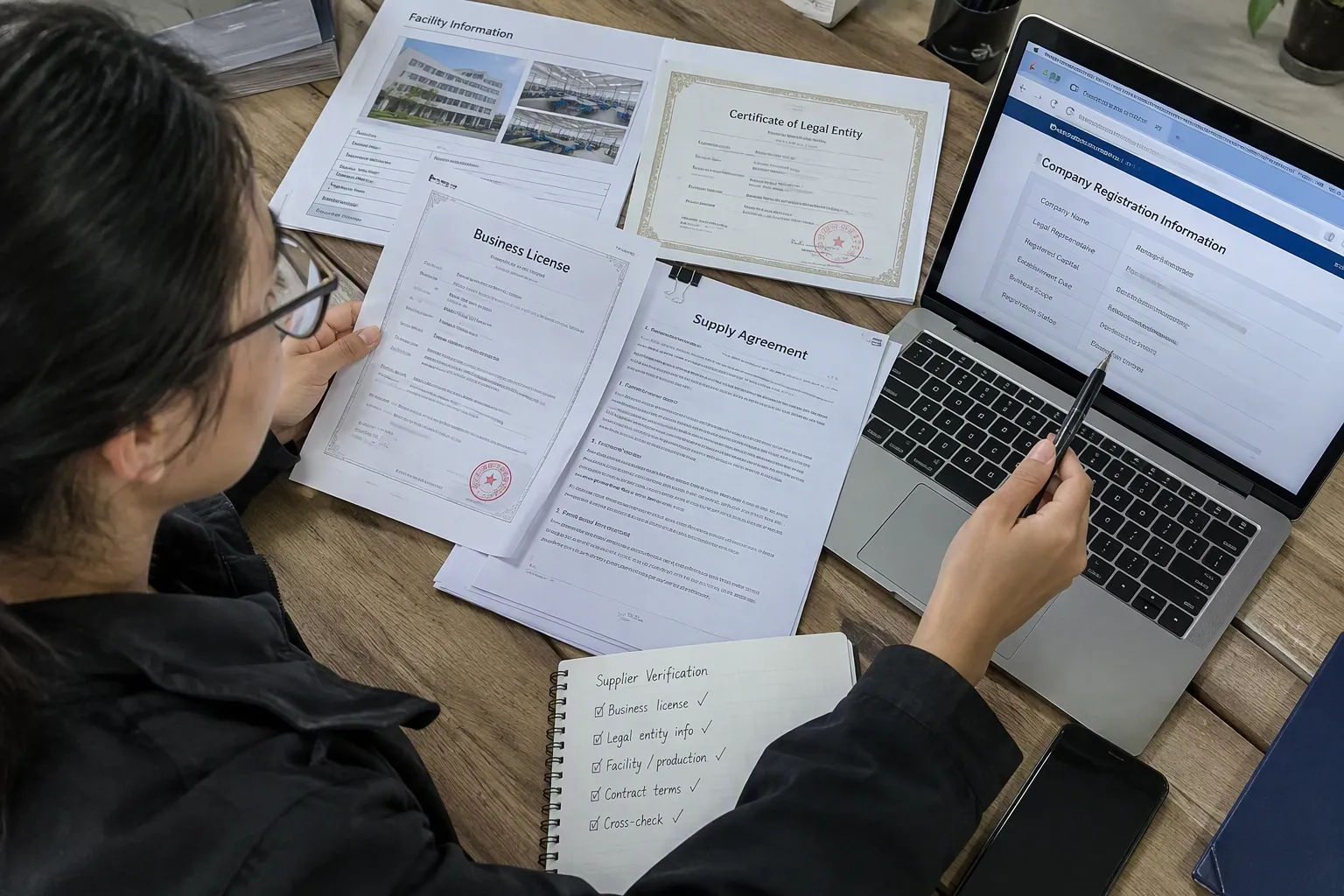
I also avoid treating polished presentations as proof of capability. A professional website, attractive factory photos, or a broad product catalog can support initial screening, but they do not demonstrate that the supplier can meet a particular specification.[4] I prefer to connect claims to evidence such as relevant samples, process descriptions, production records where available, and a factory review.
Supplier verification should combine several types of evidence
Supplier verification is not a single document or a quick online search. I treat it as an evidence process that combines commercial, technical, and operational information.
Commercial checks help me understand who is quoting and how the business operates. I may review:
- Company name and business details.
- Trading-company or manufacturer status.
- Product range and relevant experience.
- Export markets and communication structure.
- Payment terms and quotation validity.
- Whether the contract party matches the manufacturing arrangement.
A trading company is not automatically unsuitable. A trading company may have useful factory access or project-management capability. The buyer still needs to understand which party controls production, quality, packaging, and communication.
Capability checks focus on whether the supplier appears able to make the required product. Depending on the category, I may examine:
- Relevant machinery and production processes.
- Assembly capacity.
- Material and component sourcing.
- Printing, finishing, or packaging capability.
- Experience with similar customization.
- Ability to manage the required order quantity.
- Availability of quality personnel.
- Sample-development process.
- Subcontracting arrangements.
A supplier can make a product category without being suitable for a specific project. I therefore ask whether the supplier has handled the relevant combination of material, dimensions, finish, customization, packaging, and order volume.
A factory audit or verification visit can provide useful information, but it has limits.[5] A visit represents conditions at a particular time. Production may involve subcontractors, seasonal labor, changing materials, or different lines. A factory visit should therefore support, not replace, ongoing quality control.
- Whether the observed process matches the supplier’s explanation.
- How materials and components are identified.
- Whether work-in-progress is protected from damage.
- How defective products are separated.
- Whether workers use documented instructions.
- Whether production and inspection records appear organized.
- Whether the factory can explain its response to nonconforming goods.
- Whether the facility has enough space and equipment for the proposed order.
I do not present a factory audit as a guarantee. I describe it as one method that can reduce uncertainty when its scope and limitations are clear.
Build acceptance standards before requesting final samples
A sample is valuable only when the buyer knows what the sample is supposed to prove.[6] Buyers sometimes approve a sample based on general appearance and then expect production to meet unstated expectations. That creates avoidable disagreement.
I recommend separating sample review into several categories:
- Design confirmation: Does the product match the approved drawings, artwork, or reference?
- Material confirmation: Does the supplier use the agreed material or component?
- Functional review: Does the product perform its intended function under the buyer’s defined conditions?
- Appearance review: Does the finish, color, assembly, and surface meet the agreed standard?
- Packaging review: Does the packaging protect the item and meet labeling requirements?
- Production feasibility: Can the supplier reproduce the sample at the required quantity and cost?
I mark important samples clearly and retain records of the approved version. I also ask the supplier to confirm which characteristics are controlled by a physical sample and which are controlled by written specifications.
A sample cannot answer every question.[7] It may not demonstrate long-term durability, batch-to-batch consistency, performance under stress, or compliance with a specific regulation. Those questions may require testing, technical review, or a production inspection plan.
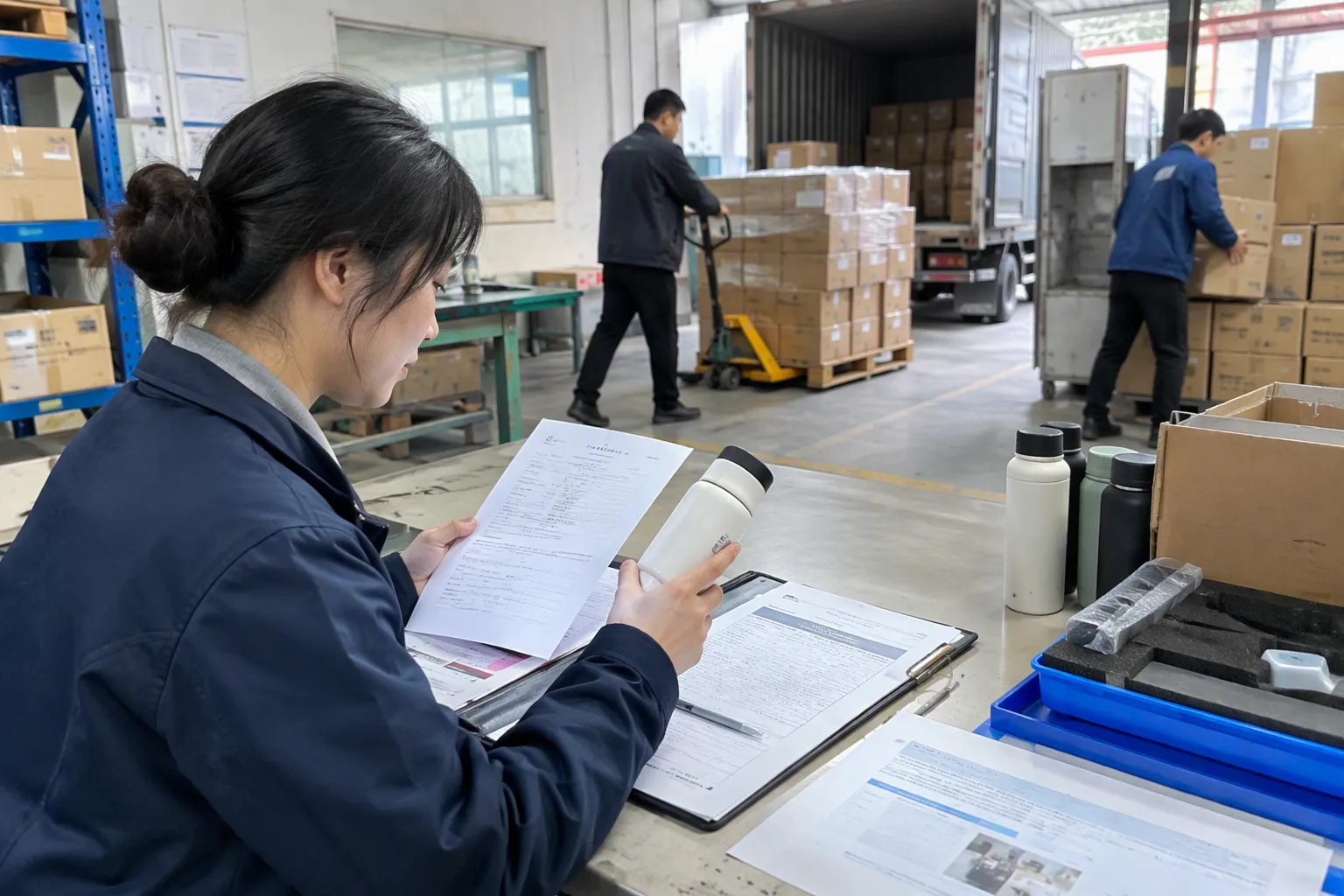
A generic checklist can help organize an inspection, but it cannot define every important risk.[8] A phone accessory, a promotional item, a garment, a household product, and a mechanical component will have different inspection priorities.
I build quality control around the product’s risk points. A basic plan may include the following stages:
- Final specifications.
- Approved artwork and packaging files.
- Sample status.
- Materials and components.
- Production quantity.
- Delivery requirements.
- Inspection scope.
- Change-control expectations.
This stage is useful because a mistake in artwork, color, component selection, or packaging can affect the entire order.
A production follow-up can identify issues before the factory finishes the complete order. Depending on the product, I may check:
- Whether production has started as planned.
- Whether the agreed material is being used.
- Whether workers follow the approved process.
- Whether early units resemble the approved sample.
- Whether defects are being reworked or mixed with acceptable goods.
- Whether the supplier faces delays or material shortages.
The exact timing depends on the product and order. A single inspection is not always enough for a complex or quality-sensitive purchase.
A final inspection should use buyer-defined criteria. It may examine:
- Quantity and SKU mix.
- Product dimensions.
- Appearance and workmanship.
- Function or basic operation.
- Packaging and labeling.
- Carton markings.
- Accessories and included parts.
- Shipping protection.
The inspection result should clearly separate observations from conclusions. A report can identify sampled defects, but the buyer still needs to decide whether the result meets the purchase agreement and intended market requirements.
I recommend keeping the release decision connected to the documented requirements. If an inspection finds a problem, the buyer should determine whether the supplier must rework, replace, sort, discount, or hold the shipment. The appropriate response depends on the defect, contract, customer risk, and commercial context.
I do not rank suppliers using one universal score. I use a comparison model that reflects the product and the buyer’s priorities.
| Evaluation area | Lower-risk evidence | Higher-risk signal |
|---|---|---|
| Specification understanding | Supplier confirms details and raises questions | Supplier gives a price without clarifying requirements |
| Relevant experience | Supplier provides comparable samples or process information | Supplier relies only on a general catalog |
| Material control | Supplier identifies sources and control points | Material details remain vague |
| Communication | Responses are consistent and documented | Different contacts give conflicting answers |
| Production capability | Equipment and process fit the project | Supplier cannot explain how customization will be made |
| Quality control | Supplier describes practical checkpoints | Supplier only promises “strict QC” |
| Commercial transparency | Quote lists inclusions and exclusions | Low quote contains unclear assumptions |
| Change management | Supplier agrees to approve changes | Supplier treats substitutions as informal decisions |
| Capacity and timing | Capacity matches the order and schedule | Supplier accepts every requirement without evidence |
This comparison does not produce a perfect prediction. It helps me identify questions that need answers before a buyer commits funds.
Many quality problems occur after approval because production conditions change. A supplier may face a material shortage, component substitution, artwork revision, or packaging issue. The problem becomes more serious when the change is not communicated.
I encourage buyers to establish a simple change-control rule:
No change to material, component, dimension, finish, packaging, or production location should be made without documented buyer approval.
The rule should apply even when the supplier considers the change minor. A change that appears minor to the factory may affect fit, performance, appearance, or marketplace compliance.
I also ask suppliers to explain what happens when a specified material is unavailable. The buyer can then decide whether to approve an alternative, delay production, or cancel the affected quantity. This approach protects the decision process without assuming that every supplier change is dishonest.
Connect quality expectations with the commercial agreement
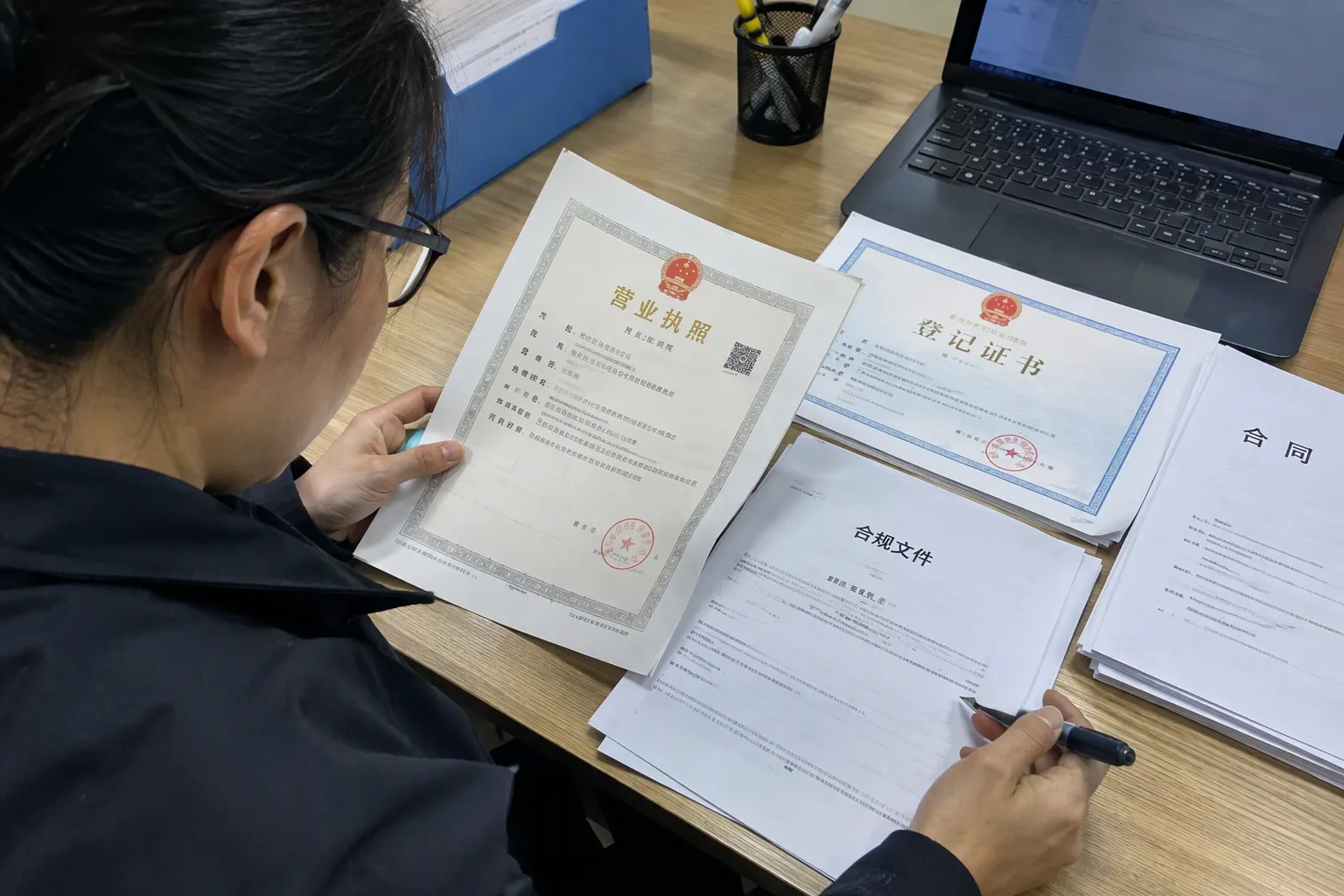
Quality standards should not remain only in chat messages. The purchase agreement, purchase order, specification sheet, approved sample record, and inspection criteria should be consistent.
- Product description and revision number.
- Materials and components.
- Dimensions and tolerances where relevant.
- Color, finish, and artwork requirements.
- Packaging and labeling.
- Quantity by SKU.
- Delivery date or production timeline.
- Inspection method and sampling scope.
- Treatment of defects and rework.
- Rules for substitutions and changes.
- Required documents or test reports.
- Responsibility for additional inspection or rework costs.
I do not suggest that one template can solve every product or legal issue. Contract language should be reviewed for the buyer’s country, product category, and transaction structure. The purpose of written requirements is to reduce interpretation gaps and give both sides a reference point.
A small test order can reduce exposure, but it does not prove that a supplier is ready for every future order. The order may receive unusual attention, use different materials, or be produced under conditions that do not reflect a larger program.
- Whether the supplier follows the agreed specification.
- Whether the final goods match the approved sample.
- Whether packaging is suitable for shipping.
- Whether the supplier communicates problems promptly.
- Whether the factory maintains consistency across units.
- Whether the supplier can prepare documents correctly.
- Whether the supplier handles inspection findings professionally.
For repeat buyers, I also compare results across orders. A supplier’s performance should be assessed over time, not only through one successful shipment. I look for recurring defects, unexplained changes, missed deadlines, and differences between quoted and delivered products.
A larger purchasing program may justify more structured production follow-up, supplier scorecards, periodic factory verification, and deeper product testing. The level of control should match the commercial and customer risk.
An overseas buyer may not have staff in China who can communicate with factories, review samples, visit production sites, or coordinate inspections. A sourcing partner can support those activities, but the buyer should still own the final product requirements and acceptance decision.
At KingSourcing, I would typically position support around:
- Identifying suppliers that match the product brief.
- Comparing quotations in a transparent format.
- Clarifying material, packaging, MOQ, and lead-time assumptions.
- Coordinating sample development.
- Conducting or arranging supplier and factory verification.
- Following production progress.
- Organizing product inspections.
- Checking products individually when the order or risk justifies it.
- Consolidating goods from multiple suppliers.
- Coordinating packaging, warehousing, and shipping.
This support can reduce communication gaps and save time, especially for buyers managing several SKUs or factories. It does not replace product-specific engineering, laboratory testing, regulatory review, or the buyer’s acceptance responsibility. Those areas should remain with qualified specialists and the responsible importing business.
A practical workflow for first-time quality-sensitive buyers
-
Write the product brief.
I describe use, target customer, materials, dimensions, packaging, customization, quantity, market, and delivery needs. -
List failure risks.
I identify what could cause a return, safety concern, poor performance, customer complaint, or shipment delay. -
Define acceptance criteria.
I separate critical, major, and minor issues where appropriate and describe measurable requirements. -
Screen several suppliers.
I compare relevant experience, communication, capability, business information, and willingness to clarify details. -
Request structured quotations.
I ask suppliers to price the same specification and list exclusions separately. -
Review samples and documents.
I check whether the supplier can translate the brief into a representative product. -
Verify the production arrangement.
I confirm who manufactures the product, who controls quality, and whether subcontracting is involved. -
Approve the production reference.
I record the sample, artwork, specification revision, and packaging version. -
Monitor and inspect.
I use appropriate production follow-up and inspection points based on risk. -
Review the supplier after delivery.
I record defects, delays, communication issues, and corrective actions before placing the next order.
This workflow does not eliminate risk. It makes risk more visible and gives the buyer more opportunities to correct misunderstandings before shipment.
What is the most important part of a China sourcing strategy for quality-sensitive products?
The most important part is defining acceptance standards before selecting a supplier. Buyers should explain the intended use, materials, dimensions, performance expectations, packaging, and critical defects. Supplier screening and inspection become more effective when the buyer has already established what acceptable and unacceptable products look like.
Should I always choose the supplier with the lowest price?
No. A low quotation may exclude packaging, use a different material assumption, or reflect a less demanding quality standard. I compare the complete quotation, supplier understanding, capability, communication, sample quality, and production controls. A higher price can be commercially reasonable when it reflects better materials, process control, or service scope.
No. A factory audit provides information about capability and conditions at a particular time. It does not guarantee that every production batch will meet the buyer’s requirements. Buyers should combine factory verification with approved samples, written specifications, production follow-up, inspection, and any product-specific testing that qualified professionals recommend.
What should I include in a supplier quality agreement?
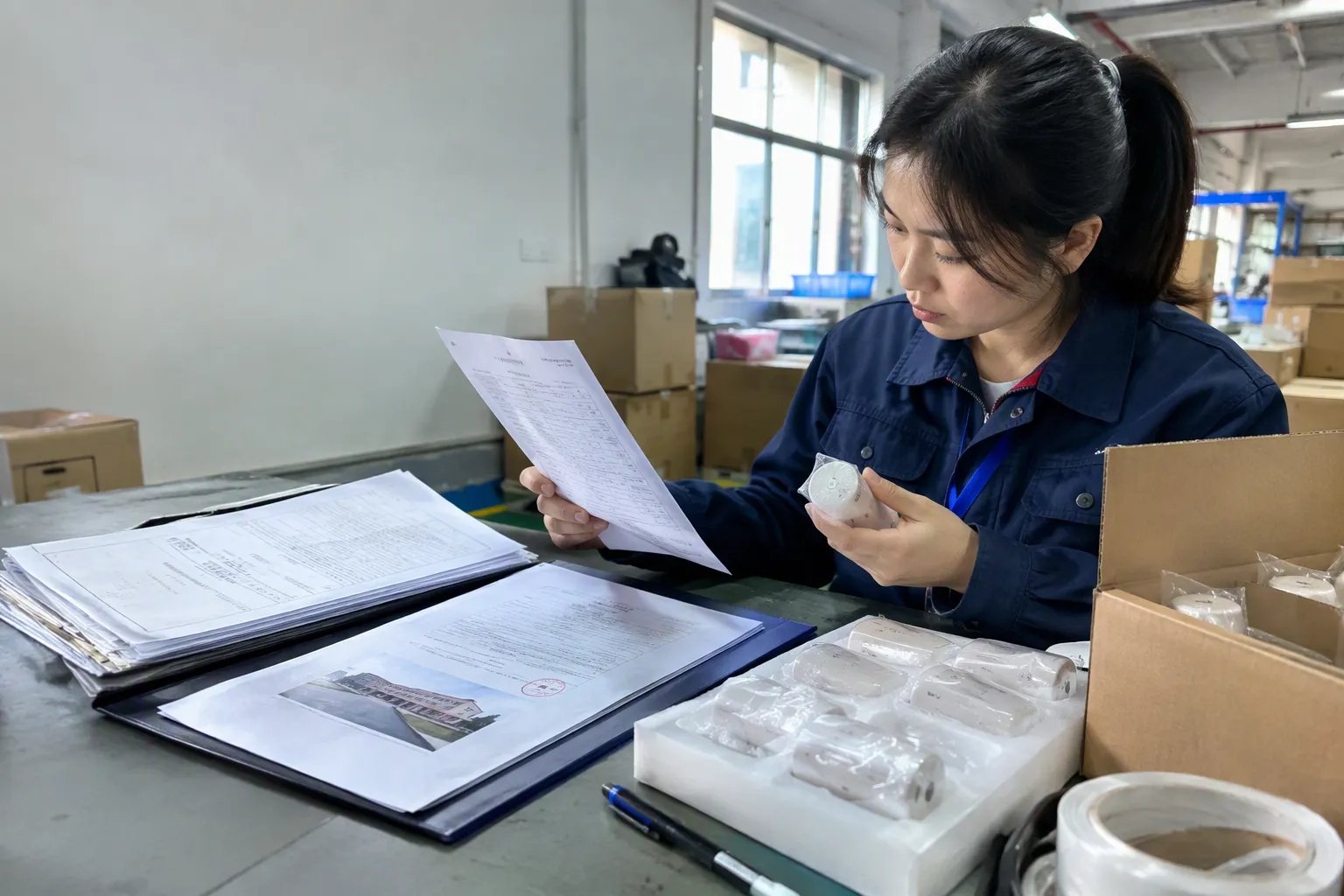
A quality agreement should address the product specification, approved sample, materials, dimensions, packaging, labeling, inspection method, defect treatment, change-control process, required documents, and responsibilities for rework or replacement. The agreement should match the purchase order and should be reviewed for the product category and importing market.
Is one final inspection enough for a quality-sensitive order?
One final inspection may be useful, but it may not identify every production risk. Earlier checks can catch material, artwork, assembly, or process problems before the order is complete. The appropriate inspection plan depends on the product, order size, production complexity, shipment schedule, and consequences of failure.
A practical China sourcing strategy for quality-sensitive products begins with buyer risk, not a supplier’s “high-quality” claim or lowest price. I define acceptance standards, compare how suppliers understand the requirements, verify production capability, approve representative samples, control changes, and use product-specific quality checkpoints. These steps can reduce sourcing uncertainty, but they do not replace testing, compliance review, or buyer responsibility. If you need help comparing Chinese suppliers, coordinating samples, verifying factories, or managing inspections and shipment consolidation, contact KingSourcing to discuss your product requirements.
Sources
- [PDF] Questions and answers on quality, the ISO 9000 standard series ...", Quality-management literature describes documented requirements and acceptance criteria as mechanisms for translating customer expectations into verifiable controls in procurement
- Supplier Selection and Assessment: Their Impact on Business ...", Empirical supplier-selection research identifies technical capability, quality assurance, documentation, and demonstrated performance as relevant dimensions for evaluating manufacturing suppliers
- Reducing Requirements Ambiguity via Gamification - PMC - NIH", Research on requirements communication indicates that ambiguous specifications can produce divergent interpretations between design and production personnel, increasing the possibility of nonconforming output
- Risk factors in the assessment of suppliers - PMC - NIH", Due-diligence guidance generally treats supplier representations as information requiring corroboration through records, assessments, audits, or other objective evidence before reliance on claimed capability
- versus Third-party Audit Quality: Evidence from Global ...", Auditing guidance characterizes an audit as a systematic examination of sampled evidence within a defined scope and period, so its findings provide bounded assurance rather than a guarantee of all future production
- [PDF] An overview of computer software acceptance testing", Quality-control methodology treats a sample as informative only when the characteristics being assessed, the sampling basis, and the acceptance requirements are defined in advance
- Product Prototype Development: From First Sample to ...", Conformity-assessment frameworks distinguish evaluation of a specimen or type from evidence that routine production remains consistent and that all applicable performance or regulatory requirements are satisfied
- Hazard Analysis and Risk-Based Preventive Controls for Human Food", Risk-based quality guidance emphasizes identifying hazards and failure modes in context and tailoring controls and inspections to those risks; a generic checklist can therefore organize work but cannot replace product-specific analysis