Quick Answer
When I compare freight forwarder quotes from China, I often see buyers facing the same problem: several prices look different, but the services behind them are not the same. A lower number can feel attractive until destination fees, tax treatment, or delivery limits appear later. I recommend aligning the shipment details before judging price.
To compare freight forwarder quotes from China accurately, I first make sure every forwarder is pricing the same cargo, route, service scope, delivery responsibility, and timing assumptions. I then compare the full landed shipping cost—not only the headline rate—alongside exclusions, possible variable charges, transit milestones, and communication quality. The cheapest quote is only meaningful when it covers the same work and risk as the alternatives.
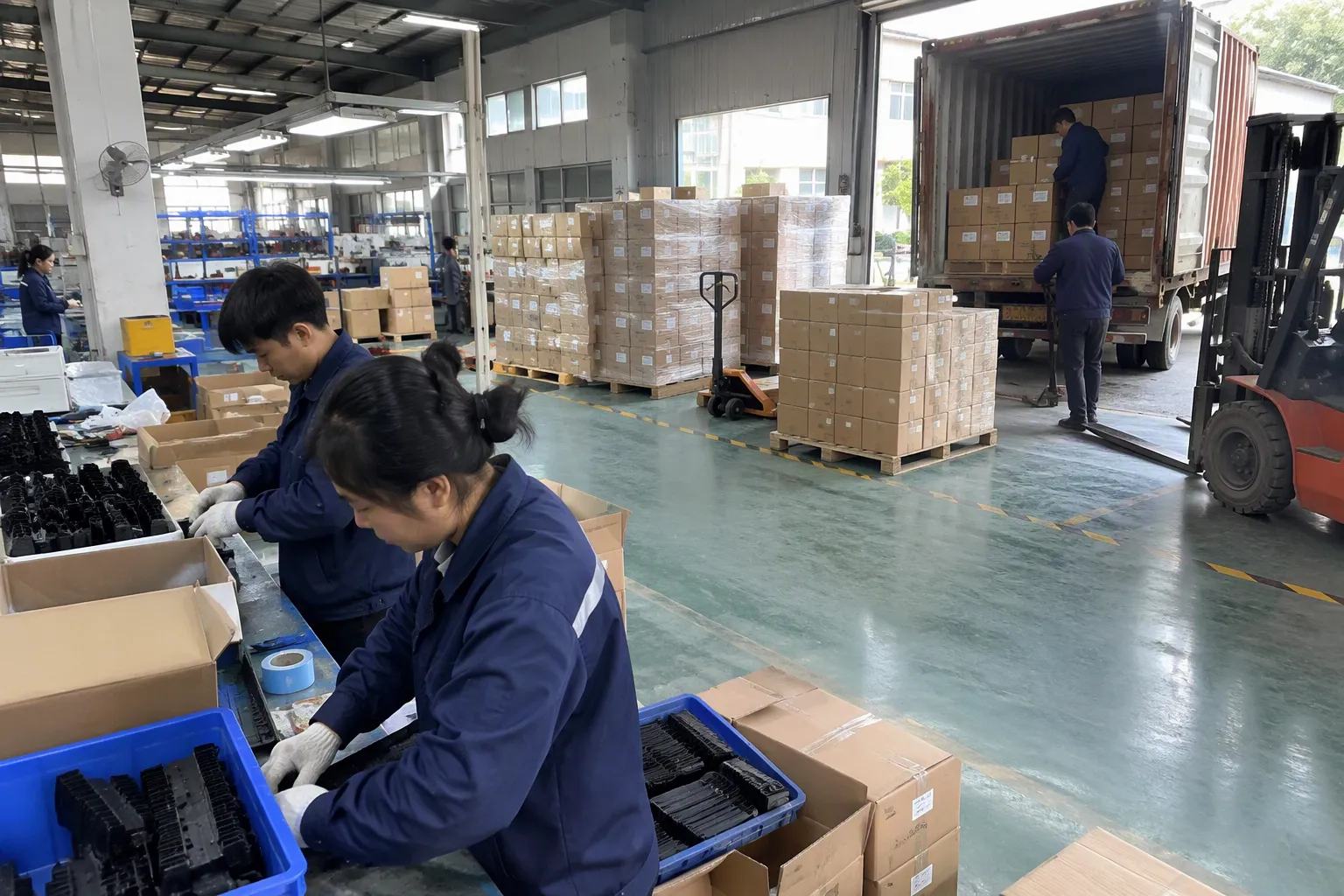
At KingSourcing, we coordinate shipments from China for overseas buyers, so we usually start by organizing the shipment information before discussing which quote looks best. This simple preparation helps us avoid apples-to-oranges comparisons and gives buyers a clearer view of cost, timing, and responsibility.
Are Freight Forwarder Quotes from China Comparable Only When Shipment Details, Service Scope, Delivery Responsibility, and Timing Assumptions Are Aligned?
A freight quote can look clear at first glance, but missing details can create costly confusion later. One forwarder may quote airport-to-airport service while another includes final delivery. One may assume a different cargo weight or pickup city. I find that buyers need aligned inputs before they can make a useful comparison.
Freight forwarder quotes from China are comparable only when each provider uses the same shipment profile and delivery terms. I recommend confirming cargo dimensions, chargeable weight[1], pickup location, destination, product category, ready date, included charges, tax treatment, delivery point, and transit-time milestones. Without this alignment, a lower price may simply represent a narrower service scope.
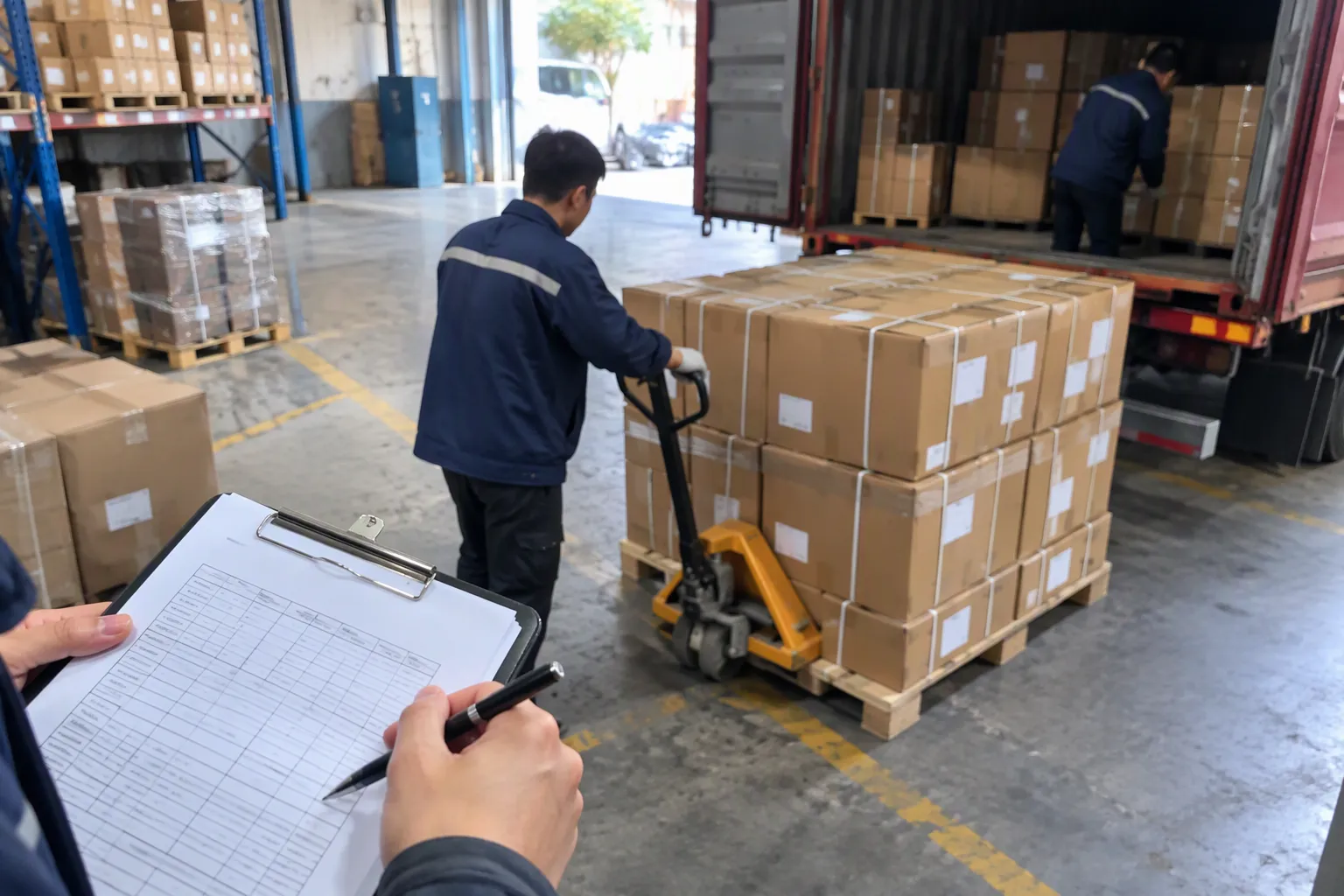
Start With One Shared Shipment Brief
I always prefer to send every forwarder the same written shipment brief. This makes the quotation process more controlled. It also reduces the chance that each provider fills in missing information with different assumptions.
A useful brief does not need to be complicated. It should be specific enough that a forwarder can understand exactly what needs to move, where it needs to go, and what service the buyer expects.
| Shipment detail | What I would confirm | Why it affects the quote |
|---|---|---|
| Product description | Clear commercial description and intended use | Some goods need special handling, documents, or routing review |
| Cargo quantity | Cartons, pallets, units, or containers | Handling and transport planning depend on the shipment size |
| Carton dimensions | Length, width, and height for each carton type | Air and express shipments may be charged by chargeable weight |
| Gross weight | Total actual weight, including packaging | It is needed to assess the billable basis |
| Pickup location | Factory address, warehouse address, or port delivery point | Inland pickup and warehouse transfer costs can differ |
| Destination | Full address, postal code, city, and country | Final-mile cost, remote-area treatment, and customs routing may vary |
| Ready date | Date the cargo should be available for collection | Rates and space availability can change by date |
| Product packaging | Carton, pallet, wooden crate, battery packaging, or other format | Packaging can affect handling, acceptance, and damage risk |
| Shipping method | Express, air freight, rail, sea LCL, sea FCL, or another option | Each method has a different cost structure and timeline |
| Delivery expectation | Port, airport, warehouse, residential address, or fulfillment center | The delivery responsibility must match the quote |
I do not recommend relying only on a supplier’s early estimate of weight and carton size. During product development, those figures can change after final packaging, inserts, labels, protective materials, or palletization are added. A quote based on preliminary dimensions can still be useful for budgeting, but I would label it clearly as an estimate.
For repeat products, I would ask the factory to provide a packing list from a recent completed shipment. For new products, I would request an estimated packing specification and update the freight request after the sample or pre-shipment inspection confirms the final packaging plan.
I treat an early freight quote as a planning tool. I treat a quote based on confirmed packing data as a more useful buying decision document.
Compare Chargeable Weight, Not Only Actual Weight
Many buyers compare freight forwarder quotes from China by looking at a per-kilogram figure. That approach can be misleading because the quoted weight may not be the physical scale weight.
For air freight and many express services, the provider may use chargeable weight. This is generally the higher of:
- The actual gross weight
- The volumetric weight calculated from the shipment dimensions
The volumetric divisor and calculation approach can vary by service, route, carrier arrangement, and quotation basis.[2] I therefore do not assume that two forwarders have used the same formula. I ask each forwarder to state:
- The actual weight used in the quote
- The carton dimensions used
- The calculated volumetric weight
- The chargeable weight billed
- The dimensional divisor or calculation method applied
- Whether a remeasurement at a warehouse, airport, or carrier facility may change the final bill
For sea freight, the discussion often shifts toward cubic meters, container utilization, local charges, and handling fees. Even then, a low per-CBM number may not reveal the full cost. An LCL quote can include one set of origin charges and exclude another set of destination charges.[3] It may also use minimum billable volumes or different warehouse handling assumptions.
I recommend putting the billing basis into your comparison sheet rather than comparing only the displayed rate.
| Quote item | Forwarder A | Forwarder B | What I would check |
|---|---|---|---|
| Actual gross weight | Is it based on the same packing list? | ||
| Total volume | Are the carton dimensions identical? | ||
| Chargeable weight | Which figure is used for billing? | ||
| Rate basis | Per kg, per CBM, per shipment, or another basis? | ||
| Minimum charge | Does a minimum apply? | ||
| Reweighing policy | Can the billed weight change after collection? |
This review does not mean that a later adjustment is automatically unreasonable. Physical cargo may differ from preliminary data. The important point is that I want buyers to know what can change and why before they approve a shipment.
Separate the Transport Rate From the Full Service Scope
A freight rate is only one line in a shipping decision. In practice, buyers need to understand what work is included before they decide whether one quote is cheaper than another.
When we help compare freight forwarder quotes from China, we ask forwarders to separate costs where possible. This makes it easier to see whether the quote covers pickup, export handling, transportation, customs coordination, destination handling, and final delivery.
A useful quote review may include the following questions:
- Does the price include pickup from the factory or supplier warehouse?
- Does it include delivery to the forwarder’s consolidation warehouse?
- Does it include export documentation or export customs declaration support where required?
- Does it include warehouse receiving, carton counting, palletizing, or relabeling?
- Does it include the main international transport leg?
- Does it include destination customs clearance coordination?
- Does it include final delivery to the stated address?
- Does it include appointment delivery, liftgate service, residential delivery, or Amazon/FBA delivery requirements where relevant?
- Does it include cargo insurance, or is insurance optional?
- Does it include storage, demurrage-related exposure, inspection-related costs, or other possible charges?
- Which charges are estimated, variable, or subject to third-party invoices?
I would not expect every quote to include every service. Different buyers need different levels of support. A buyer who can manage customs clearance and local delivery may prefer port-to-port or airport-to-airport service. Another buyer may need a door-to-door arrangement because they do not have a destination logistics team.
The important issue is not which service is “better.” The important issue is whether every freight forwarder quote is being measured against the same required service.
Do Not Compare Tax-Included and Tax-Excluded Quotes as If They Are the Same
One of the largest comparison errors happens when a buyer places a tax-included door-to-door quote beside a quote that excludes destination duties, taxes, customs-related costs, or final delivery.
The first quote may appear higher because it includes more responsibility. The second may appear lower because the buyer is expected to pay certain destination costs separately or arrange some steps independently.
I suggest that buyers ask each forwarder to state the delivery arrangement in plain language. Terms such as door-to-door, tax included, duty paid, DDP, DAP, or similar commercial descriptions can be used differently in everyday shipping conversations.[4] A buyer should not rely on a short label alone.
Instead, I would ask for direct written answers to these questions:
- Who is responsible for import customs clearance coordination?
- Are import duties, VAT, GST, sales taxes, or similar taxes included, excluded, estimated, or payable separately?
- Is the buyer expected to act as importer of record or provide a local tax number, registration, or customs documentation?
- Does the quote include delivery to the final address after clearance?
- Are there cargo types, declared values, destinations, or product categories that require separate review?
- Can customs examinations, storage, inspections, or government charges create costs outside the quoted amount?
- What documents must the buyer or supplier provide before shipment?
Customs, tax, and import compliance requirements depend on the destination, product, declared value, transaction structure, and current rules.[5] I do not treat a forwarder’s quote as customs or tax advice. Buyers should verify their specific responsibilities with a qualified customs broker, tax adviser, or other appropriate professional when the shipment requires it.
This is especially important for e-commerce sellers and brands importing into the United States, the United Kingdom, the European Union, Canada, Australia, or other markets with their own importer and product-compliance requirements. A freight forwarder may coordinate transport well, but the buyer still needs a clear understanding of the commercial and compliance responsibilities attached to the import.[6]
Compare Transit Time as a Series of Milestones
I often see buyers ask, “Which forwarder is fastest?” That is a fair question, but transit time is rarely one single event. It is a sequence of estimated steps.
A quote that says “10–15 days” may refer to different start and end points. One provider may count from warehouse departure in China to destination delivery. Another may count from flight departure to airport arrival. Another may count only the ocean transit after vessel departure.
I recommend asking each forwarder to break the timing into milestones.
| Milestone | What I would ask |
|---|---|
| Cargo ready | When must the supplier finish production and packing? |
| Pickup or delivery to warehouse | Who arranges it, and how many days should be allowed? |
| Warehouse receiving | Is cargo checked, measured, consolidated, or relabeled? |
| Export preparation | Are documents or export procedures needed before departure? |
| Departure | Is the timing based on a planned sailing or flight, or confirmed space? |
| Main transit | What is the estimated transport period after departure? |
| Destination arrival | Does arrival mean port/airport arrival or arrival at a local warehouse? |
| Customs process | Is the quoted timeline inclusive of normal clearance only? |
| Final delivery | How long is typically allowed after release and handover? |
I use the word “estimated” deliberately. Carrier schedules can change. Space can be limited. Weather, port congestion, inspections, customs queries, documentation errors, and final-mile appointment requirements can all affect timing.[7] No responsible buyer should treat an estimated transit range as a guaranteed delivery date unless the provider has offered a specific written service commitment and the buyer understands its terms.[8]
For launches, seasonal sales, retail deliveries, or Amazon inventory planning, I recommend building a buffer. The size of that buffer depends on the route, cargo, shipping method, season, and business consequences of delay. A product needed for a fixed promotion date may justify a different shipping strategy from a routine replenishment order.
Look for Transparent Assumptions, Not Just a Low Number
I do not assume that every low-price forwarder is unreliable or trying to hide fees. A lower quote can result from a different carrier agreement, routing option, warehouse network, shipment consolidation method, or service model.
However, I do consider a quote stronger when its assumptions are clear.
A transparent freight quotation normally helps a buyer understand:
- The cargo details used for pricing
- The origin and destination addresses assumed
- The shipping method and route
- The billing weight or volume
- The validity period of the rate
- The services included
- The services excluded
- The conditions that could cause a revision
- The expected transit-time range and start point
- The documents or information required from the buyer
- The payment timing and currency
- The contact person responsible for updates
I also pay attention to how the forwarder responds to reasonable clarification questions. A provider does not need to promise certainty where uncertainty exists. In fact, I prefer a provider who explains a possible variable charge clearly over one who gives an unrealistic assurance.
For example, a useful response might say that a rate is based on confirmed carton dimensions, is valid until a stated date, excludes destination duty and tax, and may be adjusted if cargo is remeasured or selected for a government inspection. That answer gives the buyer information to plan.
A vague “all included” statement without a written breakdown may not be enough for a buyer with significant shipment value, multiple SKUs, or a strict delivery deadline.
Use a Side-by-Side Freight Quote Comparison Sheet
A simple spreadsheet can improve the decision more than a long email chain. I recommend one row per cost or service item and one column per forwarder.
| Comparison point | Forwarder A | Forwarder B | Forwarder C |
|---|---|---|---|
| Quote reference and date | |||
| Rate validity period | |||
| Shipping method | |||
| Origin pickup included | |||
| China warehouse handling included | |||
| Actual weight used | |||
| Chargeable weight used | |||
| Main freight charge | |||
| Origin charges | |||
| Destination charges | |||
| Customs coordination | |||
| Duties and taxes | |||
| Final delivery | |||
| Insurance | |||
| Estimated transit milestones | |||
| Known exclusions | |||
| Potential variable charges | |||
| Communication and tracking process | |||
| Total estimated payable amount |
I would also add a final notes column. This is where I record important differences, such as whether final delivery requires a booking appointment, whether the quote is based on stackable cartons, or whether a destination address has been classified as remote.
At KingSourcing, we find that this type of comparison is particularly helpful for buyers consolidating products from several Chinese suppliers. The cargo may arrive at different times, and the final shipment dimensions may not be known until all goods reach the warehouse. In that situation, I would compare the forwarders’ handling process as well as their transport rate.
Consider the Forwarder’s Operating Process

Price matters, but I would not choose a forwarder only because their quote is the lowest. The shipment process also affects your workload and risk.
For a buyer located outside China, practical coordination can make a major difference. I would ask how the forwarder handles routine events, including cargo collection, warehouse receipt confirmation, document review, shipment booking, departure updates, customs questions, and final-delivery tracking.
Here are a few practical questions I would ask before approving a forwarder:
- Who is my main contact, and what time zone do they cover?
- Will I receive confirmation when cargo is collected or received at the warehouse?
- Can the forwarder provide photos, carton counts, weights, or warehouse receiving records if needed?
- How are discrepancies reported if the supplier sends fewer cartons than expected?
- How are shipping marks, labels, pallet requirements, or FBA labels handled?
- What happens if the supplier misses the cargo-ready date?
- How are schedule changes communicated?
- What tracking information will be available after departure?
- Who handles issues at destination if delivery cannot be completed?
- What is the escalation process for urgent questions?
For multi-SKU orders, I also think about consolidation capability. A forwarder may offer a competitive international rate but have limited support for receiving products from several factories, checking outer cartons, applying labels, or waiting for one delayed supplier. These services may be essential for a buyer who wants one combined shipment.
I see freight forwarding as part of a wider procurement workflow. The shipping decision becomes easier when the supplier, warehouse, forwarder, and buyer are working from the same packing information and shipping instructions.
A Practical Decision Framework for Buyers
When I help a buyer review freight forwarder quotes from China, I do not try to identify the “best” quote in isolation. I help identify the quote that best matches the buyer’s shipment requirements.
A practical decision sequence looks like this:
-
Confirm the cargo facts.
I verify carton counts, dimensions, gross weight, product category, pickup point, and ready date. -
Define the required delivery point.
I clarify whether the buyer needs port delivery, airport delivery, warehouse delivery, final-address delivery, or fulfillment-center delivery. -
Clarify import and tax responsibility.
I ask the buyer to understand what is included and what they must manage separately. For complex situations, I recommend qualified local professional advice. -
Request like-for-like quotes.
I send the same shipment brief to each forwarder. -
List all included and excluded charges.
I separate the main rate from origin, destination, clearance, tax, delivery, and optional service costs. -
Compare estimated timing milestones.
I check where the transit clock starts and ends. -
Review operational support.
I consider communication, warehouse handling, tracking, and issue resolution. -
Keep a contingency margin.
I avoid assuming every variable will remain fixed, especially if cargo data is preliminary or the shipment is time-sensitive.
This process takes more effort than comparing a single rate per kilogram or per cubic meter. Still, I believe it gives buyers a more dependable basis for making a procurement decision.
Frequently Asked Questions
What details do I need before requesting freight forwarder quotes from China?

I recommend providing the product description, carton count, carton dimensions, gross weight, pickup address, destination address and postal code, cargo-ready date, shipping method, and required delivery point. I also suggest stating whether you need consolidation, labeling, customs coordination, insurance, or tax-inclusive delivery.
Why is one freight forwarder quote much cheaper than another?
A cheaper quote may use different cargo dimensions, a different chargeable weight, a narrower service scope, or different assumptions about duties, taxes, final delivery, and destination charges. I do not assume a lower quote is wrong, but I would ask for a written inclusion-and-exclusion breakdown before deciding.
Should I choose a tax-included door-to-door freight quote?
A tax-included door-to-door quote may suit buyers who want a simpler delivery arrangement, but I recommend confirming exactly what “tax included” covers. You should verify delivery responsibility, import documentation, customs coordination, excluded charges, and any buyer obligations for your destination and product category.
Is the quoted transit time guaranteed?
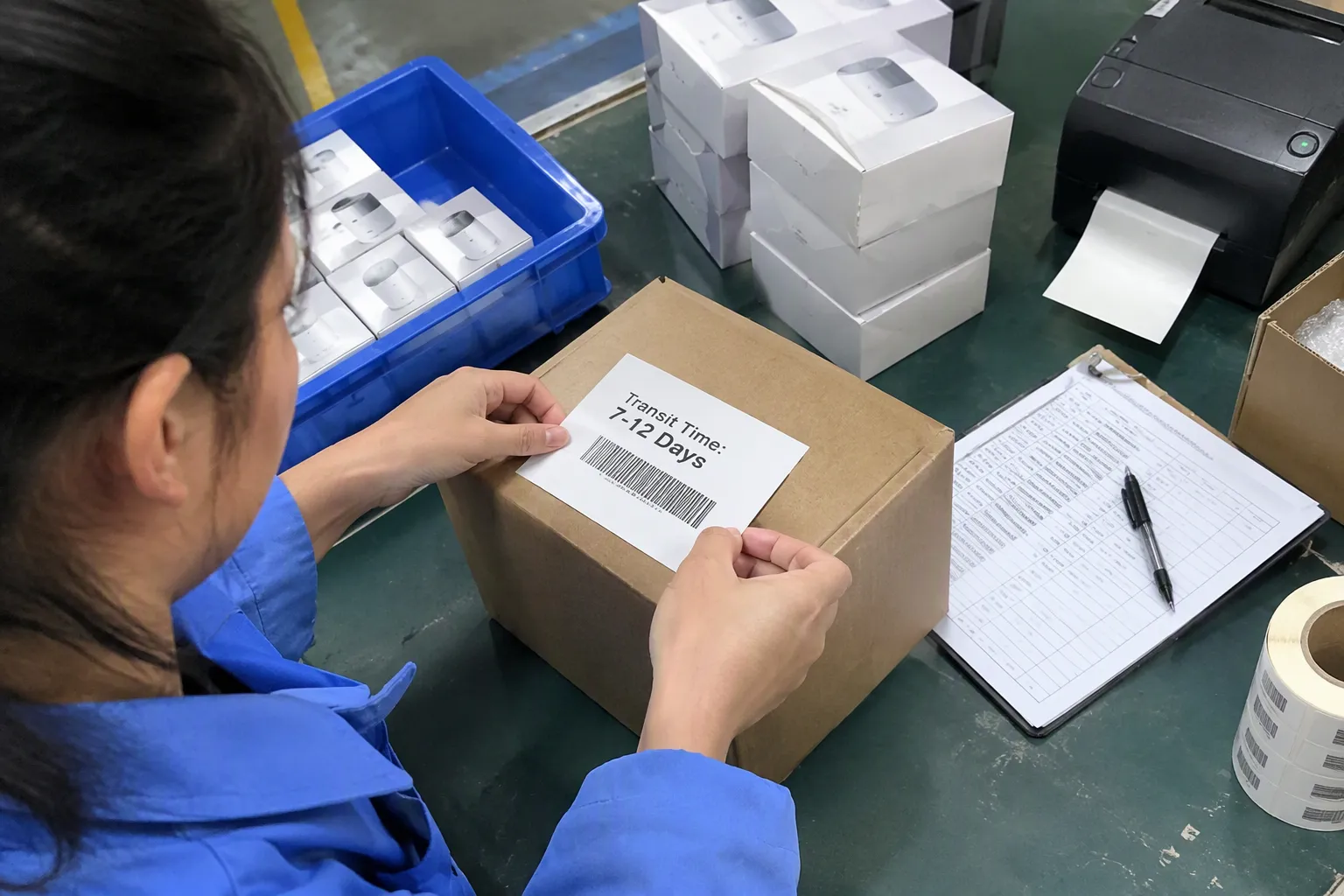
I treat most quoted transit times as estimates, not guarantees. Transit timing can be affected by cargo readiness, warehouse handling, carrier schedules, capacity, weather, customs processes, inspections, and final delivery conditions. I recommend asking which milestones are included in the stated time range.
Can KingSourcing help compare freight forwarder quotes from China?
Yes. At KingSourcing, we can help buyers align cargo details, supplier pickup information, packaging data, consolidation needs, delivery requirements, and quote inclusions before making a comparison. We provide procurement coordination support, not legal, customs, tax, or carrier-guarantee advice.
Conclusion
I believe the most reliable way to compare freight forwarder quotes from China is to compare the complete shipment arrangement, not just the headline price. I would first align cargo data, chargeable weight, service scope, delivery responsibility, tax treatment, exclusions, and timing milestones. This helps buyers spot real differences before the goods leave China. If you are sourcing from multiple factories or need support coordinating packaging, consolidation, inspection, and shipping details, we at KingSourcing can help make your freight comparison more controlled and transparent.
Sources
- Air Cargo Chargeable Weight: A Complete Guide | Maersk", IATA cargo-rating guidance describes chargeable weight as the rating weight derived by comparing actual and volume weight, with the higher applicable weight generally used for air-freight charges
- Air cargo chargeable weight calculation explained", Published carrier and air-cargo rating rules show that volumetric-weight calculations depend on the applicable tariff or service formula; therefore, quotations should identify the divisor used
- LCL Charges & Fees 2026: CFS, BL & Docs | Suaid Global", UNCTAD and freight-transport guidance distinguish ocean freight from origin and destination local charges, supporting the need to examine an LCL quotation beyond its per-volume freight rate
- Know Your Incoterms", The International Chamber of Commerce explains that Incoterms® rules allocate delivery and cost responsibilities between parties; DAP and DDP have distinct import-clearance and duty obligations
- Internet Purchases", Customs authorities explain that import duties, taxes, and compliance obligations are determined under destination-country rules using factors including the goods' classification, customs value, origin, and import circumstances
- Importing into the United States A Guide for Commercial ...", Official customs guidance states that importers are responsible for exercising reasonable care over entry information and compliance requirements, even when they use customs brokers or other intermediaries
- Supply Chain Resilience Guide", International transport and trade-facilitation reports identify port congestion, weather-related disruption, schedule unreliability, and customs or documentation procedures as factors that can delay cargo movement
- How Long Does LTL Shipping Take? Transit Times", Carrier service terms commonly distinguish estimated transit schedules from expressly defined service guarantees, which are subject to stated eligibility conditions and exclusions