Quick Answer
Payment scams when paying Chinese suppliers can turn a normal purchase into a costly dispute, especially when I am working with a new factory or managing a large deposit. The risk increases when an email suddenly changes the receiving account or an urgent deadline discourages careful checking.[1] I reduce that risk by verifying the supplier, documents, and beneficiary together before sending money. **To avoid payment scams when paying Chinese suppliers, I verify that the legal supplier identity, quotation, contract, invoice, purchase order, bank account, and payment beneficiary all match.
I treat any sudden change in payment instructions as a pause point and confirm it through an independent, trusted channel. I also keep a written approval process and use payment protections appropriate for the transaction.**
A safe payment decision does not come from selecting one supposedly perfect payment method. Every method has conditions, limits, and recovery procedures that I need to verify with the bank, platform, or payment provider. The most useful protection is a disciplined pre-payment workflow that connects supplier verification with account verification.
How Can I Avoid Payment Scams When Paying Chinese Suppliers?
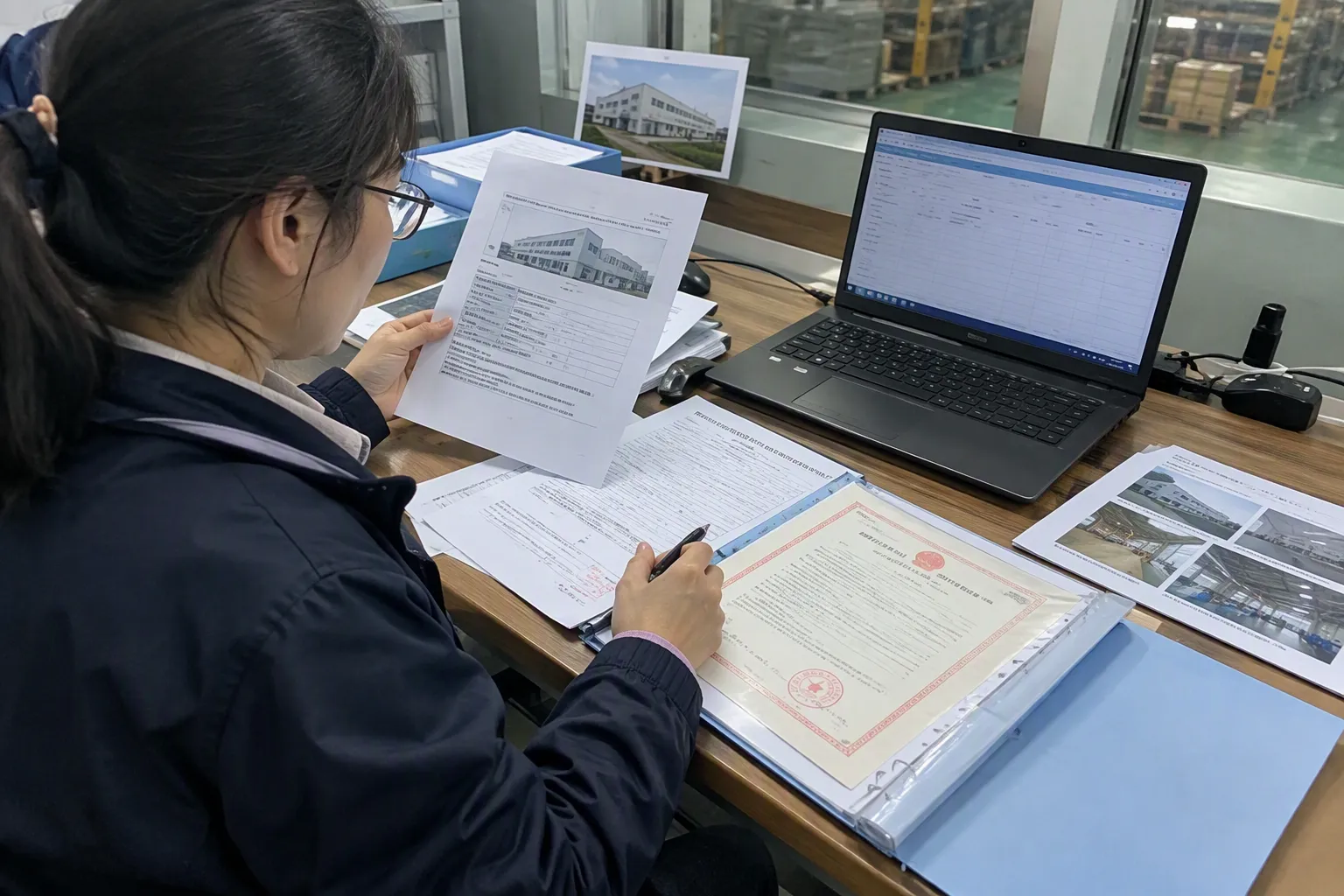
A payment request can look professional and still require further verification. A supplier may have a real website, a marketplace profile, and a valid business license, while the account in the latest email belongs to a different entity. I therefore check the complete payment chain instead of relying on one document or one conversation.[3]
I avoid payment scams when paying Chinese suppliers by completing an identity-to-account check before every deposit. I compare the supplier’s registered company name, contract, invoice, purchase order, and bank beneficiary. If the account changes, the price becomes unusually urgent, or the documents conflict, I pause payment and confirm the request outside the original communication channel.
I have reviewed supplier payment details as part of sourcing and procurement work, including situations where a supplier suddenly requested a change to its receiving account. In those cases, I do not assume that the request is fraudulent. I treat it as a control failure or verification gap that requires additional evidence before money moves.
Why Is Supplier Identity Verification Not Enough?
A supplier’s identity and receiving account are related, but they are not automatically the same thing. A business license may confirm that a company exists. It does not, by itself, prove that every bank account, email address, employee, or payment instruction belongs to that company.[2]
I check several separate relationships:
- The supplier exists.
- The person communicating with me is authorized.
- The order documents identify the same legal supplier.
- The receiving account belongs to the supplier or an authorized payment entity.
- The payment request relates to the specific order I approved.
This distinction is important for first-time importers. A buyer may search a supplier online, feel reassured by a professional profile, and then pay an account named after another company. The account might be legitimate in some circumstances, such as an approved trading company or an authorized payment agent. However, the difference still needs to be documented and explained.
I ask the supplier to provide clear information about the beneficiary:
- Exact account holder name
- Bank name and branch information, where appropriate
- Account number or other payment identifier
- Registered company name and address
- Relationship between the beneficiary and the contracting supplier
- Written authorization if another company receives payment
- Reason for using a third-party or different account
- Whether the beneficiary appears on the commercial invoice and contract
I do not treat a different account name as conclusive proof of fraud. I treat it as a mismatch that needs resolution. If the supplier cannot explain it clearly, I do not proceed until I have completed further verification.
What Should I Compare Before Sending a Deposit?
I use a document-matching process. The goal is not to collect paperwork for its own sake. The goal is to confirm that the same transaction appears consistently across the documents.
| Item | What I check | Why it matters |
|---|---|---|
| Supplier quotation | Company name, address, product details, price, MOQ, and validity | Connects the offer to the supplier identity |
| Purchase order | Buyer, supplier, SKUs, quantities, and agreed terms | Defines what I am purchasing |
| Sales contract | Legal parties, payment terms, delivery terms, and dispute provisions | Establishes the commercial agreement |
| Commercial invoice | Invoice number, amount, beneficiary, and order reference | Links the payment request to the order |
| Bank instructions | Beneficiary, bank details, currency, and reference | Identifies where the money will go |
| Business registration documents | Legal name and registration information | Helps verify the contracting entity |
| Communication record | Email domains, dates, approvals, and changes | Shows how the request developed |
I look for exact or reasonably explainable consistency. A shortened trading name may be normal in conversation, but the legal name on the contract should not conflict with the beneficiary without an explanation. I also compare the invoice amount with the quotation and contract. A small rounding difference may be administrative. A new bank charge, unexplained discount, or changed deposit percentage deserves a question.
I save the final approved documents in one folder. This simple habit helps me identify changes. It also gives my team a common reference when different people handle sourcing, finance, and shipping.
Why Are Bank Account Changes a Major Pause Point?
A sudden bank account change can happen for legitimate operational reasons. A supplier may change banks, use a different account for a particular currency, or reorganize its payment process. However, criminals also use account-change requests because buyers often trust an existing relationship and act quickly.
I use a stricter process for a changed account than for the original account. The email that announces the change is not enough confirmation. If the same compromised mailbox or messaging account sent both the original and revised instructions, replying to that account may not prove anything.[4]
I recommend an independent confirmation through a trusted channel, such as:
- Calling a known supplier contact using a number saved before the change
- Speaking with a factory manager or sales manager previously verified
- Confirming through an established company messaging contact
- Asking the supplier to confirm the change on signed company letterhead
- Checking the change during a video meeting with known representatives
- Using a sourcing partner who already has an independently verified factory relationship
I avoid using only the contact details included in the suspicious message. I also avoid clicking links or calling a new number before checking that information separately.
A useful confirmation question is specific: “Please confirm that invoice ABC-123 for our purchase order PO-456 should be paid to this exact beneficiary, and explain why the account differs from the previous instructions.” A vague question may produce a vague answer. A specific question creates a record and tests whether the person understands the transaction.
How Do I Verify the Receiving Account?
Account verification requires more than checking whether the bank name appears real. I compare the beneficiary with the entity that is selling the products. I also ask whether the payment route fits the commercial arrangement.
For example, I may encounter these situations:
| Situation | My response |
|---|---|
| Beneficiary is the same legal company as the supplier | I still compare all documents and confirm the account through a trusted channel |
| Beneficiary is a related company | I request the relationship and written authorization |
| Beneficiary is a trading company | I confirm whether the trading company is the contracting seller |
| Beneficiary is an individual | I pause and request a documented business reason and professional review |
| Beneficiary is in a different country | I ask why, then verify tax, contractual, and payment implications independently |
| Beneficiary changes after sample approval | I treat the change as a new risk event and repeat verification |
I do not assume that an account held by an individual is automatically fraudulent. Small businesses can have informal operating arrangements. Still, an individual beneficiary creates a different risk profile from a corporate beneficiary, so I request stronger documentation and consider whether the transaction should proceed through a more controlled structure.
I also check the currency. A supplier may normally invoice in U.S. dollars but suddenly request payment in another currency. That change may be legitimate, but I ask whether the price, exchange rate, bank fees, and invoice amount have been updated in writing.
I ask my bank or payment provider about the mechanics of the transfer before paying. I want to understand whether the beneficiary name is checked, what information appears on the transfer confirmation, and what options exist if I identify an error. I do not assume that a bank’s acceptance of payment details means the supplier is genuine.[5]
Which Payment Method Should I Use?
No payment method guarantees that I will avoid payment scams or recover money after a fraudulent transaction. I choose a method based on the supplier relationship, order value, destination country, product risk, and the protections that the provider actually offers.
| Payment method | Potential advantages | Questions I ask |
|---|---|---|
| Bank transfer | Familiar for international B2B purchases and often efficient | What verification and recall procedures apply? |
| Escrow or marketplace payment | May hold funds under stated platform conditions | What events release funds, and what exclusions apply? |
| Credit card | May offer dispute processes depending on issuer and transaction terms | Does the issuer cover this type of commercial purchase? |
| Documentary payment | Can add document-based controls | Do the documents and bank charges suit the order? |
| Trade assurance program | May provide platform procedures under defined terms | What evidence and deadlines govern a claim? |
| Payment through a sourcing partner | Can add local verification and transaction management | Who is contractually responsible for payment and delivery? |
I verify the terms directly with the bank, card issuer, platform, or professional adviser. I do not rely on a supplier’s description of “buyer protection.” Protection may depend on the payment route, documentation, claim deadline, product category, and whether I followed the provider’s required process.[6]
For a first order, I may reduce exposure by using a smaller sample or pilot order, subject to commercial suitability. A small order does not remove risk, but it can limit the amount at stake while I evaluate communication, quality, packaging, lead time, and documentation.[7] I still apply account verification to a small payment because process discipline should not depend only on the amount.
How Do Price Pressure and Urgency Affect My Decision?
A low price is not proof of fraud. A supplier may have better production efficiency, a temporary promotion, different materials, or a lower service scope. An urgent deadline is also not proof of fraud. Production schedules and shipping cutoffs can be real.
However, low prices and urgency reduce the time available for checking.[8] That makes them important risk signals. I ask whether the commercial explanation is clear and documented.
I slow down when several conditions appear together:
- The price is far below comparable quotations.
- The supplier demands immediate payment to reserve production.
- The account changes shortly before the deposit deadline.
- The supplier refuses a written contract or detailed invoice.
- The communication moves from a company domain to a free email address.
- The beneficiary differs from the contracting company.
- The supplier discourages calls or independent verification.
- Product specifications change after the quotation.
- The supplier asks me to ignore a mismatch because “the bank requires it.”
I use a written escalation rule: no payment is released while a material mismatch remains unresolved. This rule protects me from making an emotional decision under time pressure. If the supplier is legitimate, a reasonable verification request should usually be explainable. If the request creates conflict, I document the response and reassess the relationship.
What Does a Practical Pre-Payment Workflow Look Like?
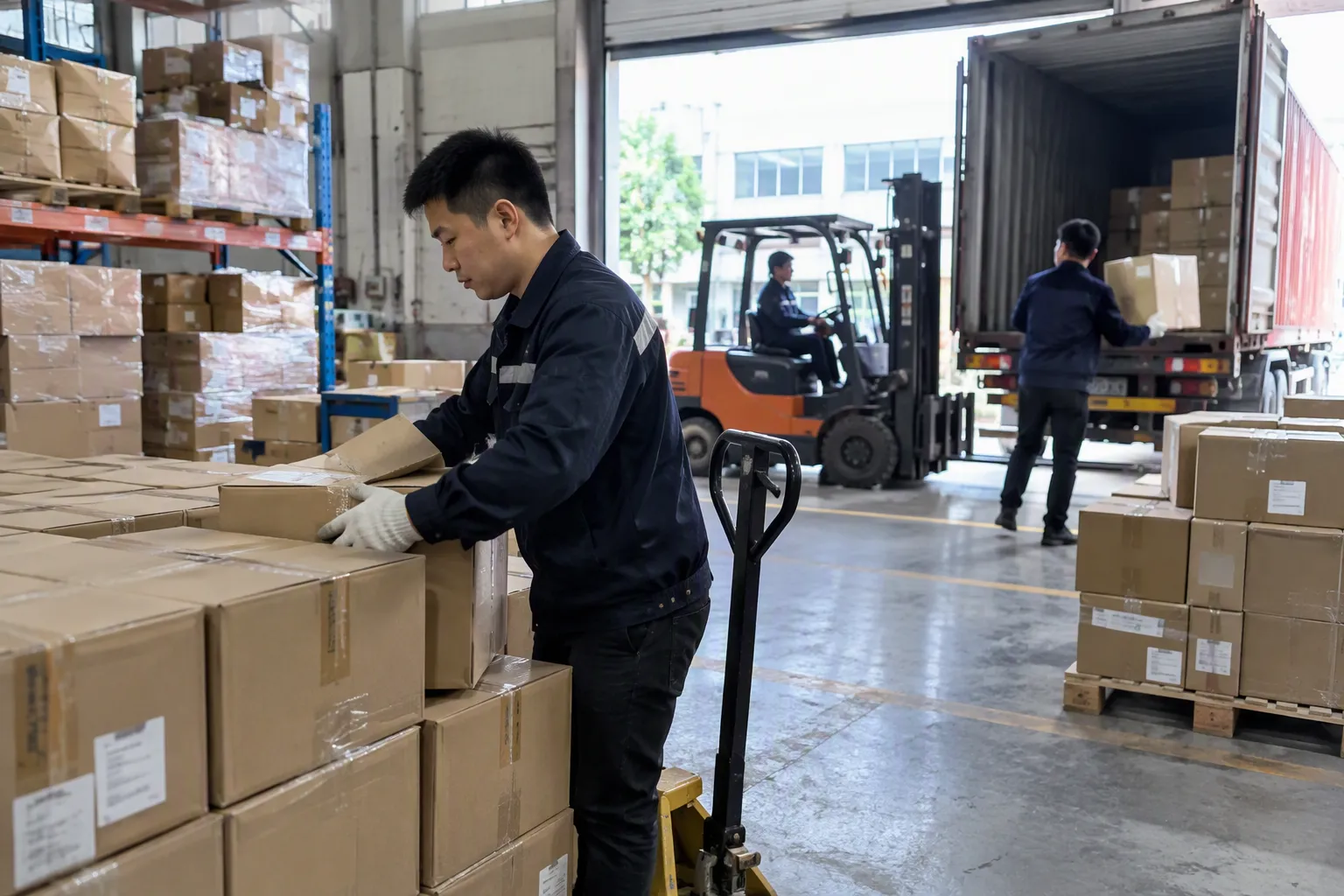
I use the following workflow for new suppliers and for material changes to an existing order.
Step 1: Confirm the legal contracting entity
I identify the company that will appear on the contract and invoice. I compare its registered name, address, business scope, and contact information with the supplier’s quotation and sales communication. I use available registration records or professional verification services where appropriate, but I treat certifications, licenses, and online profiles as documents to review rather than automatic proof of reliability.
Step 2: Verify the representative
I record the name and role of the person handling the order. I ask whether that person is authorized to issue quotations, contracts, invoices, and payment instructions. I use an established contact or a second verified contact for important confirmations.
Step 3: Approve the commercial documents
I make sure the documents include the agreed products, specifications, quantities, prices, packaging, inspection expectations, lead time, payment schedule, and delivery terms. I do not pay from an informal chat message when a formal invoice and order record should exist.
Step 4: Match the beneficiary
I compare the beneficiary with the contracting entity. If the names differ, I request an explanation and supporting authorization. I record the exact approved account details, currency, and payment reference.
Step 5: Confirm the payment request independently
I confirm the final details through a channel that was not introduced only in the latest payment message. For a significant order, I may use a phone call or video meeting and then request written confirmation for the file.
Step 6: Apply internal approval
I separate the person who confirms the order from the person who releases the payment when possible. A second person should review the documents and ask whether the payment matches the approved purchase order. Small businesses may not have a large finance team, but even a basic two-person check can catch an altered account number.
Step 7: Keep evidence
I retain quotations, contracts, invoices, account confirmations, call notes, email headers where relevant, and payment receipts. I also record when the beneficiary was last verified. This evidence supports internal control and may be needed if I contact a bank, platform, insurer, or professional adviser.
What Should I Do If I Already Sent Money to a Suspicious Account?
If I suspect a payment problem, I act quickly and avoid waiting for the supplier to provide another explanation. I contact my bank or payment provider through an official channel and ask what immediate procedures are available. I provide the transaction reference, amount, date, beneficiary, invoice, and reason for concern.
I also secure the communication environment:
- Change relevant email passwords.
- Enable multi-factor authentication.
- Review mailbox forwarding rules and login activity.
- Warn colleagues not to follow the same payment instructions.
- Preserve messages rather than deleting them.
- Contact the genuine supplier through a previously verified channel.
- Seek qualified legal, banking, cybersecurity, or law-enforcement advice where appropriate.
I do not promise myself that a transfer can be reversed. Recovery depends on timing, payment method, bank procedures, jurisdiction, and many other facts. I treat the response as an incident process, not as a negotiation based on hope.
How Can a Sourcing Partner Help With Payment Verification?
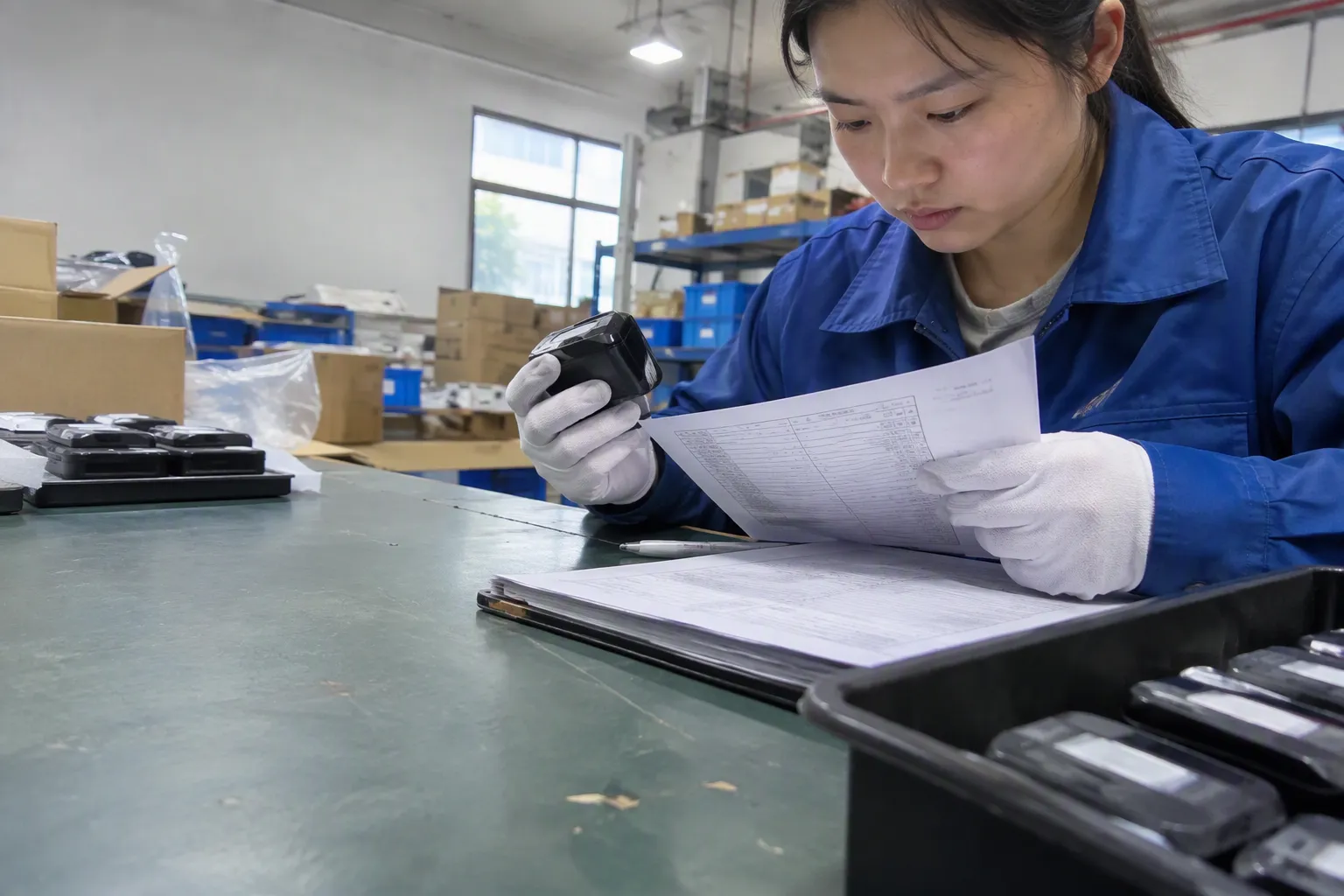
A local sourcing partner can add practical controls when I do not have a purchasing team in China. The partner may compare supplier documents, visit or audit a factory, confirm the commercial relationship, review samples, follow production, and coordinate inspection. The partner can also help me communicate with the supplier when a payment request changes.
However, I still ask how the sourcing provider manages funds and approvals. I want the scope of responsibility to be clear. Important questions include:
- Who signs the supplier contract?
- Who receives and releases the payment?
- How are beneficiary changes approved?
- What records will I receive?
- Does the provider independently verify the factory and account?
- How are conflicts of interest disclosed?
- What happens if the supplier uses a related company?
- Which payment protections and recovery processes apply?
At KingSourcing, I use supplier and factory verification, quotation comparison, production follow-up, quality inspection, and procurement coordination to make China purchasing more controllable. I do not present these services as a guarantee against fraud. I use them as parts of a documented workflow in which identity, order details, account information, and production activity are checked together.
Frequently Asked Questions
Is paying a Chinese supplier by bank transfer always unsafe?
No. A bank transfer can be a normal B2B payment method, but it does not prove that the beneficiary is legitimate or guarantee recovery after an error. I verify the legal supplier, account ownership, invoice, contract, and payment instructions before transferring funds. I also confirm the bank’s procedures independently.
What should I do when a Chinese supplier changes its bank account?
I pause payment and confirm the change through an independently verified channel. I ask for the reason, updated invoice, exact beneficiary details, and written authorization if another company receives the money. I do not rely only on the email or chat account that sent the new instructions.
Does a business license prove that a supplier is legitimate?
A business license can help confirm that a company is registered, but it does not prove product quality, current authorization, account ownership, or honest performance. I compare the registered entity with the contract, invoice, beneficiary, factory information, and authorized contact before making a payment decision.
Is a very low quotation evidence of a payment scam?
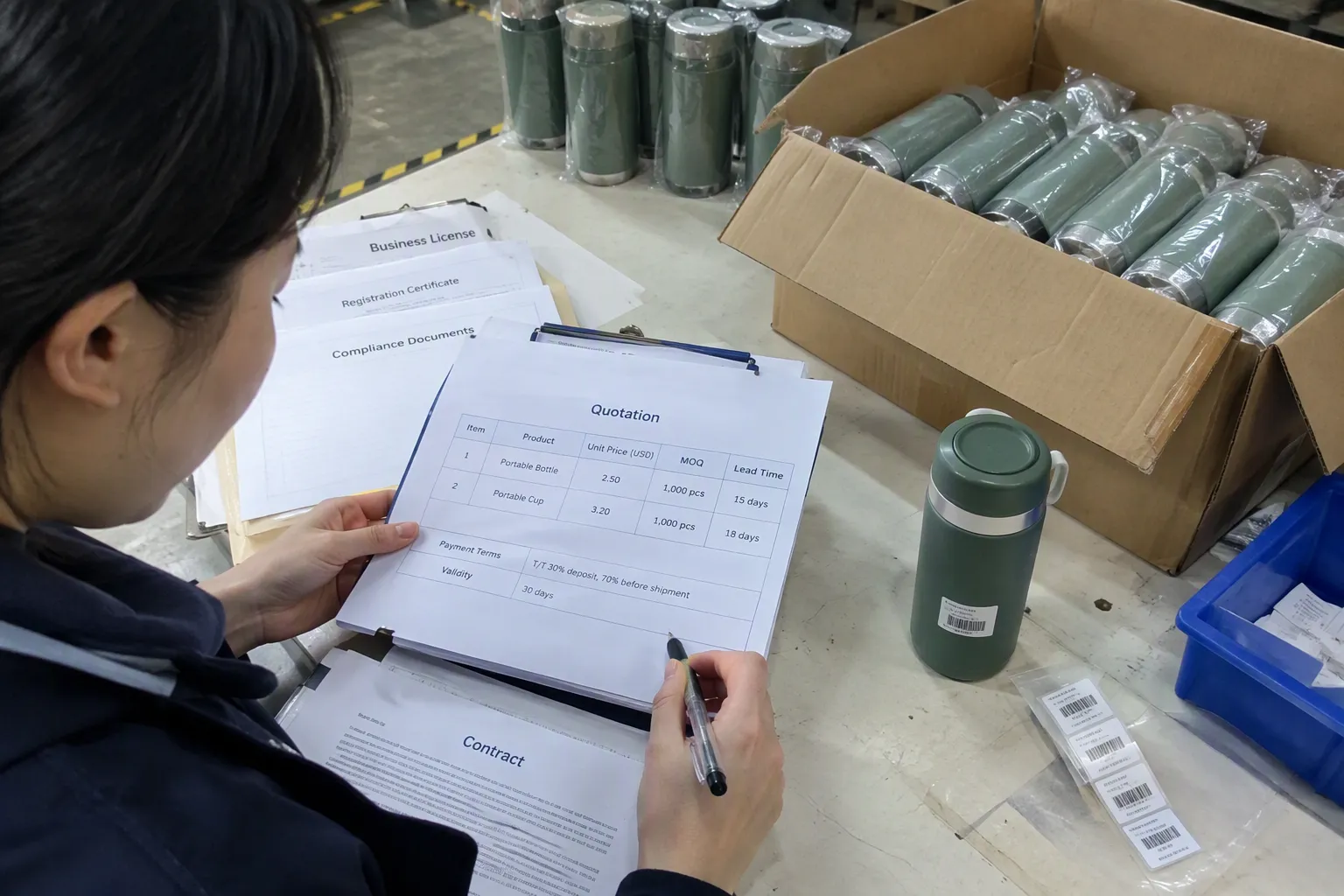
A low quotation is not conclusive evidence of fraud. It may reflect different materials, specifications, volumes, or production costs. I compare the offer with other quotations and ask the supplier to explain the price. If low pricing appears with urgency, account changes, or inconsistent documents, I increase verification.
Can a sourcing company guarantee that I will recover money after fraud?
No responsible sourcing company should guarantee recovery in every situation. Recovery depends on the payment method, timing, bank procedures, contractual evidence, and applicable laws. A sourcing partner can help with verification, documentation, communication, and escalation, but I still verify the provider’s responsibilities and payment controls.
Conclusion
I avoid payment scams when paying Chinese suppliers by treating payment as a verification process, not as a simple transfer. I confirm the supplier’s legal identity, authorized contact, order documents, beneficiary, currency, and final payment request. I apply extra controls when an account changes, a price seems unusual, or someone creates pressure to pay immediately. If I want local help with supplier verification, payment-document review, quality control, and procurement coordination, I can contact KingSourcing to discuss a controlled China sourcing workflow before releasing funds.
Sources
- Business Email Compromise: The $55 Billion Scam - IC3", Government fraud guidance identifies altered payment instructions, compromised communications, and pressure to act quickly as recurring features of business payment-diversion schemes
- Frequently Asked Questions", Company-registration guidance distinguishes evidence that an entity is recorded in a registry from independent verification of its representatives, bank accounts, and transaction instructions
- Integrity in public procurement: Anti-Corruption and Integrity Outlook ...", Fraud-control guidance generally treats independent corroboration of identity, authorization, and transaction details as stronger evidence than reliance on a single document or communication channel
- Business Email Compromise Continues to Swindle and ... - CISA", Cybersecurity authorities warn that a compromised mailbox can support fraudulent follow-up messages, so confirmation of changed payment details should use a previously trusted, independent channel
- I sent money to someone and they couldn't get the money because ...", Payment-system guidance indicates that acceptance or execution of transfer instructions is not, by itself, evidence that the named beneficiary is the legitimate supplier or that the underlying transaction is genuine
- § 1026.13 Billing error resolution. | Consumer Financial Protection ...", Payment-dispute guidance states that available remedies depend on the payment instrument, transaction circumstances, supporting records, applicable deadlines, and compliance with the provider's procedures
- Risk factors in the assessment of suppliers - PMC - NIH", Procurement risk literature supports staged commitments as a way to limit initial financial exposure while information about supplier performance is gathered
- Human Cognition Through the Lens of Social Engineering ...", Research on social engineering and pressured decision-making indicates that urgency can narrow deliberation and increase susceptibility to requests that would receive greater scrutiny under normal conditions