 Skip to content

Quick Answer
A supplier quality claim can quickly become expensive when a shipment fails inspection, reaches customers with defects, or differs from the approved sample. Frustration alone rarely moves a factory toward a solution. I get better results when I connect the problem to agreed requirements, organize verifiable evidence, and request a remedy the supplier can realistically execute.
To file a supplier quality claim that gets resolved, compare the goods with the agreed specifications, document the defect scope, identify the affected order or batch, and send the supplier a clear written claim. Include photos, videos, inspection records, quantities, and a proportionate remedy request. Then set a response deadline and keep every discussion in a written audit trail.
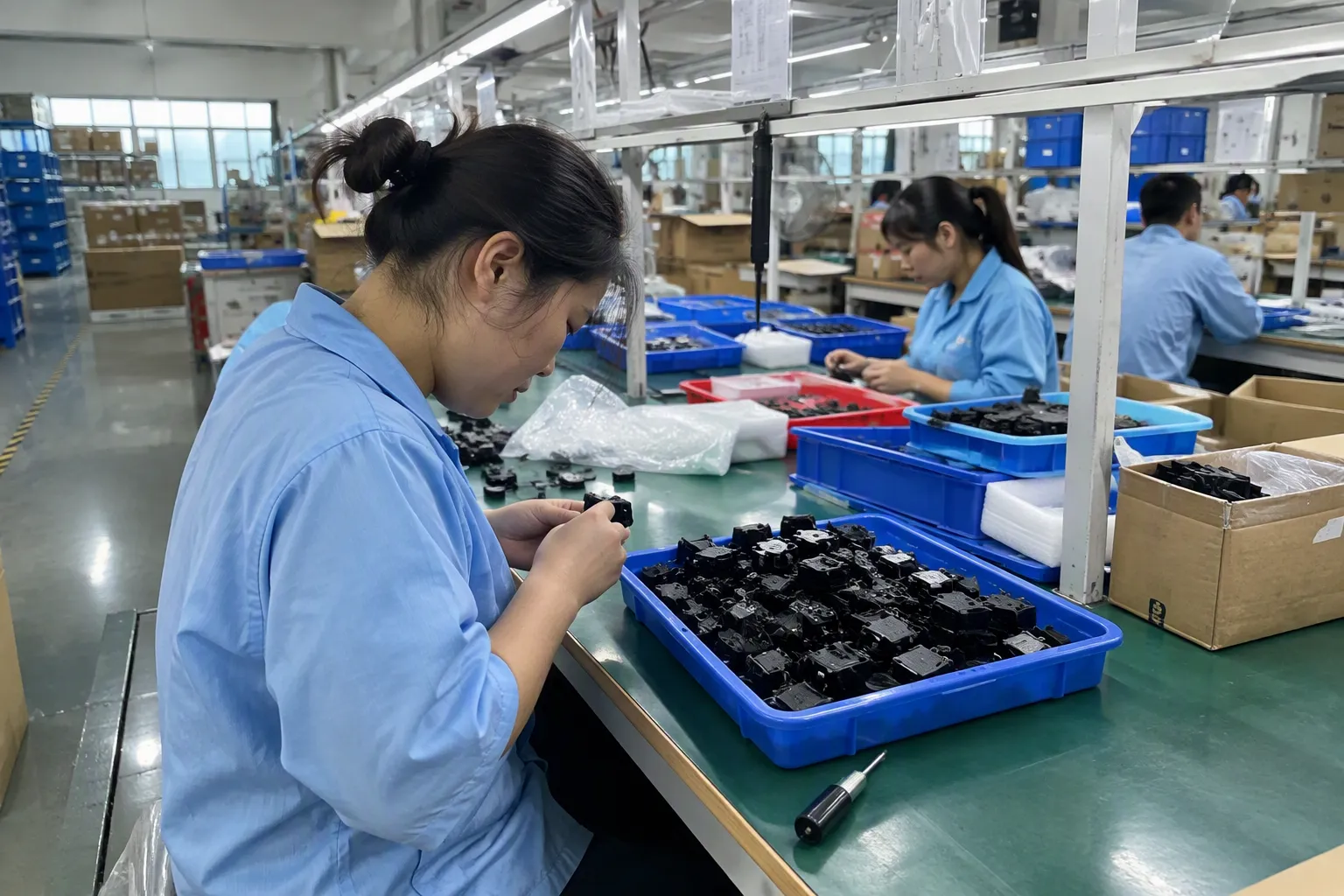
A strong claim is not mainly a forceful email. It is a short, organized case that allows the supplier to understand what failed, why the buyer believes the factory is responsible, and what action could close the issue. I use the process below when helping overseas buyers manage quality disputes with Chinese suppliers.
How Can I File a Supplier Quality Claim That Gets Resolved?
A weak complaint usually starts with frustration: “The quality is unacceptable, and we want compensation.” That wording may reflect the buyer’s real experience, but it does not give the supplier enough information to investigate. A better supplier quality claim starts with the purchase agreement and follows the evidence from the requirement to the defect.
I file a supplier quality claim by creating an evidence chain: I identify the agreed requirement, record the actual defect, measure the affected quantity, connect the issue to the relevant order or batch, and request a practical corrective action. I then communicate in writing, set a reasonable response date, and separate the immediate remedy from long-term prevention.
A supplier may reject responsibility for several reasons. The factory may believe the buyer changed the specification after production. It may argue that only a small number of units are defective. It may question whether the damage occurred during shipping. It may also believe that the buyer’s requested refund is larger than the proven loss.
That does not mean the supplier is acting in bad faith. It means the buyer needs to make the facts easier to verify.
1. Start with the agreed requirement
I first collect the documents and messages that define what the supplier was expected to deliver. Depending on the order, these may include:
- The purchase order
- The commercial invoice and packing list
- Approved pre-production or production samples
- Product drawings or specification sheets
- Confirmed material, color, size, weight, or function requirements
- Packaging and labeling instructions
- Golden sample photographs
- Inspection criteria or a signed quality agreement
- Written confirmations from the supplier’s sales representative
- Approved artwork and packaging files
The buyer should avoid relying only on a general statement such as “the products should be good quality.” That phrase is difficult to test. A specific requirement is more useful, such as a confirmed dimension, material, logo position, connector type, color reference, packaging method, or functional test.[7]
The buyer should also check whether the requirement was actually approved before production. A product photograph sent during an early quotation stage may not carry the same weight as a signed specification or approved sample.[8] I therefore separate confirmed requirements from informal discussions and assumptions.
2. Describe the actual gap clearly
The claim should explain the difference between the agreed condition and the received condition. I prefer a simple format:
| Claim element | Example of useful information |
|---|---|
| Requirement | Approved sample uses a matte black finish |
| Actual result | Received units have a glossy finish |
| Affected product | SKU ABC-01, carton labels 01–20 |
| Scope | 120 units checked; 38 show the different finish |
| Evidence | Comparison photographs and inspection record |
| Requested action | Supplier to confirm sorting, replacement, or another agreed remedy |
This structure prevents the claim from becoming a long emotional discussion. It also helps a factory manager assign the issue to the correct production or quality team.
3. Build a practical evidence package
Photos are useful, but photographs alone do not always prove the full claim. I normally organize evidence into four groups.
Product evidence
Use clear images that show the defect from a normal viewing distance and from a close-up angle. Include a scale, ruler, color reference, or comparison with the approved sample when appropriate. Videos can help with intermittent functional problems, assembly issues, loose parts, noise, or charging behavior.
The buyer should keep the original files and avoid editing images in a way that removes useful information. A filename such as SKU-ABC-carton-04-defect-12.jpg is more useful than IMG_4837.jpg.
Quantity and sampling evidence
The claim should state how many units were checked and how many failed. If the buyer inspected only a small sample, the claim should not present that result as a complete count of the shipment.
Useful details include:
- Total ordered quantity
- Quantity received
- Quantity inspected
- Number of defective units found
- Defect categories
- Carton, pallet, batch, or production information
- Date and location of inspection
I do not automatically treat a sample result as the exact defect rate for the entire shipment. A sample can show that a problem exists, but the buyer may need additional sorting to determine the full quantity affected.[1]
Order and delivery evidence
The buyer should connect the goods to the relevant purchase order, invoice, shipment, and delivery date. This step matters when the supplier has several similar orders in production.
The buyer should also record whether the cartons arrived damaged, wet, crushed, or opened. Shipping damage may involve a different responsibility question from a manufacturing defect.[2] The evidence should help distinguish those possibilities rather than assigning blame too early.
Communication evidence
The buyer should preserve approved samples, emails, chat messages, quotations, and change confirmations. I recommend keeping a timeline with dates and short descriptions:
- Requirement confirmed
- Sample approved
- Production started
- Inspection completed
- Goods shipped
- Defect discovered
- Supplier notified
- Supplier response
- Follow-up action agreed
A timeline often reveals where the disagreement actually began.
4. Separate defect categories
A shipment may contain several different problems. I find it more effective to separate them instead of combining everything into one broad complaint.
Common categories include:
- Appearance defects
- Wrong dimensions or materials
- Functional failure
- Missing accessories
- Incorrect quantities
- Packaging damage or incorrect packaging
- Wrong labels, artwork, or language
- Mixed SKUs or colors
- Shipping-related damage
- Documentation or packing-list discrepancies
Each category may require a different inspection method and remedy. A missing accessory may be solved through a replacement shipment. A wrong logo may require relabeling or rework. A functional failure may require technical investigation and additional testing.
The buyer should avoid claiming that every problem has the same cause. One shipment can contain a factory error, a packaging mistake, and transit damage at the same time.
5. Choose a remedy that matches the problem
The remedy should be proportionate to the proven issue and practical for both parties. Possible solutions include:
- Sorting the shipment
- Reworking or relabeling products
- Sending missing components
- Replacing defective units
- Reproducing part or all of the order
- Issuing a credit against a future order
- Providing a price adjustment
- Refunding an agreed amount
- Sharing an agreed inspection or rework cost
- Returning goods, where the commercial and logistics conditions make that practical
I do not recommend starting with an unsupported compensation figure. The buyer should explain how the requested remedy relates to the defect and the commercial impact.
For example, if a packaging error makes the products unsuitable for a marketplace listing, the buyer can explain the relabeling or repackaging work required. If only one component is missing, a full-order refund may be difficult to justify without further evidence. If a safety-related or critical functional issue exists, the buyer should stop distribution and seek qualified professional evaluation before deciding how to proceed.[5]
The parties should also clarify whether the proposed remedy resolves the current batch only or applies to future production.[6] A supplier may agree to replace defective goods while still needing to investigate why the problem occurred.
6. Send a claim that the supplier can process
I usually structure the written claim with a short subject line and a clear attachment list. The message should be firm but neutral.
A useful structure is:
Subject: Quality claim for PO [number] – [SKU] – response requested by [date]
We received the goods for PO [number] on [date]. During inspection, we identified a difference from the agreed requirement for [specific requirement].
The affected product is [SKU or model]. We inspected [quantity] units and found [quantity] units with [specific defect]. The attached evidence includes [photos, videos, inspection report, and comparison with the approved sample].
Please review the evidence and confirm by [date] how you will address the issue. Our proposed options are [rework, replacement, sorting, refund, discount, or another practical remedy].
This claim concerns the current shipment. Please also explain the suspected cause and the corrective action you will use to prevent the same issue in the next production run.
Please acknowledge receipt of this message and identify the person responsible for follow-up.
The template does not guarantee a refund, replacement, or compensation. Its value is that it gives the supplier a defined case to investigate.
7. Use a response deadline without making an unsupported legal threat
A deadline helps prevent the issue from disappearing in chat history. The deadline should be reasonable for the complexity of the claim and the supplier’s location, working hours, and need to inspect the production records.
The buyer can request:
- Confirmation that the supplier received the claim
- An initial response to responsibility
- A proposed corrective action
- A date for sorting, rework, replacement, or refund discussion
- The name of the supplier’s responsible manager
The buyer should avoid declaring that a particular deadline automatically creates a legal right unless the contract and applicable jurisdiction support that position.[4] Contract terms, payment conditions, warranty provisions, inspection clauses, and dispute procedures should be reviewed carefully. For significant losses, I recommend obtaining advice from a qualified lawyer in the relevant jurisdiction.
8. Keep the discussion focused when the supplier pushes back

Suppliers may respond with questions or objections. Some are reasonable and deserve answers. Others may shift the conversation away from the evidence.
I keep returning to four questions:
- What requirement was agreed?
- What condition did the buyer receive?
- How many products are affected?
- What remedy can solve the verified problem?
If the supplier says the buyer approved a sample, I compare the production goods with that sample. If the supplier says the buyer caused the damage, I review packaging photographs, loading records, and delivery condition. If the supplier says the problem is minor, I explain the actual affected quantity and commercial consequence.
I avoid accusing the factory of intentional fraud unless reliable evidence supports that conclusion. A defect may result from a misunderstood change, weak process control, poor final inspection, incorrect materials, rushed production, or shipping conditions. The immediate goal is to protect the buyer’s position and solve the problem.
9. Use an independent inspection when the facts remain disputed
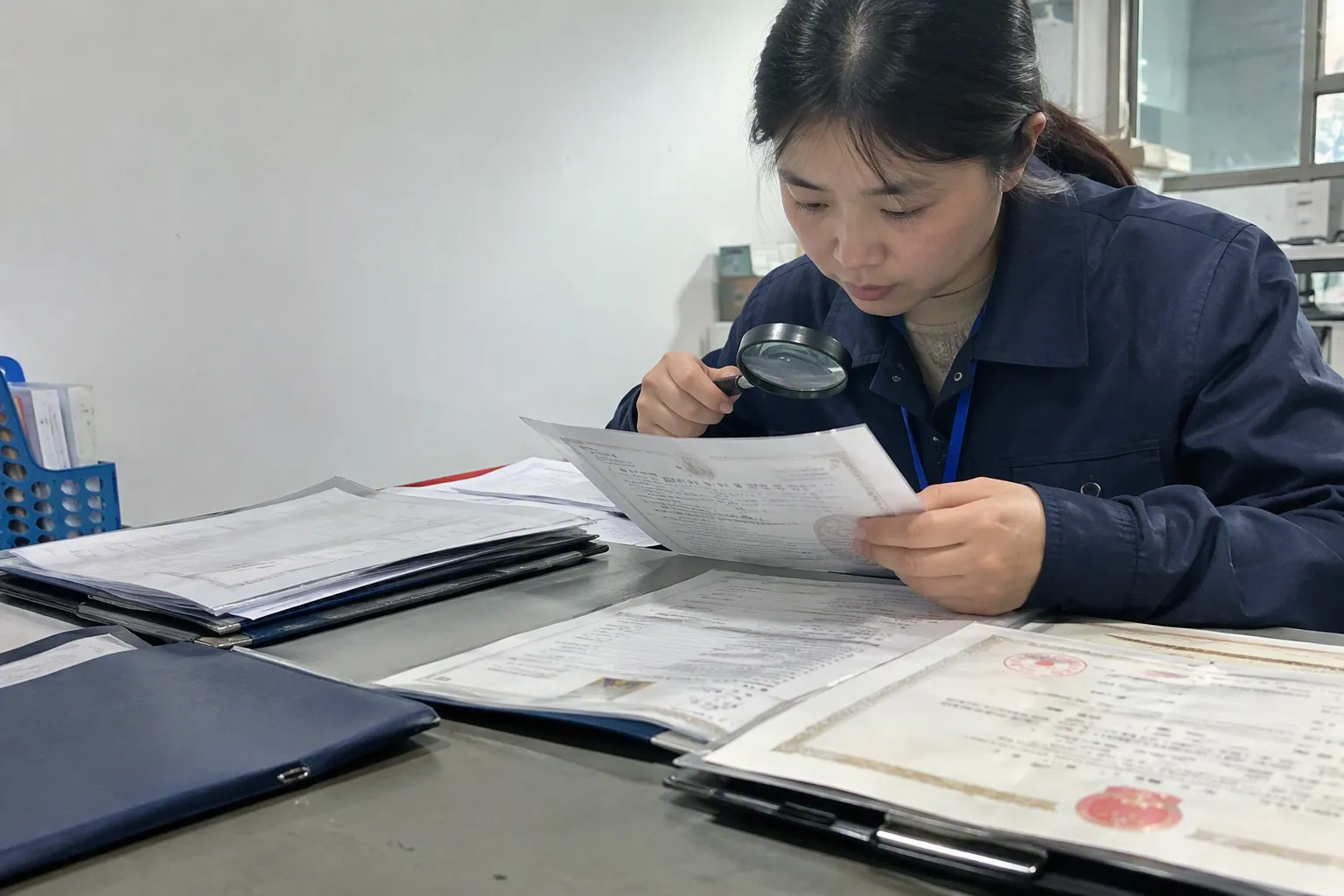
An independent inspection can provide useful evidence, especially when the buyer is not located near the factory or cannot inspect every unit personally. The inspection scope should be written clearly before the inspector begins.
The buyer may ask the inspector to verify:
- Product identity and quantity
- Carton and packaging condition
- Specific visual defects
- Dimensions or weight
- Functional checks listed in the agreed requirements
- Packaging and labeling
- Defect classification
- Photographic evidence
- Sampling method and limitations
An inspection report is not automatically a legal ruling or proof of every alleged loss.[3] It is evidence that should be reviewed alongside the contract, approved sample, shipping records, and other documents. For specialized technical or safety questions, I recommend qualified professional testing rather than relying on a basic visual inspection.
10. Record the final agreement
When the supplier offers a solution, I put the details in writing before considering the claim closed. The agreement should state:
- Affected SKU and order number
- Quantity covered
- Defect or nonconformity being addressed
- Remedy type
- Replacement or rework specifications
- Responsible party for shipping or inspection costs
- Completion date
- Inspection or approval process
- Treatment of remaining defective goods
- Whether the agreement applies only to this batch
- Any future preventive action
If the buyer accepts a discount, the written record should state whether the discount settles the current claim. If the supplier sends replacements, the buyer should confirm whether the replacements require pre-shipment inspection. If the parties agree to sort the products, they should define what counts as acceptable.
I also keep records of what happened after the agreement. A promised replacement is not the same as a completed replacement. A corrective-action statement is not the same as verified improvement.
What should I avoid when filing a supplier quality claim?
Several common approaches make claims harder to resolve:
- Sending only an angry message without order details
- Using vague phrases such as “everything is defective”
- Mixing confirmed facts with assumptions
- Reporting a sample result as a full-shipment count
- Asking for a large compensation amount without calculation
- Threatening public reviews before establishing the facts
- Changing the requested remedy repeatedly
- Discussing the issue only by phone or voice message
- Throwing away defective goods before documenting them
- Selling affected products before deciding how to handle the claim
- Treating a supplier’s first explanation as the final investigation
I understand why buyers react emotionally. A failed shipment can affect customer reviews, advertising plans, cash flow, and launch dates. However, a calm evidence package usually creates more commercial pressure than an aggressive message because it gives the supplier fewer ways to avoid the actual issue.
How can I prevent repeat quality claims?
The best claim process starts before production. I encourage buyers to make the requirements measurable and to include quality control in the purchasing plan.
Before placing a repeat order, the buyer can review:
- Whether the specification is complete
- Whether the approved sample is clearly identified
- Whether packaging files have version numbers
- Whether critical dimensions and functions are listed
- Whether the supplier understands the acceptance criteria
- Whether an inspection is planned before shipment
- Whether the order contains multiple SKUs that need separate checks
- Whether a change-control process exists
- Whether production records and batch information will be available
For multi-supplier orders, I recommend keeping a separate evidence file for each factory. A consolidated shipment can make responsibility unclear if cartons, SKUs, and invoices are mixed together.
At KingSourcing, I help overseas buyers organize supplier communication, sample approval, factory follow-up, inspections, packaging checks, and shipment consolidation. That support does not remove every quality risk, but it can create a clearer control process before a dispute becomes expensive.
Frequently Asked Questions
What evidence do I need for a supplier quality claim?
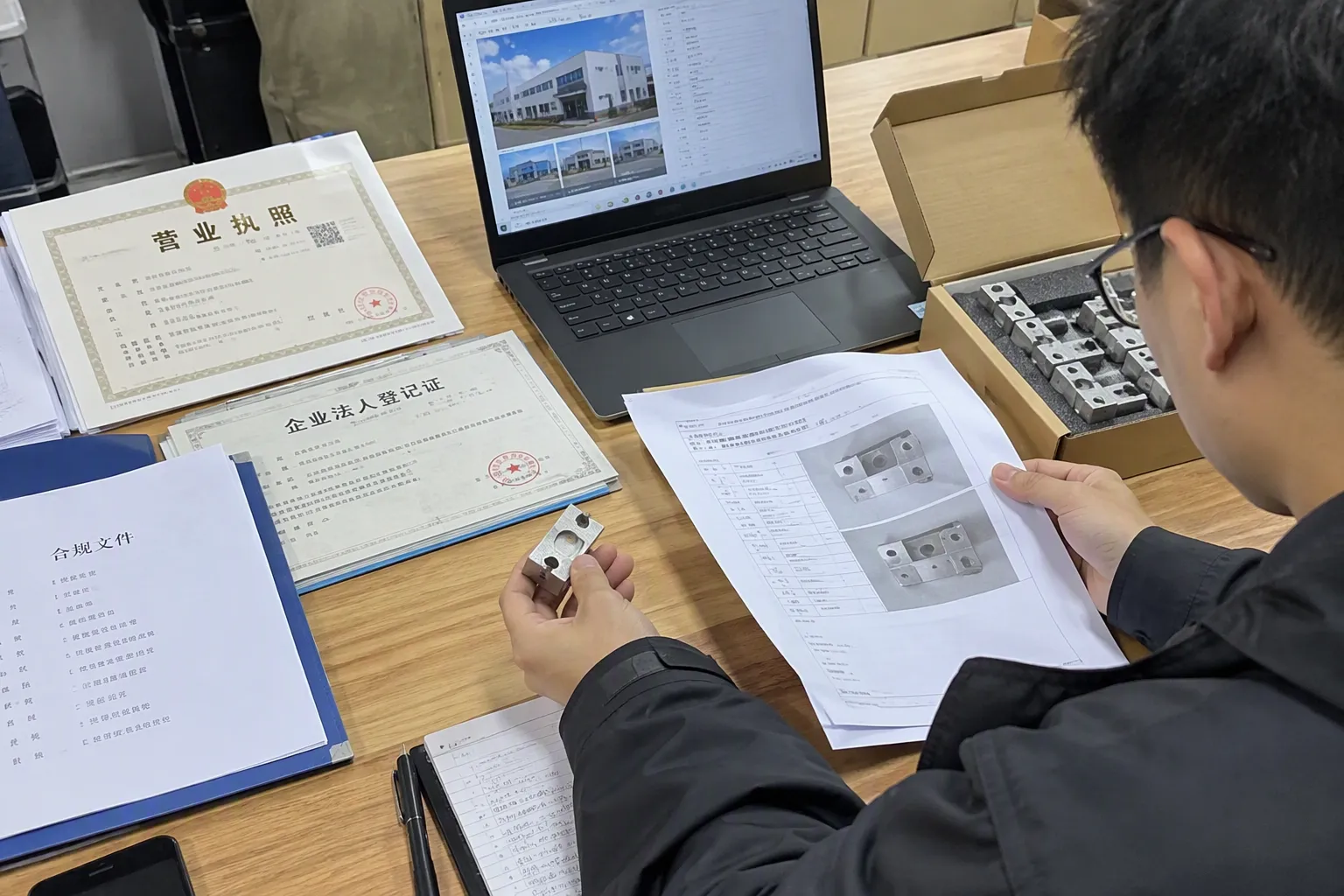
I recommend providing the purchase order, approved sample or specifications, clear photos and videos, SKU and batch details, quantity inspected, number of defective units, inspection records, packaging evidence, and relevant supplier communications. The evidence should show both the agreed requirement and the actual condition of the goods.
Can I demand a full refund for defective products?
A full refund may be appropriate in some situations, but it is not automatically justified by every defect. The remedy should reflect the affected quantity, severity, usability, contract terms, and practical recovery options. I recommend documenting the loss and discussing the position with qualified legal or commercial advisers when the value is significant.
What if the Chinese supplier denies responsibility?
I would ask the supplier to explain its position in writing and identify the evidence supporting it. Then I would compare the approved requirements, production records, inspection findings, packaging condition, and delivery evidence. An independent inspection or qualified technical assessment may help where the facts remain disputed.
Should I stop selling the affected products?
If the defect could affect safety, legal compliance, essential function, or customer use, I recommend pausing distribution and obtaining qualified professional advice. For less serious issues, the buyer should still assess customer impact, disclose material problems where required, and decide whether sorting or rework is necessary before sale.
How can I reduce quality disputes on future China orders?
Use clear specifications, approve a controlled sample, confirm packaging and labeling, arrange production follow-up, and inspect before shipment. I also recommend recording changes in writing and keeping SKU-level documents. A China sourcing partner can help verify suppliers, coordinate inspections, manage rework, and consolidate orders, but the buyer should still approve the final requirements.
Conclusion
A supplier quality claim becomes more persuasive when it connects four points: the agreed requirement, the verified defect, the affected scope, and a workable remedy. I recommend writing the claim as an evidence-based business document rather than an emotional complaint. Keep the communication trail, separate manufacturing defects from shipping damage, and verify any proposed corrective action. If you need support with Chinese supplier communication, factory follow-up, inspection, rework, or shipment coordination, contact KingSourcing to discuss your procurement requirements.
Sources
- 6.2.1. What is Acceptance Sampling?", Statistical quality-control guidance explains that acceptance samples provide evidence about the quality of a lot but do not directly enumerate every defective unit; estimates of the lot defect rate therefore depend on the sampling design and its associated uncertainty
- 2-509. Risk of Loss in the Absence of Breach. - Law.Cornell.Edu", International trade rules distinguish the allocation of transport risk from the seller's obligations concerning conformity of the goods, with the applicable result depending on the agreed delivery term and governing contract
- Rule 702. Testimony by Expert Witnesses - Law.Cornell.Edu", Procedural and arbitration guidance treats inspection findings as documentary or expert evidence whose weight is assessed with the contract, methodology, and other evidence rather than as a substitute for a tribunal's determination
- 11 U.S. Code § 365 - Executory contracts and unexpired leases", International sales-law materials generally treat notice periods and remedial rights as matters governed by the parties' agreement and the applicable legal regime; a deadline stated in correspondence does not, by itself, establish a new contractual remedy
- Learn About the Fast-Track Program | CPSC.gov", Product-safety authorities advise businesses to assess suspected hazards and use proportionate containment or corrective measures, which may include suspending distribution while the risk is investigated
- 32 CFR § 750.10 - Claims: Settlement and release.", Contract-drafting principles support stating expressly which goods, claims, and future obligations a remediation agreement covers, because an agreement limited to an identified transaction need not govern later production
- [PDF] Software testing by statistical methods", Quality-management and requirements-engineering standards characterize effective requirements as sufficiently clear and measurable to permit objective verification of conformity
- § 1-303. Course of Performance, Course of Dealing, and Usage of ...", Commercial-contract principles distinguish preliminary representations from terms demonstrably incorporated into the agreement, making the evidentiary significance of a photograph dependent on the parties' approval and surrounding communications


