Quick Answer
Product photography before shipping from China can prevent a costly surprise when the goods arrive. I often see buyers treat photos as marketing material, while the real problem is whether the finished products, packaging, accessories, and labels match the approved order. I solve this by arranging photos at the right production stage and linking them to a clear shipment-release decision.
To arrange product photography before shipping from China, I first define the purpose of the images, then create a practical shot list and confirm which goods will be photographed. I ask the supplier or inspection team to photograph the actual production batch, product details, accessories, packaging, labels, and cartons. I use the images as remote confirmation evidence, but I do not treat them as a replacement for a complete quality inspection.[1]
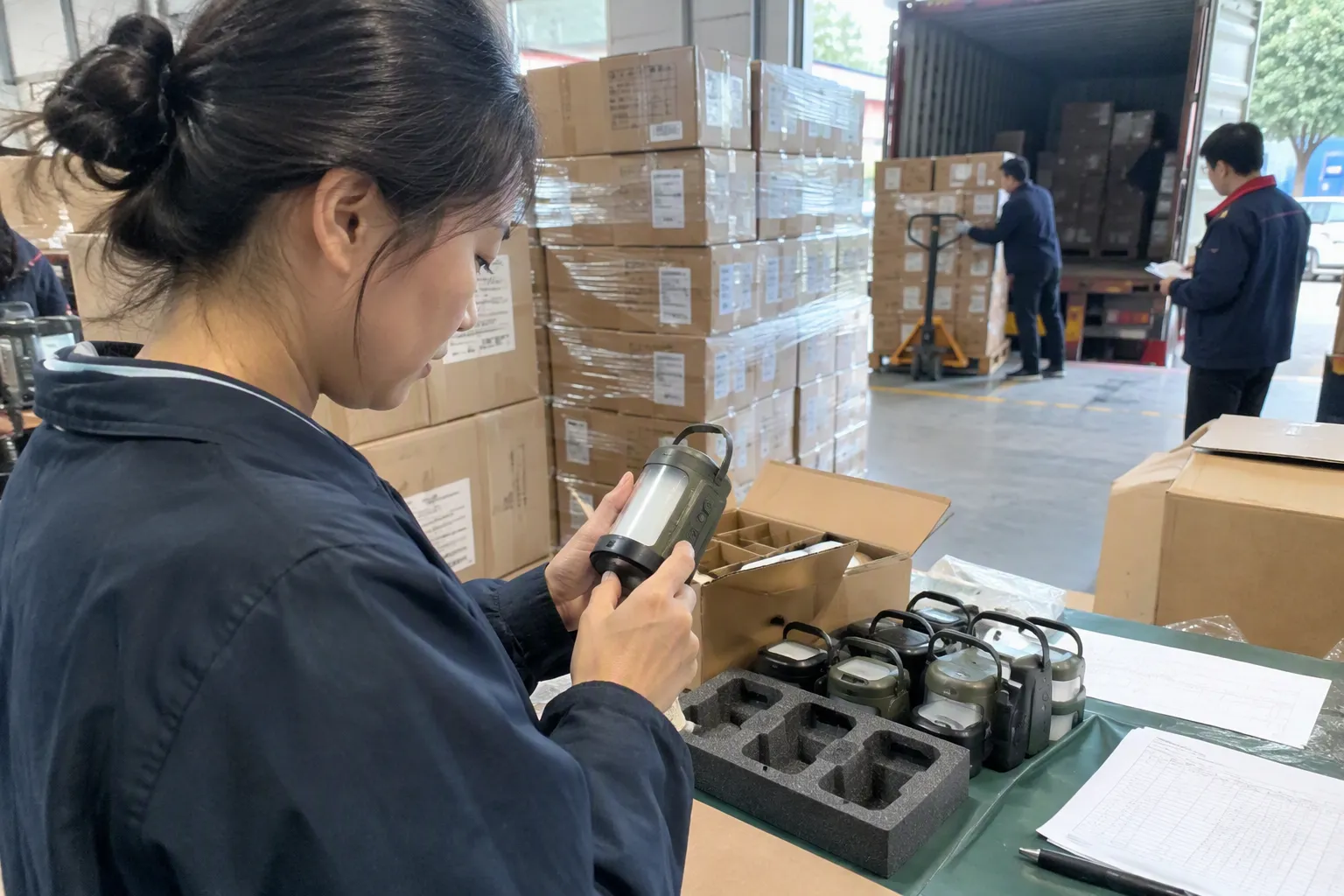
The most useful photos are not always the most attractive ones. A clean hero image may support an online listing, but a simple image showing the actual logo, barcode, accessory set, carton mark, or color variation may matter more for procurement. I will explain how I choose the photography stage, prepare the shot list, review the evidence, and decide when photos are not enough.
How Can I Arrange Product Photography Before Shipping from China?
When I arrange product photography before shipping from China, I connect the images to a purchasing question. A buyer may need product approval, mass-production verification, packaging confirmation, or evidence for shipment release. If I do not define that question first, the supplier may send attractive but incomplete photos.
I arrange product photography by identifying the required confirmation stage, preparing a written shot list, assigning responsibility to the supplier or inspection team, and reviewing organized, timestamped images against the approved sample and purchase order. I request additional photos whenever the product version, quantity, packaging, or visible condition remains unclear.
Why Do I Define the Photography Stage First?
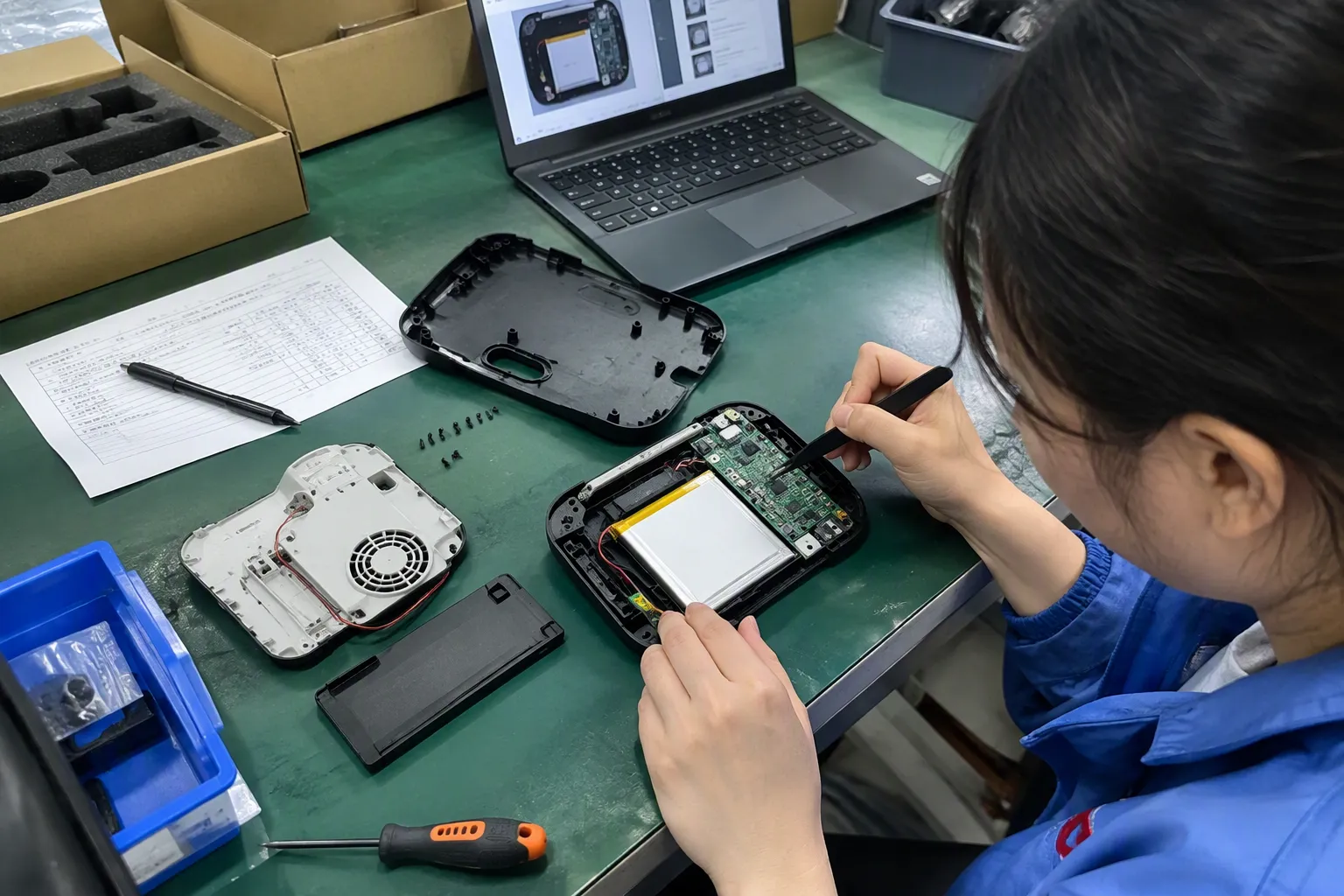
A photograph has limited value if I do not know what it represents. A supplier may photograph an approved sample instead of the completed production batch. A factory may show unpacked products when the buyer needs to confirm retail packaging. A carton photo may look satisfactory while the individual items contain a different logo or accessory set.
I normally separate the process into four possible stages:
| Photography stage | Main purpose | What I try to confirm |
|---|---|---|
| Pre-production sample | Product approval | Shape, material, color, logo, function, and design direction |
| Completed mass-production goods | Production verification | Whether the finished goods match the approved sample |
| Inspected products | Quality and release support | Visible condition after inspection and any selected checks |
| Packed cartons | Shipment preparation | Carton marks, labels, packaging, SKU separation, and loading readiness |
These stages can overlap, but I do not treat them as interchangeable.
1. Photographing samples before production
I use sample photography when the buyer must approve the version before the supplier starts mass production. This step is especially useful for private-label products, customized packaging, promotional items, and products with several color or size options.
I ask for photos of:
- The front, rear, side, and bottom views
- Logos and printed details
- Color and surface finish
- Product dimensions where visual scale matters
- Accessories and included components
- Retail packaging and inserts
- Labels, warnings, barcodes, and instruction materials
Sample photos can support approval, but I still need to distinguish between a sample and production approval. A supplier may produce a good sample but later use a different material, printing process, or packaging method.[2] I therefore record the approved sample clearly and use it as a comparison reference during production.
2. Photographing completed production goods
For many buyers, this is the most important stage.[3] I want to see actual goods from the production order, not only a sample prepared by the factory.
I ask the supplier or inspection team to identify:
- The purchase order or project reference
- The SKU, model, color, and size
- The production batch or shipment
- The date of photography
- Whether the goods were photographed before or after inspection
- Whether the images show a representative sample or selected units
This information gives the image context. Without it, I cannot confidently know whether the photo supports the shipment under review.
When I coordinate this process, I compare the production images with the approved sample, product specification, packaging artwork, and purchase order. I look for visible differences in color, logo placement, dimensions, materials, accessories, and finish. I do not assume that a small visual difference is acceptable. I ask the buyer or product manager to decide whether the difference affects approval.
3. Photographing inspected products
Photography after an inspection can create a useful record of the condition observed by the inspection team. It can show selected product details, defects, corrective actions, or packaging after checking.
However, I do not describe these images as proof that every unit is perfect. A photograph usually represents selected units or selected areas. A complete inspection may involve sampling plans, quantity checks, functional checks, workmanship review, measurements, packaging review, and other procedures.[4] The correct scope depends on the product and the buyer’s requirements.
I use post-inspection photography to support questions such as:
- Did the team inspect the correct SKU?
- Did the visible product appearance match the approved version?
- Did the supplier correct an identified issue?
- Did the retail packaging include the required label?
- Did the cartons appear ready for consolidation or shipment?
4. Photographing packed cartons
Carton photography becomes important when the buyer manages multiple SKUs or several suppliers. I use it to check carton marks, shipping labels, carton condition, SKU identification, and packing organization before consolidation.
I may request:
- Exterior photos of each carton type
- Close-ups of carton marks and shipping labels
- Photos of open cartons showing internal packing
- Product-count or inner-pack identification
- Pallet or warehouse arrangement, where relevant
- Separate photos for different SKUs or purchase orders
Carton photos do not prove the exact quantity inside every carton.[5] They can support quantity and packing verification, but I use packing lists, carton counts, inspection records, or physical checks when the order requires stronger evidence.
How Do I Build a Practical Shot List?
I do not ask a factory to “send some product pictures” and expect complete documentation. I prepare a shot list that turns the buyer’s requirements into visible checks.
A practical shot list normally includes five groups.
Product appearance
I request images that show the whole product and the details that affect approval:
- Front, rear, left, right, top, and bottom views
- Close-ups of logos, printing, engraving, stitching, seams, or molding
- Surface finish, color, texture, and visible marks
- Product variations by model, size, color, or material
- Areas that were changed after sample approval
I do not need every view for every product. A simple item may need fewer images than a customized electronic accessory with several components and labels. I select views based on the buyer’s risk.
Accessories and contents
A product can look correct while the package is missing a cable, adapter, manual, strap, insert, or other included part. I therefore ask for a complete contents photo and separate close-ups when the accessory has its own specification.
For products with multiple versions, I ask the photographer to keep each SKU separate. Mixed accessories in one image can make the evidence difficult to interpret.
Packaging and labeling
Packaging often creates problems after the product itself has been approved. I request photos of:
- Retail boxes, bags, sleeves, or blister packaging
- Inner packaging and protective materials
- Printed artwork and color details
- Product labels and country-of-origin information where applicable
- Barcodes, QR codes, batch labels, and model numbers
- Warning labels and instruction sheets
- Customized inserts or promotional materials
I compare these photos with the latest approved artwork. I also check whether the photographed label belongs to the correct product version.
Dimensions and reference scale
Photos can help show size, but they do not replace accurate measurement. If dimensions are important, I request a photo with a ruler or measuring tool visible, or I ask for a separate measurement record.
I make sure the measurement method is understandable. A ruler placed at an angle, a partially hidden scale, or a photo without the measurement point can create confusion.[6] For technical or safety-sensitive dimensions, I recommend qualified professional evaluation rather than relying on visual evidence alone.[7]
Cartons and shipment identification
I ask for carton-level evidence when the order will move through a warehouse, consolidation center, or international shipment. The list may include:
- Carton exterior condition
- Shipping marks
- SKU or purchase-order reference
- Carton number, if used
- Inner packing arrangement
- Gross weight or dimensions, if recorded separately
- Palletization or stacking condition, where relevant
I avoid asking for information that the supplier cannot verify. If the buyer needs exact carton quantities, I request a packing list or physical count rather than relying only on a carton image.
How Do I Separate Marketing Photos From Confirmation Photos?
I separate the two purposes at the beginning because they require different standards.
Marketing photos usually focus on presentation.[8] I may need clean backgrounds, consistent lighting, careful styling, and images suitable for an e-commerce listing. Those images can help a DTC brand prepare content, but they may be edited, staged, or produced from a sample.
Confirmation photos focus on truth and identification. I want to see the actual goods in the shipment under review. The background can be simple. The product can remain in factory packaging. The image should make the relevant feature easy to verify.
I use this distinction in the shot list:
| Marketing image | Confirmation image |
|---|---|
| Shows the product attractively | Shows the actual production goods |
| May use a sample or display unit | Identifies the batch, SKU, or shipment |
| Focuses on composition and presentation | Focuses on comparison and evidence |
| May be retouched for publishing | Should remain clear and representative |
| Supports sales content | Supports approval and release decisions |
I sometimes ask for both sets. For example, an e-commerce seller may want a clean product image for a listing and straightforward photos of the production units for procurement records. I keep the files in separate folders so the buyer does not mistake promotional content for quality evidence.
How Do I Review the Photos Before Shipment Release?
I review the images against documents, not against memory. I normally create a simple comparison folder containing:
- Approved sample photos
- Product specification
- Purchase order
- Approved packaging artwork
- Supplier quotation
- Inspection instructions
- Production photos
- Packing photos
- Inspection report, if available
Then I review each SKU separately. I look for visible mismatches and unanswered questions. I also check whether the files are clear enough to identify the relevant detail.
I ask practical questions such as:
- Is this the approved production version?
- Does the logo match the approved artwork?
- Are all colors and sizes represented?
- Are the accessories complete?
- Does the packaging belong to the same SKU?
- Can I read the barcode or model number?
- Do carton marks match the shipping instructions?
- Are the images from before or after any rework?
- Does the evidence support release, or does it only support further investigation?
I use a decision structure such as:
| Photo review outcome | My next action |
|---|---|
| Images clearly match requirements | Record approval and proceed according to the agreed process |
| Minor uncertainty remains | Request specific additional photos or documents |
| Visible mismatch appears | Pause release and ask the supplier for clarification or correction |
| Photos are incomplete or unclear | Arrange stronger evidence, such as inspection or physical checking |
| Product risk is high | Recommend qualified technical or professional evaluation |
I avoid making a shipment decision based on one attractive photo. I want a traceable record that another person can understand later.
What Information Should I Request With the Images?
The file itself is only part of the evidence. I also request basic information that explains what the image shows.
I may ask the supplier or inspection team to provide:
- Photograph date
- Factory or warehouse location
- Purchase-order reference
- SKU, model, color, or size
- Production status
- Whether the goods were inspected
- Whether the image shows a sample or a representative unit
- Any known deviations from the approved specification
- Relevant carton or packing-list reference
I prefer organized filenames such as PO123_Black_Speaker_Front_2026-09-24 rather than generic files such as IMG_0012. I also ask for separate folders by SKU, because mixed files create avoidable errors for buyers handling many products.
When the order involves several factories, I keep the evidence separated by supplier and purchase order before consolidation. This approach helps me identify responsibility if a packaging or labeling issue appears later.
When Are Photos Not Enough?
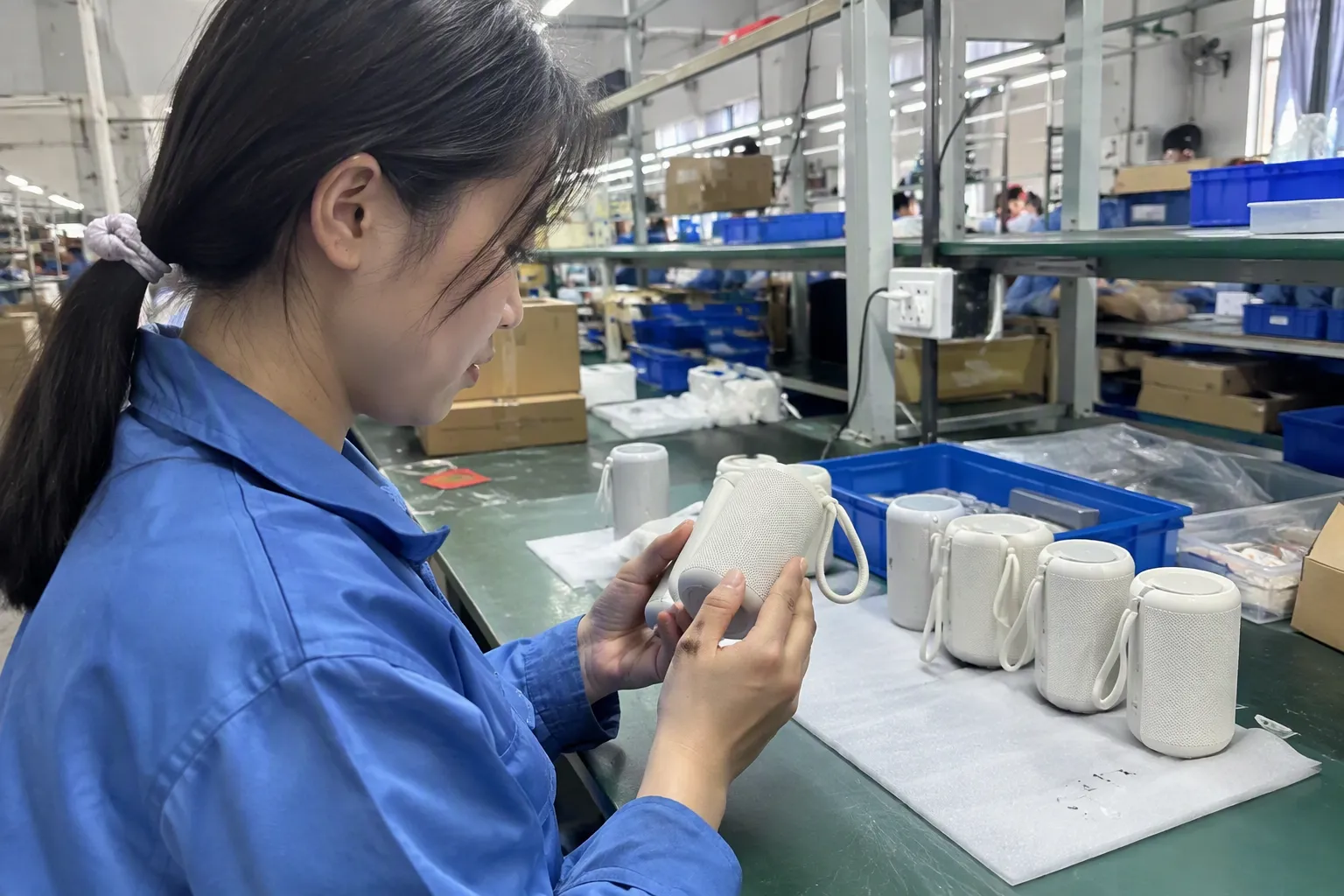
Photos cannot reveal every problem. They generally cannot confirm internal damage, hidden assembly defects, battery condition, software behavior, electrical performance, material composition, or long-term durability. A photo also cannot prove that every unit in a large order has the same condition.
I tell buyers to use photographs as one part of a wider control process. Depending on the product, I may recommend:
- Pre-production sample approval
- Factory or supplier verification
- During-production follow-up
- Pre-shipment inspection
- Quantity and assortment checks
- Functional testing
- Measurement against agreed specifications
- Packaging and labeling inspection
- Independent laboratory or professional evaluation
For consumer electronics, I may need functional testing and a review of the relevant product documentation. For customized packaging, I may focus more heavily on artwork, barcode, labeling, and SKU separation. For fragile products, I pay closer attention to protective packing and carton condition. The correct process depends on the product, destination market, buyer requirements, and risk level.
I also avoid treating supplier-provided photos as automatically independent evidence. A supplier can provide useful cooperation, but the buyer should understand who took the photos, what was selected, and whether an independent inspection was completed.
How Do I Coordinate Photography With a China Sourcing Team?
I arrange the task before the goods reach the final shipping stage. I include the photo requirement in the purchase order, inspection instructions, or production follow-up plan. This makes the request part of the procurement workflow rather than an informal favor.
My coordination process usually follows these steps:
- Confirm the purpose. I identify whether the buyer needs sample approval, production verification, packaging confirmation, or shipment-release support.
- Review the reference documents. I collect the latest sample photos, specifications, artwork, quotation, and packing requirements.
- Prepare the shot list. I list required views by product, SKU, accessory, package, and carton.
- Confirm responsibility. I decide whether the supplier, warehouse, sourcing team, or inspection provider will take the photos.
- Set the timing. I arrange photography before production, after production, after inspection, or after packing, depending on the purpose.
- Request identification. I require file names or a photo index that identifies the order and SKU.
- Review and ask questions. I do not wait until shipment departure if the photos show a concern.
- Record the decision. I document approval, corrective action, additional checking, or shipment hold.
In my coordination work, this structure is especially useful for overseas buyers who do not have their own purchasing team in China. It gives the buyer a practical way to review progress remotely while I manage supplier communication, samples, inspections, packaging, consolidation, and shipping coordination locally.
Frequently Asked Questions
Can product photography before shipping from China replace a pre-shipment inspection?
No. Product photography before shipping from China can support remote confirmation, but it cannot reveal every hidden defect or verify every unit. I use photos to check visible appearance, packaging, labels, accessories, and selected details. I recommend an appropriate inspection or professional evaluation when the product or order risk requires stronger evidence.
When should I photograph products before shipping from China?
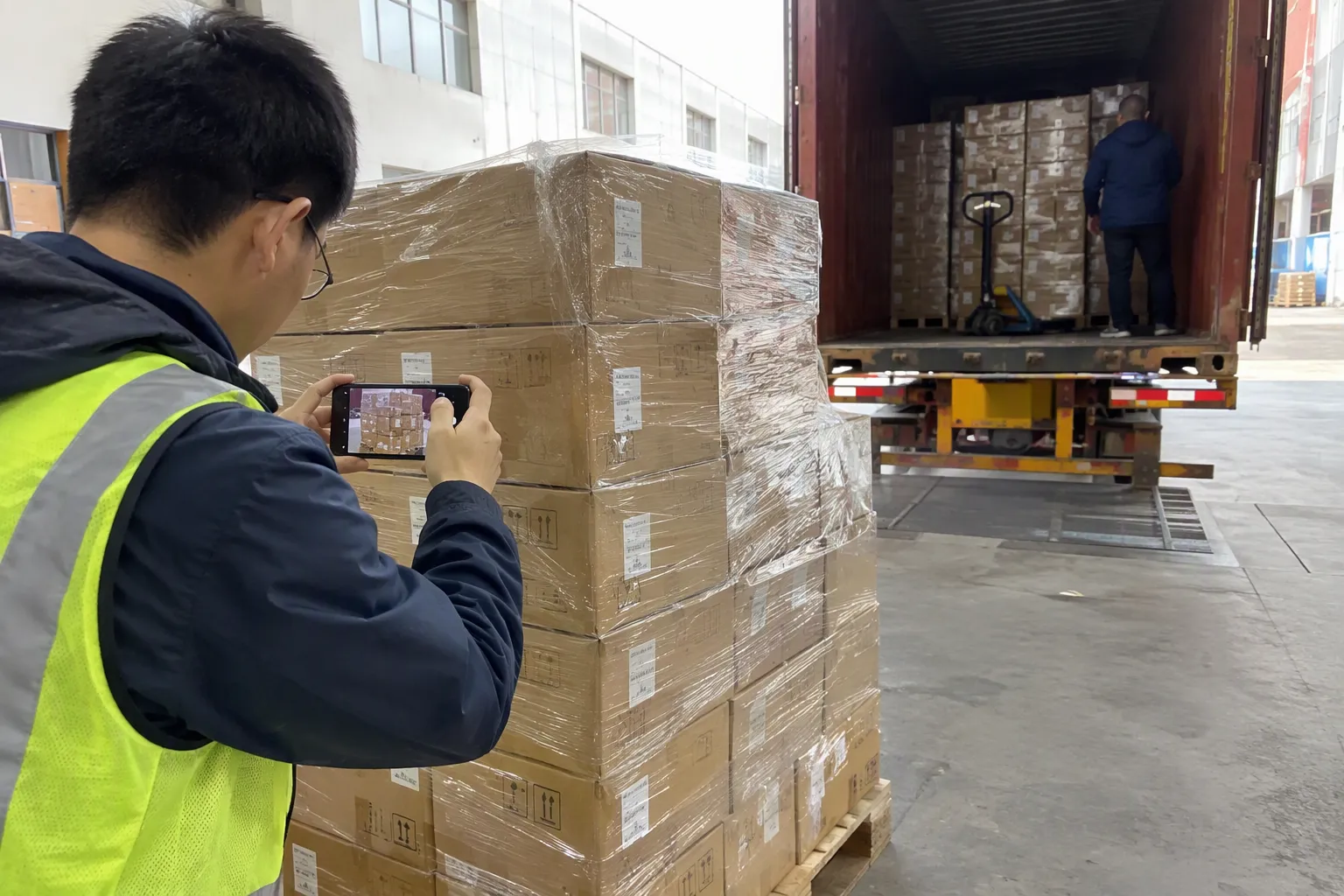
The best timing depends on the purpose. I photograph samples before mass production for approval, completed production goods for version confirmation, inspected goods for release support, and packed cartons for shipment and consolidation checks. I do not assume that one photography stage can answer every procurement question.
What should a China supplier photograph before shipment?
I normally request full product views, close-ups of logos and finishes, accessories, packaging, labels, barcodes, instructions, carton marks, and SKU identification. I also request photographs of any feature that changed from the approved sample. The final shot list should reflect the product and the buyer’s actual risks.
Are supplier product photos reliable evidence?
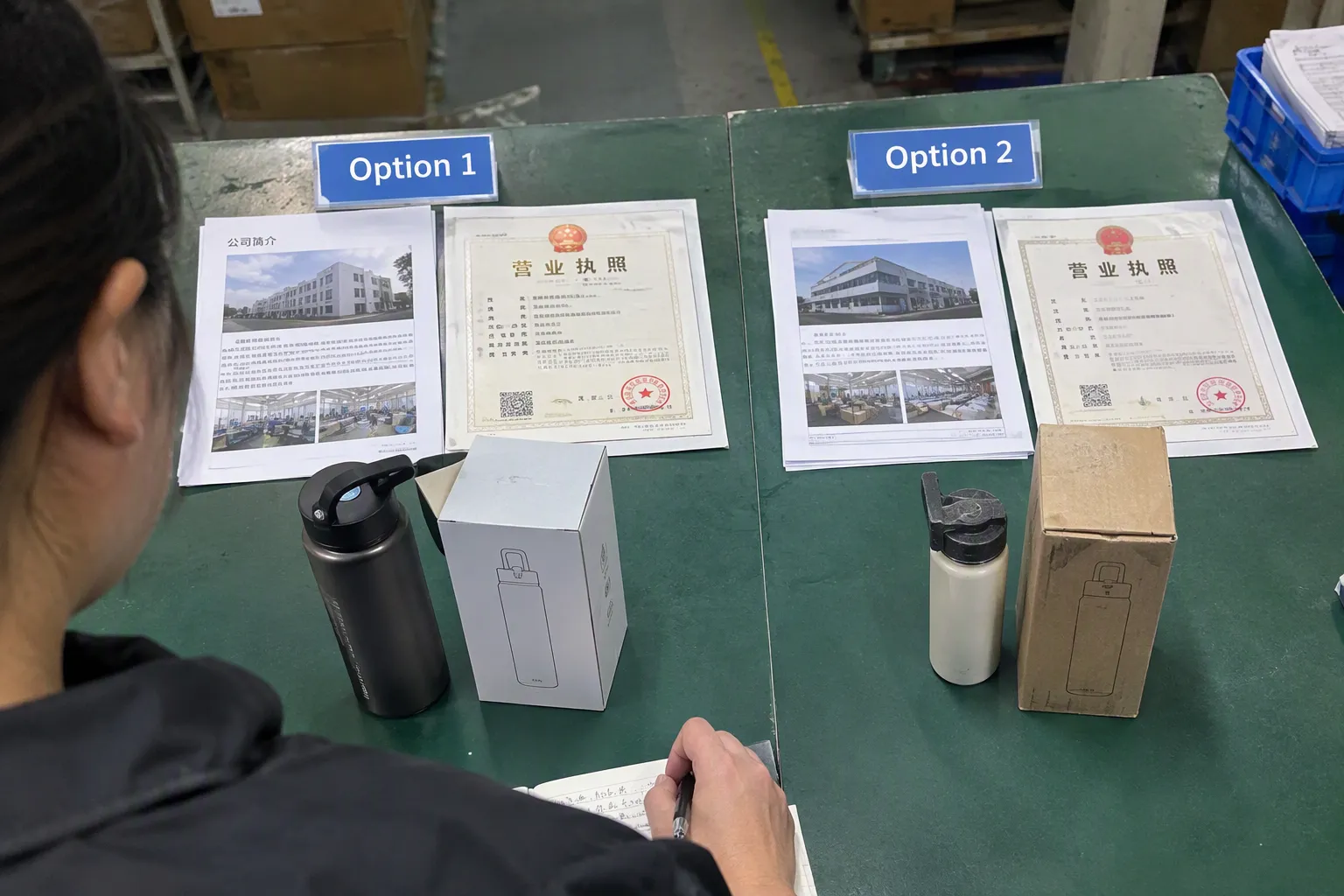
Supplier photos can be useful, but I do not treat them as automatically sufficient or independent evidence. I ask which goods were photographed, when the images were taken, and whether they represent the production batch. I compare them with approved documents and arrange additional inspection when the images are incomplete or unclear.
Can product photos prove the quantity in the shipment?
No. Photos may show carton counts, inner packing, or selected quantities, but they do not always prove the full shipment quantity. I use packing lists, warehouse records, carton counts, or physical inspection when exact quantity and SKU verification are important.
Conclusion
I treat product photography before shipping from China as a practical remote confirmation tool, not simply as content creation. I choose the photography stage according to the decision I need to make, prepare a product-specific shot list, identify the actual production goods, and compare the images with approved documents. I also remember that photos support inspection rather than replace it. If you need help coordinating suppliers, samples, photography, quality checks, packaging, consolidation, and shipping from China, contact KingSourcing to discuss your procurement requirements.
Sources
- [PDF] Toward Standardization and Consistency of Visible Particle Testing", The source supports using photographs as supplementary documentation of observable product conditions rather than as a complete substitute for inspection procedures
- [PDF] Vestas Supplier Quality Manual", The source describes conformity controls intended to prevent changes in materials, processes, or packaging from producing goods that differ from an approved specification
- [PDF] Quality management in supply chain: Strategic implications and the ...", The source indicates that verification of finished production output is a central quality-control concern before shipment
- [PDF] MT 111-12 (01/13/12) 1 of 3 METHODS OF SAMPLING AND ...", The source identifies inspection as a process that may combine sampling and checks of quantity, function, workmanship, measurements, and packaging according to the applicable requirements
- Conducting Inventories - EZIZ - CA.gov", The source supports the principle that confirming the quantity inside containers generally requires a count, inventory record, or other direct verification rather than an exterior photograph alone
- [PDF] full-reference image quality assessment and the role of strategy", The source explains that image-based dimensional interpretation depends on an appropriate reference scale and viewing geometry, while perspective and occlusion can introduce ambiguity
- Quality Control Inspectors : Occupational Outlook Handbook", The source supports using competent technical assessment and documented measurement methods for safety-relevant conformity decisions instead of relying solely on visual observation
- Photography and Print Advertising - The High Art of Photographic ...", The source characterizes promotional product imagery as a presentation-oriented form of communication designed to influence perception or convey product appeal