Quick Answer
A China shipment can become stressful when tracking stops moving, promised delivery dates pass, and customers start asking questions. I understand the pressure because a delay can affect inventory, cash flow, product launches, and retailer commitments. However, careful evidence gathering usually gives me a clearer next step than blame or panic.
If your China shipment is delayed, first identify the last confirmed tracking event and compare it with the agreed production, handover, and transit timeline. Then contact the party responsible for that stage, request shipment records and a specific update deadline, and escalate only after you separate confirmed facts from possible causes.
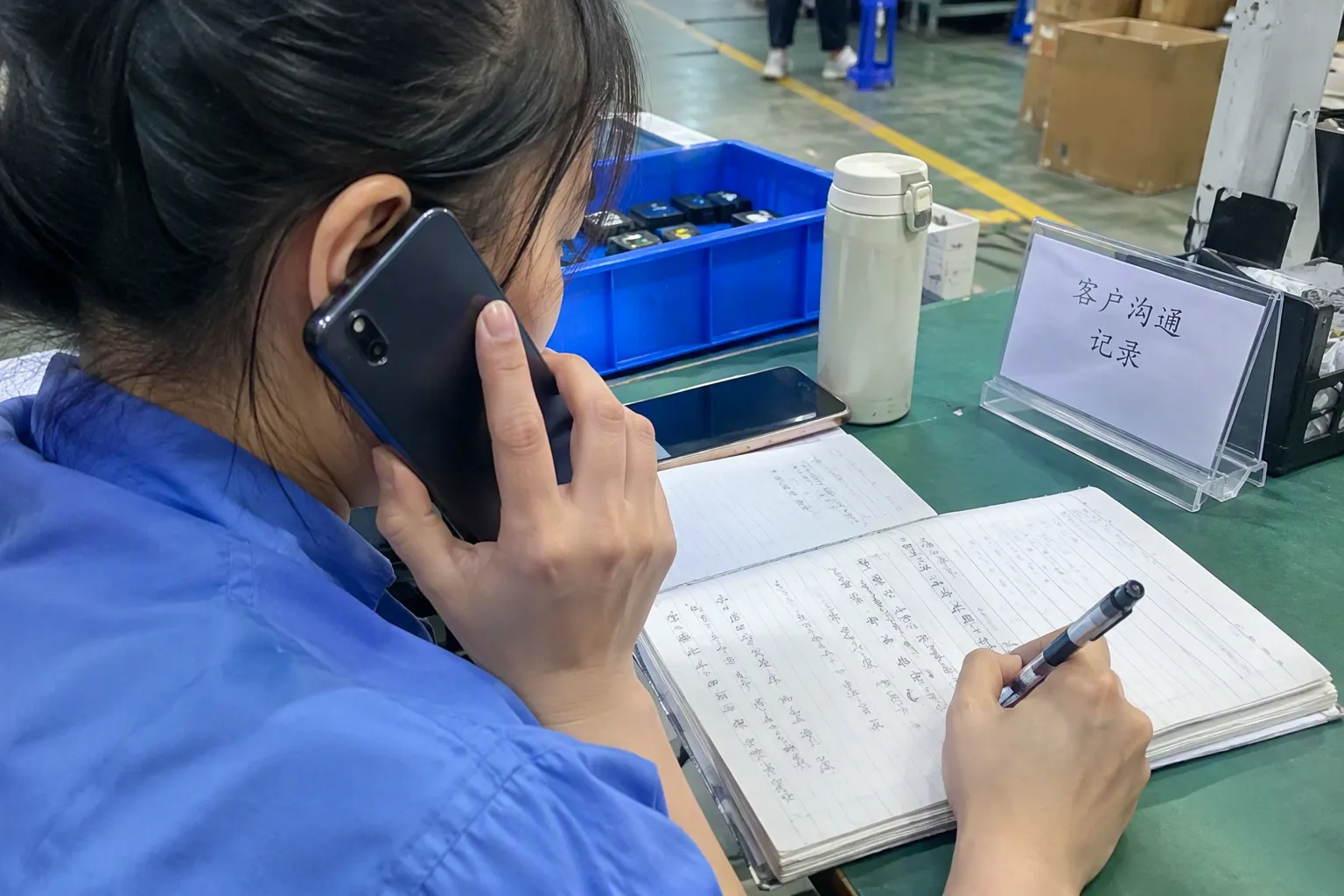
A late shipment does not automatically mean that the goods are lost. The cargo may still be waiting for warehouse intake, export documentation, consolidation, customs processing, or a carrier handover. I use a stage-by-stage review to find the last verified point and decide who should act next.
What Should You Do If Your China Shipment Is Delayed?
A delayed China shipment creates a problem because several companies may handle the order before final delivery[1]. If I contact the wrong party first, I may receive vague replies while the real issue remains unresolved. I begin with records, not assumptions, and then match the delay point to the responsible supplier, warehouse, forwarder, carrier, or customs representative.
The most useful first response is a written action sequence: verify the last event, compare the promised timeline, request evidence, contact the responsible node, set a follow-up deadline, and prepare a delivery or inventory contingency if the delay continues.
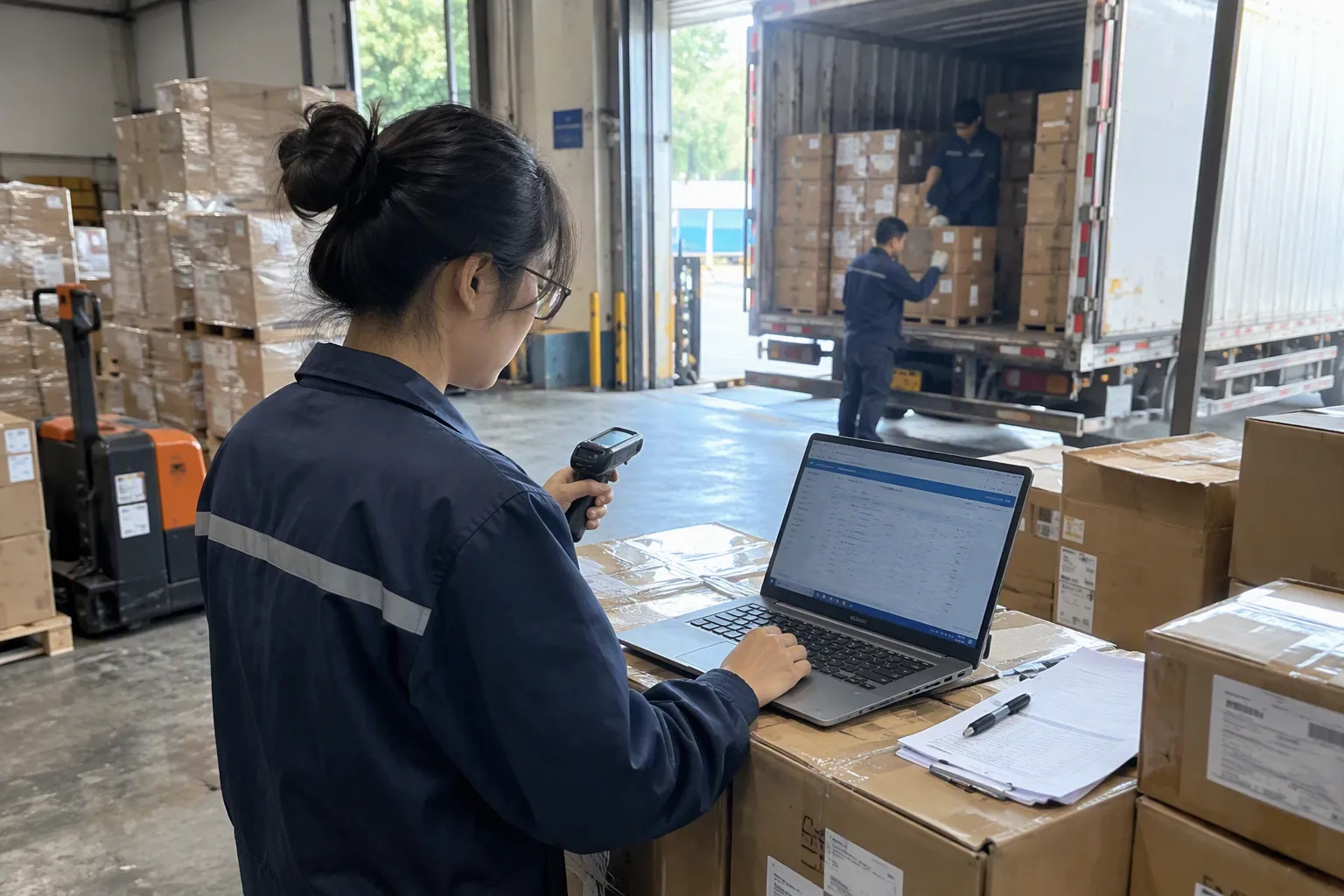
Start With the Last Confirmed Event
I first collect the basic shipment file. It normally includes:
- Purchase order or commercial agreement
- Supplier production schedule
- Inspection or release date
- Commercial invoice and packing list
- Warehouse receiving record
- Consolidation details
- Booking confirmation
- Bill of lading, air waybill, or other transport document
- Tracking number and carrier status
- Agreed shipping method and estimated timeline
- Names of the supplier, freight forwarder, carrier, and customs contact
I then identify the last event confirmed by a reliable record. Examples include “factory completed production,” “inspection passed,” “warehouse received cartons,” “container loaded,” “flight departed,” “arrival notice issued,” or “customs documents submitted.”
An unchanged tracking status is not proof that the goods have disappeared[2]. Some tracking systems update only when a carrier scans the shipment at a later hub[3]. A handover can also occur before the next public scan appears[4]. I therefore ask the responsible logistics party to confirm the physical or documentary status rather than relying only on a web page.
Separate Confirmed Facts From Possibilities
I find it useful to create three columns:
| Category | Example | Required response |
|---|---|---|
| Confirmed fact | The warehouse received 120 cartons on a stated date | Check the next handover or dispatch record |
| Information requiring verification | The forwarder says the container is awaiting loading | Request booking or loading confirmation |
| Reasonable possibility | Customs may need additional information | Ask the customs representative or broker to confirm |
This simple separation prevents a common mistake. A buyer may hear that customs is “probably the problem”[5] and repeat that explanation to customers. Without a customs notice or broker confirmation, that statement remains unverified.
I also compare the actual timeline with the agreed timeline. The review should include:
- Production timing: Did the supplier finish when promised?
- Quality release: Did inspection or rework add time?
- Warehouse intake: Did the warehouse receive the complete shipment?
- Export preparation: Were documents accurate and submitted on time?
- Transport: Did the booking, loading, departure, or arrival occur?
- Customs and final delivery: Did the shipment clear and move to the destination?
Each stage points to a different contact. A supplier cannot always resolve a carrier delay, and a carrier cannot correct an incomplete commercial invoice.
Contact the Responsible Node
I use a written message that asks for specific facts instead of a general question such as, “Where is my cargo?” A practical request might ask:
- What was the last physical location?
- What was the date and time of the last confirmed handover?
- Which document or scan supports that status?
- Who currently controls the shipment?
- What action is pending?
- Does anyone need a corrected document or additional information?
- What is the next expected event?
- When will the contact provide the next update?
The correct contact depends on the last verified point.
| Last verified point | First contact | Evidence to request |
|---|---|---|
| Production not complete | Supplier or factory | Production status, finished quantity, revised completion date |
| Goods awaiting inspection | Supplier and inspection provider | Inspection schedule, result, defect or rework status |
| Goods at warehouse | Warehouse or consolidation provider | Receiving record, carton count, dispatch plan |
| Booking not confirmed | Freight forwarder | Booking confirmation and planned departure |
| Shipment handed to carrier | Carrier or forwarder | Handover record, transport document, scan history |
| Destination customs | Customs broker or importer’s representative | Customs status, notice, missing information |
| Released but not delivered | Local delivery carrier | Delivery appointment and exception reason |
When I coordinate sourcing or logistics for an overseas buyer, I prefer one written timeline that all relevant parties can review. This reduces conflicting explanations and makes escalation more precise.
Set an Update Deadline
A request for “an update soon” is not an action plan. I ask for the next update by a specific date and time, while recognizing that the responsible party may not be able to promise final delivery. The deadline should cover the next verifiable event, such as a booking confirmation, customs response, or carrier scan.
If the contact misses that deadline, I escalate to the next management level or another operational contact. For example, I may move from a supplier salesperson to the factory manager, from a forwarder account contact to an operations supervisor, or from a local delivery contact to the carrier’s exception-handling team.
I keep an escalation record containing:
- Date and time of each message
- Person or company contacted
- Response received
- Documents supplied
- Unresolved questions
- Agreed next action
- Next update deadline
This record helps me avoid repeating the same question. It also gives a purchasing manager a clear basis for deciding whether to change delivery plans, hold customer communication, or seek replacement inventory.
Decide What to Do After the Cause Is Clearer
A faster shipping method is not always the correct solution[6]. A shipping upgrade cannot fix incomplete customs documents, goods that have not finished production, or cartons that never entered the forwarder’s warehouse.
Once I understand the likely delay point, I consider several responses:
- Correct or supplement export documents
- Complete missing packing or labeling work
- Ask the supplier to finish production in partial quantities
- Split urgent stock from the remaining order
- Change the delivery appointment
- Use an alternative transport route if the responsible logistics professional confirms it is practical
- Arrange replacement inventory only after comparing cost and timing
- Inform customers with a revised, evidence-based estimate
- Review future supplier, inspection, and freight procedures
I avoid promising a fixed resolution date unless the responsible party has confirmed a specific operational milestone. Even then, I communicate the date as an estimate rather than a guarantee.
Communicate With Customers Carefully
A buyer may need to explain the delay to a retailer, distributor, or end customer. I recommend using confirmed information and avoiding unsupported blame.
A clear update can include:
“The shipment has passed the previously expected delivery date. The last confirmed event was [event] on [date]. We are checking [responsible party] regarding [specific pending event]. I will provide the next verified update by [date]. The current delivery estimate remains subject to confirmation.”
This wording is more credible than saying that customs, the factory, or the carrier definitely caused the problem when the records do not establish that fact.
If the shipment contains multiple products, I also check whether some stock is available sooner. A consolidated order may include goods from several suppliers[7], and one delayed SKU does not necessarily mean that every carton is delayed[8]. The warehouse or forwarder may be able to confirm whether partial release or separate dispatch is possible.
Plan for Inventory Risk
A late shipment can create a commercial problem even when the cargo eventually arrives. I review:
- Current available inventory
- Average weekly or monthly sales
- Customer commitments
- Promotional dates
- Marketplace storage or delivery requirements
- Replacement purchase cost
- Cash already paid to the supplier
- Cost of air freight or expedited transport
- Shelf life or seasonal demand
- Whether a substitute product is acceptable
I do not automatically place a second order. A duplicate order can create excess stock if the original shipment arrives shortly afterward. Instead, I compare the cost of waiting with the cost of a limited emergency purchase or partial replenishment.
For repeat buyers, a simple risk table can help:
| Risk | Immediate question | Possible control |
|---|---|---|
| Supplier completion delay | Is finished quantity available? | Staged production and earlier inspections |
| Warehouse delay | Has every carton been received? | Receiving records and carton-level reconciliation |
| Document issue | Are invoice and packing details consistent? | Pre-shipment document review |
| Transit delay | Has departure actually occurred? | Booking and departure confirmation |
| Customs issue | Has an official notice been issued? | Prompt broker review |
| Customer stockout | How much inventory remains? | Contingency inventory planning |
When Should You Escalate?
I escalate when the responsible party cannot identify the shipment’s location, does not provide requested records, misses agreed update deadlines, or gives inconsistent information. I also escalate when the delay threatens a major customer commitment or when the shipment contains high-value goods.
Escalation should remain factual. I provide the purchase order, tracking history, transport document, timeline, and unanswered questions. I ask for a named owner and a next action. I do not begin with accusations because blame can make cooperation more difficult and may distract from the operational issue.
For a serious or disputed matter, I recommend involving the appropriate freight, customs, insurance, legal, or trade professional. Shipment terms, insurance coverage, import obligations, and contractual remedies can depend on the specific transaction. My operational guidance cannot replace qualified advice for those decisions.
Frequently Asked Questions
Does an unchanged tracking status mean my China shipment is lost?
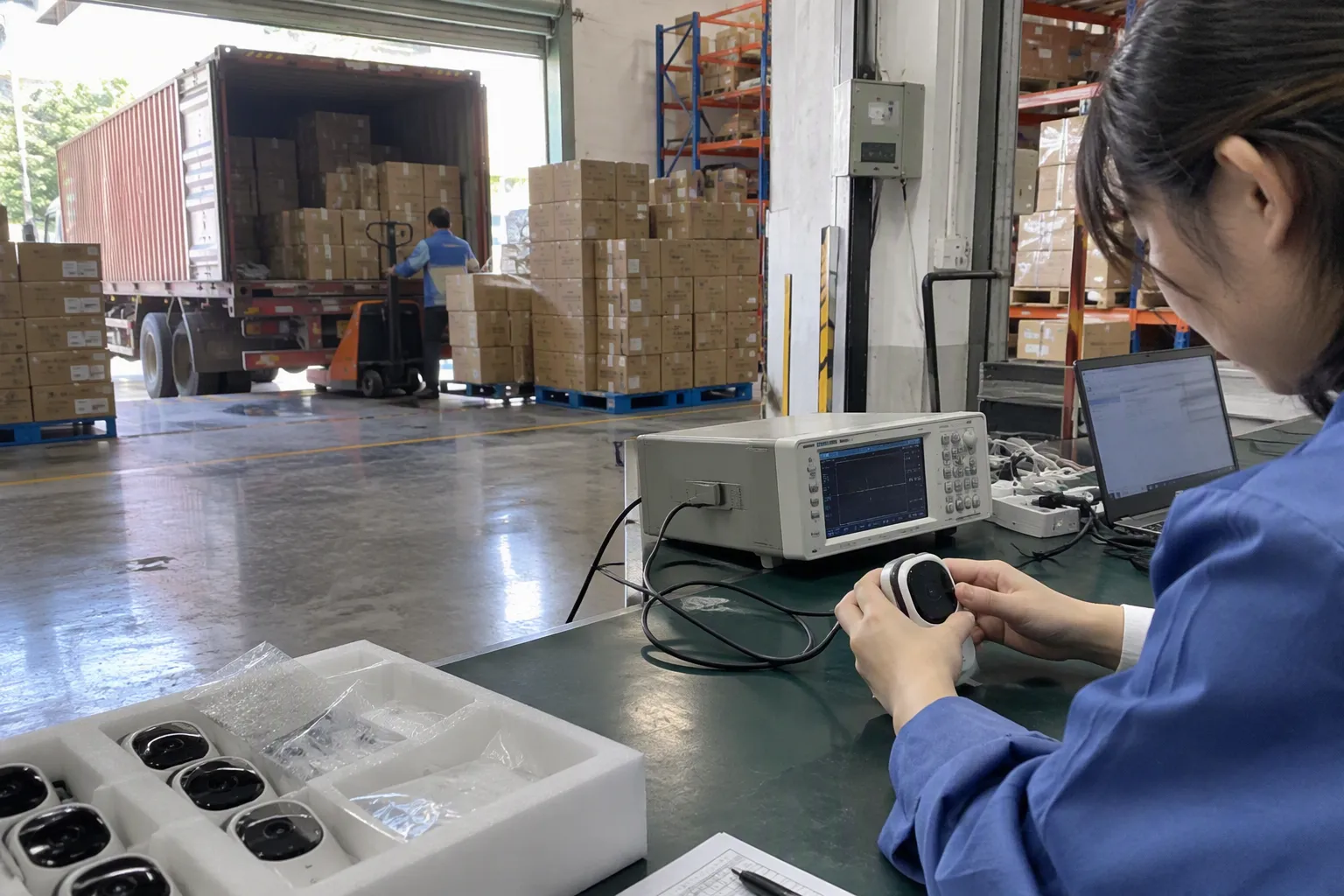
No. An unchanged status may mean that the shipment is waiting for a scan, handover, consolidation, customs action, or carrier update. I first request confirmation from the forwarder or carrier and compare the tracking record with transport documents. I treat the cargo as unconfirmed, not automatically lost, until reliable evidence supports that conclusion.
Who should I contact first about a delayed China shipment?
I contact the party responsible for the last confirmed stage. I contact the supplier if production is incomplete, the warehouse if intake or consolidation is unclear, the freight forwarder if booking or handover is uncertain, and the customs representative if the cargo is held at import. The last verified event usually identifies the best first contact.
Should I ask the supplier to use faster shipping?
Not immediately. Faster transport may help after the goods are ready and the delay is clearly related to transit. It will not solve incomplete production, missing documents, warehouse discrepancies, or customs questions. I first identify the cause, then compare alternative transport costs, capacity, timing, and risk with a qualified logistics professional.
How long should I wait before escalating a delayed shipment?
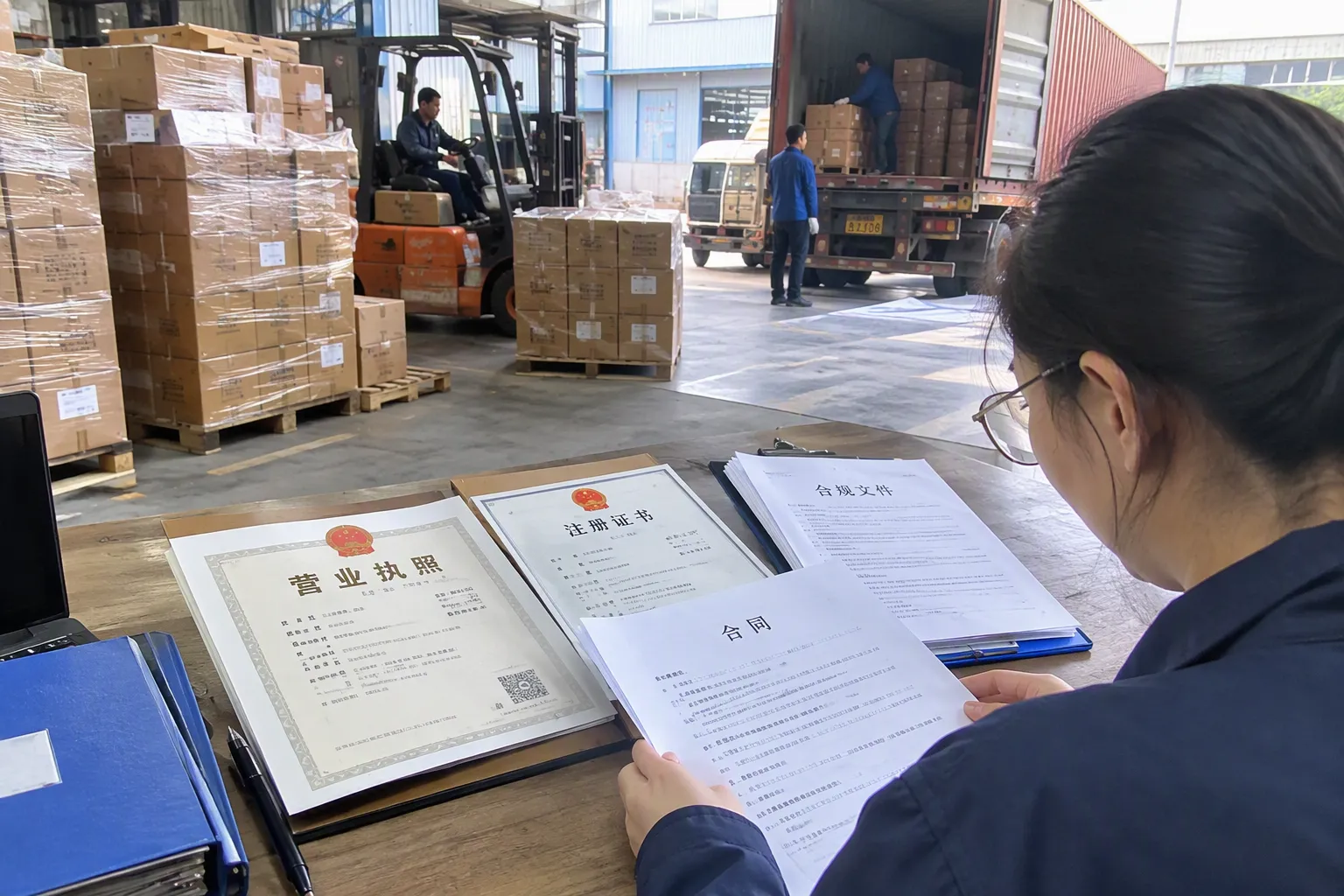
I do not rely on an arbitrary number of days. I escalate when a promised milestone is missed, the shipment cannot be located through reliable records, responses conflict, or a specific update deadline passes without progress. The commercial importance of the shipment should also influence how quickly I involve a manager or specialist.
What documents help investigate a shipment delay?
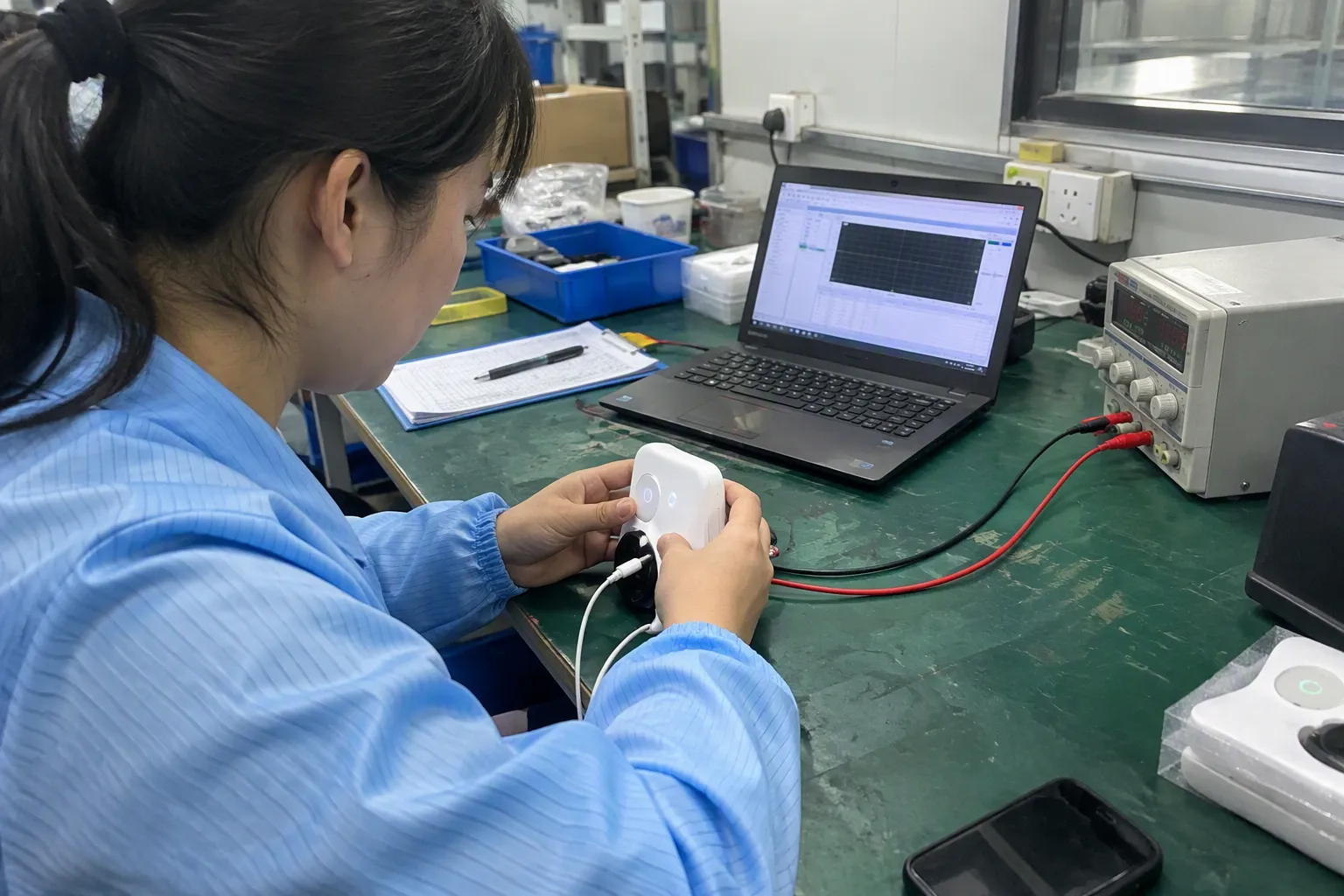
The most useful documents include the purchase order, invoice, packing list, inspection result, warehouse receiving record, booking confirmation, bill of lading or air waybill, tracking history, customs notices, and written communications. I use these records to build a timeline and determine which party controls the next action.
Conclusion
A delayed China shipment requires a structured investigation rather than an automatic assumption that the goods are lost or that one party is at fault. I start with the last confirmed event, separate facts from possibilities, contact the responsible logistics node, request supporting records, and set a clear update deadline. I then evaluate document correction, escalation, revised delivery planning, partial shipment, or alternative inventory based on evidence. If you need help coordinating suppliers, warehouses, inspections, and freight contacts in China, contact KingSourcing to discuss your shipment status and procurement needs.
Sources
- Publication: Understanding the Operations of Freight Forwarders", International freight movements commonly involve coordinated actions by shippers, freight forwarders, carriers, customs authorities, and delivery providers, so responsibility for a delay may depend on the shipment stage
- Understanding Tracking Status | UPS - United States", Carrier tracking systems generally report recorded shipment events rather than continuously verified physical location; consequently, an unchanged status alone does not establish that cargo has been lost
- [PDF] Potential Impacts of Climate Change on Freight Transport", Shipment visibility is typically event-based: systems record data when a defined handling or transport milestone is captured, so periods without a scan can occur between recorded events
- [PDF] Aviation System Block Upgrades - ICAO", Operational custody events and customer-facing tracking updates may be recorded or transmitted through different systems, allowing a handover to precede the appearance of a public status update
- Frequently Asked Questions on 97H Shipment Holds", A customs-related delay is ordinarily established through customs-system records, an official request or notice, or confirmation from the importer’s customs representative rather than through an unsupported assumption
- English Text (91.56 KB) - Open Knowledge Repository", Studies of international supply chains distinguish delays arising from production, documentation, border procedures, handling, and transportation; therefore, a faster transport mode can address only a subset of delay mechanisms
- English Text (91.56 KB) - Open Knowledge Repository", Freight consolidation combines compatible consignments from separate shippers or suppliers into a shared shipment or transport unit before onward movement
- [PDF] World Bank Document", Because consolidated freight may contain separately identified consignments or packages, a delay affecting one component does not logically establish that all products or cartons in the broader order are delayed