Quick Answer
ODM is one of the first decisions a private-label buyer faces when sourcing China products. The wrong route can tie up cash in revisions, high MOQs, and slow development, while the wrong assumptions can leave a brand with a product that does not match its market. I recommend choosing based on your product definition, budget, timeline, and testing risk—not on factory labels alone.**
**OEM vs.
The best choice between OEM and ODM depends on how clearly you can define the product, how much development responsibility you can manage, and how much commercial risk you can accept. OEM may suit buyers with detailed specifications and validated demand, while ODM can help buyers test a supplier’s existing product platform faster. Each supplier’s customization scope, MOQ, development cost, and lead time should be confirmed case by case.
I often see first-time buyers treat OEM and ODM as fixed categories. In practice, the conversation is more useful when I focus on what the buyer needs, what the factory can realistically deliver, and what must happen before production starts. The answer usually becomes clearer once we break the project into specifications, samples, cost, timing, and risk.
OEM vs. ODM Is Not a Question of Product Quality or Factory Type
When buyers compare OEM vs. ODM, they often worry that one option means “premium” and the other means “generic.” That assumption can create problems. A buyer may pay for custom development without a clear brief, or dismiss an existing product platform that could be suitable for an early market test.
OEM vs. ODM is primarily a product-development and procurement decision, not a quality ranking.[1] OEM generally involves a buyer providing more product direction, while ODM usually starts with a supplier’s existing design or product platform. Product quality depends on the supplier, materials, process control, sample approval, inspection standards, and production management[2]—not simply on whether a project is called OEM or ODM.
I Start With Product Ownership and Responsibility
The most useful question is not, “Are you an OEM or ODM factory?” I usually start with a more practical question:
Who is responsible for defining the product that will be manufactured?
That question affects nearly every part of the sourcing process. It affects the quotation, the sample process, the ownership of design files, the tooling discussion, the revision cycle, and the buyer’s ability to compare suppliers fairly.
For a China products sourcing project, I would normally ask the buyer:
- Do you already have a complete product specification?
- Do you have drawings, dimensions, materials, colors, packaging files, or reference samples?
- Which product features must be changed from an existing version?
- Who will approve technical decisions during development?
- What budget is available for samples, revisions, tooling, or development work?
- What launch date matters most?
- Is this a proven product category, or is the buyer testing demand?
- What quality standard will be used for final inspection?
A buyer with a simple idea but no defined specifications may need more support before requesting OEM quotations. A factory cannot reliably quote a custom product when the requested changes remain unclear.[3]
For example, a buyer may say, “I need a better version of this product.” That request sounds simple, but it leaves too many unanswered questions:
- Better in what way?
- Is the change cosmetic, functional, structural, or packaging-related?
- Does the buyer need a new mold, a new material, or only a logo?
- Does the buyer have a target retail price?
- Does the buyer understand which changes may affect production cost or lead time?
I have seen this type of situation during sourcing coordination. A buyer may arrive with a strong market idea but limited production detail. In that case, I would not treat the project as ready for full custom development. I would first help organize the brief, identify suitable product references, and clarify which features are essential for launch.
OEM Does Not Automatically Mean Full Product Invention
In common sourcing conversations, OEM can mean different things. Some buyers use it to describe private-label production. Others use it to describe manufacturing from buyer-owned designs. Some suppliers use the term broadly for almost any customized order.
That is why I avoid relying on the label alone.
A more detailed OEM project may involve the buyer providing a defined concept, technical drawings, component requirements, packaging files, performance expectations, or a physical sample. The factory may then assess whether it can manufacture the item, recommend production adjustments, prepare samples, and quote based on the approved requirements.
However, I would not assume that an OEM supplier will automatically provide:
- Industrial design
- Engineering development
- Product testing
- Compliance planning
- Intellectual property review
- Market validation
- Unlimited sample revisions
- Ownership transfer of molds or design files
These items should be discussed in writing. The actual scope depends on the product category and the factory’s capabilities.
For consumer electronics, 3C accessories, and products with functional components, buyers should be especially careful. A small change in a cable, battery-related component, housing, connector, material, or internal structure can create wider implications for production, testing, packaging, and market requirements.[4] I recommend that buyers obtain qualified professional guidance for application-specific technical, safety, and compliance decisions.
ODM Can Be a Practical Route to Market Validation
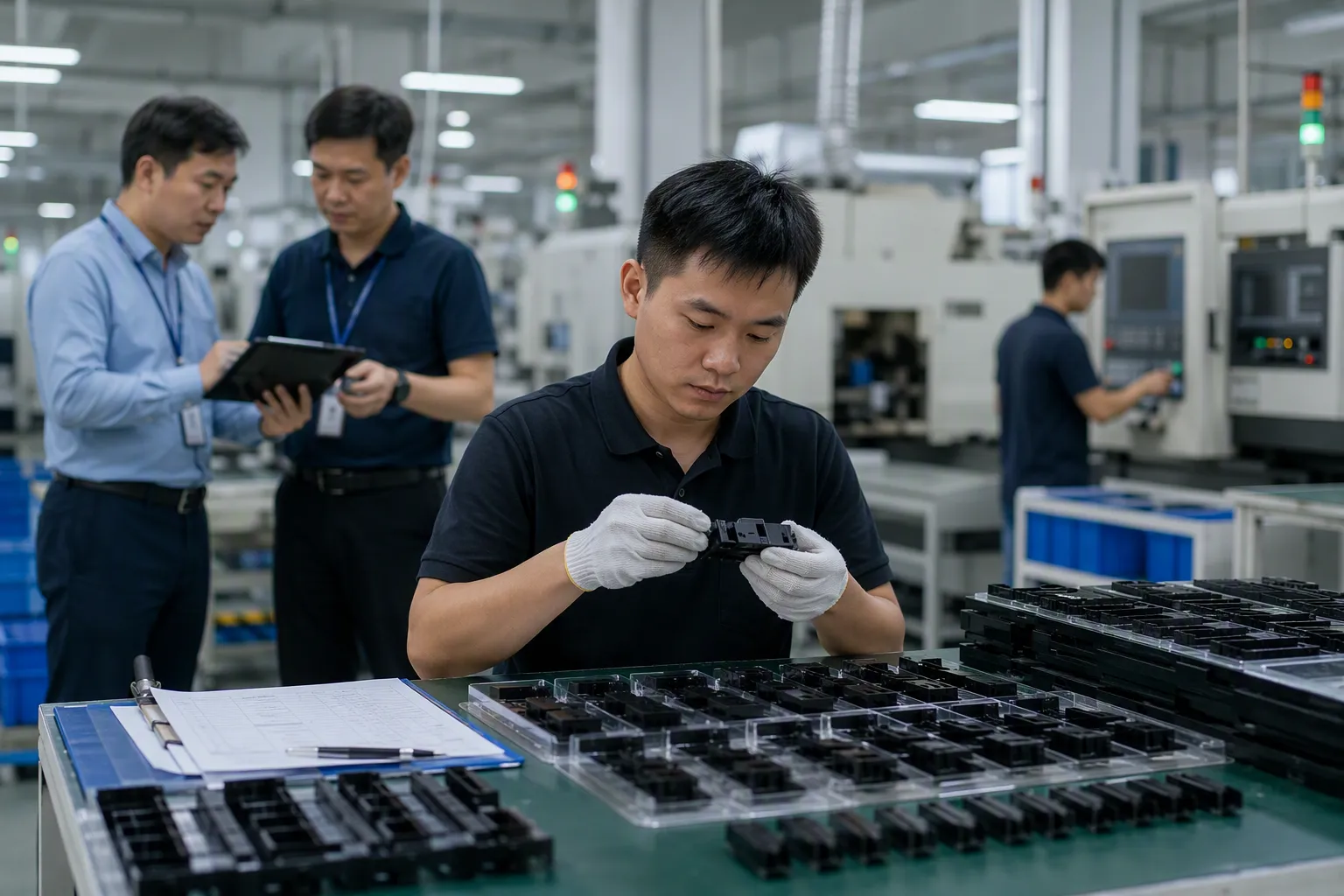
ODM often starts with a supplier’s existing product.[5] The supplier may already have a mold, production process, product structure, and standard packaging format. The buyer may be able to add a logo, select colors, change packaging, adjust an accessory set, or request limited functional changes.
That does not mean every ODM product is simply generic stock. Some suppliers offer meaningful flexibility, while others only offer a logo and carton artwork. The buyer needs to verify the real customization range.
I would ask suppliers questions such as:
- Can the buyer choose colors, finishes, materials, or accessories?
- Is custom packaging available?
- Can the supplier apply a logo by printing, engraving, embossing, or another method?
- Can the supplier change product dimensions or components?
- Does a requested change require a new mold?[6]
- What is the MOQ for each customization level?
- Are samples available before the buyer commits to production?
- Can the supplier provide current product specifications and sample references?
An ODM approach can make sense when a buyer wants to validate positioning, branding, packaging, or demand before committing to a more complex product-development program.
A composite example would be a new e-commerce founder who wants to enter a crowded category but has not yet proven which features customers value. If the founder starts with a supplier’s established product platform, custom branding, and differentiated packaging, the founder may learn more quickly about sales response. That buyer can later decide whether a deeper product change is justified.
Still, I would not describe ODM as automatically faster, cheaper, safer, or lower-MOQ. A supplier may have limited inventory, high branding minimums, long production queues, or strict customization requirements. Each quotation needs to be reviewed carefully.
Compare the Total Commitment, Not Only the Unit Price
A low unit price can look attractive, especially for a first order. However, the unit price does not show the whole commitment. I encourage buyers to compare the cost of reaching an approved production-ready product.
For OEM vs. ODM, the more relevant comparison includes development time, sample effort, MOQ exposure, and the cost of changing direction.
| Decision Area | Questions I Would Ask | Why It Matters |
|---|---|---|
| Product specification | Is the brief complete enough for comparable quotations? | Unclear requirements create inconsistent quotes and sample disputes. |
| MOQ | Is the MOQ based on the product, color, logo, packaging, or components? | A low product MOQ may not include custom packaging or color options.[7] |
| Development cost | Are tooling, sampling, design, or setup costs involved? | Upfront costs can change the commercial decision. |
| Sample rounds | How many revisions are expected and who pays for them? | Revisions can affect both budget and launch timing. |
| Lead time | Does the timeline include sample approval, packaging confirmation, and production? | A production lead time alone does not show the full launch timeline.[8] |
| Quality control | What will be checked before shipment? | Quality expectations must be agreed before mass production. |
| Ownership | Who owns the mold, artwork, design files, and custom components? | Ownership should not be assumed from a quotation. |
| Shipping readiness | Can orders from different suppliers be consolidated? | Consolidation can affect packaging, storage, and shipping coordination. |
I recommend that buyers build a simple total-commitment worksheet before deciding. The worksheet does not need complicated formulas. It should show what the buyer may need to spend and manage before receiving sellable inventory.
A practical checklist can include:
- Product unit price
- Sample fees
- Sample shipping costs
- Development or tooling charges
- Packaging design and printing costs
- MOQ by color or SKU
- Expected revision rounds
- Inspection costs
- Warehousing or consolidation needs
- International shipping costs
- Time required before stock is ready to ship
At KingSourcing, I would also look at whether the buyer plans to source from multiple factories. A product may come from one supplier, branded packaging from another, and accessories from a third. In that situation, order consolidation, labeling, packing instructions, and 1-by-1 product checking may become important parts of the overall procurement plan.
Use a Buyer Readiness Test Before You Contact Factories
I find that most buyers can make an OEM vs. ODM decision more confidently by answering four questions honestly.
1. Can I Define the Product Clearly?
A buyer is more prepared for a development-heavy OEM project when they can clearly document what the product should be. That does not always require professional drawings at the first stage, but it does require enough detail for suppliers to understand the request.
A useful product brief may include:
- Product purpose and target customer
- Reference products or competitor links
- Required dimensions or size range
- Material preferences
- Colors and finish
- Required functions
- Branding method
- Packaging requirements
- Target order quantity
- Target launch date
- Known quality concerns
If the buyer cannot yet answer these questions, I would usually suggest beginning with research, reference samples, or a limited ODM customization discussion.
2. Has Demand Already Been Validated?
A buyer with repeat sales, retailer feedback, pre-orders, or reliable market data may have a stronger reason to invest in a more specific product version. The buyer knows more about what customers want and what problems the product must solve.
A first-time seller may have a different priority. That seller may need to protect cash while learning whether the category, price point, branding, and offer can gain traction.
Neither situation is better. Each situation calls for a different level of commitment.
3. Can I Fund Development Iterations?
Custom product work often involves changes. A sample may reveal that a color is different from expectation, packaging does not fit correctly, a logo placement needs adjustment, or a requested feature is not practical for the factory’s existing process.
I recommend that buyers treat sample development as a decision stage, not as a formality. The sample is where the buyer checks whether the product, packaging, and supplier communication are moving in the right direction.
A buyer should avoid placing a large order just because the first sample is “good enough.” The buyer should compare the sample against the written requirements and record any changes before approving mass production.
4. Do I Have Enough Time to Manage the Process?
A buyer’s launch deadline can influence the OEM vs. ODM choice. If a buyer needs products ready for a seasonal launch, a retailer program, or an inventory replenishment date, the schedule should include more than factory production time.
The full timeline may include:
- Supplier search and verification
- Quotation comparison
- Product or reference sample review
- Custom sample development
- Sample revisions and approval
- Packaging confirmation
- Mass production
- Quality inspection
- Consolidation and shipping coordination
I have found that buyers often focus on the final production period and overlook the earlier approval stages. Those stages matter because late changes can affect both cost and delivery timing.
Evaluate Suppliers by Evidence, Not Self-Descriptions
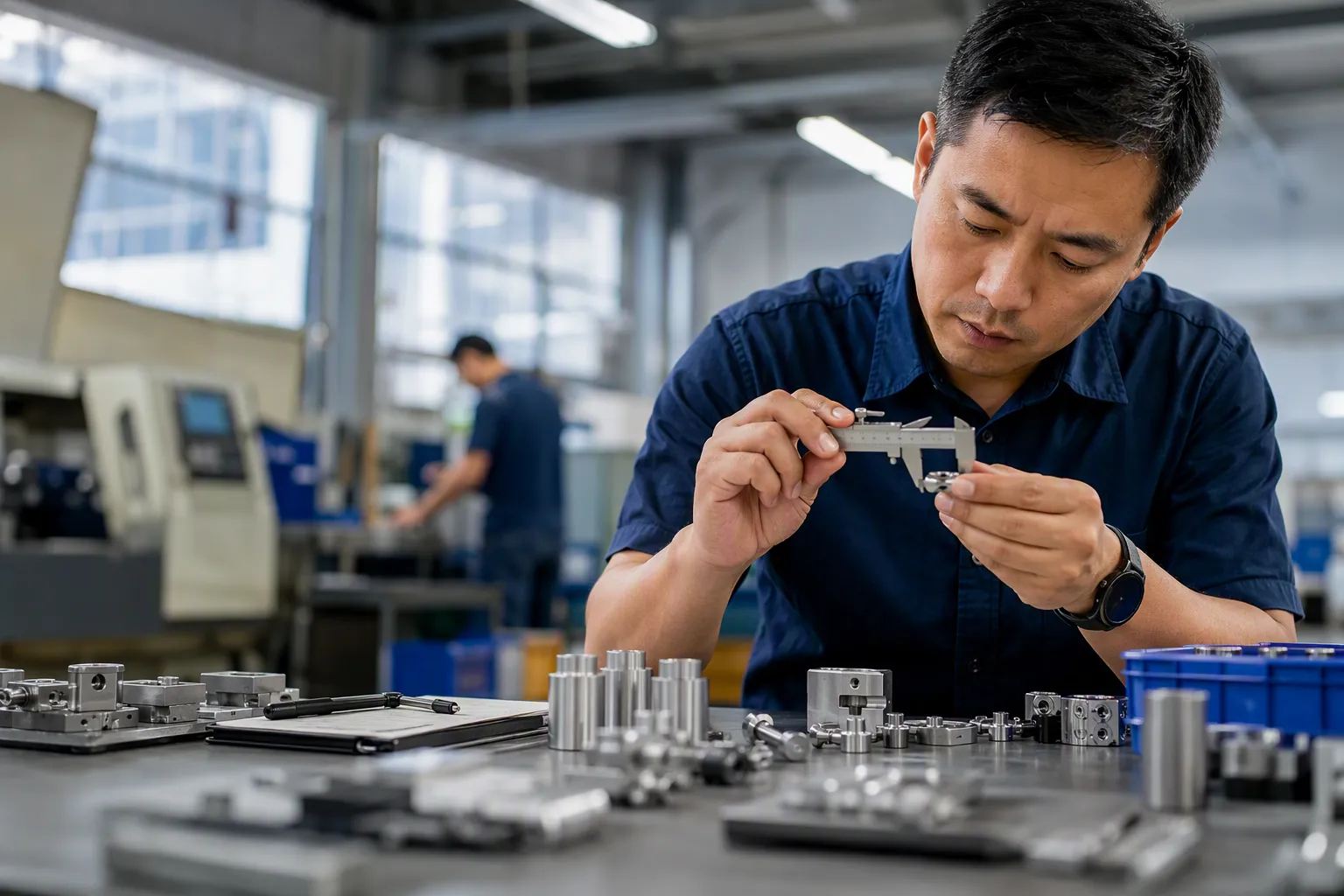
A supplier may describe itself as an OEM factory, ODM manufacturer, trading company, or direct producer. Those labels can be useful starting points, but I do not treat them as sufficient evidence of capability.
For a China products project, I recommend verifying what the supplier can actually support. Depending on the product, that may include factory information, sample quality, production experience, communication quality, quotations, packaging capability, inspection requirements, and documented quality systems or certifications where relevant.
Buyers should verify certificates, test reports, and factory claims directly. The relevance of a document depends on the product, destination market, and intended use. A document that is valid for one product version may not automatically cover a customized version.
At KingSourcing, our role is to coordinate supplier sourcing and verification, quotation comparison, sample development, production follow-up, quality inspection, packaging, consolidation, and shipping support. We do not replace qualified engineering, legal, product-safety, or compliance professionals. Buyers should use appropriate specialists when their product requires application-specific technical evaluation.
Frequently Asked Questions
Is OEM better than ODM for private-label products?
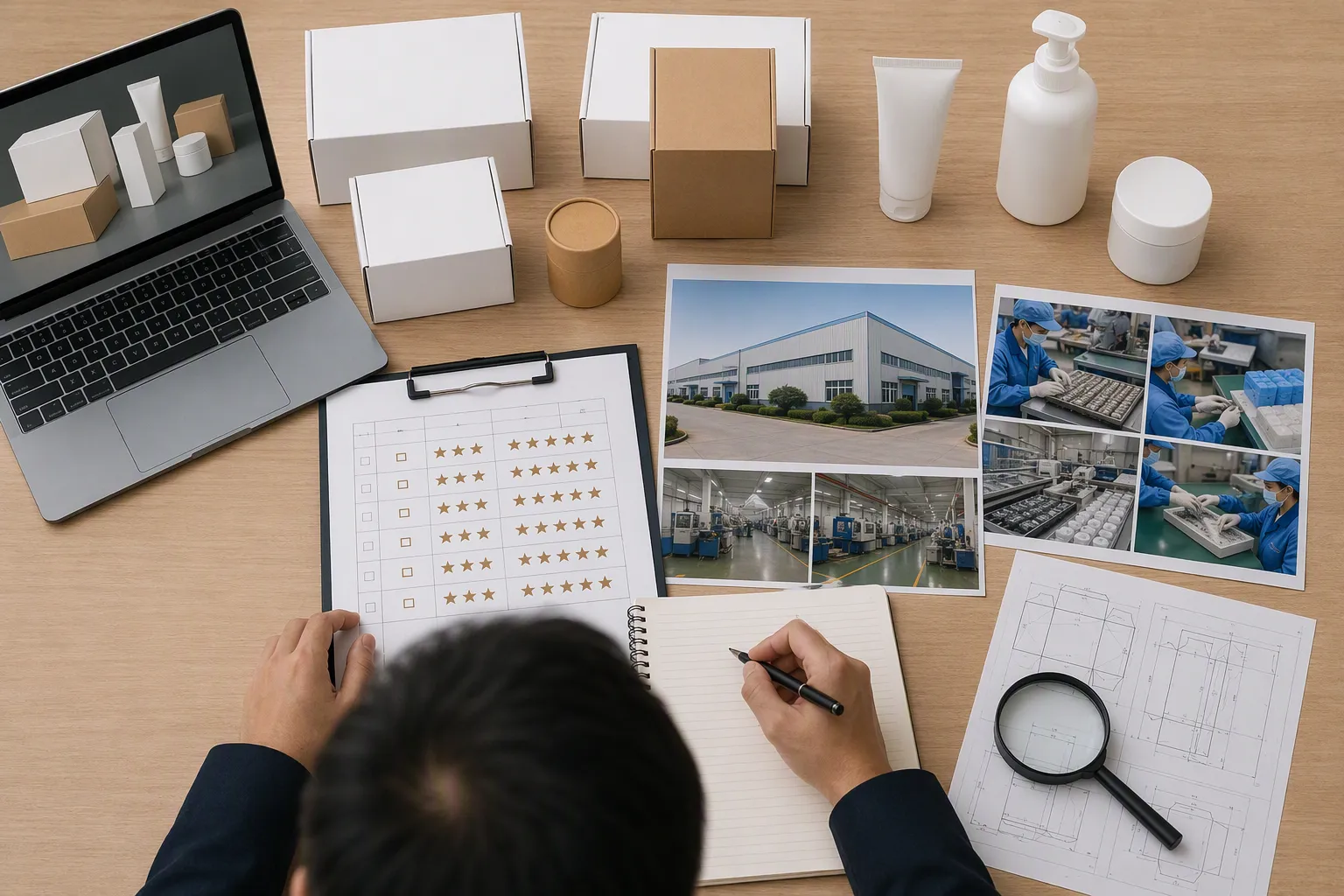
I would not say OEM is always better than ODM. OEM may fit buyers with a detailed product brief, validated demand, and capacity to manage development. ODM may fit buyers who want to start from an existing product platform. The better choice depends on the buyer’s commercial readiness and the supplier’s verified capabilities.
Can I add my logo to an ODM product?
Many suppliers allow logo customization on ODM products, but the available methods, MOQ, and cost vary. I recommend confirming whether the supplier can provide printing, engraving, custom colors, packaging, inserts, labels, or accessory changes. Buyers should approve samples before confirming mass production.
Does OEM mean that I own the product design?
OEM does not automatically mean that the buyer owns every design file, mold, or product element. I recommend discussing ownership, usage rights, tooling arrangements, artwork files, and custom components before production begins. The buyer should record agreed terms clearly in project documents and supplier communications.
How do I compare OEM and ODM quotations from China suppliers?
I recommend comparing the full commercial scope, not only the unit price. Buyers should review MOQ, sample costs, development fees, customization limits, packaging, lead times, inspection requirements, payment terms, and shipping readiness. A clear product brief helps suppliers provide more comparable quotations.
Should I choose ODM before developing a fully customized product?
An ODM launch can be a sensible market-testing route when a buyer has not yet validated demand or finalized product requirements. However, I would still check the supplier’s customization scope and quality level. Some buyers use early ODM orders to learn what customers want before investing in deeper product development.
Conclusion
The OEM vs. ODM decision should start with buyer readiness, not factory terminology. I recommend that buyers assess their product specification, market validation, budget for samples and revisions, available time, and acceptable MOQ exposure. A well-managed ODM project can support an early market test, while a more defined OEM project can suit buyers with clear requirements and stronger product direction. If you are sourcing China products, KingSourcing can help you compare suppliers, organize product requirements, manage samples, inspect production, consolidate orders, and coordinate shipping with greater visibility.
Sources
- OEM vs ODM explained – what's best for manufacturers?", Standard reference definitions describe OEM and ODM in terms of who designs, specifies, and supplies a product, rather than as categories denoting an inherent level of product quality
- 6.1.1. How did Statistical Quality Control Begin?", Quality-management frameworks identify controlled processes, verified requirements, supplier controls, and inspection activities as mechanisms for achieving consistent product conformity
- Never Assume That the Accuracy of Artificial Intelligence Information ...", Research on requirements uncertainty finds that incomplete or changing specifications reduce the reliability of cost and schedule estimates because the work scope cannot be fully defined
- CE marking – obtaining the certificate, EU requirements - Your Europe", Electrical-product conformity guidance explains that modifications affecting a product’s design or characteristics may require reassessment of compliance, supporting technical documentation, and applicable safety obligations
- Definition, Examples & ODM vs OEM (2026)", Reference definitions characterize an original design manufacturer as an entity that designs products that may subsequently be branded and sold by another company
- [PDF] Effect of shrinkage on the design and manufacture of plastic parts in ...", Manufacturing guidance on injection molding explains that part geometry is produced by dedicated tooling; consequently, design changes may require modification or replacement of the mold
- Minimum Order Quantity: What Is It and Why Does It Matter", Operations-management research shows that setup, changeover, and variant-specific inventory costs influence economically viable batch sizes, which can make customized colors or packaging subject to different minimum quantities than a standard product
- Product Development Phases - Bucknell University", Product-development frameworks distinguish upstream specification, prototyping, testing, and approval activities from production itself, indicating that factory lead time is only one component of a launch schedule