Quick Answer
Sample quality and bulk production quality are often treated as the same thing, but they are not. An approved sample can look excellent while the finished order shows color shifts, loose assembly, inconsistent sizing, weak packaging, or functional variation. The practical solution is to turn the approved sample into a written, measurable production standard before mass production begins. **A sample proves that a product can be made in an acceptable form, while bulk production quality shows whether that result can be repeated consistently across the full order.
Buyers should compare both against version-controlled specifications, approved references, tolerances, functional tests, packaging requirements, and agreed defect limits—not against a general promise that products will be “the same as the sample.”**
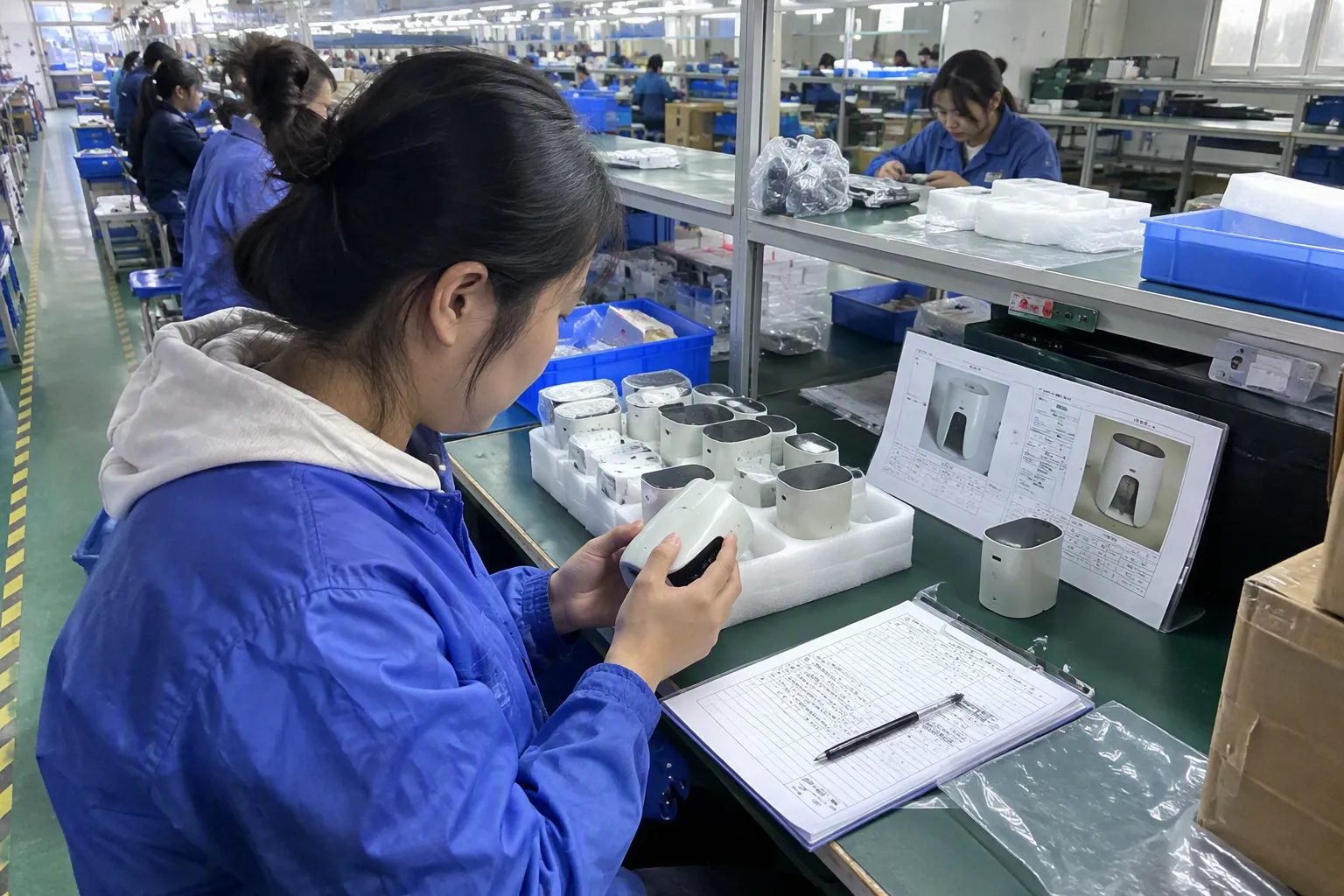
When I coordinate sourcing projects, I do not treat sample approval as the final quality decision. I treat it as the point where the real production work begins. The key questions are simple: What exactly must match? What variation is acceptable? How will the factory and inspection team check it? Clear answers reduce avoidable surprises later.
How Do Sample Quality and Bulk Production Quality Differ When a Sample Proves a Product Can Be Made?
A product sample may create confidence because it is visible, tangible, and easier to assess than a factory quotation. However, buyers can face expensive problems when they assume one approved unit represents every item in a 500-, 2,000-, or 10,000-piece order. That assumption leaves too much room for interpretation.
Sample quality confirms feasibility; bulk production quality confirms repeatability.[1] A sample demonstrates that a supplier can produce a product with certain materials, dimensions, functions, finishes, and packaging. Bulk production must demonstrate that the supplier can reproduce those requirements consistently within agreed limits, using real production materials, labor, equipment, and process controls.
A sample is evidence, not a complete production system
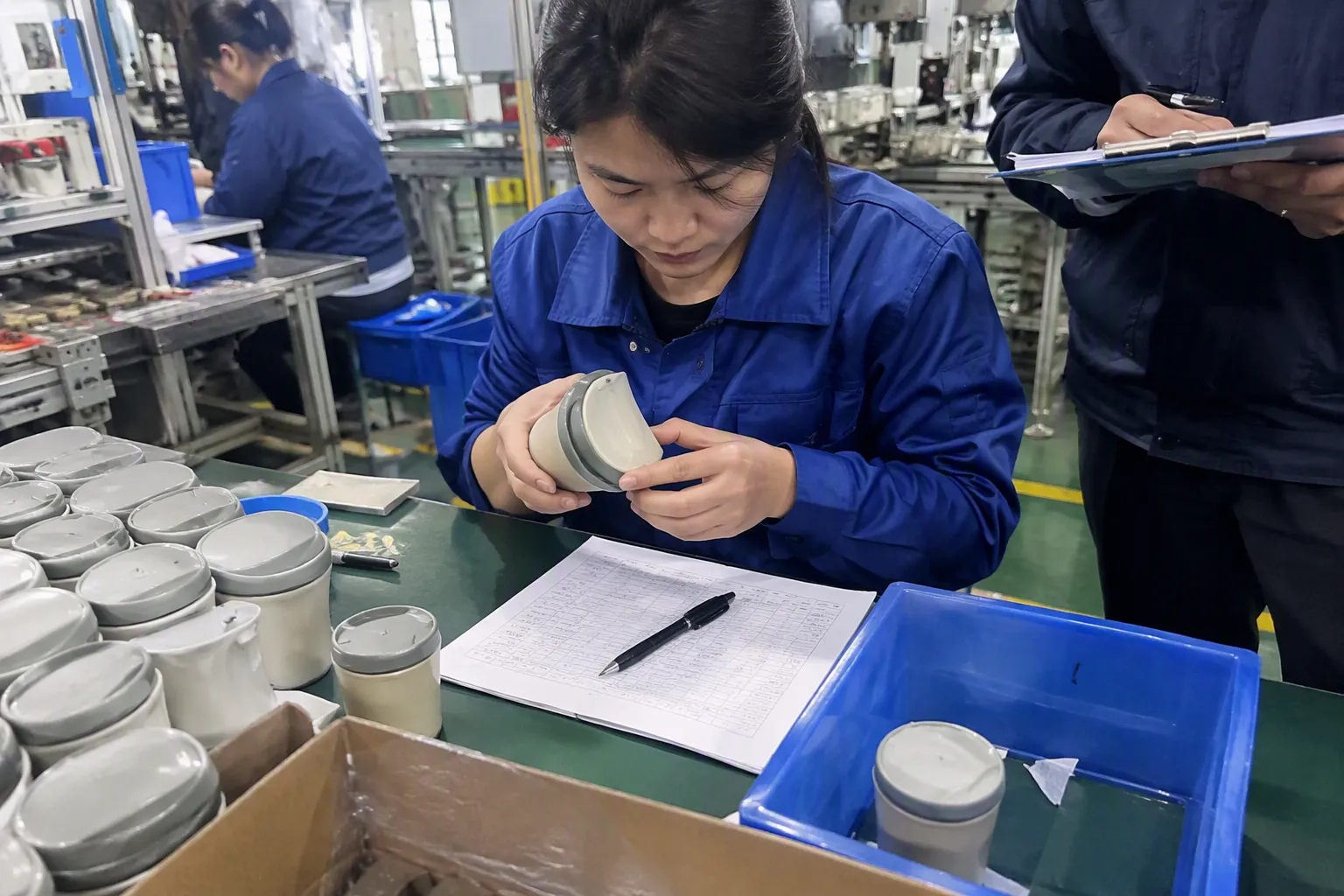
In practical sourcing work, I see an approved sample as a useful reference, but not a full manufacturing control plan. A sample may be made by a senior technician, produced slowly, assembled with extra care, or created using readily available materials that are not the same batch used for production.[2]
None of these points automatically means a supplier is unreliable. They simply show why buyers need to distinguish between making one acceptable product and making many acceptable products under normal production conditions.
For example, a sample can confirm that:
- The basic product concept is feasible.
- The supplier understands the requested design.
- A chosen material can achieve the intended appearance.
- A logo, print, or label can be applied.
- A product function can work under the sample test conditions.
- A packaging concept can be created.
However, a sample alone may not confirm:
- That the exact material will remain available for the whole order.
- That the color will remain consistent between material batches.
- That every factory worker will follow the same assembly method.
- That dimensions will remain within an acceptable tolerance.
- That the product will work after repeated use, transport, or storage.
- That the supplier has a documented method for checking defects.
- That retail packaging will protect the product during shipment.
This distinction matters especially for overseas e-commerce sellers and startup brands. When products travel from China to the United States, Europe, the UK, Australia, or other markets, the buyer may not see the goods until after shipment. By then, correcting a bulk-quality issue can involve rework, replacement, customer-service costs, marketplace complaints, or inventory write-offs.
An approved sample should answer, “Can this product be made?” A production-ready standard should answer, “Can this product be made consistently, and how will we judge it?”
Why does scale create variation?
Bulk manufacturing introduces variables that may not appear during sample development. The risk is not limited to product appearance. It can affect material performance, fit, dimensions, assembly, functionality, labeling, and packaging.
I avoid describing these risks as proof of bad intent. In many cases, the underlying issue is incomplete communication or a requirement that was never measured. A factory may believe it has delivered a product “similar to the sample,” while the buyer expects a much tighter match.
Common sources of variation include the following.
Material batches and substitutions
Raw materials can vary between batches.[3] Fabric, plastic resin, coatings, silicone, metal finishes, batteries, adhesives, foam, paperboard, and printed inks can all show variation depending on the product category and supply chain.
A buyer should not assume that a broad term such as “black ABS,” “gold metal,” “kraft box,” or “soft silicone” is detailed enough. The supplier may need a physical reference, an approved swatch, a Pantone reference where appropriate, a material grade, density, thickness, finish description, or other agreed details.
For regulated, safety-sensitive, electrical, food-contact, child-related, or medical-adjacent products, I recommend that buyers obtain qualified professional advice on application-specific standards and test requirements. Any test reports, declarations, or certifications should be reviewed as documents that need verification, rather than treated as automatic proof that every production batch complies.
Manual operations
Many consumer products include manual work. Workers may trim excess material, insert components, apply stickers, assemble accessories, pack products, or inspect appearance. Manual work can produce small differences between units.[4]
The goal is not always to eliminate every difference. That may be unrealistic or unnecessarily expensive. The goal is to define which differences are acceptable and which are defects.
For instance, buyers may need to clarify:
- Is a minor scratch acceptable on a hidden surface?
- Is a visible glue mark acceptable?
- Can a printed logo shift by a small amount?
- How much size variation is acceptable?
- Is a small color difference between parts acceptable?
- Can packaging have a minor crease if the product remains protected?
- What functional failures are unacceptable under every circumstance?
Without answers, quality decisions can become subjective. Subjective decisions create disputes because each party may use a different standard.
Machine settings and process handoffs
Machines can require setup, calibration, maintenance, and adjustment.[5] Even when the factory uses the same mold, printing file, cutting tool, or assembly fixture, output may change if machine settings or materials change.
Production also involves handoffs. A product might move from injection molding to printing, then assembly, then packaging, then final inspection. Every handoff creates another point where instructions can be misunderstood, skipped, or applied inconsistently.[6]
This is why I encourage buyers to ask not only, “Can you make this?” but also:
- Which production steps have the highest quality risk?
- Which requirements are checked during production?
- Who confirms material, color, and components before assembly?
- What reference does the production team use?
- How are nonconforming units separated and recorded?
- Can the factory provide pre-production confirmation before full production proceeds?
The supplier’s answers do not guarantee results. Still, they help a buyer identify whether the supplier has understood the requirements and whether the production process is being treated seriously.
Compare sample quality and bulk production quality against a written standard
The phrase “same as sample” is common in international sourcing. It sounds clear, but it is rarely enough on its own. A sample can be a useful physical reference, yet it cannot communicate every requirement unless the buyer documents what matters.
I recommend creating a production-ready specification package before the deposit is paid or before the factory starts bulk work. The package does not need to be overly technical for every product. It does need to be specific enough that a supplier, buyer, and inspection team can reach the same conclusion when they examine a unit.
| Quality area | What to define before bulk production | How to compare during inspection |
|---|---|---|
| Product appearance | Finish, texture, approved color reference, logo position, print artwork | Compare to approved sample and signed-off visual references |
| Materials | Material name, grade or composition where relevant, thickness, finish, approved component list | Check against approved material records, samples, or supplier confirmations |
| Dimensions | Key measurements and acceptable tolerances | Measure selected units using suitable tools |
| Function | Required operating steps, pass/fail conditions, charging or connection expectations where relevant | Perform agreed functional checks on a defined sample size |
| Assembly | Fit, alignment, screw tightness, seams, moving parts, glue application | Review workmanship against defect definitions |
| Packaging | Carton size, inner packaging, labels, barcode, inserts, drop-protection needs | Check packed units and shipping marks before shipment |
| Defects | Critical, major, and minor defect examples; acceptable defect limits | Use the agreed inspection plan and defect classification |
A detailed standard is particularly useful for private-label, OEM, ODM, and customized products. Buyers may need to include artwork files, logo dimensions, packaging layouts, barcode placement, carton marks, insert language, product warnings, and approved color references.
Version control matters here.[7] If a buyer changes a logo size after approving a sample, changes the box design during production, or requests a different material after confirming a quotation, the team should identify the latest approved document clearly. A file name such as Final_New_Use_This_One.pdf causes confusion. A better approach is a controlled name, date, revision number, and approval record.
What should a buyer ask before approving a production sample?
A production sample, sometimes called a pre-production sample, can help bridge the gap between initial development and bulk manufacturing. The terminology varies by supplier and product category, so I focus less on the label and more on the purpose.
The buyer should confirm whether the sample was made using the intended production materials, artwork, components, production method, and packaging. If the sample differs from the planned bulk process, the buyer should understand the difference before moving forward.
Here is the practical question list I use when coordinating sample approval:
- What exactly must match the approved sample?
- Which materials and components will be used in bulk production?
- Are these materials available for the planned order quantity?
- What color reference will the factory use?
- Which dimensions are critical to product fit or function?
- What tolerance is acceptable for each critical dimension?
- Which functions must be tested before packing?
- What visible issues count as critical, major, or minor defects?
- What packaging must protect the product during shipping?
- What labels, warnings, barcodes, and carton marks are required?
- What changes require buyer approval before the supplier proceeds?
- When can an inspection take place: during production, before shipment, or both?
The answers should be recorded in the purchase order, specification sheet, approved artwork file, inspection checklist, or another document both sides can access. I prefer a combination of written requirements and clearly labeled reference photos. Photos are helpful for appearance, but they should not replace measurements or functional criteria.
An anonymized example: when an acceptable sample did not translate cleanly to bulk
In sourcing coordination, I have seen how a product can look acceptable during sampling but require closer clarification before bulk production. One anonymized example involved a customized consumer item where the sample had an acceptable appearance and feel. The buyer approved it because the core design, branding, and function matched the intended concept.
Before bulk production moved ahead, the team compared the sample more closely with the planned production requirements. The concern was not that the supplier had acted dishonestly. The concern was that the approved unit did not yet define the repeatable standard clearly enough.
The discussion identified several questions:
- Was the same material batch or equivalent material specification available for bulk?
- What color range would be accepted under normal lighting?
- Which dimensions affected fit with another component?
- How would the factory check the product’s function after assembly?
- Which small cosmetic marks would be rejected?
- Would the final packaging use the same protective inserts as the sample?
The lesson was straightforward: the sample showed the product could be made, but the production team still needed measurable instructions to reproduce it at scale.
In a situation like this, I would not rely on verbal assurances. I would help turn the open questions into an agreed checklist. The checklist might include approved reference photos, key dimensions, material confirmation, functional test steps, packaging photos, and defect examples. The team can then use the same checklist during production follow-up and pre-shipment inspection.
This does not remove all risk. Manufacturing always involves some variation, and inspection is based on sampling rather than checking every possible issue unless a buyer requests 1-by-1 checking.[8] However, a defined standard gives the buyer a clearer basis for identifying deviations before goods leave the factory.
Use inspections to verify the standard, not to invent one late
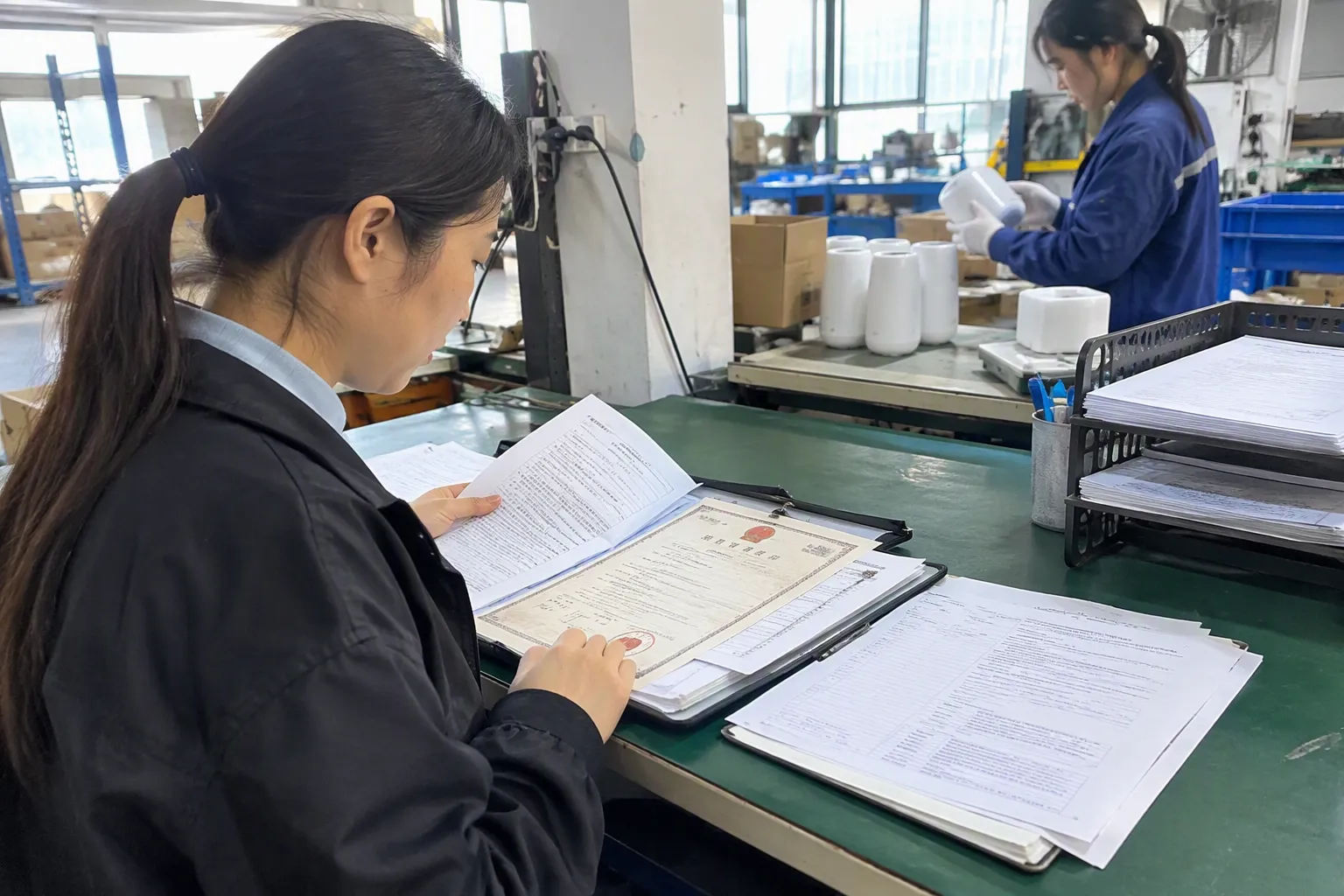
A quality inspection works best when the inspector receives the relevant requirements before visiting the factory. If the inspection team only receives a message saying “check if quality is good,” the result may be less useful because “good” is not a measurable standard.
For many orders, buyers may consider several checkpoints:
-
Pre-production confirmation
The factory confirms materials, artwork, components, and the production reference before full-scale manufacturing. -
During-production inspection
The team checks early output while there is still time to adjust process issues. This can be useful when an order has a longer production cycle or higher customization level. -
Pre-shipment inspection
The team examines finished goods and packaging before the balance payment or shipment, depending on the agreed commercial terms. -
Container-loading or dispatch checks
The team confirms carton counts, outer packaging condition, shipping marks, and loading details where needed. -
1-by-1 checking
For selected products, especially sensitive e-commerce items or products with known functional risks, buyers may choose individual unit checking. This adds time and cost, and it still depends on clearly defined pass/fail criteria.
At KingSourcing, we can coordinate supplier communication, sample reviews, production follow-up, factory audits, pre-shipment inspections, packaging checks, and 1-by-1 product checking where a buyer’s product and budget justify it. We do not present these steps as a zero-defect guarantee. Instead, they are practical controls that help buyers find and address visible or testable issues before international shipment.
Choose the right acceptance standard for the product risk
Not every product requires the same level of control. A simple promotional item may need visual checks, quantity confirmation, logo placement review, and packaging verification. A consumer electronic accessory may require more defined functional testing, component confirmation, charging or connectivity checks, and packaging protection.
The buyer should match the quality plan to the product’s commercial risk.
| Product situation | Recommended quality focus |
|---|---|
| Low-value promotional item | Logo, color, quantity, basic workmanship, packaging |
| Private-label e-commerce product | Appearance, function, dimensions, packaging, labels, defect criteria |
| Multi-SKU wholesale order | SKU count, assortment accuracy, barcode labels, carton marks, consolidation accuracy |
| Customized accessory | Material, color, branding, fit, assembly, packaging |
| Consumer electronics or 3C accessory | Function, compatibility claims, charging or connection checks where applicable, visual finish, packaging |
| Regulated or safety-sensitive product | Application-specific professional review, verified documentation, suitable testing plan, traceability requirements |
The table is a procurement guide, not a technical testing standard. Buyers should obtain specialist input when product performance, safety, legal compliance, or market-entry obligations depend on specific technical requirements.
Frequently Asked Questions
Does an approved sample guarantee bulk production quality?
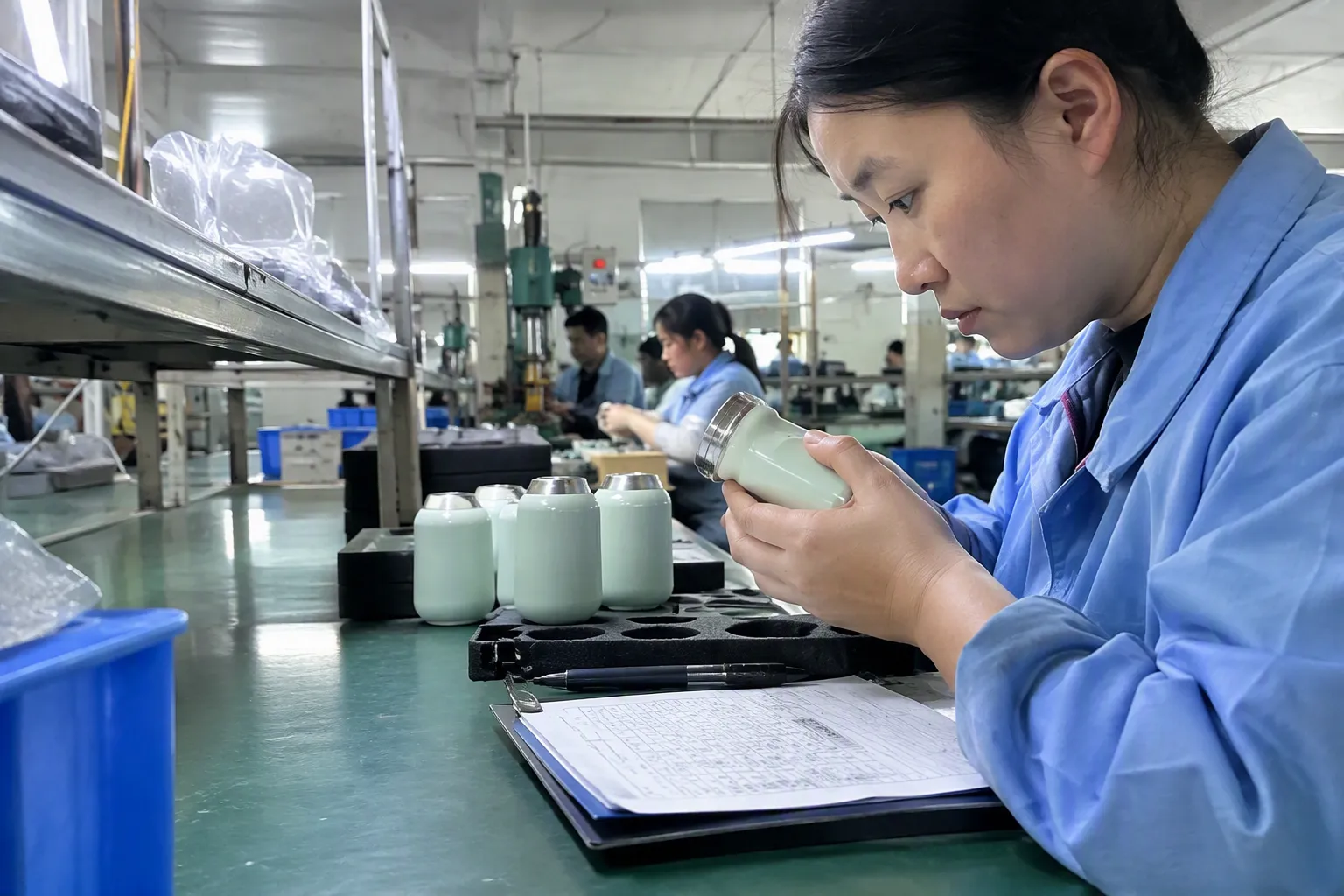
No. An approved sample shows that the supplier can make an acceptable unit, but it does not prove that every bulk unit will match. Buyers should use the sample together with written specifications, approved materials, tolerances, functional checks, packaging requirements, and inspection criteria.
What is the biggest difference between sample quality and bulk production quality?
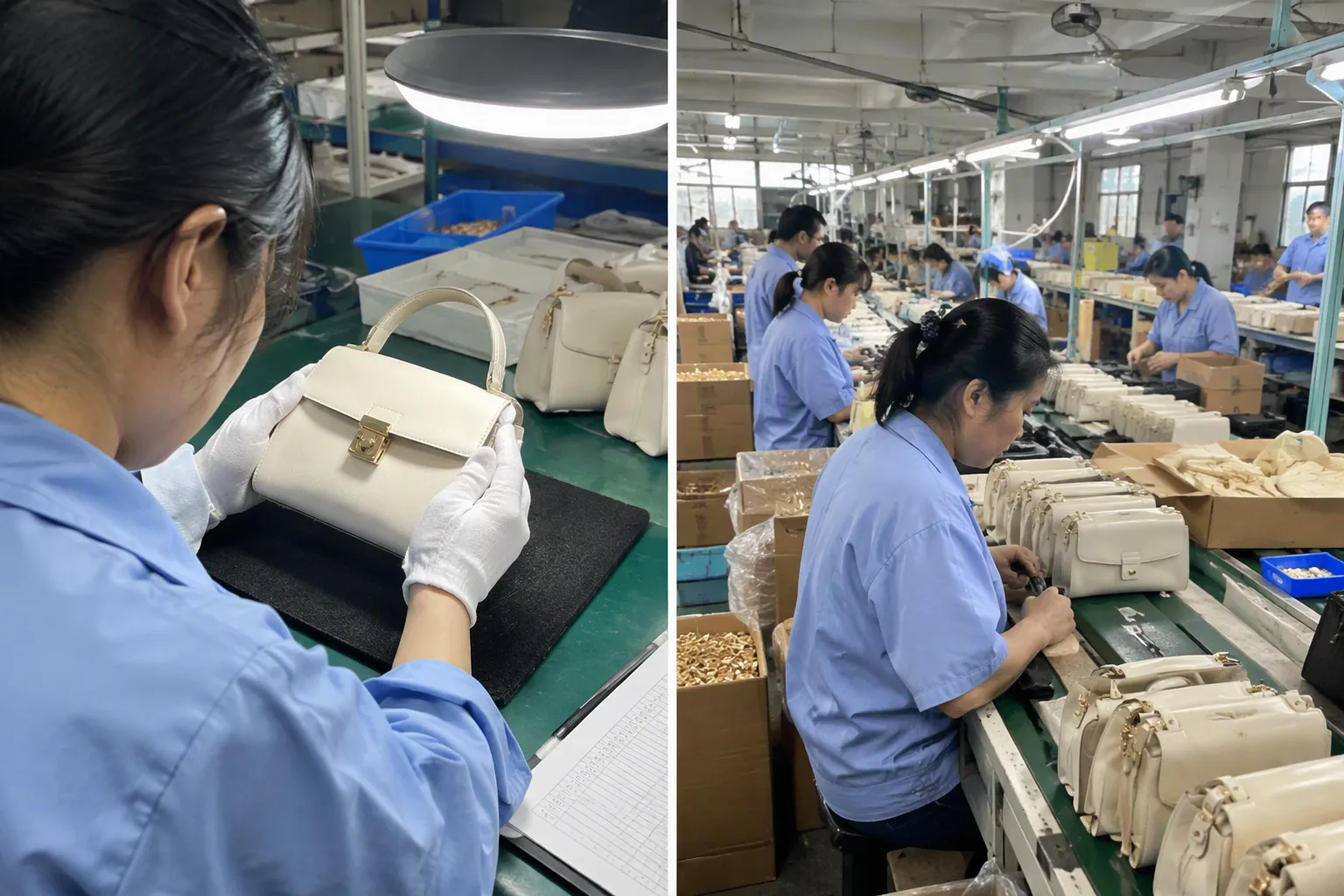
The biggest difference is consistency. Sample quality focuses on one or a few units. Bulk production quality focuses on whether the supplier can repeatedly meet the same requirements across the order while using normal production materials, labor, machinery, and packaging processes.
Should I pay for a pre-production sample?
A pre-production sample can be worthwhile when the product is customized, private-label, technically sensitive, or high value. It can help confirm that the actual production method, materials, artwork, and packaging match the agreed requirements before the supplier produces the full order.
Can a pre-shipment inspection prevent all defects?
No. A pre-shipment inspection can reduce risk by checking selected units against agreed requirements before shipping. It cannot guarantee zero defects, especially when inspection is based on sampling. Clear specifications and earlier production controls make inspection results more meaningful.
What should I include in a bulk production quality checklist?
Include product materials, approved colors, key dimensions and tolerances, functionality, workmanship standards, defect definitions, logo and artwork placement, packaging requirements, labels, barcode details, carton marks, quantity checks, and any product-specific test steps that the supplier can perform consistently.
Conclusion
Sample quality and bulk production quality should be managed as related but separate decisions. A sample proves that a product can be made. Bulk production proves whether the product can be reproduced consistently under real manufacturing conditions. I recommend documenting materials, colors, dimensions, functions, packaging, and defect limits before production starts, then checking finished goods against that agreed standard. If you are sourcing from China, KingSourcing can help you turn approved samples into clearer supplier requirements, coordinate quality checks, and manage the purchasing process through shipment.
Sources
- [PDF] A state-of-the-art survey of methodologies for representing ...", Quality-management literature characterizes consistent product conformity as a property of controlled and capable production processes, rather than of a single accepted unit alone
- Draft paper for Topic: Manufacturing and Quality", Studies of prototype-to-production transfer note that prototypes may not fully represent routine manufacturing conditions, including production equipment, operators, process settings, and material supply
- [PDF] A Review of the State of the Art of Metal Powder Property Testing", Materials and manufacturing research recognizes lot-to-lot variation in incoming materials as a potential source of variation in product properties and process performance
- [PDF] Prediction of Defect Propensity for the Manual Assembly of ...", Manufacturing research identifies operator-dependent manual assembly and finishing tasks as potential contributors to unit-to-unit process variation
- Calibrations - NIST", Manufacturing metrology guidance treats calibration and control of equipment used for production and measurement as important to maintaining reliable, traceable process results
- Shift-to-Shift Handoff Research: Where Do We Go From Here?", Process-safety and quality research identifies handoffs between people or stages of work as points at which information can be lost, misunderstood, or inconsistently applied
- [PDF] Guidance on the requirements for Documented Information of ISO ...", Quality-management standards treat control of documented information, including revision status and availability of current instructions, as a core means of preventing use of obsolete requirements
- What kinds of Lot Acceptance Sampling Plans (LASPs) are there?", Acceptance-sampling standards specify methods for inspecting selected units from a lot and making lot-acceptance decisions from the sample results, rather than requiring examination of every unit