Quick Answer
When I help buyers compare supplier samples, I often see the same problem: every sample looks acceptable in a different way, but none is being judged against the same standard. That makes supplier selection subjective, costly, and risky. A professional comparison process turns samples into evidence for a safer sourcing decision.
To compare supplier samples professionally, I recommend sending every supplier the same product brief, specifications, acceptance criteria, and packaging requirements. Then score each sample against those agreed points—not appearance or price alone. The best supplier sample is usually the one that shows the strongest ability to understand requirements, communicate clearly, control details, and repeat the result in production.
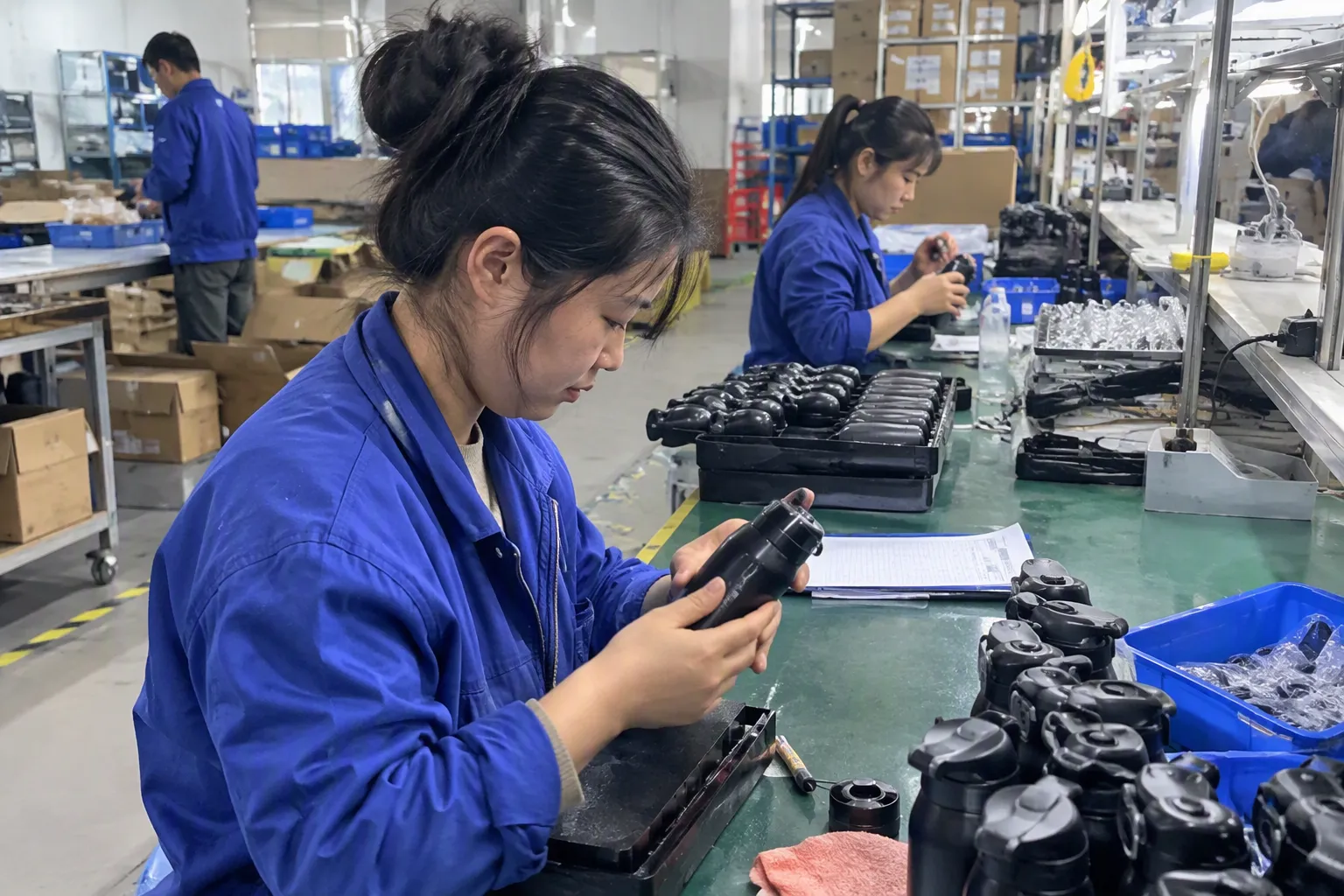
A sample is an early checkpoint, not a final guarantee.[1] I use sample comparisons to identify visible product differences, communication gaps, packaging issues, and likely production risks before a buyer commits to tooling, deposits, or a large purchase order.
How Can I Compare Supplier Samples Professionally Instead of Choosing the Cheapest or Best-Looking Unit?
When buyers compare supplier samples without a framework, the lowest quote or most attractive sample can quickly become the default winner. That choice can create problems later if the supplier misunderstood the brief, used non-standard materials, or cannot repeat the sample during bulk production.
I compare supplier samples professionally by making them comparable first, then reviewing each one against a shared scorecard. I assess product conformity, workmanship, materials, functionality, packaging, supplier communication, response to revisions, lead time, and quotation clarity. This approach helps buyers choose the supplier with the lowest likely production risk—not simply the nicest individual sample.

Start With One Clear Product Brief
The first rule is simple: I do not compare samples that were made from different instructions as if they represent the same offer.[2]
This happens often in China sourcing. One supplier receives a detailed specification sheet. Another receives only a product photo and a short message. A third supplier is asked to “make it similar” to a marketplace listing. The resulting samples may all look different because each factory was solving a different problem.
Before I ask suppliers to make samples, I try to create one shared product brief. The brief does not need to be complicated, but it should be specific enough for every supplier to work from the same baseline.
For many consumer products, accessories, promotional items, and private-label goods, I include the following:
- Product name and intended use
- Reference photos, drawings, or existing product samples
- Dimensions and tolerances where relevant
- Required materials, colors, finishes, and textures
- Logo artwork and branding placement
- Functional requirements
- Required accessories or included components
- Packaging structure and labeling details
- Target market requirements identified by the buyer
- Required test reports, declarations, or certifications to be verified
- Sample deadline and target production lead time
- Clear acceptance criteria
I also make a distinction between must-have requirements and preferred features. A buyer may prefer a certain finish, for example, but the product may be unacceptable if its dimensions, logo, safety labeling, or core function are wrong.
I find that a supplier’s reaction to a detailed brief is useful information by itself. A capable supplier usually asks focused technical questions. A supplier that simply says “yes, no problem” without clarifying key details may not have fully understood the request.
Make Acceptance Criteria Measurable
A professional supplier sample comparison needs criteria that can be checked. Terms such as “good quality,” “premium,” “strong,” or “nice color” are too open to interpretation unless they are defined.[3]
For example, instead of writing “logo should be clear,” I would define what clear means:
- The logo position must match the approved artwork.
- The logo must not be visibly tilted.
- The print must not show obvious smudging, gaps, or color bleeding.
- The logo size must match the approved dimensions.
- The print must remain legible after any agreed basic handling test.
I do not recommend inventing test standards or making compliance assumptions. If a product needs laboratory testing, chemical testing, electrical testing, or market-specific compliance review, the buyer should identify the applicable requirements and use qualified testing or regulatory professionals where appropriate.[4]
For a practical sample review, I separate criteria into three levels:
| Priority | Meaning | Example |
|---|---|---|
| Critical | The sample cannot proceed without correction | Incorrect electrical specification, unsafe sharp edge, wrong required material |
| Major | The issue affects usability, appearance, or sellability | Wrong color tone, weak assembly, poor logo placement |
| Minor | The issue is visible but may be correctable in a revision | Small packaging alignment issue, light surface mark |
This structure prevents a minor cosmetic issue from receiving the same weight as a fundamental product failure.
Use a Scorecard, Not First Impressions
I have seen buyers line up supplier samples, take a few photos, and choose the one that looks best under office lighting. That can be useful as an initial observation, but it is not a complete evaluation.
A scorecard makes the comparison more consistent.[5] It also creates a written record that a buyer can use when requesting revisions, negotiating terms, or explaining an internal decision.
Here is a practical sample comparison sheet I would use as a starting point:
| Evaluation Area | What I Review | Suggested Weight |
|---|---|---|
| Specification match | Size, color, material, design, components | 25% |
| Workmanship | Assembly, finish, seams, edges, print quality, defects | 15% |
| Function and usability | Basic operation, fit, stability, ease of use | 15% |
| Packaging and labeling | Structure, protection, artwork, barcode or label placement | 10% |
| Supplier communication | Questions asked, clarity, responsiveness, revision handling | 15% |
| Quotation transparency | Unit price basis, tooling, packaging, MOQ, sample cost, terms | 10% |
| Production readiness | Capacity discussion, lead-time logic, process control evidence | 10% |
The exact weights should change by product type. For a fashion accessory, color consistency and finish may carry more weight. For a consumer electronic accessory, function, material specifications, packaging, and documentation may matter more. For a multi-SKU wholesale order, I may also add order consolidation capability, carton marking, and warehouse coordination to the comparison.
I recommend giving each area a score, such as 1 to 5, and adding clear comments. A score without a written reason is not very useful later.
For example:
| Supplier | Score | Observation | Action Needed |
|---|---|---|---|
| Supplier A | 4/5 | Product finish is good; packaging insert has wrong dimensions | Revise insert and confirm carton layout |
| Supplier B | 3/5 | Correct design; material feels inconsistent with approved reference | Request material confirmation and revised sample |
| Supplier C | 4/5 | Sample meets most points; supplier asked detailed questions and provided clear quotation | Verify factory and confirm production controls |
The aim is not to make the process bureaucratic. The aim is to avoid relying on memory, personal preference, or a supplier’s sales message.
Treat the Sample as Evidence of Execution Capability
A supplier sample is more than a physical product. I treat it as evidence of how the supplier manages instructions, ambiguity, revisions, and quality expectations.
Two samples can look equally good, but the underlying process may be very different.
One supplier may have followed the brief carefully, flagged a conflicting measurement, suggested a workable production adjustment, and documented the changes. Another supplier may have copied the visible appearance but ignored a required material, packing instruction, or functional detail.
The first supplier may be a better development partner even if the first sample needs revision.
When I compare supplier samples, I look beyond the unit itself and record the supplier’s working behavior:
- Did the supplier confirm the product requirements in writing?
- Did the supplier ask questions before starting sample development?
- Did the supplier identify unclear artwork, dimensions, or packaging details?
- Did the supplier explain what was changed from the original brief?
- Did the supplier provide photos or videos during sample development?
- Did the supplier meet the agreed sample timeline?
- Did the supplier provide a clear quotation with separate cost elements?
- Did the supplier respond constructively to feedback?
- Did the supplier promise unrealistic lead times or prices without explanation?
These observations are especially important for overseas buyers who cannot visit the factory regularly. Communication quality does not prove manufacturing quality, but it can indicate how easy or difficult the supplier may be to manage during production.[6]
Compare Materials, Construction, and Functional Details Carefully
Visual appearance can hide important differences.[7] A product may have the same general shape and color while using a different grade of material, thinner components, weaker adhesive, inconsistent stitching, or lower-quality printing.
I recommend examining samples under normal light and, where useful, closer light. I also compare them against the approved reference, specification sheet, and agreed product use case.
For physical products, I usually document observations in several categories.
Visual and dimensional review
I check:
- Overall shape and proportions
- Color and finish consistency
- Dimensions against the agreed specification
- Logo size, position, and clarity
- Surface marks, scratches, dents, stains, or visible glue
- Alignment of parts, labels, and packaging artwork
If dimensions matter, I use basic measuring tools and record the result. A buyer should define tolerances in advance rather than rejecting a sample based on an unstated expectation.
Construction and workmanship review
I review the areas most likely to affect product durability or customer perception:
- Seams, stitching, welds, or bonded areas
- Edge finishing and sharp points
- Fasteners, hinges, clips, zippers, or connectors
- Component fit and assembly alignment
- Print adhesion and coating consistency
- Material thickness where a requirement exists
I do not assume that a sample’s construction represents a production-standard process. Some factories prepare samples manually or use different materials to speed up development.[8] That is why I ask the supplier which processes and materials will be used in mass production.
Function review
For functional products, I test only against agreed, practical sample-stage checks. A sample review can reveal obvious issues, but it is not a substitute for formal product testing.
For example, I may verify whether a stand folds correctly, whether a cable connector fits the intended port, whether a bag zipper opens smoothly, or whether a bottle cap closes properly. I document what I observed and avoid making performance or compliance claims that require laboratory verification.
Do Not Let Unit Price Decide the Sample Comparison
Price matters, but I do not treat the lowest sample quotation as the lowest procurement cost. A low price can be based on a different material, reduced packaging, a smaller quantity assumption, incomplete accessories, or terms that are not comparable.
When suppliers quote different prices, I normalize the quotation before comparing it. I ask what is included and what is excluded.
A clear quotation comparison should cover:
| Cost Area | Questions I Ask |
|---|---|
| Unit price | What quantity is this based on? What material and finish are included? |
| MOQ | Is the MOQ per color, design, SKU, or total order? |
| Tooling or mold cost | Is it required? Who owns it? Is it refundable under any condition? |
| Sample cost | Is it credited against a future order? |
| Packaging | Does the quote include custom box, insert, label, polybag, or carton? |
| Logo and customization | Are printing, engraving, artwork setup, or color matching included? |
| Shipping terms | Is the price EXW, FOB, or another agreed Incoterm? |
| Payment terms | What deposit and balance terms apply? |
| Lead time | Does the stated lead time begin after sample approval, deposit, or artwork confirmation? |
A supplier with a higher unit price may still represent lower total risk if its materials are correct, packaging is included, communication is stronger, and production planning is more transparent. On the other hand, a higher quote alone does not prove better quality. I still need evidence.
Record Deviations Before Asking for Revisions
A common mistake is sending vague feedback such as “please improve quality” or “make it closer to the picture.” Suppliers cannot reliably act on unclear feedback, especially when several people are involved.
I prefer a deviation log. This is a simple list of each difference between the sample and the agreed requirement.
| Item | Requirement | Sample Observation | Severity | Required Action |
|---|---|---|---|---|
| Logo position | Centered on front panel | Shifted approximately 3 mm right | Major | Adjust to approved artwork position |
| Packaging insert | Product held securely | Product moves inside box | Major | Revise insert structure |
| Color | Approved reference color | Slightly warmer tone | Minor/Major depending on use | Submit color confirmation for review |
| Material | Agreed material specification | Supplier has not confirmed composition | Critical until clarified | Provide material details and revised confirmation |
This process helps me separate facts from opinions. It also gives the supplier a fair opportunity to correct issues.
I normally ask suppliers to acknowledge every revision point. If a supplier cannot confirm whether it can meet a requirement, I would rather learn that before production than after a deposit has been paid.
Decide What Happens After the Supplier Sample Review
The result of a supplier sample comparison should not always be “choose a winner and place the order.” Several next steps may be appropriate, depending on the risks found.
Request a revised sample
I request a revised sample when the supplier appears capable but the first unit has correctable deviations. This can be sensible when the supplier has shown good communication, transparent quotation practices, and a realistic understanding of the product.
Request a pre-production sample
A pre-production sample is useful when the buyer has approved the product design but needs confirmation that production materials, processes, branding, and packaging match the approved standard before mass production proceeds.
A pre-production sample still does not guarantee every bulk unit will match. It should be used as a reference point for production follow-up and inspection.
Verify the supplier or factory further
If a sample is promising but the buyer has limited visibility of the supplier, I recommend additional verification. Depending on the product and order value, this may include checking business information, reviewing factory capabilities, conducting a factory audit, or confirming the actual production location.
Buyers should verify certificates, audit reports, test documents, and supplier statements directly. Documents can be relevant evidence, but they should not be treated as automatic proof without checking their scope, validity, and connection to the specific product or factory.
Move forward cautiously with an order
If the supplier sample meets requirements and the supplier has passed the buyer’s chosen verification steps, the buyer can move toward an order. I still recommend clear purchase-order specifications, approved sample references, packaging confirmation, production milestones, and appropriate quality inspection planning.
For higher-risk or more technical products, buyers should involve qualified professionals for application-specific product evaluation, regulatory assessment, safety review, or laboratory testing.
Build a Sample Comparison Process That Can Scale
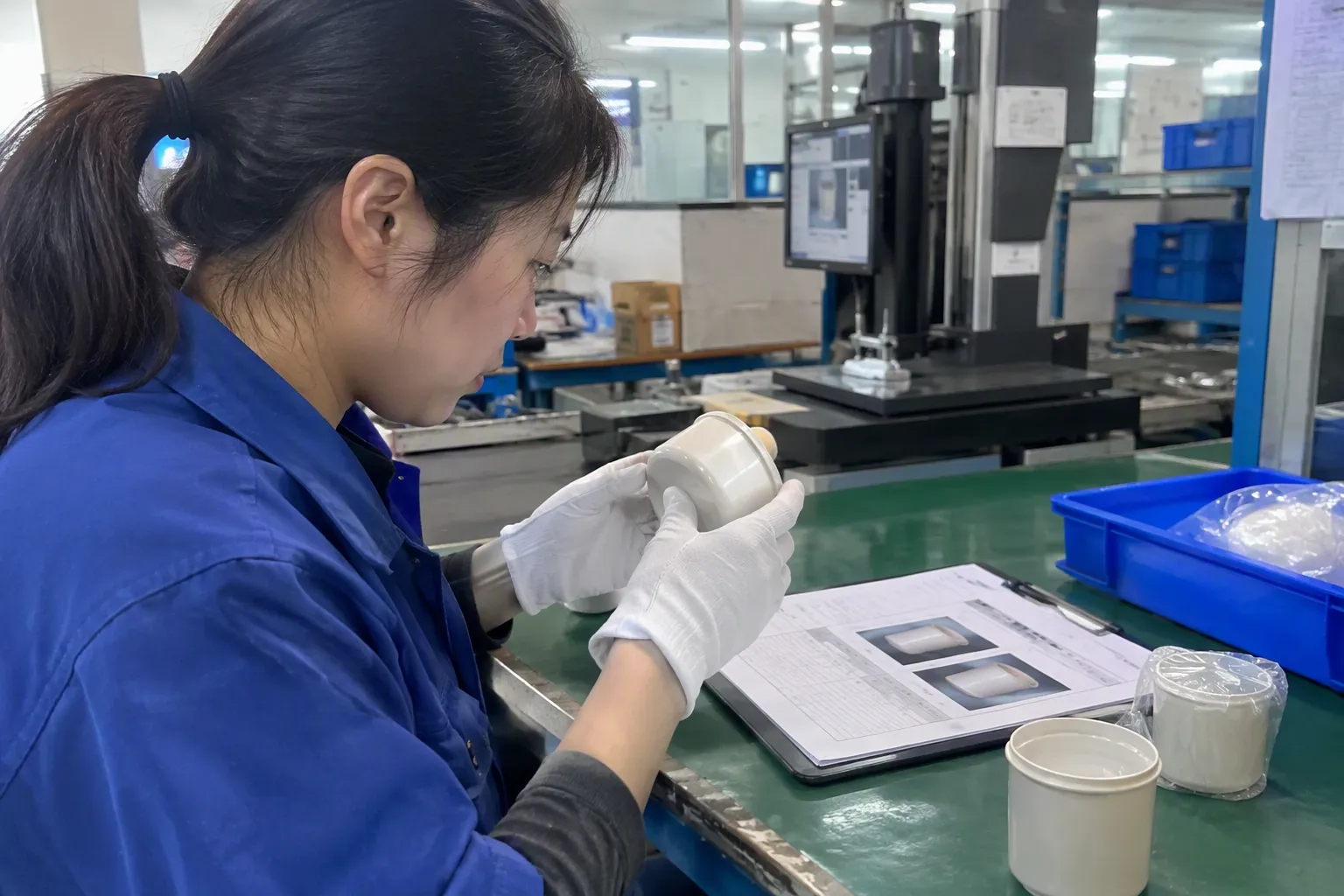
For one simple product, a buyer may compare two or three samples. For a private-label range or multi-SKU wholesale program, the process can become much more complex. I find that the same core structure still works.
The key is to create one source of truth:
- Approved product brief — the version sent to all suppliers.
- Sample receipt record — supplier name, date received, sample version, and courier details.
- Comparison scorecard — weighted review categories and written comments.
- Deviation log — each issue, requirement, severity, and correction request.
- Supplier communication record — key questions, confirmations, and commitments.
- Approval status — rejected, revise, conditionally approved, or approved for the next stage.
This process becomes particularly useful when several people review samples. A product manager may focus on function. A brand owner may focus on design. A procurement manager may focus on pricing and supplier reliability. A warehouse team may focus on packaging and carton handling.
A shared scorecard gives those different viewpoints a practical structure. It does not remove judgment, but it makes judgment visible and easier to discuss.
At KingSourcing, I use this type of organized comparison approach when helping overseas buyers collect samples from different Chinese suppliers. I can coordinate sample requests, consolidate samples for review, document visible deviations, compare quotations, and support revision communication. However, I would still advise buyers to use appropriate factory verification, production follow-up, inspection, and independent testing where the product, market, or order risk requires it.
Frequently Asked Questions
How many supplier samples should I compare?
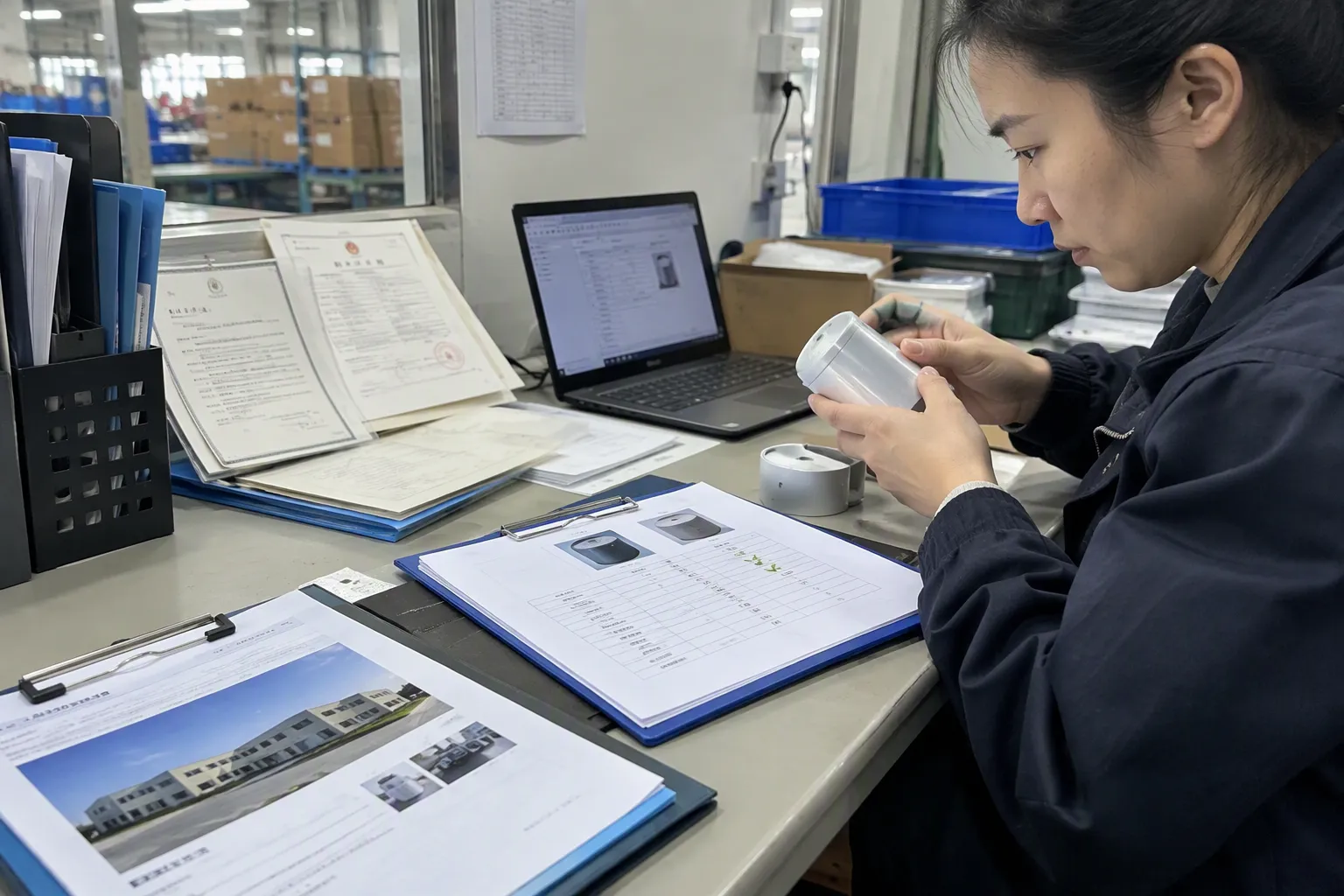
I usually recommend comparing at least two or three supplier samples when the product and budget allow. This gives buyers a useful benchmark for quality, communication, pricing, and customization capability. More suppliers can create more work, so I would first screen suppliers against the core requirements.
Should I choose the supplier with the best-looking sample?
Not automatically. The best-looking sample may have been made with extra manual attention, different materials, or processes that are not planned for bulk production. I compare supplier samples based on the full picture: specification match, communication, quotation clarity, revision capability, and production risk.
What should I do if every supplier sample has problems?
I would review whether the product brief and acceptance criteria were clear enough. If the requirements were clear, I would send a structured revision request to the most capable suppliers. If suppliers repeatedly misunderstand critical requirements, I would consider expanding the supplier search.
Does an approved sample guarantee mass-production quality?
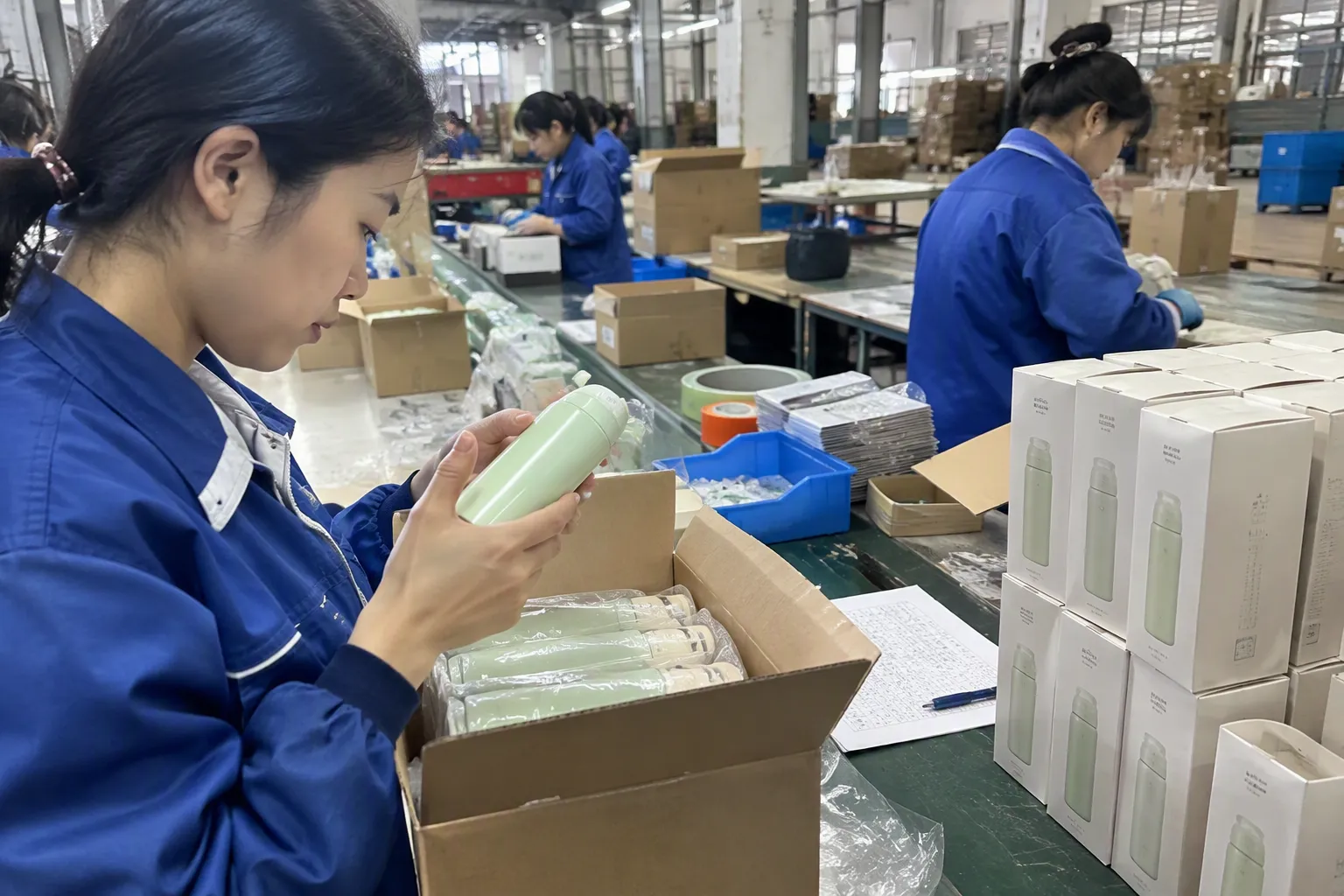
No. An approved sample is a useful reference, but it does not guarantee that bulk production will match it. Material sourcing, production methods, worker consistency, packaging, and process controls can change. I recommend production follow-up and quality inspection based on the product’s risk level.
Can a sourcing agent help compare supplier samples?
Yes. A sourcing agent can help collect samples, check visible differences against agreed specifications, organize scorecards, communicate revision points, compare quotations, and coordinate next steps. Buyers should still make final commercial and product decisions based on their own requirements and any necessary professional evaluation.
Conclusion
When I compare supplier samples, I do not look for one attractive unit at the lowest price. I look for evidence that a supplier can understand a defined brief, meet measurable requirements, communicate clearly, and manage revisions responsibly. A structured scorecard, deviation log, and quotation comparison can turn a subjective sample review into a more controlled sourcing decision. If you are comparing China supplier samples for a new product or private-label order, KingSourcing can help you organize the process from sample collection through supplier verification, quality control, consolidation, and shipping coordination.
Sources
- Process Validation: General Principles and Practices", FDA process-validation guidance explains that product quality must be built into and controlled through the manufacturing process rather than inferred solely from testing a limited number of finished units
- 5.3. Choosing an experimental design", Experimental-design guidance describes control of relevant input variables as necessary for attributing observed differences to the item or process being compared rather than to differing instructions or conditions
- Measurements and Standards", ISO 9000 defines quality in relation to the degree to which inherent characteristics fulfill requirements, supporting the use of explicit requirements rather than undefined subjective descriptors when judging conformity
- Third Party Testing Guidance | CPSC.gov", The European Commission's Blue Guide explains that manufacturers must identify applicable Union-harmonisation requirements and use the relevant conformity-assessment procedures and technical evidence for the product concerned
- Integrated Multicriteria Decision-Making Methods to Solve ...", Research on multi-criteria decision analysis describes weighted scoring frameworks as a means of evaluating alternatives systematically across multiple stated criteria rather than relying on an unstructured overall impression
- Examining collaborative buyer–supplier relationships ... - PMC", Supply-chain collaboration research finds that information sharing and communication are associated with improved coordination and relationship performance between trading partners, while remaining distinct from direct measurement of product conformity
- Visual Inspection Protocol", Manufacturing-inspection research distinguishes visual inspection of observable features from measurement, material characterization, and functional testing needed to identify defects that are not apparent from external appearance
- Process Validation: General Principles and Practices", FDA process-validation guidance emphasizes that process-performance qualification should use qualified facilities, utilities, equipment, trained personnel, and approved procedures representative of routine commercial manufacture