Quick Answer
When I help a first-time buyer import from China with $5,000, the first problem is usually not finding a supplier. The real problem is that the buyer treats the full budget as product money. Shipping, samples, inspection, packaging, duties, and mistakes can quickly reduce the amount available for inventory.[1]
Yes, I can import from China with $5,000, but I should treat the money as a complete landed-cost budget rather than a product-only budget. A realistic plan usually focuses on one product or a very narrow product range, limited customization, carefully negotiated MOQ, pre-production samples, quality control, and a shipping method verified for the destination market.
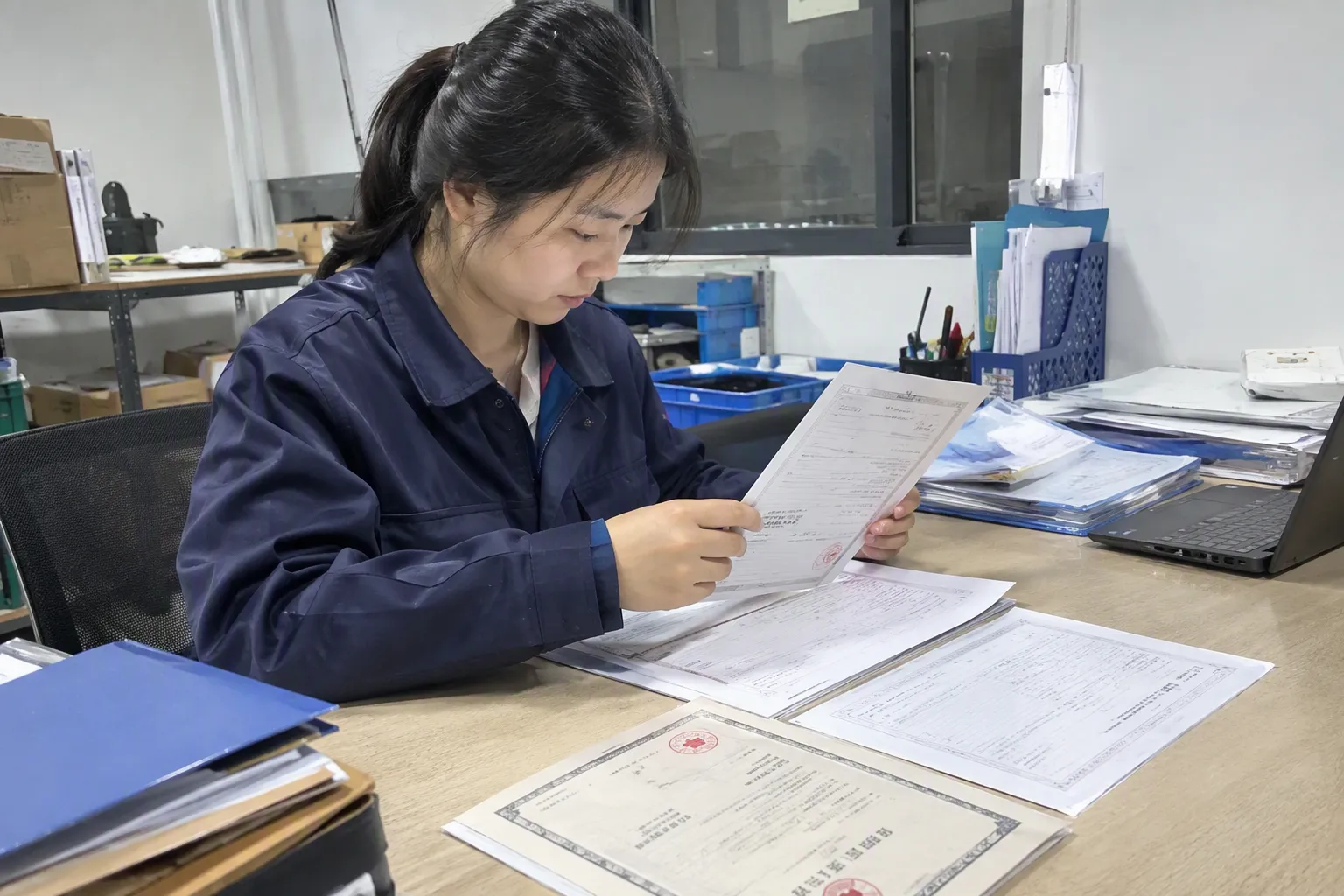
A $5,000 budget can support a controlled test order in some product categories[2], but it does not guarantee a specific number of units. I need to validate the product price, order quantity, supplier terms, packaging, inspection, freight, taxes, and destination requirements before I commit. The sections below show how I approach that planning.
How should I import from China with $5,000 for samples and MOQ?
Many new buyers ask me for the maximum quantity that $5,000 can purchase. That question sounds practical, but it often starts in the wrong place. If I calculate quantity from the unit price alone, I can spend the budget before I have tested the product or confirmed the delivery cost.
I should use part of the budget for samples and supplier validation before placing the main order.[3] I should also treat MOQ as a negotiation and testing constraint[4], not as an automatic purchasing target. A narrow product range, simple packaging, and limited customization can make a first order more manageable.
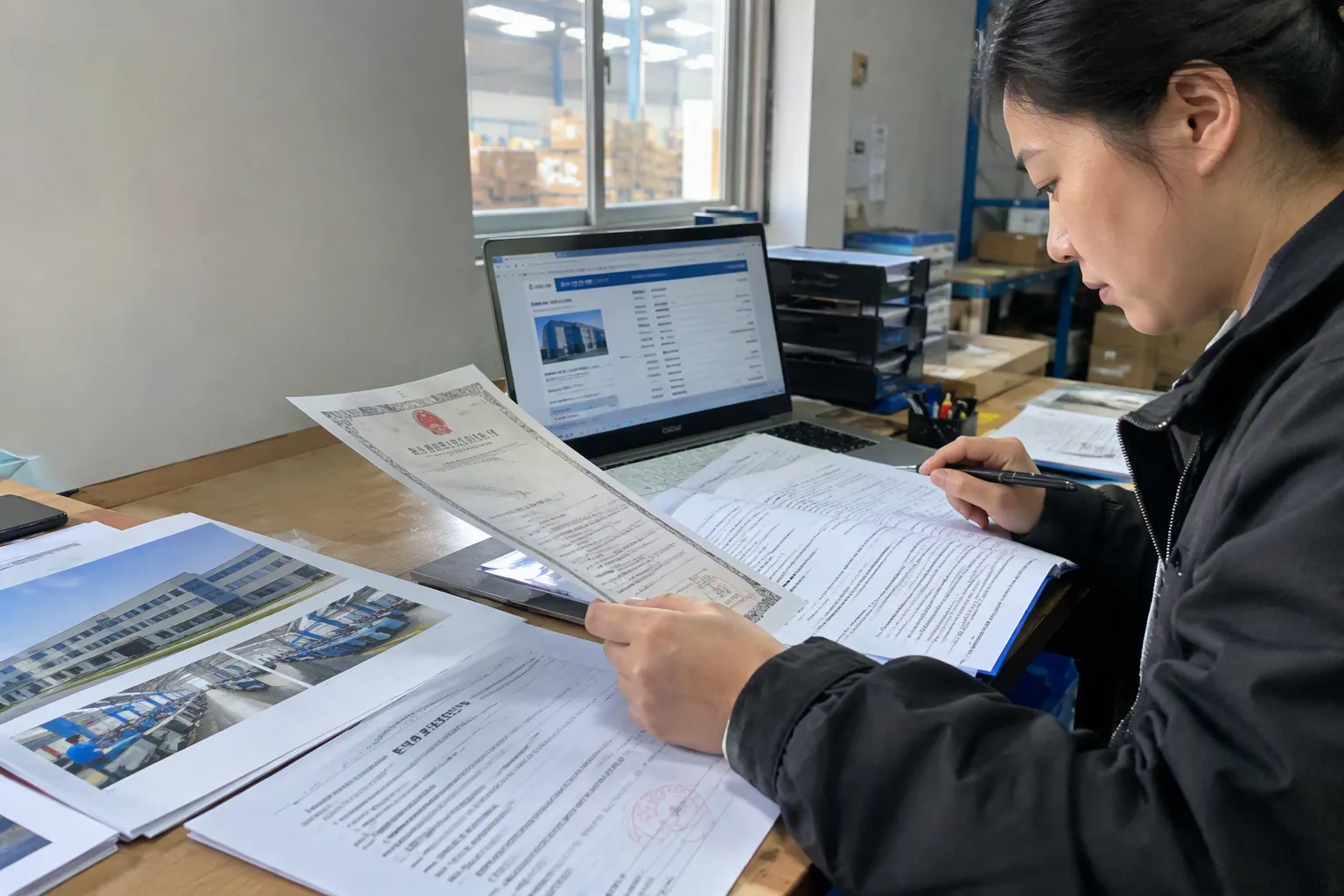
Start with the complete budget
I normally divide the planning process into cost categories before discussing final quantity:
- Product purchase cost
- Samples and sample shipping
- Tooling, molds, or development fees, if applicable
- Packaging and labeling
- Pre-shipment inspection or quality control
- Inland transportation in China
- International freight
- Import duties, taxes, brokerage, or handling charges where applicable
- Payment fees and currency-conversion costs
- Contingency cash for changes or unexpected charges
This is not a universal percentage formula. The right allocation depends on the product, destination, shipping method, customization, and supplier terms. A compact, lightweight product may leave more of the budget for inventory than a bulky product. A customized electronic product may require more money for samples and testing than a simple stock item.
I often recommend that buyers write down the maximum amount they are willing to spend, then protect a reserve before calculating the order quantity. The reserve is not wasted money. It protects the first order from becoming a cash-flow problem.
Why samples matter
A supplier quotation can look attractive while hiding important differences in quality, materials, dimensions, functions, and packaging. A sample gives me a physical reference for the product that I expect to receive.
During sample evaluation, I would check:
- Whether the product matches the requested materials and dimensions.
- Whether the finish, color, printing, or branding is acceptable.
- Whether the packaging protects the item during handling.
- Whether the product works as described, if it has a function or electronic component.
- Whether the supplier can reproduce the sample consistently.
- Whether the sample price includes customization or only represents a standard version.
I do not treat one approved sample as proof that every production unit will be identical.[5] I use it as a reference for a production specification and inspection checklist.
How I discuss MOQ
MOQ can refer to a total order, a color, a size, a packaging version, or a custom print. I ask the supplier to clarify exactly what the MOQ applies to.
For a small first order, I may explore options such as:
- Ordering one color instead of several colors.
- Using a standard product with a private label sticker.
- Delaying custom packaging until sales are proven.
- Combining quantities within one product family, if the factory allows it.
- Paying a reasonable small-order surcharge.
- Asking whether existing materials or packaging can be used.
- Requesting a trial quantity with a written production specification.
A lower MOQ is not always the best result. A supplier may accept a small order but charge more per unit, use a different production arrangement, or give the order less attention. I compare the total commercial effect rather than focusing only on the MOQ number.
A practical anonymized planning pattern
I have seen small-budget buyers begin with several related SKUs because they want to test a complete product line. After reviewing quotations and logistics costs, they often choose one main SKU and one variation instead. In some cases, they postpone custom boxes and use simpler packaging for the test order.
That decision does not represent an industry average or guaranteed result. It simply shows how protecting cash flow can be more useful than maximizing product variety. A smaller test order can help a buyer learn about demand, returns, packaging performance, and customer feedback before placing a larger repeat order.
How do I calculate product quantity when I import from China with $5,000?
The quantity I can buy depends on the landed cost per unit, not just the supplier’s factory price. A product priced at $2 may not remain a $2 product after packaging, freight, import charges, inspection, and other procurement costs are included.
To estimate quantity, I should first subtract the costs that do not increase inventory, such as samples, inspection, packaging setup, freight, and a contingency reserve. I can then divide the remaining product budget by the realistic unit cost. I should treat the result as a planning estimate until suppliers and logistics providers confirm the figures.
A simple planning formula
I use this basic model:
Available product budget = total budget − samples − quality control − packaging costs − freight − import-related charges − contingency
Then:
Estimated quantity = available product budget ÷ realistic product cost per unit
The phrase “realistic product cost” matters. It may include the product, individual packaging, labels, accessories, and factory charges. The final calculation should use the quotation for the actual configuration rather than a general marketplace listing.
For example, a buyer may receive a quote for a standard item but later request a logo, a different color, a printed manual, a gift box, and a revised accessory set. Each change can affect the unit price, MOQ, lead time, and inspection requirements.
Product characteristics change the answer
I would not compare all product categories in the same way. Important variables include:
| Variable | Why it affects the $5,000 plan |
|---|---|
| Unit cost | A higher price reduces available quantity |
| Product size and weight | Freight can become a major part of landed cost |
| Fragility | Stronger packaging and more inspection may be necessary |
| Customization | Printing, tooling, and development can add fixed costs |
| Electronics | Testing, documentation, and product-specific requirements may need review |
| SKU count | Several colors or models can create separate MOQs |
| Destination | Freight, duties, taxes, and customs procedures vary |
| Delivery urgency | Faster transport may increase logistics cost |
| Packaging format | Retail-ready packaging can cost more than bulk packing |
I also consider whether the product is easy to replenish. If a supplier needs a long production cycle or a high repeat MOQ, I may need more inventory than a product that can be reordered quickly. However, I do not assume that a large initial order is safer. Unsold stock is also a cost.
Stock quantity is not the same as sales potential
A buyer may think, “If the unit cost is $4, I can purchase 1,000 units.” That calculation ignores the rest of the budget and assumes that all units will sell. I prefer to ask:
- How many units can I test without locking up operating cash?
- What is the expected selling channel?
- How much stock do I need for launch, returns, replacements, and samples?
- Can I reorder if the product performs well?
- What happens if demand is slower than expected?
- Does the packaging suit the first market, or will I need to change it?
A first order should produce useful market information. It should not only produce a large carton count.
Watch for fixed costs
Fixed costs have a stronger effect on small budgets. A mold, custom color, design fee, compliance review, or special packaging setup may be reasonable for a larger program but difficult to justify for a small test order.
I ask the supplier to separate:
- One-time charges
- Per-unit charges
- Per-carton charges
- Domestic delivery charges
- Sample charges
- Charges that may be refunded after a larger order
This separation helps me compare suppliers fairly. A supplier with a higher unit price may still offer a lower total cost if it has lower setup fees or more suitable packaging.
What shipping plan should I use when I import from China with $5,000?
Shipping can change the economics of a small order. A low factory quotation may become less attractive when the cargo is bulky, urgent, fragile, or difficult to classify. I need to choose the shipping method after I know the product’s packed dimensions, gross weight, destination, and required delivery terms.
I should compare shipping methods using the complete delivered-cost picture rather than choosing the cheapest quoted freight alone. I should confirm whether the quotation includes pickup, export handling, international transport, customs-related services, delivery, duties, and taxes, because these items depend on the product, destination, and shipping arrangement.
Ask for packing data before requesting freight
I need more than the product’s net weight. I ask for:
- Units per carton
- Carton dimensions
- Gross weight per carton
- Total carton count
- Pallet requirements, if any
- Product and packaging photographs
- Whether cartons can be consolidated
- Whether the supplier has included inner boxes or protective materials
These details help a logistics provider prepare a more useful estimate. They also help me identify products that appear inexpensive but occupy a large amount of shipping space.
For some products, volumetric weight may affect transport pricing.[6] The exact calculation depends on the carrier and method, so I ask the logistics provider to confirm it rather than relying on a general online formula.
Comparing common shipping approaches
| Shipping approach | Potential advantage | Question I would verify |
|---|---|---|
| Express courier | Convenient for samples or urgent small parcels | What charges and destination services are included? |
| Air freight | Faster than ocean transport for some shipments | Is the shipment charged by actual or volumetric weight? |
| Ocean freight | May suit heavier or larger cargo | Are origin, destination, handling, and delivery fees included? |
| Consolidated shipment | Can combine goods from multiple factories | How are warehouse, handling, and allocation fees calculated? |
| Supplier-arranged delivery | Simpler communication for some buyers | Which party handles customs, taxes, and final delivery? |
I do not describe one method as universally cheapest. A small shipment may not benefit from ocean freight if minimum handling charges are high. A bulky product may be expensive by air even when the total unit count is small.
Consolidation can help, but it adds coordination
KingSourcing often supports buyers that purchase from more than one Chinese supplier. Consolidation can reduce duplicated international shipments and make one delivery easier to manage. It also requires control over factory schedules, warehouse receiving, carton labeling, packing lists, and quality checks.
For a $5,000 budget, I would usually keep the supplier count low unless the product plan genuinely requires several factories. Each additional supplier adds:
- More sample conversations
- More payment records
- More production schedules
- More inspection points
- More domestic transport
- More opportunities for inconsistent packaging
A multi-supplier order can be practical, but it should not be used simply to create the appearance of a broad product range.
Confirm destination-dependent charges
Duties, taxes, customs procedures, product documentation, and delivery requirements vary by market and product.[7] I do not treat a supplier’s shipping message as a complete customs assessment. I ask the buyer to verify requirements with a qualified customs broker, freight provider, or relevant professional for the destination.
I also ask whether the quoted trade term clearly identifies who is responsible for each stage. If the quotation uses an Incoterm, I check what that term covers in the actual transaction.[8] A delivery quote that sounds “all-inclusive” may still need careful review.
How can I reduce quality and supplier risk on a $5,000 first order?
A small budget does not justify skipping supplier verification. In fact, a first-time buyer may have less financial room to recover from defective goods, missing components, or incorrect packaging.
I should verify the supplier, approve a clear sample, document product specifications, and arrange proportionate quality control before shipment. I should use certifications and test reports as documents to verify for the exact product and supplier, not as automatic proof of quality.

Supplier evaluation before payment
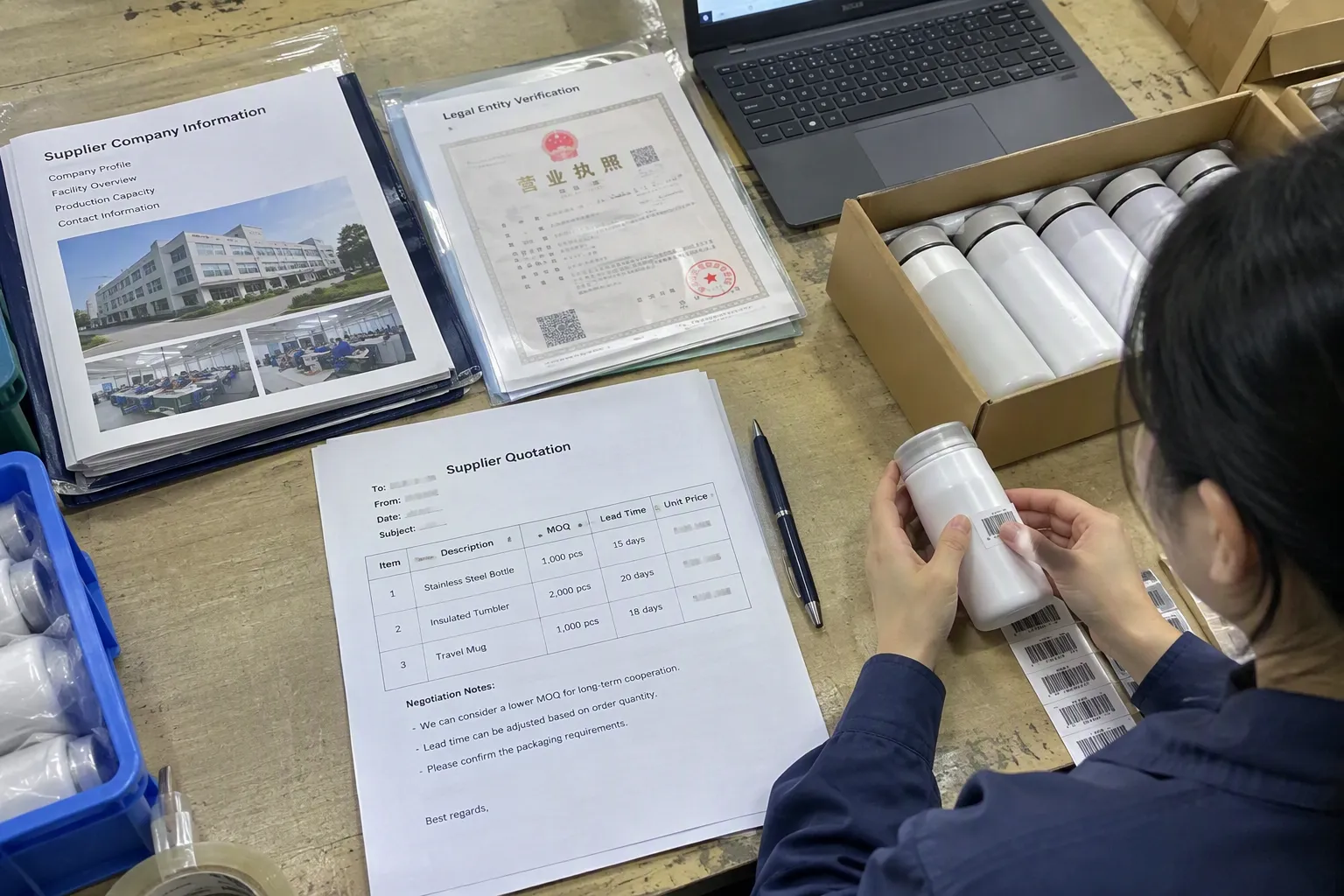
I start by checking whether the supplier can clearly answer basic commercial questions. I look for consistency between the company name, quotation, bank details, factory information, product capability, and communication.
My basic supplier review includes:
- Confirming the legal company information where possible.
- Checking whether the supplier manufactures, trades, or uses a partner factory.
- Comparing the supplier’s product range with the requested product.
- Requesting recent production photographs or a factory video call.
- Asking for material, packaging, and production details.
- Checking whether the payment account matches the contracted business entity.
- Reviewing sample quality before approving mass production.
- Comparing at least several quotations on the same specification.
A polished online profile does not replace verification. I also pay attention to how the supplier handles questions. Clear answers are useful, but I still confirm important information through documents, samples, and inspection.
Create a written product specification
I do not rely only on photographs. I prepare a specification that can be used by the supplier and inspector. Depending on the product, it may include:
- Dimensions and tolerance
- Materials
- Color reference
- Logo position and artwork
- Functional requirements
- Included accessories
- Packaging format
- Label content
- Carton markings
- Acceptable defect categories
- Quantity and shipping marks
The specification should match the approved sample as closely as possible. If the supplier cannot meet a requested requirement, I want that issue identified before production rather than after delivery.
Choose proportionate inspection
For a small order, a full inspection program may not be commercially appropriate in every case. However, skipping all quality checks creates avoidable risk. I select the inspection scope based on product value, defect consequences, order complexity, and supplier history.
Possible controls include:
- Sample inspection before production
- Production progress photographs
- Mid-production checks for longer orders
- Pre-shipment inspection
- Quantity and carton verification
- Function checks for applicable products
- Packaging and labeling checks
- One-by-one checking for selected products or risk points
I do not present inspection as a guarantee that every future order will be perfect. Inspection reduces uncertainty when the criteria are clear. A qualified professional should assess technical, safety, or application-specific requirements.
Certifications and compliance documents
Some buyers ask whether a supplier has a particular certificate. I explain that the buyer should verify the document’s issuer, validity, scope, product model, factory identity, and test conditions. A document for one model may not cover another model or a customized version.
Product compliance can depend on the destination market and the product category. Electronics, children’s products, cosmetics, batteries, food-contact items, and other regulated categories may require additional review. I do not provide a universal compliance conclusion from a supplier’s marketing material. I recommend checking with a qualified testing laboratory, customs professional, or regulatory advisor when the product requires it.
How should I negotiate a first order without damaging the plan?
Small buyers sometimes negotiate only on unit price. I prefer to negotiate the whole first-order structure. A slightly higher unit cost may be acceptable if the supplier supports a smaller trial quantity, uses standard packaging, provides a useful sample, or offers clear production control.
I should negotiate quantity, customization, packaging, payment terms, lead-time expectations, and inspection access together. The best first-order agreement is not necessarily the lowest quotation. It is the arrangement that gives me a realistic test while keeping quality, cash flow, and delivery responsibilities clear.
Questions I ask suppliers
I ask direct questions before approving the quotation:
- What is the MOQ for the exact color, size, and packaging?
- Can the supplier offer a trial quantity?
- What changes if I use standard packaging?
- Which costs are one-time charges?
- What is the sample lead time?
- What is the estimated production lead time after approval?
- Which parts of the product are outsourced?
- Can the supplier provide a production specification?
- What inspection access will be available?
- How will defective or missing goods be handled?
- What are the carton dimensions and gross weights?
- Which shipping terms are being quoted?
I record the answers in a comparison sheet. This prevents me from comparing one supplier’s standard version with another supplier’s customized version.
Payment and cash-flow discipline
I confirm the payment schedule and avoid committing the entire budget before I know the actual order structure. The payment arrangement depends on the supplier and transaction, but I want every payment linked to a clear commercial milestone.
I also keep funds available for:
- Sample revisions
- Unexpected packaging changes
- Freight adjustments
- Inspection or rework
- Destination charges
- Replacement units
- A second small purchase if the first batch sells quickly
I have found that buyers make better decisions when they view cash as an operating resource rather than as money that must be converted into inventory immediately.
A focused first-order plan
A controlled plan may look like this:
- Define one core product and its target customer.
- Request comparable quotations from verified suppliers.
- Order samples from the strongest candidates.
- Test the samples against a written specification.
- Confirm packaging and packed shipping data.
- Decide whether customization is essential for the first batch.
- Calculate the landed-cost range.
- Negotiate a trial MOQ or a simple production version.
- Approve an inspection plan.
- Arrange shipping only after the final carton information is available.
This process does not guarantee profitability. It gives me better information before I place the order.
Frequently Asked Questions
Can I import from China with $5,000 as a first-time buyer?
Yes, I may be able to place a small test order, especially if I choose one product, use simple packaging, and control customization. The result depends on the product, destination, freight method, MOQ, and import-related costs. I should validate the complete landed cost before making a commitment.
How much should I spend on inventory from a $5,000 budget?
I should not automatically spend the full $5,000 on inventory. I first account for samples, inspection, packaging, freight, destination charges, and contingency cash. The remaining amount becomes my product budget. The exact allocation depends on product characteristics and the shipping plan.
Is a supplier’s MOQ negotiable?
A supplier’s MOQ may be negotiable, but the result depends on materials, production setup, packaging, and factory scheduling. I may improve the discussion by reducing colors, using standard packaging, limiting customization, accepting a small surcharge, or ordering one core SKU for the trial.
What is the safest shipping method for a small China import?
There is no single safest method for every shipment. I compare courier, air, ocean, and consolidated freight according to product size, weight, urgency, destination, and included services. I also verify customs, duties, taxes, and delivery responsibilities with the relevant logistics or customs professional.
Should I inspect a $5,000 order before shipment?
I usually consider at least proportionate quality control because a small buyer may have limited ability to recover from defects. The inspection scope should reflect the product’s risk and complexity. I define the criteria in advance and use qualified inspectors for technical or application-specific evaluations.
Conclusion
I can import from China with $5,000, but I should treat the budget as a complete procurement and landed-cost plan, not as a product quotation limit. I should begin with samples, supplier verification, a narrow SKU strategy, clear MOQ discussions, realistic shipping data, and a suitable quality-control process. I should also reserve cash for costs that appear after the factory quote. If I need help comparing suppliers, managing samples, inspecting production, consolidating orders, or coordinating shipping from China, I can contact KingSourcing to discuss a practical first-order plan.
Reduce Shipping Cost With Order Consolidation
If you're importing from multiple suppliers, consolidating orders in China can cut freight and handling costs. Our team handles warehousing and order consolidation. See how consolidation works or request a quote.
Related reading: DDP Shipping From China in 2026: How Importers Should Evaluate Landed-Cost Certainty and Risk
Sources
- Determine Total Export Price", A government trade or customs source defines landed cost as the product cost together with transport, customs, duties, taxes, and related import charges, supporting the distinction between a product-only budget and the total cost of importing
- Trade tools for international sales", Research on small-business international sourcing indicates that limited pilot purchases can be feasible under constrained product, logistics, and compliance conditions, providing contextual support for a controlled test order
- Risk factors in the assessment of suppliers - PMC - NIH", Procurement and quality-management research describes supplier qualification and pre-production sample approval as controls that reveal conformity and capability before a buyer commits to full-scale production
- Raw Material Minimum Order Quantity Optimization", An authoritative reference defines minimum order quantity as the smallest purchase quantity accepted by a supplier and relates it to production economics and setup constraints, supporting its treatment as a commercial constraint rather than a universal inventory objective
- Aircraft Conformity | Federal Aviation Administration", Quality-control literature explains that process variation means a reference sample cannot by itself establish conformity for every unit in a later production batch, which is why specifications and batch inspection are used
- [PDF] Postal Transport Guide - Upu.Int", International postal and freight guidance explains that chargeable weight may be based on dimensional or volumetric weight when package volume exceeds the weight-based calculation, supporting the warning that packed dimensions can affect freight pricing
- Import Regulations - International Trade Administration", Government trade guidance states that import obligations depend on the destination jurisdiction, tariff classification, product characteristics, and applicable customs and tax rules, supporting the article's destination-dependent treatment of these charges
- Know Your Incoterms", The International Chamber of Commerce defines Incoterms as standardized rules that allocate specified delivery obligations, costs, and risks between sellers and buyers, supporting the need to verify the selected term in the transaction