 Skip to content

Quick Answer
Ship from China successfully requires more than choosing the lowest freight quote. I have seen small shipments become expensive because product details, packaging, customs information, or delivery responsibilities were unclear. By defining the cargo, destination, timing, and risk level before dispatch, I can help buyers choose a practical shipping method and avoid preventable problems.
To ship from China to a home or office, first confirm the product details, package dimensions, quantity, destination, customs requirements, and delivery deadline. Then compare courier, air freight, sea freight, or consolidated shipping based on total landed cost rather than freight price alone. I also recommend confirming who handles customs clearance, duties, taxes, delivery, damage claims, and documentation before the goods leave the supplier.
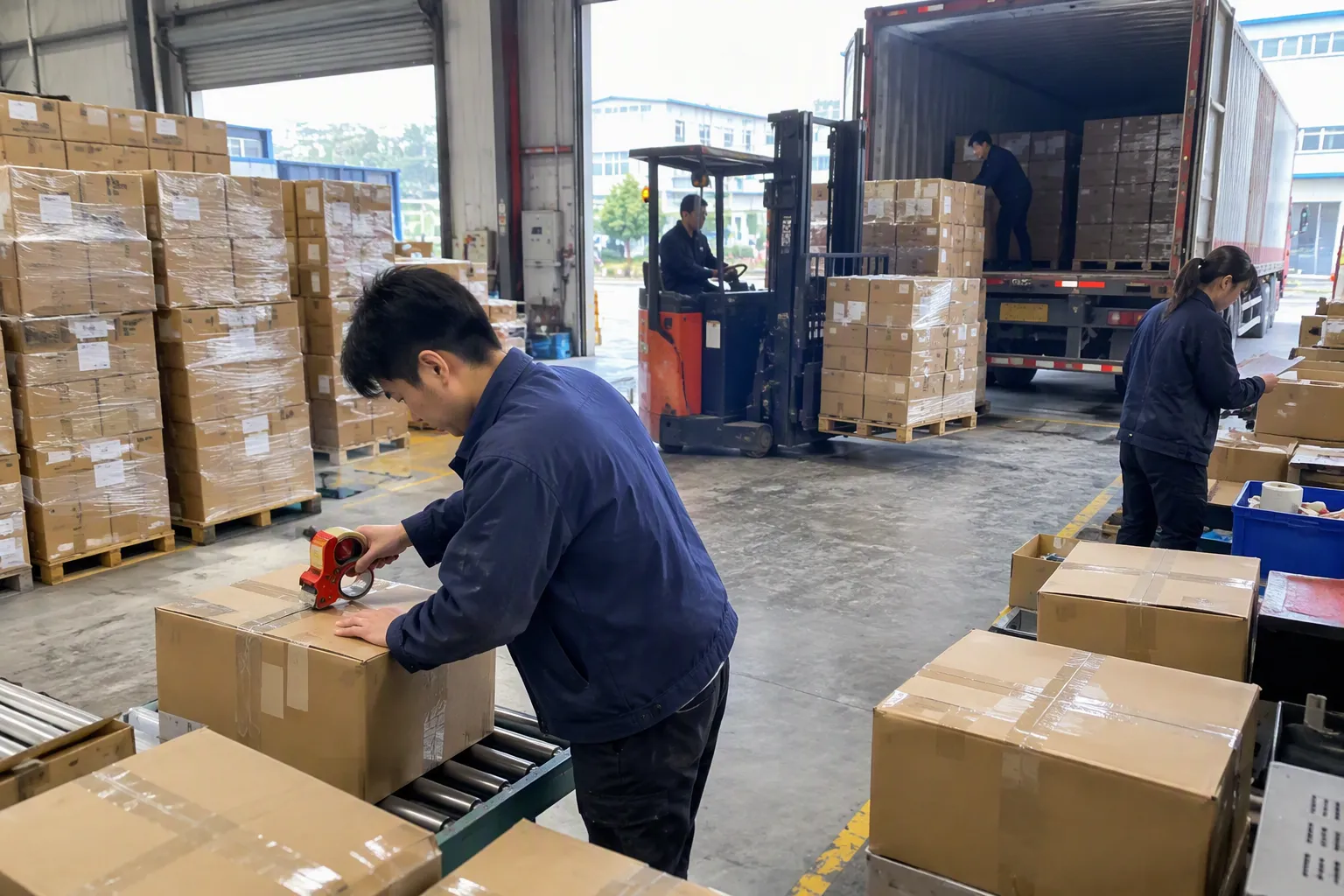
The right process begins before the shipment reaches a warehouse or courier counter. I normally review the product, packaging, documents, quality status, and delivery address first. These details show whether a direct courier shipment, air freight, sea freight, or multi-supplier consolidation is more suitable.
How Can I Ship from China to a Home or Office?
Many first-time buyers focus on the courier or forwarder before they understand the delivery task. That approach can create problems when a supplier provides incomplete carton details, when several factories ship separately, or when a home address cannot receive commercial cargo. I start with the shipment conditions, then compare practical options.
I can ship from China to a home or office by using an express courier for small and urgent packages, air freight for time-sensitive commercial cargo, sea freight for larger shipments, or a freight forwarder for consolidated orders. I should confirm packaging, inspection, customs responsibility, duties, taxes, delivery terms, and the receiving address before dispatch.
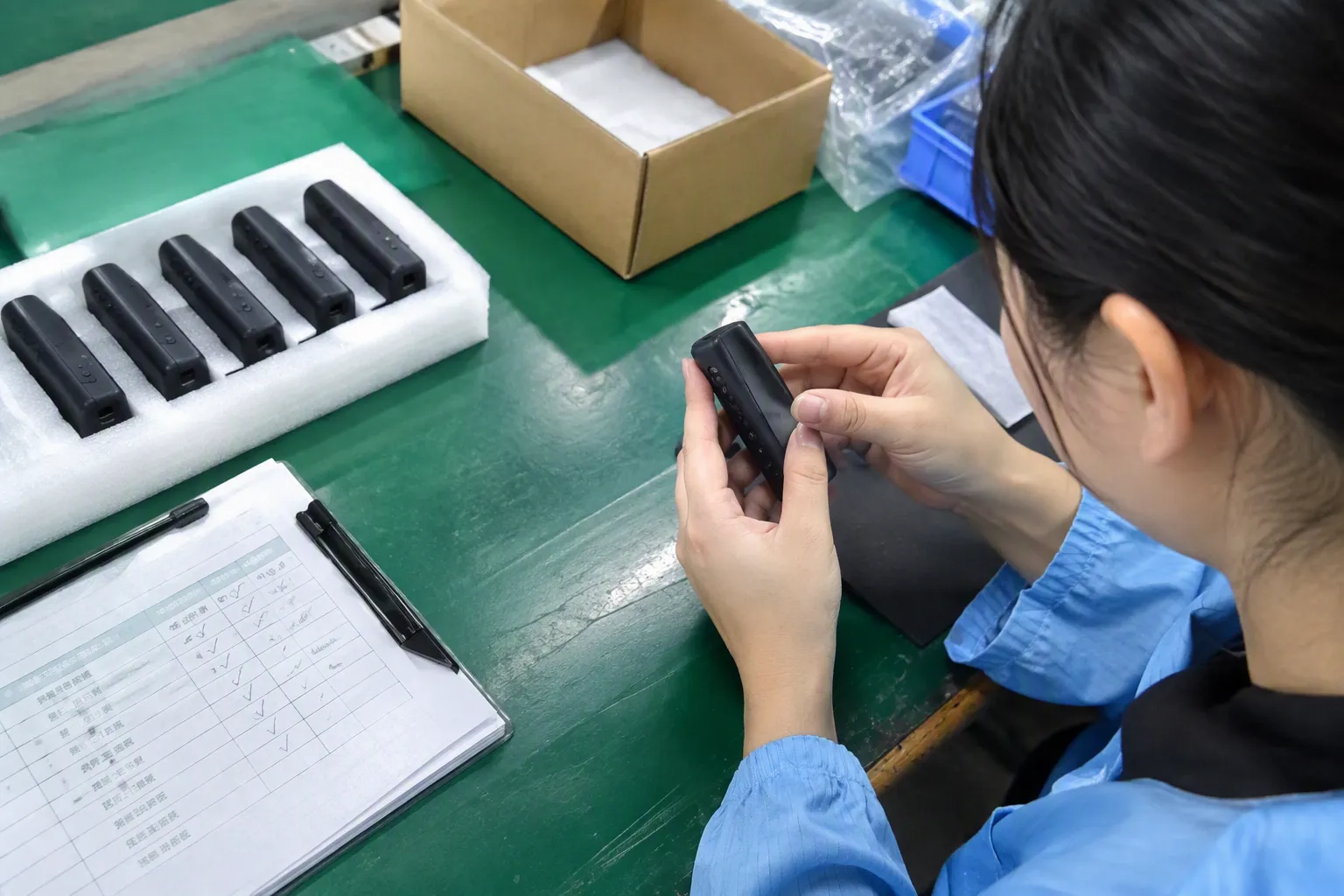
When I coordinate samples or small-batch shipments, I treat shipping as part of procurement rather than as a separate final step. The freight method affects the total cost, delivery risk, paperwork, and amount of work required from the buyer.
1. Define the delivery task before comparing freight
I first ask what the shipment is supposed to accomplish. A product sample for evaluation has a different purpose from inventory for an online store. A few cartons for an office may need simple door delivery, while goods from five suppliers may need inspection, consolidation, relabeling, and one export shipment.
I usually record the following information:
- Product name and a plain-language description
- Quantity and number of SKUs
- Unit value and total commercial value
- Carton quantity
- Carton length, width, and height
- Gross weight and net weight
- Product material and intended use
- Battery, liquid, magnet, powder, or other special characteristics
- Final delivery address
- Required delivery date or acceptable delivery window
- Whether the shipment is for testing, resale, display, or internal use
- Whether the buyer needs inspection, repacking, labeling, or consolidation
A supplier’s freight estimate does not prove that the cargo is ready to ship. I still need to verify whether the supplier has completed production, whether the quantities are correct, and whether the packaging can tolerate the planned handling.
2. Choose the shipping method according to the shipment
I compare shipping methods by considering speed, cost, handling, documentation, and risk. No single method is best for every order.
| Shipping method | Usually suitable for | Main advantages | Points I check |
|---|---|---|---|
| Express courier | Samples, documents, small parcels, urgent low-volume goods | Convenient tracking and collection | Product restrictions, dimensional weight, customs handling, residential delivery |
| Air freight | Time-sensitive commercial cartons | Faster than sea freight for many routes | Airport charges, minimum charges, customs clearance, final-mile delivery |
| Sea freight | Larger or heavier commercial orders | Often suitable for high-volume cargo | Transit variability, port handling, destination charges, longer planning period |
| Consolidated freight | Goods from multiple Chinese suppliers | One coordinated shipment and fewer separate deliveries | Warehouse receiving, carton records, consolidation fees, inspection, labeling |
| Postal or economy services | Lower-value, less urgent packages where available | May suit simple small shipments | Tracking quality, restrictions, customs process, delivery reliability |
I do not recommend selecting sea freight simply because the rate per kilogram appears low. A small shipment can collect destination charges that reduce the expected savings. In the same way, courier service may be convenient but expensive for bulky cartons because carriers may calculate charges using dimensional weight.
3. Understand actual weight and dimensional weight
Shipping companies may use actual weight or volumetric weight, depending on the service and which number is higher.[1] The calculation varies by carrier and route, so I ask the provider to state the applicable formula in the quotation.
A simplified example can explain the issue. A lightweight product packed in a large carton may weigh little but occupy valuable transport space. If the carton measures 60 cm × 40 cm × 40 cm, the carrier may calculate a chargeable weight using a volumetric divisor. I do not use a general formula as a final quotation because the divisor can differ between courier, air, and freight services.
For this reason, I request:
- Confirmed carton dimensions after packing
- Gross weight per carton
- Total carton quantity
- Chargeable weight used in the quote
- Whether oversize, residential, fuel, remote-area, or handling fees apply
- Whether the price includes collection, export handling, customs clearance, and final delivery
This review often changes the preferred shipping method. Reducing unnecessary packaging, improving carton configuration, or consolidating several cartons can affect cost without changing the product itself.
4. Check the product before dispatch
I prefer to complete a product and packaging check before the goods leave the supplier. The level of inspection depends on the product risk, order value, buyer requirements, and supplier history.
For samples, I may check whether the supplier shipped the correct model, color, quantity, accessories, logo, and packaging. For commercial orders, a buyer may request a more formal inspection that covers workmanship, dimensions, function, labeling, barcode placement, and carton condition.
I do not present an inspection as a substitute for qualified technical, laboratory, legal, or regulatory evaluation. Buyers should use appropriate professionals when product safety, electrical compliance, medical use, children’s products, food contact, or other regulated applications are involved.
A practical pre-shipment checklist includes:
- Correct product model and specification
- Correct quantity and SKU mix
- Appearance and workmanship
- Basic function, where applicable
- Accessories and user materials
- Logo, label, and barcode placement
- Retail and export packaging
- Carton markings
- Protection against impact, moisture, and movement
- Photos of finished cartons
- Final packing list
A short inspection can prevent a much larger delivery problem. If the wrong items reach a home or office, the buyer may need to arrange return shipping, replacement production, or additional customs handling.
5. Decide whether to ship directly or consolidate
Direct shipment from one supplier can be efficient when the order is small, the supplier is reliable, and the packaging is ready. However, I often see buyers working with several Chinese factories at the same time. In that case, separate shipments can create multiple courier charges, separate customs entries, inconsistent packaging, and difficult delivery coordination.
Consolidation allows goods from different suppliers to move through one receiving point before final shipment. The process may include:
- Receiving goods from each supplier
- Recording carton quantity and condition
- Matching goods to purchase orders
- Checking quantities and labels
- Photographing the received cargo
- Repacking or strengthening cartons
- Combining compatible shipments
- Preparing one packing list
- Arranging export and international transport
Consolidation is not automatically cheaper. Warehouse receiving, storage, handling, repacking, inspection, and extra coordination create costs. I compare the total cost against separate shipment options.
| Question | Direct supplier shipment | Consolidated shipment |
|---|---|---|
| Number of suppliers | Usually one | Two or more |
| Delivery coordination | Simple for one order | Centralized through one coordinator |
| Packaging control | Mainly supplier-controlled | Can be reviewed before dispatch |
| Customs paperwork | May be separate | May be combined, subject to the service |
| Best use | Small, ready-to-ship order | Multi-SKU or multi-supplier purchasing |
| Main risk | Supplier preparation errors | Warehouse timing and receiving errors |
I also confirm how long each supplier needs to complete production. Consolidating goods only works well when the shipment schedule allows the slower supplier to finish.
6. Clarify door-to-door service and trade terms
“Door-to-door” describes a delivery arrangement, but it does not answer every responsibility question. I ask the forwarder or service provider to explain each part of the quotation in writing.
I check:
- Pickup location in China
- Export documentation
- Export customs clearance
- International freight
- Import customs clearance
- Duties and taxes
- Destination handling
- Final-mile delivery
- Residential or office delivery restrictions
- Appointment delivery requirements
- Storage or demurrage exposure
- Insurance or liability limitations
- Damage and shortage claim procedures
- Delivery signature requirements
I also ask which trade term applies. Terms such as EXW, FOB, CIF, DAP, and DDP can allocate responsibilities differently[2], but the actual service arrangement still needs careful review. “Tax included” may refer to an estimate or a particular tax-handling process. It should not be treated as universal protection from import obligations.
Importers should verify destination-specific requirements with the relevant customs authority, licensed customs professional, or qualified logistics provider. Rules can change based on the product, origin, declared value, classification, destination, and buyer status.
7. Prepare the information customs may need
Customs authorities and carriers may request information about the cargo.[3] I help buyers organize commercial documents, but I do not replace a customs broker or legal adviser.
Common documents may include:
- Commercial invoice
- Packing list
- Shipping instruction
- Transport document or tracking record
- Product description
- Country-of-origin information
- Importer details
- Customs classification information
- Permits or supporting documents, where required
- Battery or dangerous-goods documents, where applicable
The product description should be clear and accurate. A vague description such as “accessories” may not help a customs reviewer understand the goods. The invoice should also reflect the real transaction and product value. Buyers should not request an inaccurate declaration to reduce duties or taxes.
I pay special attention to products that may have additional transport or import conditions. These can include products with lithium batteries, liquids, aerosols, magnets, radio functions, food-contact materials, cosmetics, children’s use, or medical claims. The carrier may reject or delay such goods if the information is incomplete.
8. Choose the right delivery address
A home address and an office address can create different delivery conditions. I ask the buyer to confirm whether the location can receive commercial goods and whether someone can accept the shipment.
I check:
- Full street address and postal code
- Contact name and telephone number
- Business name, if relevant
- Building access and loading restrictions
- Elevator or stair access
- Maximum carton size or weight accepted
- Whether an appointment is required
- Whether the address is residential, commercial, remote, or inside a special delivery zone
- Whether the buyer needs a warehouse, fulfillment center, or third-party logistics address instead
A home may be suitable for samples or a few small cartons. It may not be appropriate for palletized cargo, oversized cartons, or a delivery vehicle that requires loading access.[4] An office may have receiving hours, security procedures, or restrictions on commercial unloading.
I also recommend confirming whether the buyer wants delivery to a home, office, warehouse, or fulfillment center. The cheapest international freight option may not be convenient if the destination cannot receive it.
9. Compare total landed cost instead of freight alone
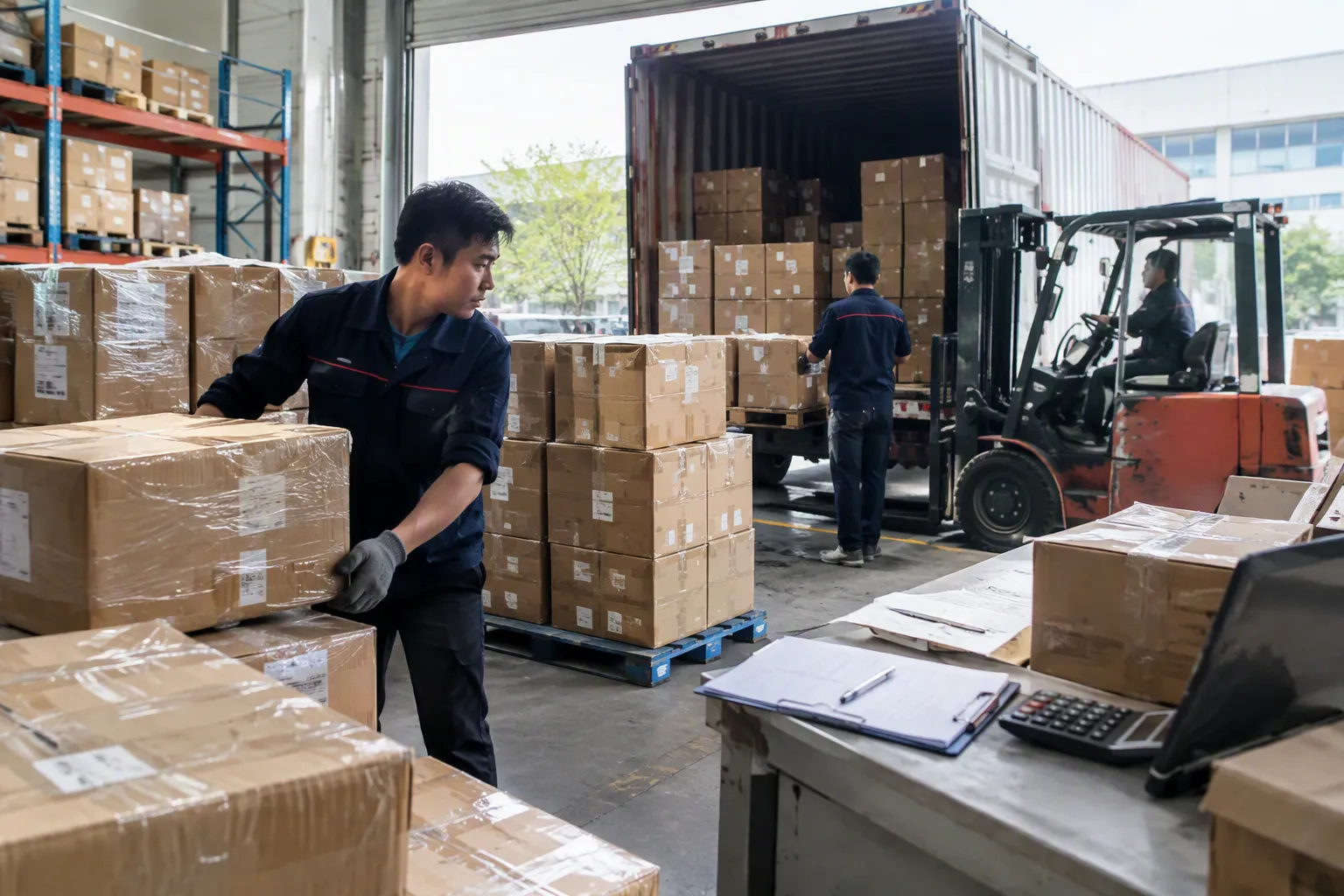
A useful shipping comparison includes more than the international transport rate. I use a simple landed-cost framework:
The exact calculation depends on the destination and service. I ask for a written breakdown rather than comparing one all-in number with another quote that excludes several charges.
| Cost area | Questions I ask |
|---|---|
| Product | Does the supplier’s price include the agreed packaging and accessories? |
| Origin | Are pickup, warehouse receiving, export documents, and loading included? |
| Freight | Is the rate based on actual or dimensional weight? |
| Customs | Who prepares the entry and responds to customs questions? |
| Duties and taxes | Are these included, estimated, or payable by the buyer? |
| Destination | Are terminal, handling, storage, or remote-area fees possible? |
| Delivery | Does the service reach the exact address or only a terminal? |
| Risk | What happens after damage, shortage, loss, or delay? |
A lower quote can become more expensive if it excludes destination handling or requires the buyer to arrange customs clearance independently. A slightly higher quote may provide clearer coordination, but I still verify the actual inclusions.
10. Protect the shipment through packaging and labeling
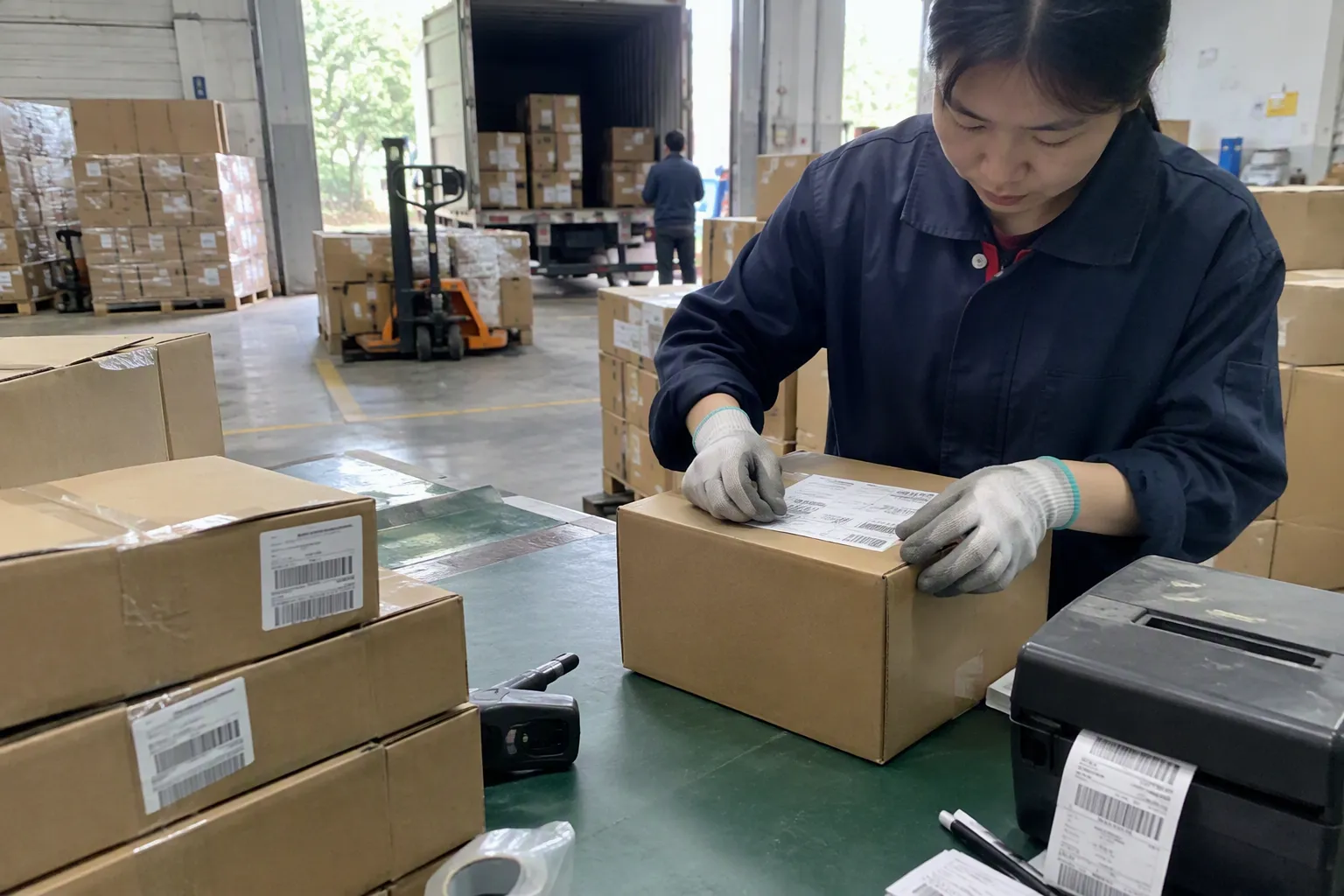
Packaging affects both product quality and freight cost. I look at the product’s fragility, weight distribution, moisture sensitivity, stacking risk, and handling route.
For many shipments, I recommend checking:
- Inner protection around fragile parts
- Correct carton strength
- Separation between heavy and delicate items
- Adequate void filling
- Moisture protection where suitable
- Pallet requirements
- Carton weight consistency
- Clear SKU and quantity labels
- Shipping marks that match the packing list
- Outer carton photos before dispatch
Packaging should not be excessive without reason. Oversized packaging may increase dimensional weight.[6] Weak packaging may cause damage and claims. The correct balance depends on the product and route.
I also separate retail packaging from transport packaging. A retail box can look attractive but may not provide enough protection for international handling.[7] A supplier may need to add an outer carton or protective layer while preserving the buyer’s branded presentation.
11. Track the shipment and plan for exceptions
Tracking is useful, but it does not remove the need for active coordination. A tracking event may show that a shipment is held for customs, awaiting information, transferred between carriers, or delayed at a warehouse.
I normally keep a shipment record containing:
- Purchase order reference
- Supplier name
- Product and SKU list
- Carton quantity
- Weight and dimensions
- Invoice and packing list
- Tracking number or transport document
- Forwarder contact
- Customs contact, if available
- Delivery address
- Agreed service scope
- Inspection photos
- Claim deadline information
I tell buyers to inspect cartons at delivery when possible.[8] If there is visible damage, the buyer should record photographs and note the condition before signing, subject to the carrier’s procedure. The buyer should also count cartons and compare them with the delivery record.
If an issue occurs, I try to identify whether the cause was production, packing, documentation, transport handling, customs, or final-mile delivery. This classification helps the buyer communicate with the correct party instead of sending the same complaint to everyone.
12. Use a practical decision framework
I use the following framework when helping a buyer choose a method:
- Is the shipment a sample, test order, replenishment order, or commercial inventory?
- Is the cargo small, bulky, heavy, fragile, restricted, or high value?
- How many suppliers are involved?
- Does the buyer need inspection, repacking, labeling, or consolidation?
- What is the acceptable delivery window?
- Can the destination receive cartons, pallets, or commercial deliveries?
- Who will manage customs and import charges?
- What happens if the shipment is delayed or damaged?
- What is the complete landed cost?
- Which details still require current verification?
For a small sample, express courier may be the simplest option. For several cartons that must arrive quickly, air freight may be worth comparing. For larger commercial cargo, sea freight or a consolidated freight service may be more appropriate. For multi-supplier orders, I normally assess supplier readiness and warehouse coordination before discussing the international route.
I do not make application-specific regulatory or customs decisions without the correct destination information. Buyers should ask qualified professionals to verify current requirements, especially for controlled, electrical, battery-powered, food-related, cosmetic, medical, or children’s products.
My experience coordinating China shipments
In my work with samples and small-batch shipments, I have found that the most useful questions are often basic ones. Is the final quantity confirmed? Are the carton dimensions measured after packaging? Does the label match the purchase order? Can the receiving address accept the shipment? Does the quoted service include the part of customs handling that the buyer expects?
I have also seen how multi-supplier consolidation can simplify a purchasing program. Instead of asking each factory to ship independently, I can coordinate receiving, inspection, carton records, packaging checks, and one onward shipment. This approach gives the buyer a clearer view of the cargo before it leaves China.
However, I do not treat consolidation as a solution for every order. If one supplier finishes much later than the others, waiting can affect the delivery plan. If the products require different transport conditions, combining them may also be unsuitable. I compare the operational benefit with the extra warehouse time and handling.
The same principle applies to door-to-door service. A buyer may prefer one contact and one delivery, but I still ask what “door” means, whether taxes are included, and whether the destination has special access conditions. Clear questions at the start are usually easier than correcting an unclear shipment after departure.
A pre-shipment checklist for buyers
Before authorizing shipment, I recommend that buyers confirm the following in writing:
- Product description and agreed specifications
- Final quantity by SKU
- Quality inspection status
- Product and carton photographs
- Package dimensions and gross weight
- Number of cartons or pallets
- Commercial invoice and packing list
- Shipping method and service level
- Collection location
- Final delivery address
- Customs clearance responsibility
- Duties and tax responsibility
- Included and excluded charges
- Insurance or carrier liability
- Damage and shortage claim process
- Estimated delivery window, subject to current verification
- Contact person for shipment exceptions
This checklist does not guarantee that a shipment will be free of delays. It does reduce uncertainty and gives each party a clearer responsibility.
Frequently Asked Questions
What is the easiest way to ship from China to a home address?
For a small, ordinary, non-restricted parcel, an express courier may be the simplest option because it usually provides collection, tracking, customs handling, and final delivery. I still confirm dimensional weight, residential delivery fees, customs requirements, and whether the product is accepted by the carrier.
Is it cheaper to ship from China by courier or sea freight?
The answer depends on destination, cargo size, weight, packaging, service scope, and urgency. Courier can be practical for small parcels, while sea freight may suit larger commercial shipments. I compare landed cost, including customs, destination charges, handling, and final delivery, rather than comparing freight rates alone.
Can I ship products from several Chinese suppliers together?
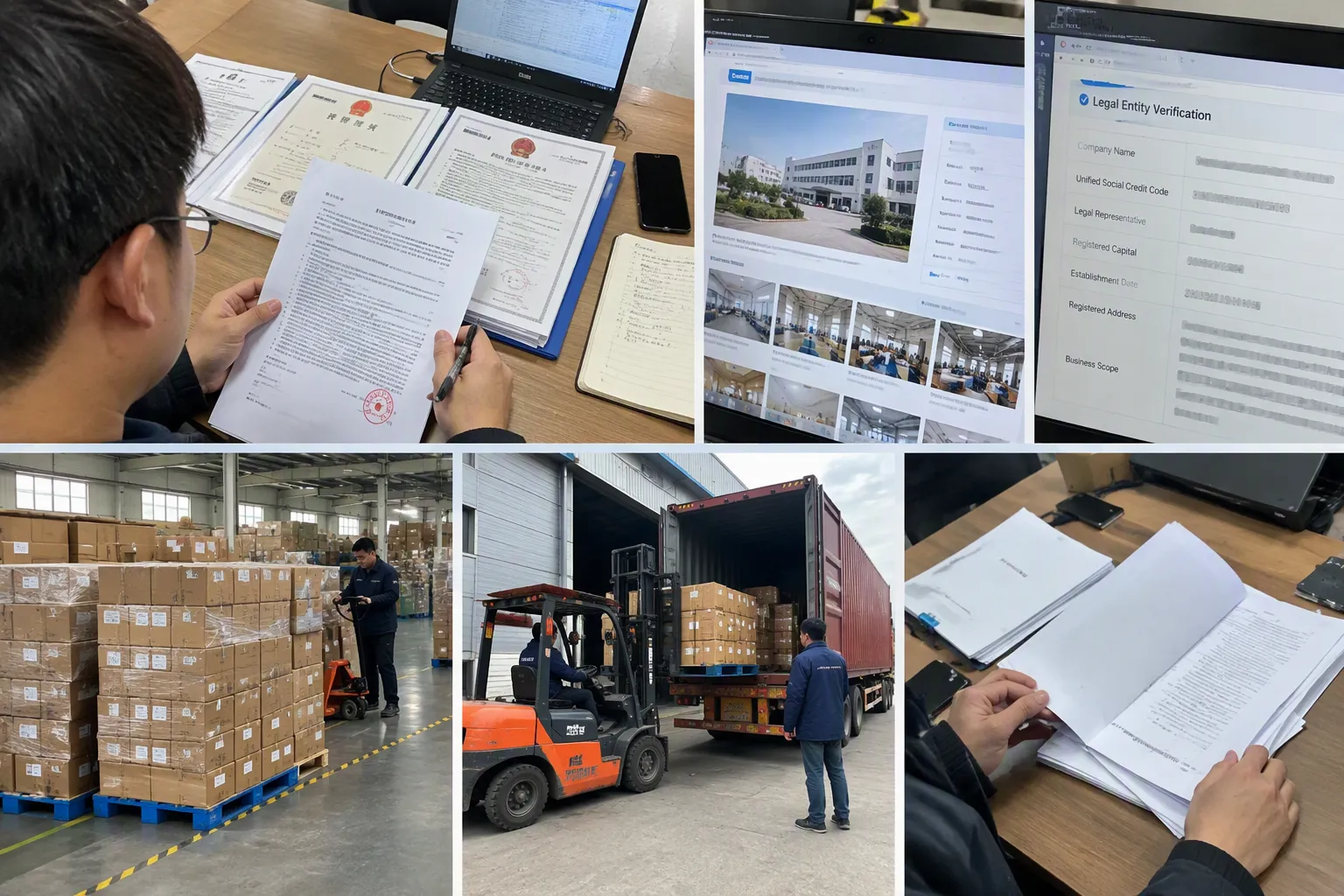
Yes, a sourcing or freight coordinator can often receive goods from multiple suppliers, inspect or record them, consolidate cartons, and arrange one international shipment. I first check supplier completion dates, product compatibility, warehouse fees, packaging requirements, and the buyer’s desired delivery schedule.
Does door-to-door shipping include customs duties and taxes?
Not always. “Door-to-door” describes the transport route, but the quotation may exclude duties, taxes, customs disbursements, destination fees, or special delivery charges. I ask the provider to identify the applicable trade term and list every included and excluded cost in writing.
What documents do I need to ship from China?
Common documents include a commercial invoice, packing list, shipping instruction, transport document, product description, and importer information. Some products may require additional documents or permits. I recommend verifying current destination requirements with the carrier, customs broker, or relevant authority before shipment.
Conclusion
To ship from China efficiently, I first define the product, quantity, packaging, destination, delivery purpose, and acceptable risk. I then compare courier, air freight, sea freight, and consolidation by total landed cost and service responsibility. Quality checks, accurate documents, suitable packaging, and a clear customs arrangement can prevent many avoidable problems. KingSourcing can help overseas buyers source suppliers, inspect goods, consolidate multi-supplier orders, prepare shipments, and coordinate delivery from China. Contact me with your product and destination details for a practical shipping assessment.
Sources
- Facts and Figures - ICAO", Institutional air-transport guidance explains that chargeable weight may be based on either gross weight or volumetric weight, with the applicable calculation depending on the service and shipment characteristics
- Know Your Incoterms", The International Chamber of Commerce’s Incoterms rules define standardized trade terms that allocate specified delivery obligations, costs, and risks between the seller and buyer
- Common Export Documents - International Trade Administration", Customs guidance identifies commercial invoices, packing information, transport details, and accurate descriptions as commonly required or used in import processing
- Residential Freight Shipping: Complete Home Delivery Guide", Freight-delivery guidance distinguishes residential locations from commercial freight facilities because residential sites may lack loading docks, suitable access, or equipment for palletized shipments
- Determine Total Export Price - International Trade Administration", Import-costing guidance defines landed cost as the total cost of acquiring and delivering goods, commonly incorporating purchase price, freight, insurance, duties, taxes, and destination-related charges
- Air Cargo Tariffs and Rules: What You Need to Know - IATA", Dimensional-weight rules calculate chargeable weight from package volume, so increasing outer-carton dimensions can raise the billed weight without increasing the goods’ physical mass
- Getting Started with Design & Testing", Distribution-packaging standards and research describe transport packaging as requiring protection against handling, vibration, compression, and environmental hazards that may exceed ordinary retail-display requirements
- Lost, Delayed, or Damaged Baggage - Department of Transportation", Freight-claims guidance commonly treats contemporaneous inspection, photographs, delivery-record notation, and timely notice as relevant evidence when cargo arrives damaged or short


