Quick Answer
Packaging boxes from China can reduce packaging costs, but I often see buyers start with the box price before defining the product, protection, and delivery requirements. I reduce this risk by first matching the box structure and materials to the product, then comparing suppliers against one consistent specification. **I source packaging boxes from China by first defining the product’s weight, fragility, dimensions, presentation needs, and transport conditions.
That approach creates confusion later.
I then prepare one quotation brief, compare suppliers on the same specifications, review samples, confirm production details, and arrange quality checks before shipment. This approach helps me evaluate total cost and suitability instead of choosing the lowest unverified unit price.**
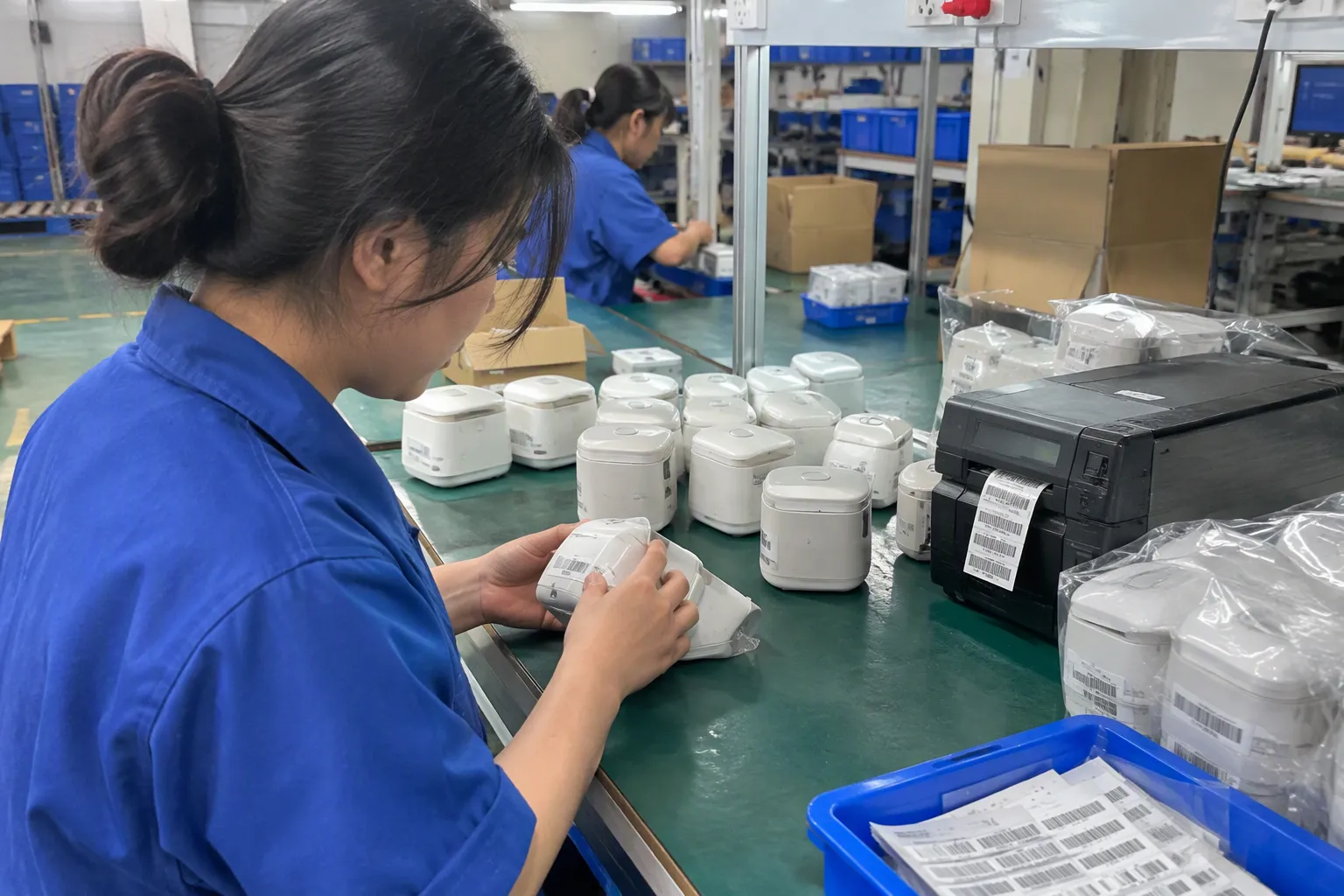
Many overseas brands want attractive custom packaging, but they also need packaging that can be produced consistently and delivered on schedule. I use the sections below to explain how I approach packaging sourcing, quotation comparison, sampling, supplier selection, and quality control for e-commerce, Amazon, DTC, and wholesale products.
How Do I Source Packaging Boxes from China?
A packaging project can become expensive when the buyer searches for a box before understanding the product requirements.[1] A supplier may offer a low price for a structure that does not fit the product or survive the intended handling. I begin with a practical packaging brief and use it to control the rest of the sourcing process.
I source packaging boxes from China through six main steps: define the packaging requirements, select suitable box structures, prepare a standardized quotation brief, verify and compare suppliers, approve samples, and monitor mass production.[2] I also review packing, labeling, inspection, consolidation, and shipping requirements before I place the final order.
1. I define the product before choosing the box
I first collect information about the item that the packaging must hold. A buyer should provide more than a product name or a reference photograph. I normally ask for:
- Product length, width, height, and allowable dimensional variation
- Product weight and approximate packaged weight
- Fragile, sharp, movable, liquid, electrical, or sensitive components
- Required inserts, sleeves, dividers, trays, or protective films
- Intended retail presentation and unboxing expectations
- Shipping method and expected handling environment
- Target order quantity and estimated repeat-order volume
- Destination markets and labeling requirements
- Whether the box will be shipped inside a master carton
- Whether the packaging needs barcode, warning, recycling, or customer-specific marks
I also ask how the customer will use the box. A premium gift box, an Amazon shipping box, and an inner retail carton can have very different priorities. A rigid box may create a stronger presentation, while a folding carton may reduce storage volume.[3] A corrugated mailer may be more suitable for direct shipment[4], but a buyer may still need an inner product box for branding.
I do not recommend a material only because it looks attractive in a supplier photograph. I connect the material and structure to the product and distribution path first.
2. I choose a box structure based on use
Packaging suppliers may describe products using terms such as folding carton, mailer box, rigid box, tuck-end box, drawer box, magnetic box, corrugated carton, or kraft box. These terms help with communication, but they do not replace a full specification.
| Packaging option | Common use | Main evaluation points |
|---|---|---|
| Folding carton | Retail products, cosmetics, light consumer goods | Board grade, folding accuracy, printing, coating, and assembly |
| Corrugated mailer | E-commerce shipments and subscription products | Flute structure, dimensions, closure, product movement, and outer shipping method |
| Rigid setup box | Premium products and gift sets | Board thickness, wrapping paper, corner finish, lid fit, and storage volume |
| Drawer box | Presentation packaging and small products | Tray movement, friction, insert fit, and sleeve alignment |
| Kraft box | Natural or simple brand presentation | Paper appearance, print contrast, structure, and surface consistency |
| Custom insert box | Products with accessories or multiple parts | Insert material, cavity dimensions, retention, and assembly process |
This table gives me a starting point, not a final engineering decision. The product’s size and weight do not automatically prove that a particular box is suitable. I recommend a sample review and, where necessary, qualified packaging or transport testing for application-specific decisions.
3. I prepare one consistent quotation brief
A fair price comparison requires suppliers to quote the same scope.[5] I have seen buyers receive three prices that appear very different, although each supplier priced a different product. One quotation included an insert and full-color printing. Another excluded the insert and used a different board. A third price applied to a larger order quantity.
I handled an anonymized project where a cheaper quotation initially looked attractive. After I compared the specifications line by line, I found differences in box dimensions, paper material, printing coverage, insert construction, and included packaging. The lower quotation was not necessarily a better commercial offer because the two suppliers were not pricing the same box.[6]
I normally include these fields in a packaging RFQ:
- Finished internal dimensions and external dimensions, if important
- Flat size or dieline, if the buyer already has one
- Box structure and opening style
- Board or paper material and requested thickness or grade
- Printing colors, artwork coverage, and print process
- Surface finish, such as matte or gloss lamination, varnish, or specialty treatment
- Insert material, cavity count, and insert artwork
- Logo, barcode, label, and language requirements
- Assembly status and packing method
- Sample quantity and sample charges
- Target order quantity and quantity breaks
- Carton quantity, carton dimensions, and estimated shipping weight
- Tooling, plate, mold, or setup charges
- Delivery terms and destination assumptions
- Production lead time and payment terms
I ask suppliers to identify excluded costs instead of allowing them to remain unclear. I also ask whether the supplier can manufacture the whole package or whether it will subcontract printing, inserts, or special finishing.
4. I compare total cost, not only unit price
The unit price matters, but it does not represent the complete purchasing decision.[7] I review the following cost categories:
- Product packaging unit price
- Insert and accessory costs
- Artwork preparation or tooling costs
- Sampling and courier charges
- Assembly and packing labor
- Inner carton and master carton costs
- Domestic transport to a consolidation warehouse
- Inspection charges
- Export handling and international shipping
- Storage or warehousing charges
- Taxes, duties, and destination delivery costs where applicable
A supplier may quote an attractive ex-factory price while another supplier includes more work in the quoted amount. I therefore create a comparison sheet with separate columns for included, excluded, and uncertain items.
| Comparison item | Supplier A | Supplier B | Supplier C |
|---|---|---|---|
| Box unit price | — | — | — |
| Insert included | Yes/No | Yes/No | Yes/No |
| Printing scope | — | — | — |
| Surface finish | — | — | — |
| Tooling or setup | — | — | — |
| Sample cost | — | — | — |
| Master carton | Included/Excluded | Included/Excluded | Included/Excluded |
| Estimated lead time | — | — | — |
| Unresolved points | — | — | — |
I avoid ranking suppliers until the unresolved points are answered. This simple discipline prevents a low but incomplete quotation from dominating the decision.
5. I verify the supplier’s production capability
A supplier may have a good product catalogue but limited ability to manage a custom project. I check whether the factory has relevant equipment, experienced staff, and a realistic process for the required box.
I ask for evidence related to the actual order, such as:
- Similar box structures made for comparable applications
- Printing and finishing capabilities
- Insert production capability
- Sample development process
- Quality control checkpoints
- Typical minimum order quantities
- Production capacity during the planned season
- Packing method for finished boxes
- Ability to provide production photographs or records
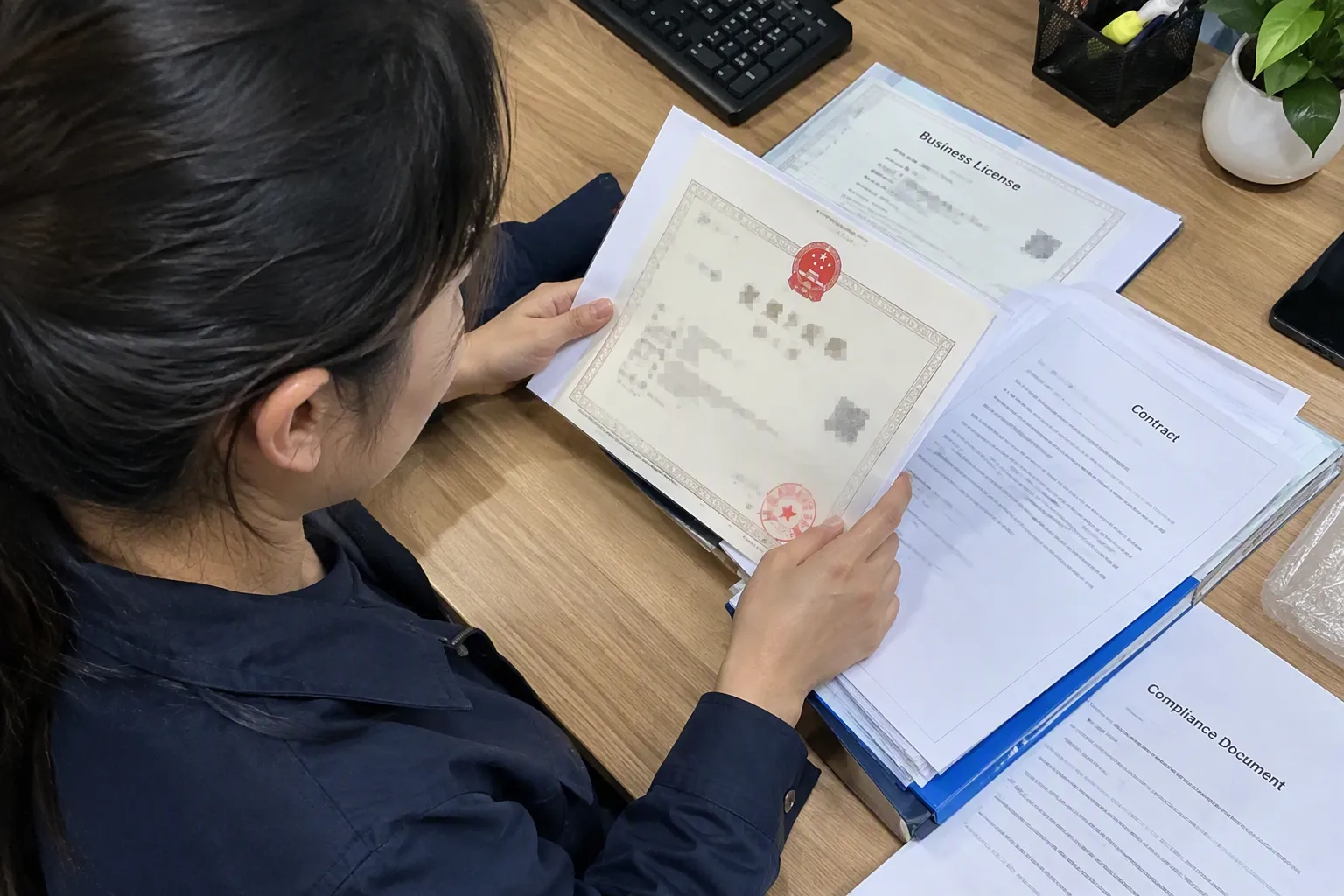
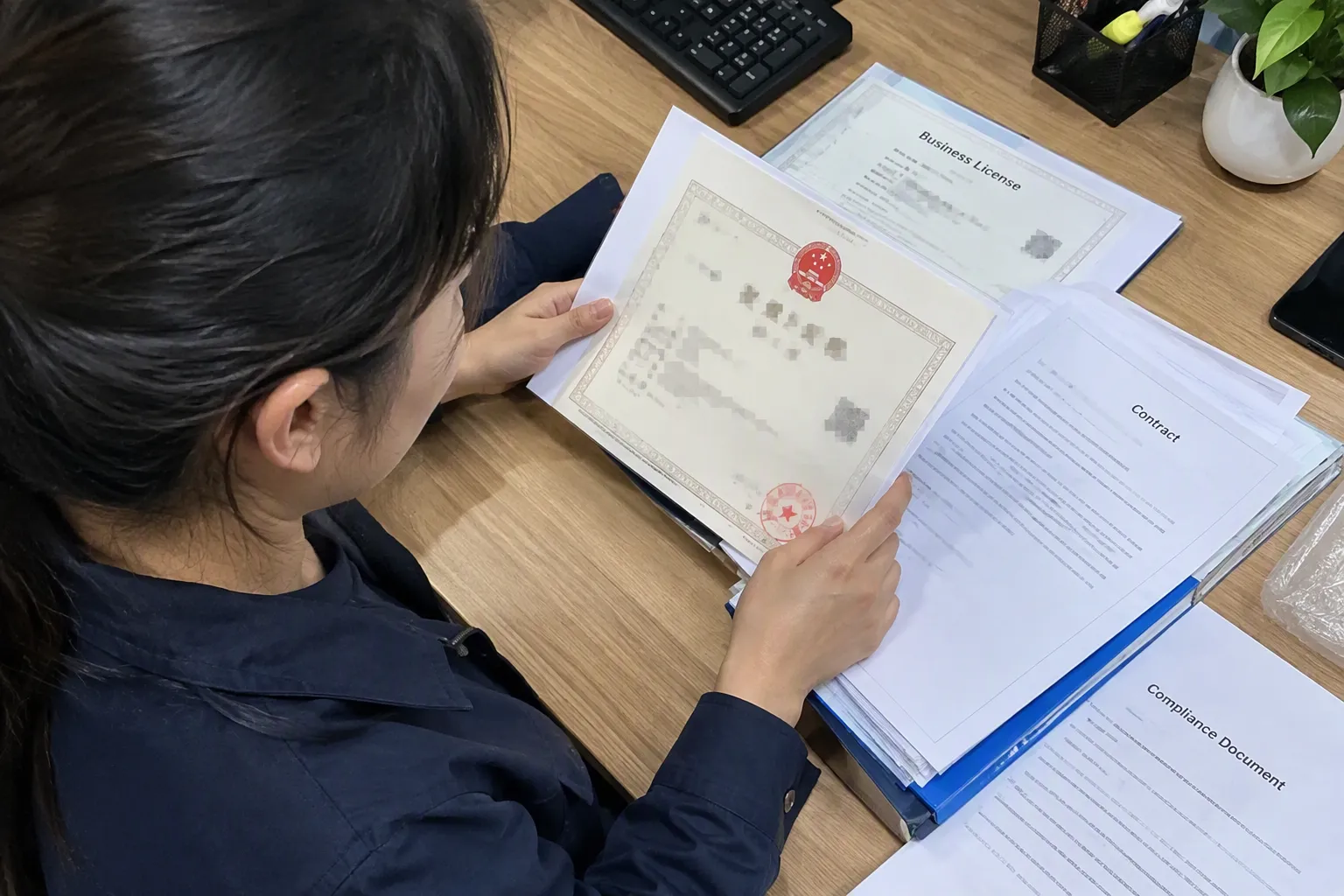
I treat certificates, audit reports, test reports, and material declarations as documents that buyers should verify. A document does not automatically confirm that every future production batch will match the document’s scope.[8] I also check the company name, validity period, product scope, issuing organization, and relationship between the document and the manufacturing site.
When a project has several packaging components, I check whether one supplier can coordinate them reliably. In other cases, separate specialist suppliers may provide better results, but that choice creates additional coordination and consolidation work.
6. I use samples to identify practical problems
A sample allows me to check more than appearance. I review whether the product fits correctly, whether the lid or drawer moves as expected, and whether the insert holds the product in the intended position. I also check the relationship between the artwork and the physical structure.
My sample review usually covers:
- Internal dimensions and product fit
- External dimensions and shelf presentation
- Board or paper appearance
- Color and print registration
- Logo position and artwork orientation
- Folding lines, creases, and cut edges
- Adhesive strength and visible glue
- Lid, flap, sleeve, or drawer function
- Insert alignment and product retention
- Surface marks, scratches, dents, and scuffs
- Flat-pack or assembled shipping condition
- Sample packing and protection during transport
I record changes in a written sample approval document. I identify the approved artwork version, material description, dimensions, finish, insert design, and acceptable appearance. If the buyer changes the product or artwork after approval, I ask the supplier to confirm whether the box requires a new sample.
A successful sample does not guarantee identical mass-production quality. Production materials, machine settings, operators, batch variation, and packing conditions can affect the final result. I treat the approved sample as a reference and use production inspection to check whether the order matches it.
7. I build quality control into the purchase order
I prefer to agree on quality requirements before production starts. A purchase order should not contain only a product description and a total quantity. It should connect the commercial order to the approved packaging specification.
I may include:
- Approved artwork file name and revision
- Approved sample photographs
- Material and construction details
- Finished dimensions and tolerances
- Printing and finishing requirements
- Insert requirements
- Packing configuration
- Carton marking and labeling
- Quantity tolerance, if agreed
- Defect categories and inspection method
- Required corrective action process
For a larger order, I may recommend inspection at more than one stage. A pre-production check can confirm raw material, artwork, and tooling preparation. During production, a check can identify repeated printing, folding, or assembly problems before the entire order is completed. A final inspection can review quantity, appearance, dimensions, packing, and carton marks.
I do not present inspection as a guarantee against every supply-chain problem. Inspection provides information at a defined time and against defined criteria. The buyer still needs to make an informed commercial decision about acceptance, rework, replacement, or shipment.
8. I plan packaging logistics early
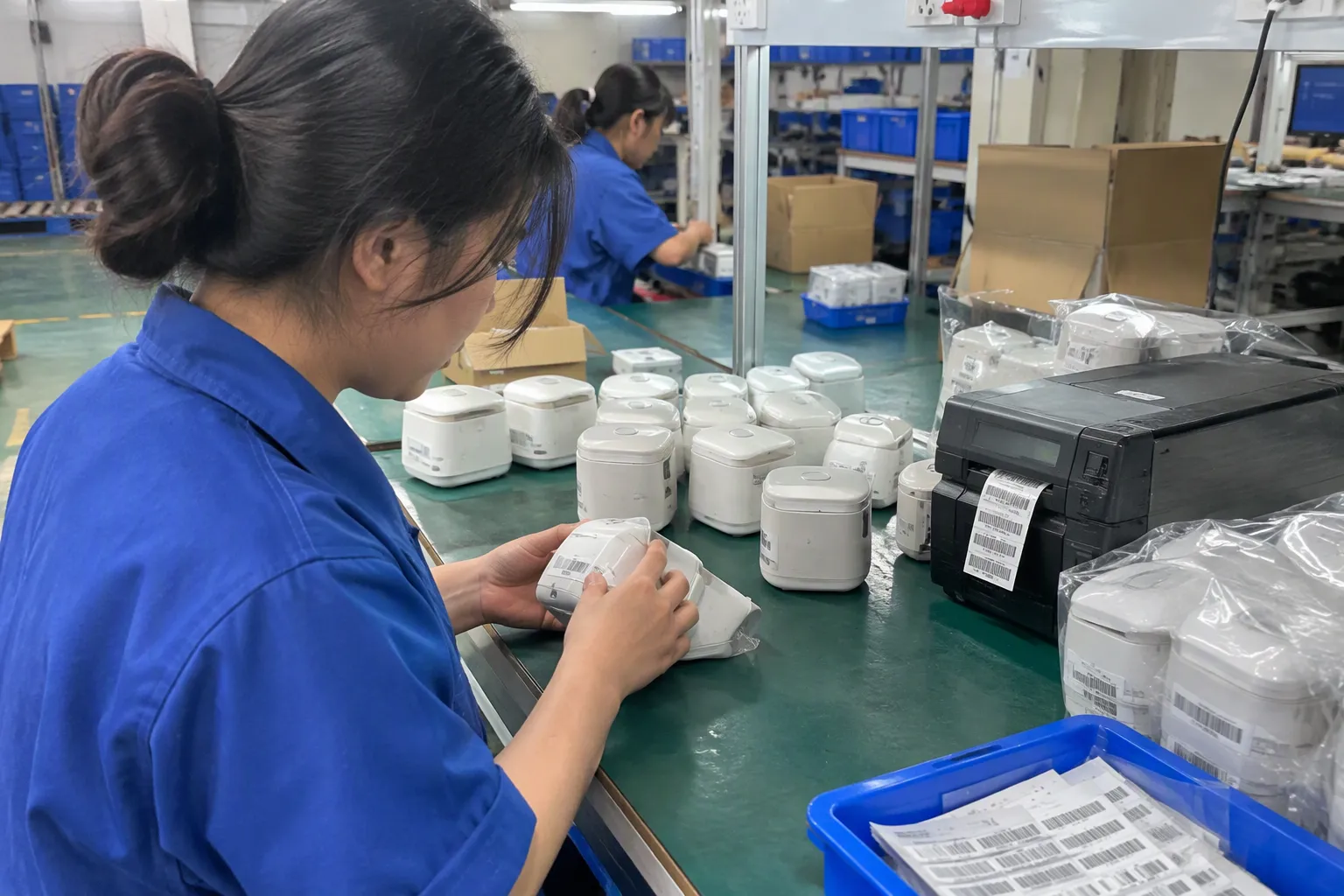
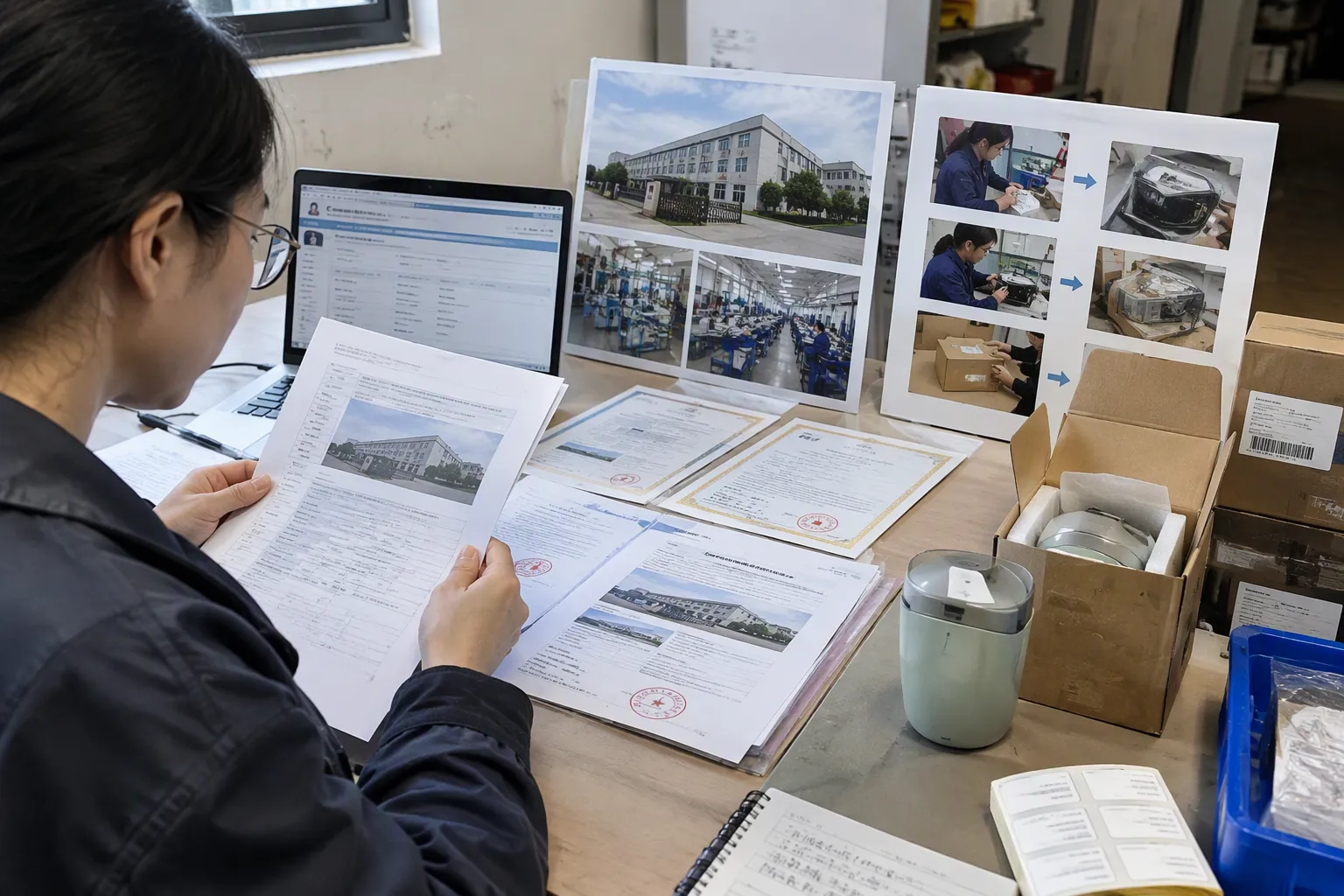
Packaging boxes often occupy more warehouse volume than buyers expect. A rigid box, assembled mailer, or multi-part gift set can create storage and shipping costs that change the apparent unit-price advantage.
I ask the supplier for estimated:
- Units per inner carton
- Units per master carton
- Master carton dimensions
- Gross and net weight
- Carton stacking information
- Pallet configuration where relevant
- Protection against moisture, crushing, and surface damage
- Flat-packed or assembled condition
- Production and packing completion date
I then connect those details to the finished product shipment. If a buyer sources products from several factories, I can help arrange delivery to a consolidation warehouse, inspect packaging and products, combine shipments, and coordinate international freight. This option can simplify multi-SKU purchasing, but I still review whether local transport and handling costs make consolidation commercially sensible.
9. I select a supplier using risk as well as price
I use a weighted evaluation rather than selecting the lowest quotation automatically. The exact weighting depends on the project, but I usually consider:
| Evaluation area | Questions I ask |
|---|---|
| Specification fit | Can the supplier produce the required structure and dimensions? |
| Material clarity | Has the supplier clearly identified the proposed material and grade? |
| Quality process | Can the supplier explain checks before and during production? |
| Communication | Does the team answer technical and commercial questions precisely? |
| Sample quality | Does the sample match the brief and reveal manageable issues? |
| Capacity | Can the factory support the order quantity and schedule? |
| Cost transparency | Are setup, insert, packing, and logistics costs clear? |
| Flexibility | Can the supplier support a test order or future changes? |
| Delivery control | Can the supplier provide realistic production and packing dates? |
| Commercial risk | Are payment, replacement, rework, and dispute terms clear? |
I also consider whether the supplier’s location and production network suit the order. China has major packaging and manufacturing clusters in several regions, while a nearby supplier is not automatically the best supplier. I prioritize capability and process control over a simple geographic assumption.
10. I manage communication with clear documents
Packaging projects involve artwork, measurements, product samples, and many small changes. Informal messages can create disagreement later. I use numbered documents, marked-up drawings, photographs, and written approvals.
I ask suppliers to confirm important points in writing:
- “Please confirm the finished internal dimensions.”
- “Please confirm whether the quoted price includes the insert.”
- “Please confirm the paper or board specification.”
- “Please confirm whether the price includes assembly.”
- “Please confirm the master carton quantity and dimensions.”
- “Please confirm the production lead time after sample approval.”
- “Please confirm what happens if the production differs from the approved sample.”
This communication style may appear slower at the beginning, but it reduces ambiguity. It also gives the buyer a clearer record for production follow-up and quality inspection.
Frequently Asked Questions
What information should I send to a Chinese packaging supplier?
I recommend sending product dimensions, weight, photographs, intended use, shipping method, target quantity, artwork, box style preferences, insert requirements, printing details, and delivery destination. If you do not know the best structure, explain the product and transport conditions clearly and ask the supplier to propose options for evaluation.
How can I compare packaging box quotations fairly?
I compare quotations only after I align the dimensions, material, printing, finishing, inserts, assembly, order quantity, packing, tooling, and delivery terms. I also list excluded costs and unresolved questions. A lower unit price is not meaningful when one supplier has quoted a simpler box or omitted part of the required scope.
Should I order samples before placing a packaging order?
Yes. I use samples to check product fit, dimensions, artwork, structure, insert alignment, finish, and practical handling. I also request written confirmation of the approved sample. I do not treat sample approval as proof that mass production will be identical, so I include production quality control as a separate step.
What is the best box material for e-commerce products?
I do not choose a universal material for every e-commerce product. I consider product weight, fragility, dimensions, transport route, presentation needs, storage volume, and budget. A qualified packaging professional can recommend and test the most suitable option when protection requirements are important or uncertain.
Can a sourcing company manage packaging and product orders together?
Yes. I can coordinate packaging customization, product sourcing, supplier communication, sample development, factory follow-up, inspection, consolidation, warehousing, and shipping coordination. This approach can help buyers who purchase products and packaging from different Chinese suppliers, although I still evaluate each component against its own specification.
Conclusion
I treat sourcing packaging boxes from China as a specification and risk-management project, not a simple search for the lowest price. I begin with the product and transport requirements, define the box clearly, request comparable quotations, verify the supplier, approve samples, and monitor production against documented criteria. I also review packing and shipping volume before finalizing the order. If you need help comparing Chinese packaging suppliers or coordinating custom packaging with your product order, contact KingSourcing to discuss your requirements.
Sources
- Packaging Systems and Design Major", Research on packaging development supports defining product, distribution, and handling requirements before selecting a package because early specification decisions influence later design changes and associated costs
- New Product Development Certificate: Module 7", Quality-management and packaging guidance commonly treats documented specifications, supplier evaluation, representative samples, and production verification as complementary controls in a product-procurement process
- Rigid Packaging: Types, Materials and How to Choose", Packaging research distinguishes rigid setup formats from folding cartons in construction and logistics characteristics; folding formats can reduce empty volume when shipped or stored flat, while presentation effects depend on design and consumer context
- Corrugated board packaging with innovative design for ...", Distribution-packaging research describes corrugated fiberboard as a structural and protective material used in parcel distribution, with performance depending on board construction, package dimensions, and the hazards of the shipping system
- MCC Procurement Guidance Note: Price-Reasonableness ...", Public-procurement guidance generally requires comparable specifications and clearly defined bid requirements so that offers can be evaluated on an equivalent basis rather than by nominal price alone
- 15.101-2 Lowest price technically acceptable source ...", Procurement guidance distinguishes the lowest nominal price from the best evaluated offer when bids differ in technical compliance, included scope, risk, or lifecycle cost
- Performing a Cost or Price Analysis under the Uniform Guidance", Total-cost procurement methods evaluate a purchase through acquisition price and associated logistics, quality, handling, and ownership costs rather than through unit price in isolation
- Questions and Answers on Current Good Manufacturing ...", Conformity-assessment guidance states that certificates and test reports apply only within their stated scope, conditions, and validity; continuing conformity requires appropriate production controls or subsequent verification