Quick Answer
UFLPA compliance is a major concern for U.S. importers buying from China because a shipment can be delayed or detained when its supply-chain records do not clearly support its origin and sourcing history[1]. The commercial impact can be serious: missed launches, stockouts, storage charges, customer complaints, and unrecoverable inventory costs. The practical solution is to build traceability into procurement before placing orders.
UFLPA compliance in 2026 requires importers to maintain a credible, connected evidence chain[2] showing who supplied materials, where production occurred, how goods moved through the supply chain, and which records relate to each shipment. A supplier declaration may help, but it is not sufficient by itself.[3] Importers should screen suppliers before ordering, retain production records during manufacturing, and review the evidence package before shipment.

For many small and medium-sized importers, the difficult part is not knowing that UFLPA-related risk exists. The difficult part is turning that concern into repeatable purchasing controls. I recommend treating documentation as part of supplier qualification and production management, not as a customs document that someone collects after cargo has already left China.
Why Is UFLPA Compliance Not a Last-Minute Paperwork Task?
UFLPA compliance should begin before a buyer approves a factory or issues a purchase order. A factory may be able to make the finished product but still lack the upstream material records, supplier details, batch information, or movement documents needed to support a complete evidence package later. Once production is complete, missing records are often difficult, slow, or impossible to reconstruct.[4]
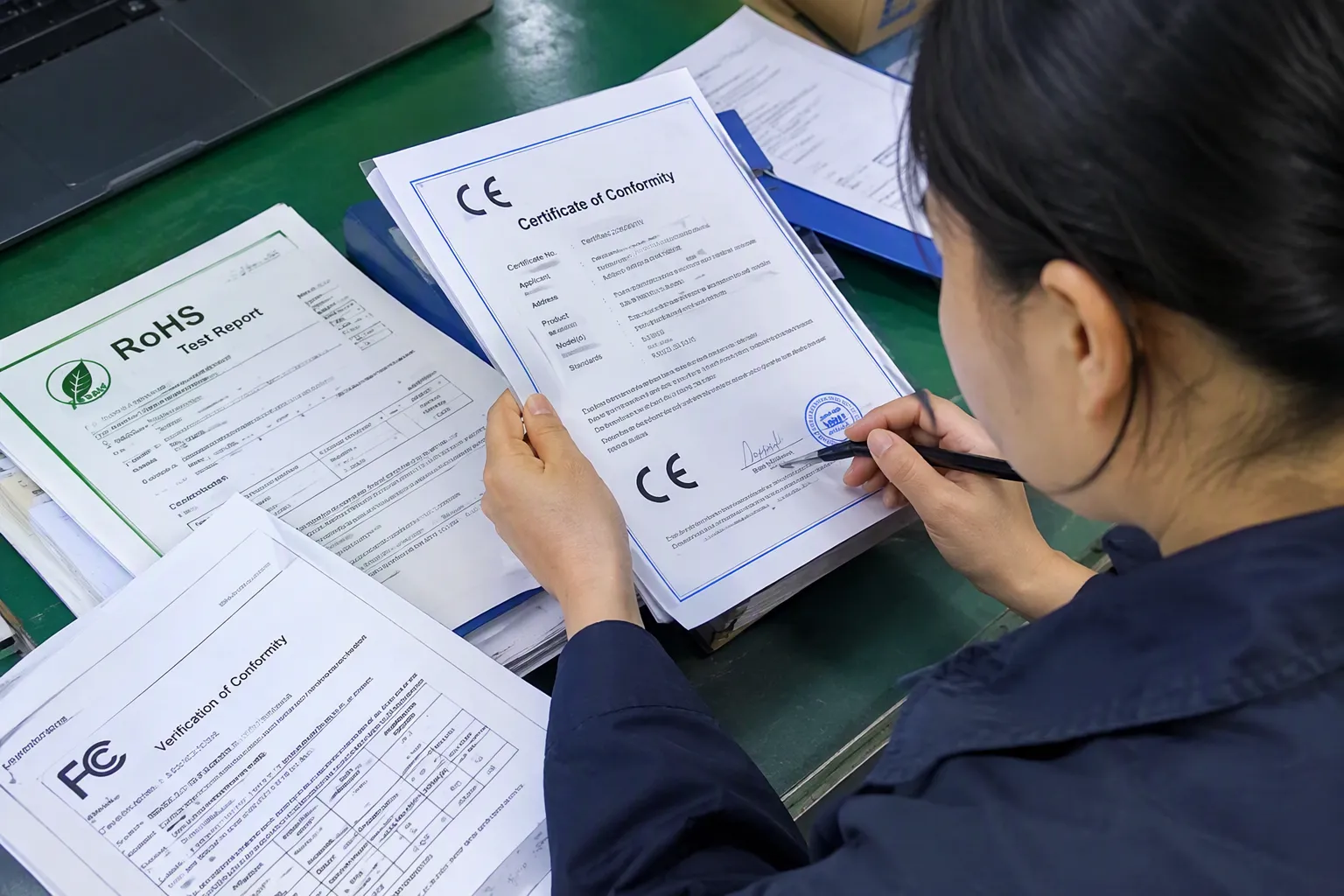
The problem usually starts quietly. A buyer receives a competitive quotation, approves a sample, and focuses on price, MOQ, lead time, and packaging. Those are all valid purchasing concerns. However, the buyer may not ask where key materials come from, whether the factory can identify upstream suppliers, or whether the factory retains records by production batch.
That gap becomes more serious when goods are close to shipment. At that point, the supplier may provide a short declaration stating that the product is compliant or that certain materials were not sourced from a prohibited region. Such a declaration may be useful as one item in an evidence package. However, it does not create the underlying supply-chain trail that was never collected.
From our perspective as a China sourcing and procurement coordinator, UFLPA compliance is a document-retention and supplier-transparency discipline. We do not provide legal advice, customs representation, or determinations about CBP release decisions. Still, we can help buyers ask practical sourcing questions earlier, organize supplier information, and identify where documentation gaps may exist before goods are shipped.
Start With the Right Risk Question
A common question is: “Can this factory sign a UFLPA declaration?”
A more useful question is:
“Can this supplier provide and maintain records that connect the finished goods to the materials, upstream suppliers, production activities, batches, and shipment documents involved?”
The second question is harder. It also produces a more meaningful answer.
For many consumer goods, the finished-product factory is only one point in a longer chain.[5] A branded power bank, for example, may involve a battery-cell supplier, PCB supplier, plastic molding factory, cable supplier, packaging supplier, assembly factory, and freight provider. A cotton garment may involve yarn, fabric, dyeing, cutting, sewing, labels, cartons, and logistics. A product can move through several companies before it reaches the export factory.
This does not mean every importer needs to investigate every low-value component with the same intensity. The appropriate scope depends on the product, material composition, supply-chain complexity, current enforcement environment[6], and advice from qualified customs and legal professionals. However, buyers should understand the difference between a simple product declaration and a traceable procurement record.
Build UFLPA Compliance Into Supplier Qualification
The strongest time to identify a documentation problem is before production begins. At this stage, the buyer still has leverage. The buyer can compare suppliers, request information, adjust the bill of materials, select an alternative factory, or decide not to proceed.
I recommend adding a UFLPA compliance review to the standard supplier onboarding process. This review should sit beside the usual checks for business registration, product capability, sample quality, production capacity, quotation terms, and export experience.
Questions to ask before issuing a purchase order
A buyer can ask a factory to answer practical questions such as:
- Which company will manufacture the finished product?
- Which suppliers provide the major raw materials or components?
- Can the factory identify the country or region of origin for relevant materials?
- Can the factory provide purchase records for key inputs?
- Does the factory retain batch, lot, production-date, or material-receipt records?
- Can the factory connect finished-goods batches to incoming materials?
- Will the factory notify the buyer before changing a major material supplier or production site?
- Can the factory provide export, packing, and shipping documents that match the commercial shipment?
- Does the factory use traders, subcontractors, or undisclosed production partners?
- Which records can the supplier provide before shipment, and which records require lead time?
The goal is not to force every factory into a legal conclusion. The goal is to assess whether the supplier has a usable recordkeeping system.
| Procurement question | Why it matters for UFLPA compliance | Warning sign |
|---|---|---|
| Who makes the finished goods? | Confirms the actual production entity | Supplier refuses to identify the factory |
| Who supplies key materials? | Helps establish upstream traceability | Factory says it “does not know” |
| Are purchase records available? | Supports material sourcing history | Only verbal confirmation is offered |
| Are lot or batch records retained? | Connects materials with production | No production traceability exists |
| Are subcontractors used? | Identifies hidden supply-chain steps | Production is shifted without notice |
| Can documents be issued promptly? | Reduces post-shipment scrambling | Records are only discussed after detention |
A buyer should document the supplier’s answers. Email records, onboarding forms, factory questionnaires, meeting notes, supplier quotations, and approved bills of materials can all help show that the importer applied a structured process.
Separate Supplier Claims From Supporting Evidence
Supplier declarations often have a role in UFLPA compliance programs. They may state the supplier’s understanding of sourcing, production, or material origin. However, a declaration is still a statement. It should be assessed alongside records that support it.
For example, a supplier declaration might be more credible when it aligns with:
- A supplier list for key materials and components
- Purchase orders issued by the factory
- Supplier invoices and payment records, where appropriate
- Material receiving records
- Production work orders
- Batch or lot records
- Manufacturing dates
- Packing lists and carton markings
- Export documentation
- Freight records
- Product specifications and bills of materials
- Evidence of the relationship between the factory and its upstream supplier
The exact evidence required for a particular import situation depends on the goods and applicable government requirements. Importers should obtain current guidance from official U.S. government sources and qualified legal or customs professionals. Official guidance can change, and buyers should not assume that an old checklist remains complete for 2026.
Still, the procurement principle remains stable: a document is more useful when it connects to other documents.[7]
For example, an invoice from a textile mill is not very useful if it cannot be linked to the fabric used in the finished garment order. A production report is less useful if it does not identify the materials received or the finished-goods lot. A packing list is less persuasive if the quantities do not match the commercial invoice, purchase order, and shipment records.
Use a Three-Stage UFLPA Compliance Control Process
We find that importers can manage this issue more clearly when they divide it into three procurement stages:
- Before ordering: Screen the supplier, product, materials, and documentation capability.
- During manufacturing: Preserve records while materials are received and goods are produced.
- Before shipment: Check whether the evidence package is complete and internally consistent.
This approach is more practical than waiting until goods are ready to load.
Stage 1: Screen suppliers and materials before ordering
Before a purchase order is released, buyers should map the product at a sensible level of detail. The map does not need to be perfect on day one. It needs to identify the points where information may be difficult to obtain.
For a consumer electronics product, that may include:
- Battery cells or battery packs
- PCBs and electronic components
- Plastic housings
- Metal parts
- Cables and connectors
- Product labels
- Retail packaging
- Final assembly location
For apparel, home textiles, or products containing natural fibers, the map may need to follow the relevant material further upstream. For solar-related, industrial, or other higher-complexity goods, buyers should seek product-specific advice before placing orders.
At this stage, I recommend creating a supplier-and-material matrix. It can be a spreadsheet, procurement platform, or controlled folder structure. The important point is consistency.
| Item | Information to record | Responsible party |
|---|---|---|
| Finished product | SKU, product description, photos, specification | Buyer / sourcing coordinator |
| Finished-goods factory | Legal name, address, contact, production site | Factory |
| Key input | Material or component description | Factory / upstream supplier |
| Upstream supplier | Company name and location, where available | Factory |
| Traceability record | PO, invoice, receiving record, lot or batch reference | Factory |
| Production record | Production date, work order, batch, quantity | Factory |
| Shipment record | Carton count, packing list, invoice, export details | Factory / logistics provider |
A supplier that cannot provide all requested details is not automatically unsuitable. Some suppliers are small, some operate through established material markets, and some products have complex multi-tier supply chains. However, the buyer should understand the limitation before committing funds.
A low quotation does not offset a documentation gap if the product becomes commercially unusable after import delay or detention.
Preserve Records During Production, Not After It
The second stage is where many UFLPA compliance programs lose momentum. The buyer completed supplier screening, but nobody follows up during production. The factory changes a material source, uses available stock, moves an order to another workshop, or combines materials from different lots. Those changes may be ordinary manufacturing decisions. Yet they can weaken the evidence chain if they are not recorded.[8]
During production, buyers should ask the factory to preserve documents as routine operational records. The request should be clear before production starts.
Useful records to request during manufacturing
Depending on the product and supply-chain risk, records may include:
- Approved purchase order and product specification
- Final bill of materials
- Approved supplier list for key inputs
- Incoming material records
- Material purchase invoices or delivery notes
- Production schedules
- Work orders
- Batch, lot, or serial-number records
- Quality inspection records
- Rework or replacement-material records
- Subcontracting disclosures, if applicable
- Finished-goods quantity records
- Carton markings and packaging records
A buyer does not always need to collect every document immediately. In some cases, it may be practical for the factory to retain records in a controlled file and release them when requested. However, the buyer should confirm that the records exist, are retrievable, and relate to the specific order.
At KingSourcing, we can support this kind of coordination by requesting agreed documents from factories, organizing the files by order or SKU, and flagging obvious inconsistencies for the buyer’s review. We do not certify the truth of supplier records or determine whether documents satisfy CBP requirements. Our role is to help make the procurement process more visible and manageable.
Control Changes That Can Break the Evidence Chain
A strong evidence package can be weakened by unrecorded changes. This is why supplier communication matters.
Buyers should require notice before a supplier changes:
- The finished-goods factory
- A major component supplier
- A key raw-material source
- The production location
- A subcontractor
- The bill of materials
- The product formulation or composition
- The packaging location, when it affects product traceability
- The shipment entity or exporter of record
A sourcing agreement or purchase order can include a practical change-control clause. The clause does not need to make a legal determination. It can simply require the supplier to notify the buyer and obtain written approval before making defined changes.
For example:
The supplier must notify the buyer in writing before changing the manufacturing site, key material supplier, production subcontractor, product composition, or approved bill of materials for this order.
The buyer should then decide whether the change requires updated records, revised samples, further verification, or advice from a qualified professional.
Review the Evidence Package Before Shipment
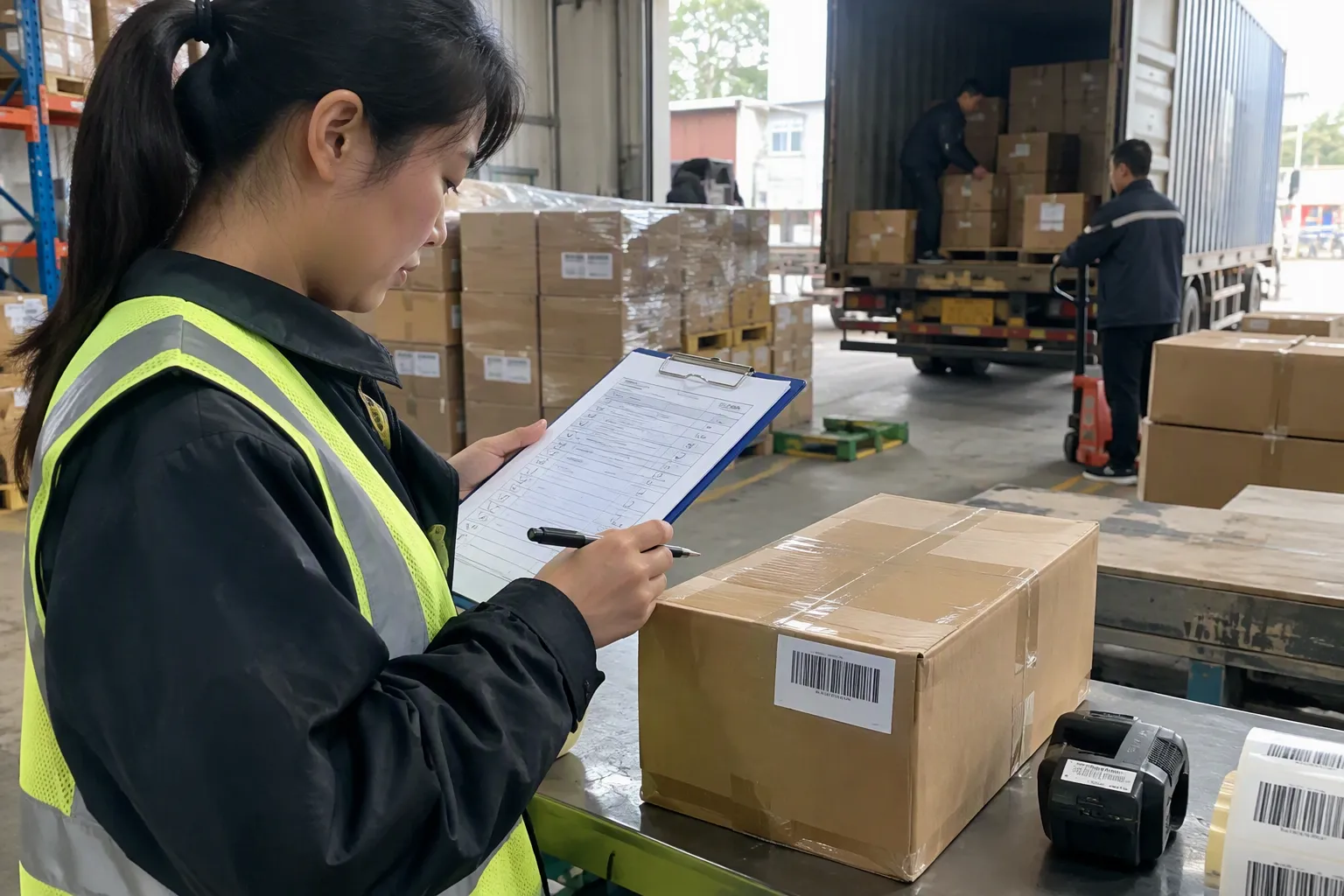
The third stage is a pre-shipment document review. This review cannot guarantee that cargo will avoid detention or be released by CBP. It can, however, identify basic gaps while the factory, goods, and production records are still accessible.
A practical pre-shipment review asks whether the documents tell one consistent story.
Check for consistency across the file
The following items should generally align:
| Record | Key details to compare |
|---|---|
| Purchase order | Product, quantity, supplier, agreed specification |
| Bill of materials | Key inputs and approved sources |
| Production record | Production dates, quantities, factory location |
| Quality inspection record | Product model, batch, quantity, inspection date |
| Commercial invoice | Seller, buyer, product description, quantity, value |
| Packing list | Carton count, net/gross weight, quantity |
| Shipping documents | Consignee, shipment date, container or airway reference |
| Origin-related records | Material and production information connected to the order |
A mismatch is not always evidence of a serious issue. Small differences can result from partial shipments, rework, replacement units, revised packaging, or clerical errors. However, unexplained differences should be resolved before shipment where possible.
For example, if the production report shows 8,000 units but the invoice shows 10,000 units, the buyer should ask why. If the factory name on the export document differs from the factory name used during supplier approval, the buyer should understand whether a trading company is involved. If the bill of materials lists one supplier but the material invoice identifies another, the buyer should request clarification and retain the explanation.
Do Not Treat a Detention as the Beginning of the Process
If a shipment is detained, the importer may face a tight timeline and a difficult documentation exercise. The factory may be busy with new orders. An upstream supplier may be unwilling to share information. Personnel may have changed. Relevant documents may be incomplete, inaccessible, or inconsistent.
This is why post-detention document collection is usually more difficult than pre-shipment recordkeeping.
Importers should have a response plan, but they should not rely on a response plan as their main UFLPA compliance strategy. A sensible plan may include:
- Identifying the internal owner for detention communications
- Maintaining contact details for suppliers and logistics partners
- Keeping order files accessible by SKU and shipment
- Knowing which customs broker and legal advisers to contact
- Establishing a process for preserving original records
- Avoiding rushed, unsupported statements from suppliers
- Reviewing official CBP notices and instructions promptly
Importers should work with qualified customs counsel, customs brokers, or other appropriate professionals for legal interpretation, submission strategy, and communication with U.S. authorities. A sourcing company can support the factual procurement side, but it should not replace professional customs or legal guidance.
Make UFLPA Compliance Part of Supplier Selection
The most useful long-term change is to include documentation capability in supplier scorecards. Buyers already compare unit prices, MOQs, lead times, sample quality, payment terms, communication speed, and defect rates. Documentation readiness should be another measurable factor.
A simple supplier scorecard can include:
| Evaluation area | Example review point |
|---|---|
| Product capability | Can the factory meet the required specification? |
| Quality control | Does the factory have clear inspection and corrective-action processes? |
| Commercial terms | Are quotations transparent and stable? |
| Communication | Does the supplier answer questions clearly and promptly? |
| Traceability | Can the supplier identify key materials and production records? |
| Change control | Will the supplier notify the buyer before substitutions? |
| Document retention | Can the supplier retrieve order-related records later? |
| Supply-chain transparency | Does the supplier disclose upstream sources and subcontractors where needed? |
This approach can also improve general procurement quality. A supplier that keeps organized incoming-material records, production records, and shipment records is often easier to manage for quality investigations, warranty claims, product recalls, and customer audits.
UFLPA compliance should therefore not sit in a separate folder that nobody reviews until cargo is delayed. It should be connected to the wider procurement system.
Frequently Asked Questions
Is a supplier declaration enough for UFLPA compliance?
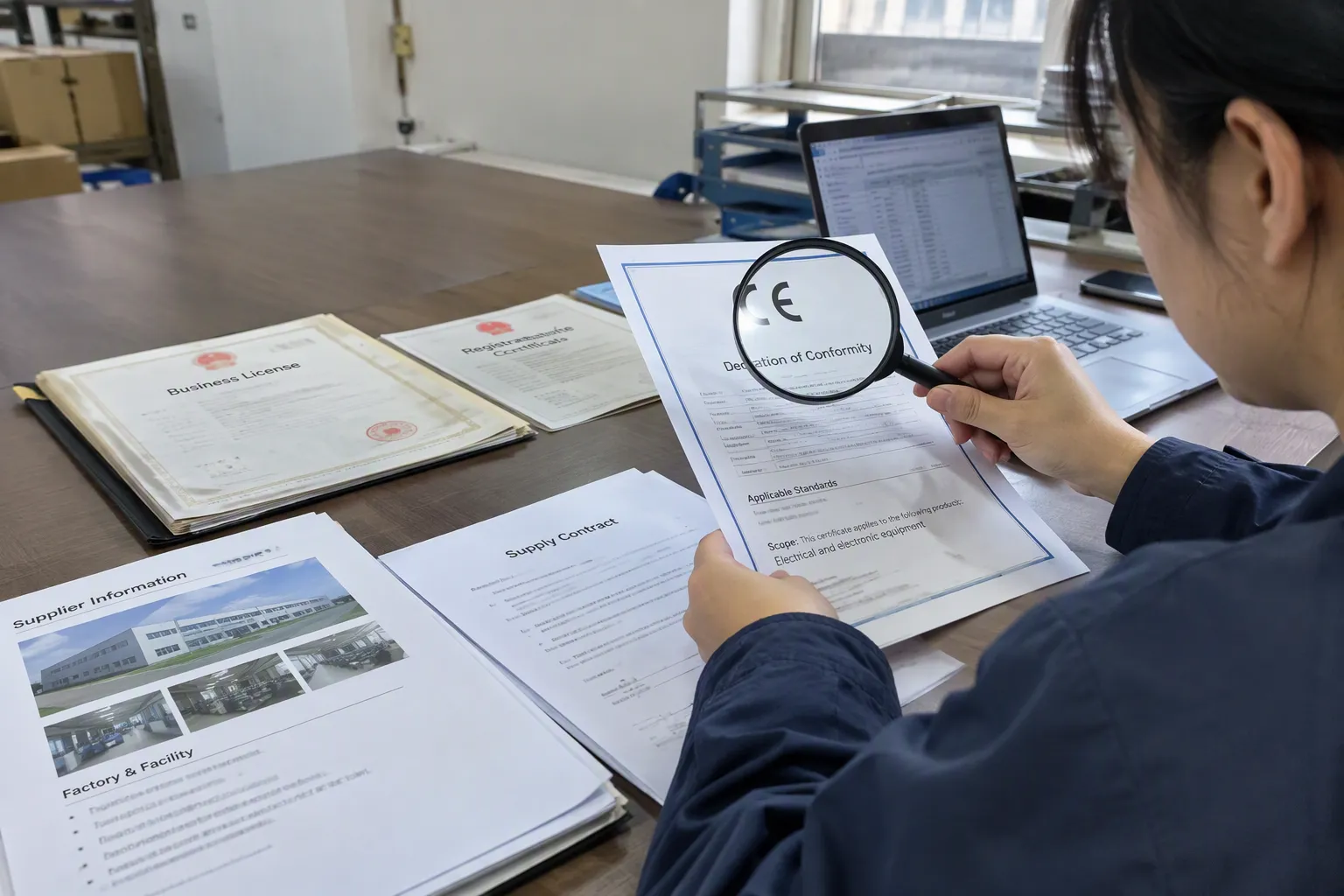
No. A supplier declaration can be a supporting document, but it is not proof by itself. Importers should seek connected records that support material sourcing, production activity, batch information, supplier relationships, and shipment details. The appropriate evidence depends on the product and should be reviewed with qualified customs or legal professionals.
When should importers start collecting UFLPA compliance documents?
Importers should start before placing a purchase order. Supplier screening is the best time to determine whether a factory can identify key materials, retain production records, and disclose relevant upstream suppliers. Waiting until shipment creates unnecessary pressure and may leave important gaps unresolved.
Can a sourcing agent guarantee that CBP will release a shipment?
No. A sourcing agent cannot guarantee that CBP will not detain cargo or that a shipment will be released. We can assist with supplier verification, document collection, production follow-up, and file organization, but CBP enforcement decisions and legal compliance assessments require appropriate official and professional guidance.
What documents should a China factory retain for UFLPA compliance?
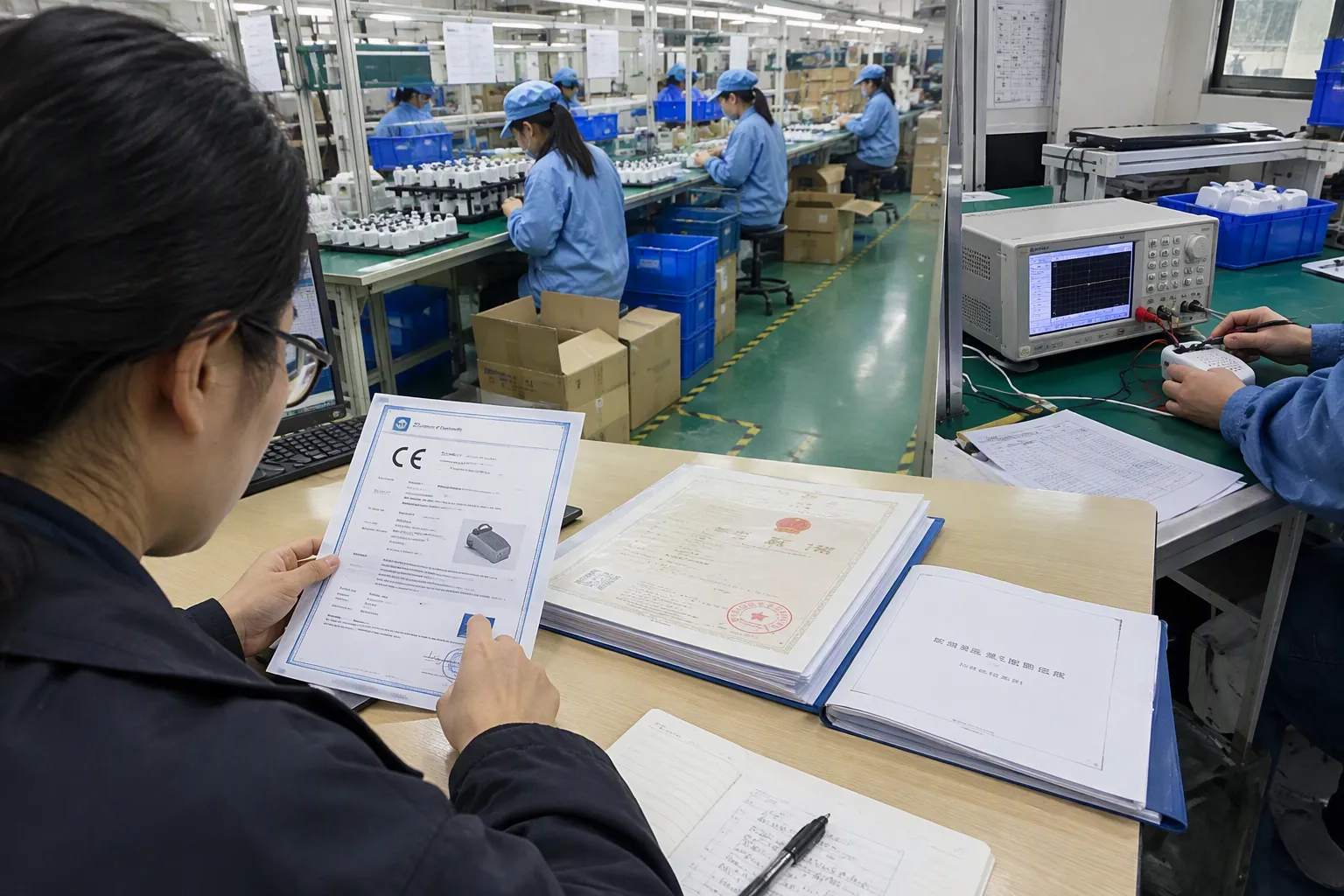
Relevant records may include purchase orders, material invoices, receiving records, bills of materials, production work orders, batch records, inspection reports, packing lists, and shipping documents. The required scope varies by product and risk profile. Buyers should ask qualified advisers about their specific import situation.
What should I do if my supplier cannot provide upstream material information?
You should treat the gap as a supplier-selection risk before issuing the order. Ask what information the supplier can obtain, how long it will take, and whether the supply chain can be mapped further. If the risk is material, seek professional advice and consider alternative materials, suppliers, or sourcing arrangements.
Conclusion
UFLPA compliance is most manageable when it becomes part of normal procurement control rather than a last-minute request for paperwork. I recommend screening supplier transparency before ordering, preserving material and production records during manufacturing, and reviewing the document chain before shipment. No process can guarantee that CBP will not detain cargo, but early documentation work can reduce avoidable gaps. If you source from China, KingSourcing can help you organize supplier information, collect procurement documents, and build a more controlled purchasing workflow before goods leave the factory.
Sources
- FAQs: Uyghur Forced Labor Prevention Act (UFLPA) Enforcement", U.S. Customs and Border Protection explains that importers responding to UFLPA enforcement actions may need documentation tracing goods and their inputs through the supply chain
- [PDF] CBP Forced Labor Enforcement Operational Guidance for Importers", CBP's UFLPA Operational Guidance identifies supply-chain tracing, due diligence, and evidence of production inputs as relevant elements of an importer's response to UFLPA enforcement
- [PDF] CBP Forced Labor Enforcement Operational Guidance for Importers", CBP guidance describes declarations as part of a broader evidentiary submission and emphasizes corroborating records that trace materials, production, and transactions
- OECD Due Diligence Guidance for Responsible Supply ...", OECD due-diligence guidance treats ongoing information collection and traceability as integral to identifying and managing risks in complex supply chains
- Understanding responsible business conduct and traceability", International supply-chain due-diligence guidance recognizes that final manufacturers are commonly connected to multiple upstream tiers of material and component suppliers
- FAQs: Uyghur Forced Labor Prevention Act (UFLPA) Enforcement", U.S. government UFLPA materials identify sectoral, product, and supply-chain risk factors that inform enforcement priorities and importer due diligence
- FAQs: Uyghur Forced Labor Prevention Act (UFLPA) Enforcement", CBP's UFLPA guidance describes supply-chain tracing through records that connect inputs, transactions, production activities, and the imported merchandise
- [PDF] Supply Chain Traceability Principles", Traceability standards and due-diligence frameworks emphasize recording the origin, handling, and transformation of inputs so that materials and finished products can be traced across supply-chain stages