How a China Sourcing Partner Helps You Reduce Returns
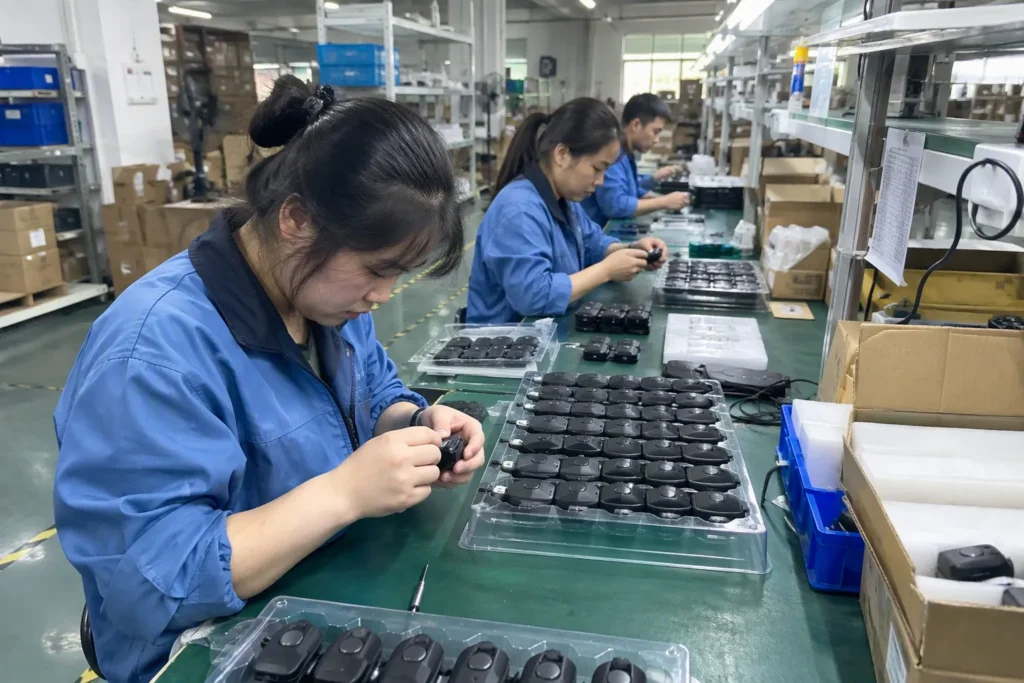
Quick Answer A China sourcing partner can help reduce returns when product expectations break down between your listing, your supplier, and your customer. Returns can quickly consume margin, damage reviews, and create dead inventory.[1] We help buyers turn vague expectations into approved samples, measurable requirements, and practical pre-shipment checks. **A China sourcing partner cannot eliminate […]
How a China Sourcing Partner Helps You Save Time
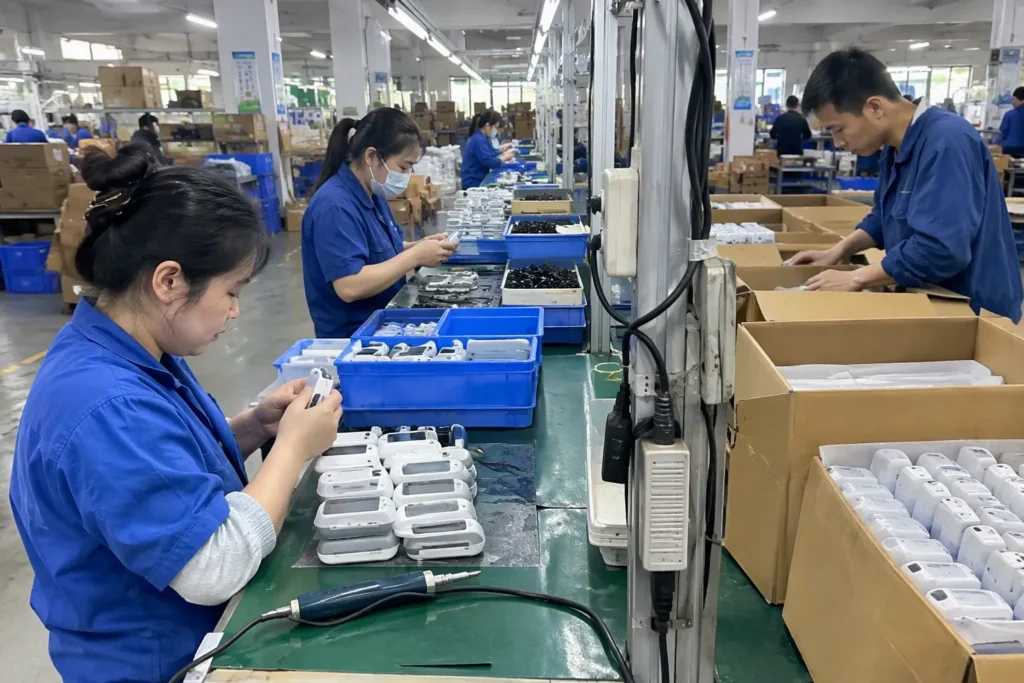
Quick Answer A China sourcing partner can save time when overseas buyers are buried in supplier messages, quotation questions, sample revisions, and production updates. The problem is rarely just finding a factory. The real strain comes from managing many moving parts across time zones.[1] A local partner can help organize that work. A China sourcing […]
How to Reduce Copycat Risk When Developing Products in China
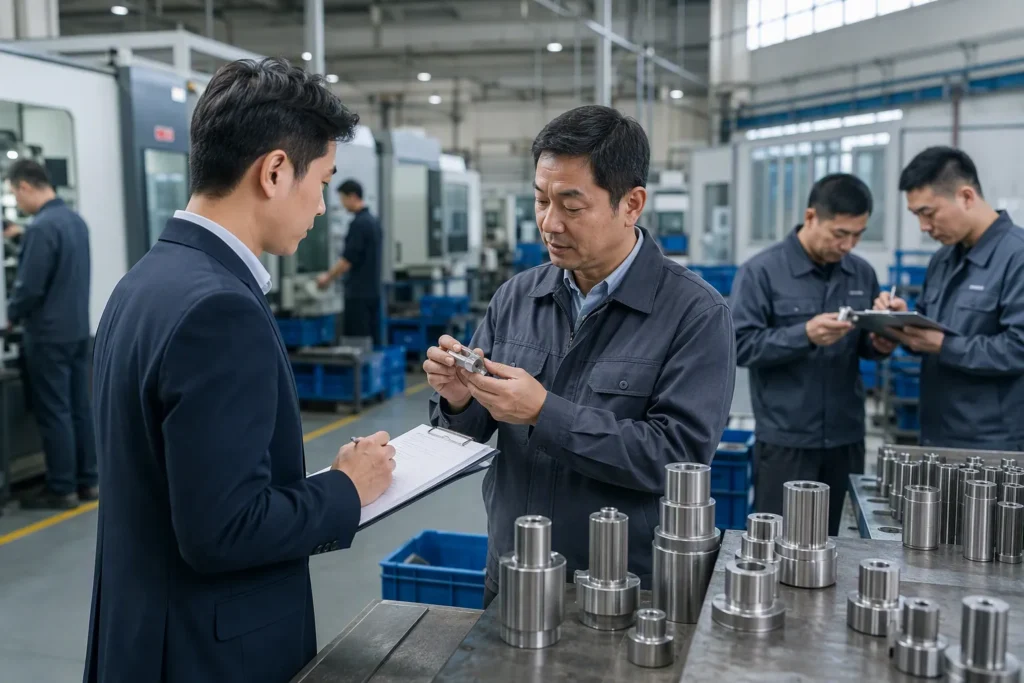
Quick Answer Copycat risk is a real concern when I help private-label sellers and DTC brands develop products in China. Buyers often need to share drawings, samples, packaging concepts, and commercial plans before they feel fully confident in a supplier. That exposure can feel uncomfortable, especially when a product idea is central to a new […]
How to Compare Factory Quotations from China
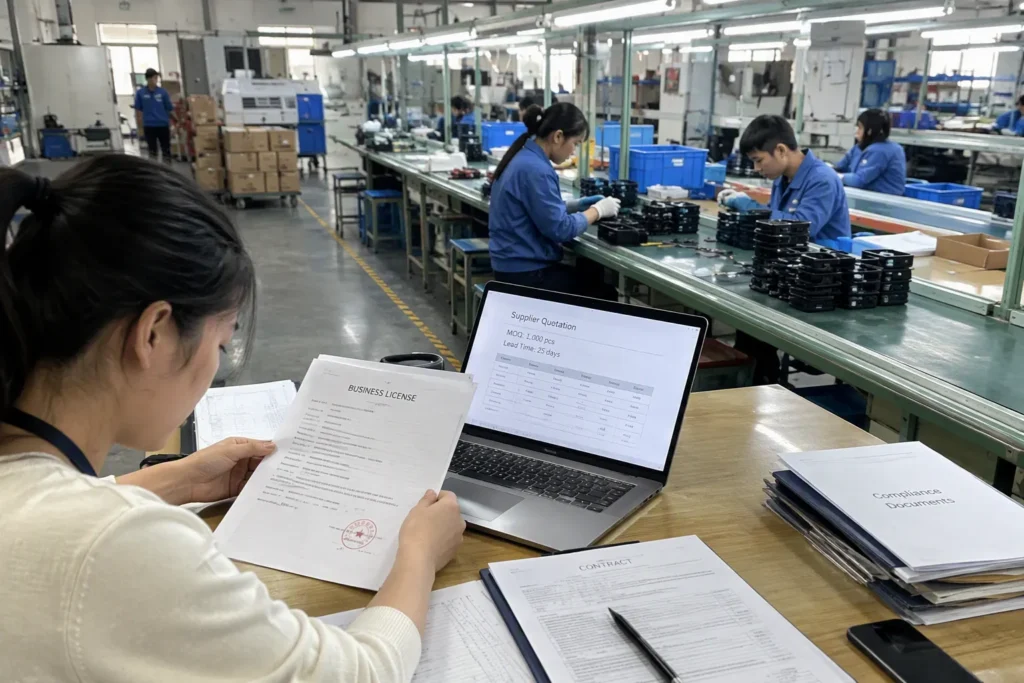
Quick Answer When I help buyers compare factory quotations from China, the biggest problem is rarely the number on the last line. The real risk is accepting a low price before checking what that price actually covers. I solve this by aligning specifications, commercial terms, and supplier assumptions before any factory is ranked. To compare […]
How to Compare Sample Quality and Bulk Production Quality
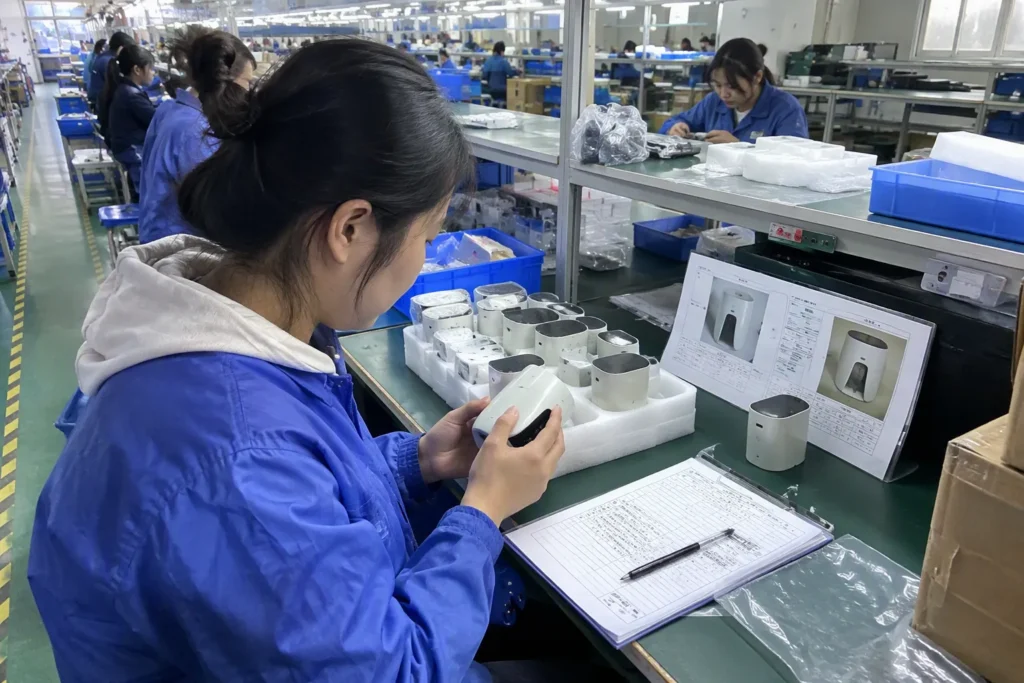
Quick Answer Sample quality and bulk production quality are often treated as the same thing, but they are not. An approved sample can look excellent while the finished order shows color shifts, loose assembly, inconsistent sizing, weak packaging, or functional variation. The practical solution is to turn the approved sample into a written, measurable production […]
How to Compare Supplier Samples Professionally
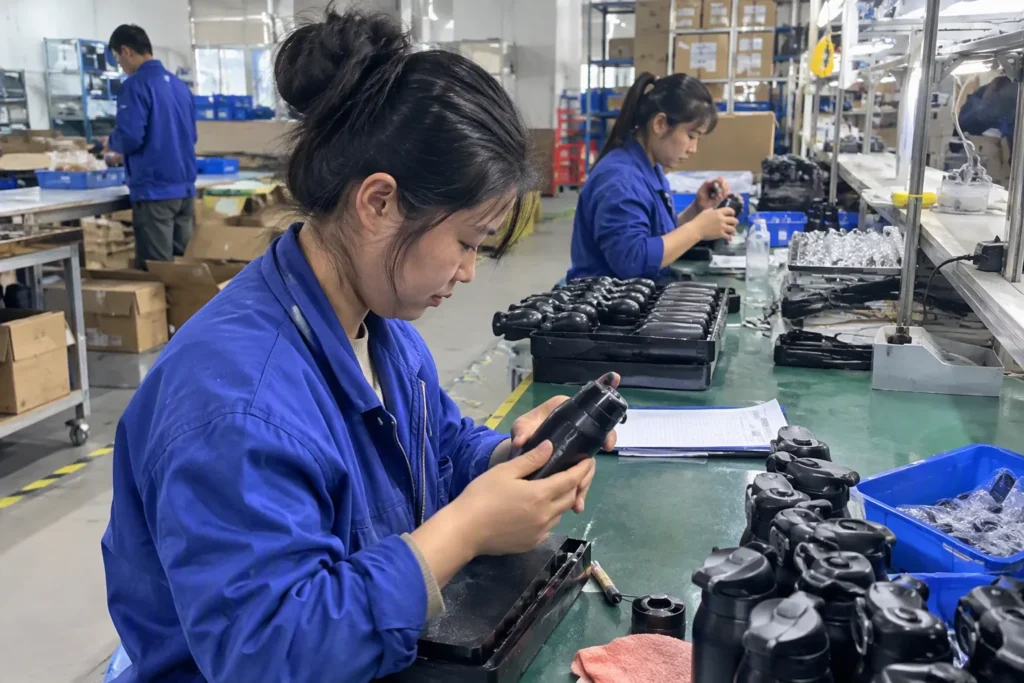
Quick Answer When I help buyers compare supplier samples, I often see the same problem: every sample looks acceptable in a different way, but none is being judged against the same standard. That makes supplier selection subjective, costly, and risky. A professional comparison process turns samples into evidence for a safer sourcing decision. To compare […]
How to Standardize Product Specs Across Multiple Suppliers

Quick Answer When I help buyers request quotations from several factories, I often see the same problem: each supplier appears to quote the same product, but each one has interpreted the brief differently. This makes price comparison unreliable.[1] To standardize product specs, buyers need one shared, line-by-line requirement sheet before they send an RFQ. **To […]
When a Trading Company Is Better Than a Factory in China
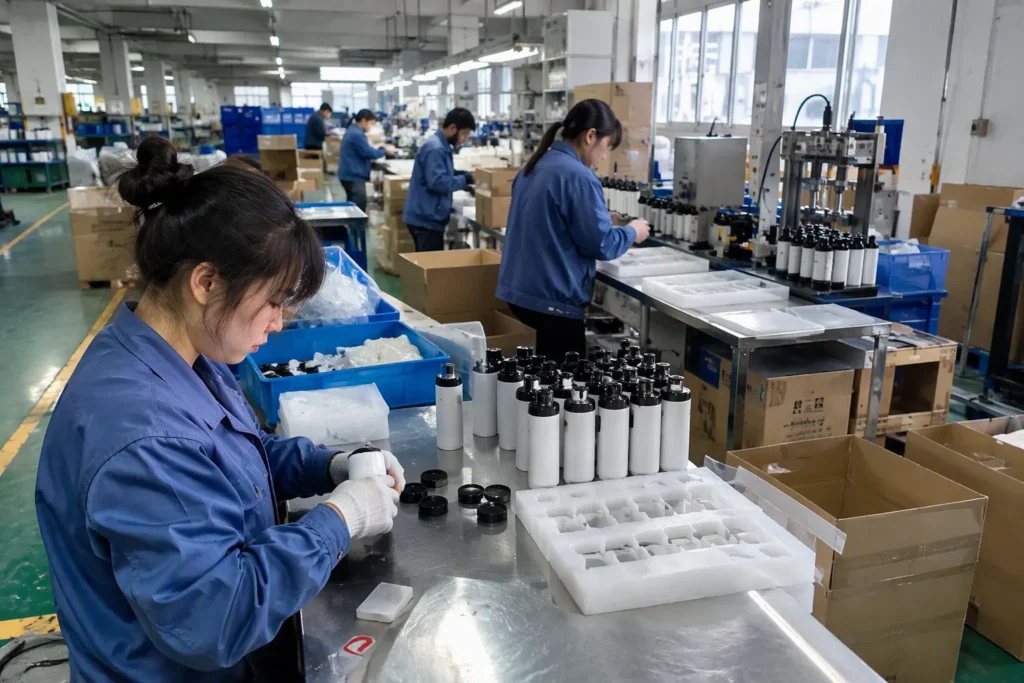
Quick Answer A trading company can be the better sourcing option when I need to manage multiple products, suppliers, packaging requirements, and delivery deadlines from China. A factory-direct quote may look cheaper at first, but the hidden workload of coordinating several factories can quickly increase cost, delay shipments, and create quality-control gaps[1]. **A trading company […]
How to Compare a Small Factory and a Large Factory in China
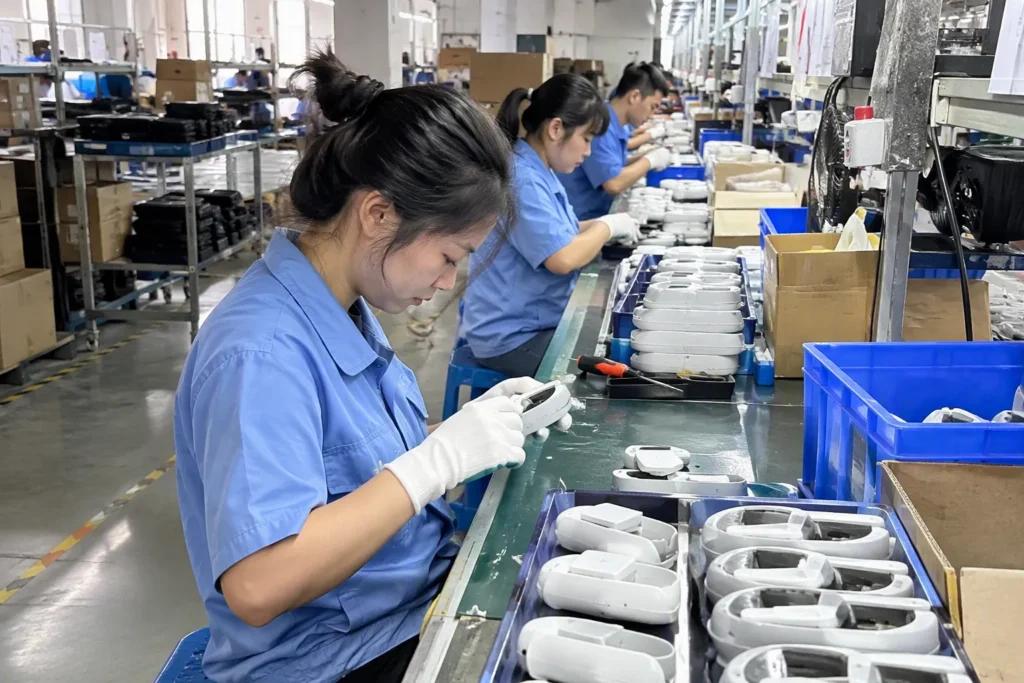
Quick Answer A small factory vs large factory in China decision can feel risky when you are buying from overseas. A bigger supplier may look safer, while a smaller one may promise more attention. The real problem is that factory size alone rarely tells you whether a supplier fits your product, order stage, or execution […]
How to Compare Product Profit Margins Before Sourcing from China
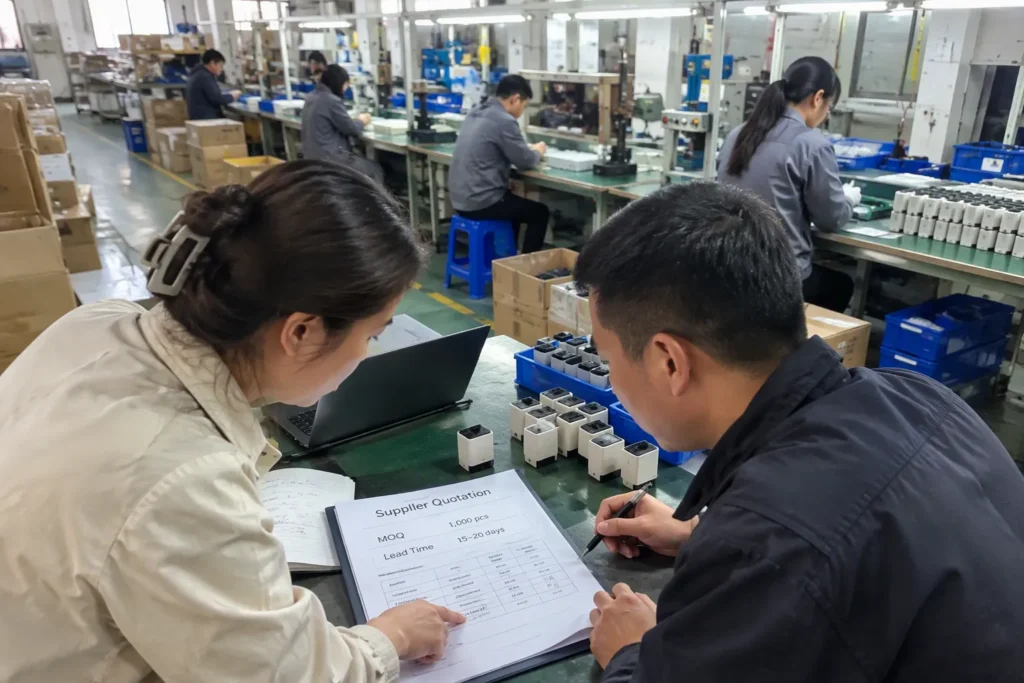
Quick Answer Product profit margins can look attractive when I first see a low factory quote from China. The problem is that a low unit price rarely shows the full cost of getting a finished product into a customer’s hands[1]. If I ignore packaging, freight, duties, fulfillment, and selling costs, I can source a product […]