 Skip to content

Quick Answer
China sourcing for ecommerce sellers can become difficult when a small test order turns into regular replenishment. A low quote may hide different materials, packaging, or service terms[1], while a successful sample may not predict repeat-production quality[2]. I help buyers reduce these gaps by comparing equivalent offers, verifying suppliers, and adding practical controls before volume increases.
Ecommerce sellers can scale China sourcing more safely by comparing equivalent supplier quotations, verifying factory capability, documenting product specifications, and checking production against an approved sample. A sample should confirm the product concept, not guarantee mass-production consistency[3]. Before increasing order volume, buyers should establish clear quality standards, lead-time expectations, packaging details, inspection points, and communication responsibilities.
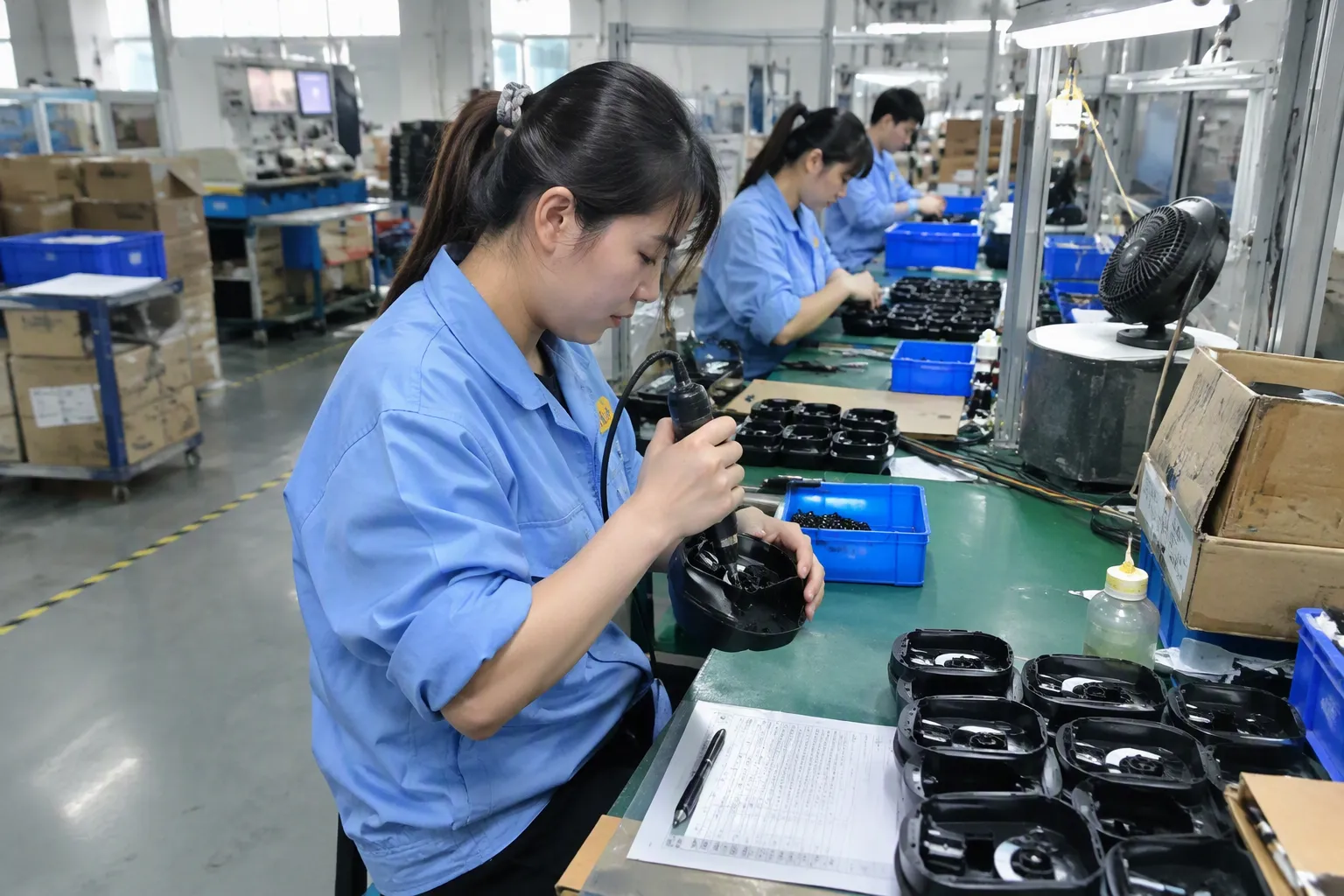
The decision to place a larger order should not depend on unit price alone. I usually look at the whole purchasing system: who will make the product, what exactly the quotation includes, how changes will be approved, and how the buyer will discover problems before shipment. These details become more important as an ecommerce business adds SKUs, suppliers, and replenishment orders.
China Sourcing for Ecommerce Sellers: How Can You Scale Safely
Many ecommerce sellers reach a point where manual sourcing becomes difficult. They may have several supplier conversations, changing quotations, uncertain samples, and customers waiting for replenishment. If the seller increases volume without improving the process, a small purchasing mistake can affect inventory, reviews, cash flow, and delivery schedules[4].
I approach this stage as a comparability and control problem. The buyer needs to know whether supplier offers are genuinely equivalent[5] and whether the supplier can repeat the approved result at a larger quantity.
China sourcing for ecommerce sellers becomes safer when the buyer compares complete offers, checks supplier capability, confirms specifications in writing, follows production, and uses inspection or other qualified quality-control steps suited to the product.
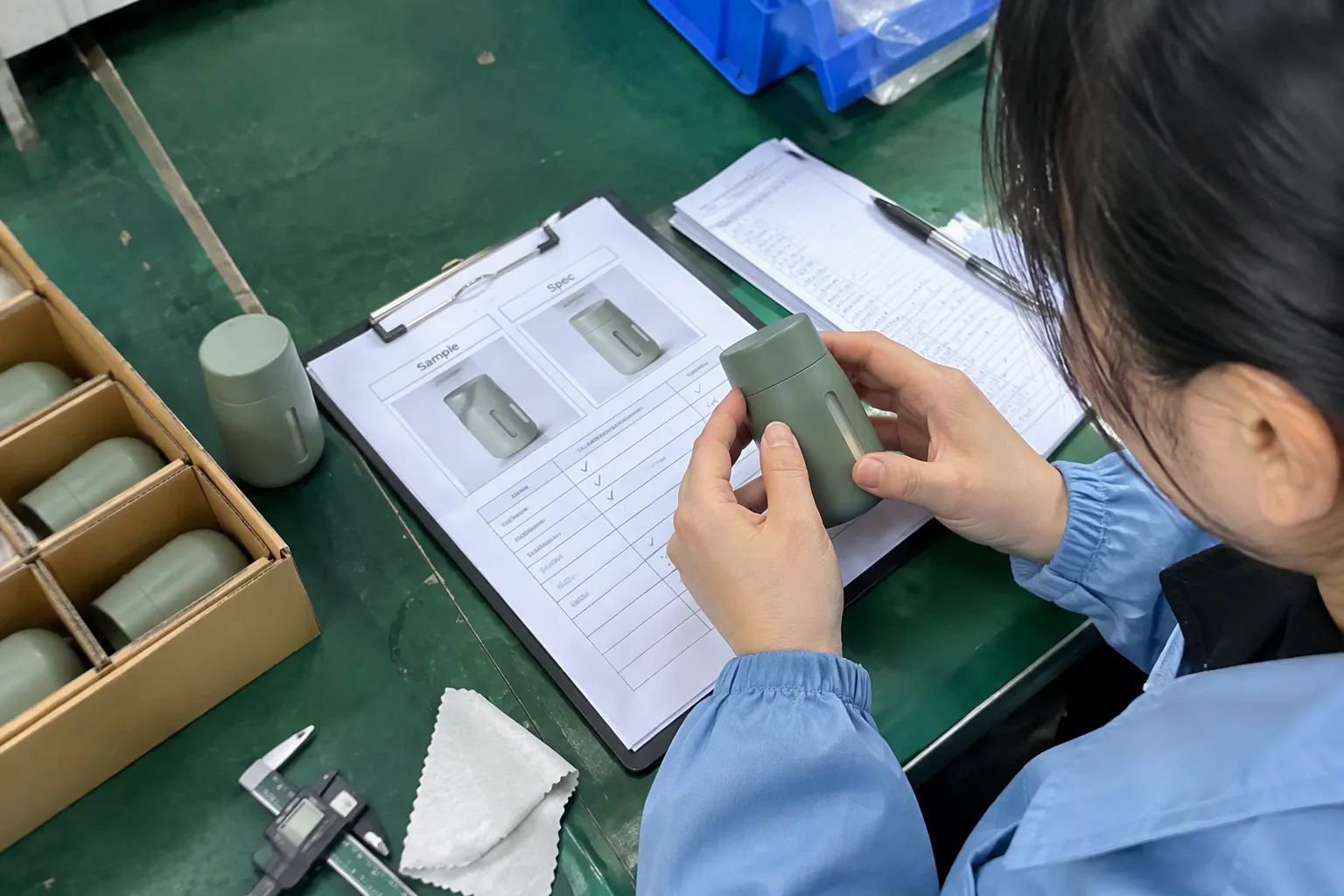
Why the Lowest Quote Is Often Not the Lowest Cost
I have seen an anonymized sourcing scenario where several suppliers appeared to offer the same product. One quotation looked clearly cheaper than the others. At first glance, the difference seemed large enough to make the decision easy.
After we compared the offers line by line, the products and services were not equivalent. The lower quotation used a different specification, excluded part of the packaging, and did not include some services that the other suppliers had listed. The price was not necessarily wrong. It was simply answering a different purchasing brief.
This distinction matters because buyers often compare only the unit-price column. A useful supplier comparison should include at least:
- Product dimensions and tolerances where relevant
- Materials, components, color, finish, and function
- Logo method and artwork requirements
- Individual packaging and outer-carton packaging
- Accessories, manuals, labels, and inserts
- Minimum order quantity and price breaks
- Tooling, mold, sampling, and development costs
- Production lead time and sample lead time
- Inspection arrangements and quality expectations
- Incoterms, shipping assumptions, and excluded costs
- Payment terms and quotation validity
- Supplier communication and after-sales responsibilities
I recommend creating one purchasing specification before collecting final quotations. The document does not need to be complex. It needs to be precise enough that each supplier is pricing the same request.
| Comparison area | Questions I ask |
|---|---|
| Product | Are all suppliers quoting the same model, material, size, and function? |
| Customization | Does the quote include the same logo, color, artwork, and development work? |
| Packaging | Are the retail box, barcode label, inserts, and master cartons included? |
| Quantity | Is the MOQ suitable for a test order, repeat order, or both? |
| Timing | Does the lead time start after deposit, artwork approval, or sample approval? |
| Quality | What will be checked, and who will record the result? |
| Shipping | Are freight, duties, local charges, and delivery services treated consistently? |
This process can change the apparent ranking of suppliers. A supplier with a higher unit price may offer a more complete package or reduce later coordination work. Another supplier may remain the best choice after comparison, but the decision will be based on clearer information.
Verify Capability Before Increasing Order Volume
A supplier may be able to produce a sample without having a strong system for repeat production. The sample could receive close attention from a sales representative or factory supervisor. A larger order may involve different workers, incoming materials, production scheduling, and subcontracted processes[6].
I do not treat supplier verification as a guarantee. It is a way to understand capability and identify questions before committing more money or inventory.
For a prospective supplier, I normally want to understand:
-
What does the company actually produce?
I check whether the supplier’s product range and process experience match the buyer’s requirements. A broad catalog does not prove capability for every item. -
Which processes are handled internally?
The supplier may outsource printing, assembly, coating, packaging, or other steps. Outsourcing is not automatically a problem[7], but the buyer should know where responsibility sits. -
What is the supplier’s relevant order experience?
I distinguish between general export experience and experience with the exact product category, customization, packaging, and order pattern. -
How does the supplier manage changes?
I ask how the supplier records approved artwork, revised dimensions, material changes, and sample comments. Informal messages can create confusion later. -
Can the supplier explain production timing?
A realistic schedule should identify major stages instead of offering a vague promise to ship quickly. -
Will the supplier support inspection and corrective action?
The answer should be discussed before production, not after a dispute.
Depending on the product and order value, verification may involve business-document checks, factory-visit arrangements, production capability questions, reference discussions where available, and sample evaluation. Buyers should also verify any certificates, test reports, or compliance documents directly and obtain qualified advice for their destination market. I do not regard a document alone as proof that every shipment will meet the buyer’s requirements.
Use the Sample as a Checkpoint, Not a Guarantee
A sample is valuable because it gives the buyer something concrete to evaluate. It can reveal whether the product concept works, whether the packaging is practical, and whether the supplier understands the brief. It can also expose problems that were not obvious in photographs or written quotations.
However, a sample does not prove that every unit in a production run will be identical. The sample may be handmade, selected carefully, or produced under conditions that differ from normal production. For this reason, I treat sample approval as one checkpoint in a larger process.
Before approving a sample, I encourage the buyer to record:
- Exact product specifications
- Materials and component descriptions
- Approved color references or artwork files
- Dimensions, weight, and visible finish
- Functional requirements relevant to the product
- Packaging construction and labeling
- Included accessories and instructions
- Acceptable and unacceptable defects
- Photos or video of important details
- Revision numbers and approval dates
The buyer should keep a retained reference sample when practical. The supplier should receive the same approved information. If the product has safety, electrical, children’s, cosmetic, food-contact, or other regulated characteristics, the buyer should seek appropriate professional testing and compliance guidance. A general visual inspection cannot replace specialized evaluation.
I often find that disagreements start with words such as “premium,” “strong,” “large,” or “high quality.” These terms may sound clear but can mean different things to different parties. A written description, drawing, approved artwork, or measurable requirement is usually more useful[8].
Build Production Controls Before the First Large Reorder
The right controls depend on the product, quantity, risk, and buyer’s resources. A small low-risk item may need a simpler process than a complex electronic product or a customized item with several components.
A practical purchasing workflow can include the following stages:
1. Confirm the purchase order
The purchase order should identify the supplier, product version, quantity, unit price, packaging, delivery terms, payment schedule, and required ship date. It should refer to the approved sample and specification documents.
2. Confirm materials and artwork
The buyer should approve the final artwork, labeling, barcodes, inserts, and packaging files before production. I recommend using file names or revision numbers so that an old design is less likely to enter production.
3. Follow the production schedule
The buyer should ask for updates at agreed milestones. Useful milestones can include material readiness, production start, assembly, packaging, and completion. The purpose is not to request constant messages. The purpose is to identify delays while options still exist.
4. Inspect at a suitable point
An inspection may take place before production, during production, or after completion. The correct timing depends on the product and the risk. An early check may identify material or assembly issues. A final check may confirm quantity, appearance, packaging, and basic functionality before shipment.
5. Record findings and corrective action
If an issue appears, the buyer should describe it clearly with photos, quantities, and the relevant specification. The supplier should confirm the proposed correction and timing. A written record helps both sides avoid relying on different versions of a conversation.
6. Review the result after delivery
The buyer should track customer complaints, returns, missing accessories, packaging damage, and product variation. This information can improve the next purchase order. It can also show whether the problem came from the product, packaging, shipping, or customer instructions.
These steps do not eliminate risk. They make risk more visible and give the buyer more opportunities to respond.
Manage Multiple SKUs and Suppliers Without Losing Control
Ecommerce growth often creates operational complexity before it creates large purchasing power. A seller may add colors, sizes, bundles, seasonal versions, and private-label packaging. Each variation creates another chance for an artwork, component, or packaging error.
I suggest using a simple SKU control sheet with fields such as:
- Internal SKU and supplier model number
- Product version and revision date
- Approved supplier
- Approved sample reference
- Packaging version
- Required accessories
- MOQ and standard reorder quantity
- Typical production lead time
- Inspection requirements
- Carton information
- Open issues and corrective actions
A central record is especially useful when several factories are involved. It helps the buyer identify which supplier owns each component and which orders can be consolidated. In China, a sourcing partner may also coordinate communication among factories, arrange warehouse receiving, check quantities, and combine shipments. These services can reduce handling work, but the buyer should still define responsibilities and review records.
I have found that supplier consolidation is not always the same as supplier reduction. One factory may be strong in a particular product, while another may offer better packaging or a different production process. The buyer should compare the benefits of fewer suppliers with the risks of relying too heavily on one source.
A useful review asks:
- Does each supplier have a clear role?
- Are specifications consistent across suppliers?
- Can the buyer identify the source of each SKU?
- Are different factories using compatible packaging and labels?
- Would one delay affect the whole product range?
- Are shipping and consolidation costs being compared fairly?
- Does the buyer have a backup option for important products?
Know When the Business Is Ready to Scale
A buyer may be ready to increase order volume when the purchasing process is repeatable, not simply when sales are rising. I look for evidence that the supplier has met agreed requirements more than once or has provided enough production information for a qualified assessment.
The following checklist can support a scale-up discussion:
| Readiness area | Evidence to review |
|---|---|
| Product definition | Current specification, approved sample, and artwork revision |
| Supplier capability | Verification records and relevant production experience |
| Price | Comparable quotation with included and excluded costs |
| Quality | Defined inspection points and defect expectations |
| Delivery | Documented lead-time assumptions and production updates |
| Inventory | Forecast, reorder point, and cash-flow impact |
| Communication | Named contacts and escalation process |
| Logistics | Carton data, consolidation plan, and shipping options |
| Contingency | Response plan for delay, shortage, or nonconformance |
I would not use one fixed order multiplier for every business. The appropriate increase depends on demand confidence, product shelf life, available cash, storage, MOQ, supplier capacity, and the cost of a quality problem. A buyer of a stable, low-risk item may make a different decision from a buyer launching a regulated or technically complex product.
A staged increase can be more informative than a sudden jump. For example, the seller may place a repeat order with clearer controls, review the production result, and then decide whether the next order should be larger. This approach may not produce the lowest possible unit price immediately, but it can provide better information before the buyer commits more working capital.
Use a Total-Cost View
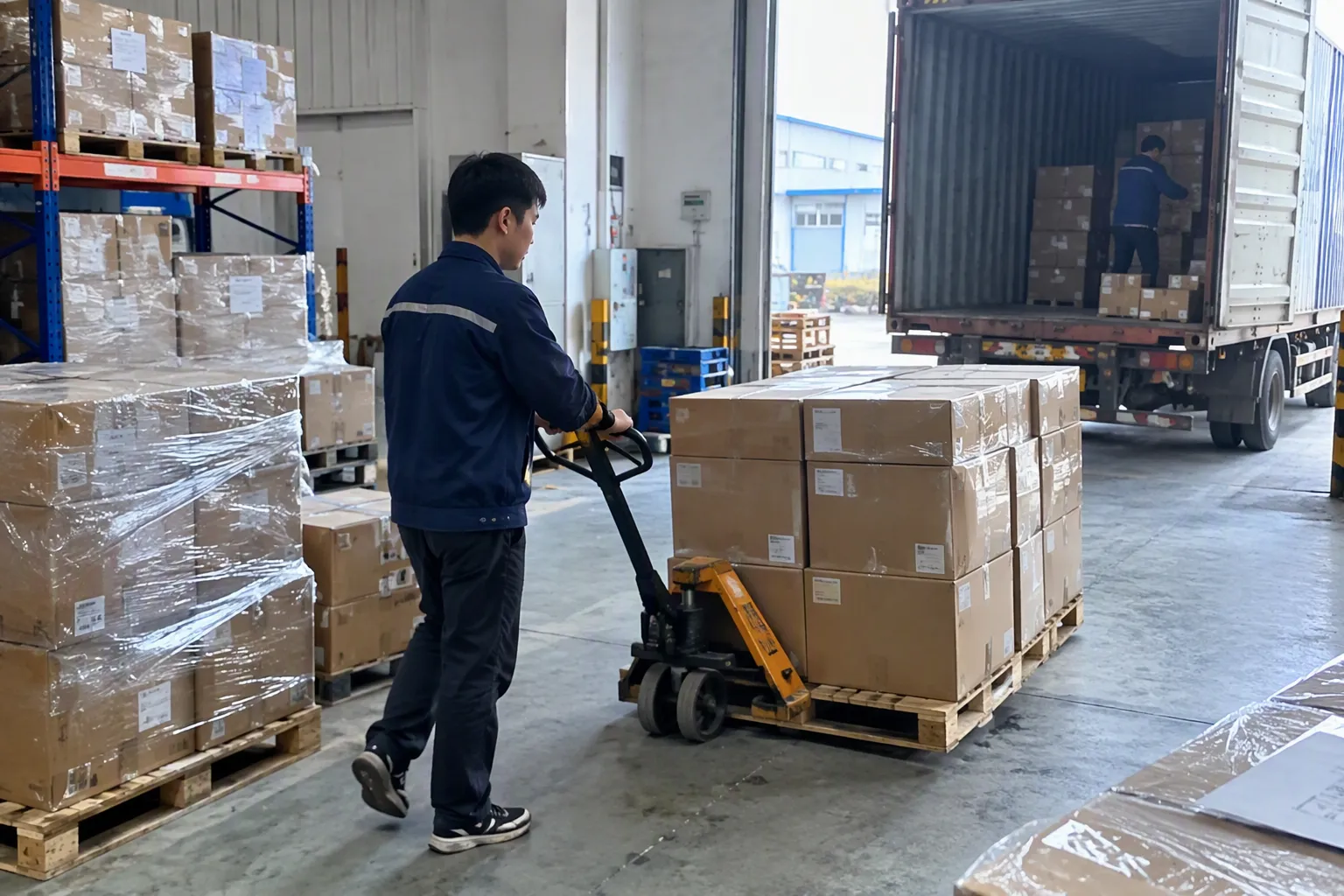
The quoted unit price is only one part of the purchasing decision. I encourage ecommerce sellers to consider the total landed and operating cost. This does not require perfect forecasting. It requires the buyer to include costs that could materially change the margin.
Possible cost categories include:
- Product and customization cost
- Sampling and development
- Packaging and labeling
- Inspection and rework
- Inland transport in China
- Warehousing and handling
- Consolidation across suppliers
- International freight
- Duties, taxes, and destination charges
- Payment and currency costs
- Returns, replacements, and customer support
- Inventory carrying cost
- Delays that affect advertising or sales availability
A supplier with a low quote may still be appropriate. The point is to test the quote against the same scope and realistic downstream costs. I have seen buyers save a small amount per unit while accepting packaging that was unsuitable for their sales channel. The later repacking, relabeling, or customer-service work changed the original calculation.
Decide What to Outsource
Some sellers manage supplier conversations directly. Others use a China sourcing company or procurement partner because they lack local staff, need factory access, or manage too many suppliers. Neither model is automatically right for every business.
I suggest evaluating the following before choosing support:
- Does the partner provide comparable written quotations?
- Can the partner explain how suppliers were verified?
- Are sample comments and purchase specifications documented?
- Does the partner distinguish factory claims from verified information?
- Are inspection findings shared clearly?
- Are service fees, supplier prices, and logistics costs transparent?
- Can the partner support small test orders as well as repeat purchasing?
- Does the partner manage consolidation, warehousing, and shipping when needed?
- Does the buyer retain approval over specifications and final decisions?
At KingSourcing, I work with overseas ecommerce sellers that may need supplier sourcing, sample development, production follow-up, quality inspection, packaging coordination, consolidation, or shipping support. I see our role as improving visibility and coordination, not promising that sourcing risk can disappear.
In one common arrangement, a seller starts with a small test order. If the product performs well, the next challenge is not just negotiating a lower price. The seller needs a stable specification, a supplier that can handle the required quantity, and a purchasing record that another team member can understand. That process becomes even more important when the business adds products from Shenzhen, Dongguan, Guangzhou, Foshan, Yiwu, Ningbo, or other manufacturing areas.
Ask Risk-Based Questions
I do not use the same checklist for every item. I ask more detailed questions when a problem could create a serious financial, legal, safety, or reputation consequence.
For a relatively simple consumer product, I may focus on dimensions, appearance, quantity, packaging, and shipment timing. For an electronic or customized product, I may need to discuss components, function, testing, labeling, packaging protection, and specialist evaluation. For products entering the United States, Europe, the UK, Australia, or another regulated market, the importer remains responsible for understanding applicable requirements and obtaining appropriate professional advice.
Before placing a larger order, I recommend asking:
- What is the most important product requirement?
- Which defect would create the greatest commercial problem?
- What has changed since the approved sample?
- Which materials or components could be substituted?
- What evidence shows that the supplier understands the current version?
- At what point can the buyer still correct an issue economically?
- What will happen if the inspection result is not acceptable?
- Which documents should the buyer verify independently?
- How will the supplier communicate a delay or change?
- What is the realistic backup plan?
These questions help buyers allocate time and budget where they matter most. They also create a better conversation with the supplier than repeatedly asking for the lowest price.
Frequently Asked Questions
Is China sourcing suitable for a small ecommerce seller?
China sourcing can suit a small ecommerce seller, but the order should match the seller’s demand, cash flow, storage capacity, and risk tolerance. I usually recommend starting with a clearly defined product brief and a manageable test order. The seller should evaluate samples, total costs, and supplier communication before making a larger commitment.
How many suppliers should an ecommerce seller compare?

There is no universal number. I prefer comparing enough qualified suppliers to understand the market without creating unnecessary confusion. The important point is that each supplier receives the same specification and quotation scope. Comparing several non-equivalent offers can produce a less reliable decision than comparing fewer, well-documented offers.
Does an approved sample guarantee consistent mass production?
No. An approved sample confirms what the buyer evaluated at a particular time. Repeat production may involve different materials, workers, batches, or production conditions. The buyer should connect sample approval with written specifications, production follow-up, and inspection or testing appropriate to the product.
When should an ecommerce seller use a China sourcing agent?
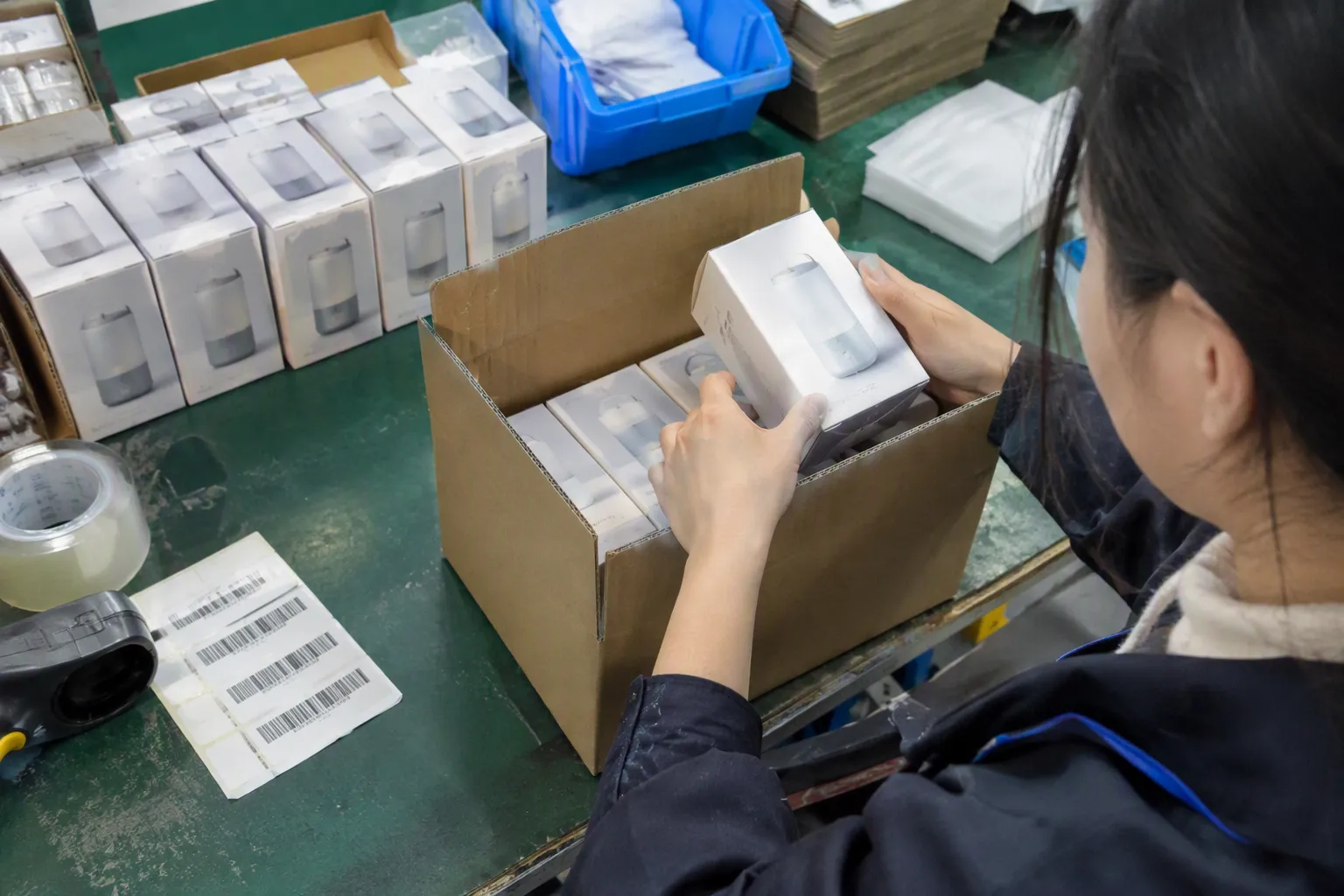
A seller may consider a sourcing agent when the business lacks local language or factory access, manages multiple suppliers, needs production follow-up, or requires consolidation and shipping coordination. I recommend checking the agent’s quotation transparency, verification process, quality-control records, and service responsibilities before engagement.
How can I compare Chinese supplier quotations fairly?
I start with one detailed specification and ask each supplier to quote the same product, customization, packaging, quantity, delivery terms, and service scope. I then separate included and excluded costs. This method helps the buyer compare total purchasing requirements instead of comparing unit prices that describe different products.
Conclusion
China sourcing for ecommerce sellers becomes more manageable when the business scales its controls along with its order volume. I recommend comparing equivalent quotations, verifying supplier capability, documenting the approved product, and checking production at suitable points. I also recommend reviewing total cost, SKU ownership, inventory exposure, and logistics before increasing a reorder. KingSourcing can help overseas sellers source and verify Chinese suppliers, manage samples and production, inspect goods, consolidate multi-supplier orders, and coordinate delivery. Contact us to discuss a practical sourcing plan for your next test order or repeat purchase.
Sources
- 3201 PR.02 Pricing Documentation Process | It's Your Yale", Procurement guidance generally treats bid comparability as dependent on consistent specifications, scope, and contract terms; this supports examining the contents of apparently cheaper quotations rather than interpreting a lower unit price as proof of lower total cost
- Statistical Process Monitoring for Autocorrelated Data - NIST", Quality-control literature distinguishes prototype or sample evaluation from control of a repeatable production process, because changes in inputs and process conditions can produce variation across production units
- Prototype vs Pre-Production Sample: Complete Guide", Quality-assurance principles support treating an approved sample as evidence about a defined reference item, while production consistency requires additional control of the manufacturing process and verification of output
- Reducing the Risk of Supply Chain Disruptions", Operations research describes procurement and supply disruptions as capable of propagating through inventory, fulfillment, financial, and customer-service measures, particularly when exposure increases with order volume
- MCC Procurement Guidance Note: Price-Reasonableness ...", Public procurement guidance defines meaningful bid comparison around common specifications, quantities, contractual terms, and stated evaluation criteria, supporting the need to establish equivalence before comparing prices
- Types of Manufacturing Processes | GTPE", Manufacturing scale-up can alter labor allocation, input batches, scheduling, and supplier or subcontractor involvement; these changes are recognized sources of process variation that require monitoring
- Outsourced Process Control Under ISO 9001: What You're ...", Quality-management frameworks permit externally provided processes when the purchasing organization establishes appropriate controls, supplier responsibilities, and verification of conforming outputs
- Untitled - National Institute of Standards and Technology - NIST", Requirements-engineering and quality-management guidance favors requirements that are explicit, measurable, and verifiable, because subjective descriptors alone provide an unreliable basis for acceptance decisions


