Quick Answer
China sourcing for outdoor and sports brands can become expensive when I compare factories before understanding how a product will be used. A low quotation may hide weak materials, unclear testing, poor production control, or packaging problems. I reduce that risk by connecting the use scenario, supplier capability, sample validation, and mass-production checks before I scale an order.
China sourcing for outdoor and sports brands works best as a risk-management process rather than a search for the lowest factory price. I first define the product’s operating conditions, then evaluate suppliers against the required materials, construction, customization, quality controls, and delivery process. I validate samples, document acceptance standards, and inspect production because a successful sample does not automatically prove consistent mass-production quality.
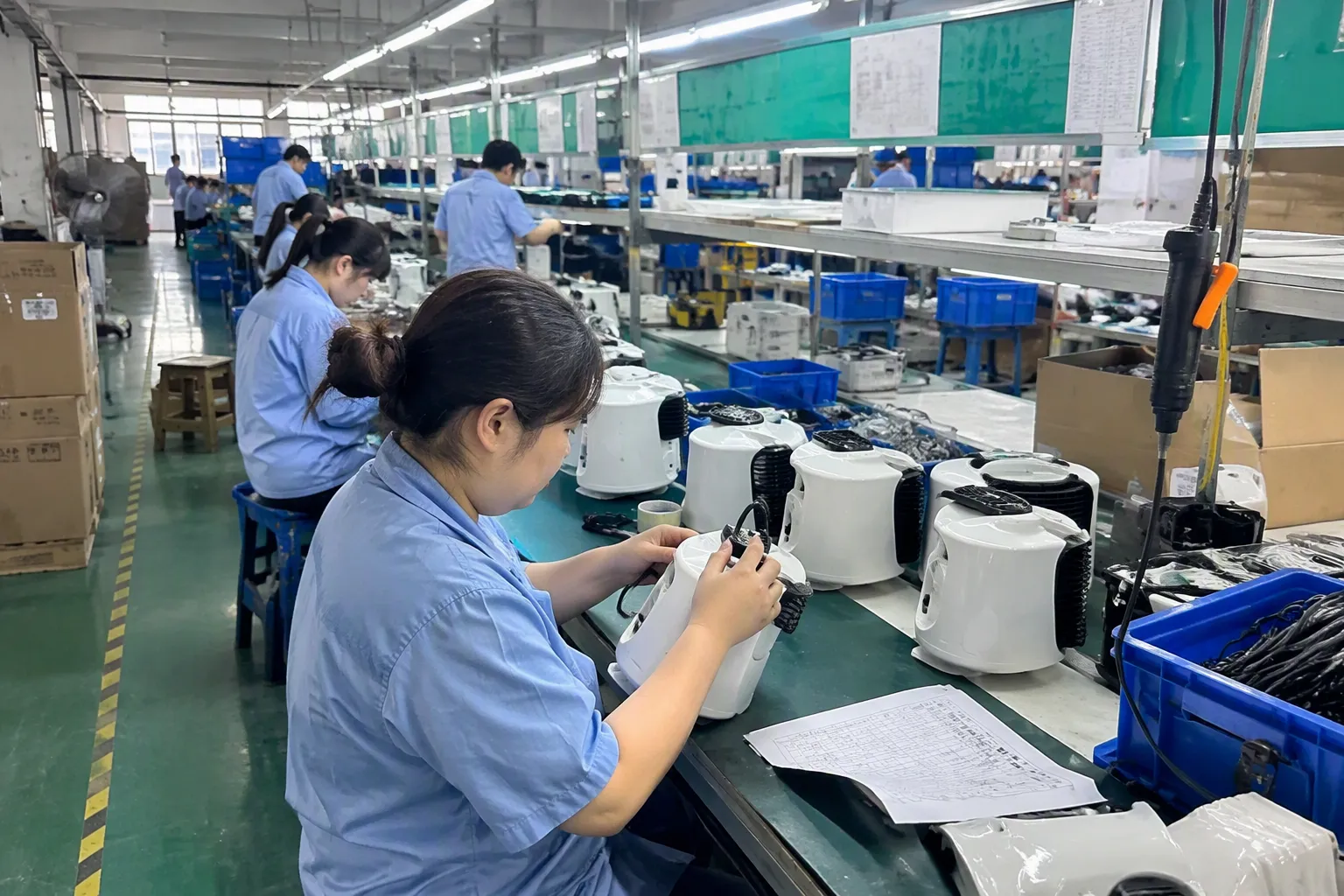
Many outdoor and sports products appear simple until I examine their actual use[1]. A bag, bottle, light, accessory, garment, or piece of training equipment may face moisture, abrasion, impact, heat, cold, repeated movement, or user-safety concerns. The right sourcing decision therefore depends on more than a product photograph and a unit quotation.
In this article, I explain how I approach these decisions. I focus on practical procurement questions: what the product must withstand, what the supplier can consistently produce, how I validate a sample, and how I compare the total risk of competing suppliers.
How Should I Approach China Sourcing for Outdoor and Sports Brands?
Outdoor and sports brands often start with a product concept, a target price, and a few reference images. That starting point can create problems if I send incomplete information to several factories and compare quotations that describe different products. I need to define the use case first, because the use case determines which specifications matter.
I approach China sourcing for outdoor and sports brands through four connected steps: I define operating conditions, verify supplier capability, validate the product against observable standards, and control consistency during production. I compare suppliers on execution risk and total procurement cost instead of selecting the lowest unit price.
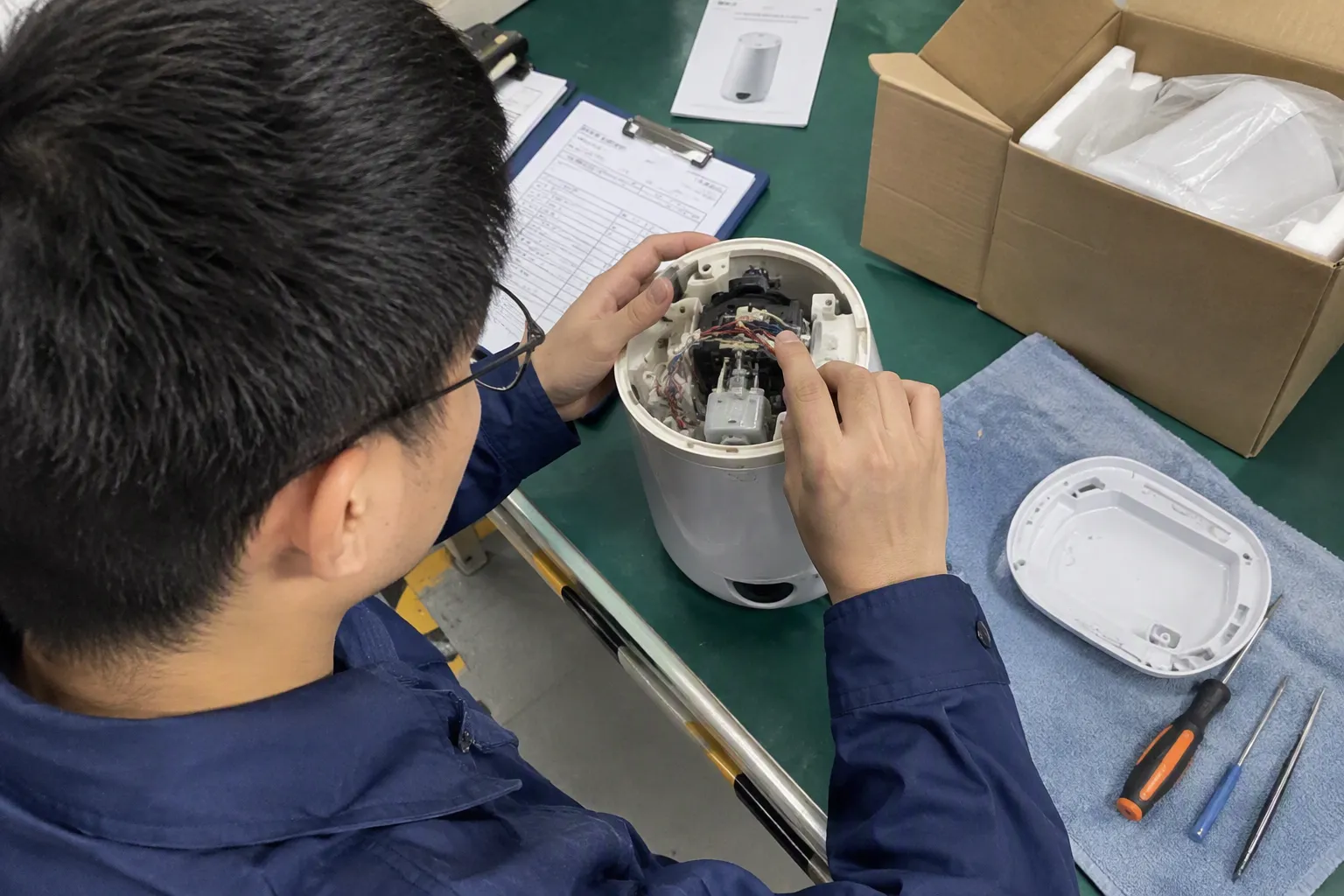
I start with the real operating conditions
I ask questions before I ask factories for prices. These questions help me turn a broad product idea into a procurement brief:
- Where will the product be used?
- Will users keep it indoors, outdoors, near water, or in changing weather?
- Will the product experience impact, friction, bending, compression, or repeated opening and closing?
- Does the product carry weight or protect another item?
- Will users hold it during exercise or depend on it for convenience or safety?
- What temperatures, moisture conditions, or storage conditions may affect it?
- Which parts require customization, and which parts may use an existing design?
- Does the product need special packaging, labeling, manuals, or inserts?
- Which market-specific documents or requirements must I verify before sale?
I do not treat these questions as engineering approval. I use them to identify what the buyer, product team, qualified tester, or compliance professional needs to examine.
For example, a product intended for occasional leisure use may need a different material and construction approach from a product intended for frequent training or commercial use. A dry-weather accessory may not need the same evaluation as an item used around water. I cannot apply one generic standard to every outdoor or sports product.
I convert product language into checkable requirements
Material names often sound more precise than they are[2]. Terms such as “water-resistant fabric,” “durable plastic,” “high-strength metal,” or “premium foam” may describe a broad range of products. They can help me begin a discussion, but they do not prove that every batch will have the same performance.
I ask the buyer and supplier to connect each important requirement with something that I can observe, measure, document, or send for qualified testing. A practical product brief may include the following:
| Requirement area | Question I ask | Evidence I request or create |
|---|---|---|
| Materials | What material, grade, thickness, density, or composition does the supplier propose? | Material description, approved sample, and supporting documents where relevant |
| Construction | How are seams, joints, fasteners, welds, or closures made? | Drawings, photos, samples, and workmanship criteria |
| Dimensions | Which measurements affect fit, function, packaging, or compatibility? | Dimension sheet with tolerances confirmed by the buyer |
| Appearance | Which color, texture, printing, and finishing details are critical? | Approved color and appearance reference |
| Function | What must the product do during normal use? | Practical inspection method or qualified test plan |
| Packaging | What protects the product and communicates the brand? | Packaging artwork, packing method, and carton approval |
| Labeling | What information must appear on the item or package? | Final artwork and market-specific review |
| Production control | Which defects are unacceptable, major, or minor? | Written inspection checklist and defect examples |
I find that photographs alone rarely provide enough control[3]. A product may look correct while using a different thickness, adhesive, coating, internal component, or assembly method. I therefore encourage buyers to keep an approved reference sample and a version-controlled specification sheet.
I examine supplier capability, not just product similarity
A factory that can make something visually similar may not be able to produce the buyer’s customized version consistently. I investigate the supplier’s actual role in the supply chain. The supplier may be a manufacturer, a trading company, an assembly partner, or a factory that outsources important processes.
I normally ask questions such as:
- Which production steps happen at the supplier’s own facility?
- Which materials and components come from outside vendors?
- Who controls molds, tooling, artwork, and product changes?
- What equipment does the supplier use for the relevant process?
- How does the supplier record incoming materials and finished-product checks?
- Can the supplier explain common defects for this product category?
- What happens when a batch fails an internal check?
- Can the supplier provide a production sample from the intended process?
- Does the supplier understand the buyer’s packaging and labeling requirements?
- Can the supplier support the expected order pattern, including repeat orders and multiple SKUs?
I do not assume that a supplier’s answers are proof. I use them as a basis for verification through factory information, production photos, sample review, document checks, and, where appropriate, an audit or on-site visit.
I compare the full procurement risk
A quotation is only one part of the buying decision[4]. I compare what each supplier includes and excludes. A lower unit price can become less attractive after I add sample development, tooling, packaging changes, inspection, rework, shipping coordination, and the cost of delayed delivery[5].
I use a comparison like this to make hidden variables visible:
| Evaluation factor | Supplier A | Supplier B | Supplier C |
|---|---|---|---|
| Product and material match | To verify | To verify | To verify |
| Customization included | Confirm | Confirm | Confirm |
| Sample development process | Confirm | Confirm | Confirm |
| Packaging and labeling scope | Confirm | Confirm | Confirm |
| Internal quality checks | Verify | Verify | Verify |
| Independent or buyer-arranged inspection | Plan required | Plan required | Plan required |
| Production communication | Assess | Assess | Assess |
| Consolidation or shipping coordination | Confirm | Confirm | Confirm |
| Total estimated procurement exposure | Calculate | Calculate | Calculate |
I avoid filling this table with unsupported assumptions. I mark items as “to verify” until I receive evidence. This approach prevents a polished quotation from receiving more confidence than it deserves.
I treat sample approval as a controlled decision
A sample has several purposes. It helps me assess appearance, materials, construction, packaging, usability, and communication. It also helps me identify which requirements remain unclear. However, a sample is not automatically proof that the supplier can repeat the same result in mass production.
I ask the buyer to review a sample against a defined checklist rather than saying only that it “looks good.” The checklist may cover:
- Dimensions and weight
- Material and component identity
- Color and printing
- Seams, stitching, edges, joints, and fasteners
- Function under ordinary intended use
- Odor, surface marks, scratches, or contamination
- Packaging arrangement
- Labels, barcodes, manuals, and inserts
- Ease of assembly or use
- Any product-specific risk identified by the buyer or qualified professional
I also record sample revisions. If the supplier changes a material, component, mold, artwork, or assembly process after approval, I require a new review. Otherwise, the supplier and buyer may each believe that they are following different versions of the product.
I separate normal-use checks from specialist evaluation
I can help organize product specifications, supplier communication, sample comparison, inspection, and production follow-up. I do not present those activities as a replacement for laboratory testing, engineering review, or legal and regulatory advice.
Some products may require specialist evaluation because of their intended use, construction, electrical characteristics, materials, claims, or market[6]. Buyers should identify those needs early. I recommend that the responsible professional define the appropriate test methods and acceptance criteria.
I also treat certifications and test reports as documents to verify. I check whether the document belongs to the actual supplier and product, whether the model or material matches the order, whether the issuing organization can be confirmed, and whether the document remains relevant to the intended market. I do not assume that a certificate for one model proves the performance of a modified product.
I plan for mass production before placing the order
One recurring issue I see in sourcing work is the gap between sample approval and production reality. A supplier may produce a careful development sample, then use a different operator, material lot, component source, or production sequence for the order. The final goods may still appear acceptable at first glance while showing variation across units.
I reduce this risk by setting controls before production begins:
- I confirm the final specification and approved sample.
- I confirm the bill of materials and critical components.
- I identify special processes that need supplier attention.
- I ask for a pre-production sample where appropriate.
- I confirm packaging and labeling before packing begins.
- I define inspection timing and the inspection checklist.
- I ask how the supplier will handle defects and rework.
- I keep records of approved changes and production communication.
I do not expect one inspection to answer every possible question. I use inspection as one control in a broader process. Depending on the product and order, buyers may consider pre-production checks, during-production follow-up, pre-shipment inspection, quantity verification, packaging checks, and selected functional checks.
I use batch consistency as a separate question
I ask two different questions:
- Does this sample meet the buyer’s requirements?
- Can the supplier produce the order to the same requirements repeatedly?
The first question concerns product approval. The second concerns process control. The second question matters greatly for outdoor and sports brands because customers expect repeat purchases to feel and function consistently.
I look for signs that the supplier understands batch consistency:
- The supplier uses an approved reference sample.
- The supplier can identify critical-to-quality characteristics.
- The supplier keeps material and component records.
- The supplier checks dimensions or other relevant features during production.
- The supplier separates defective goods instead of mixing them into finished stock.
- The supplier communicates deviations before shipment.
- The supplier can repeat the same packaging and labeling configuration.
I do not convert these points into a universal pass-or-fail rule. The right controls depend on the product, material, production method, order size, and intended market. I use them to guide a documented conversation with the supplier and buyer.
I consider packaging and logistics part of product quality
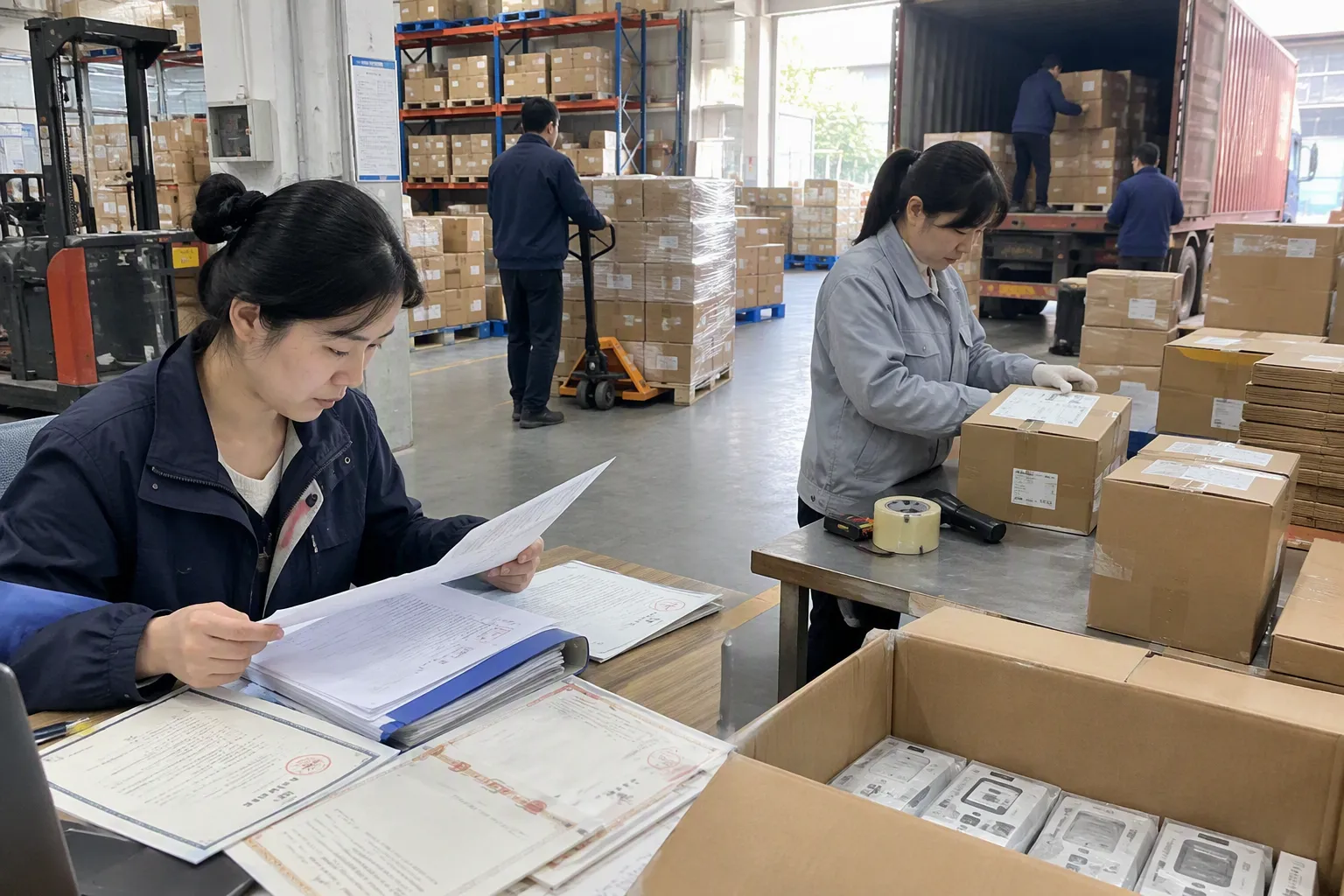
An outdoor or sports product can leave the factory in good condition and still arrive damaged, incomplete, or difficult to sell[7]. I therefore include packaging and logistics in the sourcing evaluation.
I check whether the inner packaging protects surfaces, corners, closures, screens, or other vulnerable parts. I review carton strength and internal arrangement when the product is likely to experience handling during consolidation or international transport. I also confirm carton markings, SKU separation, barcode placement, and quantity records.
This issue becomes more important when a brand buys from multiple suppliers. One supplier may finish early, another may require additional packaging work, and a third may use a different carton format. I coordinate the information before goods arrive at a consolidation warehouse. I also confirm which items require relabeling, repacking, bundling, or quality checks before shipment.
A multi-supplier order can create advantages, but it introduces coordination risk[8]. I track:
- Supplier readiness
- Expected completion dates
- Carton counts and dimensions
- Product quantities by SKU
- Packaging status
- Inspection status
- Warehouse receiving records
- Shipping documents
- Outstanding corrective actions
I do not promise that consolidation will solve every logistics problem. I use it to create better visibility and to reduce avoidable fragmentation when the order structure is suitable.
I use a risk-based supplier decision
I do not give every issue equal weight. I focus attention on characteristics that could affect safety, core function, customer complaints, returns, or brand reputation.
I may classify requirements as follows:
| Priority | Meaning | Example action |
|---|---|---|
| Critical | Failure could create a serious product, user, or market problem | Require clear evidence, specialist review where needed, and targeted inspection |
| Major | Failure could affect function, durability, customer satisfaction, or returns | Confirm an acceptance standard and inspect relevant units |
| Minor | Failure mainly affects appearance or convenience | Define acceptable limits and record defects |
| Informational | Useful for records but not a release decision | Confirm documentation without overstating its importance |
I adapt this system to the product. A visible scratch may be more important for a premium product than for an industrial accessory. A small dimensional difference may be unimportant in one product and prevent correct assembly in another.
I communicate supplier changes quickly
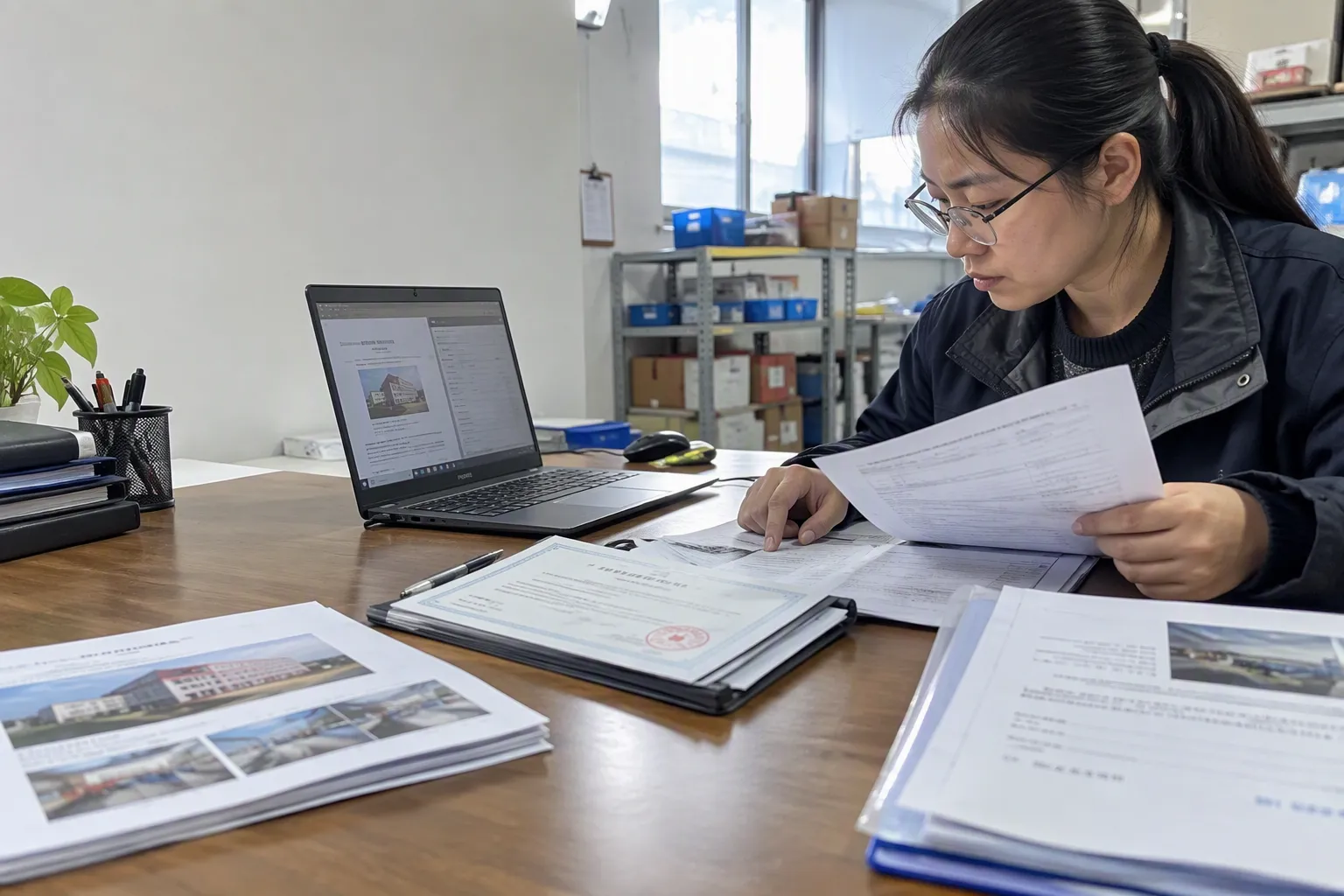
I have found that unclear change control causes avoidable disputes. A factory may substitute a component because the original part is unavailable. A buyer may revise artwork without recognizing that the change affects packaging timing. A sourcing intermediary may pass on a verbal agreement without updating the written specification.
I reduce this risk by recording:
- What changed
- Who requested the change
- Why the change occurred
- Which units or batches it affects
- Whether a new sample is required
- Whether the price or lead time changes
- Who approved the change
I ask buyers to approve important changes in writing. I also ask suppliers to flag substitutions before production instead of treating them as routine internal decisions.
I use local support where it addresses a real gap
A sourcing partner should not replace the buyer’s product responsibility. I see the partner’s role as improving visibility and execution for buyers who do not have their own purchasing team in China.
For an outdoor or sports brand, useful support may include:
- Finding suppliers that match the product brief
- Comparing quotations on a like-for-like basis
- Verifying supplier and factory information
- Coordinating sample development
- Communicating technical and packaging requirements
- Organizing factory audits or inspections
- Following production progress
- Checking products against the approved standard
- Managing multiple suppliers and SKUs
- Consolidating orders
- Coordinating warehousing and international shipping
KingSourcing provides these types of China procurement services from Shenzhen and works with suppliers in manufacturing areas such as Shenzhen, Dongguan, Guangzhou, Foshan, Yiwu, and Ningbo. I still treat every project as product-specific. Local access can improve communication and follow-up, but it cannot remove the need for a clear product brief, qualified evaluation, and buyer approval.
A practical workflow I can use
I use the following sequence when I help an overseas brand organize a sourcing project:
-
Define the product scenario.
I document the environment, users, frequency of use, handling conditions, performance expectations, and market destination. -
Separate essential requirements from preferences.
I identify which characteristics affect function, safety, fit, durability, appearance, packaging, or compliance review. -
Create a supplier brief.
I include drawings, reference products, materials, dimensions, target quantities, customization needs, packaging, and open questions. -
Build a qualified supplier shortlist.
I check whether each supplier appears capable of handling the relevant production process and customization scope. -
Compare complete quotations.
I request the same information from each supplier and identify exclusions, assumptions, tooling, packaging, inspection, and shipping variables. -
Develop and review samples.
I record defects, changes, approvals, and unresolved questions. -
Confirm the production standard.
I connect the approved sample and specification to a written inspection plan. -
Follow production and inspect goods.
I monitor progress and arrange appropriate checks before shipment or at another suitable stage. -
Review the result before scaling.
I record defects, supplier responsiveness, delivery performance, and corrective actions before placing repeat orders.
This workflow does not guarantee a perfect result. It gives the buyer more opportunities to identify uncertainty before that uncertainty becomes inventory.
Frequently Asked Questions
Is China sourcing for outdoor and sports brands suitable for small businesses?
Yes, small brands can source from China, but they need a process that matches their resources. I recommend starting with a focused product brief, controlled sample development, realistic order planning, and clear inspection requirements. A small test order may help the buyer evaluate supplier execution before committing to a larger purchasing program.
How do I choose a Chinese supplier for an outdoor product?
I look beyond product photographs and unit price. I review the supplier’s relevant production experience, material and component control, customization capability, communication, packaging process, quality records, and willingness to support sample and production checks. I also verify whether the supplier is the actual manufacturer or relies on outside production for important steps.
Does an approved sample guarantee good mass-production quality?
No. An approved sample shows that a particular sample met the buyer’s expectations at a particular time. Mass production may involve different material lots, operators, components, or production conditions. I use a final specification, reference sample, change-control process, and suitable inspections to compare production goods with the approved standard.
Should I choose the supplier with the lowest quotation?
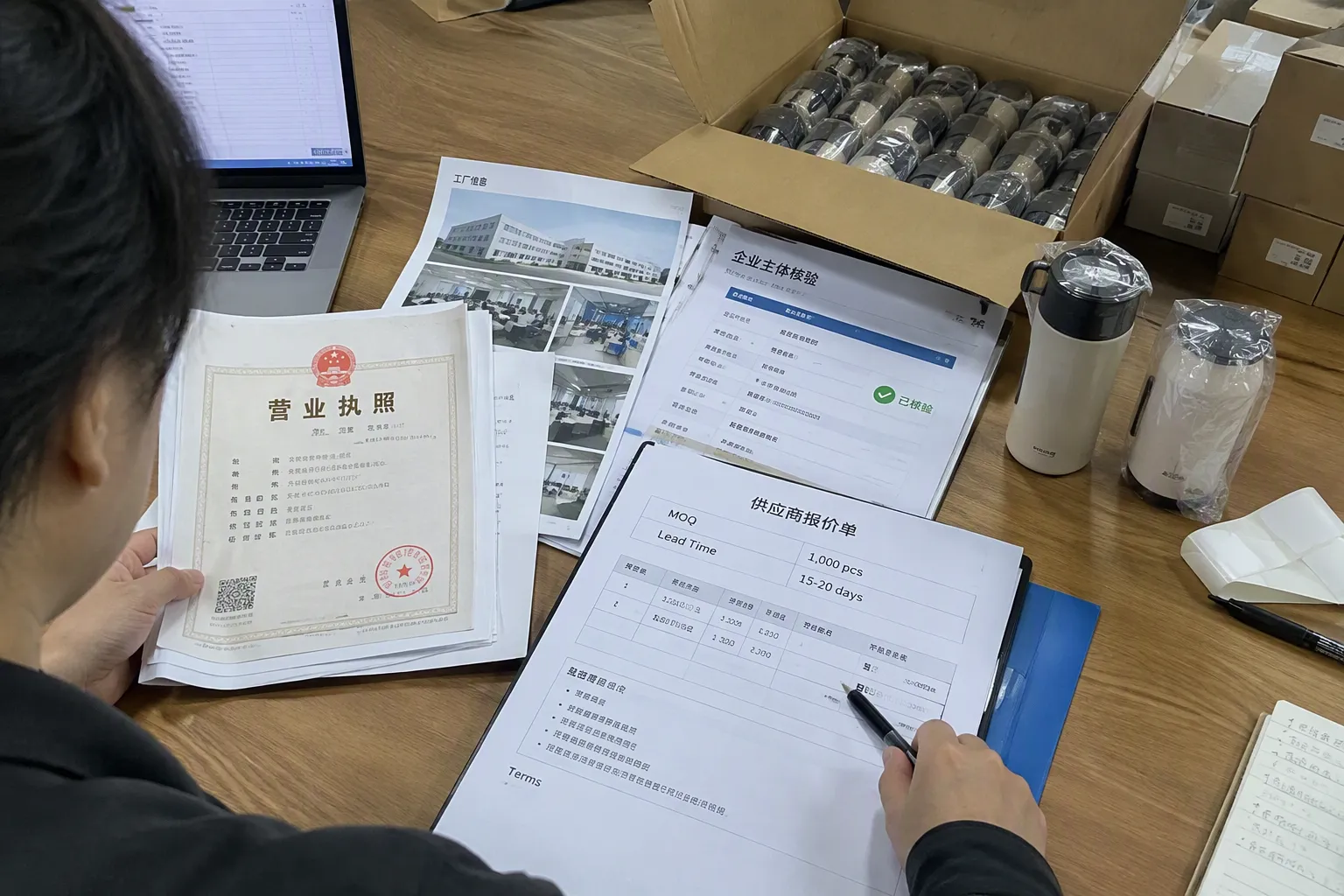
I do not recommend choosing on unit price alone. I compare the full procurement picture, including customization, tooling, packaging, inspection, rework exposure, communication, delivery coordination, and shipping requirements. A slightly higher quotation may create lower execution risk, but I verify the supplier’s claims and calculate the total cost before deciding.
Do outdoor and sports products need testing or certification?
The answer depends on the product, materials, intended use, claims, and destination market. I do not treat testing or certification as a universal checklist. I recommend that buyers obtain qualified professional advice, identify applicable requirements early, and verify that any report or certification matches the actual product, supplier, model, and market.
Conclusion
China sourcing for outdoor and sports brands requires more than finding a factory that can copy a reference image. I first connect the product with its real operating conditions, then translate broad material and performance language into observable standards. I verify supplier capability, approve samples carefully, plan for batch consistency, and compare total procurement risk rather than unit price alone. If you need help evaluating Chinese suppliers, coordinating samples, managing inspections, consolidating orders, or arranging shipping, contact KingSourcing to discuss your product and purchasing requirements.
Sources
- [PDF] Accelerated Weathering of Firefighter Protective Clothing", Institutional guidance on product risk assessment supports the proposition that environmental exposure, mechanical loading, and foreseeable use conditions should inform product specifications and evaluation
- Physical Testing Standards and Mechanical Testing Standards - ASTM", Materials-testing literature indicates that generic material descriptions do not by themselves specify composition or performance, which must be related to defined grades, measurable properties, and test conditions
- [PDF] Dimensional inspection planning based on product data standards", Inspection literature recognizes visual examination as useful for observable defects but insufficient on its own for confirming concealed characteristics, dimensional tolerances, material properties, or functional performance
- Public procurement - OECD", Procurement guidance supports evaluating offers on total or life-cycle cost together with non-price factors such as quality, delivery capability, and implementation risk rather than on unit price alone
- Lean Production in an International Supply Chain", Total-cost-of-ownership research shows that acquisition price can understate procurement exposure when quality failures, rework, logistics, delay, and implementation costs are included
- Preparing technical documentation - Your Europe - European Union", Government conformity-assessment guidance indicates that product-specific hazards and destination-market rules may require technical documentation, testing, certification, or other specialist evaluation beyond routine visual inspection
- (PDF) Supply Chain Issues in Reusable Packaging", Transport-packaging guidance identifies handling, vibration, compression, environmental exposure, and shipment-control failures as causes of damage, loss, or presentation defects after manufacture
- Multi-Sourcing and Miscoordination in Supply Chain Networks", Supply-chain research finds that multiple sourcing can improve flexibility or reduce dependence on one supplier, while also increasing coordination, information-management, and synchronization requirements