 Skip to content

Quick Answer
A China sourcing partner can help me launch a product faster when supplier uncertainty is slowing every decision. A low quotation, incomplete product brief, or unsuitable factory can create repeated samples and lost selling opportunities. I reduce that risk by organizing supplier research, comparison, sampling, production follow-up, and quality checks into one controlled process.
A China sourcing partner helps a business launch faster by reducing supplier-selection mistakes, improving communication, and coordinating the decisions between product development and production. The partner can turn an unclear product idea into a practical sourcing brief[2], compare suitable factories, manage samples, and identify quality issues before mass production. This support does not replace engineering, compliance, or legal specialists, but it can reduce re-sourcing and decision delays.
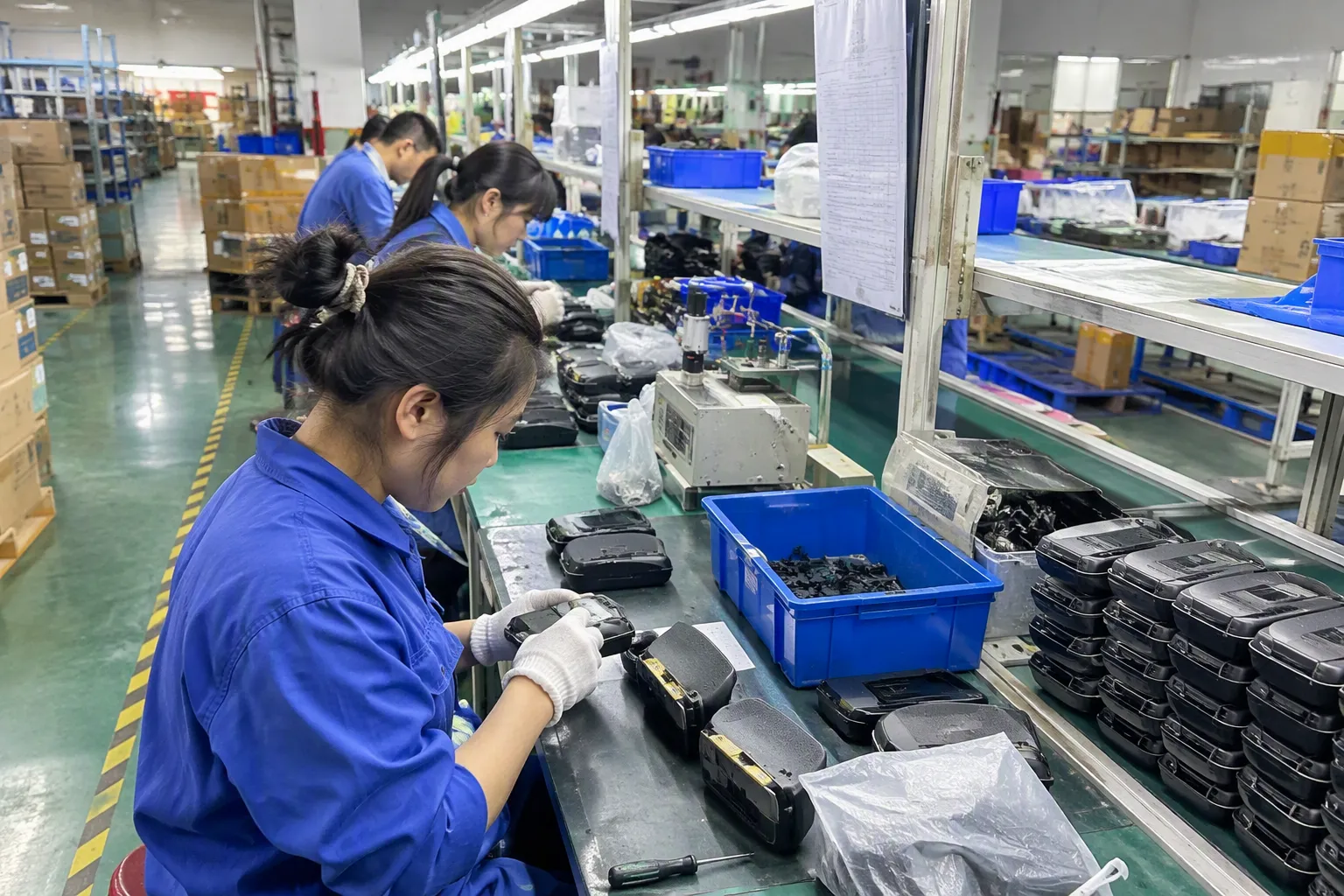
Speed in China sourcing does not come only from finding a factory quickly. I have seen how an early supplier mistake can create more work than the original search[1]. The important question is whether outside sourcing support can reduce uncertainty enough to protect the intended launch window.
How Does a China Sourcing Partner Help Launch Faster?
Many overseas buyers believe that a sourcing partner adds another step between them and the factory. That concern is reasonable. However, I often find that the larger delay comes from unclear requirements, unsuitable supplier choices, and repeated decisions rather than from the sourcing process itself.
A China sourcing partner helps launch faster by making early procurement decisions more reliable. The partner can clarify the product brief, filter suppliers by capability, compare quotations on a consistent basis, coordinate sample revisions, and follow production locally. This process can prevent a buyer from spending time with factories that cannot meet the product, quality, packaging, or order requirements.
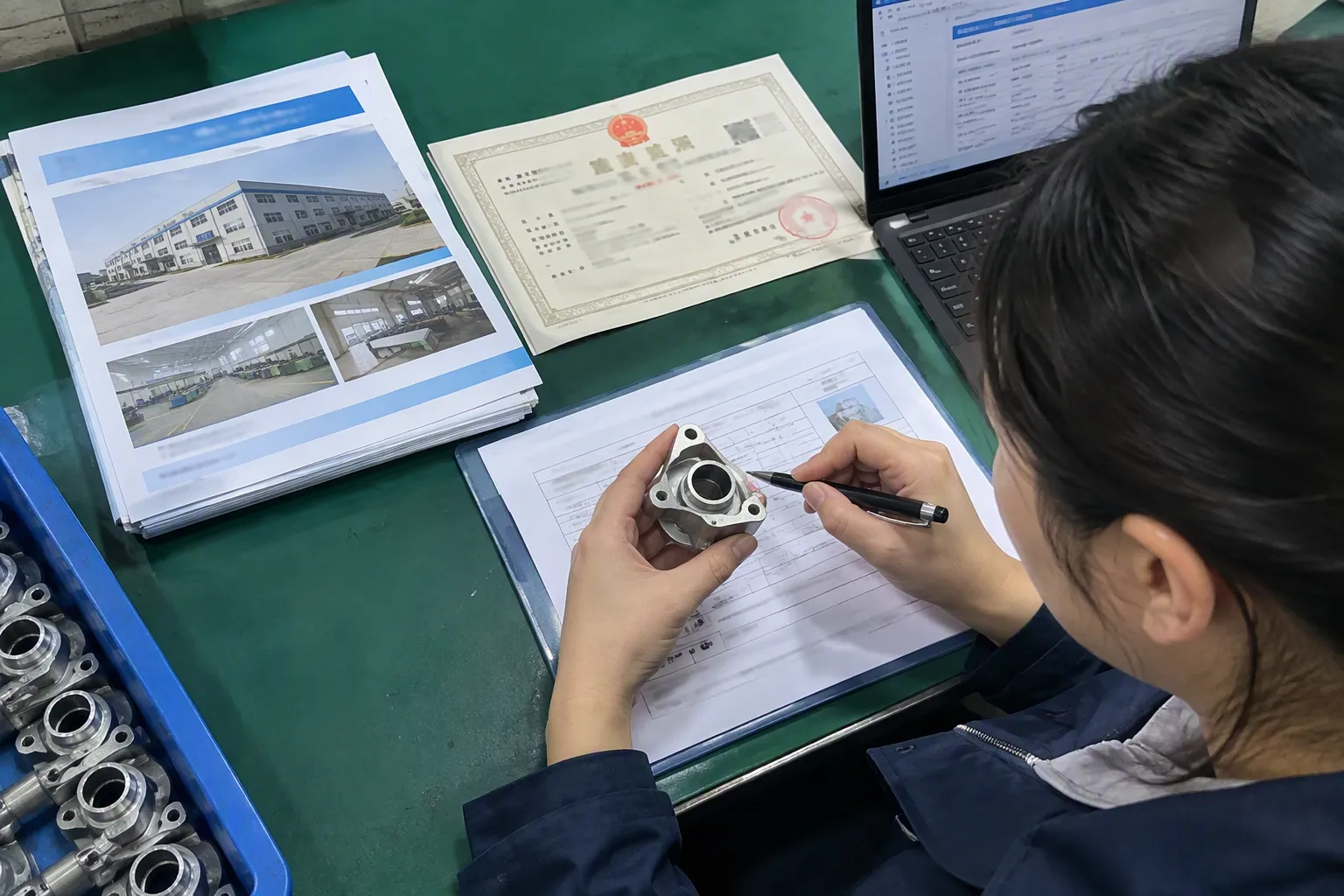
Why Factory-Finding Speed Is Not the Same as Launch Speed
A factory can reply within a few hours and still be a poor launch partner. The factory may misunderstand the product requirements, subcontract important work, quote incomplete costs, or lack experience with the requested packaging. A quick reply can therefore move a buyer into the wrong process faster.
I measure sourcing progress by the quality of the next decision, not only by the number of supplier contacts. A useful sourcing process should answer practical questions such as:
- Can the supplier make the product to the required specification?
- Does the supplier understand the intended market and use case?
- Can the factory support the expected order quantity?
- Does the quotation include tooling, packaging, labels, testing, and other relevant costs?
- Can the supplier communicate clearly during sampling and production?
- Can the supplier provide suitable evidence of its capabilities?
- Does the factory have a workable quality-control process?
These questions matter because an unsuitable supplier can produce several types of delay:
- Repeated sampling: The buyer receives samples that do not match the brief and must request multiple revisions.
- Unclear costing: The first quotation excludes important charges, so the buyer has to recalculate the product economics.
- Late capability discovery: The factory reveals after sampling that it cannot provide a required material, finish, package, or production method.
- Production rework[4]: A quality issue appears after bulk production starts, when correction becomes more expensive.
- Supplier replacement: The buyer must begin the search again after investing time in the first supplier.
A sourcing partner does not remove every possible problem[3]. Product development still involves technical trade-offs, sample changes, and commercial decisions. However, a partner can identify obvious mismatches earlier and keep the decision process organized.
How Local Coordination Compresses the Decision Cycle
I usually see the strongest value of a China sourcing partner in the links between separate procurement tasks. A buyer may be able to contact factories independently, but each factory may answer in a different format and interpret the product brief differently. That makes comparison difficult.
A local partner can convert a general request into a more structured sourcing brief. The brief may include:
- Product dimensions and materials
- Functional requirements
- Target quantity and expected reorder potential
- Preferred packaging and labeling
- Customization or private-label requirements
- Quality expectations
- Target market and delivery destination
- Required sample changes
- Target cost range
- Open questions that require supplier confirmation
The partner can then ask suppliers for comparable information[5]. This approach helps the buyer compare like with like instead of choosing based on the first attractive price.
I also find that local coordination improves the feedback loop[6]. A partner can clarify a question with a supplier, request photographs or videos, arrange samples, and report the response in a consistent format. The buyer still makes the commercial decision, but the buyer receives better information before making it.
What a Practical Supplier Comparison Should Include
Price is important, but I do not treat it as the only selection factor. A low quote can become expensive when the factory creates rework, misses a specification, or requires a complete restart.
I use a comparison framework that separates commercial factors from operational fit:
| Evaluation area | Questions I would ask | Why it affects launch speed |
|---|---|---|
| Product capability | Has the supplier made similar products or processes? | Similar experience may reduce avoidable misunderstandings |
| Specification fit | Can the factory meet the materials, dimensions, functions, and finish? | A capability gap can cause failed samples |
| Communication | Does the supplier answer questions clearly and completely? | Unclear answers create decision delays |
| MOQ and capacity | Does the order quantity fit the supplier’s normal production model? | A poor fit can affect pricing and scheduling |
| Customization | Can the factory support private labeling, packaging, or modifications? | Customization limits may appear late without early checks |
| Quality process | What inspections or controls does the supplier use? | A clear process supports more predictable production |
| Commercial terms | What do the price, tooling, packaging, and payment terms include? | Incomplete costing can distort the launch plan |
| Evidence and verification | Can the supplier provide documents or information for review? | Buyers need evidence rather than unsupported claims |
I do not treat a supplier profile, certificate, audit report, or photograph as final proof by itself. Buyers should verify documents, confirm their scope and validity, and obtain qualified professional advice for technical, safety, legal, or market-specific requirements.
How Sample Management Prevents Rework
Samples often reveal whether a supplier understands the product brief[7]. They also reveal whether the buyer has written the brief clearly enough. A sourcing partner can help create a sample request that identifies what the buyer should inspect.
A useful sample review may cover:
- Appearance and finish
- Dimensions and weight
- Materials and construction
- Functional performance
- Color and branding
- Packaging arrangement
- Label information
- Accessories and included components
- Defects or inconsistencies
- Changes required before approval
I have learned that a sample should not be treated as a simple yes-or-no event. The buyer should record what is approved, what must change, and what remains uncertain. A clear revision list gives the supplier a specific next step[8].
The process can also separate sample problems into categories:
- Brief problem: The buyer did not define an important requirement.
- Supplier problem: The factory cannot achieve the required result consistently.
- Process problem: The factory can produce the result but lacks a reliable control method.
- Expectation problem: The buyer wants a finish or function that does not match the target cost.
- Communication problem: Both parties use different interpretations of the same term.
This classification helps me decide whether to revise the brief, request another sample, negotiate a change, or move to another supplier. Without that judgment, buyers can spend too long asking an unsuitable factory to solve a problem it cannot solve.
What I Do Before Recommending a Supplier
When I support a sourcing project, I do not want to present a supplier simply because the factory has a low price or attractive online information. I first try to understand whether the factory fits the buyer’s actual requirements.
My review may include:
- Reading the product brief and identifying missing information.
- Searching for suppliers with relevant product and process experience.
- Comparing the suppliers’ stated capabilities.
- Reviewing quotations and checking what each price includes.
- Asking focused questions about customization, packaging, MOQ, and production.
- Requesting samples or supporting evidence where appropriate.
- Checking whether the factory’s communication is practical and consistent.
- Presenting differences clearly so the buyer can make an informed decision.
A supplier recommendation remains a business decision for the buyer. I can organize information and point out risks, but I cannot guarantee future performance. Buyers should also use appropriate inspections, contracts, testing, and specialist reviews for their products and markets.
When Managing Sourcing Alone Creates Delay
Self-sourcing can work well when the buyer has a clear product specification, time to manage supplier communication, and experience evaluating factories. It can also be suitable for a straightforward product with an established supplier and limited customization.
The process becomes more difficult when the buyer:
- Has no purchasing team in China
- Needs several factories for a multi-SKU range
- Wants custom packaging or private labeling
- Is developing an OEM or ODM product
- Needs a small test order before scaling
- Must compare many quotations
- Has limited experience reviewing samples
- Needs production follow-up in a different time zone
- Wants to consolidate products from multiple suppliers
- Does not know which factory claims require verification
In these situations, the buyer may spend many hours on messages but still lack a reliable comparison. I have found that communication volume does not always equal sourcing progress. A buyer can receive dozens of quotations and still not know which supplier can meet the complete requirement.
The Cost of a Supplier Mistake
The cost of a poor supplier decision extends beyond the factory quotation. It can include:
- Sample and courier costs
- Time spent preparing repeated feedback
- Product development changes
- Lost packaging or branding work
- Delayed inventory planning
- Missed promotional or selling opportunities
- Additional inspection and rework costs
- New tooling or mold expenses
- Repeated negotiation and payment administration
I avoid assigning a fixed value to these risks because every product and launch plan differs. A simple stock item may be easy to replace. A customized product with tooling, packaging, and brand requirements may be much harder to restart.
The commercial question is therefore not only, “What does the sourcing partner charge?” I also ask, “What uncertainty is the buyer currently carrying, and what could an avoidable mistake cost?” A partner becomes more relevant when the answer involves repeated samples, unclear quotations, several suppliers, or a narrow selling window.
How a Sourcing Partner Supports a Faster Launch Without Making Promises
I do not promise that every product will launch within a specific number of days. A responsible sourcing partner cannot control every factor. Product complexity, sample revisions, supplier capacity, payment timing, freight conditions, inspections, and import requirements can all affect the final schedule.
The partner can improve the process by controlling the parts that are within the procurement workflow:
- The brief can become clearer before supplier outreach.
- Supplier research can focus on relevant capabilities.
- Quotations can be compared using consistent assumptions.
- Questions can move through one local communication channel.
- Samples can be documented and reviewed against defined criteria.
- Production progress can be followed after order confirmation.
- Inspection findings can be reported before shipment.
- Multiple supplier orders can be consolidated when appropriate.
This support creates a more visible decision path. The buyer can see what has been confirmed, what remains open, and what requires a specialist decision.
An Anonymous Example of Supplier Misjudgment
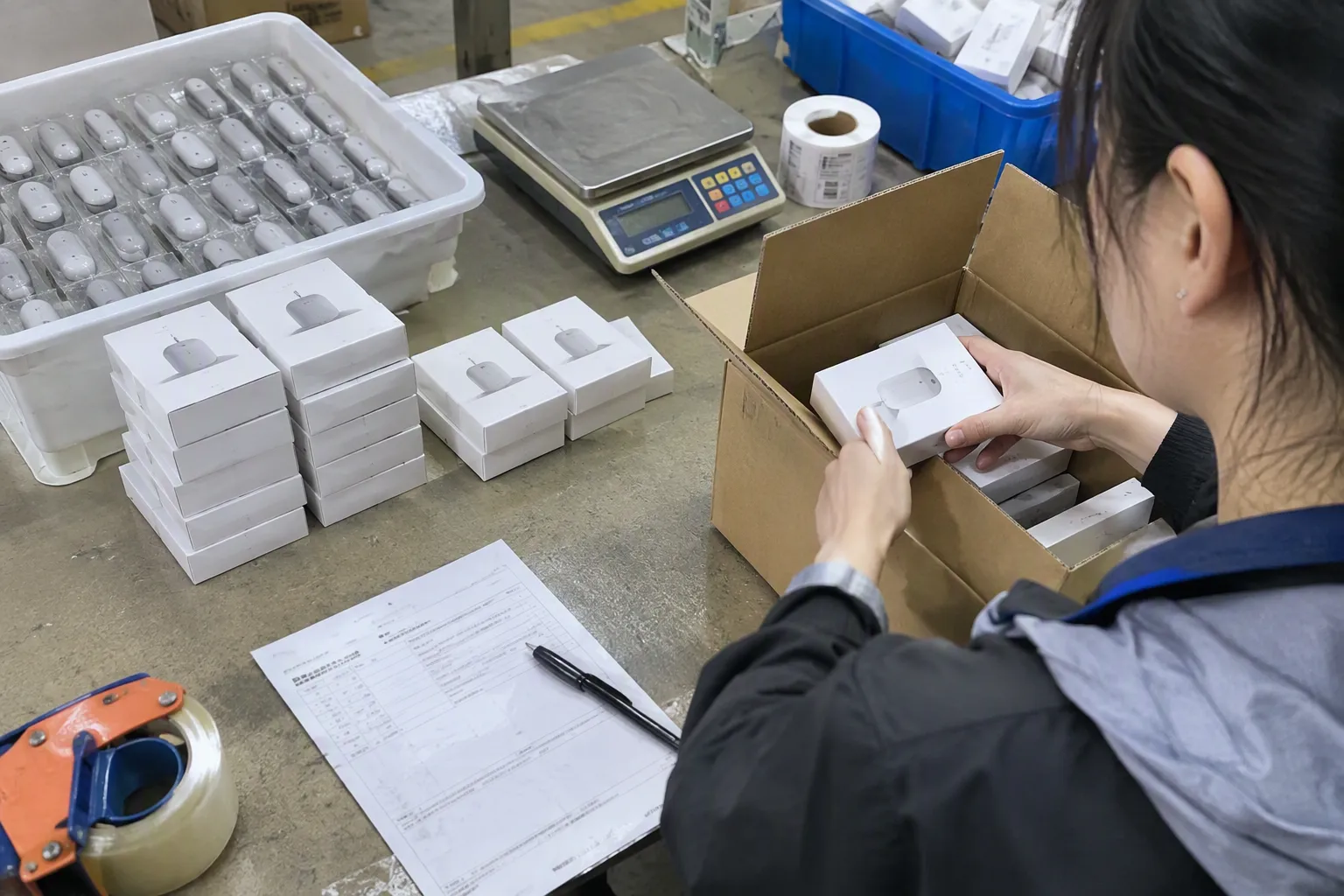
In my work with e-commerce and product-focused businesses, I have encountered sourcing situations where the first supplier appeared suitable but later proved to be a poor fit. I do not share identifying details or unsupported results, but the pattern is familiar: the factory provides a competitive quotation, the buyer requests a sample, and the sample does not match an important requirement.
At that point, the buyer faces several choices. The buyer can ask for another revision, change the specification, accept a weaker result, or search again. The right choice depends on the product and the business objective.
My role in such a situation is to help separate the options. I would document the sample issue, ask whether the factory can correct it consistently, and compare the response with other supplier options. If the problem shows a capability gap rather than a small correctable error, repeated sampling may not be a sensible use of time.
I treat this as a supplier-selection lesson rather than a promise of a particular outcome. A sourcing partner is useful when the partner helps the buyer recognize the difference between a normal development adjustment and a warning that the supplier is wrong for the project.
How to Decide Whether You Need Outside Sourcing Support
I suggest that buyers review their current process honestly. The following questions can help:
- Do I have a complete and testable product brief?
- Can I identify suitable Chinese manufacturing regions or supplier types?
- Can I compare quotations without missing hidden scope differences?
- Can I review a sample against clear acceptance criteria?
- Can I communicate quickly enough to keep decisions moving?
- Can I inspect production or arrange a qualified inspection?
- Can I manage several suppliers and shipments at the same time?
- Can I handle packaging, labeling, warehousing, consolidation, and freight coordination?
- Can I verify supplier documents and engage specialists when needed?
- Do I understand the cost of a failed sample or late supplier change?
If the buyer answers “no” to several questions, a China sourcing partner may provide practical value. The partner does not need to control every business decision. The partner needs to reduce the uncertainty that blocks good decisions.
What the Buyer Should Prepare Before Contacting a Partner
A sourcing partner can work more effectively when the buyer provides a clear starting point. The buyer does not need a perfect specification, especially during early product development. However, the buyer should explain the current level of certainty.
I recommend preparing:
- Product photos, sketches, or reference links
- Intended use and target customer
- Preferred materials or known restrictions
- Desired dimensions and functional requirements
- Target order quantity and likely reorder plan
- Branding and packaging expectations
- Destination country or region
- Target price range, if available
- Required sample changes
- Known compliance or testing questions
- Desired launch or selling window
The buyer should also identify which decisions remain flexible. For example, the buyer may accept a material alternative but not a size change. The buyer may accept a different package structure but not a change to the product function. These boundaries help the sourcing partner search for realistic options.
How KingSourcing Fits Into the Procurement Workflow
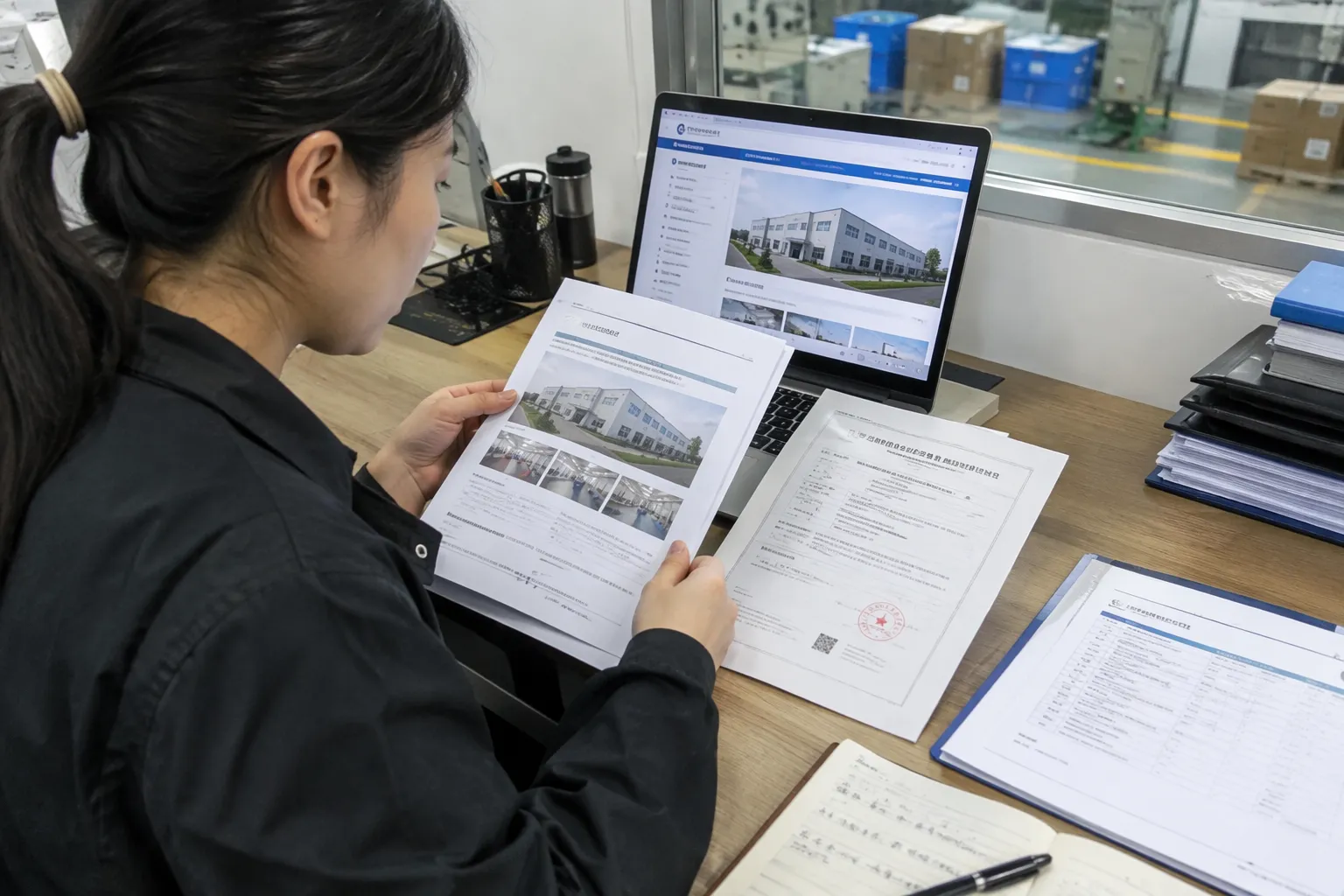
At KingSourcing, I would position our support around the complete purchasing workflow rather than around factory introductions alone. Our work can include supplier sourcing and verification, quotation comparison, sample development, OEM or ODM coordination, factory audits, production follow-up, quality inspection, one-by-one product checking, packaging and labeling, warehousing, consolidation, and shipping coordination.
The relevant benefit for a launch is the connection between these activities. A buyer may need one partner to help move from:
Product idea → sourcing brief → supplier comparison → sample decision → purchase order → production follow-up → inspection → shipment
This workflow is especially useful for overseas e-commerce sellers, Amazon sellers, DTC brands, wholesalers, and small businesses that do not have their own purchasing team in China.
I also understand that not every buyer needs the same level of support. Some businesses may only need supplier research and quotation comparison. Others may need an outsourced China purchasing office that manages repeat orders, several factories, packaging, consolidation, and shipping.
I would first assess the product, supplier situation, order structure, and buyer’s internal resources. Then I can recommend a suitable level of involvement. A professional evaluation remains important for product engineering, legal requirements, certification, testing, and market-specific compliance.
Questions Buyers Should Ask a Potential Sourcing Partner
A buyer should evaluate the sourcing partner with the same care used to evaluate a factory. I recommend asking:
- How will you understand and document my product requirements?
- How will you compare suppliers beyond their quoted price?
- What information will you verify before recommending a factory?
- How will you manage sample feedback and revisions?
- How will you report production progress and quality findings?
- Which activities are included in your service, and which are separate?
- How will you handle confidential designs and commercial information?
- Can you support multi-supplier consolidation or customized packaging?
- Which decisions require my approval?
- What qualifications or external specialists are needed for my product?
The buyer should look for clear answers rather than broad promises. A partner who guarantees an unrealistically fast launch may be ignoring the variables that make sourcing decisions difficult.
A Balanced View of the Risks
A sourcing partner is not automatically the best choice for every business. The buyer may face service fees, an additional communication layer, and the need to explain the product to another party. The buyer also needs to review how the partner handles supplier relationships, payments, confidential information, and quality claims.
The buyer should consider direct factory sourcing when the business has:
- An experienced procurement team
- Staff who can communicate with suppliers effectively
- A stable and verified factory relationship
- A simple, repeatable product
- Strong internal quality-control procedures
- The capacity to manage shipment and documentation
A partner may be more appropriate when the buyer values local oversight, supplier comparison, sample coordination, production follow-up, or multi-supplier management. The correct choice depends on risk, complexity, order value, internal capability, and the importance of the launch window.
Frequently Asked Questions
What is a China sourcing partner?
A China sourcing partner helps overseas businesses identify and evaluate Chinese suppliers, compare quotations, coordinate samples, manage production communication, arrange quality checks, and support shipping or consolidation. The exact service scope varies, so buyers should confirm responsibilities, fees, verification methods, and approval points before starting.
Can a China sourcing partner guarantee a faster product launch?
No responsible partner can guarantee a specific launch timeline. A partner can reduce avoidable delays caused by unclear specifications, unsuitable suppliers, repeated samples, and poor coordination. Product complexity, revisions, production capacity, inspections, freight, and compliance requirements can still affect the final schedule.
Is a sourcing partner cheaper than contacting factories directly?
A sourcing partner adds a service cost, so the lowest immediate purchasing cost is not guaranteed. However, the buyer should compare that fee with the potential cost of failed samples, supplier replacement, rework, poor quality, and delayed inventory. The right comparison includes total procurement risk, not only the factory unit price.
Should I use a sourcing partner for a small test order?
A small test order can still benefit from supplier verification, sample review, packaging coordination, and quality control. The decision depends on product complexity and the buyer’s experience. A partner may be especially useful when the buyer is testing several SKUs or working with multiple factories.
Does a sourcing partner replace product testing or compliance specialists?
No. A sourcing partner can help collect supplier information and coordinate documents, samples, and inspections. Buyers should verify certification and testing documents and use qualified laboratories, engineers, legal advisers, or compliance professionals when the product or destination market requires specialist evaluation.
Conclusion
A China sourcing partner helps launch faster by improving the decisions that happen before mass production. The strongest value does not come from finding the cheapest factory or receiving the quickest reply. It comes from reducing supplier misjudgment, clarifying requirements, comparing realistic options, managing samples, and following production with better local coordination. I encourage buyers to review where their current process creates uncertainty and whether that uncertainty could delay a selling window. If you need supplier selection, sample management, quality control, consolidation, or shipping support in China, contact KingSourcing to discuss your procurement workflow.
Sources
- Impacts of switching costs", Research on supplier selection identifies supplier capability, reliability, and fit as factors that influence procurement performance and the cost of correcting an unsuitable supplier decision
- View Source - NASA Software Engineering Handbook", Requirements-engineering research indicates that defining and communicating product requirements systematically can reduce ambiguity between stakeholders and provide a clearer basis for development and supplier evaluation
- Supply Chain Risks and Mitigation Strategies - Purdue Business", Supply-chain risk literature treats procurement outcomes as subject to multiple interacting uncertainties, including supplier capability, production conditions, logistics, demand, and regulatory requirements; no single coordination activity removes all such risks
- "Rework in Manufacturing: How to Cut Scrap and ...", Quality-management research distinguishes prevention and appraisal activities from failure costs and shows why defects identified during or after production can impose additional rework and correction costs
- (PDF) Supplier Evaluation Model Procurement and Contracting", Supplier-selection studies commonly use standardized evaluation criteria and comparable supplier data to support multi-criteria assessment rather than decisions based solely on quoted price
- Global Talent, Local Obstacles: Why Time Zones Matter in ...", Buyer-supplier relationship research associates timely, accurate information exchange and coordination with improved performance in interorganizational supply processes
- Rapid Prototyping for Product Design | MIT xPRO Online Course", Product-development research treats prototypes and samples as tangible artefacts that help stakeholders evaluate whether intended functions and specifications have been interpreted and implemented as expected
- Design Controls - U.S. Food and Drug Administration", Design-review and requirements-management research indicates that documenting deviations, approvals, and required changes provides a clearer basis for controlled product iterations


